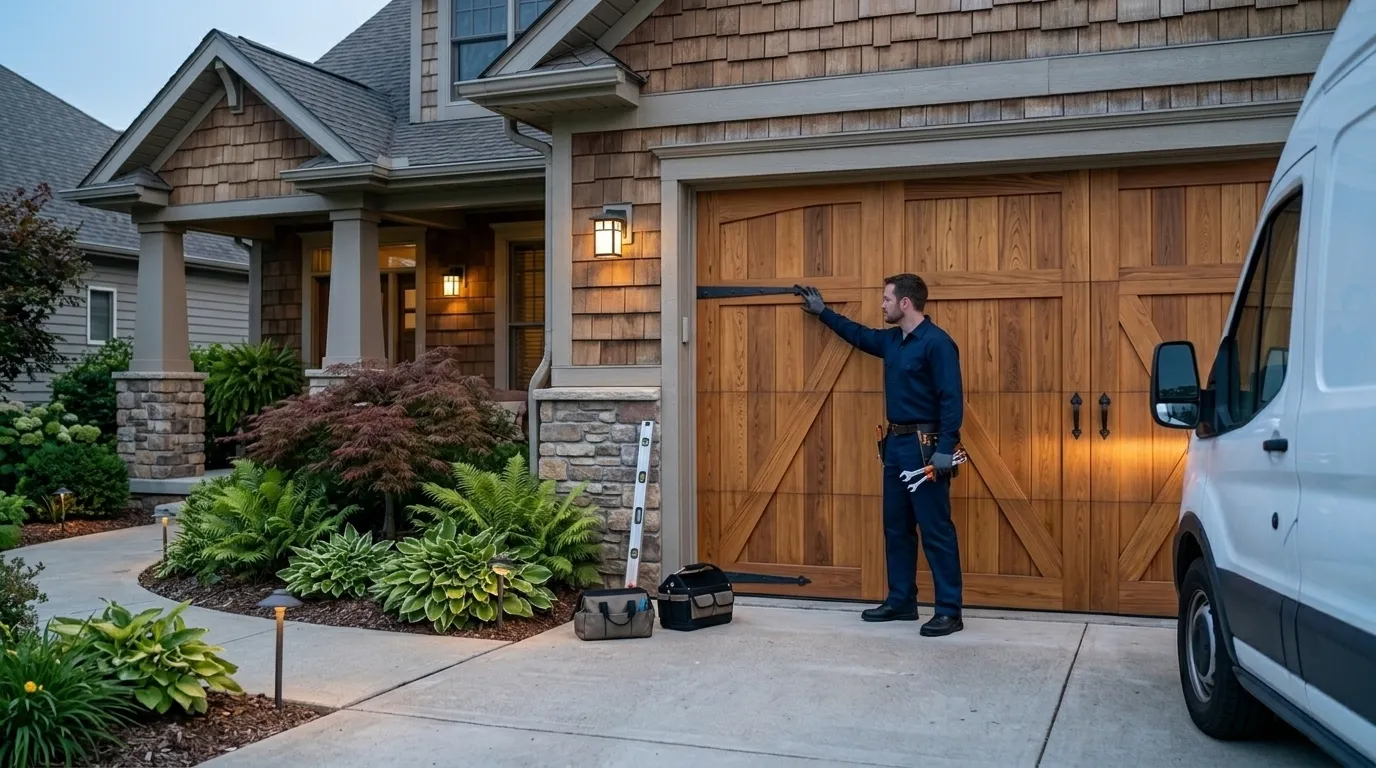
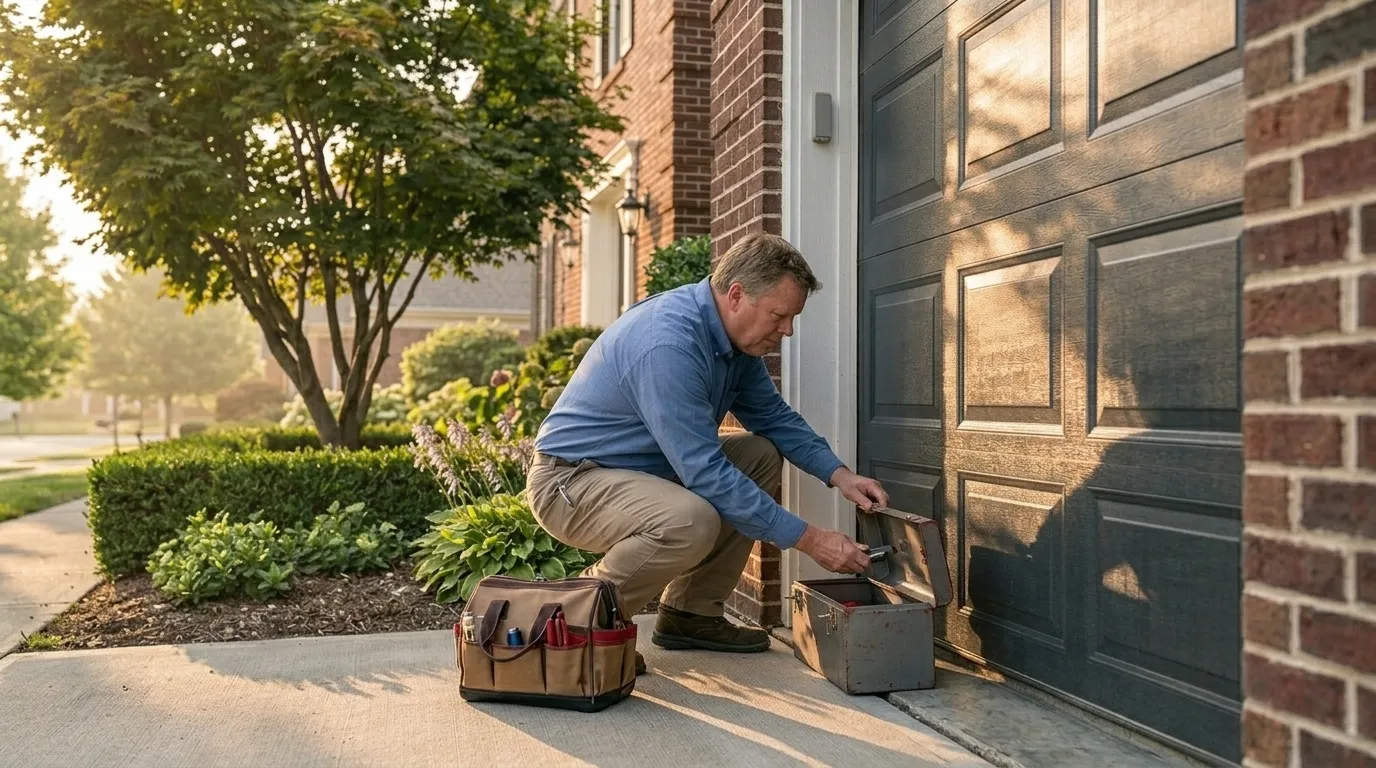
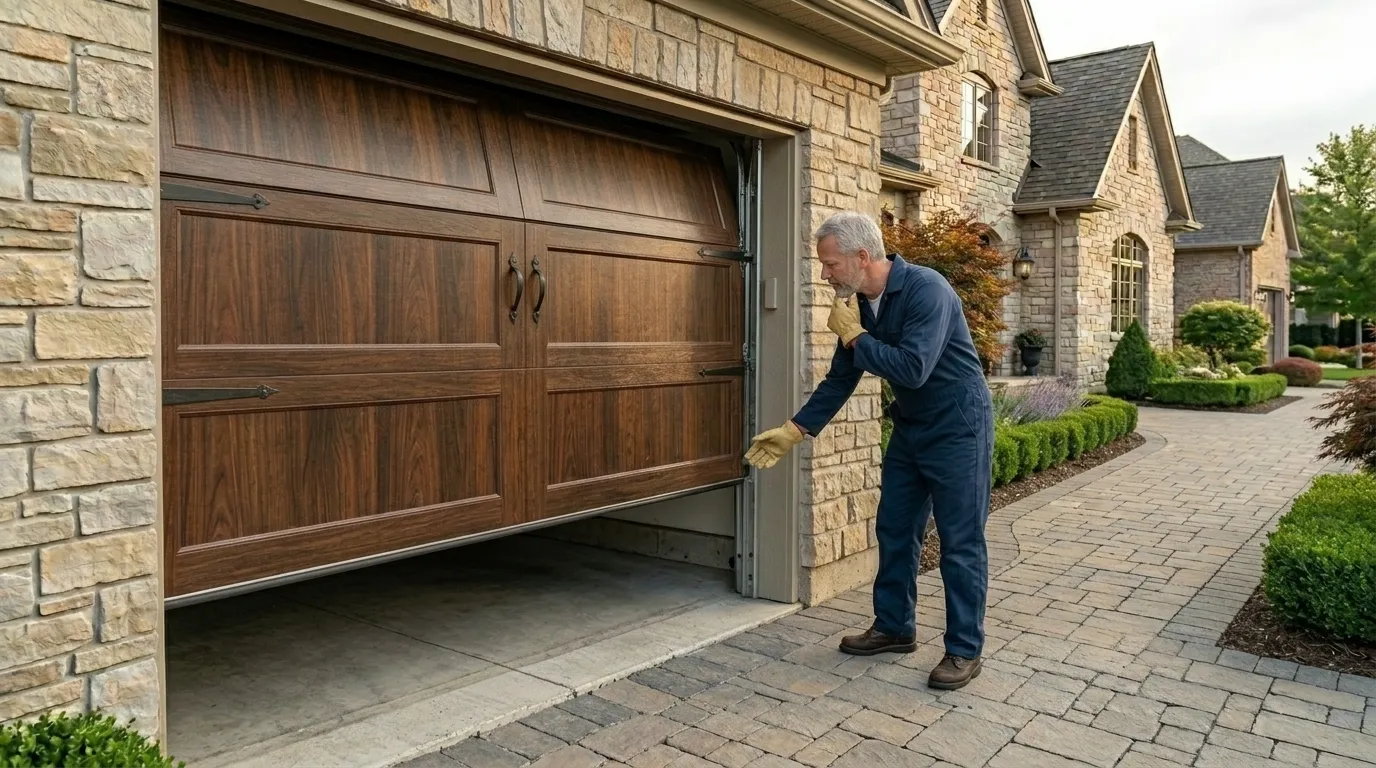
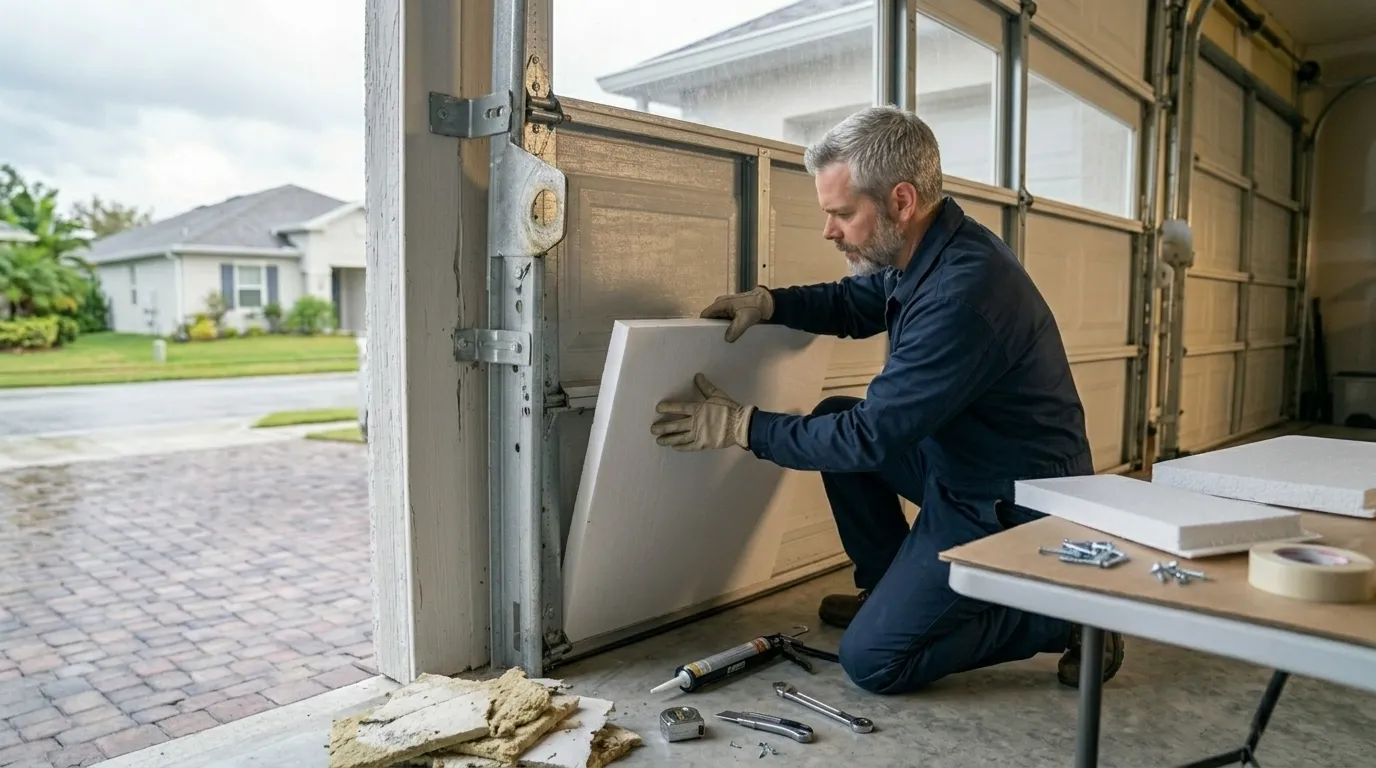
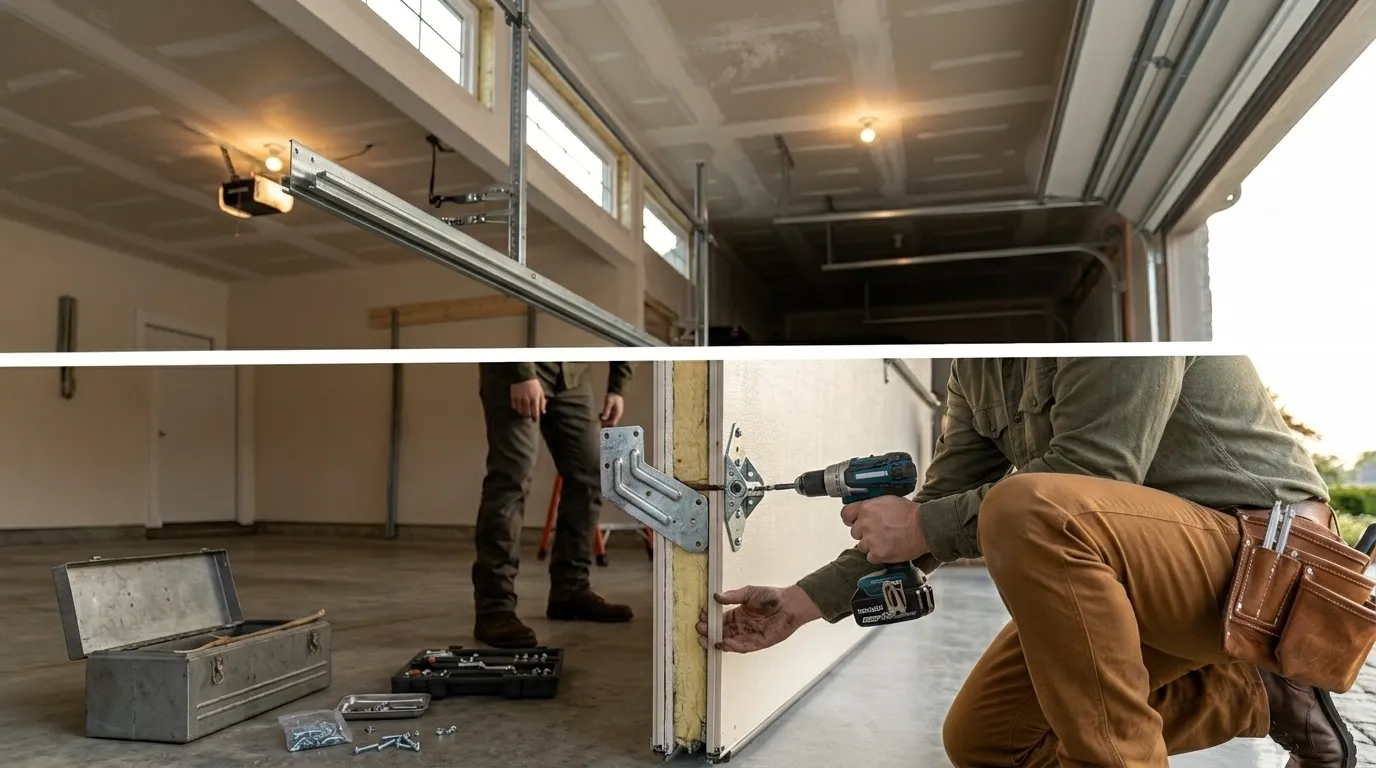
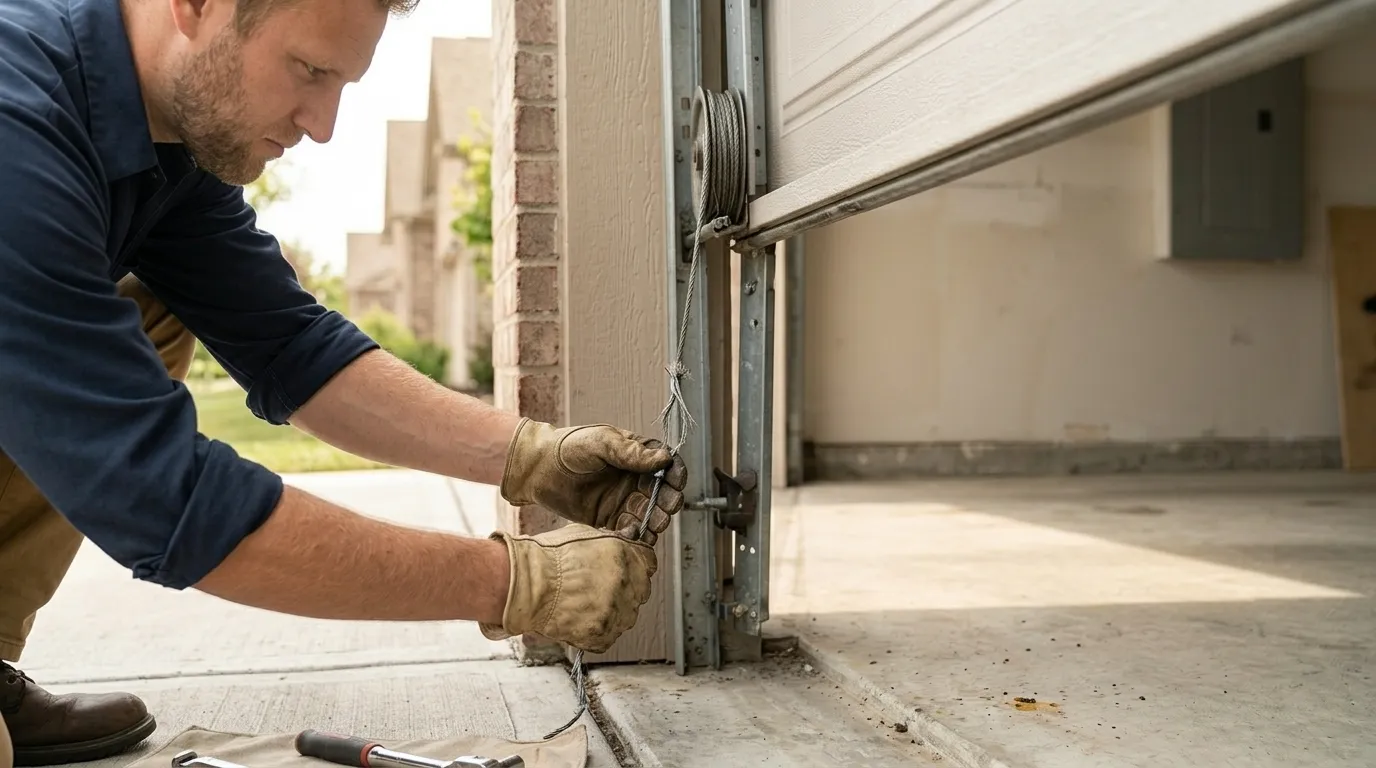
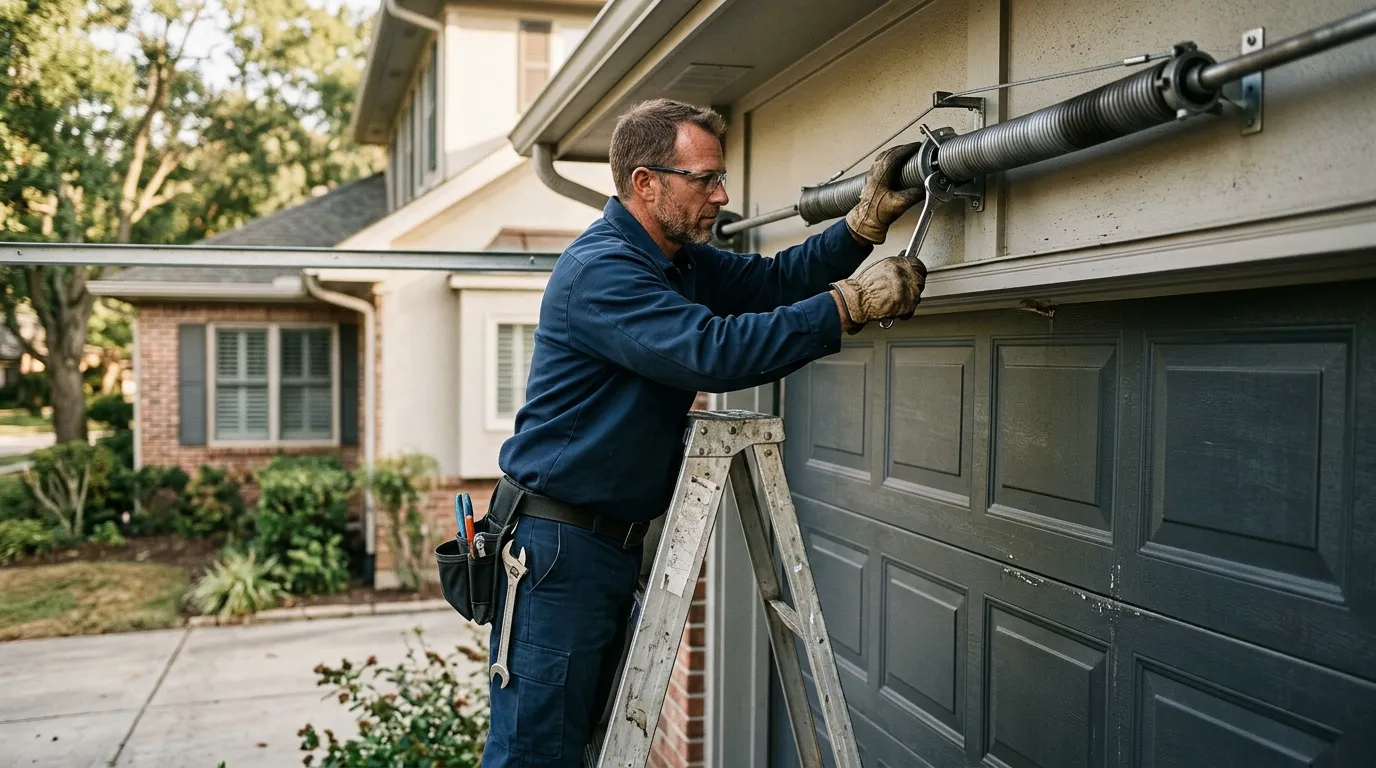
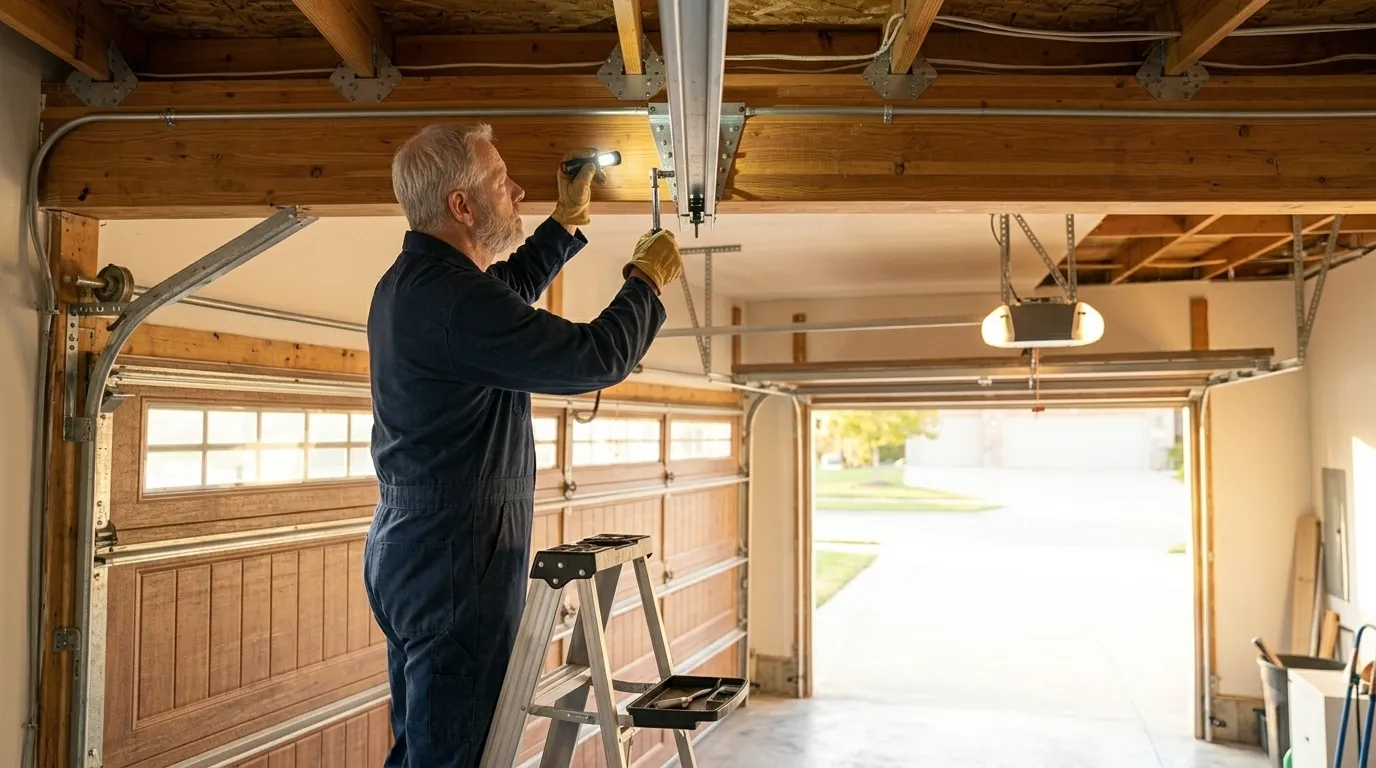
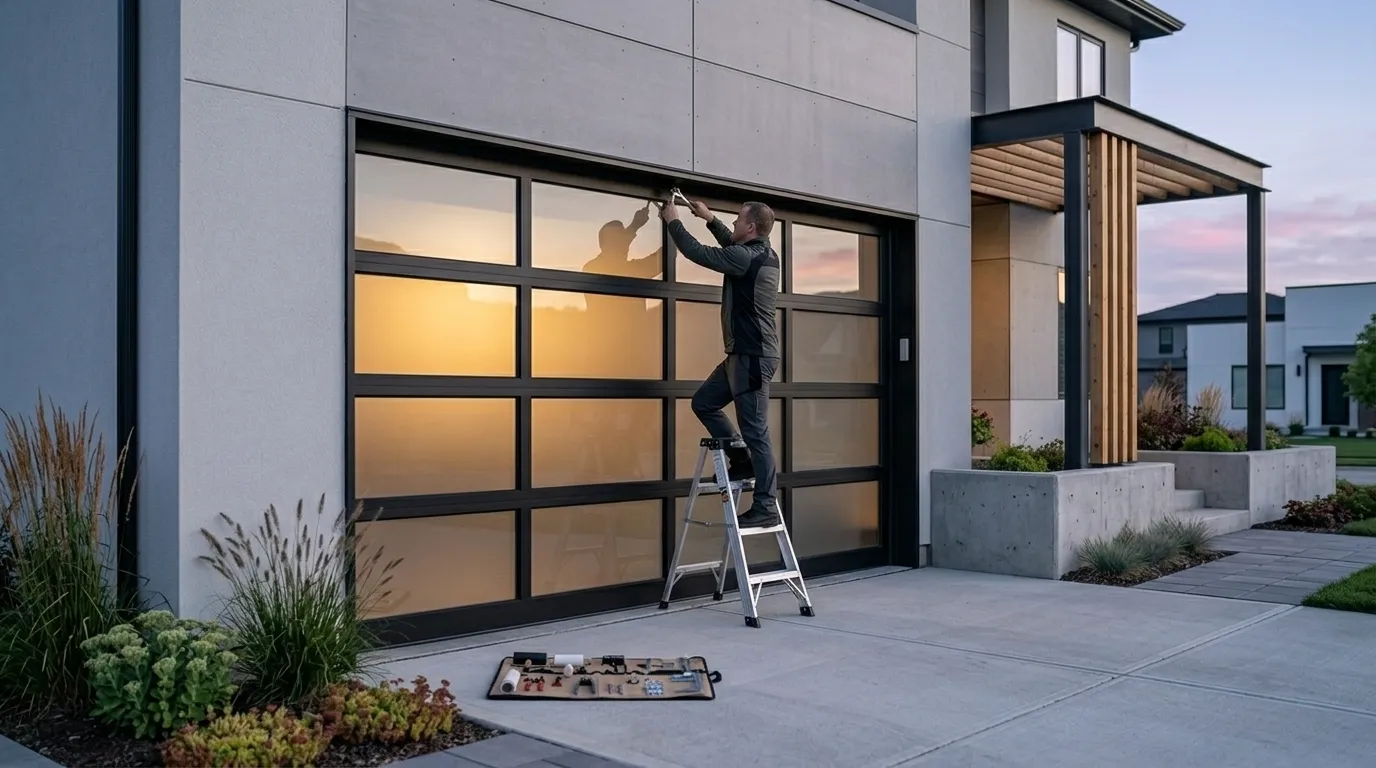
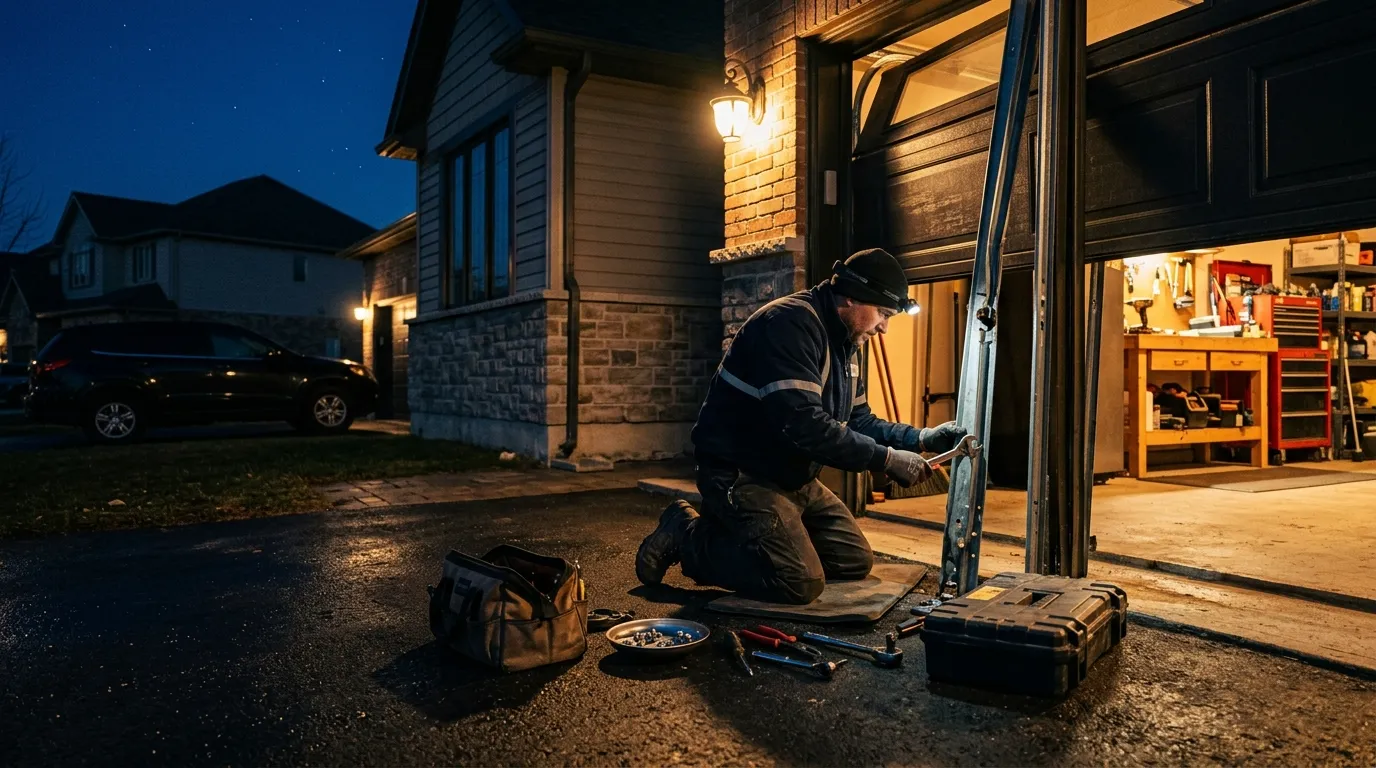
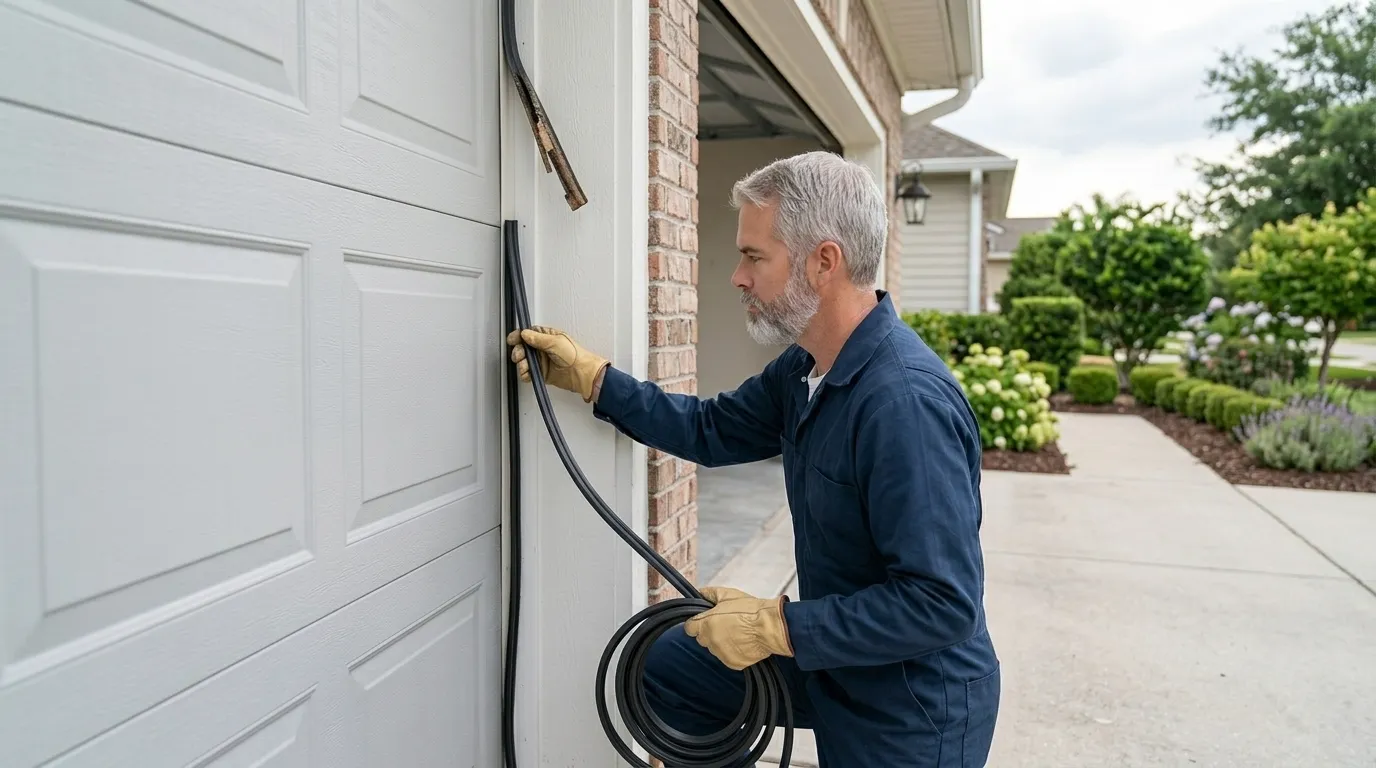
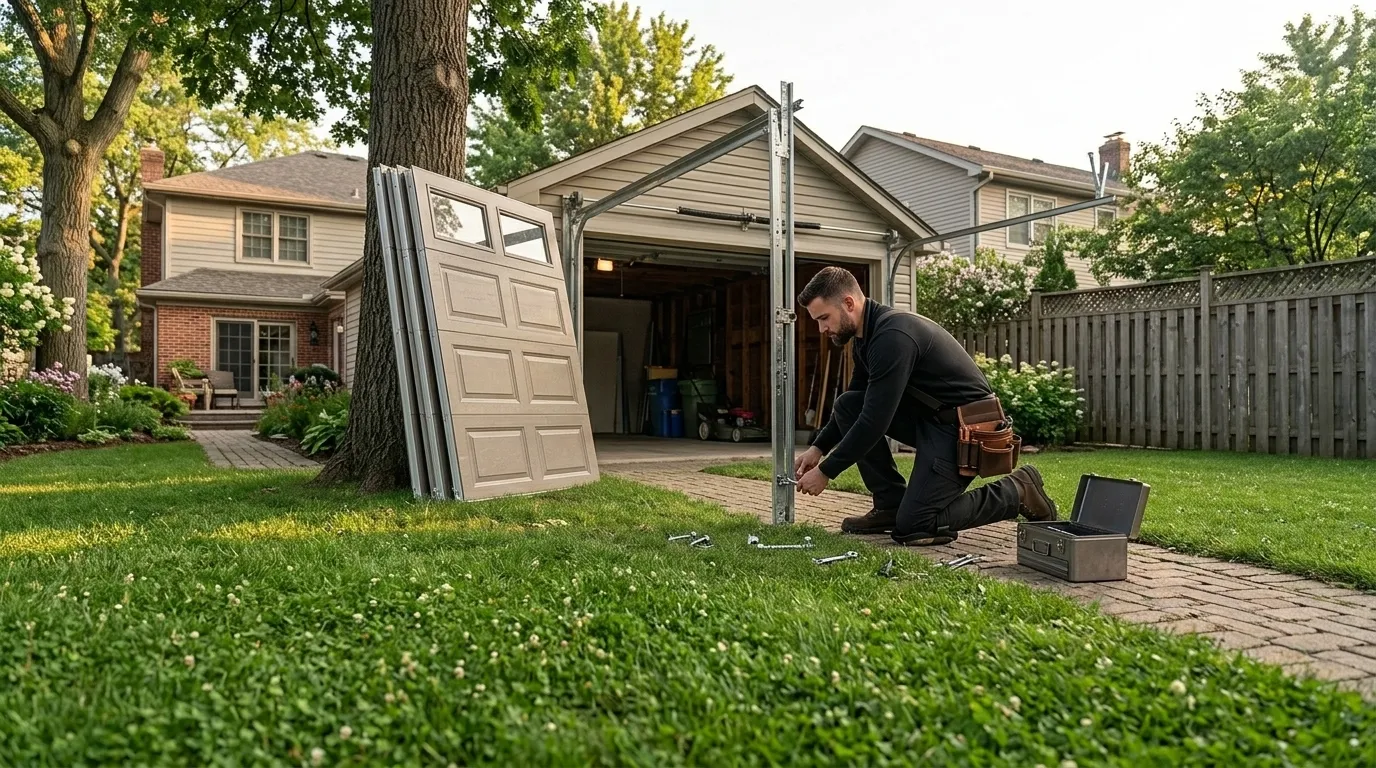
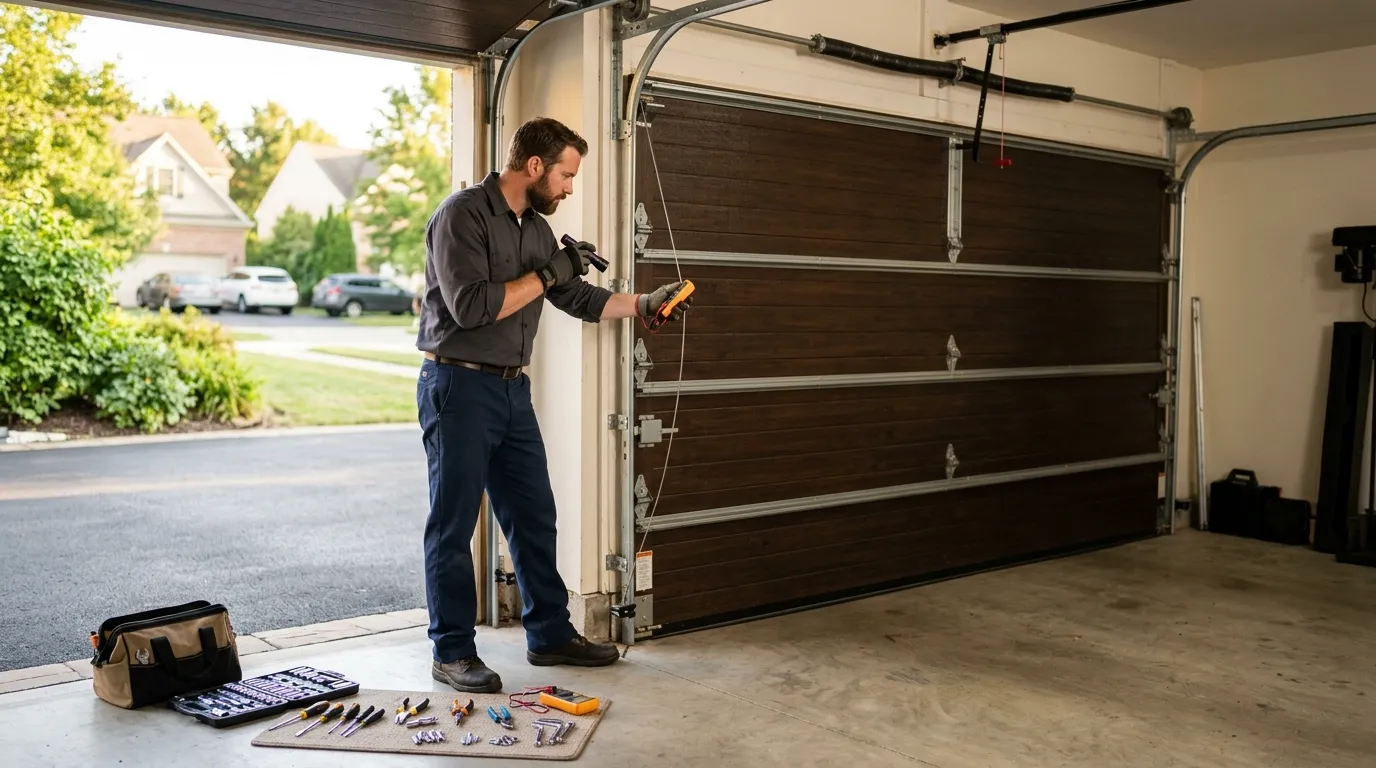
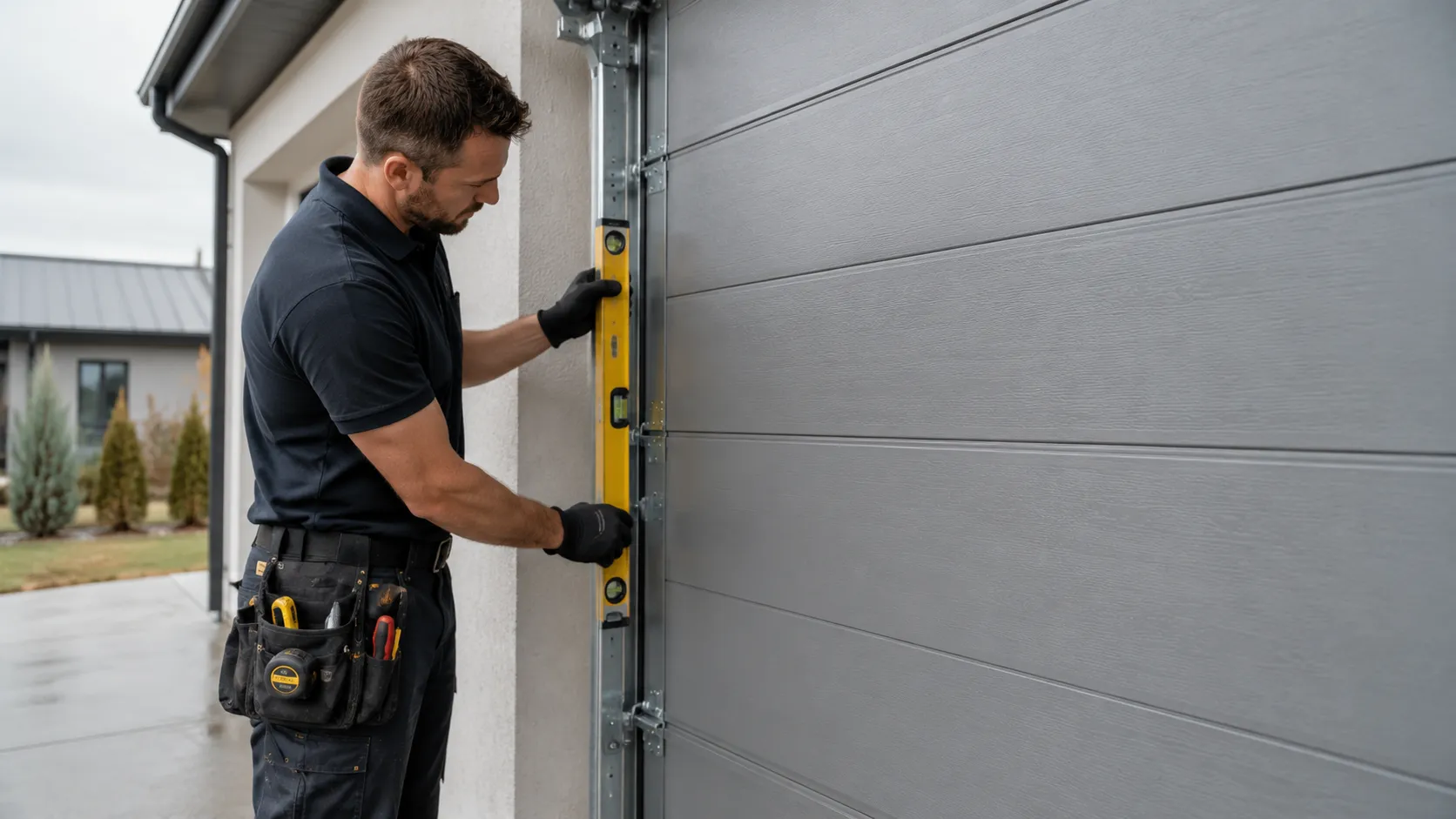
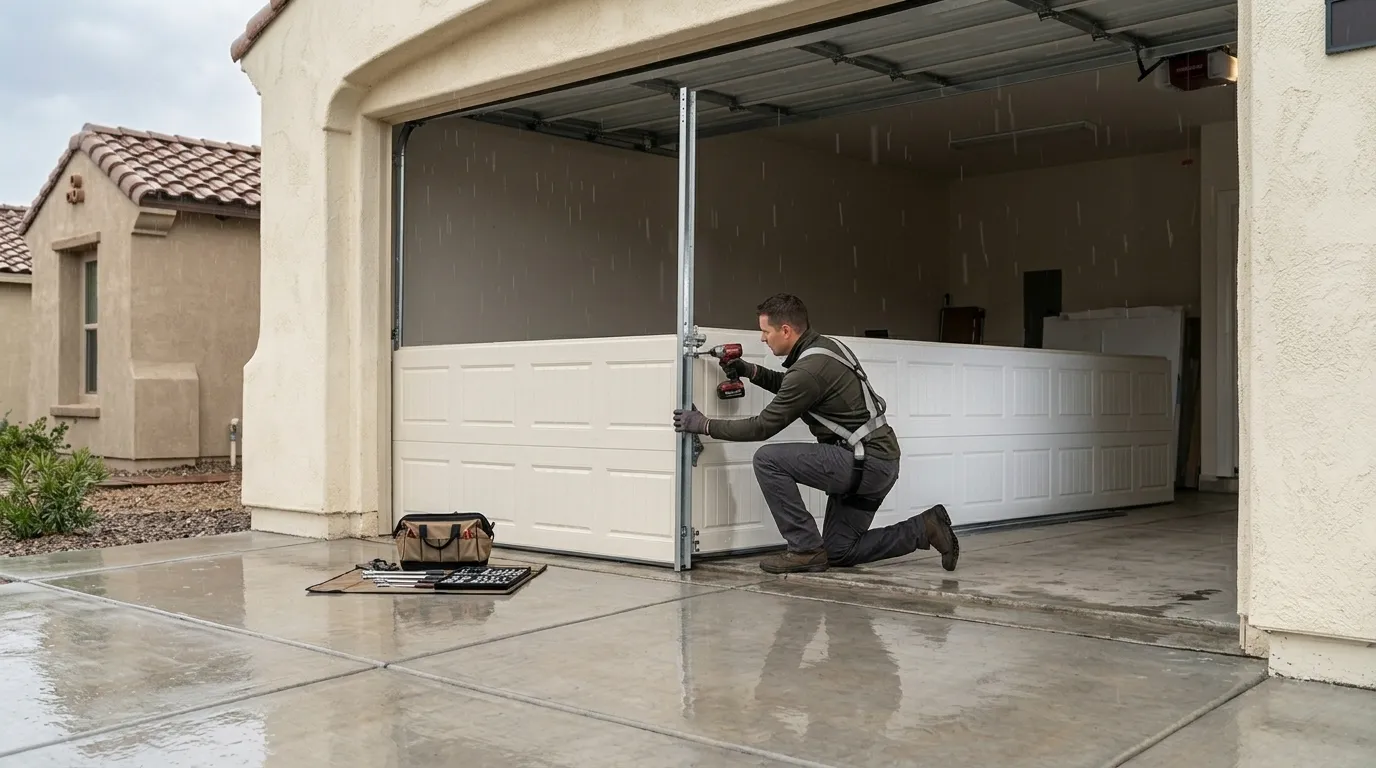
A maintenance visit isn't a flat number we can quote without seeing the door, because what a tune-up covers depends heavily on age. In this service area, houses run from 1938 up through 2009, with the median built in 1984 - so a tech might be lubing a torsion spring system that's original to a mid-80s build, or checking a much newer opener with different tolerances. Either way, the visit covers the same basics: spring tension check, track alignment, roller and hinge condition, cable wear, opener force settings, and weatherseal. What changes the cost is whether something's already failing versus just aging normally. We don't pad a maintenance call with parts you don't need yet, and if a spring or cable is close to failure, we'll tell you straight rather than upsell you into a repair disguised as a tune-up. If you want an exact number, that's a phone call, not a guess on a webpage.
What You Are Seeing
Across this service area - 67 named communities, most of them built out in the 1980s and 90s - the common complaint isn't dramatic. It's a door that groans on the way up, an opener that strains before the door clears halfway, or a garage that feels a few degrees colder than it should. That last one matters here. This is a cold-severe climate band, and steel torsion springs lose tension differently in winter than they do in July. A spring that felt fine in September can bind or snap in January because the metal contracted around hardware that hasn't been serviced in years. Rollers dry out and flat-spot in the cold, nylon parts get brittle, and old grease turns to paste instead of lubricant. None of this is unique to one house - it's the predictable result of 30-to-40-year-old steel and nylon parts sitting through repeated freeze-thaw cycles without anyone touching them. If your door's noise changed with the season, that's not a coincidence, that's the cold doing exactly what cold does to unmaintained hardware.
Time on the Job
A standard maintenance visit runs long enough to actually test the door under load - open and close cycles, spring balance check, opener travel and force adjustment - not just a quick spray-and-go. On an older torsion setup, that means more time checking cable wear and drum condition, since those systems have had three or four decades to accumulate slack and rust. On a newer opener, more of the time goes into sensor alignment and travel limits. We don't rush a visit just to hit a number, and we don't stretch one to justify a bigger bill. If the tech finds something that needs a follow-up repair - a spring near the end of its cycle life, a track that's bent rather than just misaligned - that's a separate call, scheduled on its own, not squeezed into the maintenance window.
Why This Fails Locally
The failure pattern here comes down to two things stacking on each other: housing age and climate. With a median build year of 1984 across this area, a lot of original torsion hardware, extension springs, and early-generation openers are still in service - decades past when they were designed to be maintained on a schedule, not run until something breaks. Add a cold-severe climate on top of that, and you get accelerated wear on exactly the parts that don't get looked at: springs that fatigue faster from repeated cold contraction, cables that corrode from condensation cycling in an unheated garage, and rollers that were never rated for this many freeze-thaw seasons. In a milder climate, that same 1984-built door might limp along for years past when it should've been serviced. Here, the cold exposes the gap between what the hardware was built to handle and what nobody's checked in a decade. That's the whole reason a maintenance visit matters more in this area than in a place with a gentler winter - the parts are older on average, and the weather is harder on them.
How it works
From “it’s stuck” to “it’s fixed”
01
Tell us what’s wrong
Describe the symptom - won’t open, loud bang, opener runs but the door won’t move.
02
On-site diagnosis
A technician tests the door under power and by hand and finds what actually failed.
03
Clear, up-front plan
You get the fix that’s needed and what drives the cost - before any work starts.
04
Repaired & tested
The repair is done, the door is set true and tested, and the work area left clean.
Serving Mundelein, IL - tell us what your door’s doing and we’ll take it from there.
How often should I get my garage door serviced in this climate?
Given the cold-severe conditions here, once a year is the minimum, ideally before the hardest part of winter sets in. Cold contracts steel springs and stiffens lubricant, so a fall check catches problems before freezing temperatures turn a minor issue into a stuck or broken door.
My house was built in the 80s - does that matter for maintenance?
It does. A lot of homes in this service area were built in that era, and original torsion hardware from then is well past the point where basic lubrication and tension checks should be routine. Older steel and nylon parts wear faster once they hit this age, especially through repeated winters.
Can maintenance actually prevent a spring from snapping?
It can catch a spring that's close to failing so you can replace it on your schedule instead of on a Saturday morning with the door stuck halfway. It won't extend a spring's life indefinitely - springs still have a finite number of cycles, and maintenance just tells you where a given spring stands.
Is a noisy door always a maintenance issue?
Usually, yes - dry rollers, loose hardware, or a track that's drifted out of alignment account for most of it. Occasionally the noise points to a cable or spring problem that maintenance alone won't fix, which is why a tech checks load and balance, not just lubrication, during the visit.
Ready to get your garage door sorted?
Tell us what it’s doing and where you are in Mundelein - we’ll take it from there.