What You Are Seeing
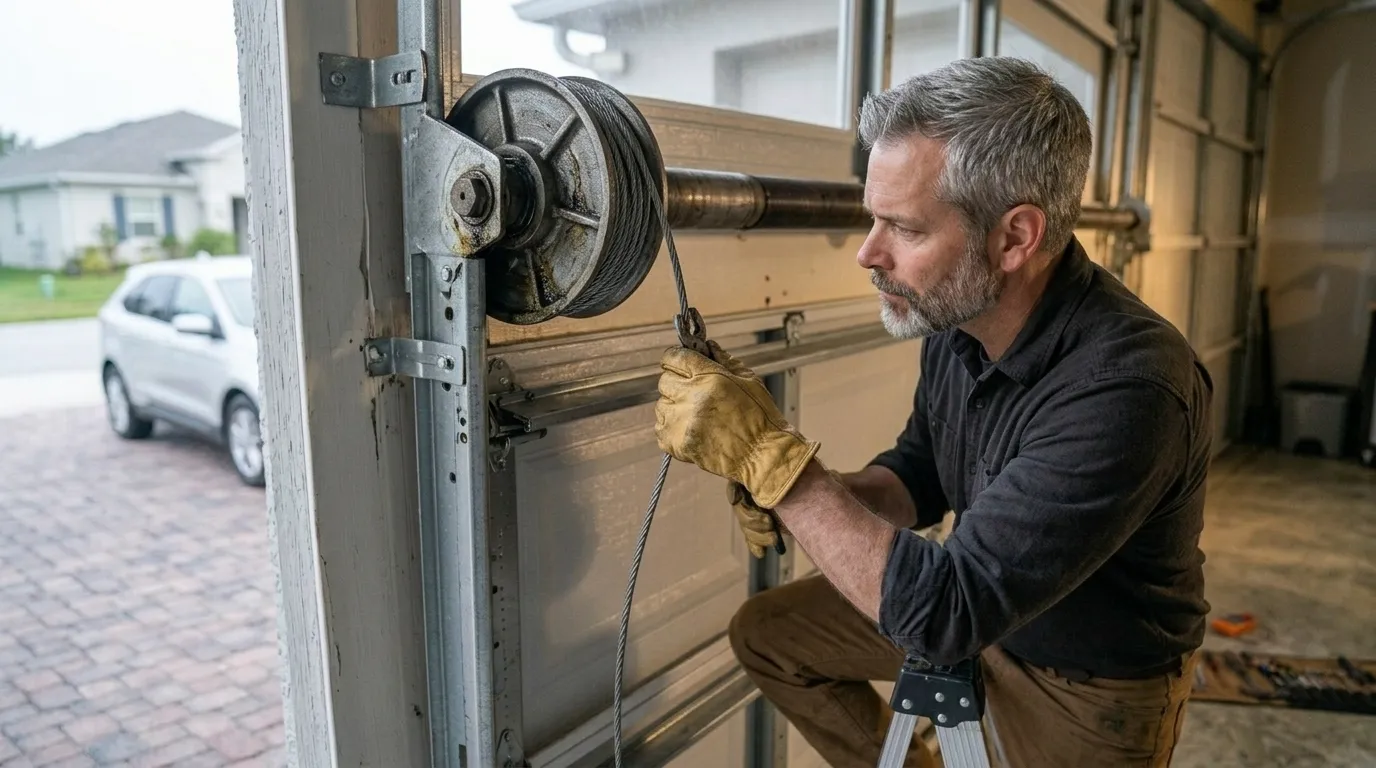
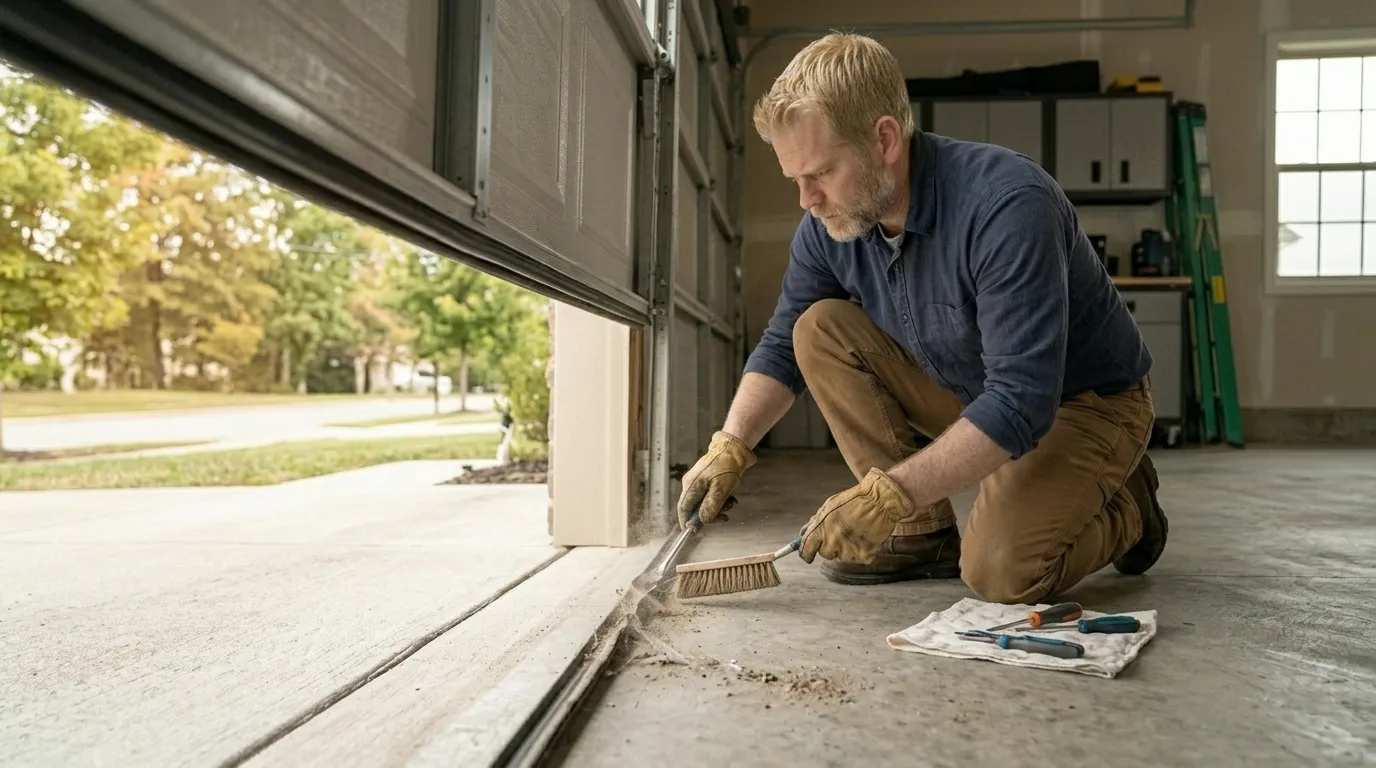
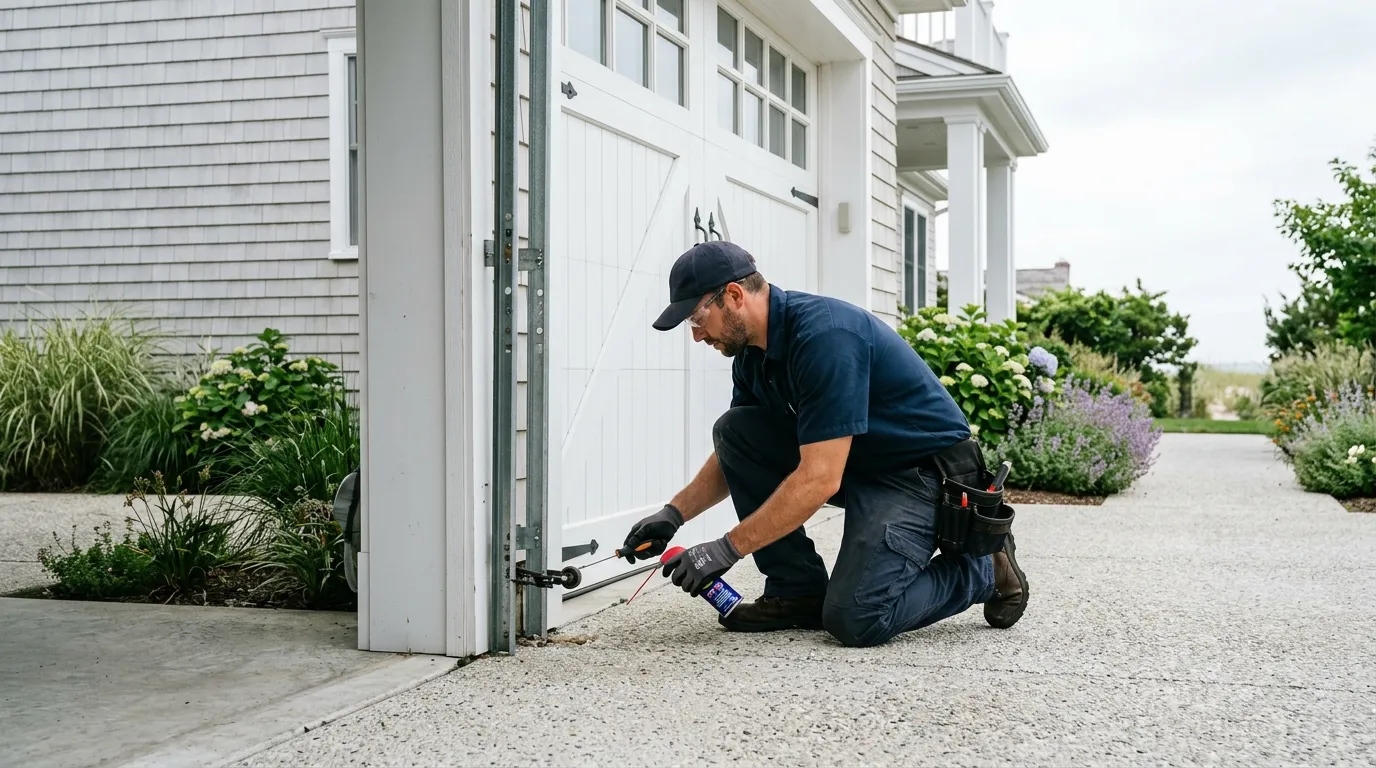
The classic sign is noise - a rhythmic grinding or clunking as the door travels, worse in the cold, worse right when the door starts or stops. That's steel rollers with dry or worn bearings riding in a track that's slowly wearing an oval groove instead of a round one. You might also see the door hang unevenly, catch partway through its travel, or jump slightly in the track on one side.
Across this service area, most houses were built between 1938 and 2009, with the heaviest concentration in the 1980s and 90s across the 67 named areas we cover. That median build year of 1984 matters here specifically: a lot of these garages still have the original steel rollers that came with builder-grade openers from that era, or a first-generation replacement set installed decades ago that's now well past its life.
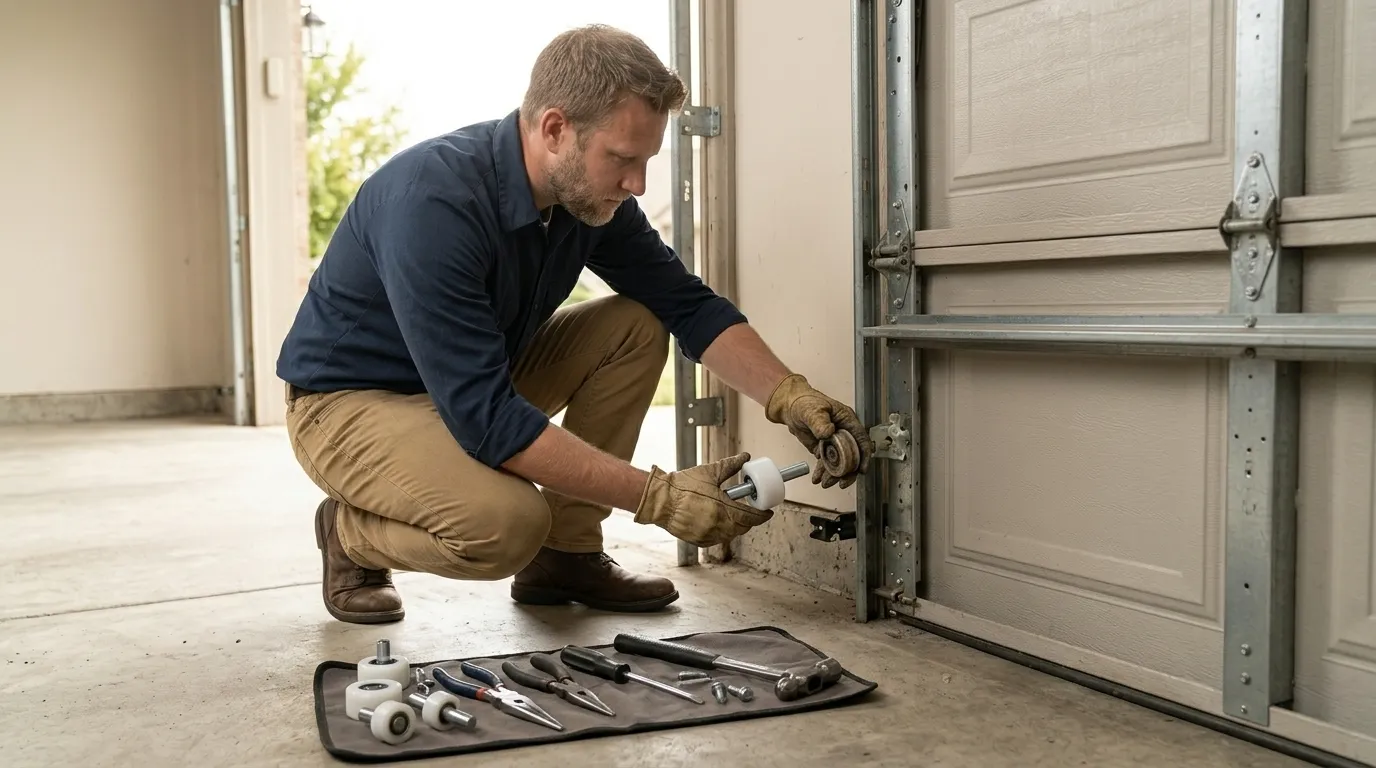
Steel rollers were standard then. They're loud by design and they wear faster than the nylon rollers most shops install today. If your door sounds like a shopping cart with a bad wheel, that's usually exactly what's happening - metal on metal, worn round to a low spot, riding a track that's taking the abuse instead of a roller bearing.
Time on the Job
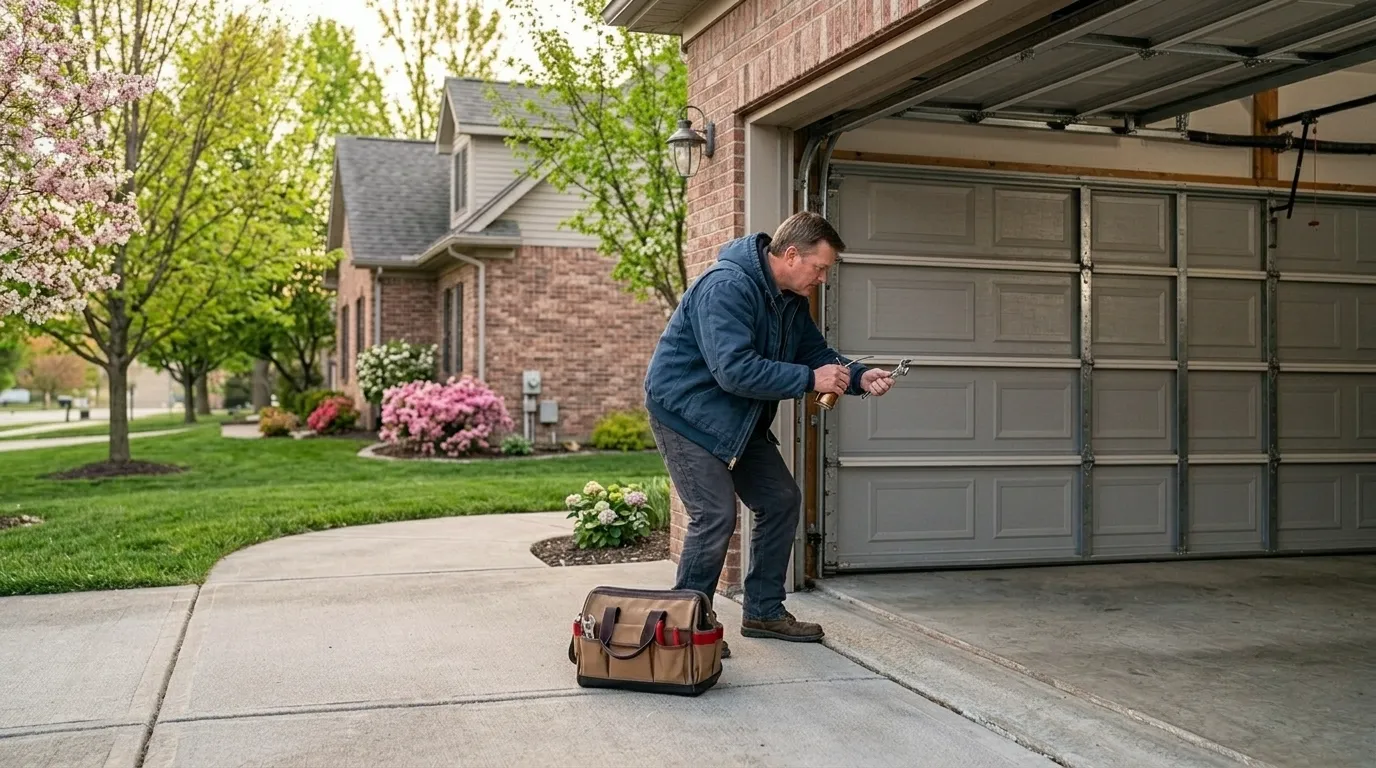
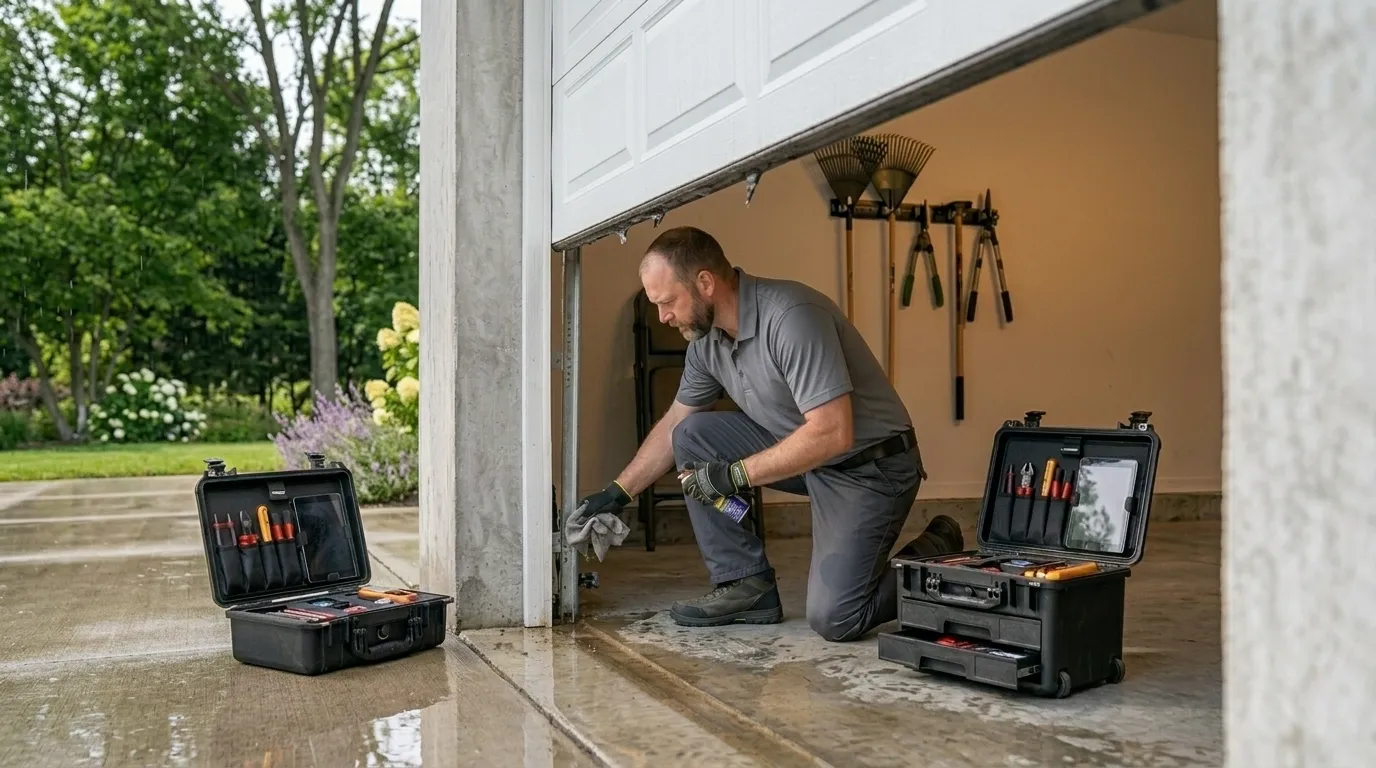
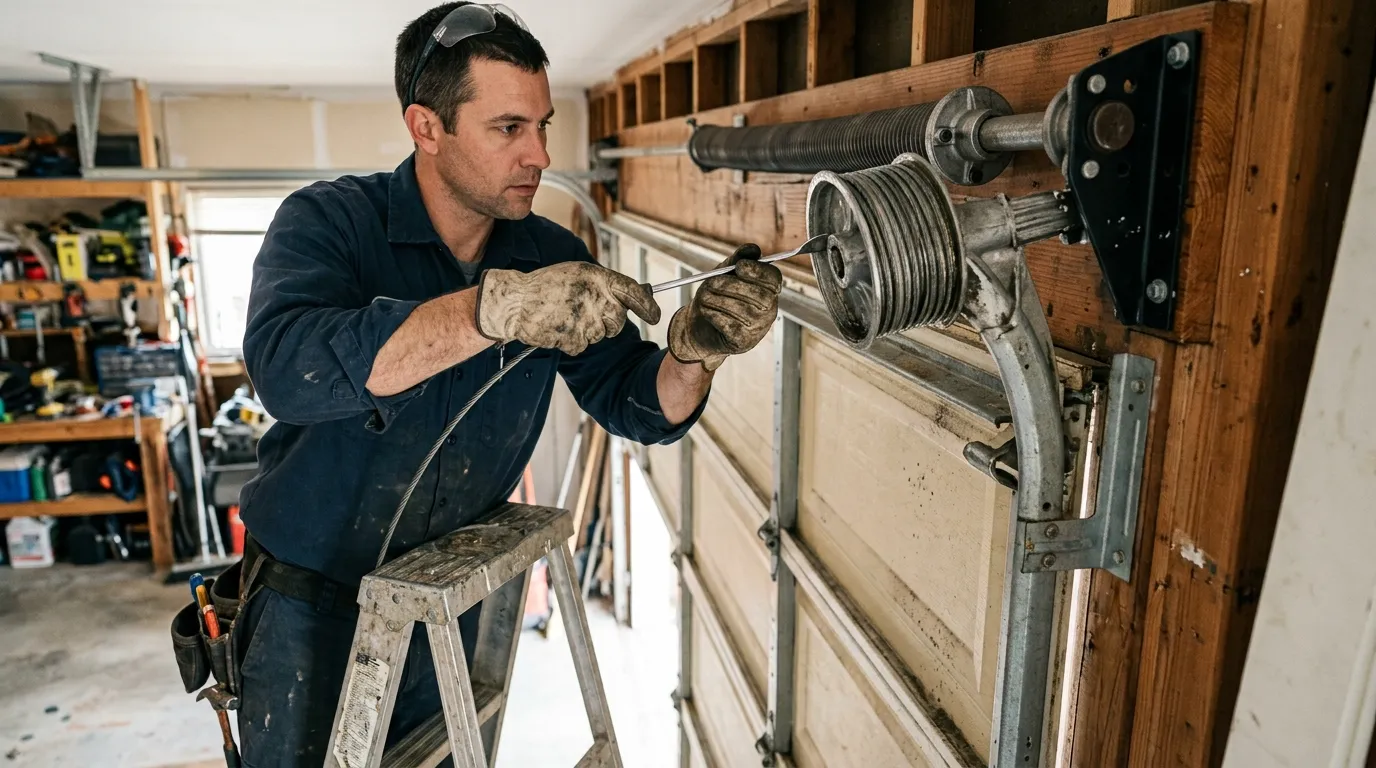
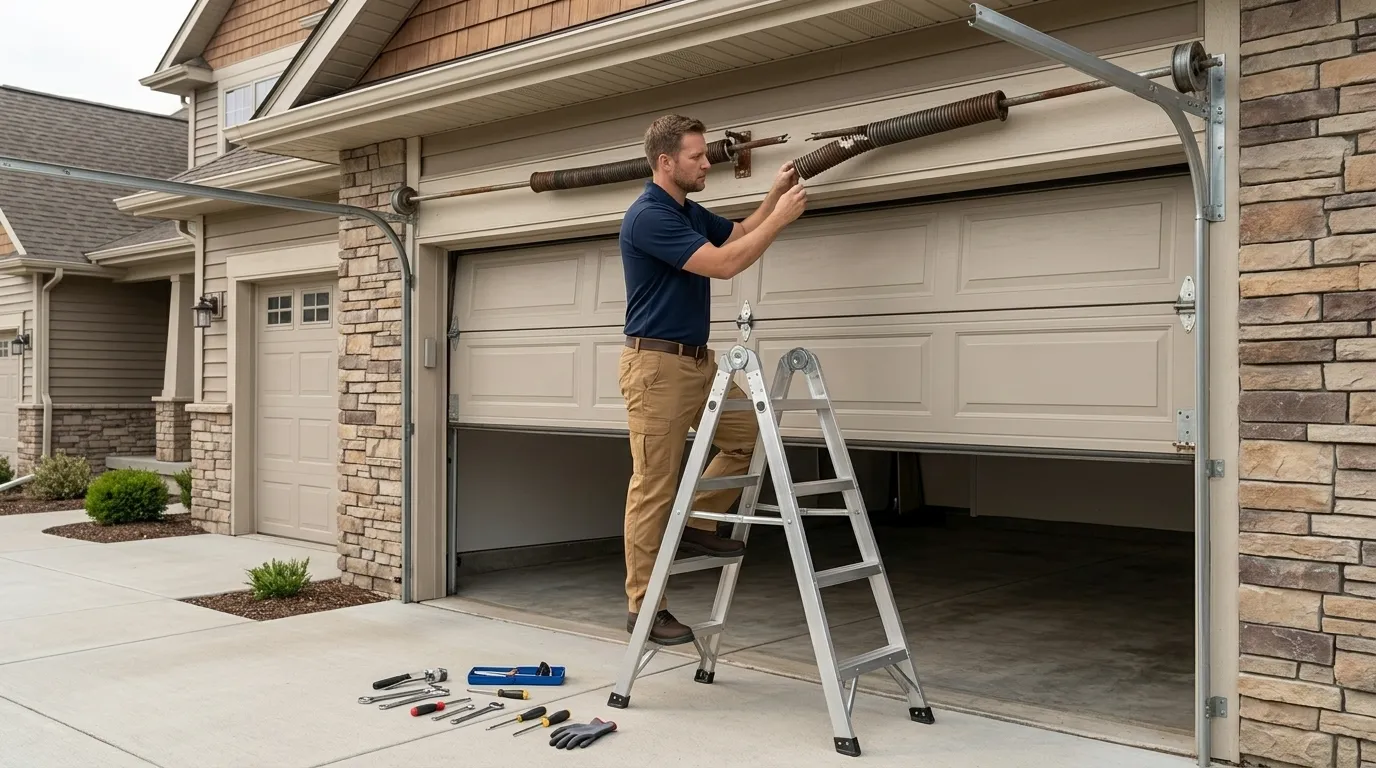
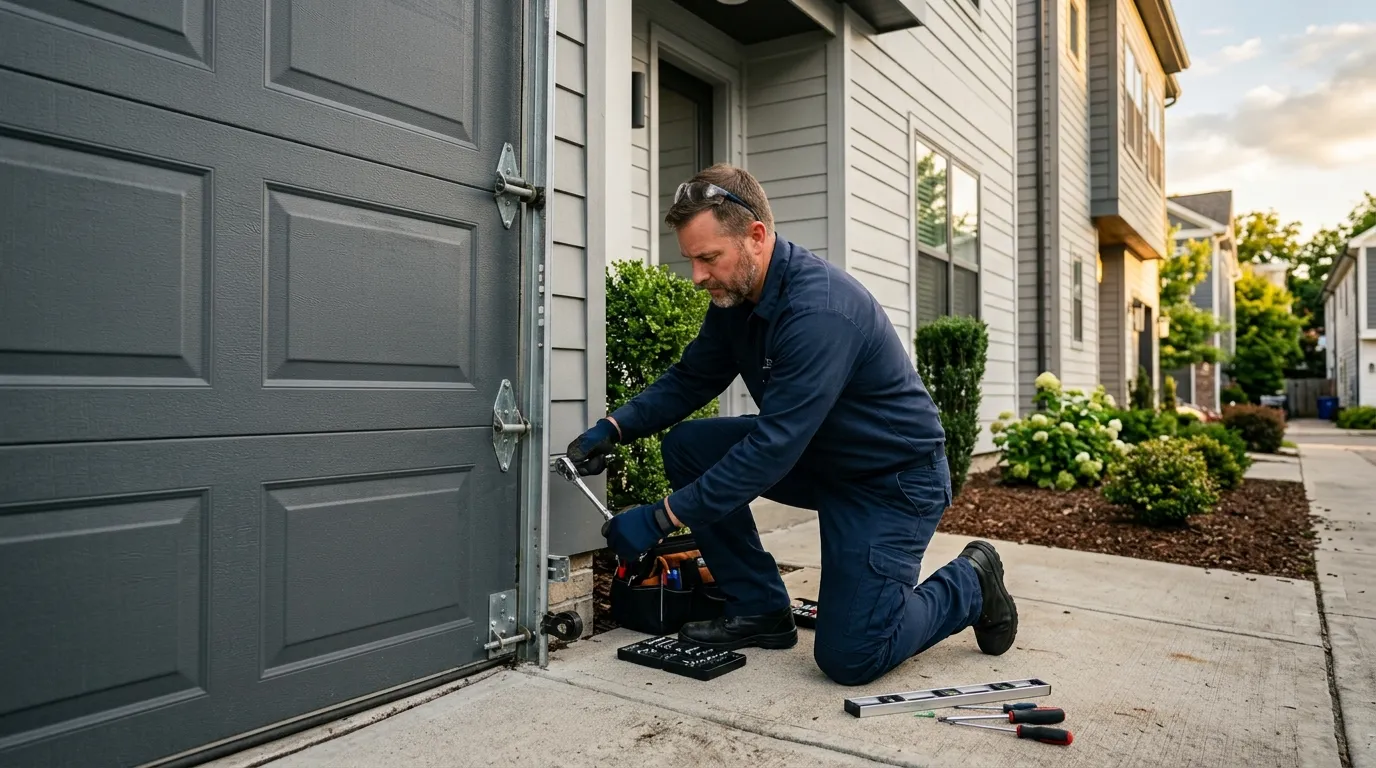
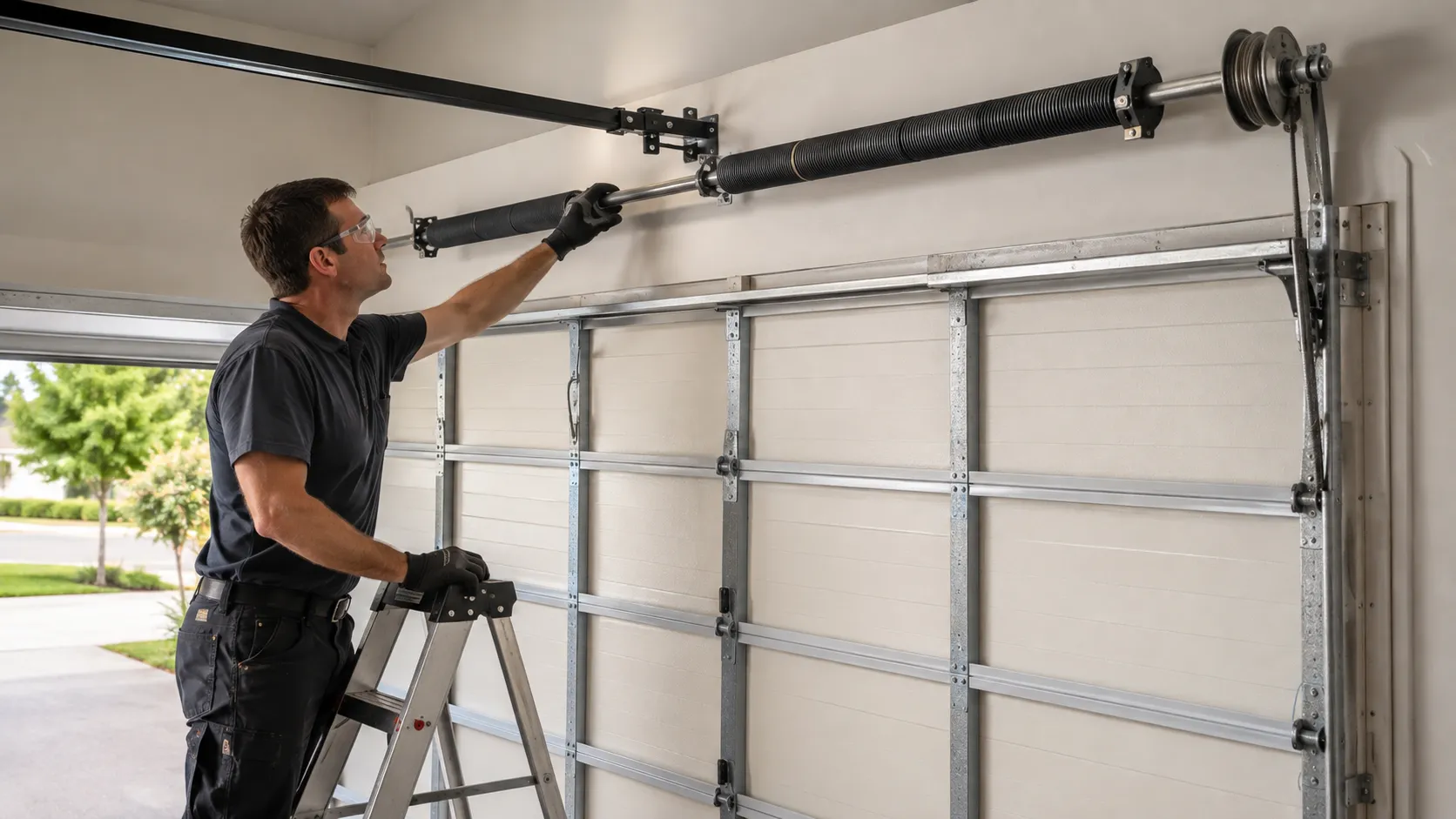
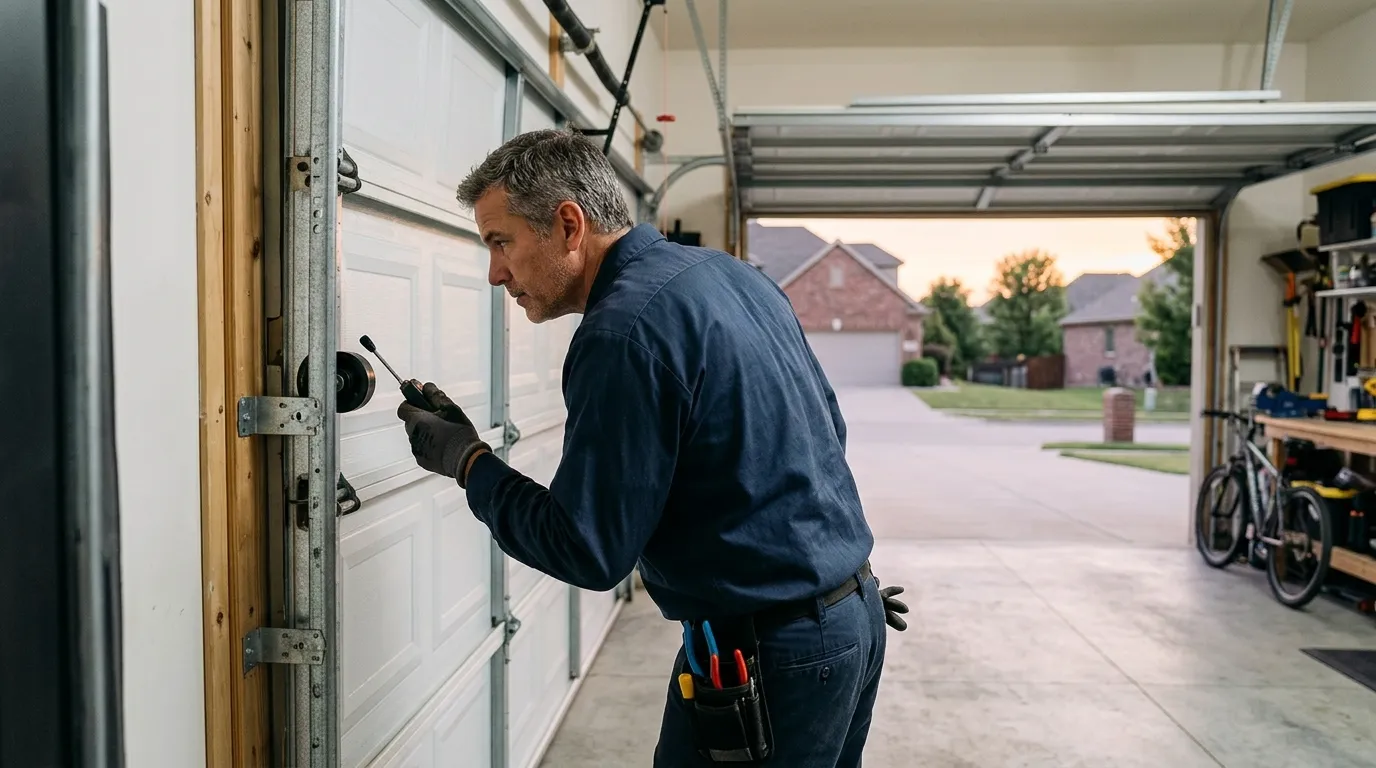
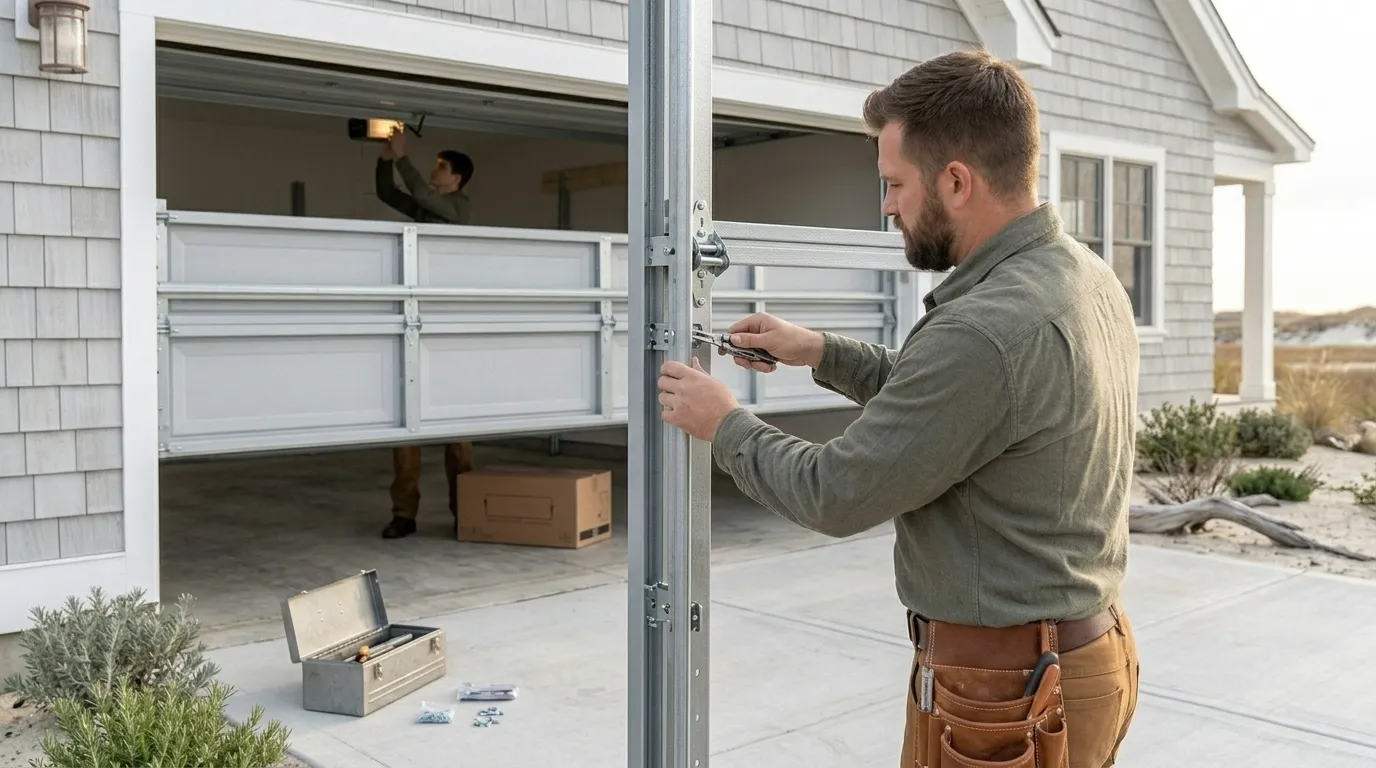
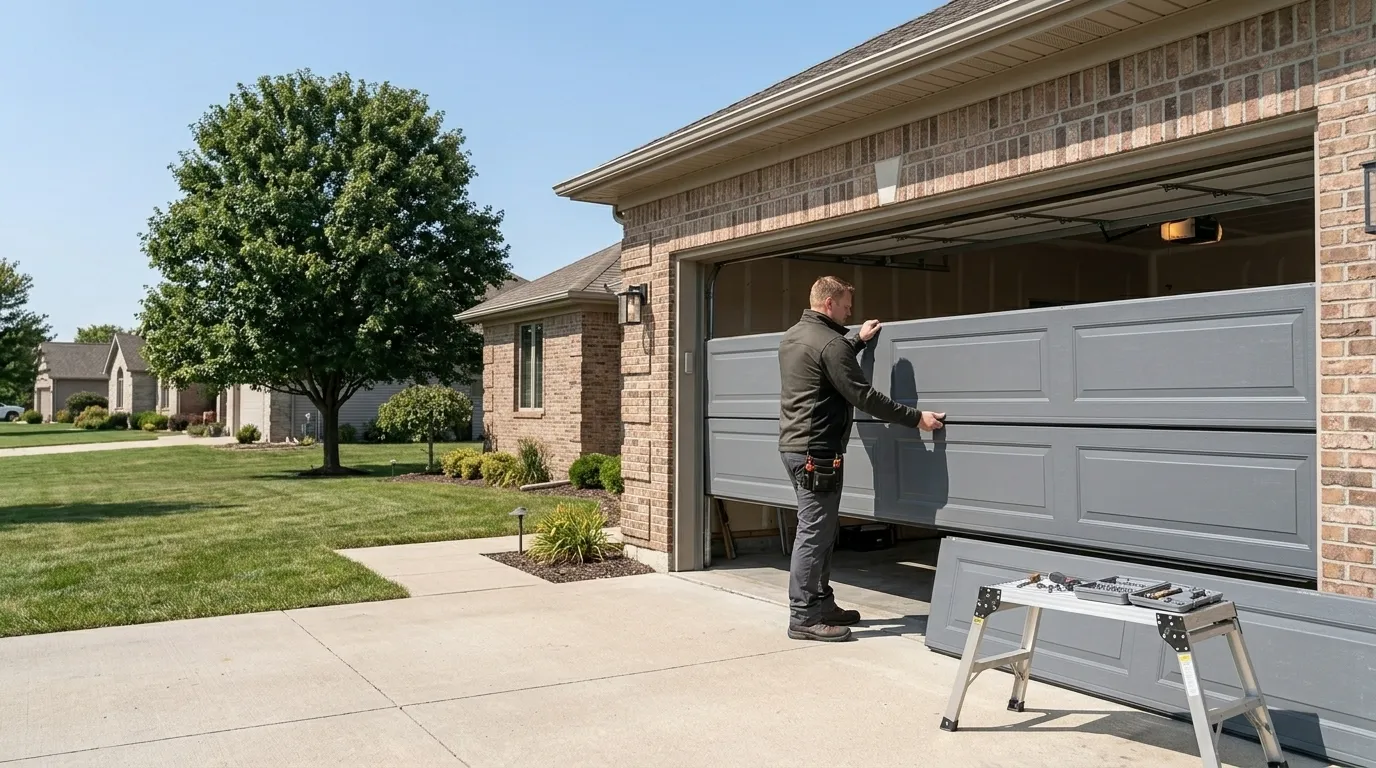
A straightforward roller swap - no bent track, no hinge damage, standard hardware - is typically a same-visit job measured in a couple of hours, not a full day. Most of that time is removing the old rollers one at a time under tension, checking the track alignment as we go, and testing the door through a full open-close cycle before we call it done.
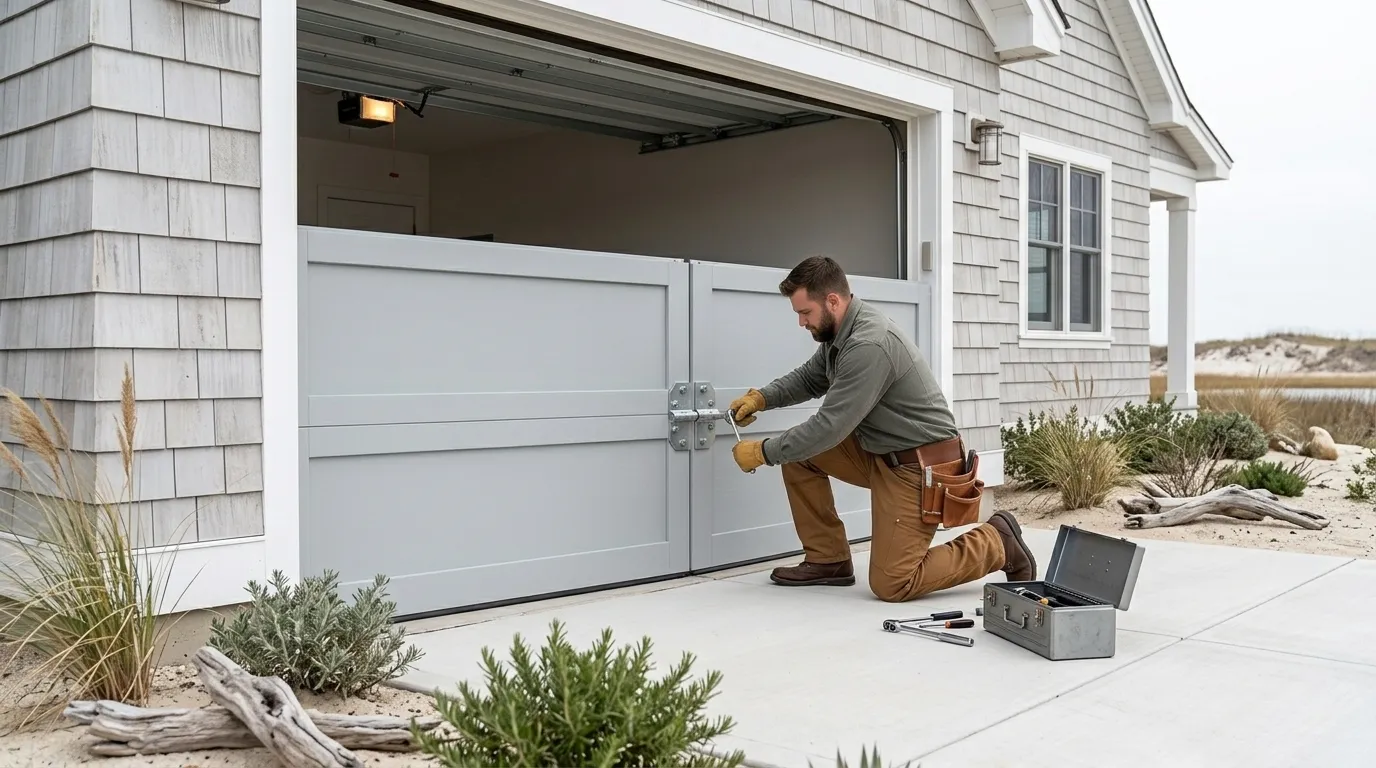
What stretches the timeline is what we find once we're in there. If the track has worn tracking from years of bad rollers, straightening or replacing sections adds time. If it's a double door with more rollers and more hardware to work around, that adds time too. And if you need a less common roller size or a heavier-duty bearing set than what's on the truck, that can mean a short parts wait rather than a same-day finish - we won't pretend otherwise.
We'd rather tell you it's a two-hour job that might run longer once we see the track than promise a fixed window and miss it. Most jobs go as expected. Some don't, and that's the nature of hardware that's been wearing quietly for years before it finally makes noise.