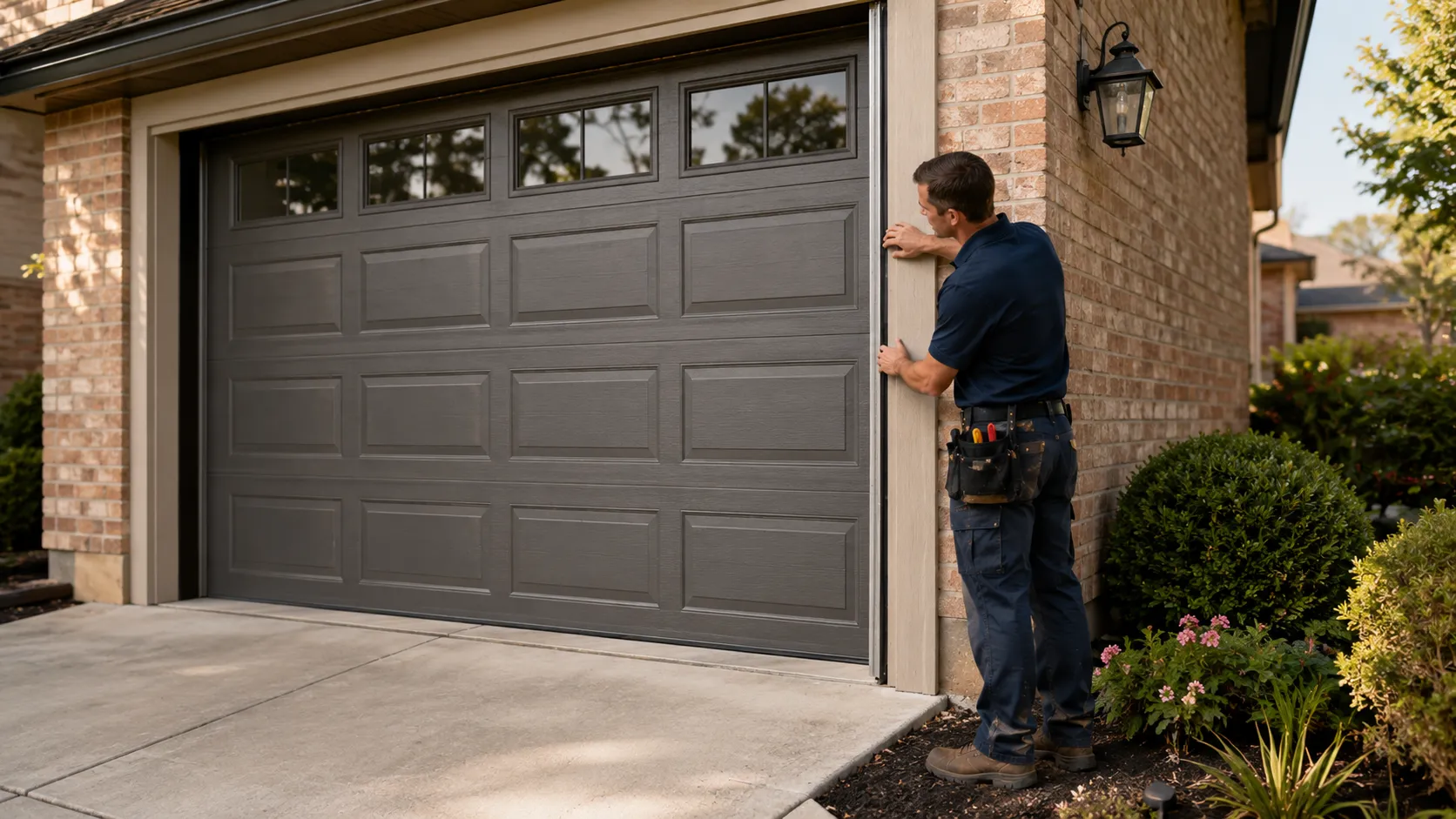
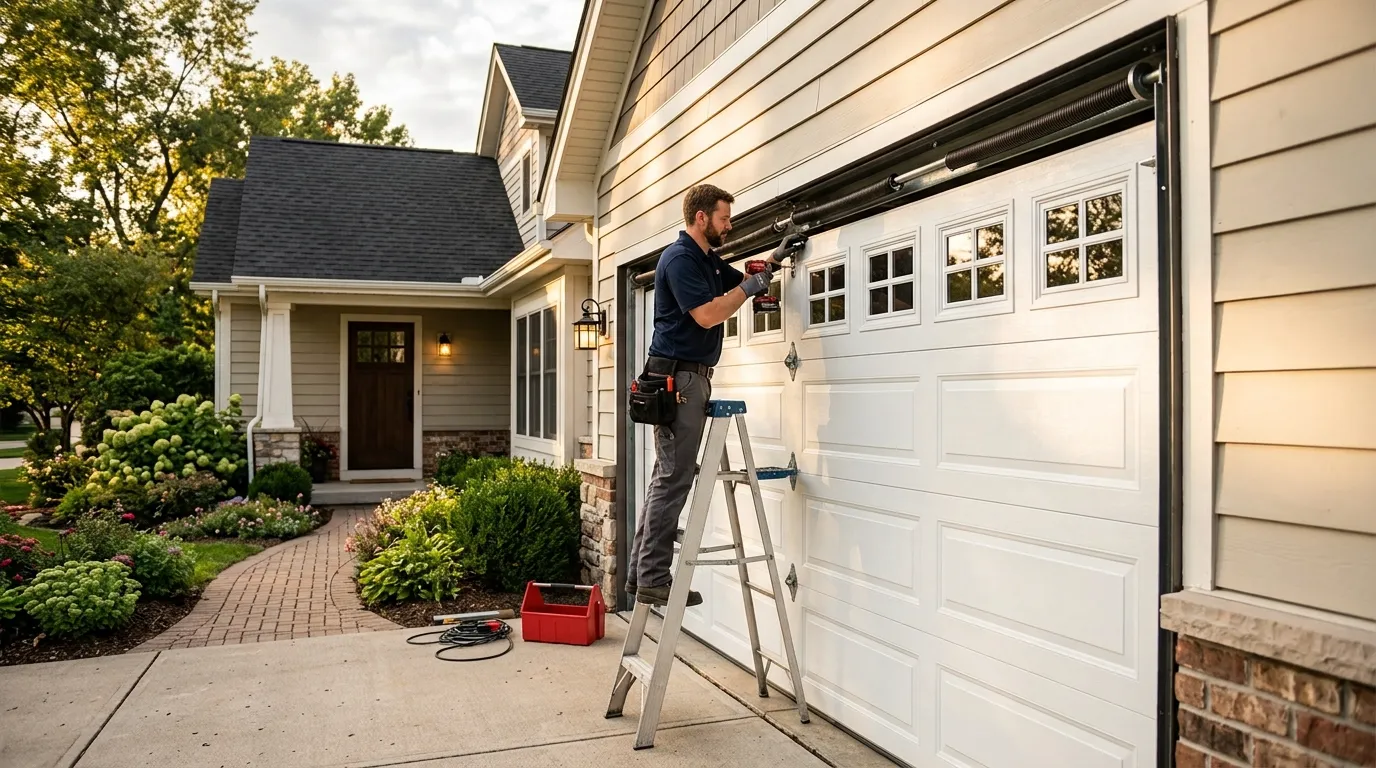
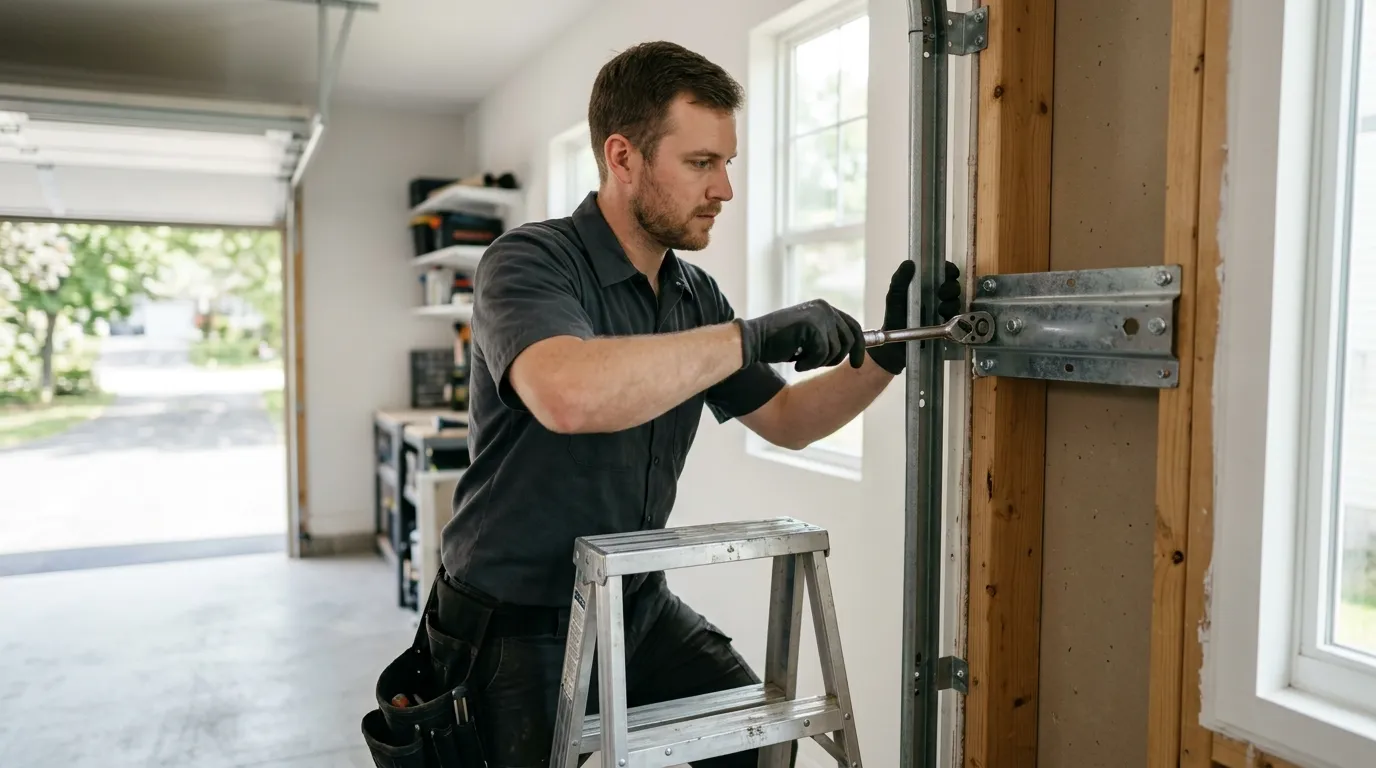
New Garage Door Installs for Lake in the Hills Homes
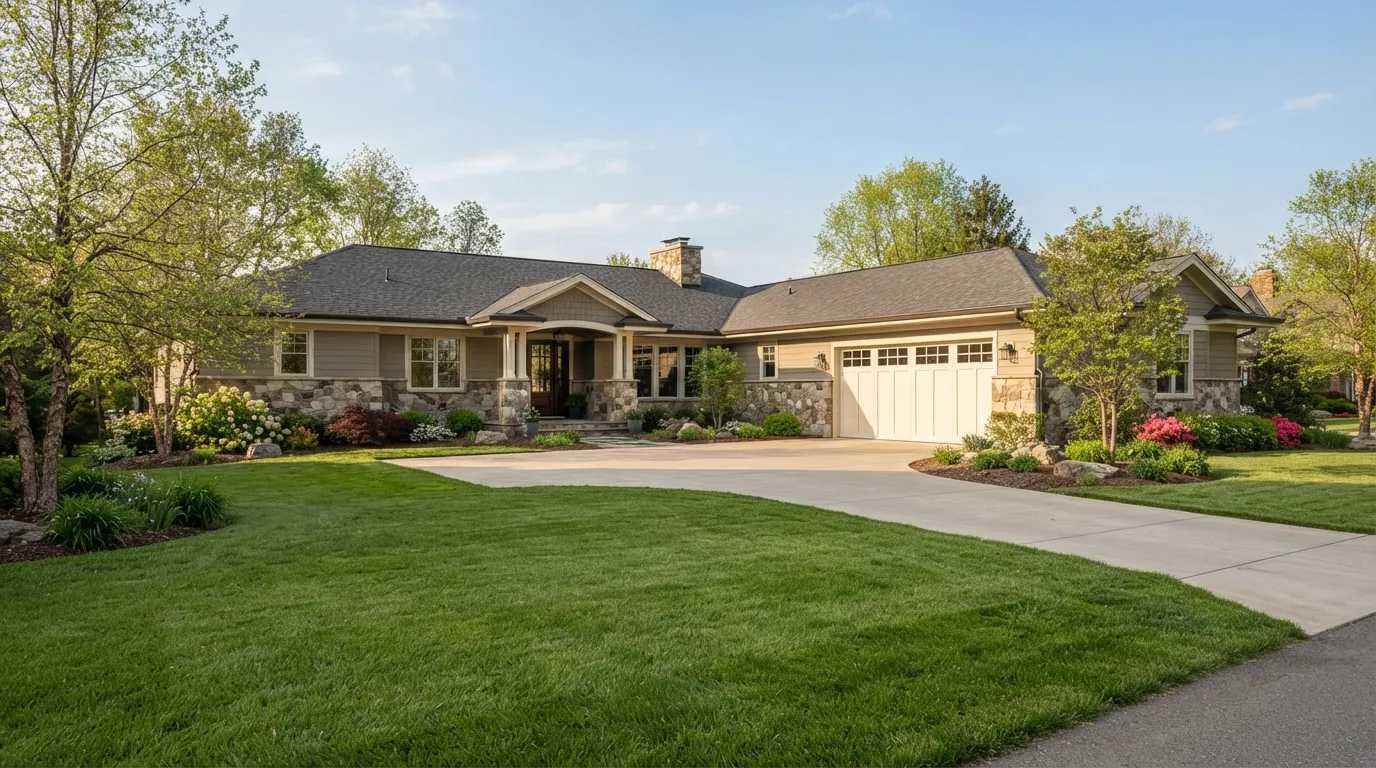
Lake in the Hills homes run newer than most of the Mundelein service area, built mostly after 1995 - that changes what a new door install actually needs here.
Mundelein's own housing stock spans 1938 to 2009 with a median build year of 1984, which means a lot of older torsion setups, older track widths, and openers that predate anything with a smart hub. Lake in the Hills sits on the newer end of that range - median build year here is 1995, roughly a decade past the broader service area's midpoint. That decade matters. Doors installed on 1990s framing tend to have standard 7-foot openings and factory-spec headroom, so you're not paying extra for a carpenter to widen a jamb or build out a low-headroom bracket kit before the door even goes in.
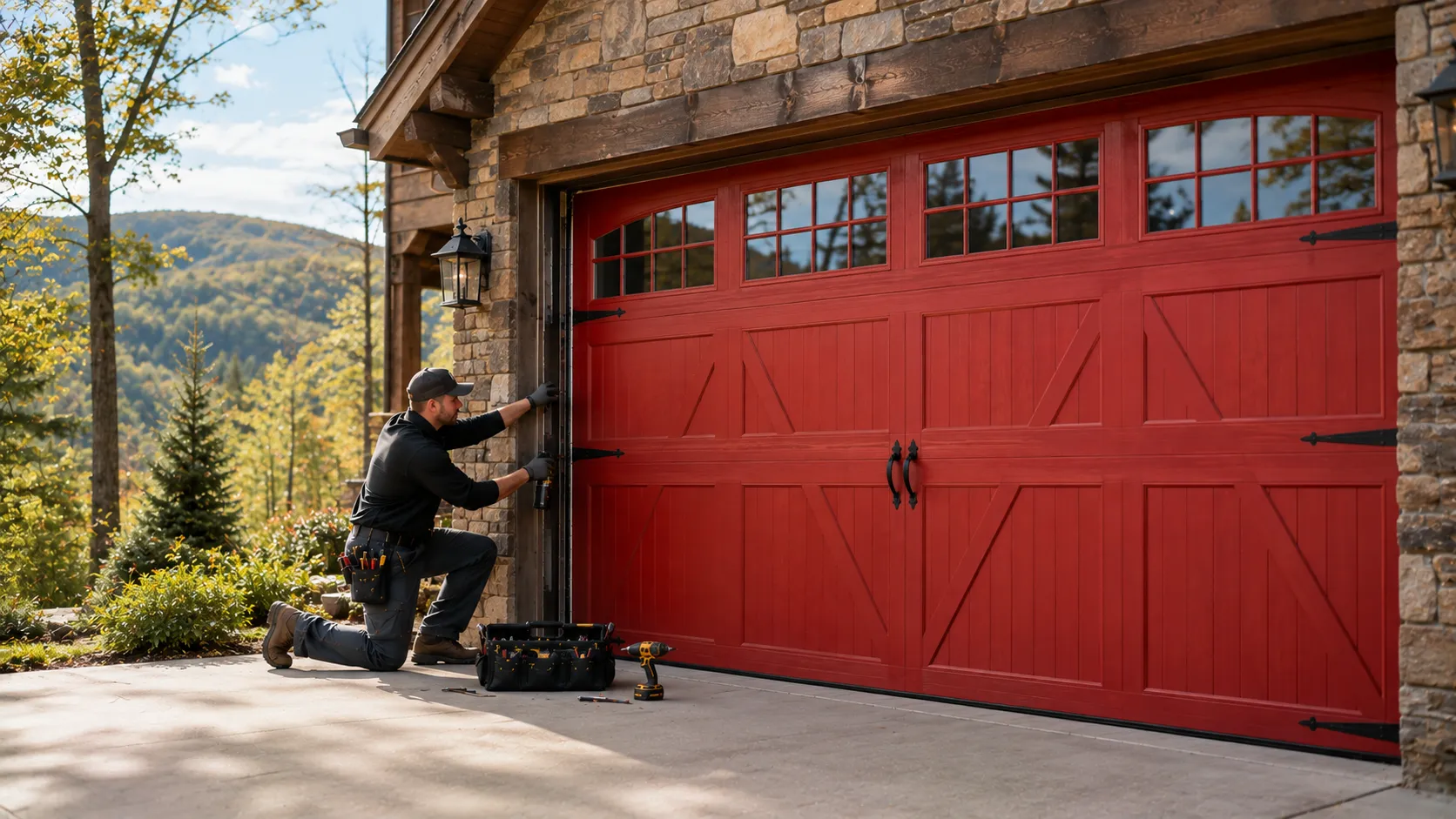
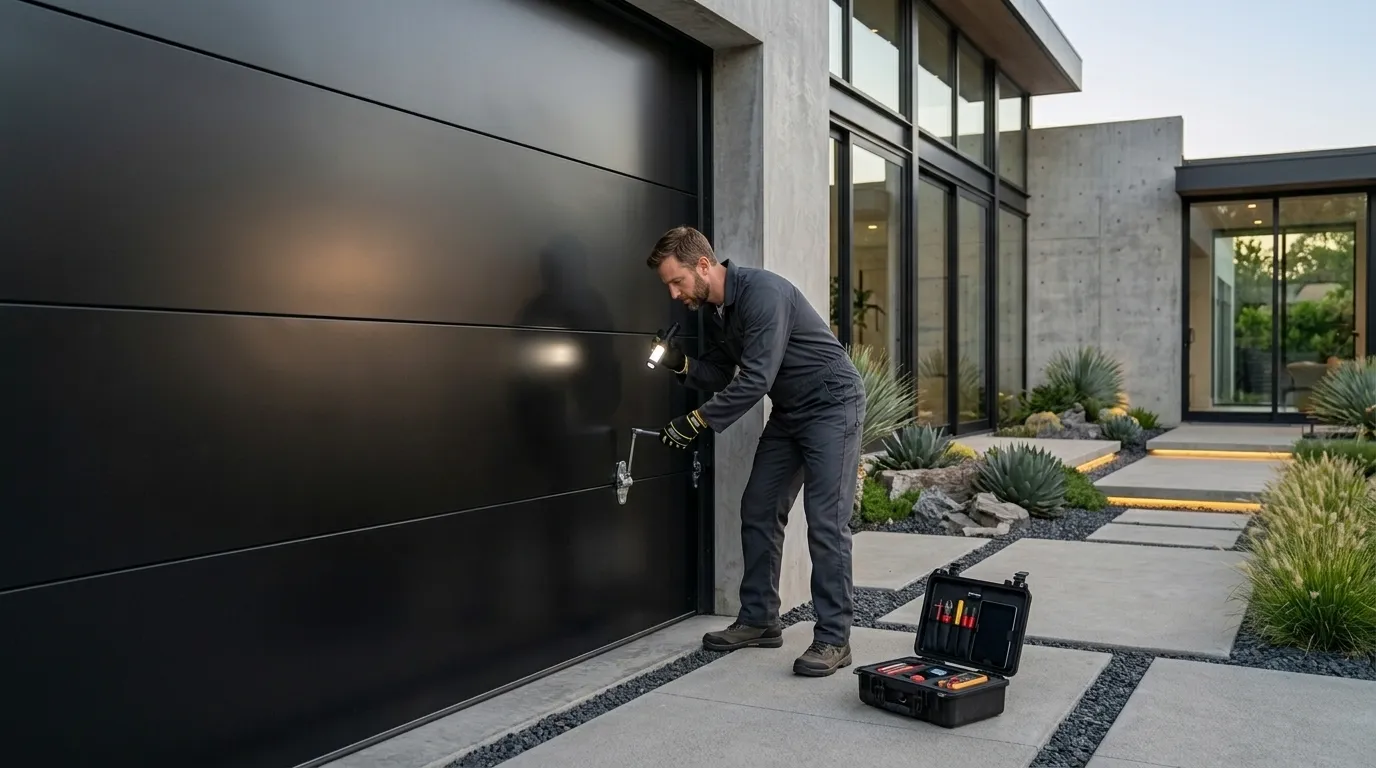
What still drives the number is the door itself: steel vs. insulated steel, single-layer vs. double-layer with a thermal break, and whether the opener gets replaced at the same time. Given this area's median household income of $113,491, we see a fair number of owners upgrading to insulated doors rather than replacing bare steel with bare steel - worth pricing both ways before you decide. We don't quote a number here without seeing the opening and the door you want; anything else is a guess dressed up as an estimate.
Getting It Booked In
We run out of Mundelein, and Lake in the Hills is about 17 miles out - that's a real drive, not a quick hop across town, so booking a install day means picking a window rather than a same-morning call. We travel here on a scheduled basis, and we'll tell you straight if a date doesn't work rather than promise something we can't hit from that distance.
With 9,898 households in Lake in the Hills, it's a smaller pocket than some of the closer-in towns we cover, which means fewer install jobs stacked back to back on any given week - usually easier to land a specific day than in a denser suburb. Bring the width and height of your current opening, or a photo of the track and header, when you call. It cuts the back-and-forth on the phone and lets us bring the right door on the truck the first time instead of a second trip.
Time on the Job
A straight swap - same size opening, new door, keeping the existing opener and track - usually runs a half day. Add a new opener, or add insulation where the old door was single-layer steel, and you're looking at a full day once we account for header reinforcement and wiring the opener into an outlet that may not already be there.
Because most of Lake in the Hills went up in the mid-90s and later, headroom and jamb depth tend to be standard rather than the tight, retrofit-only clearances you find on houses from the 1950s and 60s. That's not a small thing - it's the difference between a job that needs a low-headroom track kit built on site and one where the new door goes up with stock hardware. We still measure every opening on arrival. Framing settles, and a house built to 1995 code isn't guaranteed to be square thirty years later.
What the Repair Takes
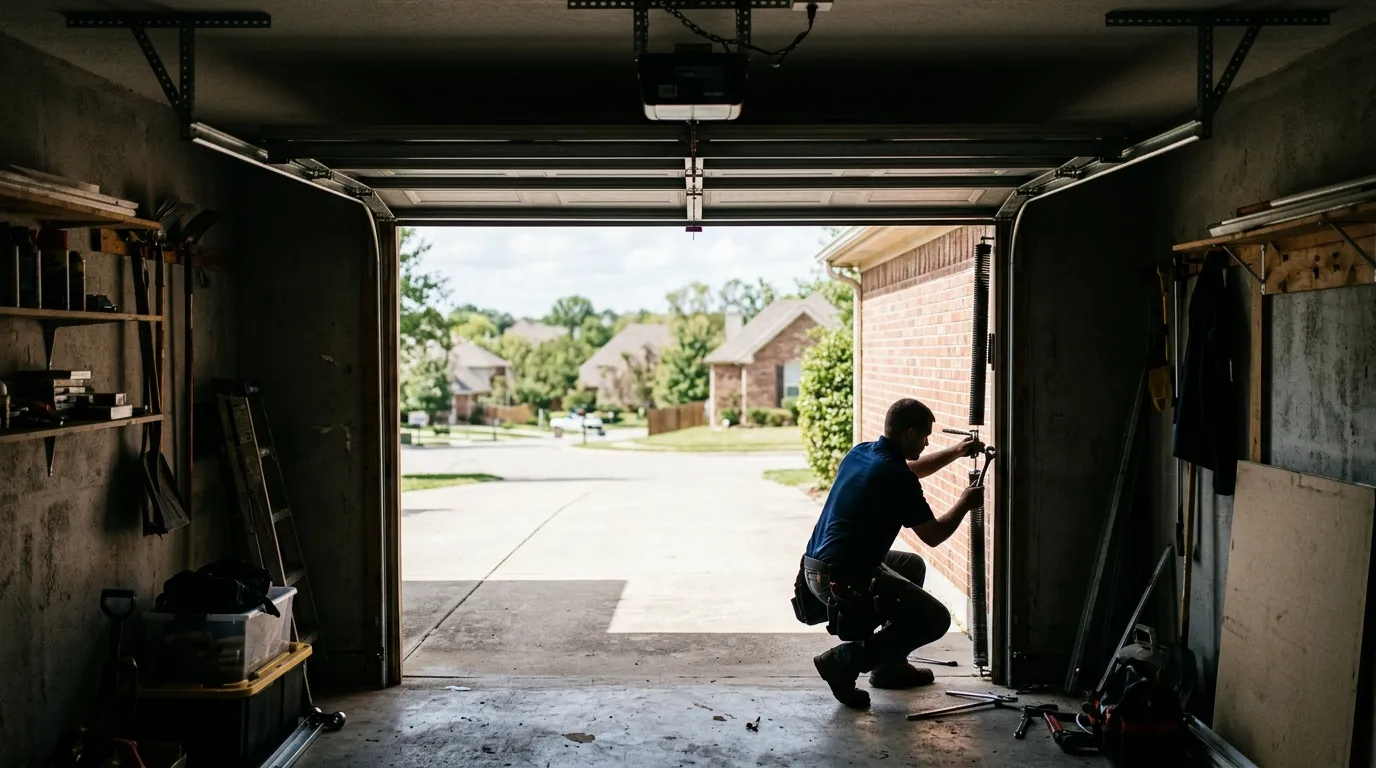
This page is about installing a new door, not patching an old one, but it's worth saying where the line sits. If your current door is from the original build - meaning it's pushing 30 years old - and the track, springs, and panel are all showing wear together, a repair often costs close to half of what a new insulated door runs, and you're still stuck with 1990s hardware and no warranty on the parts you didn't replace. That's the point where we'll tell you replacement is the better call, even though it's the bigger invoice up front.
The service area sits in a cold-climate band with real winter severity, and that's a factor in the door you pick, not just the labor. An insulated door with a proper bottom seal holds up better against a Midwest winter than a bare single-layer panel, and that's true whether the house is from 1938 or 1995. We're not going to sell you insulation you don't need, but on an install this far into cold-weather territory, it's a fair question to ask before you sign off on a door.
How it works
From “it’s stuck” to “it’s fixed”
01
Tell us what’s wrong
Describe the symptom - won’t open, loud bang, opener runs but the door won’t move.
02
On-site diagnosis
A technician tests the door under power and by hand and finds what actually failed.
03
Clear, up-front plan
You get the fix that’s needed and what drives the cost - before any work starts.
04
Repaired & tested
The repair is done, the door is set true and tested, and the work area left clean.
Serving Mundelein, IL - tell us what your door’s doing and we’ll take it from there.
Why does the build year of my house matter for a new door install?
Houses built in the mid-90s, like most in Lake in the Hills, tend to have standard 7-foot openings and normal headroom clearance. Older housing stock in parts of the wider service area - some dating to the late 1930s - often needs a low-headroom track kit or jamb work before a new door fits right. Knowing your build era tells us what to bring on the truck.
Do you have a branch in Lake in the Hills?
No. We're based in Mundelein, about 17 miles out, and we schedule Lake in the Hills installs as planned jobs rather than same-day calls. That drive is factored into how we book the date, so give us a little lead time when you call.
Is it cheaper to repair my old door instead of replacing it?
Sometimes, but not always. If the springs, track, and panel are all original and wearing out together, repair costs can run close to half a new insulated door's price - and you're left with old hardware and no fresh warranty. We'll walk through both numbers with you before you decide.
Will you install just the door, or the opener too?
Either. A straight door swap keeping your current opener and track is the faster, cheaper job. Adding a new opener or upgrading to an insulated door adds time for header work and wiring, but it's a one-visit job either way.
Ready to get your garage door sorted?
Tell us what it’s doing and where you are in Mundelein - we’ll take it from there.