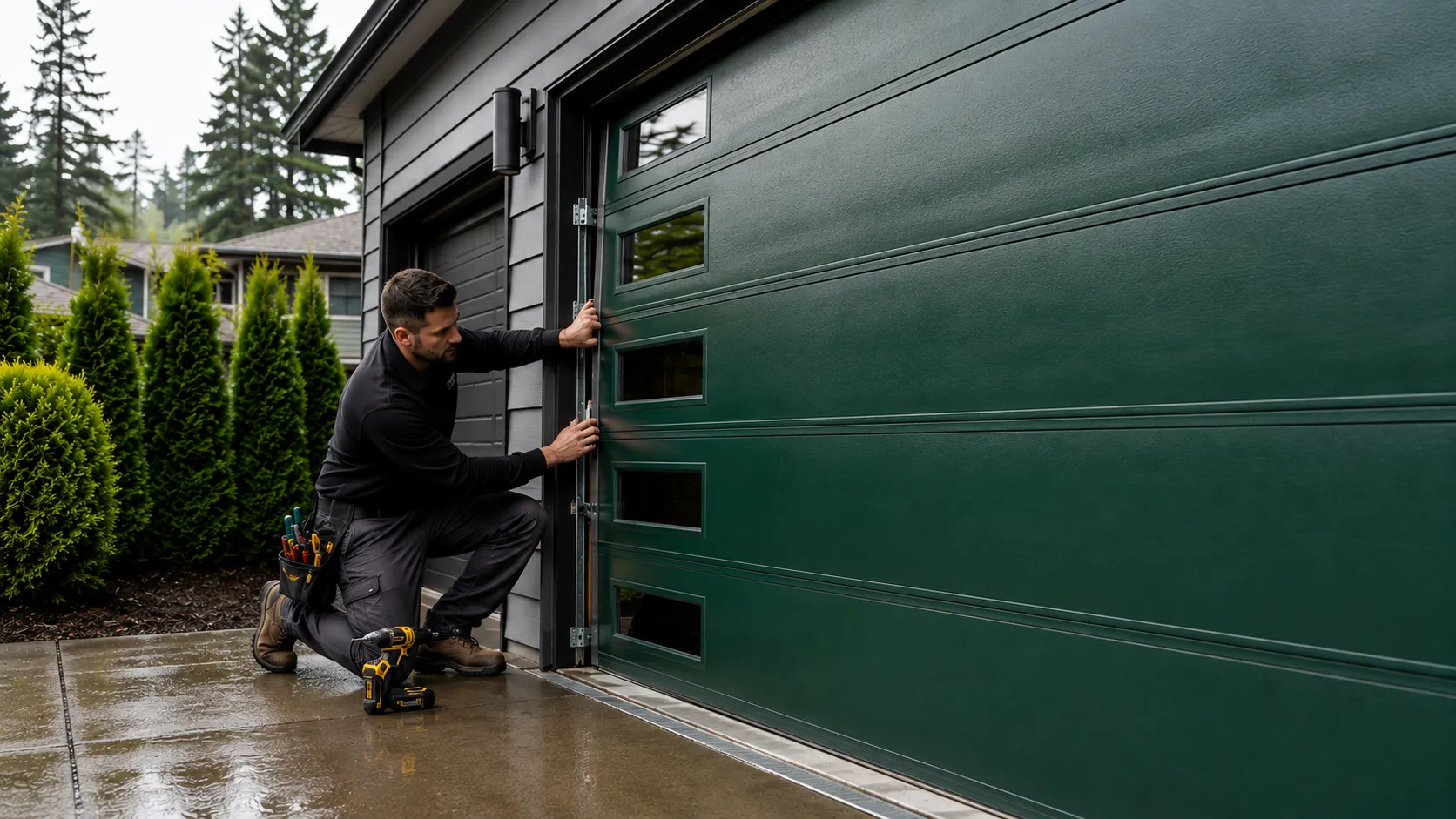
Lake in the Hills sits seventeen miles out from our shop in Mundelein, which is farther than most of the towns we cover, and that distance is baked into how we quote and schedule a roller job out here rather than into what the roller itself costs. Rollers themselves are a small-ticket repair - nylon or steel, sold and replaced by the set of ten or twelve rather than one at a time, since a door with one worn roller usually has nine more close behind it.
We don't have a set price to hand you here, and we're not going to invent one. What we can tell you is what drives the number: whether you're getting nylon rollers (quieter, more common on the 1990s-era steel doors that make up a lot of this town's housing stock) or sealed steel ball-bearing rollers, and whether the track itself needs straightening or replacing alongside them. A straight roller swap on a door that's otherwise sound is one of the cheaper calls we run. A door where the rollers seized and started chewing up the track is a longer job.
We'll price it on-site once we've looked at the actual hardware, not over the phone from a guess.
Getting It Booked In
Because this is a 17-mile trip from Mundelein and not a town where we're already parked around the corner, we book roller jobs here as a scheduled visit - same truck, same crew, just planned into the route rather than squeezed in as a drive-by. That's not a knock on Lake in the Hills; it's just the honest shape of the drive.
With 9,898 households in town, most on lots built up through the 1990s, roller wear tends to show the same way across the area: a door that grinds, hesitates, or sounds like a shopping cart on the way up. If that's what you're hearing, tell us on the call - it helps us bring the right roller stock the first trip instead of a second one.
We don't keep a branch or a standing crew based in Lake in the Hills, so we can't promise a same-hour drop-in the way a company parked in town might. What we can do is give you a real window when you call, built around the drive, not a guess we walk back later.
Time on the Job
A straightforward roller replacement - no track damage, no spring involved - runs on the shorter end once the truck is on-site, because the rollers themselves come out and go back in fast. Where the time goes on a Lake in the Hills call is usually the drive itself, not the wrench work.
Homes in this part of our service area were mostly built with a median year around 1995, newer than a lot of the towns we cover closer to Mundelein, where the housing median across the wider area sits back around 1984. Newer doors here more often still have their original track and hardware in decent shape, since they haven't had thirty-plus years of freeze-thaw cycles to work on the mounting brackets. That usually means the roller job stays a roller job, and doesn't turn into a track-and-bracket job once we're inside the garage.
Winters here get genuinely cold, and cold is hard on nylon rollers specifically - they get brittle and start cracking at the flange edge, which is a lot of what we're replacing on these newer doors rather than worn steel bearings.
What the Repair Takes
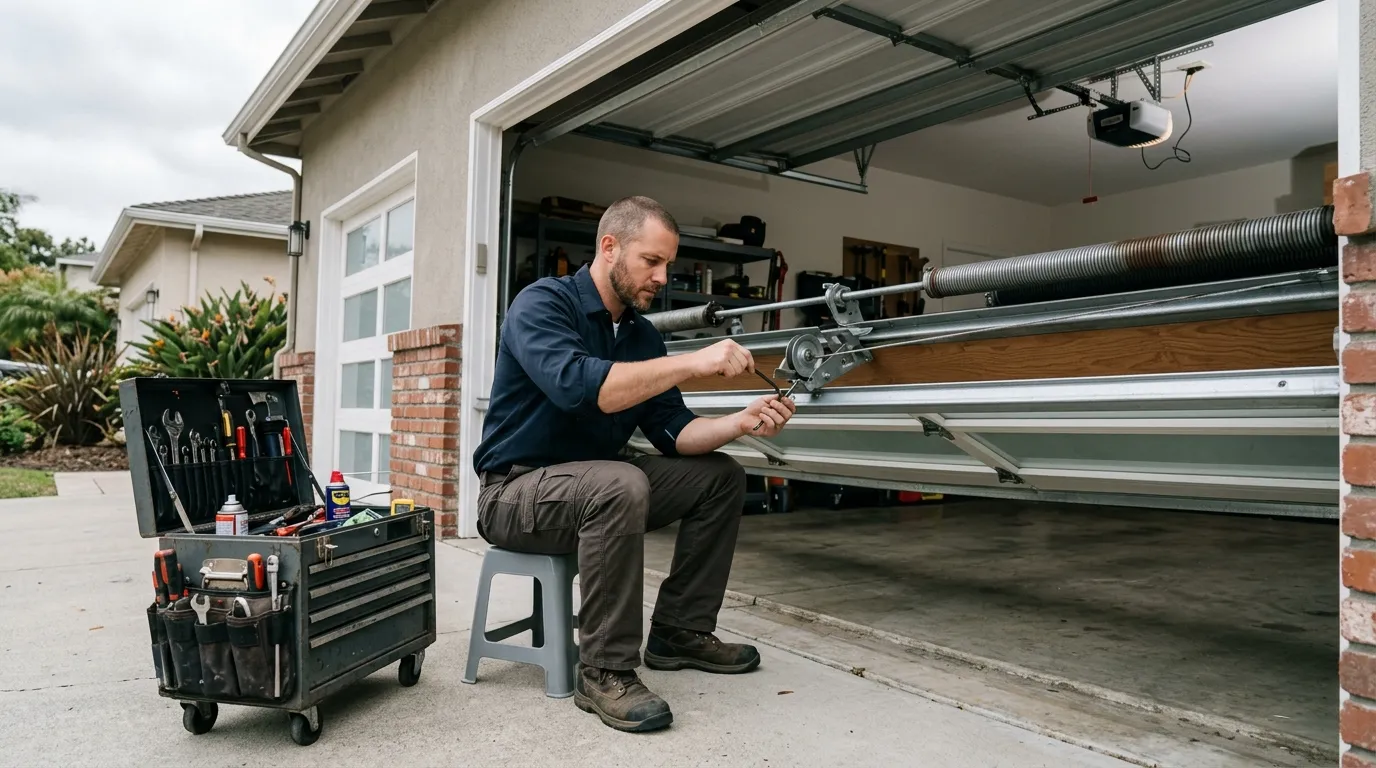
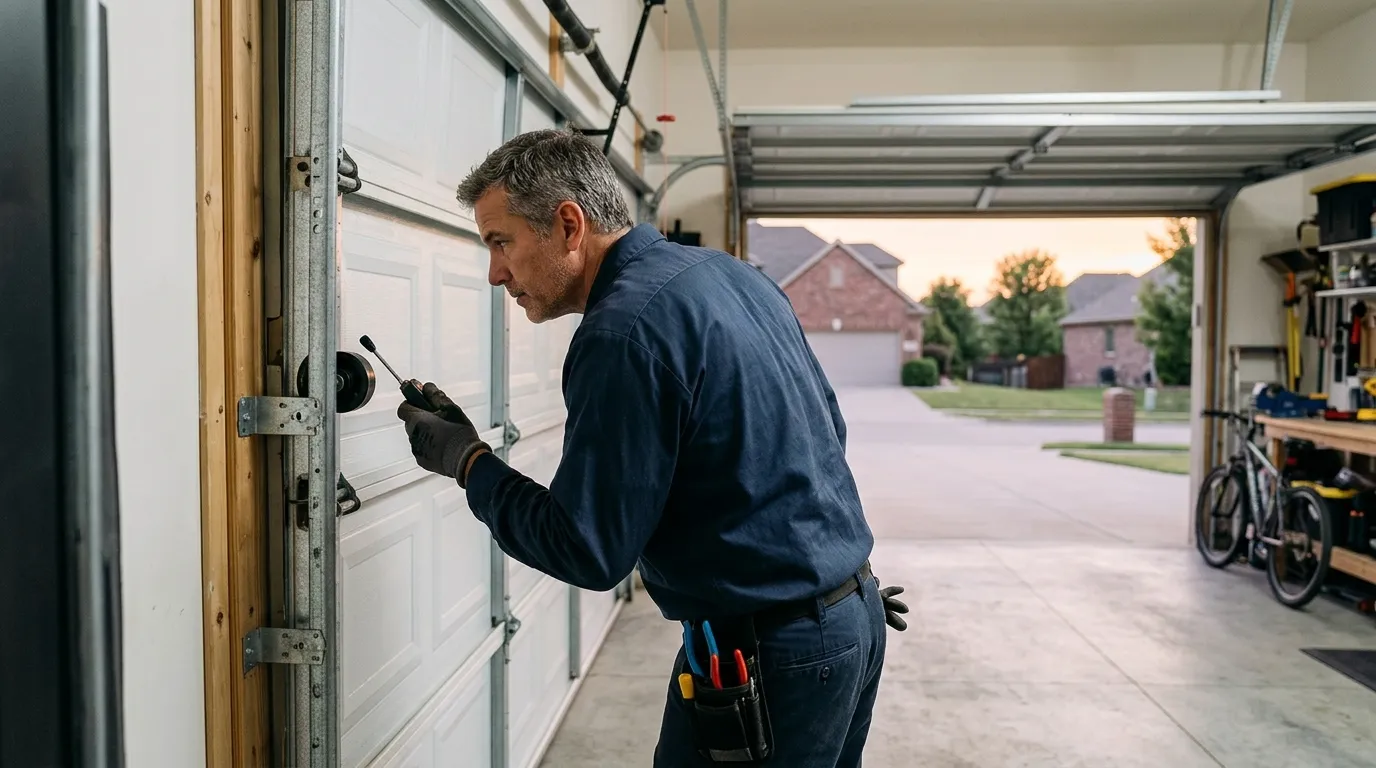
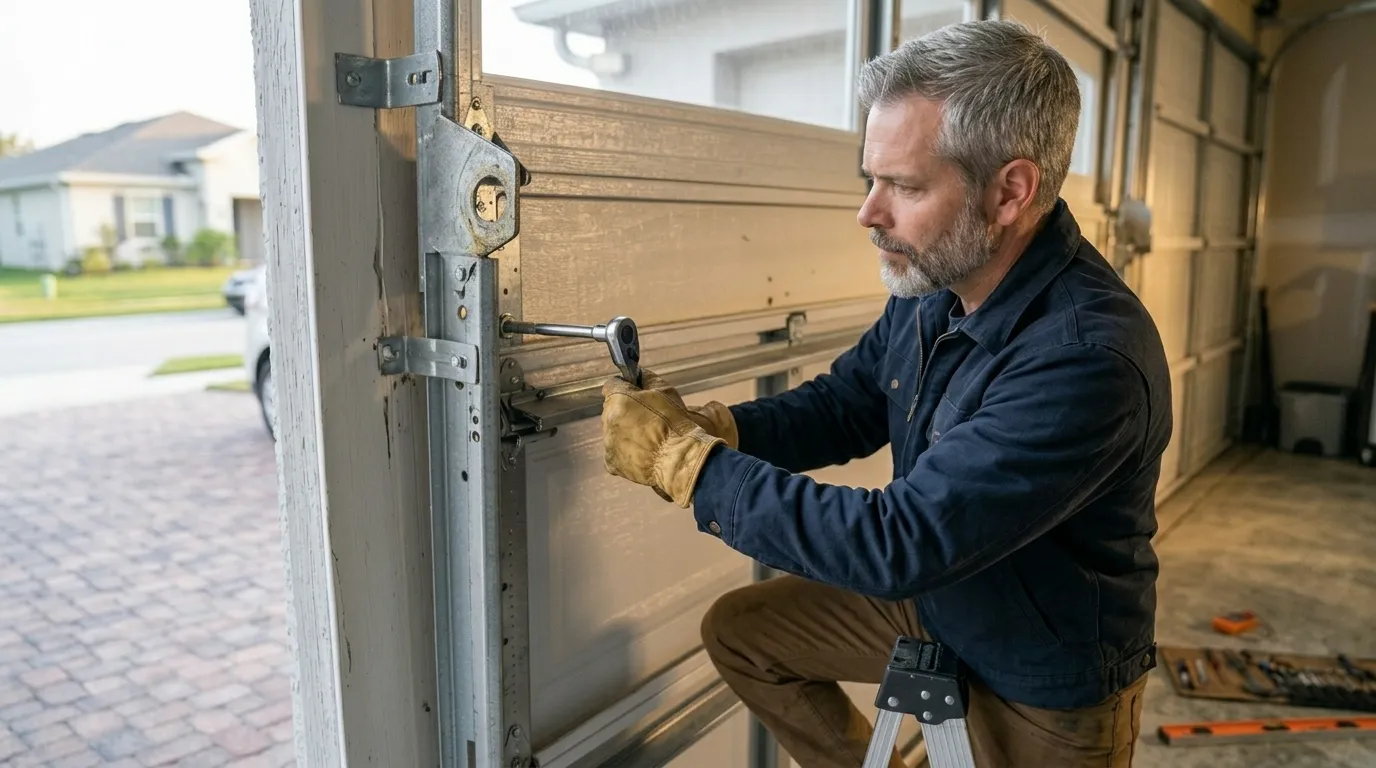
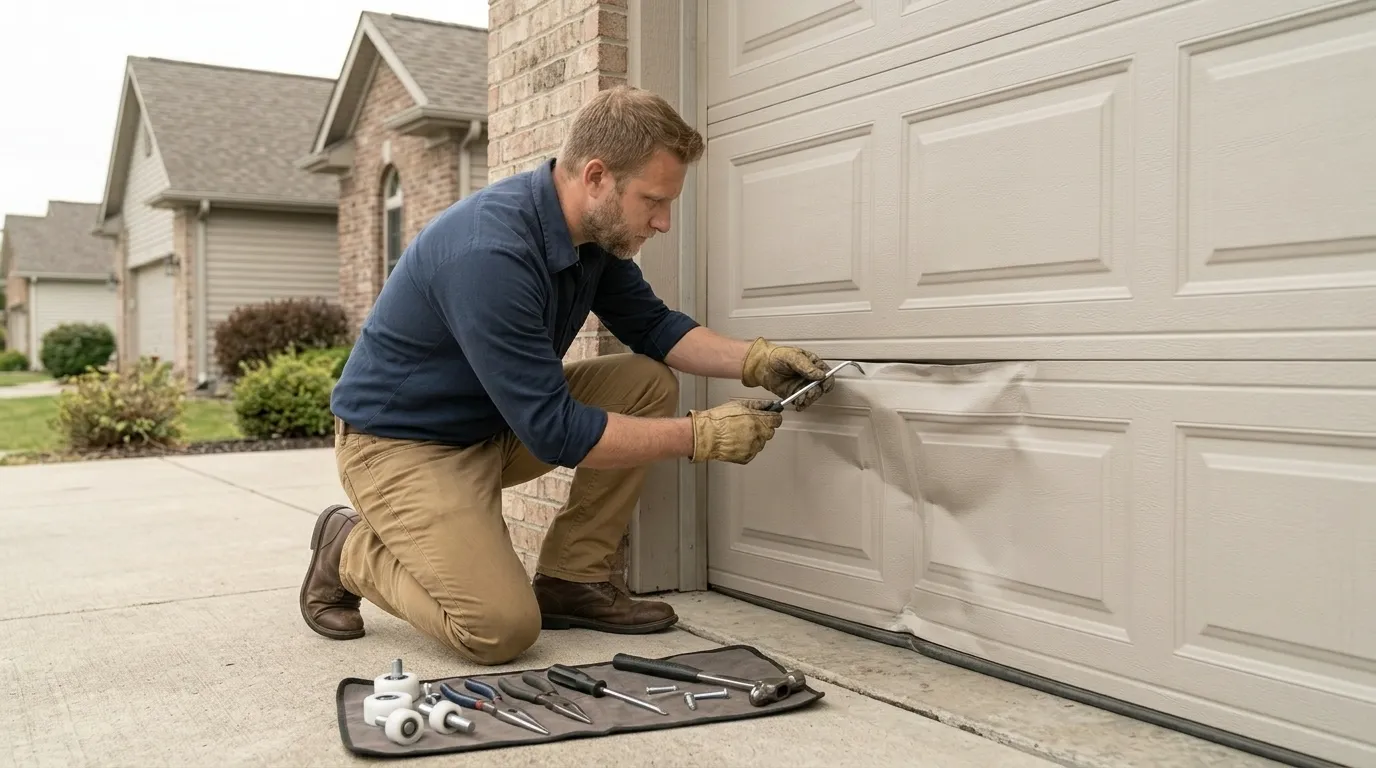
Most of the roller failures we see on doors from this era come down to one of two things: dried-out nylon rollers cracking in cold weather, or steel rollers whose bearings have finally worn out after enough cycles. Either way, the fix is the same - pull the full set, not just the one that's loudest, because if one's gone the rest are close behind it.
One honest limit: if the track is bent or the mounting brackets have pulled loose from the jamb, rollers alone won't fix the door, and we'll say so rather than sell you a roller job that doesn't solve the noise. On a door this age that's still usually a smaller repair than a full replacement, but it's a different job than what you called about.
Household income in this part of our coverage runs around $113,491, well above the roughly $121,583 median across the wider service area we cover from Mundelein - a small gap, but it's part of why we quote roller jobs here plainly, by the parts and the drive, instead of padding the number.
How it works
From “it’s stuck” to “it’s fixed”
01
Tell us what’s wrong
Describe the symptom - won’t open, loud bang, opener runs but the door won’t move.
02
On-site diagnosis
A technician tests the door under power and by hand and finds what actually failed.
03
Clear, up-front plan
You get the fix that’s needed and what drives the cost - before any work starts.
04
Repaired & tested
The repair is done, the door is set true and tested, and the work area left clean.
Serving Mundelein, IL - tell us what your door’s doing and we’ll take it from there.
How much does roller replacement cost in Lake in the Hills?
We don't quote a flat number sight unseen. It depends on whether you need nylon or steel rollers and whether the track needs work alongside them. We price it once we're looking at the door, not before, since guessing over the phone usually means requoting on-site anyway.
Do you have a crew based in Lake in the Hills?
No. We run out of Mundelein, about 17 miles away, and book Lake in the Hills as a scheduled visit rather than a drop-in. We'll give you a real time window on the call, built around that drive.
Why do my rollers keep cracking in winter?
Nylon rollers get brittle in sustained cold and crack at the flange edge, which is common on doors from this area's 1990s-era housing stock. Steel ball-bearing rollers hold up better in cold but wear out eventually too - either way, replacing the full set at once is the standard fix.
Will fixing the rollers stop the noise for good?
Usually, if the rollers are the actual problem. But if the track is bent or the brackets have pulled away from the framing, new rollers won't quiet the door - we'll tell you straight if that's what we find, rather than replace rollers on a door that needs more than that.
Ready to get your garage door sorted?
Tell us what it’s doing and where you are in Mundelein - we’ll take it from there.