Time on the Job
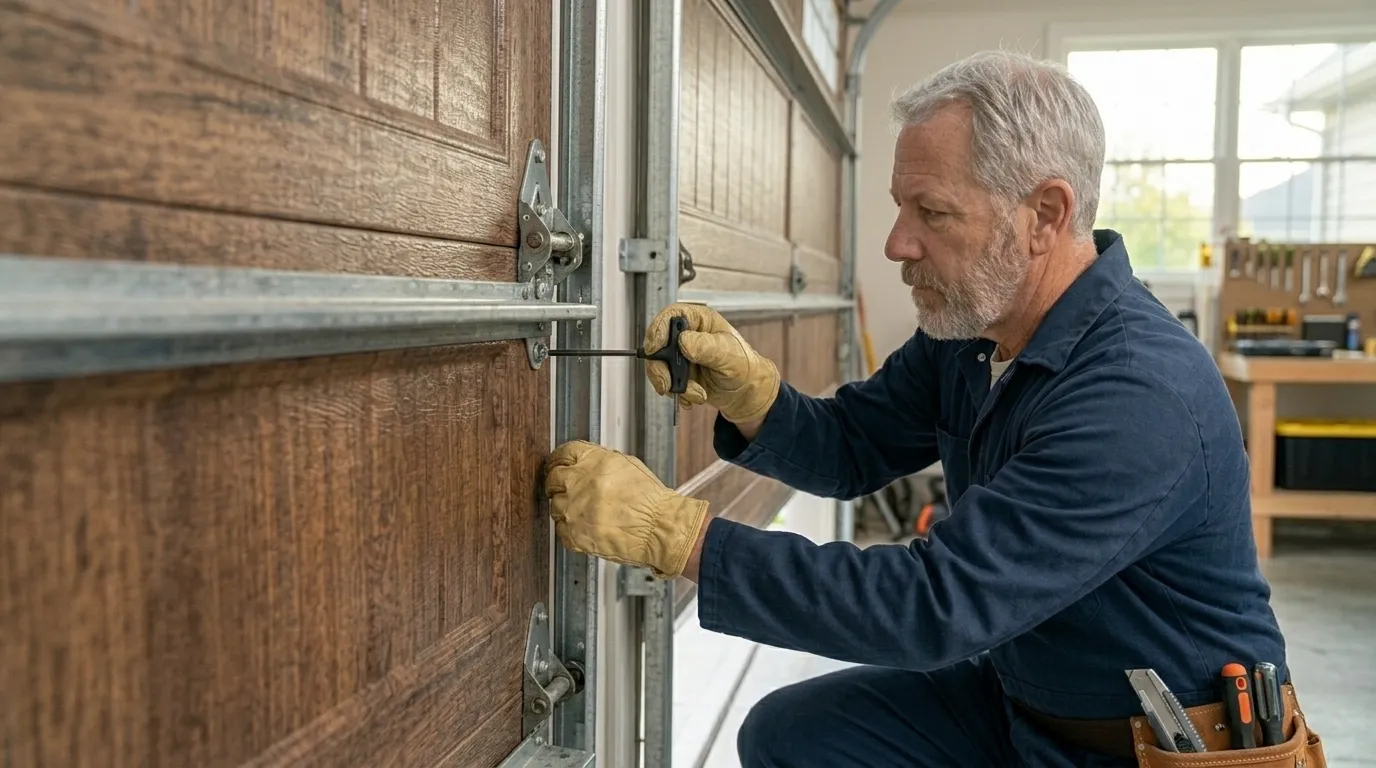
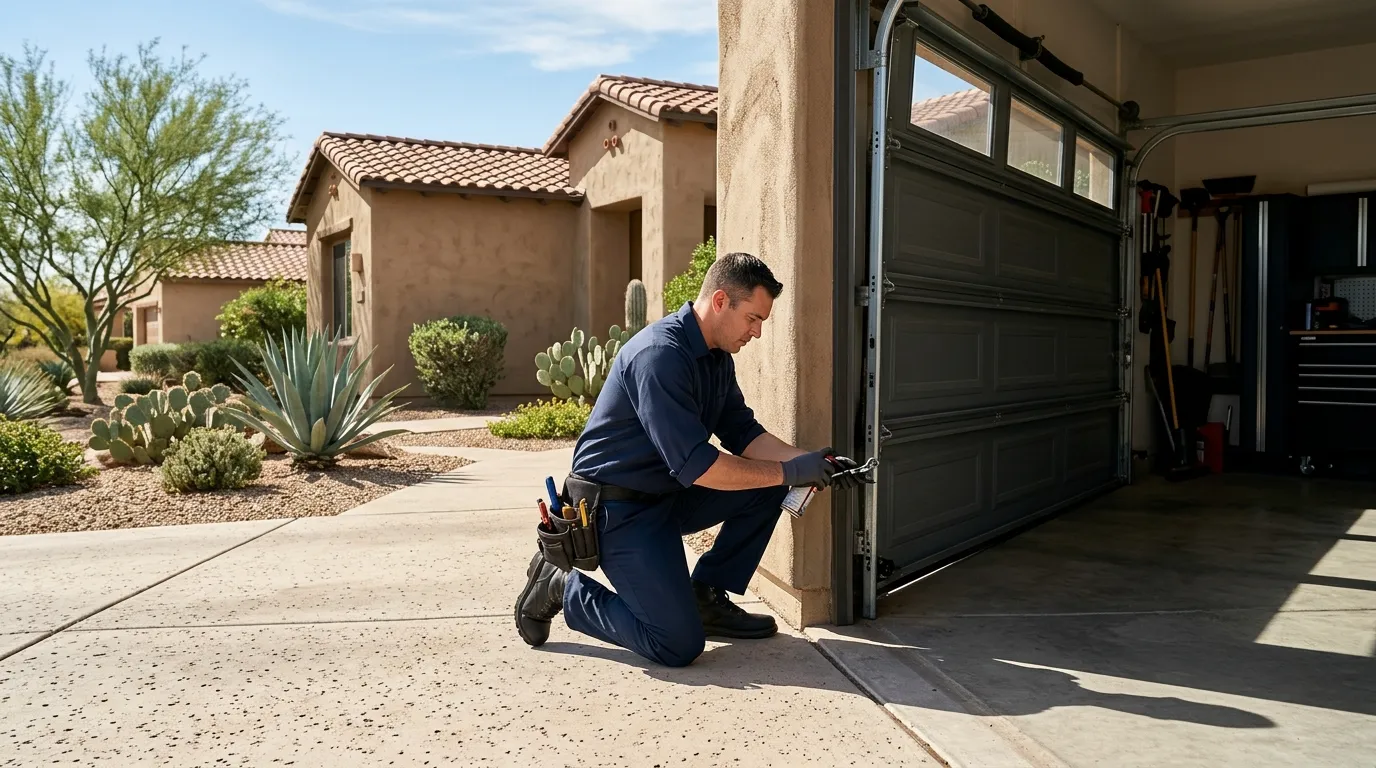
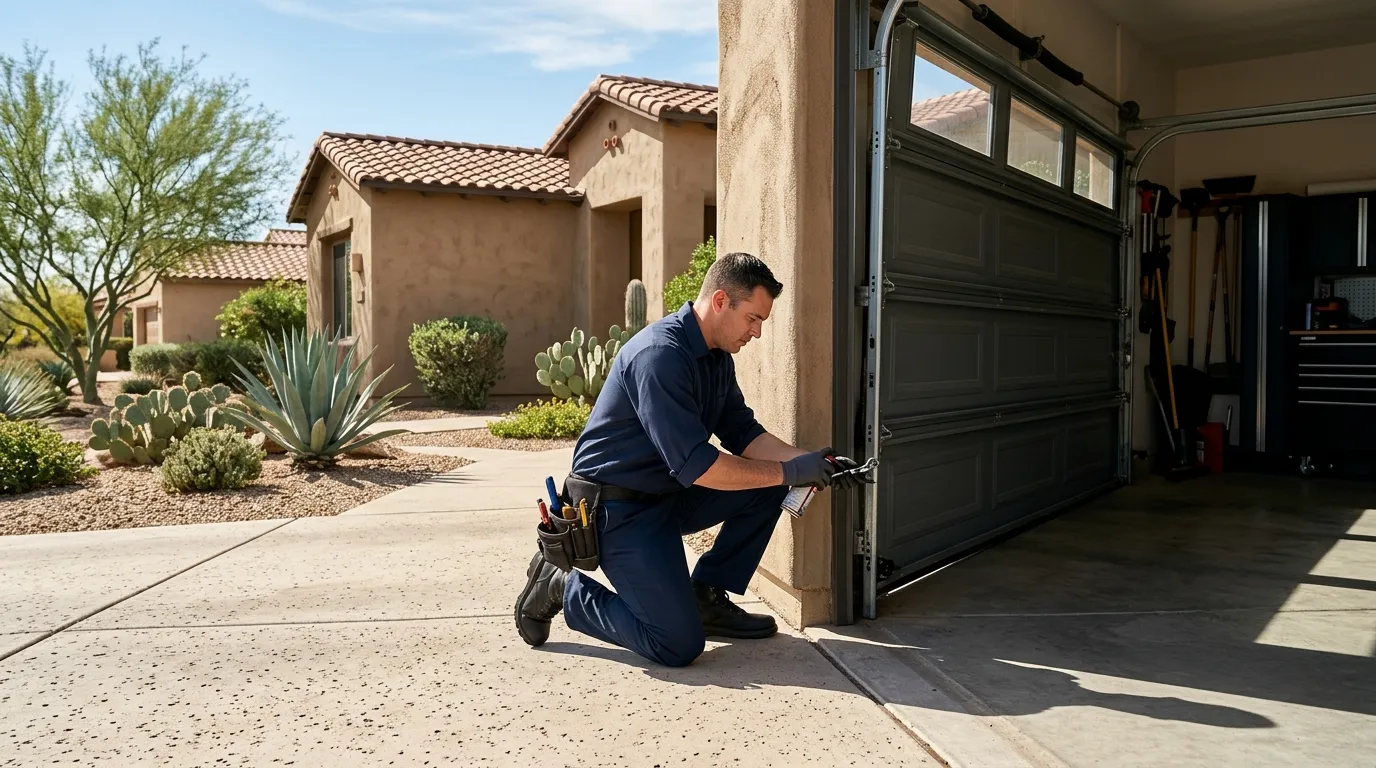
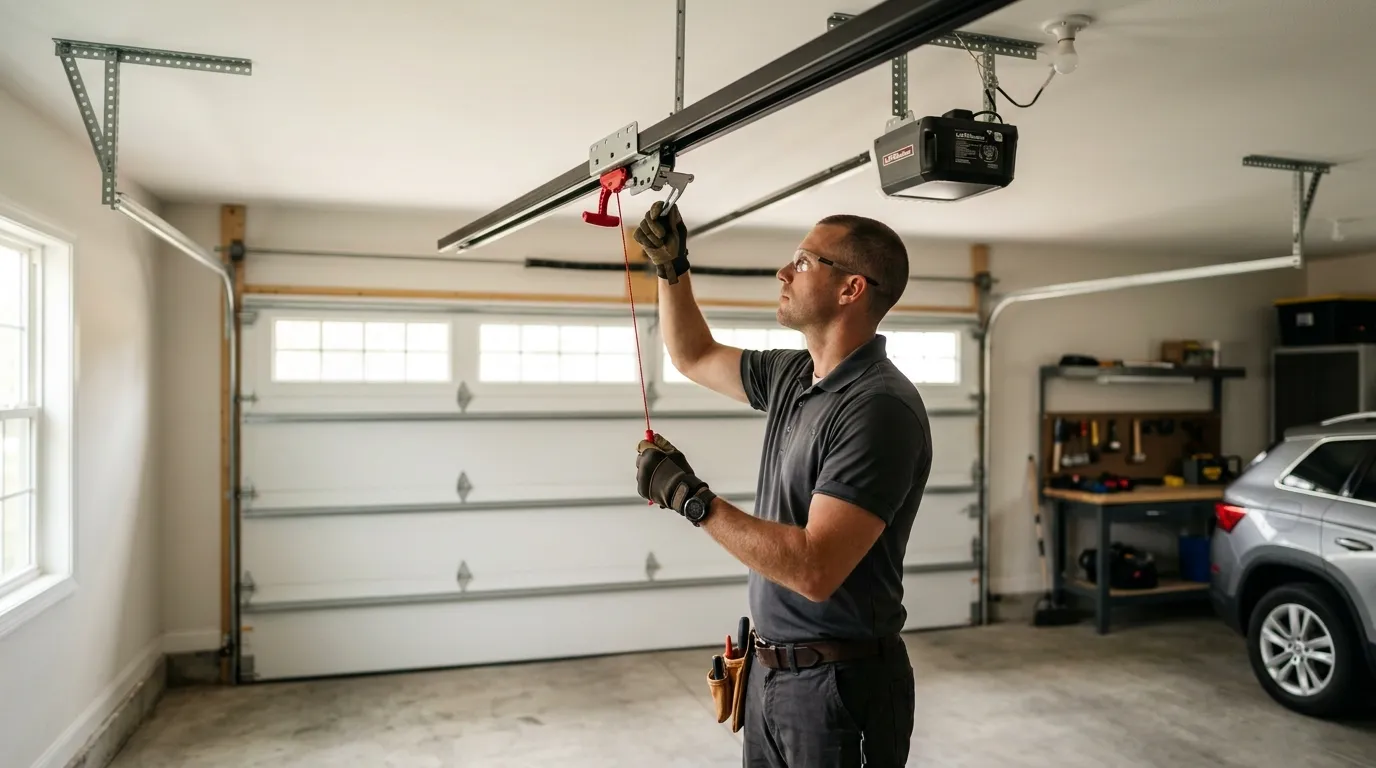
A standard maintenance visit - lubrication, hardware inspection, spring tension check, opener safety test - runs on the shorter end for a door with no history of neglect. Where it stretches out is when the rollers are the original steel type from a 1970s build, which have usually gone out of round by now and need more than a squirt of lubricant to quiet down. We're not going to pad the visit with work that isn't needed just because the door is older; if the hardware is sound, we say so and move on.
Parts We Carry
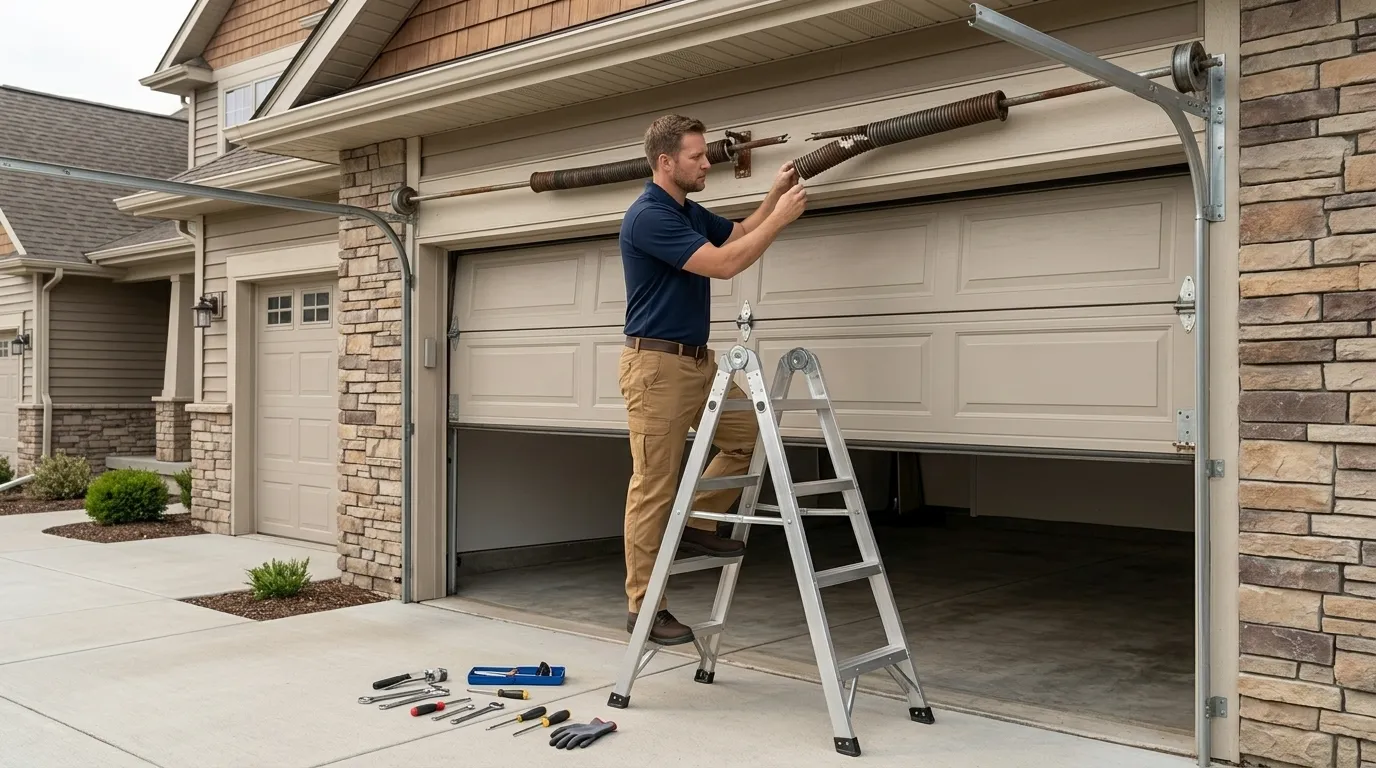
For a service area built mostly in the 1980s and 90s, we stock torsion springs, rollers, cables, and hinges sized for that generation of door. Libertyville skews a bit earlier - closer to 1976 on the median - which sometimes means an older spring diameter or a track width that isn't the current standard. We carry common sizes on the truck; anything genuinely out of production on a door that old, we'll tell you straight instead of jury-rigging a fix that won't hold. That's the one honest limit here: if a part hasn't been made in decades, replacement of that section, not repair, is usually the better call.
What Can Go Wrong
This region sits in a cold-climate zone with real winter severity, and cold makes old lubricant seize and metal contract - two things that turn a minor squeak into a stuck door on the worst possible morning. On a 1976-era door, the most common failure we see on a missed-maintenance visit is a worn cable fraying at the drum, or a bottom bracket that's loosened over decades of thermal cycling. Neither is dramatic until the moment it lets go. A yearly check catches both before they cost you a Saturday.