
Time on the Job
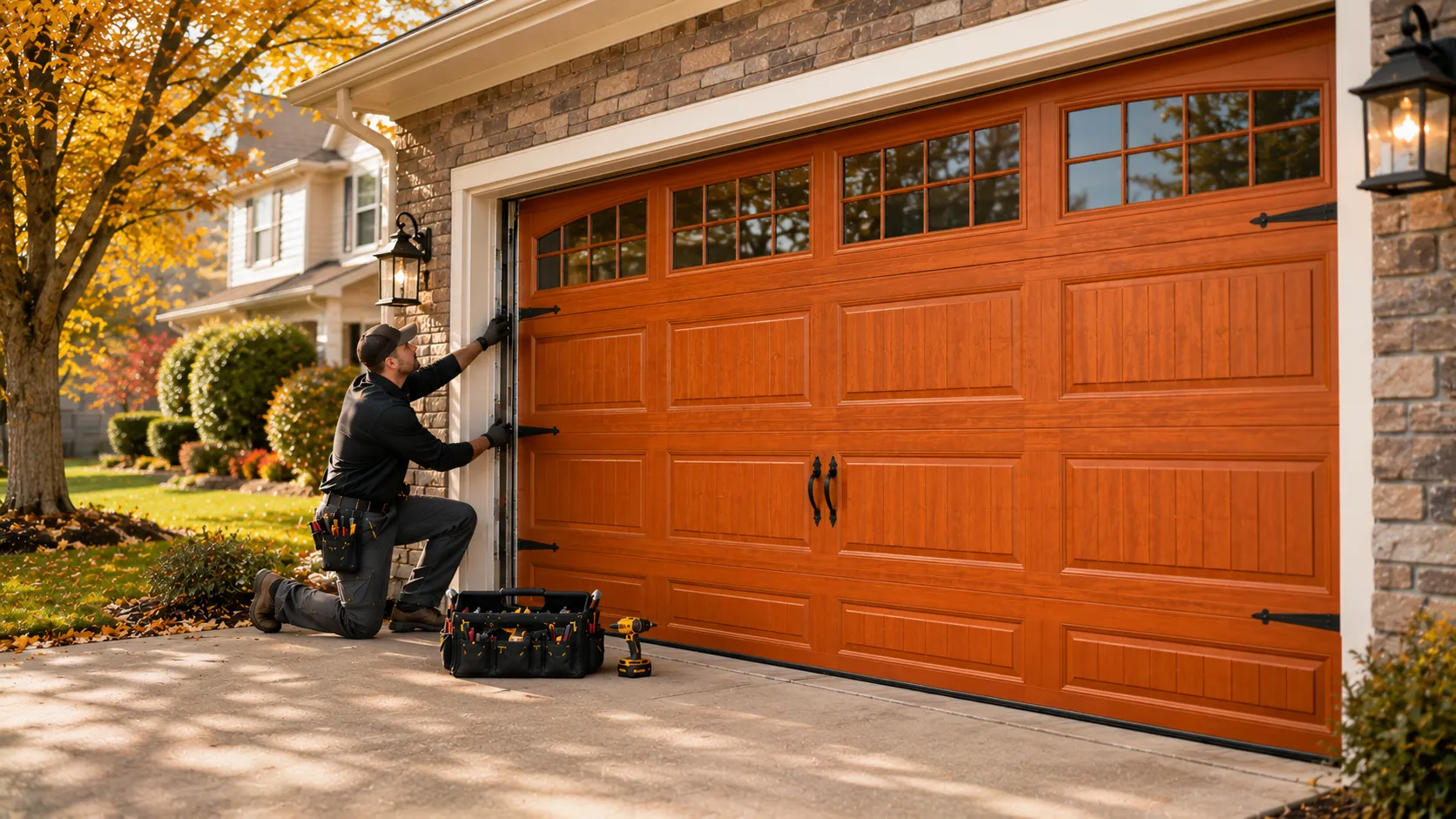
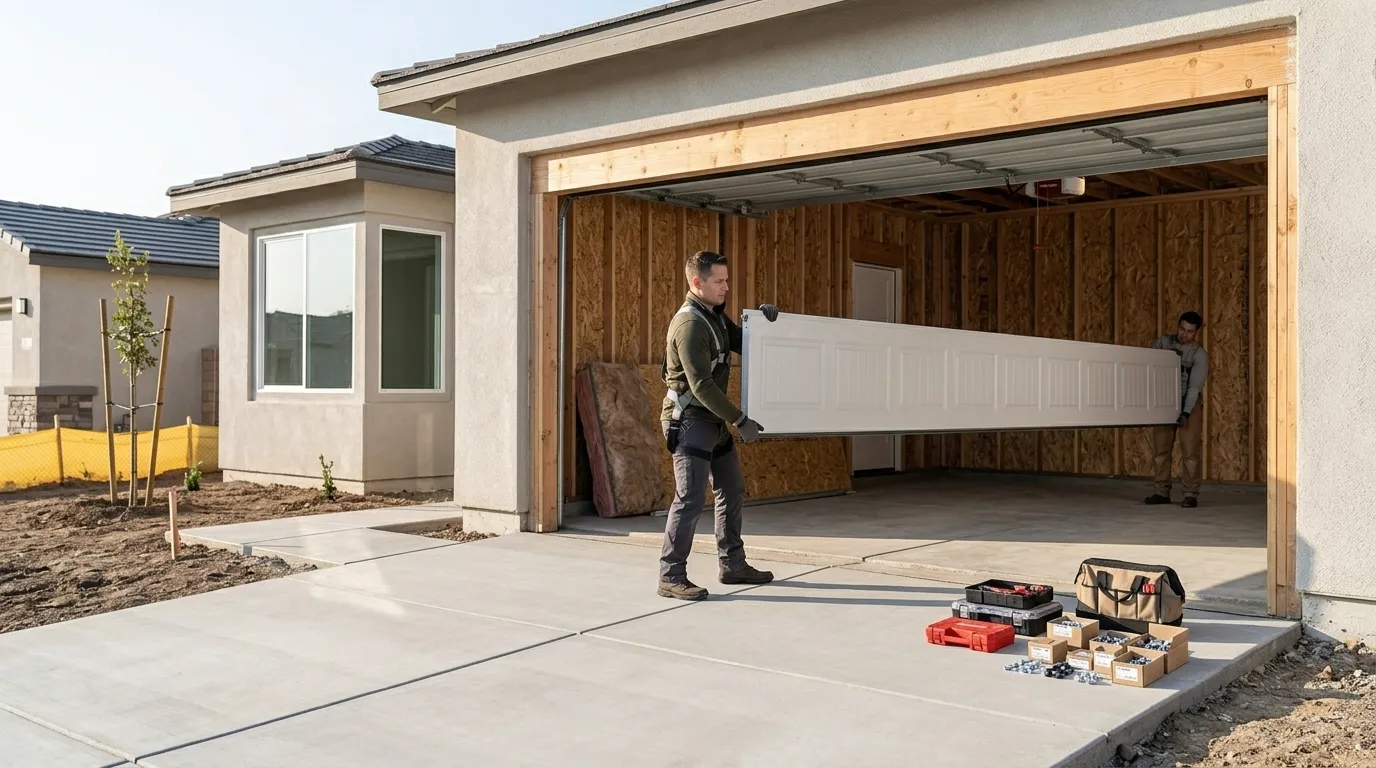
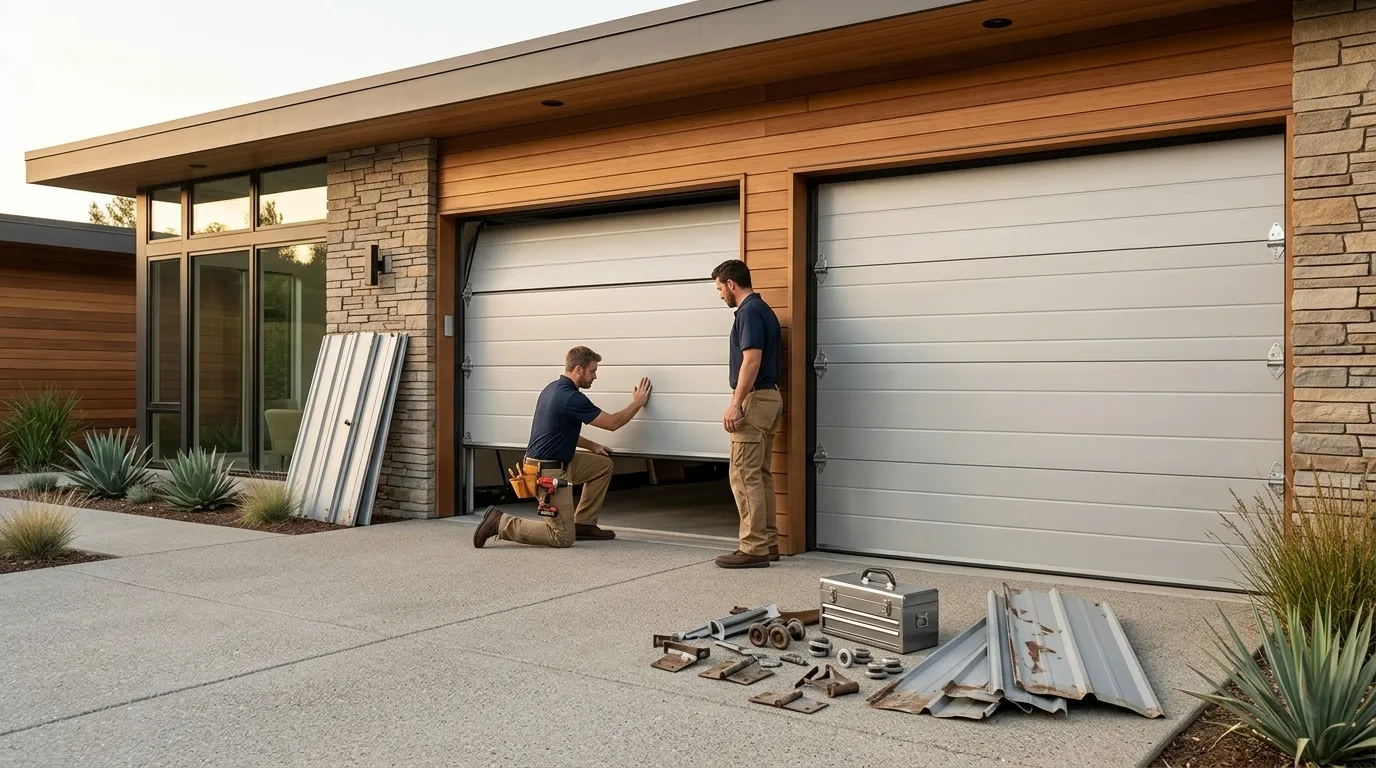
An install day starts with pulling the old door off its track, checking the jambs for square, and confirming the opening hasn't shifted with the house over the decades. On 1976-era openings we often find the framing has settled a little, which means shimming the new track rather than assuming it'll hang plumb out of the box.
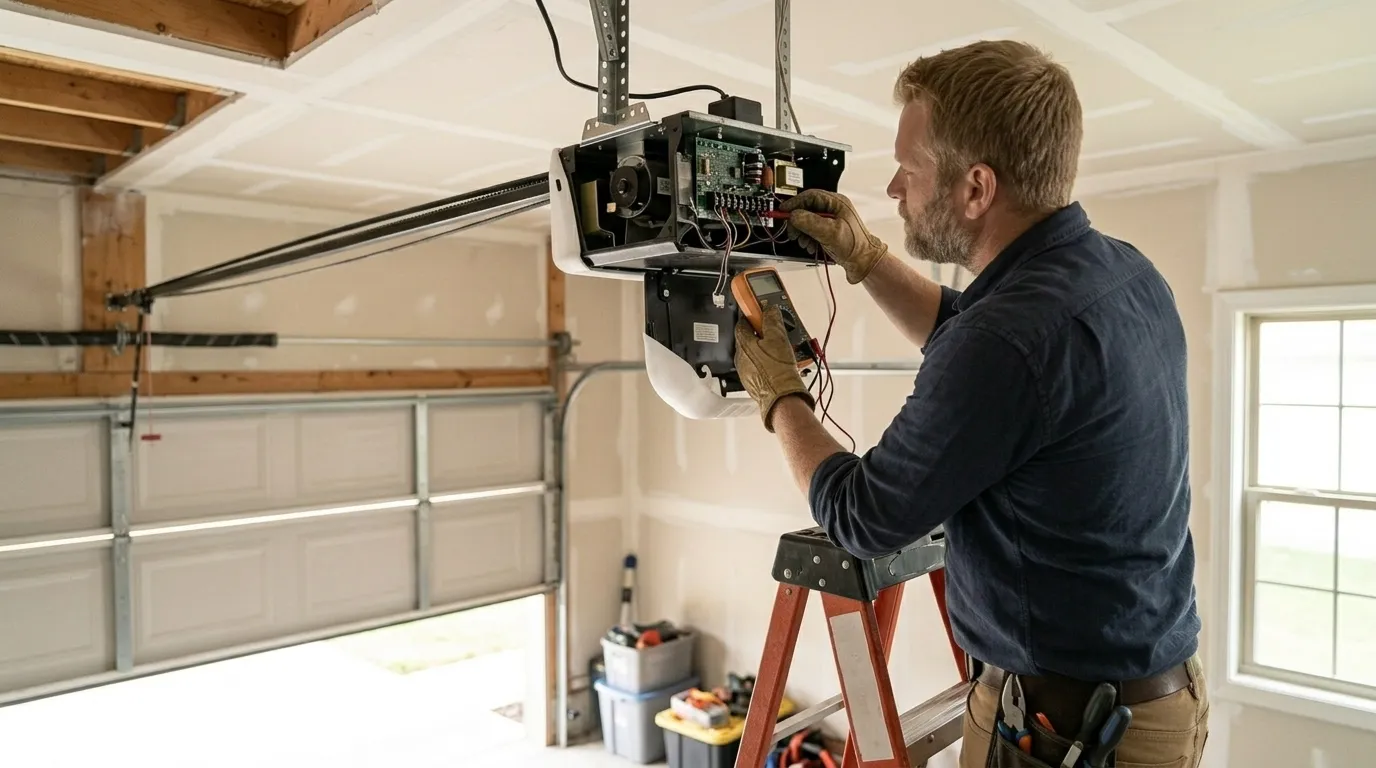
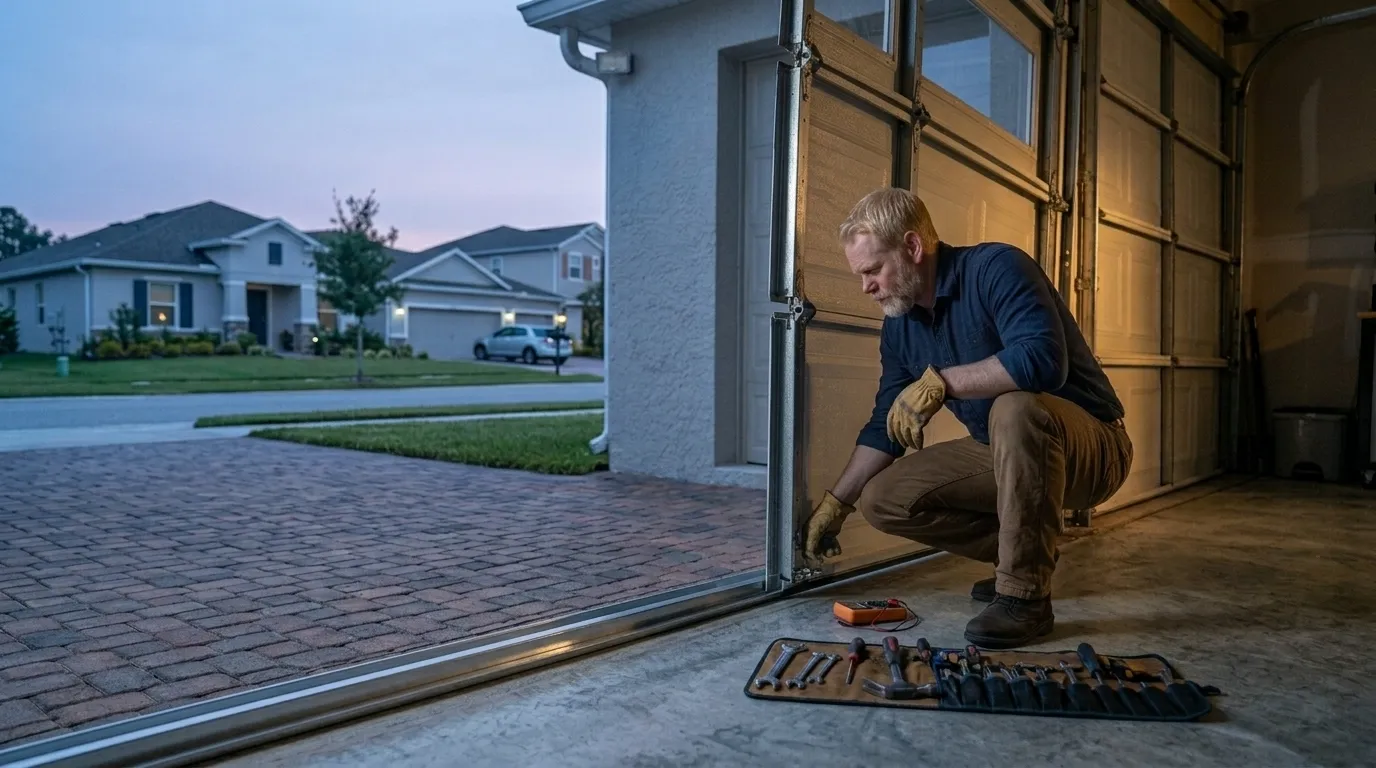
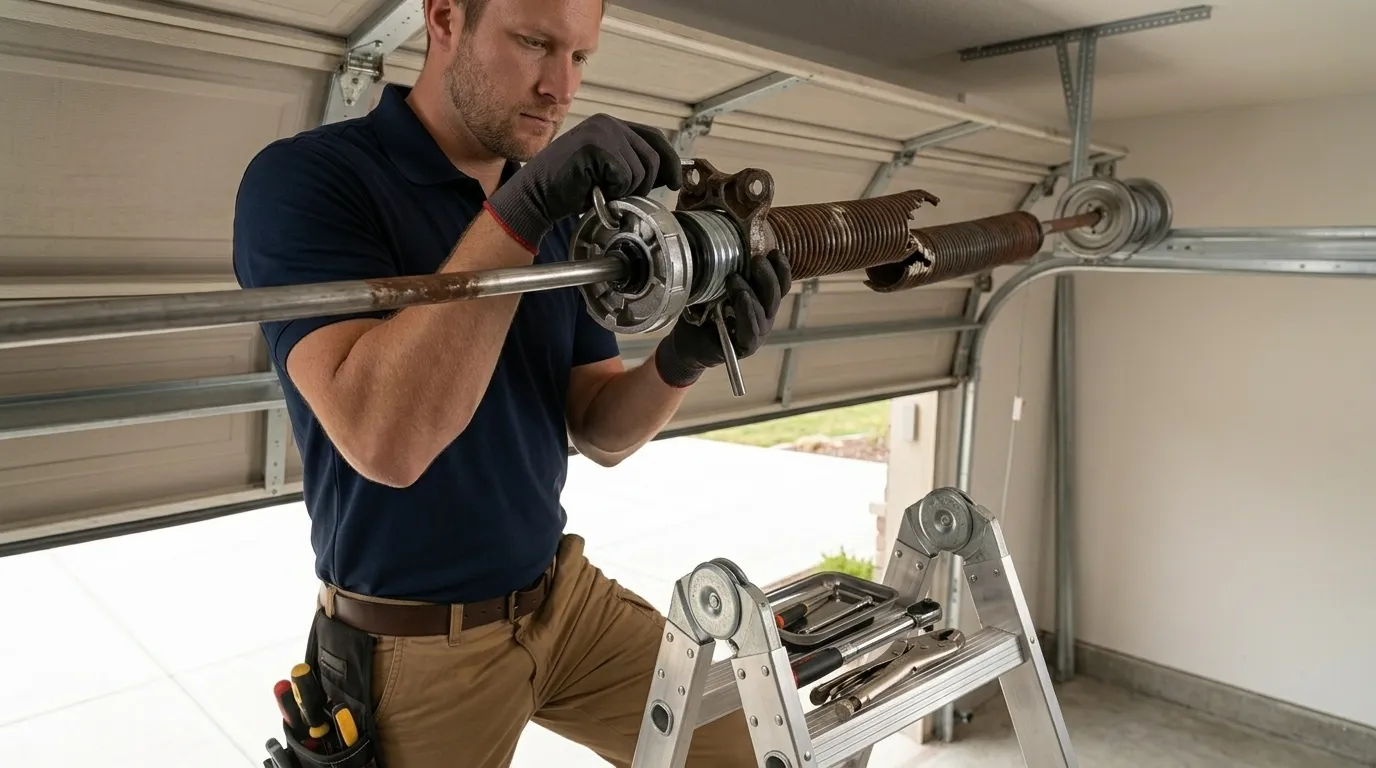
We size the new spring to the actual door weight, not a stock number off a chart, and we test the balance by hand before we ever wire up an opener. If your existing opener is original or close to it, we'll tell you honestly whether it's worth keeping or whether the mounting bracket and rail are too far gone to reuse. We don't pad the job with work you don't need, and we don't rush it either - a torsion spring under the wrong tension is a hazard, not a shortcut.
Parts We Carry
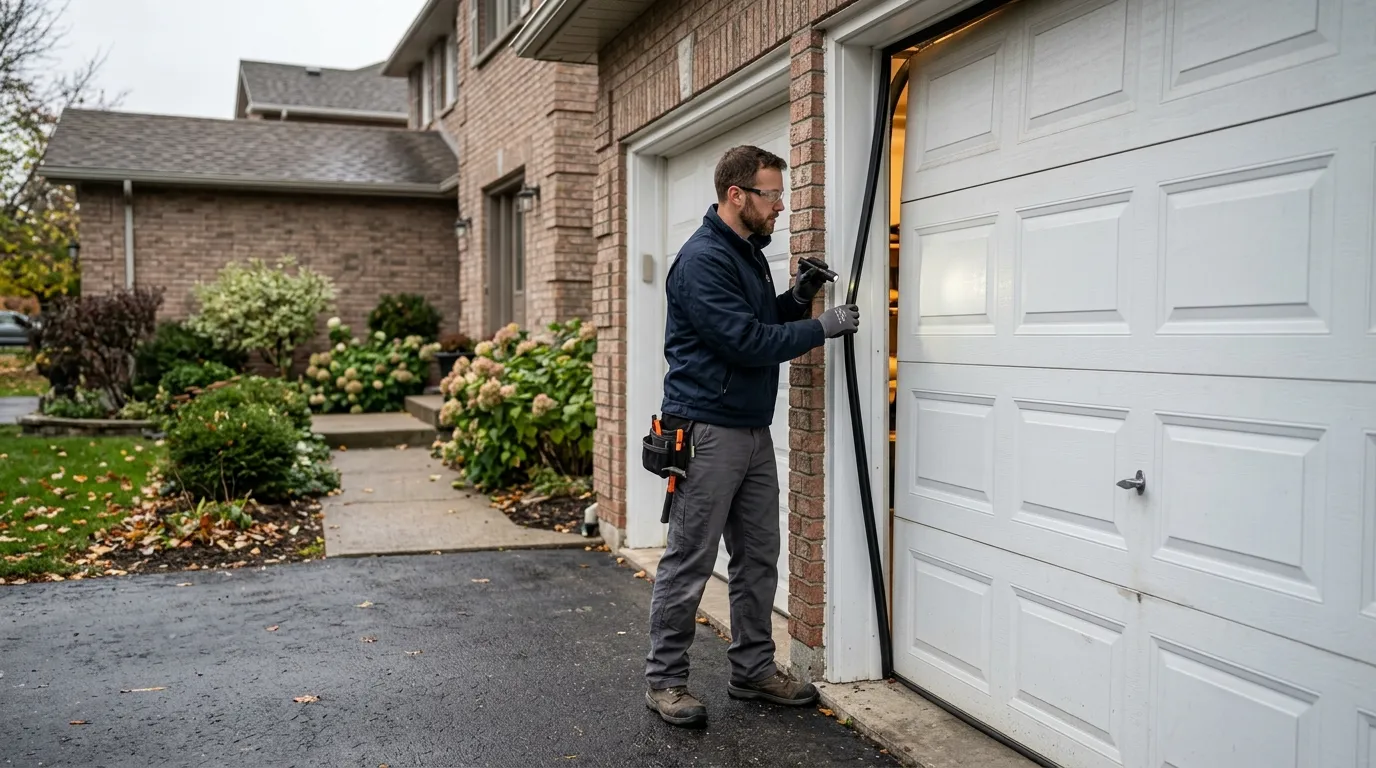
We stock doors and hardware sized for the older openings common in Libertyville, plus the insulated options that make more sense given how cold this area gets. The service area sits in a severe cold climate band, and a 1976-era steel door with no insulation shows that every winter - cold coming off the panel, frost on the inside skin, sometimes ice binding the bottom seal to the slab.
We carry insulated steel doors, torsion springs in the sizes that actually match older track systems, and reinforced opener brackets for openings where the original wood jamb has softened over the years. One limit worth saying plainly: we don't stock every custom panel style or specialty wood door on the truck. Those are special-order items with a lead time, and we'll tell you that up front rather than promise a same-week install we can't deliver.
What Can Go Wrong
The most common surprise on a 1976-era door is a spring that was never upsized when a heavier door replaced the original at some point over the decades. That mismatch means the opener strains every cycle, which shortens its life and can snap a cable without warning.
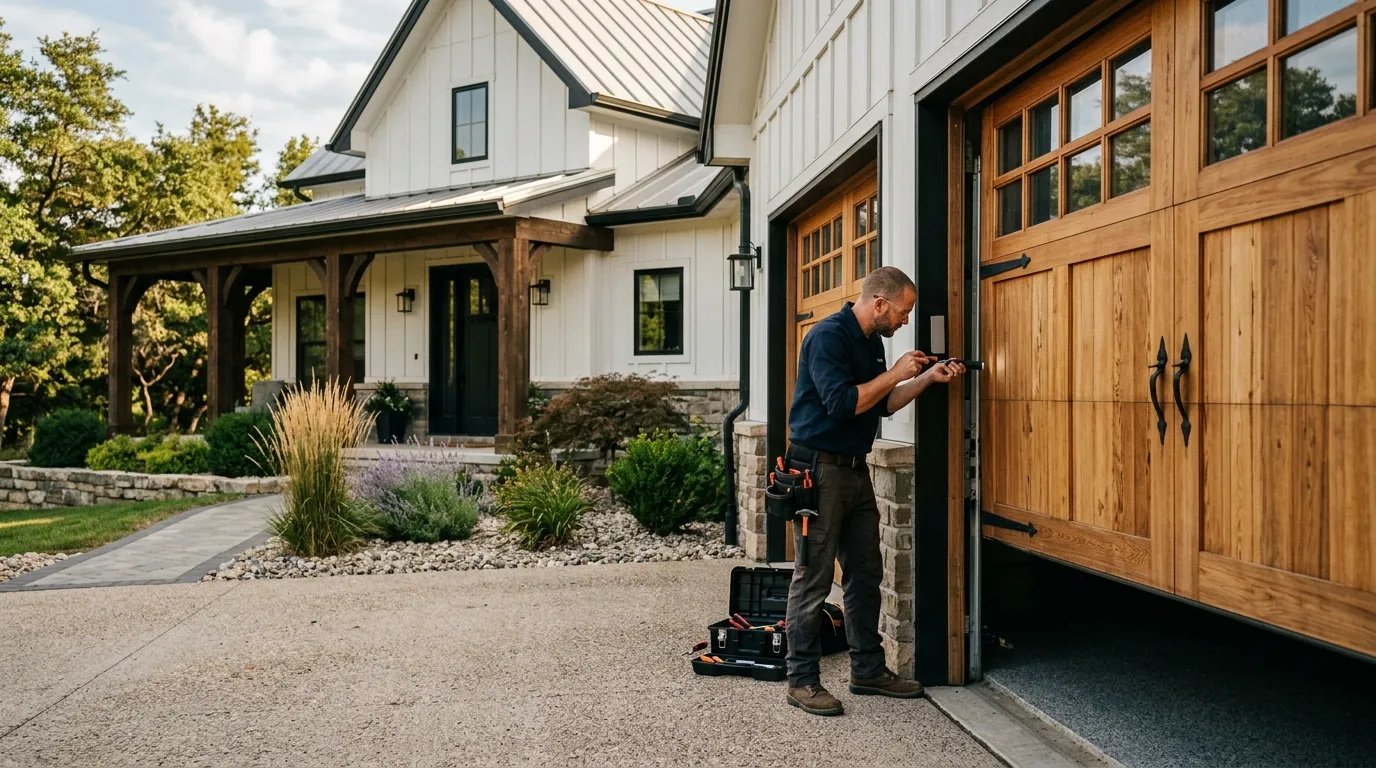
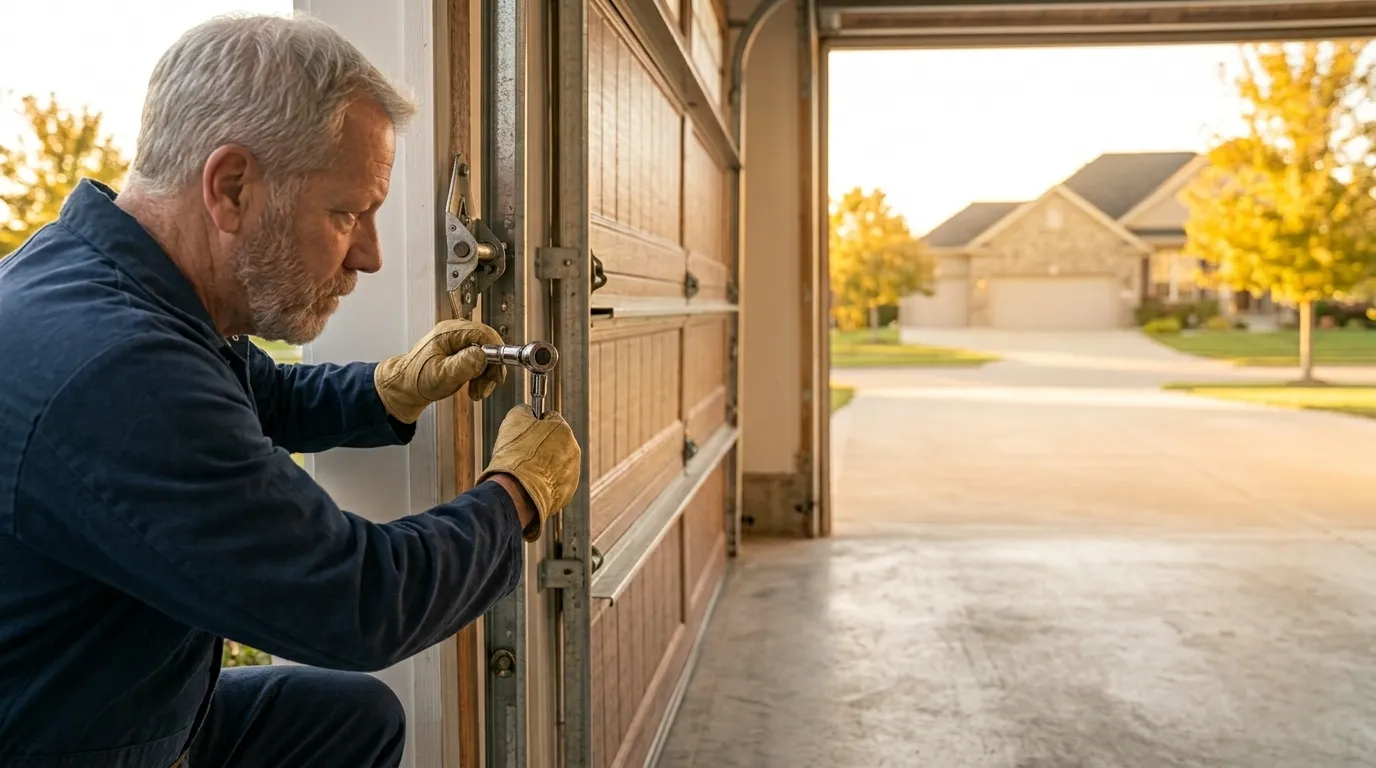
We also find missing safety cables on older torsion setups - not required when the door went in, but a real risk if a spring lets go while the door's open. And on houses where the jamb has shifted slightly with age, a new door installed without shimming will bind on one side within a few months. None of this is unusual for a house this age; it's just worth checking before you pick a door, not after it's hanging crooked.