Time on the Job
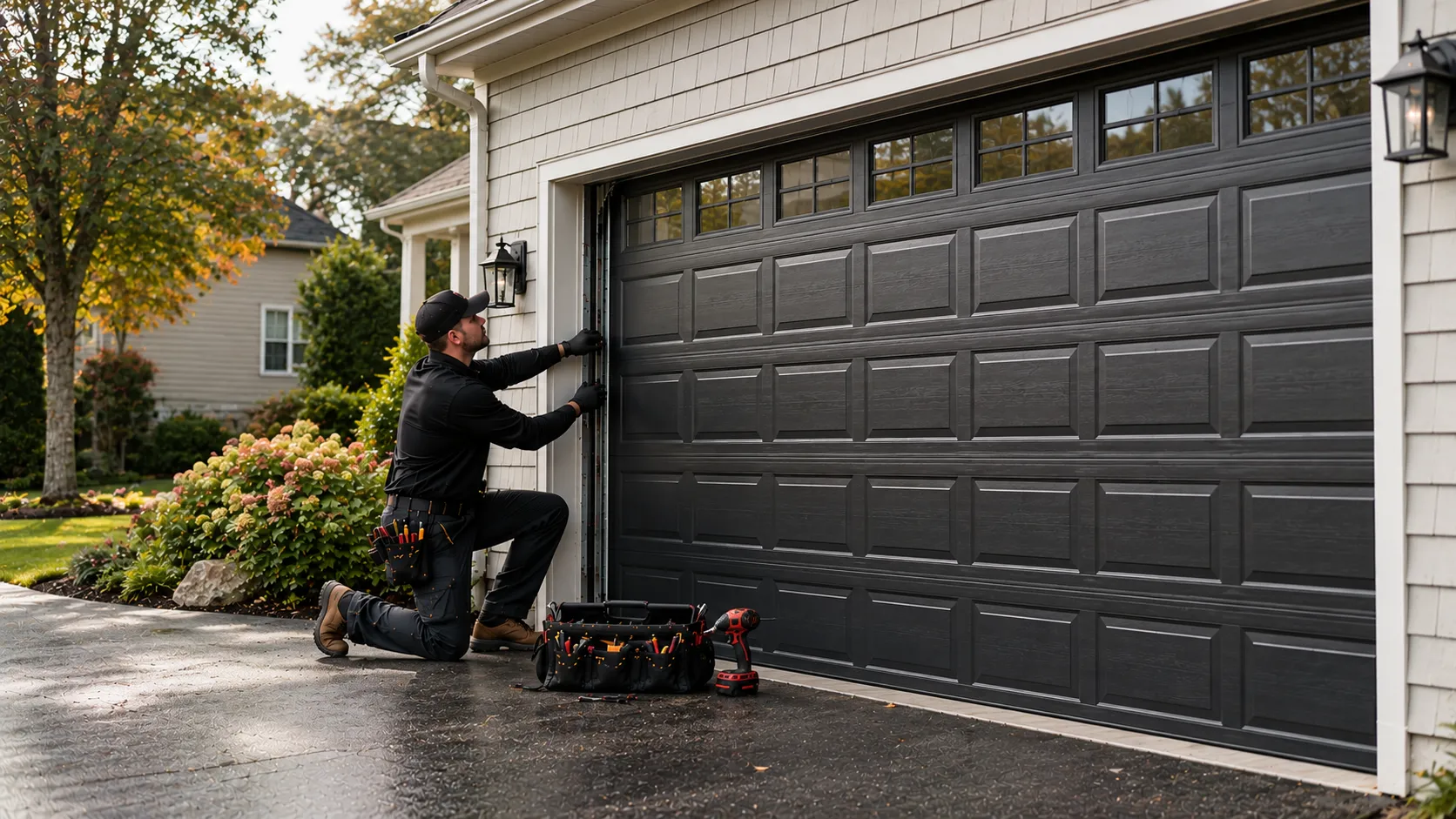
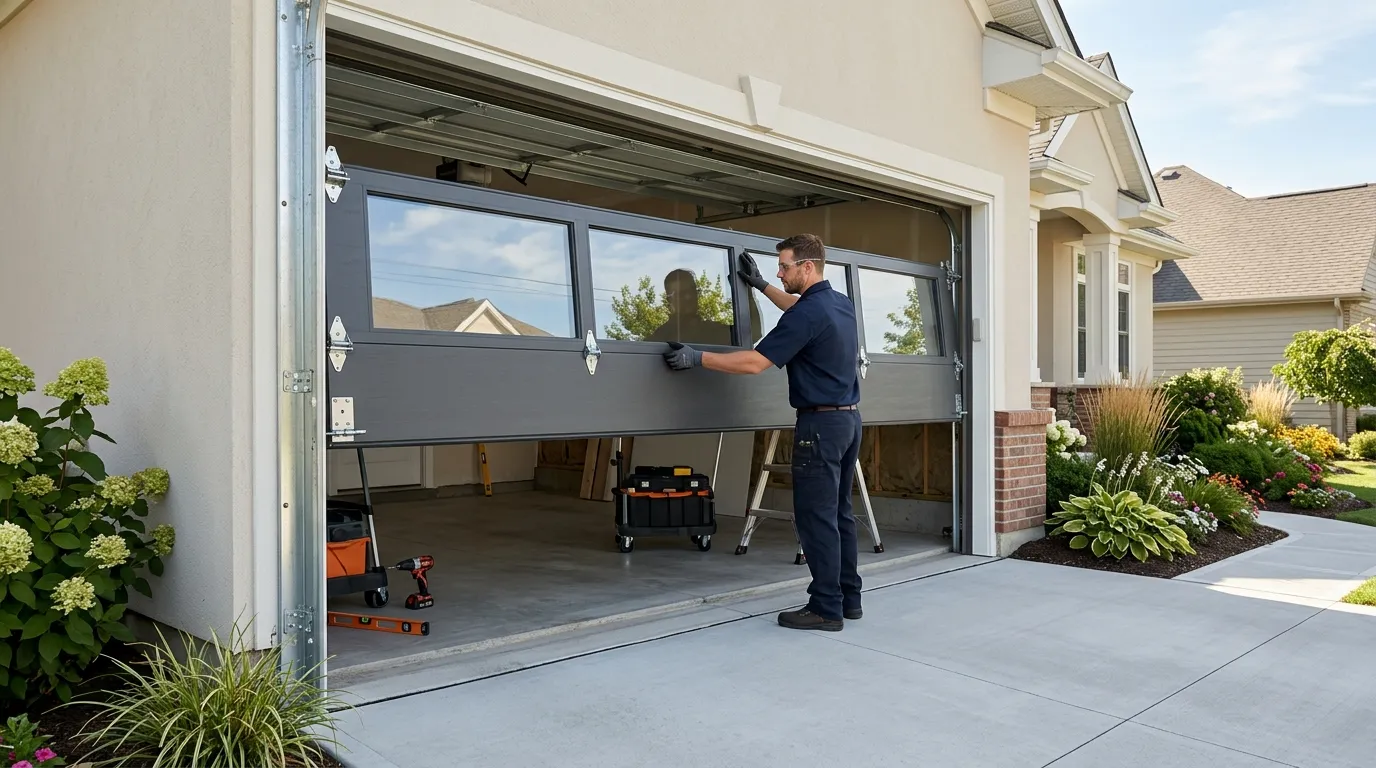
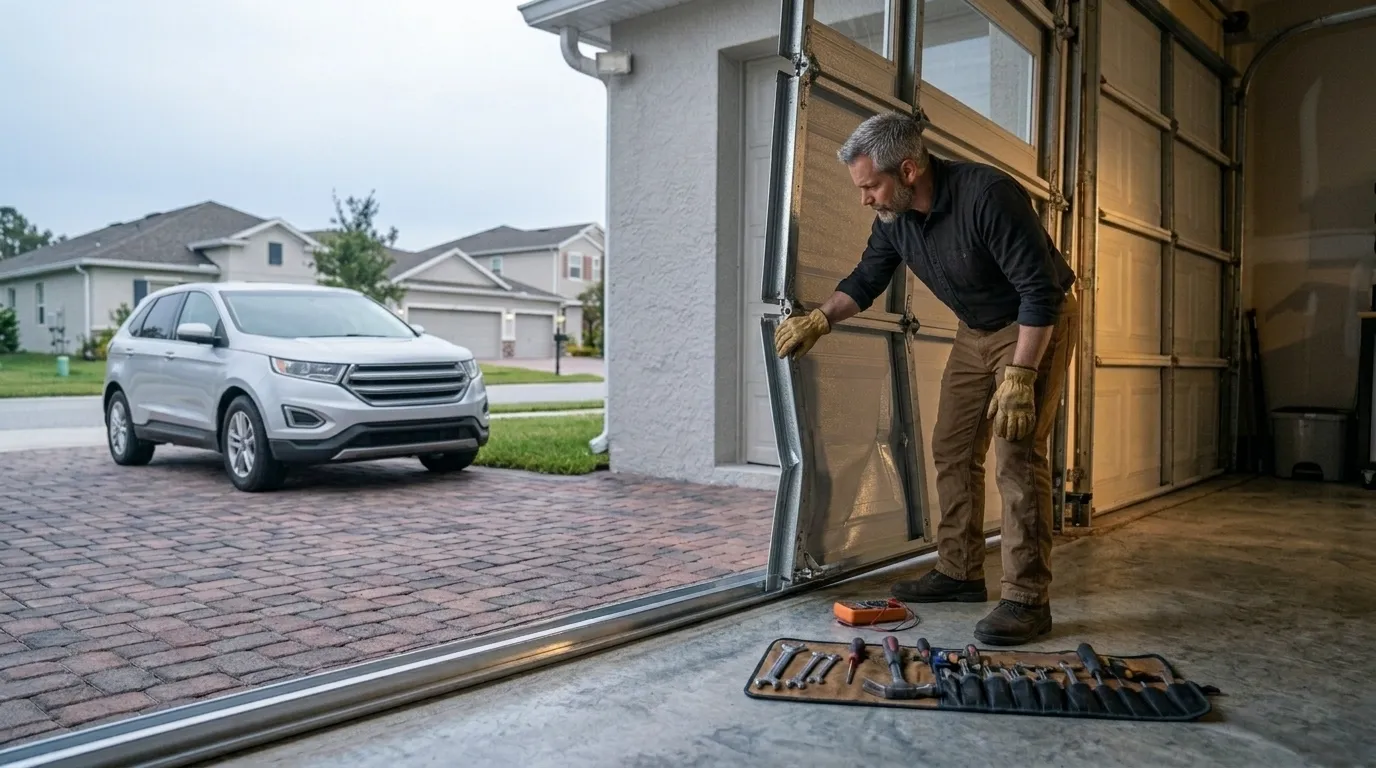
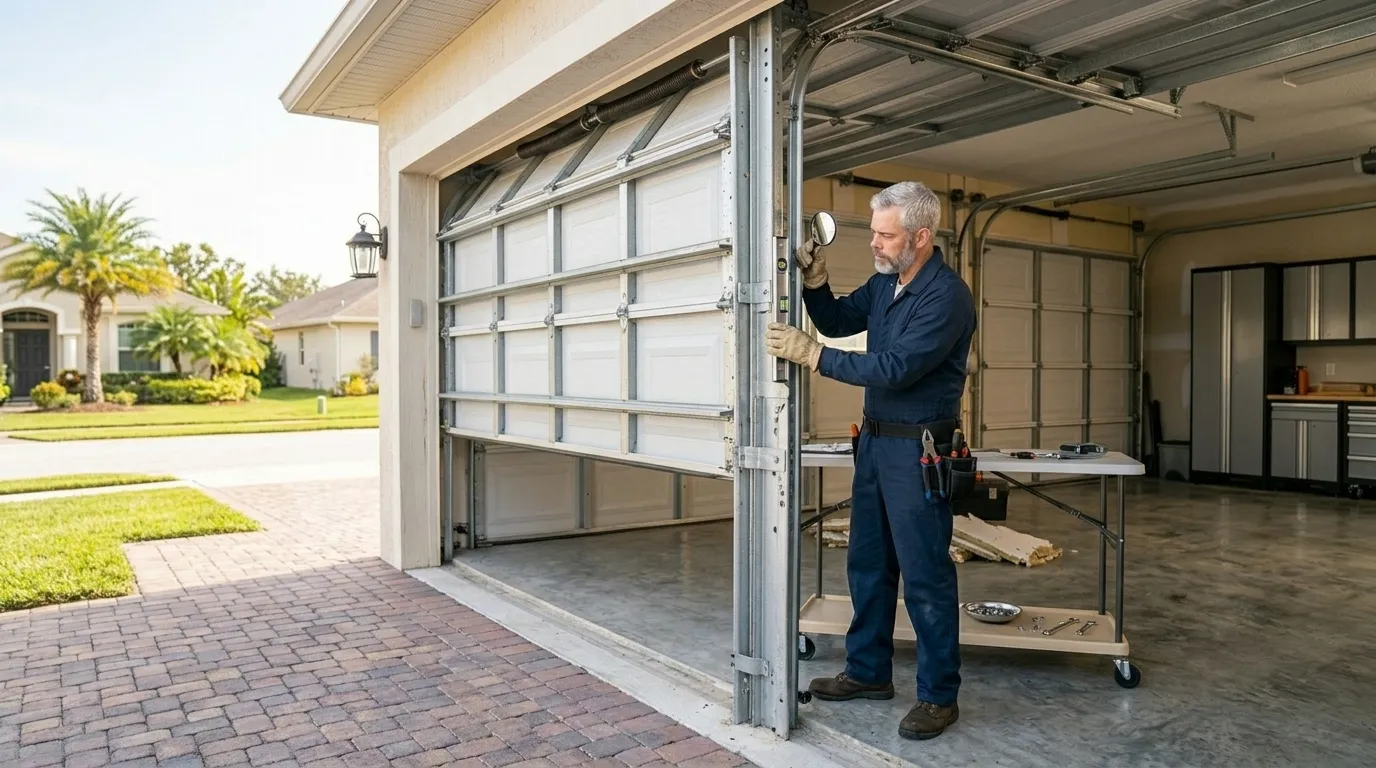
A straight roller swap on a double door usually runs less time than a spring job, but it's not a five-minute fix if the track has to come off the jamb to get the top rollers out. Doors from the mid-1970s often have tracks fastened tighter to the framing than newer installs, since building practices shifted over the following decades - so removing brackets without bending the track takes more care on a house this age than on something built in the 2000s. We budget the visit around that, not around a generic number that doesn't account for what we're actually pulling apart.
Parts We Carry
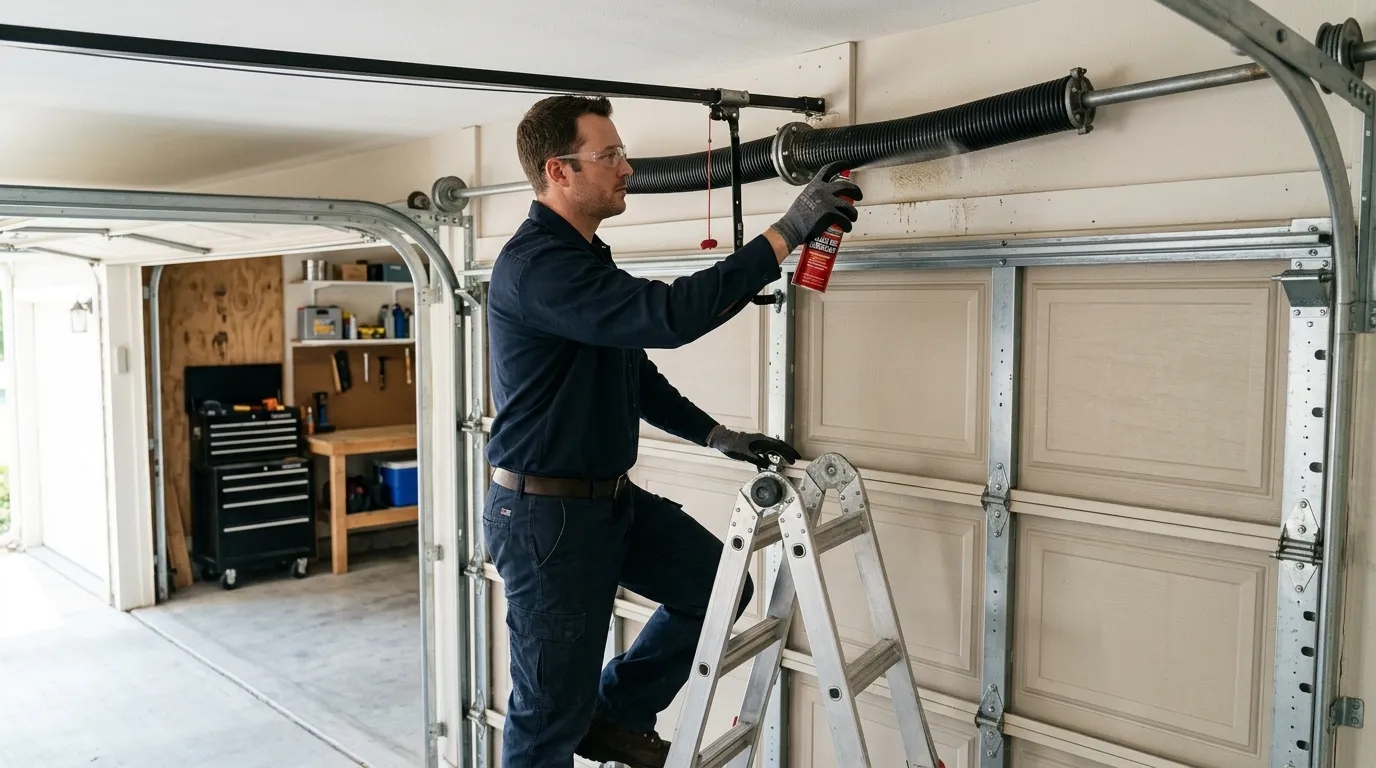
We carry both 7-ball and 10-ball nylon rollers with sealed bearings, and standard steel rollers for owners who want the cheaper fix and understand the tradeoff. Given the income profile in Libertyville, most jobs here end up on nylon - quieter, longer-lived, and better suited to a door that's opened several times a day rather than once. We stock the stem lengths and diameters that fit doors from the 1970s through the 2000s, which covers the bulk of what's actually on the ground here. One honest limitation: if your track itself is bent or rusted through - not just worn where the roller rides - a roller swap won't fix the noise, and we'll tell you that on site rather than sell you rollers that won't solve the problem.
What Can Go Wrong
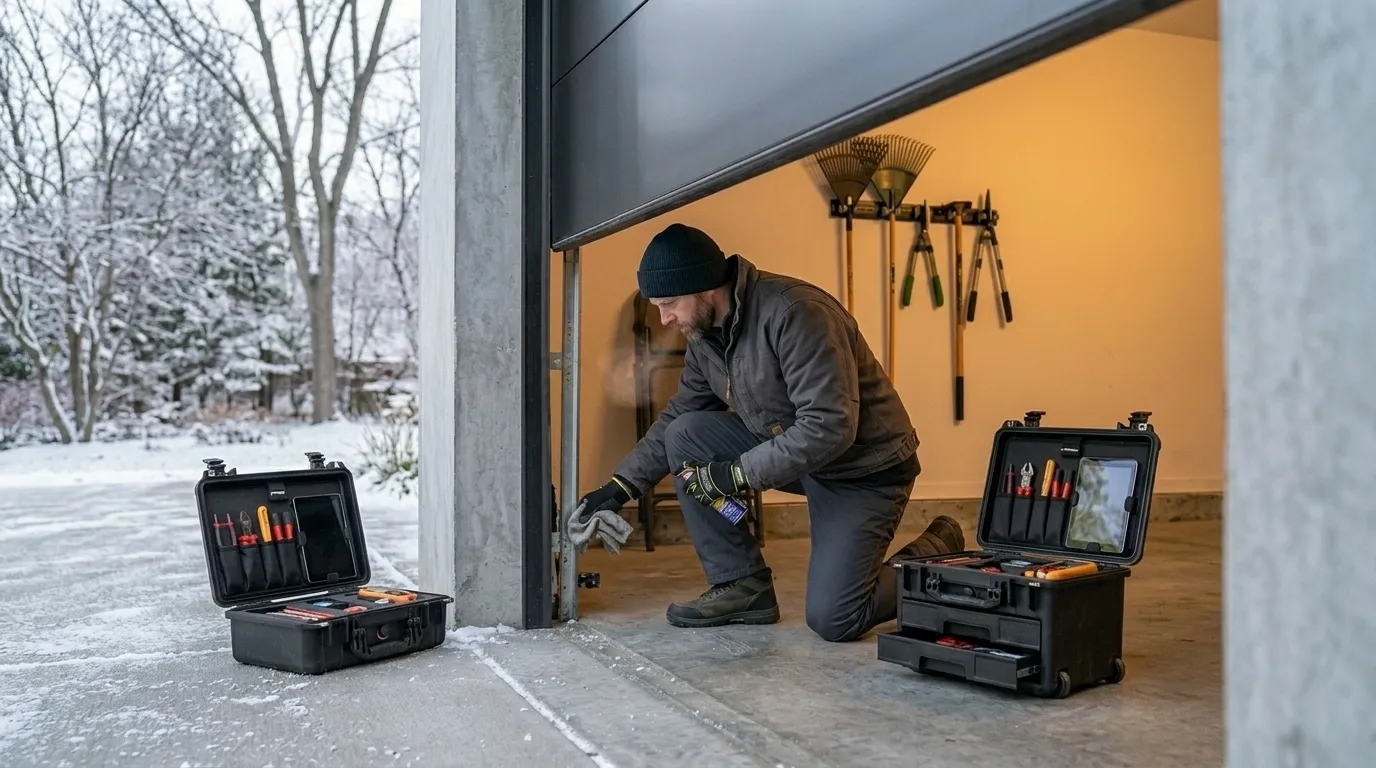
The most common mistake we see on a roller-only call is missing a cracked bearing at the same time - a roller can look fine while the stem inside is seizing, and that shows up as a door that binds halfway up. On 1970s-era doors specifically, we also check the track alignment before setting new rollers in, because worn steel rollers can slowly widen the track gap, and putting new rollers into a track that's already spread just buys you a few quiet months before the same noise comes back. Cold winters through this area also stiffen the lubricant on older rollers, which can mimic a bearing failure - so we test the door at rest before we recommend replacing anything.