Why This Fails Locally
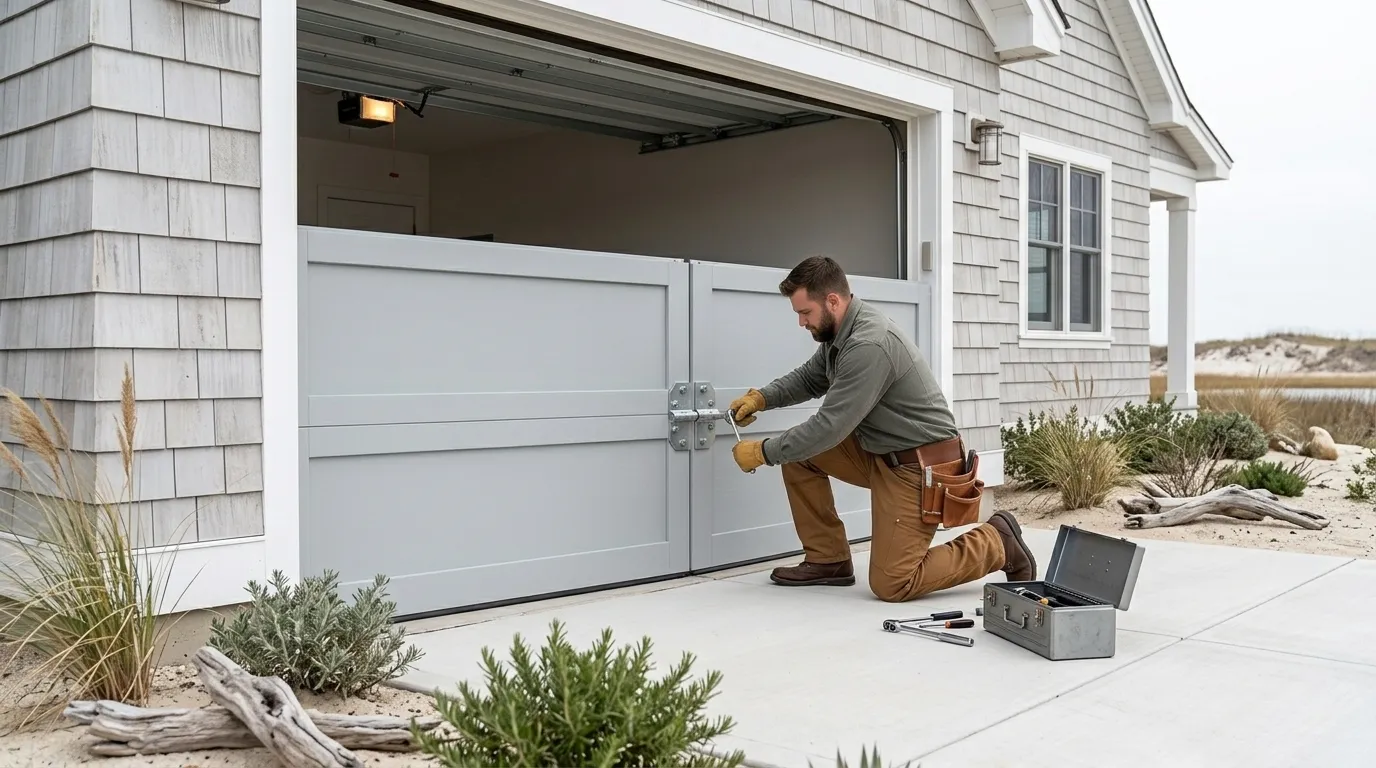
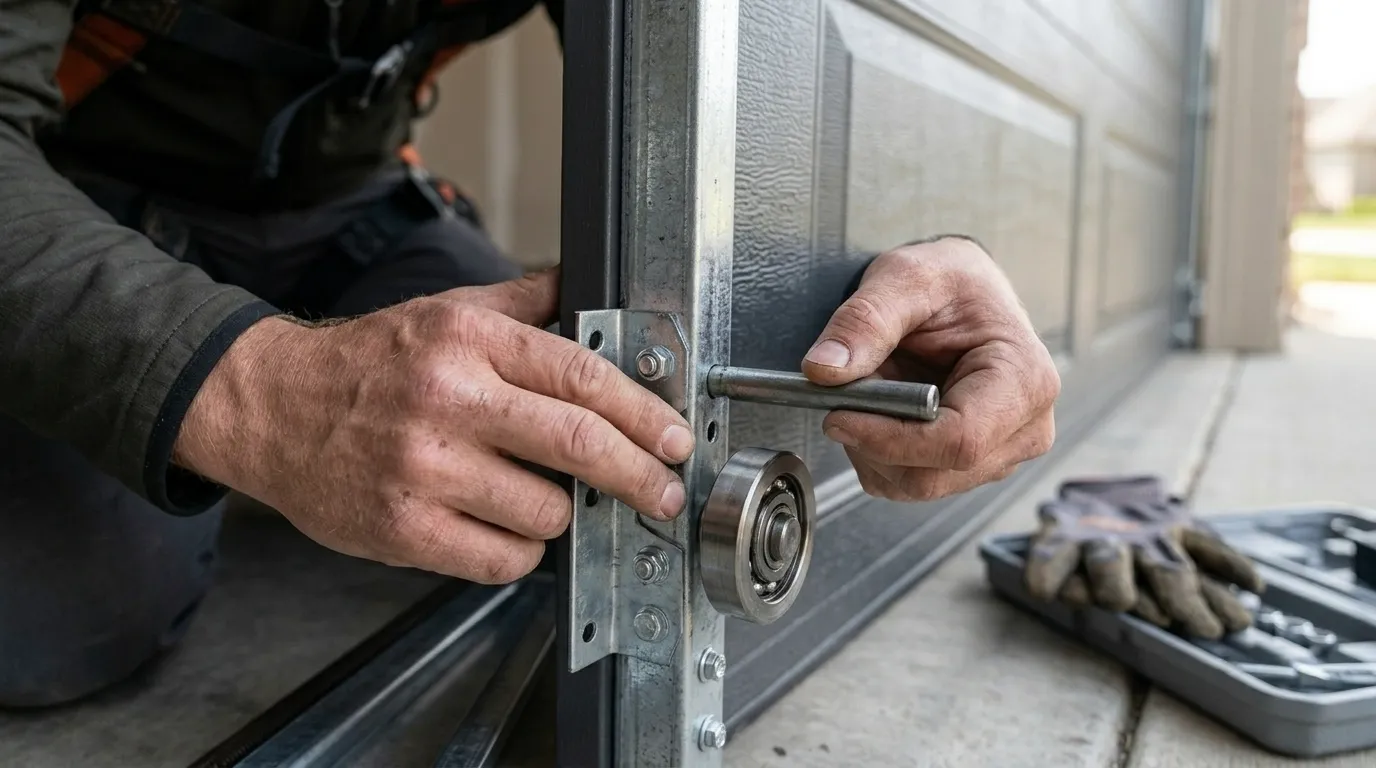
A door spec'd in the 1990s was built to code and climate expectations of that decade. Grayslake sits in a cold-severe climate band along with the rest of the area we serve, and steel sectional doors from that era typically weren't built with the insulation values a modern commercial door carries. Over enough winters, uninsulated steel flexes more with temperature swings, and the fasteners holding hinges and track brackets work loose faster than they would in a milder climate.
The other failure point is usage mismatch. A door built for a 1990s-era light industrial or retail bay wasn't necessarily spec'd for the cycle count a busier operation puts on it today - more trucks, more open-close cycles per shift, heavier springs doing more work than the original engineering assumed. That's not a defect, it's just a door aging faster than its neighbors because the building's use changed and the hardware didn't.
We don't carry certifications or licence numbers to list here, so we won't claim any we can't back up. What we can tell you is what era of hardware you're likely dealing with, based on when this part of the area was built out, and what that means for parts availability.
What Can Go Wrong
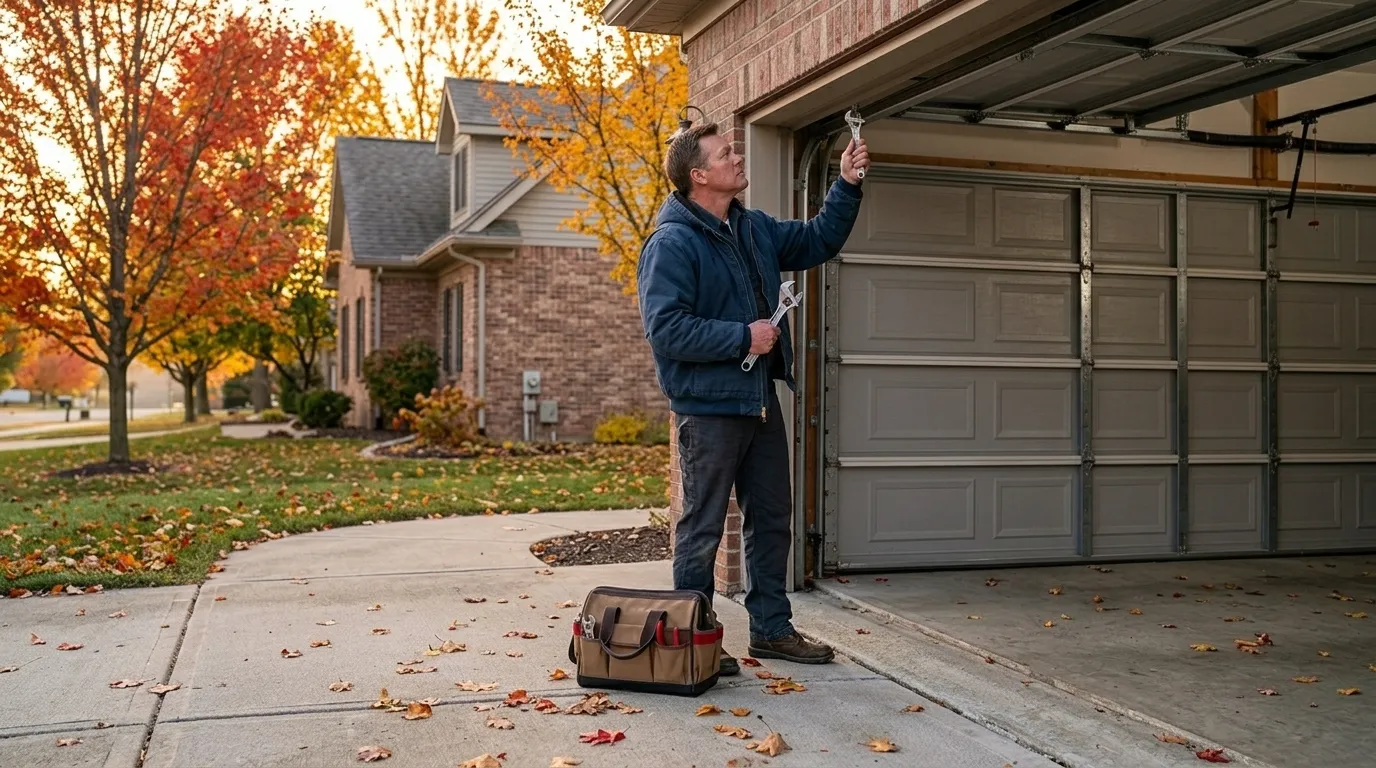
Torsion springs on doors from that 1990s build wave are typically nearing or past their rated cycle life by now, and a spring failure on a commercial door - heavier than a residential one - is not a DIY fix; the tension involved can put someone in the hospital. Track misalignment shows up more in cold-severe climates because the concrete slab under the track shifts slightly with frost, throwing rollers out of plane over a few winters.
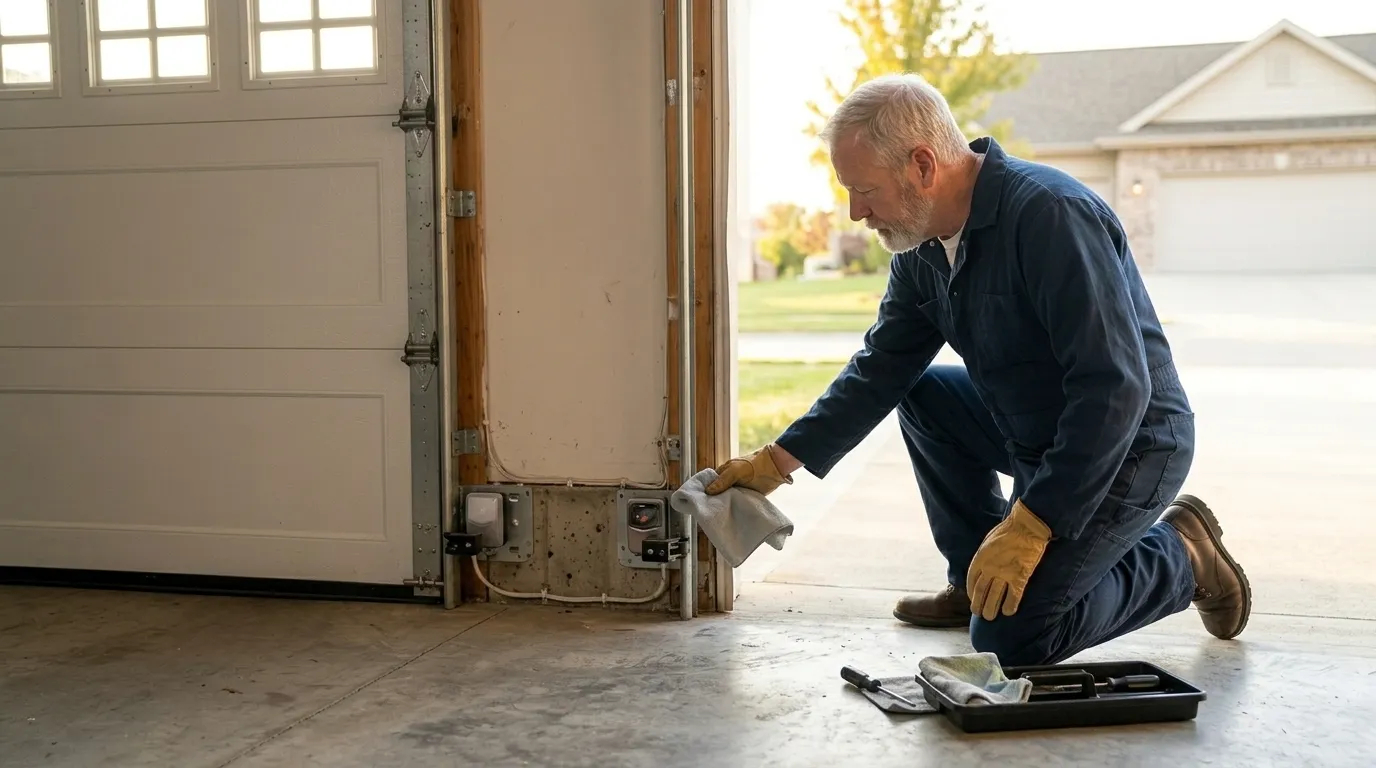
Openers from that same era often run on control boards and logic that no longer match current commercial safety standards for photo-eye sensors and reversing mechanisms. If yours has never been upgraded, that's worth a look regardless of whether the door itself is failing.
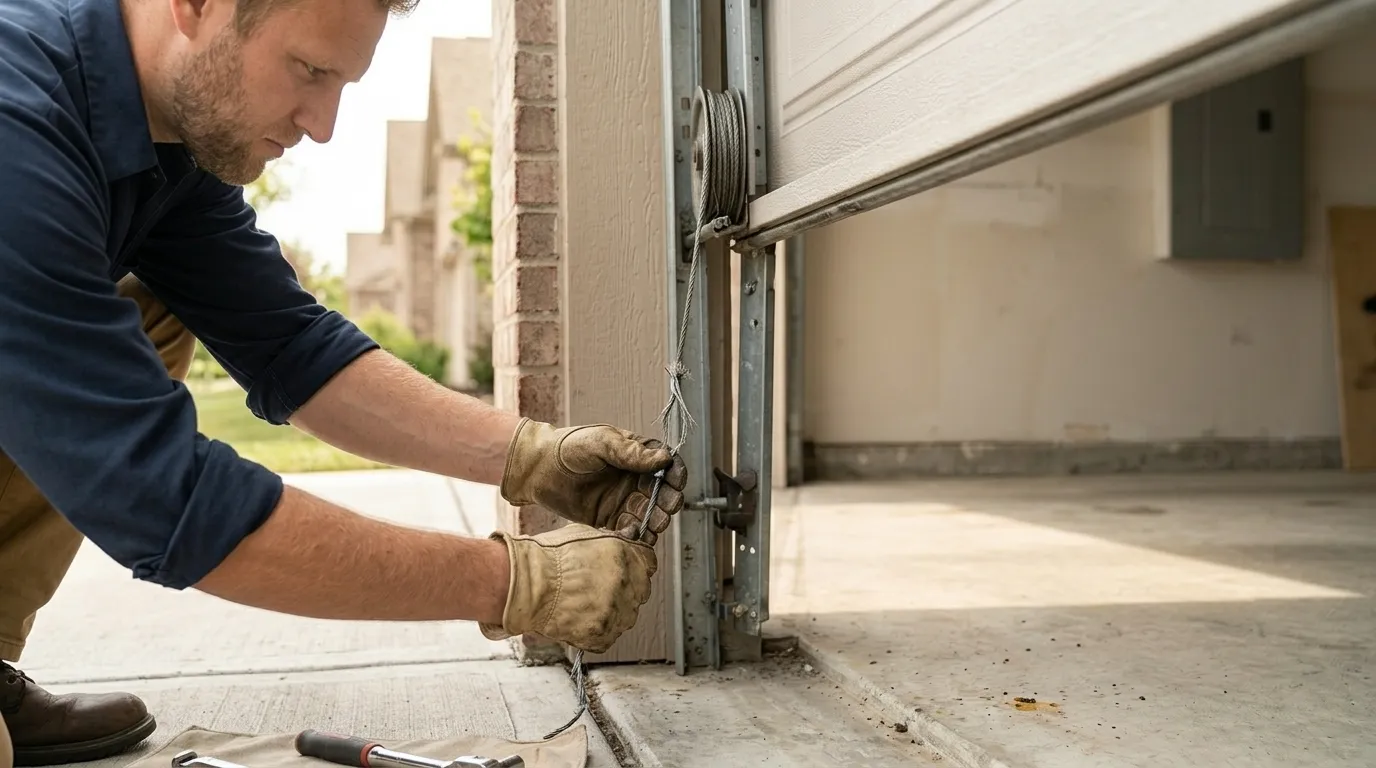
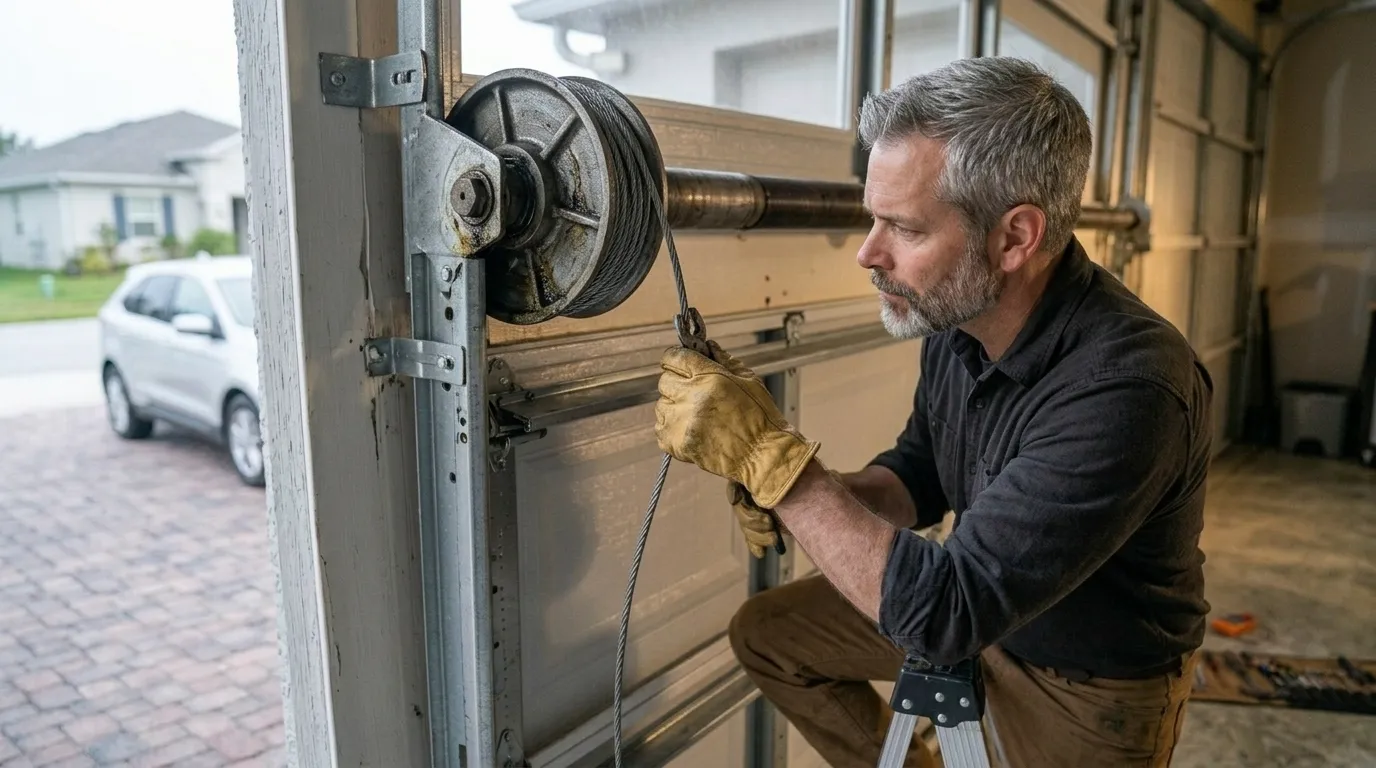
Cables fraying at the drum end are common on doors that have seen 25-plus years of cycles, especially on multi-door commercial fronts where one door gets used far more than the others - loading bay doors wear faster than an equipment bay that opens twice a day. We won't guess at your specific building's cycle count; that's something we'd need to see in person.