Why This Fails Locally
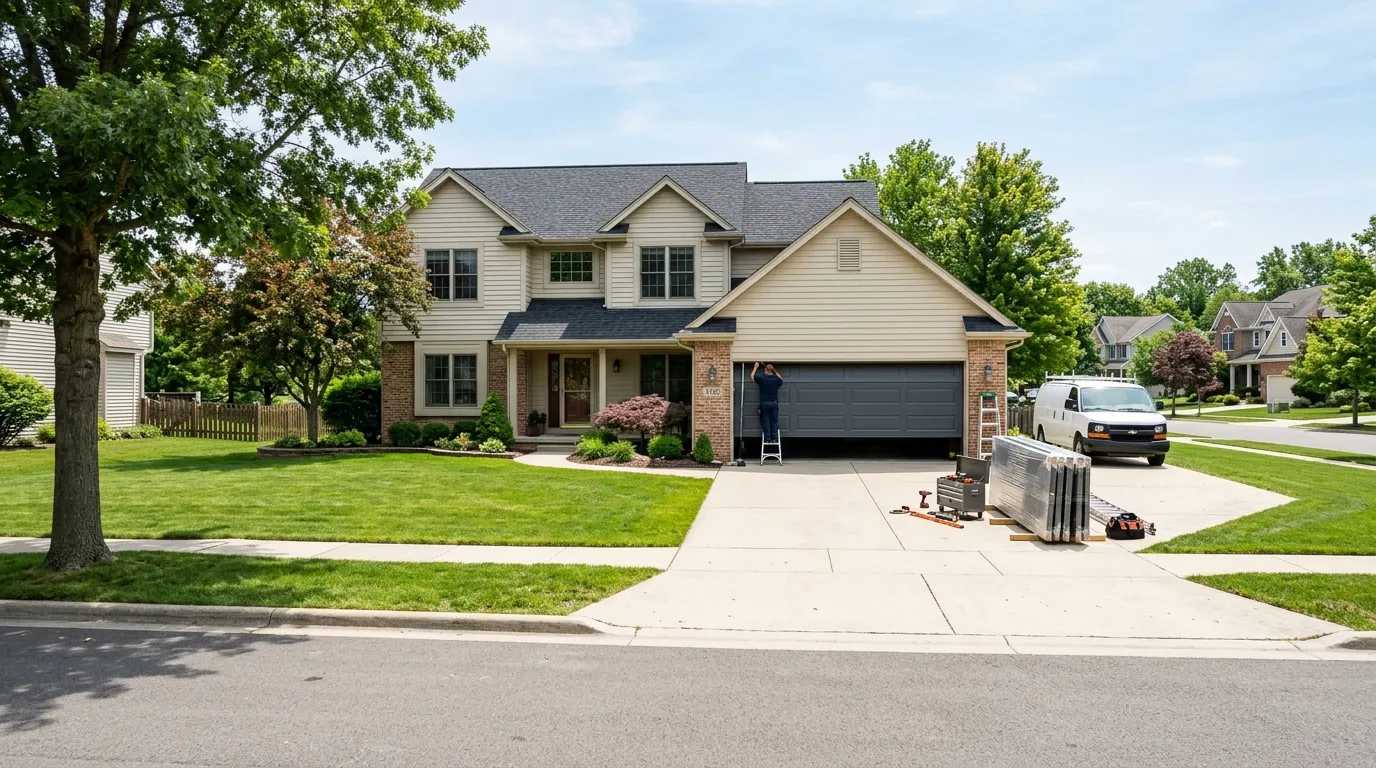
Grayslake's 7,939 households sit in a build window tighter and later than a lot of the surrounding service area, where the wider mix runs 1938 to 2009. That later median matters for openers specifically: houses from this stretch came standard with the post-1993 federal safety sensor requirement, so almost every original unit here has photo-eyes as part of the base install, not a retrofit. Thirty-year-old sensor wiring and lenses are the first thing to go cloudy or corrode at the wire nut, and that's the single most common no-good-reason-it-stopped call in this town. Add the cold-climate load this region carries - hard freeze-thaw cycles that work grease stiff and swell wood jambs - and a chain drive built to mid-90s tolerances starts skipping teeth on the coldest mornings of the year, well before it fails outright in summer.
What Can Go Wrong
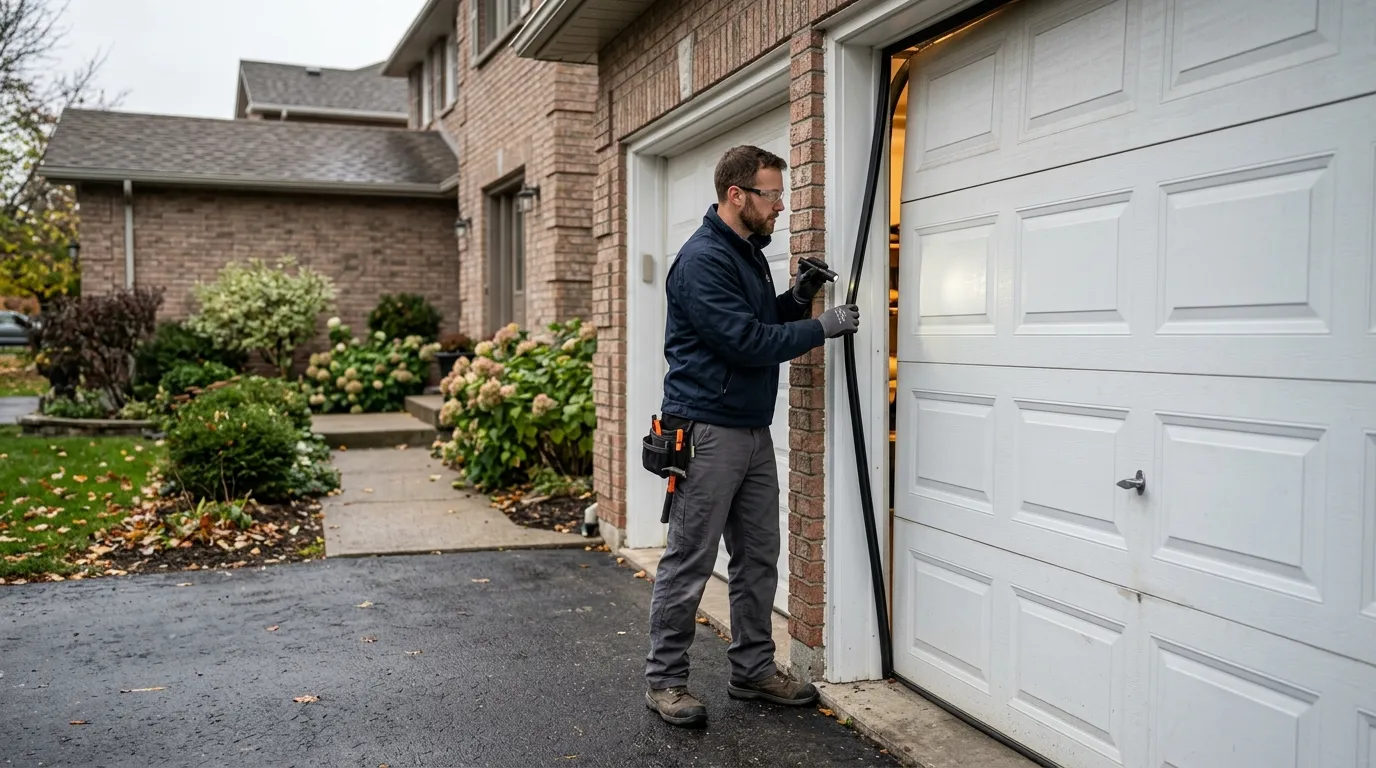
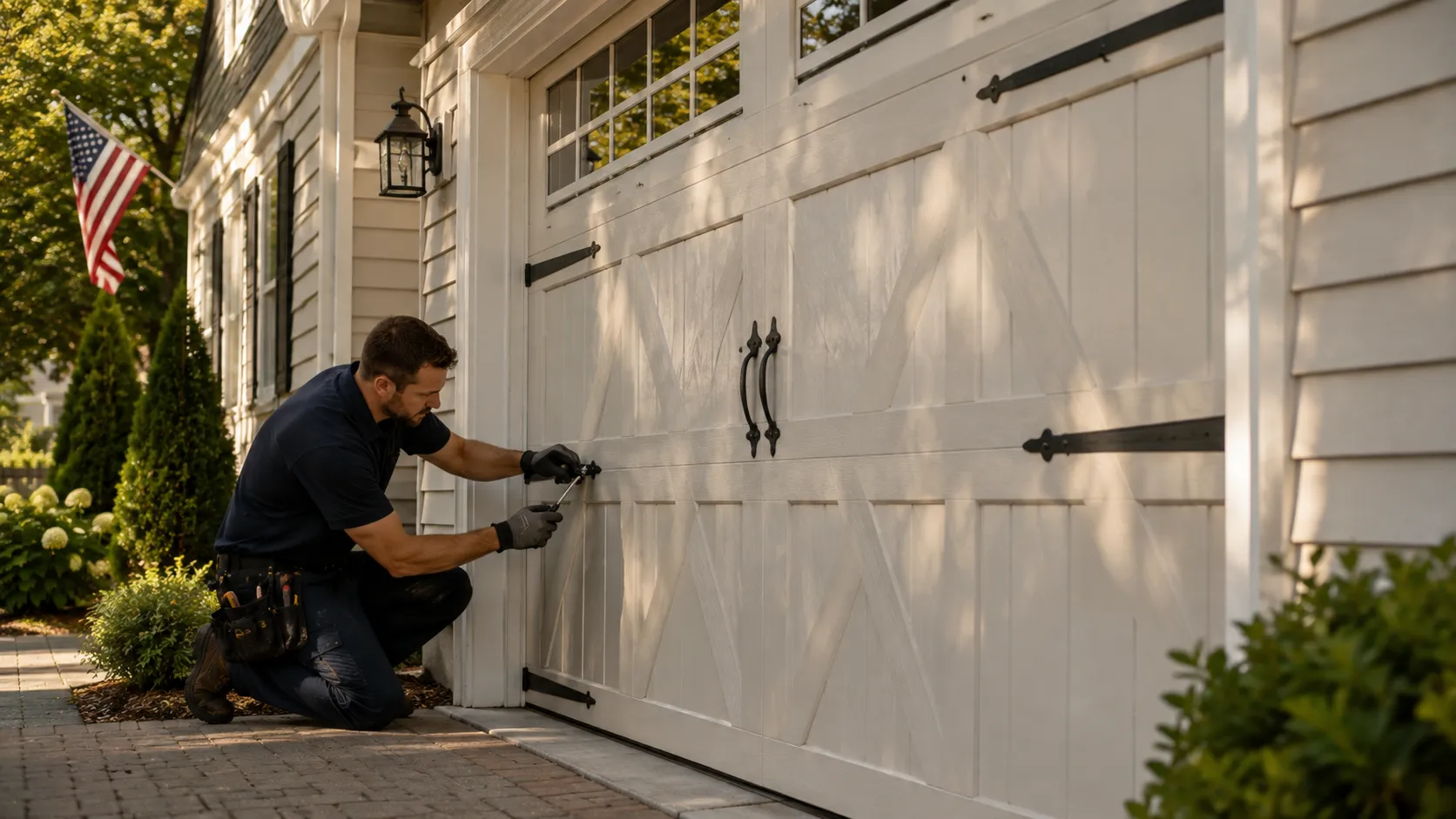
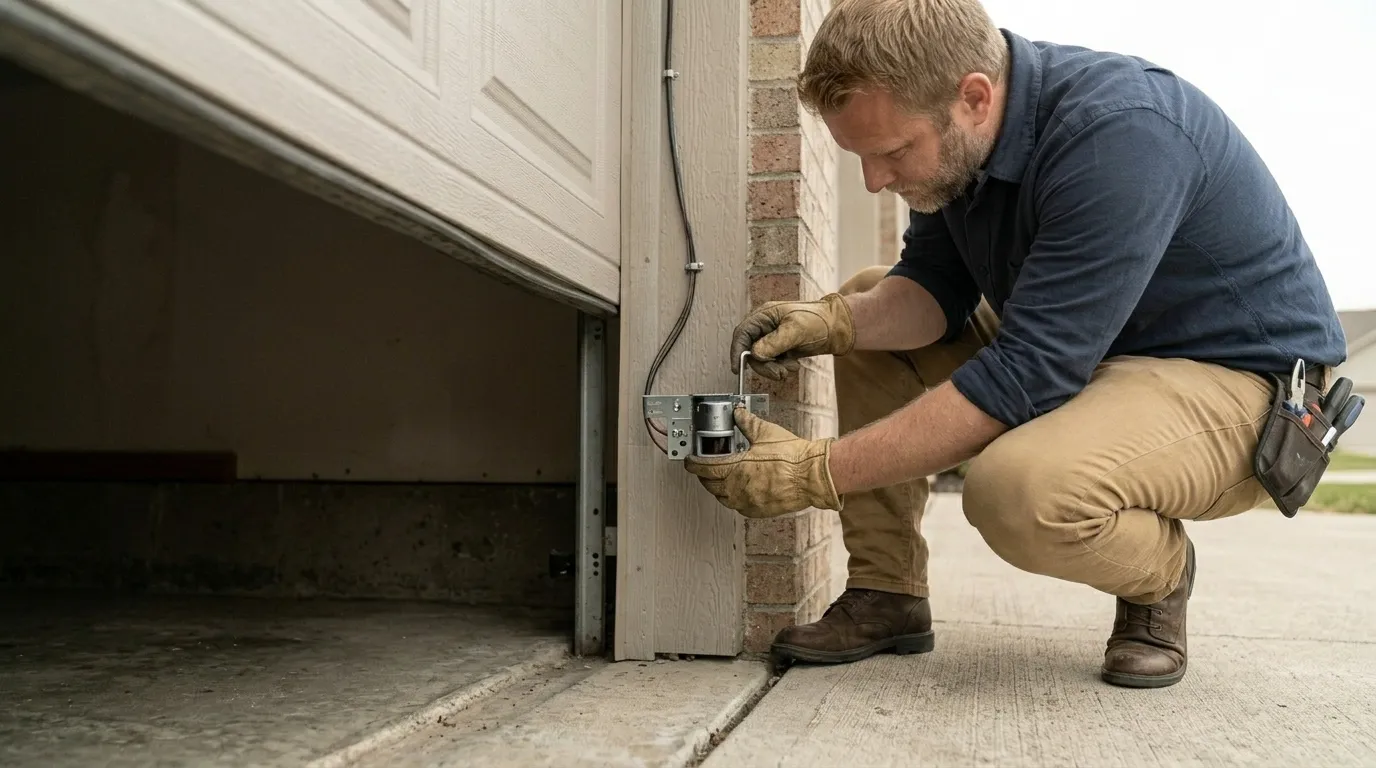
The most frequent failure on a Grayslake-era opener is the drive gear, a nylon part designed to wear out before it strips the motor - cheap to replace if caught early, expensive if it's let go so long the sprocket shaft chews through its housing. Second most common is the safety sensor pair: original units often used a single-wire or unshielded twisted pair that corrodes at the splice, causing random reversals that look like a door problem but aren't. Third, the logic board itself. Boards from this build era don't have rolling-code security and some don't have battery backup, so when the board finally dies, the whole unit typically needs replacing rather than repairing - parts for a board that old usually aren't stocked anywhere, ours included. One honest limit: if your opener predates rolling-code remotes, we're not going to hunt down an obsolete board just to keep it running. Past a certain point, a new opener costs less than the labor to chase parts nobody makes anymore.