Why This Fails Locally
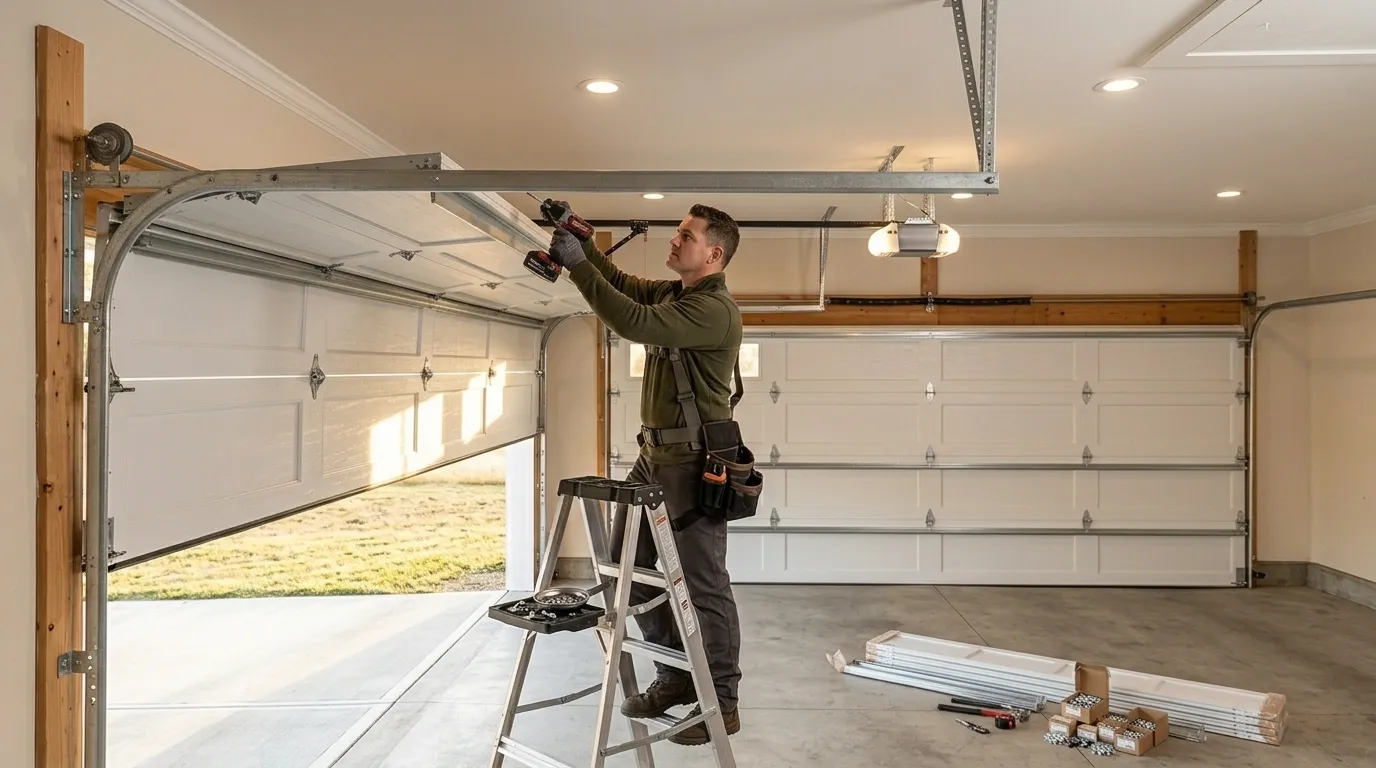
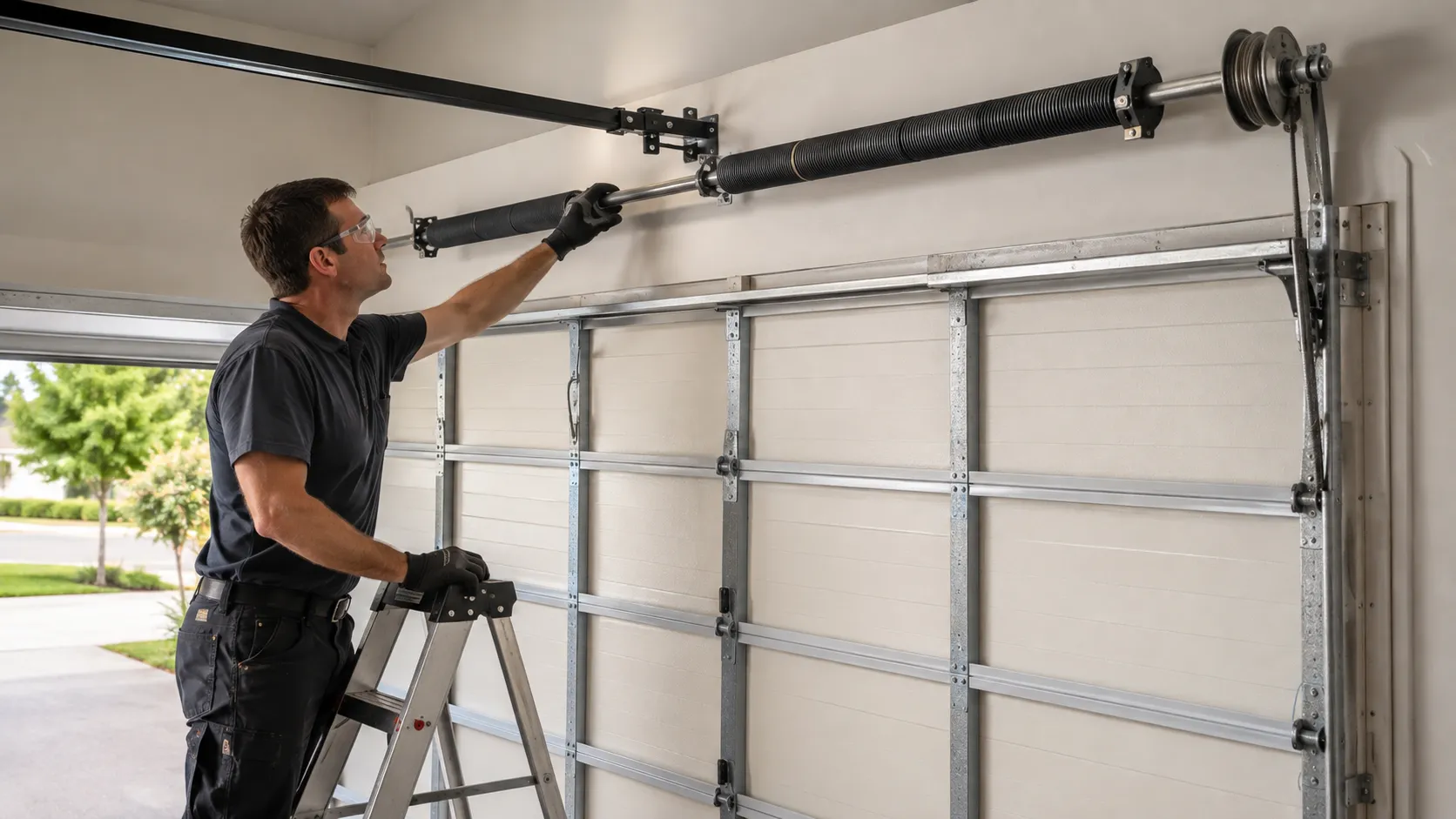
Grayslake sits in a climate band we'd call cold-severe, and that matters more for openers than most people expect. A motor and drive system built in the early 1990s wasn't engineered with battery backup for outages, and it wasn't built with the cold-rated lubricants that keep a chain or belt from binding when the garage drops well below freezing overnight. Over a Grayslake winter, that shows up as an opener that strains on the first lift of the morning, then loosens up by afternoon - a sign the gear set is working harder than it should. Because Grayslake's housing stock clusters tightly around that mid-1990s build year, this isn't a one-off problem on one street; it's the shared condition of a whole generation of garages here. A newer opener with a cold-rated motor and battery backup handles that swing without extra strain, which is really the whole argument for replacing rather than nursing along a thirty-year-old drive unit.
What Can Go Wrong
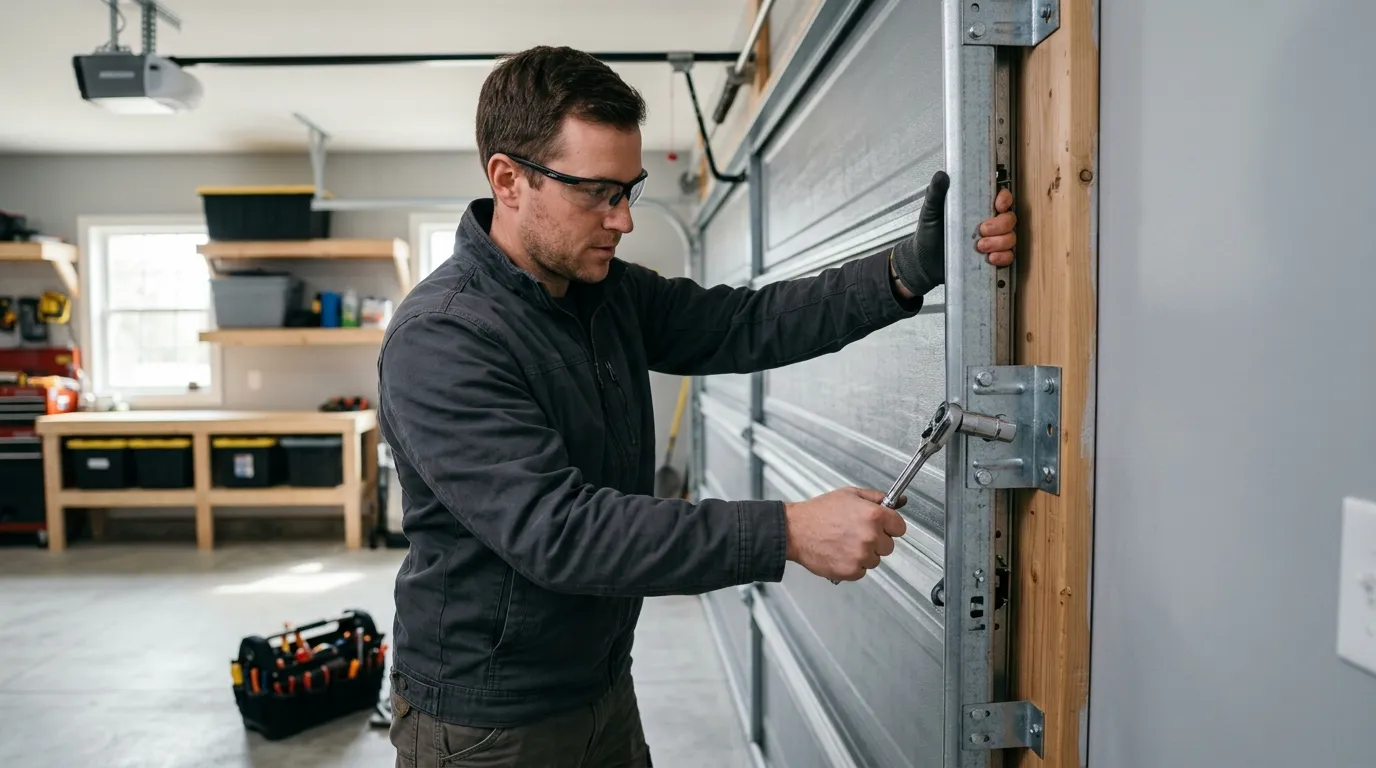
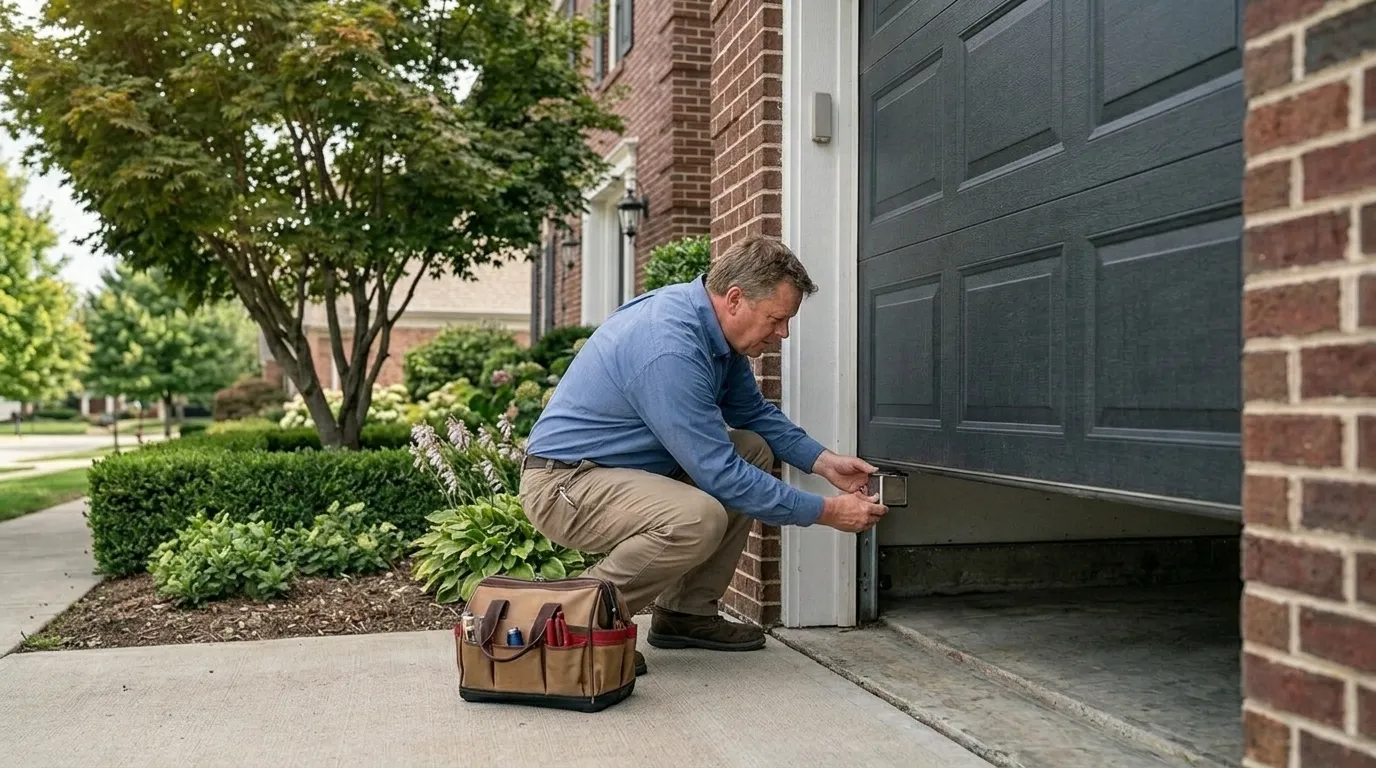
The most common failure is a stripped or worn gear inside the opener housing - cheap to make, expensive in the sense that once it goes, the whole head unit is done. Second most common: safety-reversal sensors that no longer align or that were installed before today's auto-reverse standard existed, which is a real liability if there are kids or pets in the house. We also see circuit boards that can't take a modern rolling-code remote, so homeowners end up carrying an old-style clicker that any similar device nearby can pick up. None of these are things you patch one at a time forever. At some point the housing, the board, and the sensors are all original to 1994, and replacing one part just means the next one fails within a season. That's the honest read: past a certain point, a full opener swap costs less over three years than a string of one-off repairs on a unit this old.