Why This Fails Locally
The service area this company covers spans housing built anywhere from 1938 to 2009, with the bulk from the 1980s and 90s. Grayslake sits right in that later half of the range, closer to 1994 than the area-wide 1984 median. That means the failure pattern here leans toward opener electronics and drivetrain wear rather than structural door problems - circuit boards that have outlived their expected life, safety sensors that have drifted out of alignment after years of settling, and springs that were sized for a door that's now heavier than spec because of added insulation or a replacement panel.
The cold matters too. This is a severe cold-climate zone, and a door built in the 90s wasn't always insulated to today's standard. Repeated freeze-thaw cycling stresses the same joints and hinges year after year, and in a newer-stock town like this, that shows up first as noise and drag rather than outright collapse. It's a different first symptom than what shows up in an older door, and it's worth knowing before you start guessing at what's wrong.
What Can Go Wrong
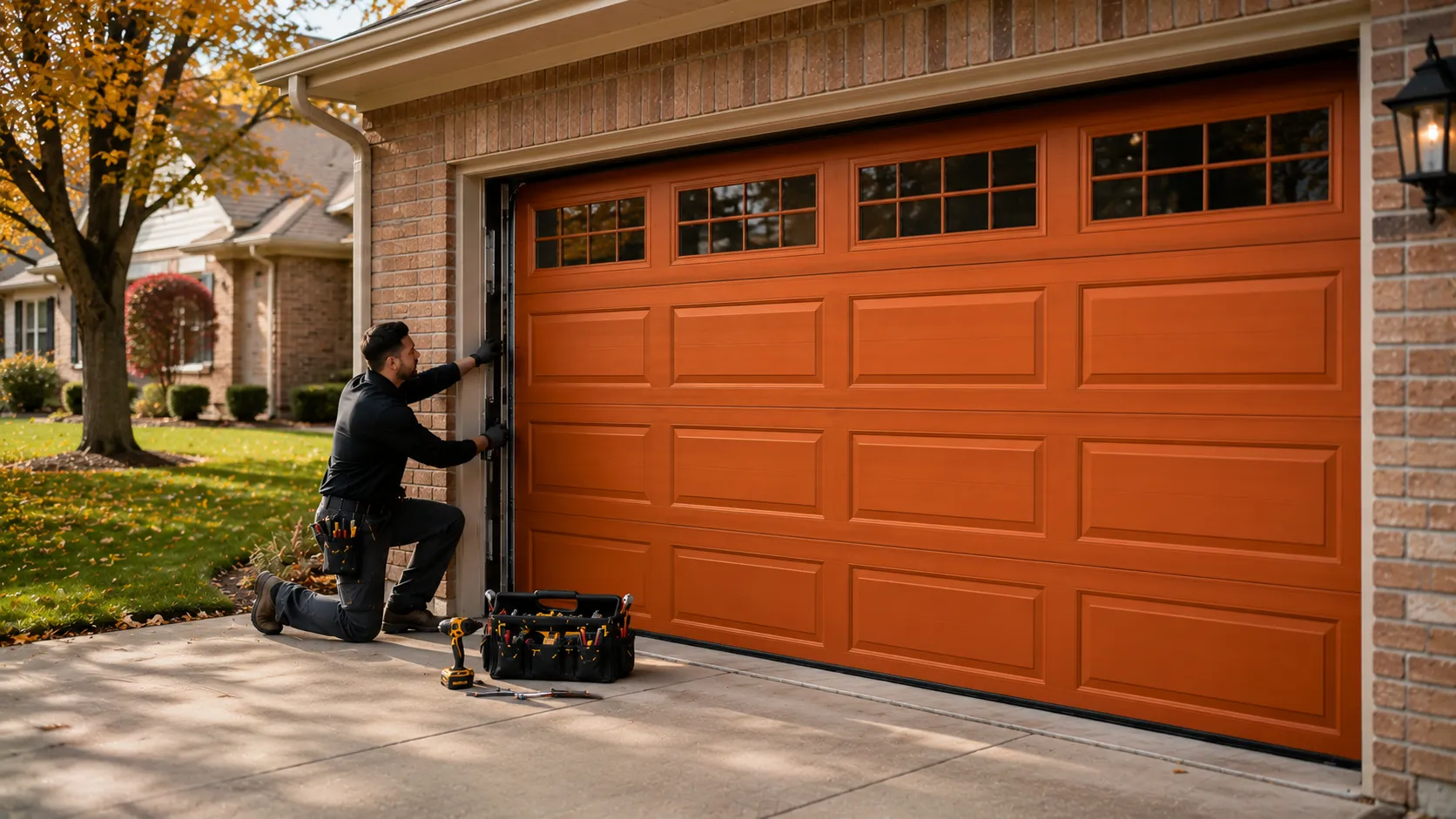
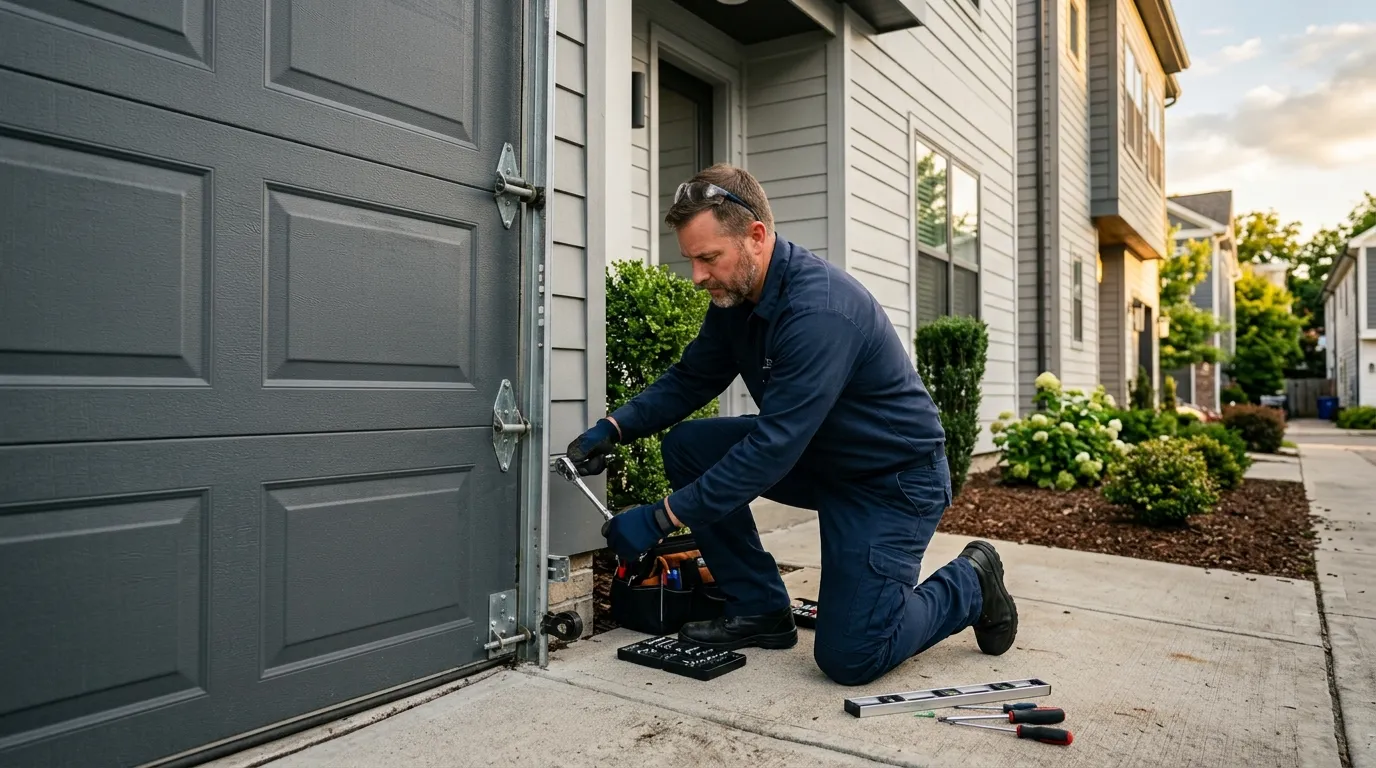
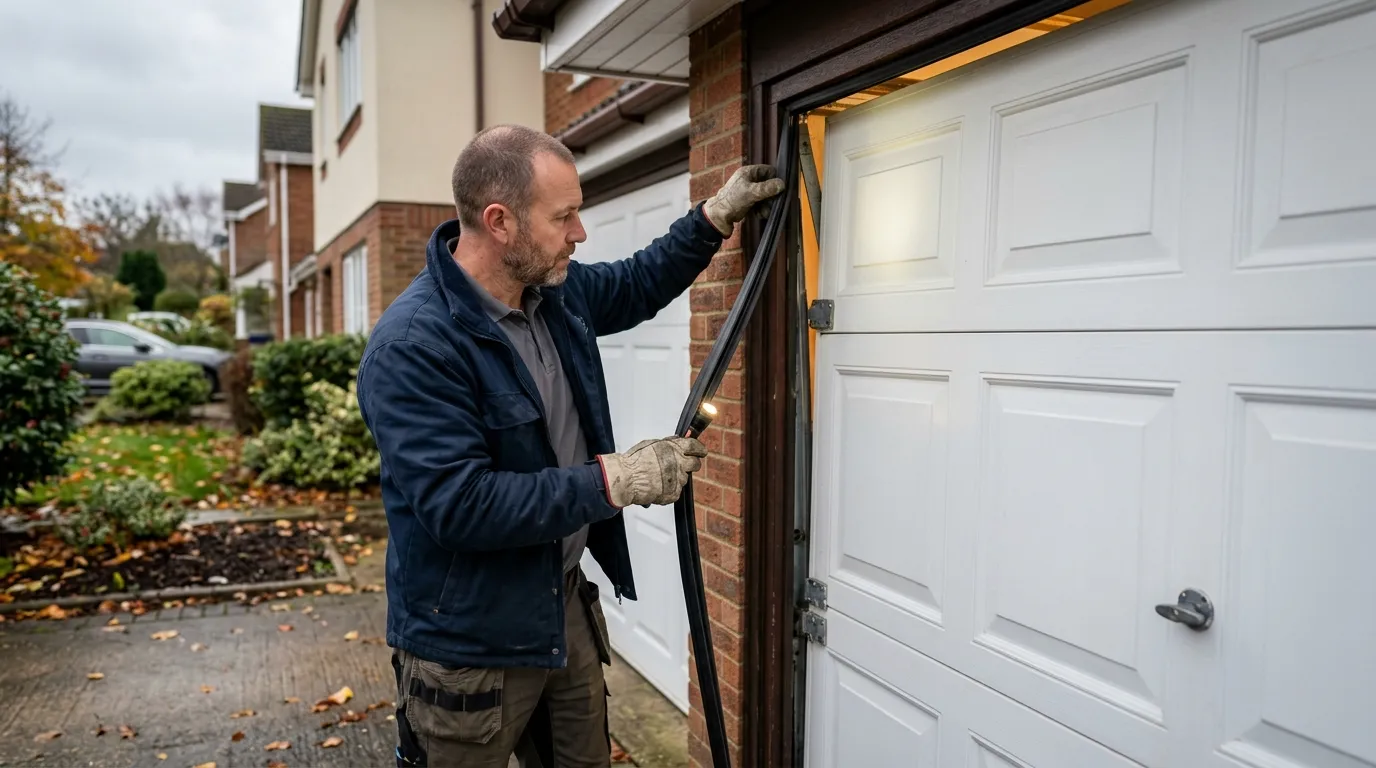
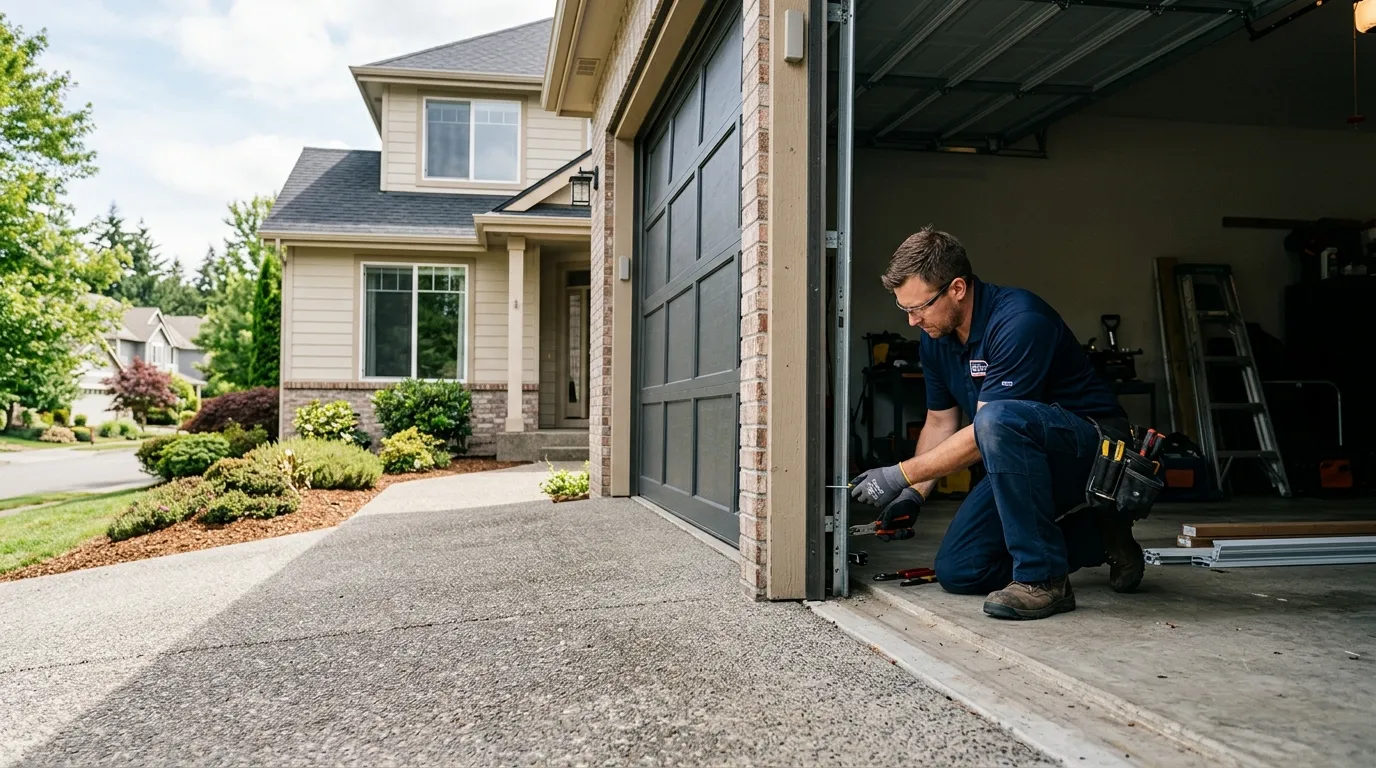
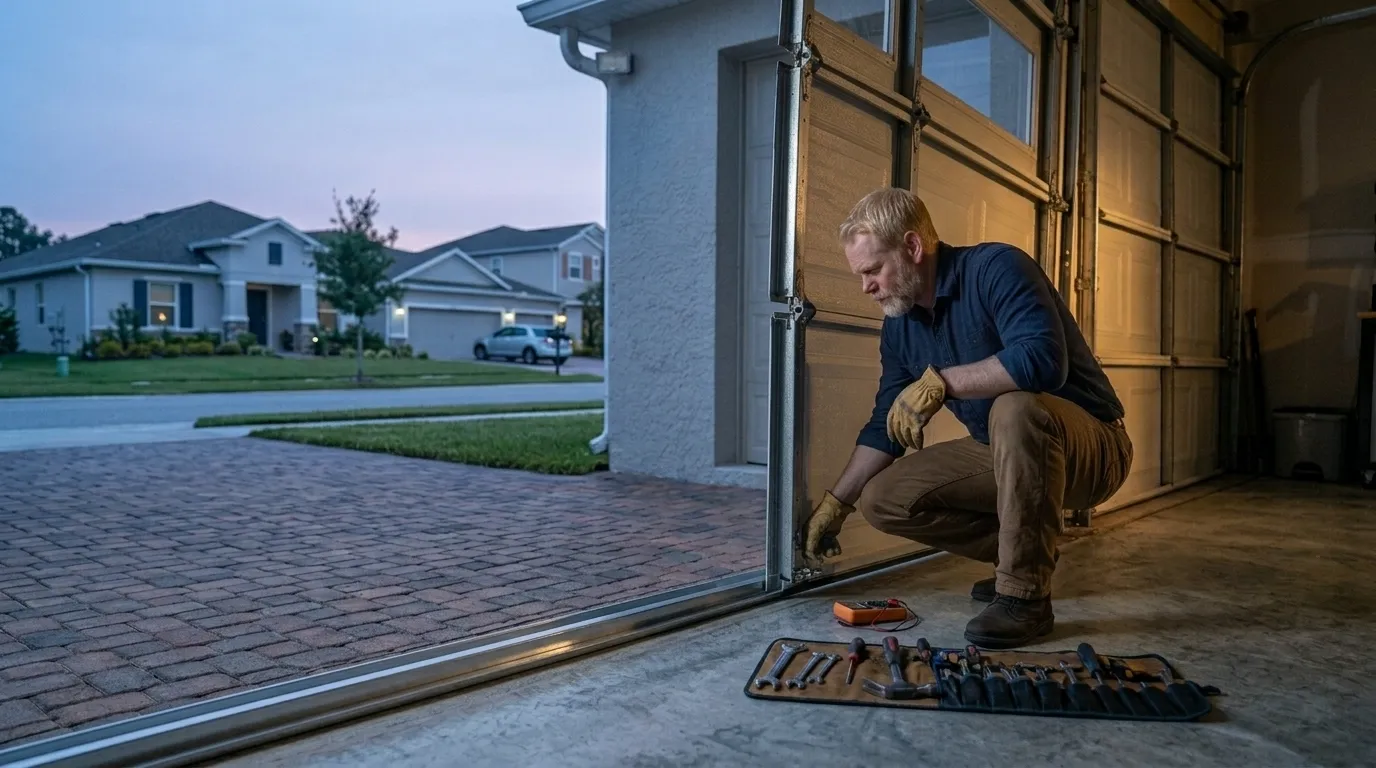
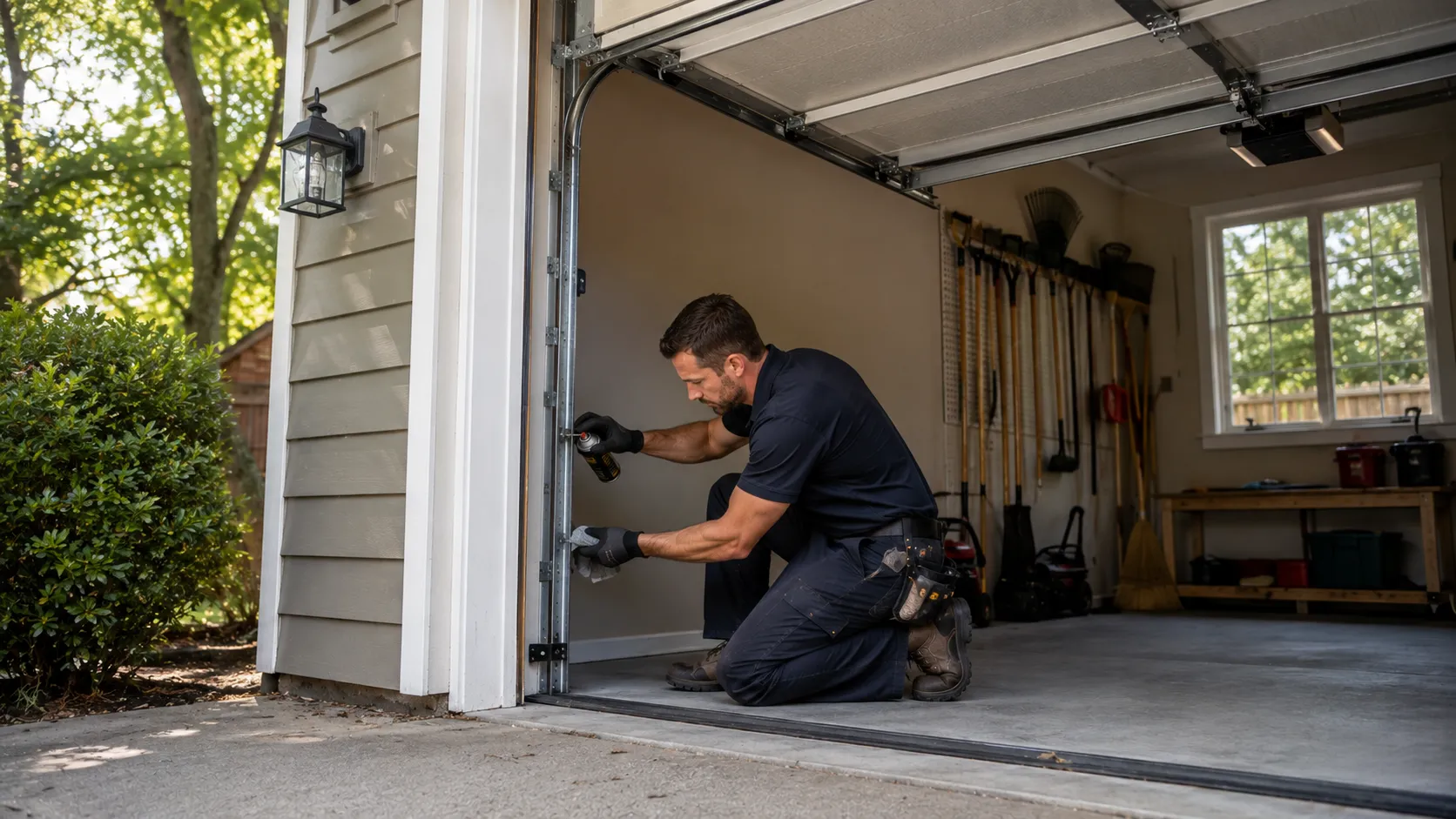
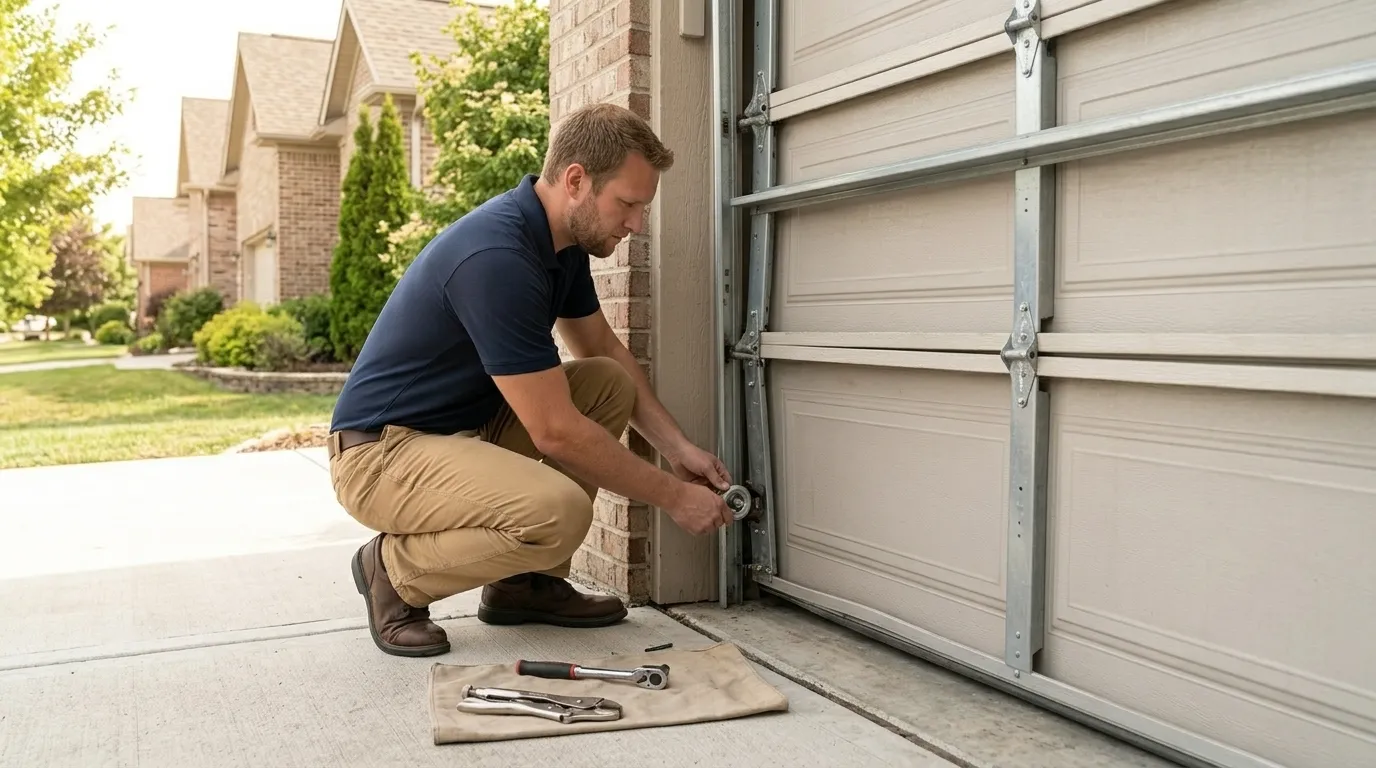
On a house from this era, the most common calls are a broken torsion spring on a double-wide door, a snapped cable that's let one side of the door drop and jam in the track, and an opener that runs but won't fully close - usually a sensor knocked out of alignment or a limit setting that's drifted. Rollers going bad on 90s-era steel tracks throw a specific grinding noise that gets worse in cold weather, since the metal contracts and the roller doesn't ride as smooth.
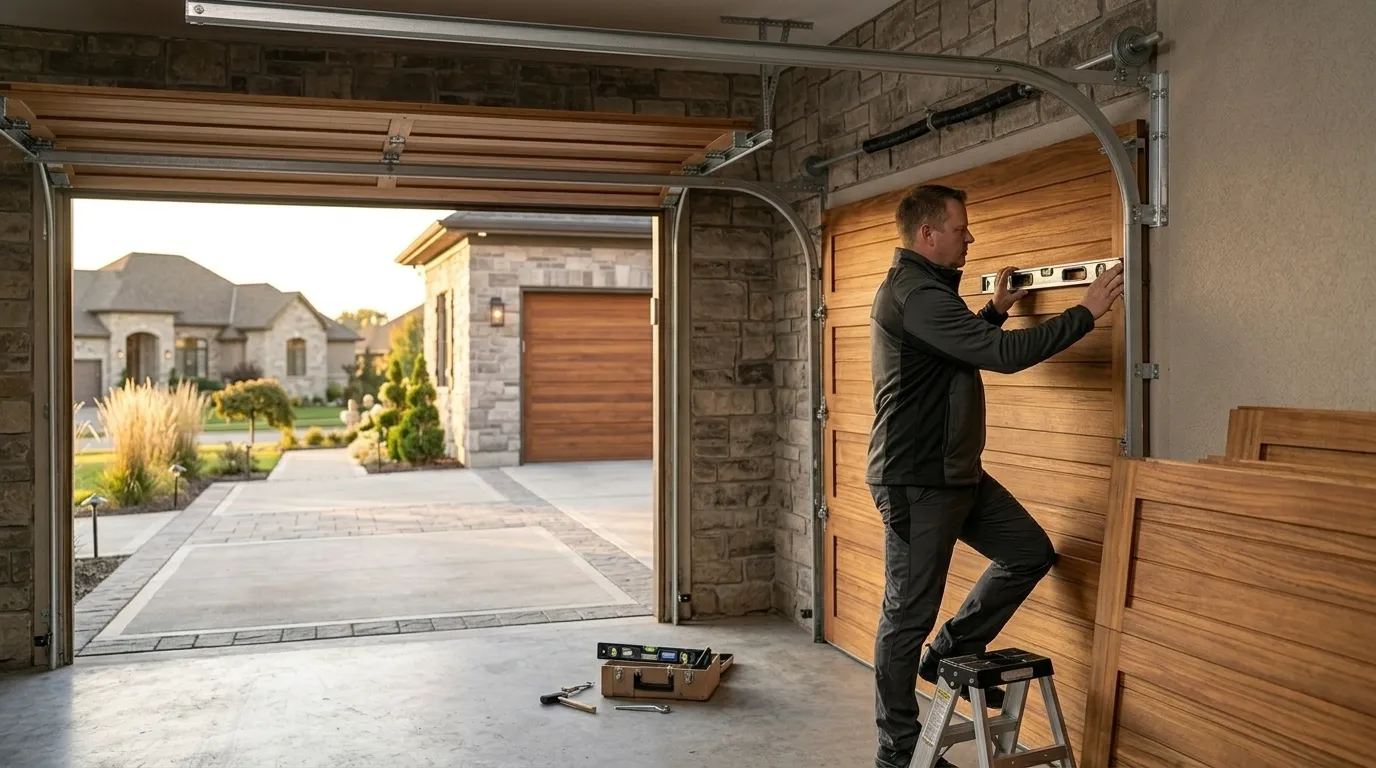
We also see garage doors here that were never resized for a heavier insulated panel added later - the original spring is now undersized for the door it's lifting, so it strains the opener and burns it out early. That's an easy thing to miss unless someone's looking for it.
Honest limitation: we don't do same-day emergency dispatch out of a Grayslake location, because this company runs out of Mundelein. If your spring goes on a Saturday night, we'll get there, but plan on a drive time on top of the repair, not a walk-up response.