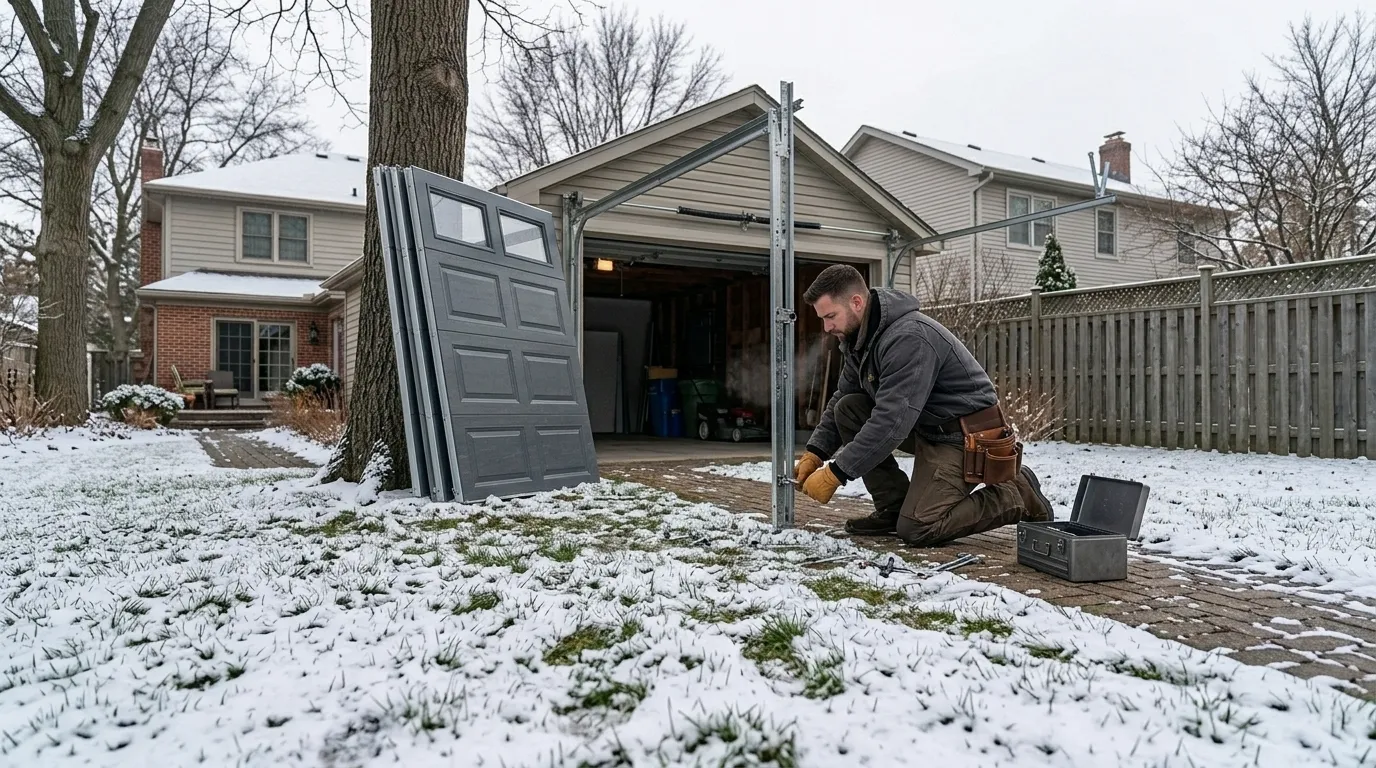
Grayslake is a smaller town on our map, about 7,939 households, which means the installs here are one-at-a-time jobs, not the tract-home volume runs you'd see in a bigger suburb. That size matters because it tells us what we're driving out to: a mix of individual lots built up steadily rather than whole blocks going in the same year.
The town's own median year built is 1994 - a full decade newer than the 1984 median across the rest of our service area. That gap is the whole story on this page. Most of what we replace in Grayslake isn't the original steel door from a 1970s build; it's a late-1980s or 1990s sectional door hitting the end of its working life, often with the original opener still bolted to it. We come out from Mundelein, about 5 miles south, for these calls - there's no branch or depot in town, just the truck making the trip.
That 1994 median also means most garages here were framed to a fairly consistent set of dimensions for that era, which narrows down the door sizes and track configurations we're usually quoting against before we even measure.
Why This Fails Locally
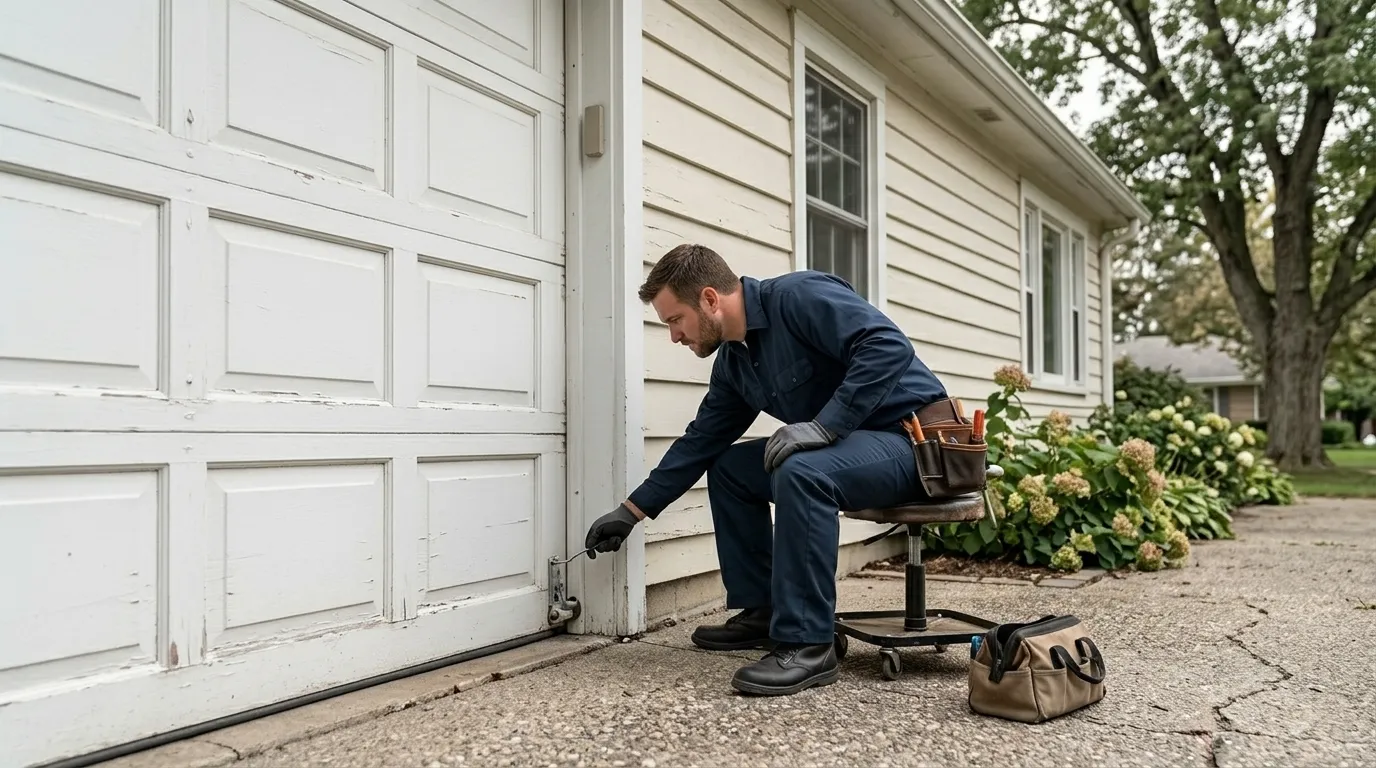
Builders in the late '80s and '90s here weren't building to today's insulation standards, and this region sits in a severe cold climate band. A lot of the doors going in around 1994 were single-layer steel or thin foam-core panels - fine when new, but thirty-some years of freeze-thaw cycling works the seams, the bottom seal, and the panel skin harder than a mild climate ever would.
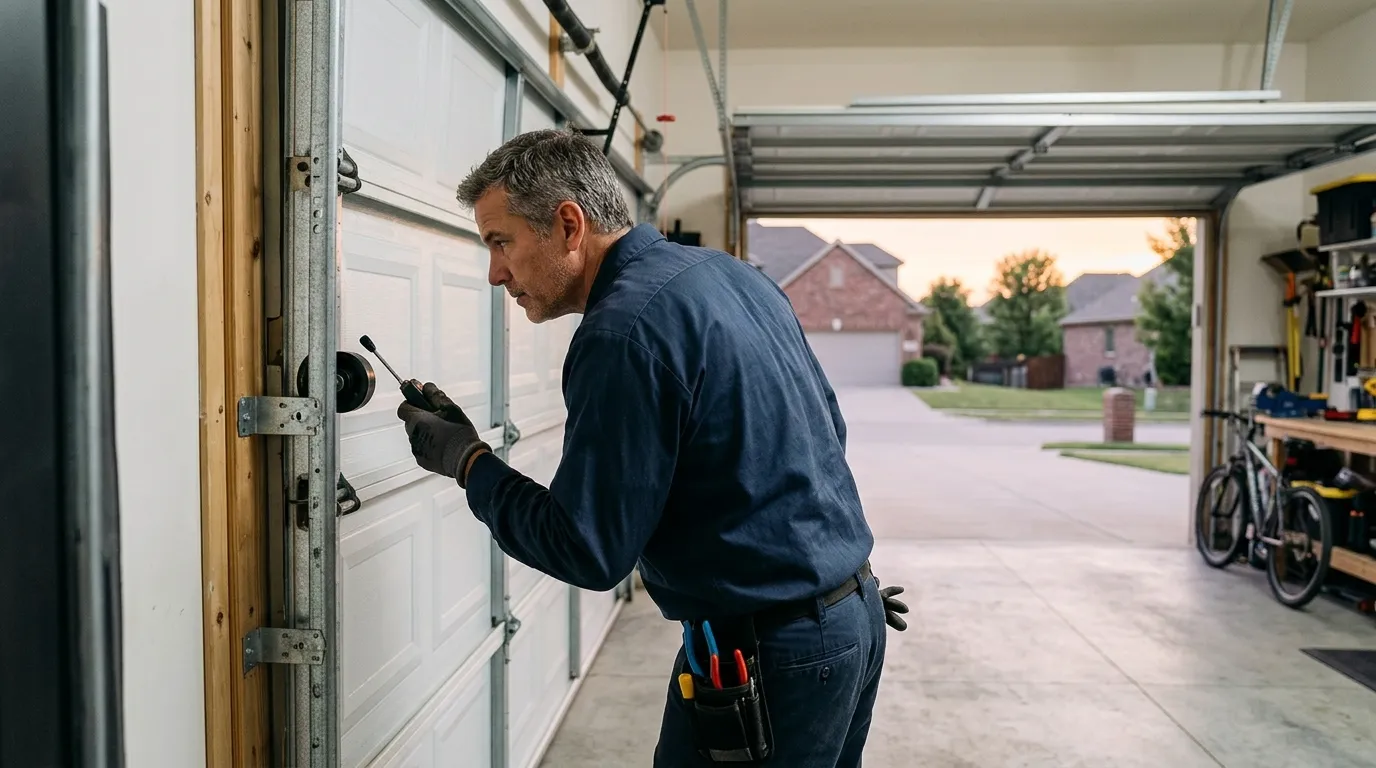
What we see is the insulation value quietly failing before the door looks broken. The foam separates from the steel skin, the bottom panel takes on moisture through a worn seal, and by the next hard cold spell that panel is heavier, stiffer, and pulling unevenly on a spring that was sized for a lighter, newer door. That mismatch between the door's current condition and its original spring rating is the actual failure point, not just
What Can Go Wrong
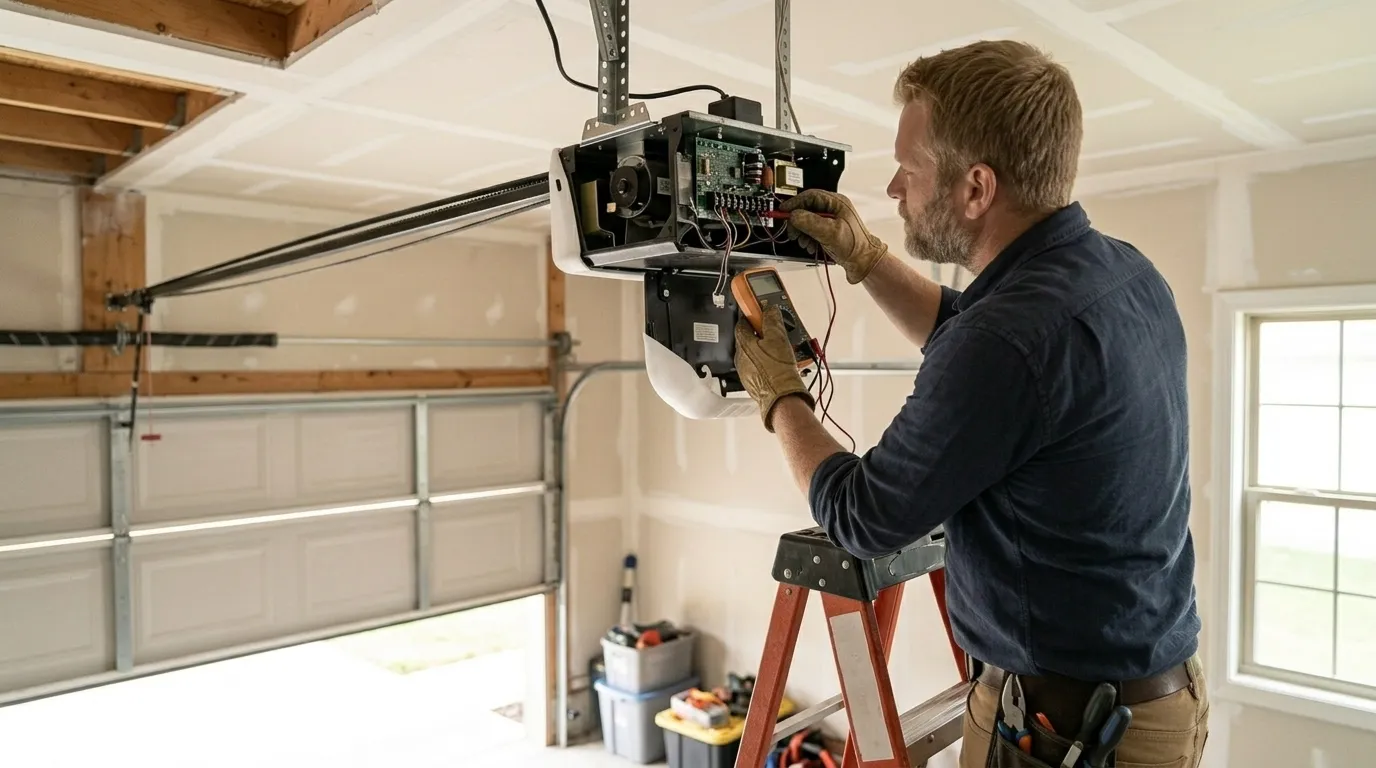
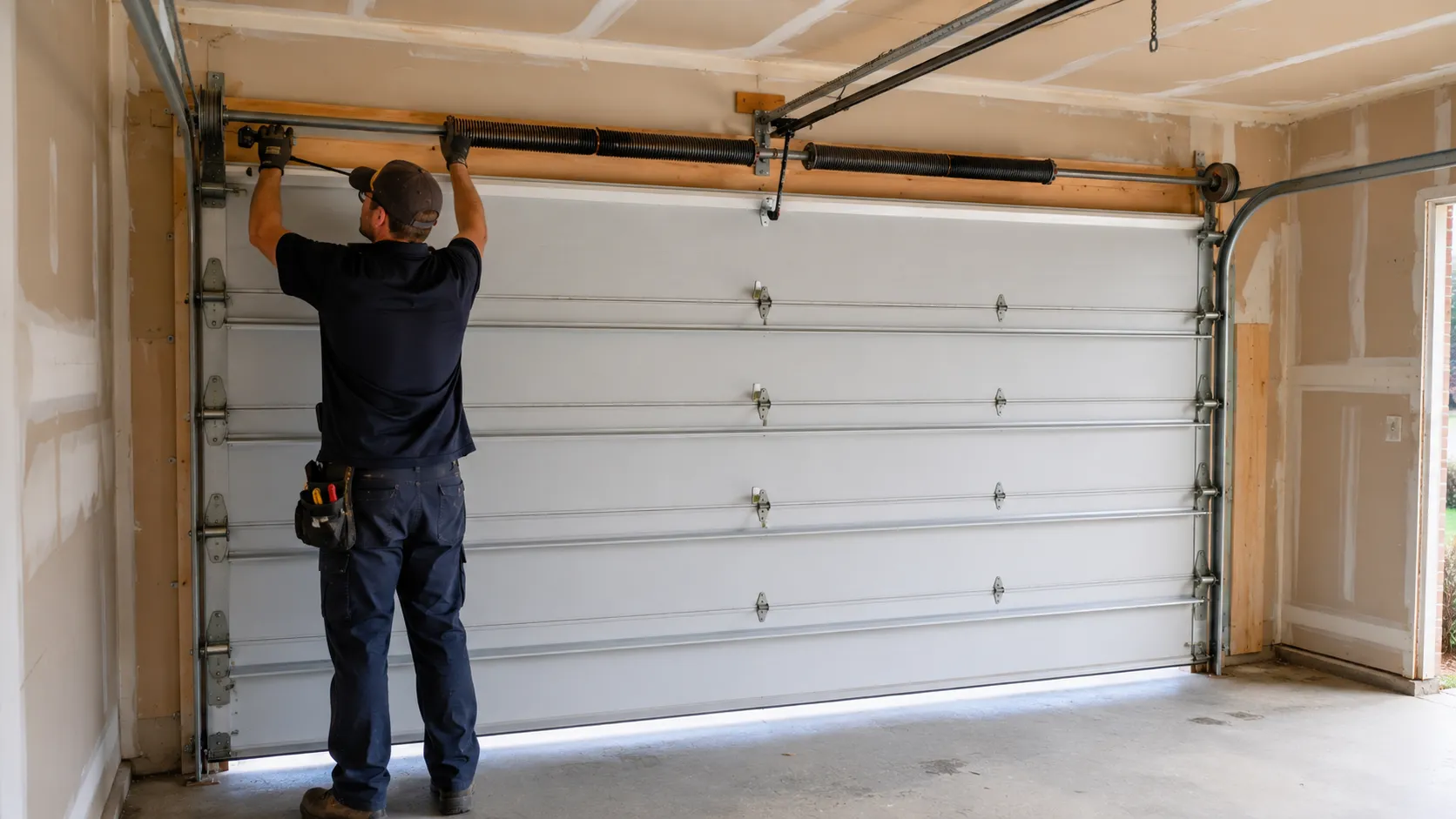
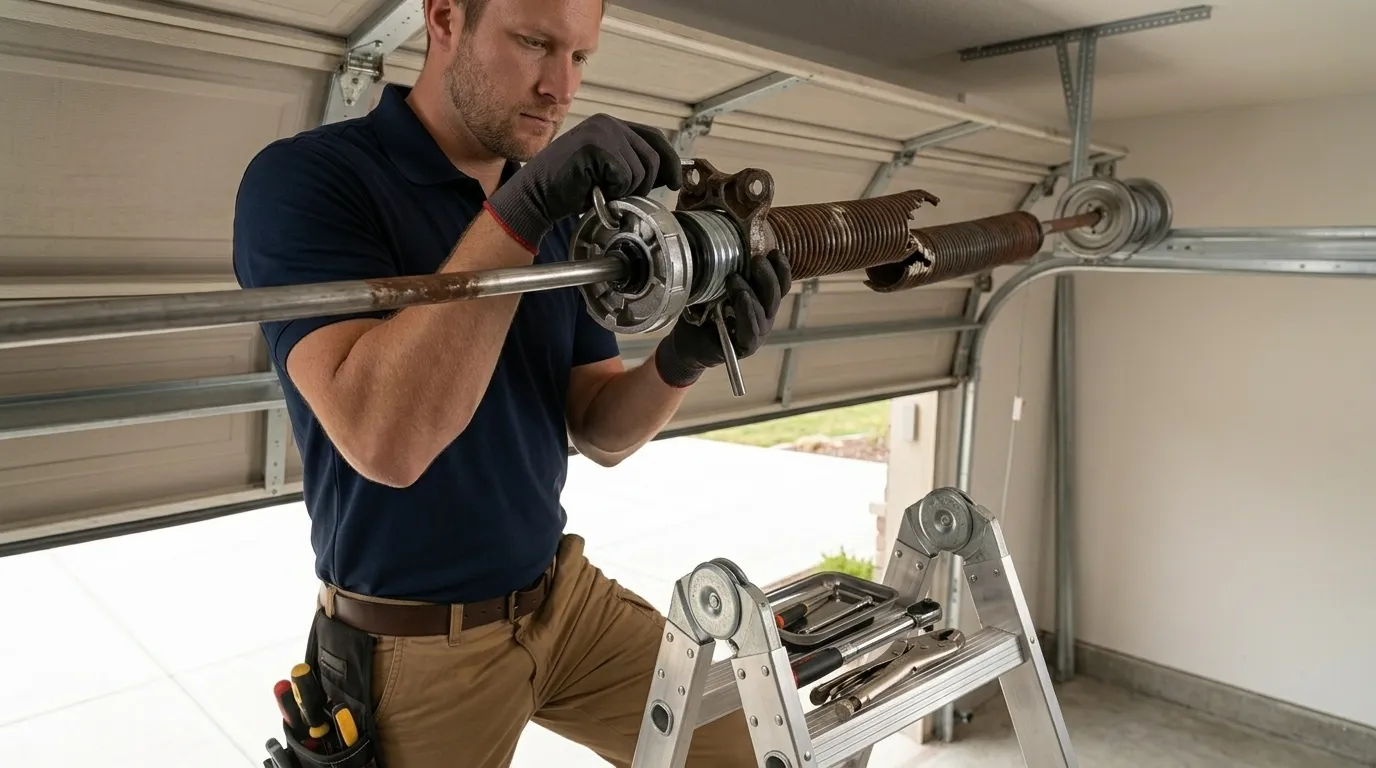
The most common mistake we run into on a replacement here is matching new hardware to old assumptions. A door installed against a 1994-era frame with 1994-era spring hardware doesn't automatically take a modern insulated door safely - the extra weight of foam-filled panels needs a torsion spring rated for that weight, and guessing wrong means a door that slams down instead of settling, or an opener straining every cycle to lift more than it's rated for.
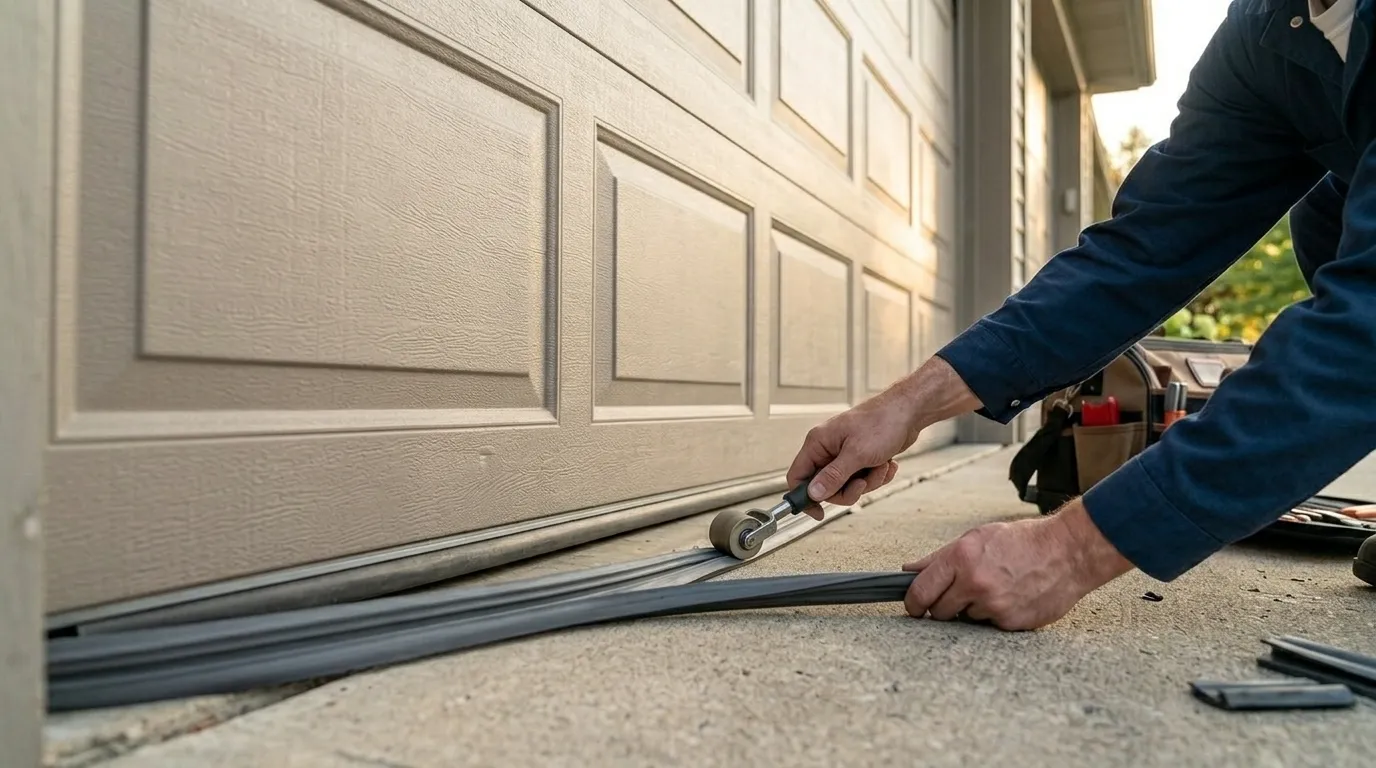
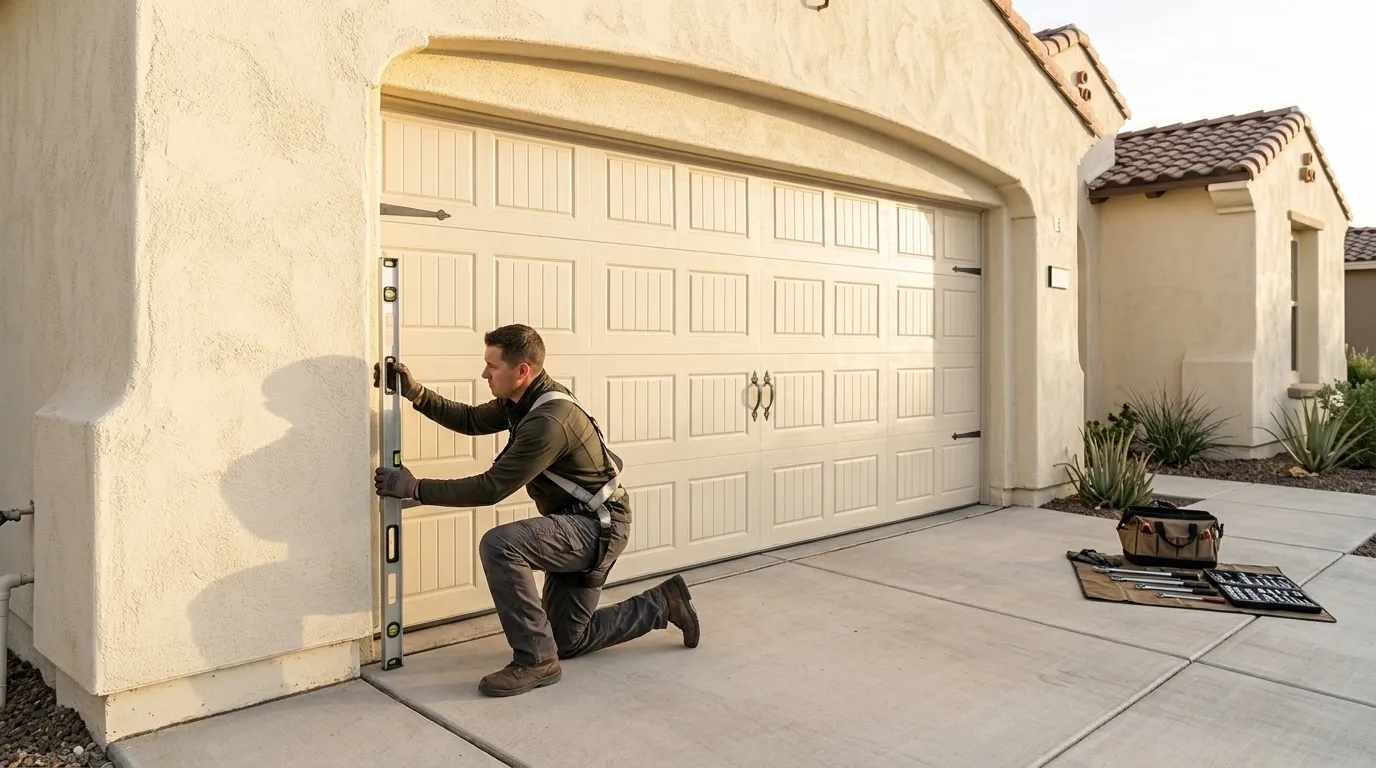
We also see track misalignment show up on these builder-grade garages once the original wood jambs have shifted slightly over three decades - not dramatic, but enough that a new door installed to the old track lines binds on one side within a year. And in a severe cold climate, a bottom seal that isn't rated for the temperature swings here will crack and let wind through by the second winter, no matter how good the door itself is.
One limitation worth saying plainly: if the opening itself is out of square from decades of settling, a straight swap-in of a new door won't fix that. Sometimes the honest job is reframing part of the opening first, and that's a different conversation than a straight door replacement.
What It Costs
We don't post a flat number for a Grayslake install because the door size, insulation level, and whether the opener needs replacing too all move the price, and we'd rather quote against your actual opening than a guess. What we can say is that Grayslake's median household income runs $113,697, a bit under the $121,583 median across the wider service area, and in practice that shows up in which owners here choose a straightforward single-layer replacement versus a fully insulated door built for the cold.
Distance is a small, fixed part of the cost picture too - we're coming from Mundelein, roughly 5 miles up the road, so travel isn't the variable driving your quote up or down. The variable is almost always the door itself: width, insulation, and whether the existing track and spring hardware can carry the new panel weight or need replacing alongside it. For the broader rundown of what we install and how we price it, see our installation page for Mundelein.
How it works
From “it’s stuck” to “it’s fixed”
01
Tell us what’s wrong
Describe the symptom - won’t open, loud bang, opener runs but the door won’t move.
02
On-site diagnosis
A technician tests the door under power and by hand and finds what actually failed.
03
Clear, up-front plan
You get the fix that’s needed and what drives the cost - before any work starts.
04
Repaired & tested
The repair is done, the door is set true and tested, and the work area left clean.
Serving Mundelein, IL - tell us what your door’s doing and we’ll take it from there.
No. We're based in Mundelein and drive out to Grayslake, about 5 miles away, for every job. There's no local branch or drop-off point in town - just the same truck and crew coming out for the install.
Why does my 1990s garage door need heavier hardware than it came with?
If you're upgrading to a foam-insulated door, it weighs more than the original builder-grade panel from the '90s did. The torsion spring has to be sized to the new weight, not the old one, or the door will lift and close unevenly and wear the opener out faster.
Is my door's age typical for Grayslake?
Yes - Grayslake's median year built is 1994, and most of the installs we do here are replacing doors from that era rather than much older stock. That's about a decade newer than the median across our wider service area.
Can you just swap in a new door without touching the frame?
Usually, yes. But if the opening has shifted out of square over the decades, a straight swap won't correct that, and we'll tell you if reframing part of the opening needs to happen first rather than installing against a bad line.
Ready to get your garage door sorted?
Tell us what it’s doing and where you are in Mundelein - we’ll take it from there.