Why This Fails Locally
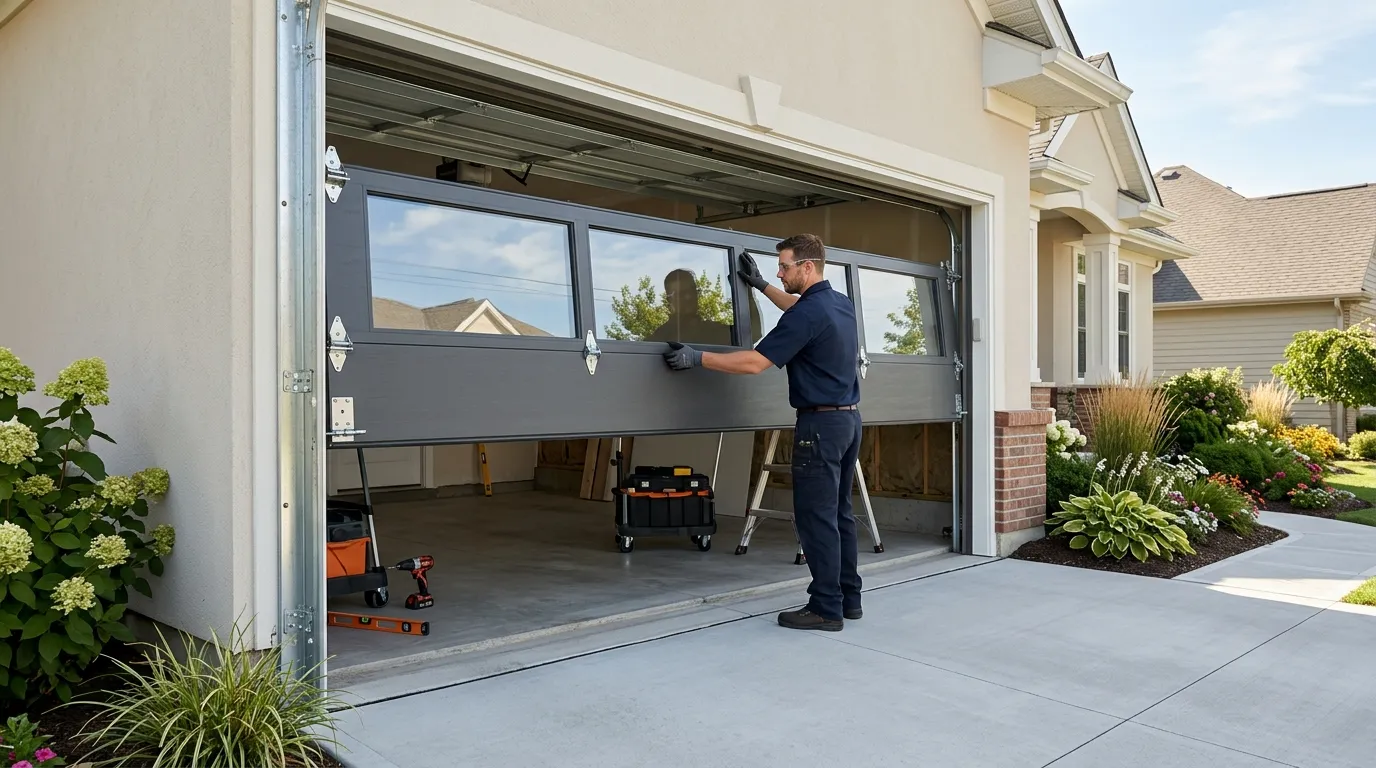
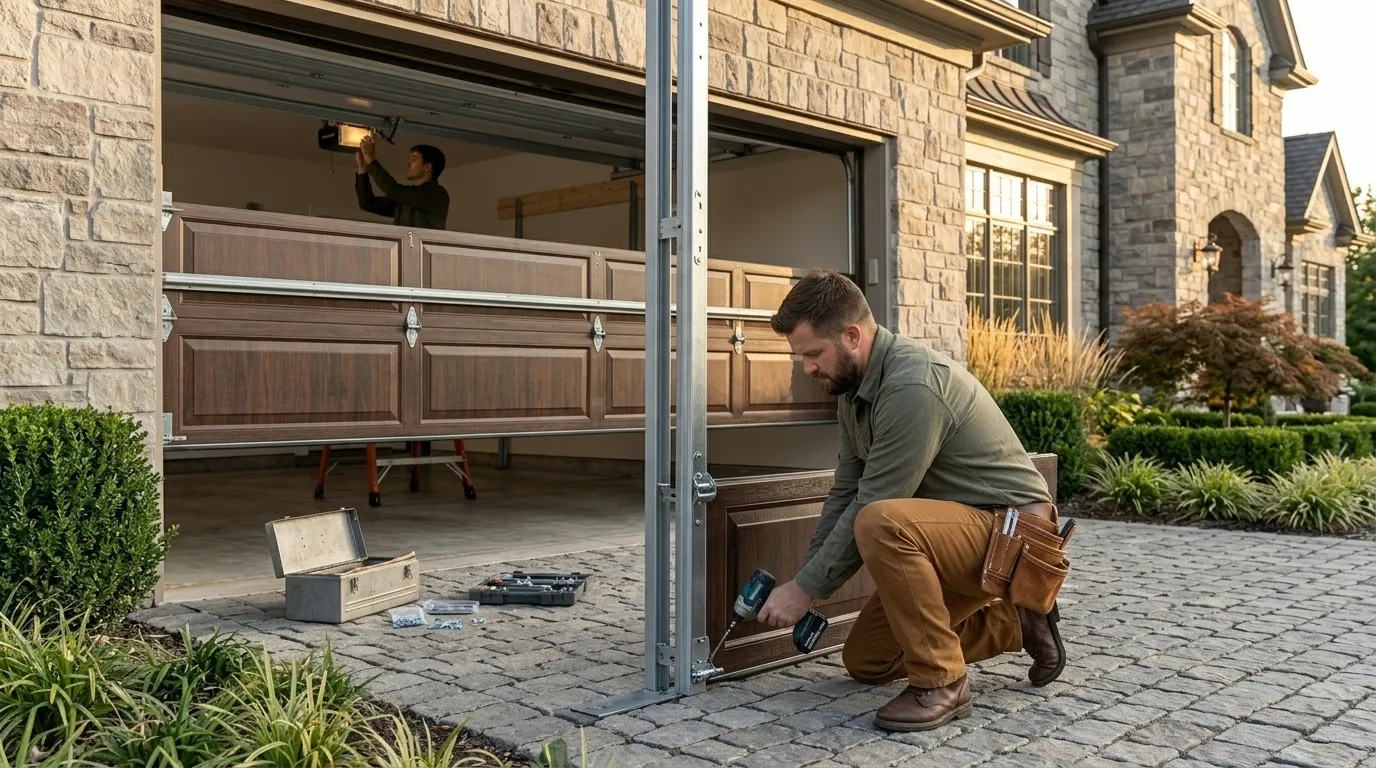
A door built to 1990s spec fails differently than one built in the 1960s. Grayslake's stock, going up mostly after the mid-80s wave that the region's F1 median reflects, tends to run lighter steel panels, factory-installed extension or torsion springs matched to the door weight at build time, and openers from the first wave of chain-drive residential units sold to production builders. Those openers are now 25 to 35 years old. That's not a design flaw, it's just the clock running out on parts that were never meant to last forever. Add the F3 cold-climate band this whole area sits in - hard freezes, repeated thaw-and-refreeze cycles - and steel panels from that era show their age at the seams and along the bottom weather seal before anything else lets go. Homes built newer than the regional median don't get a pass on winter; they just fail at a different point in the door's life than a 1960s door does. We see it as brittle nylon rollers and dried-out lubrication on doors that are otherwise structurally sound.
What Can Go Wrong
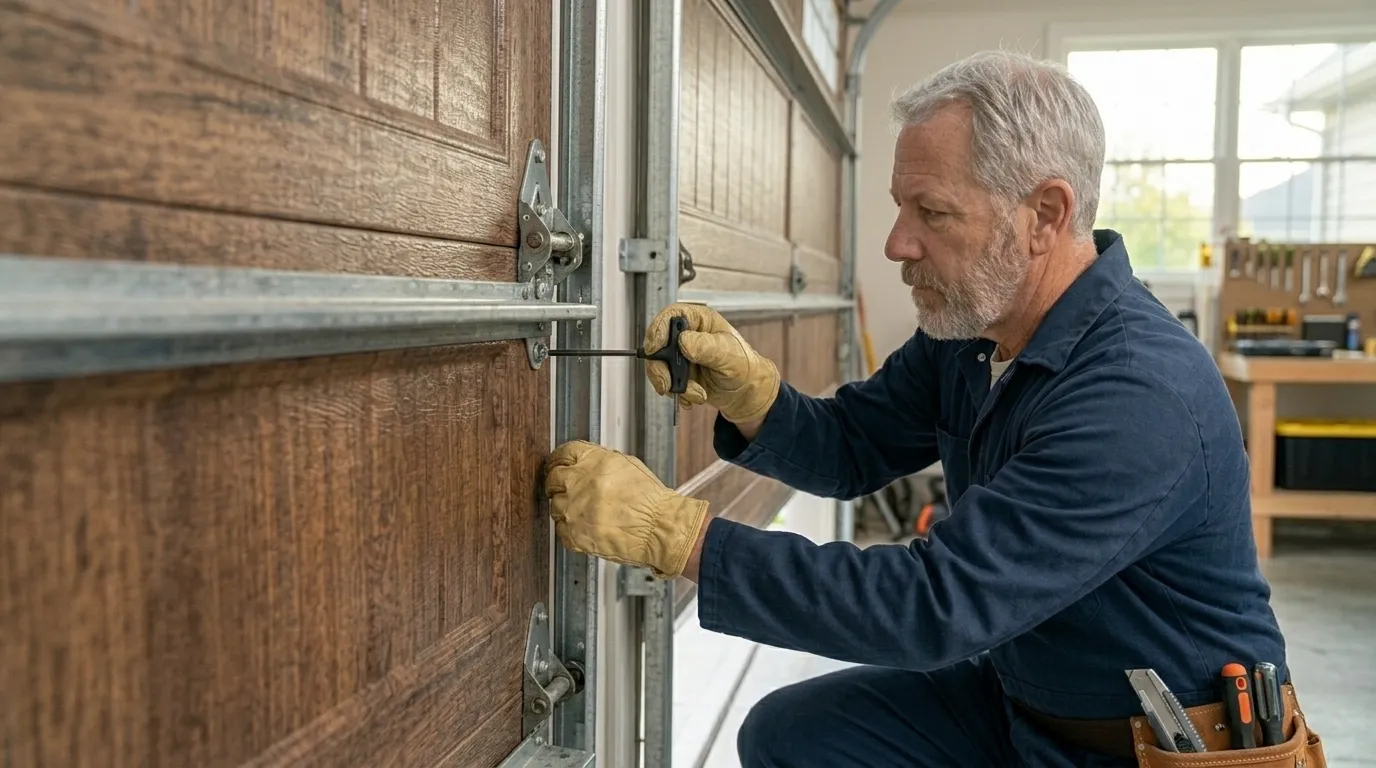
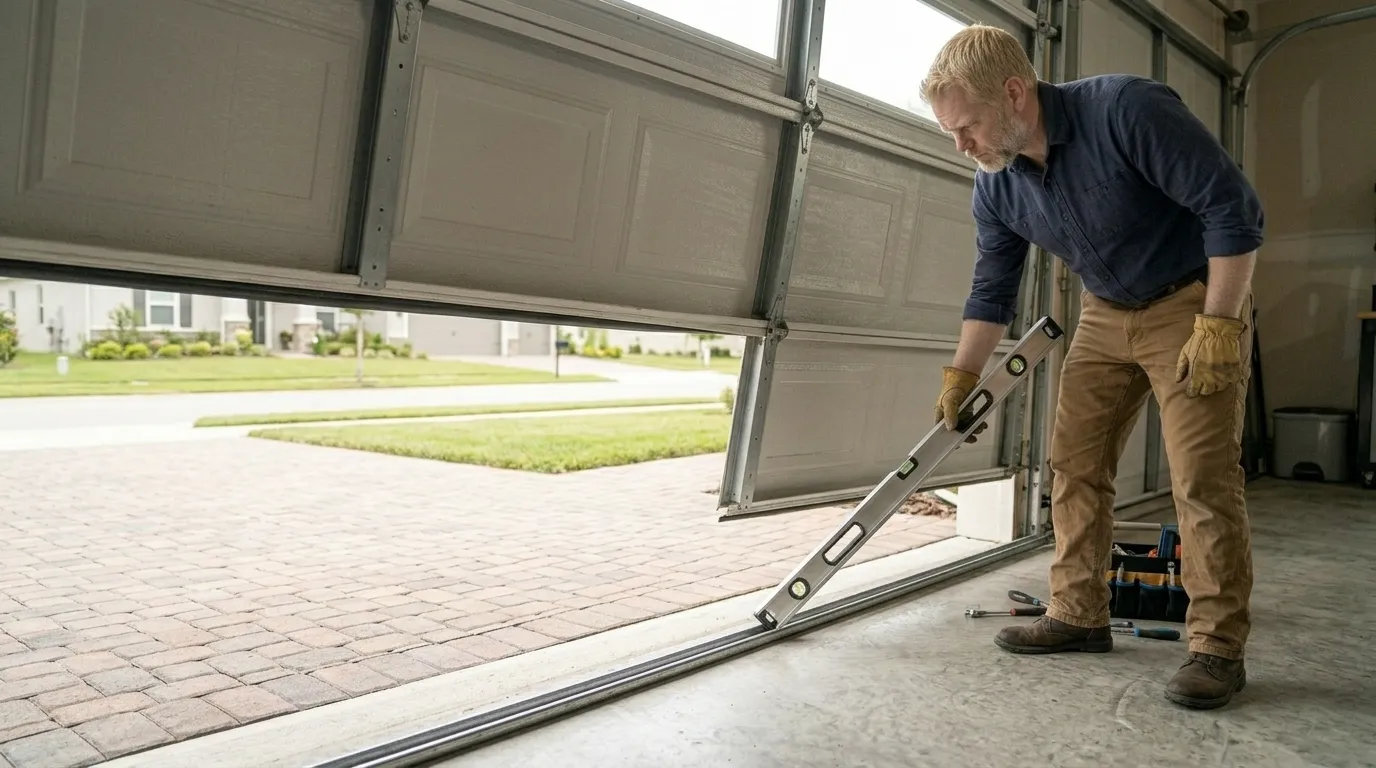
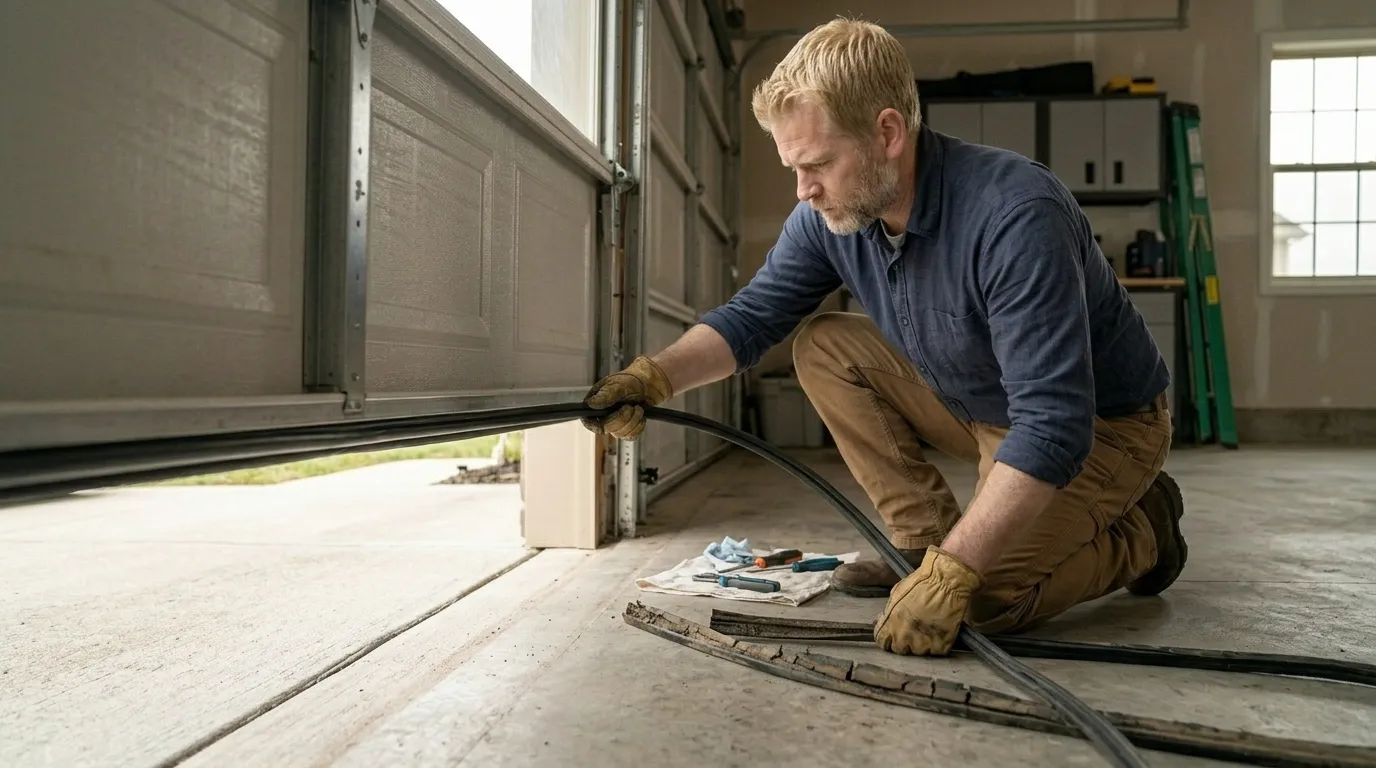
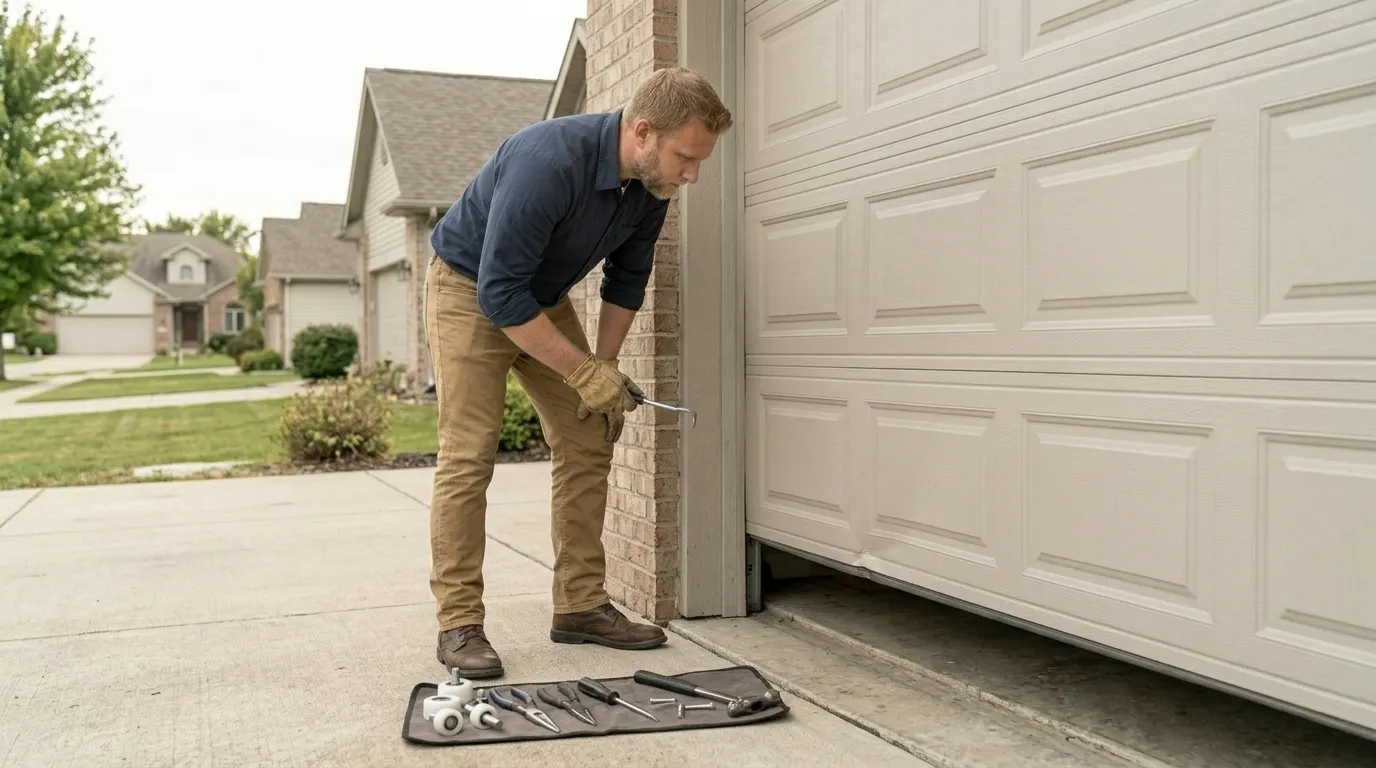
On a mid-90s door, the failure we run into most is the original opener giving out - a burnt-out motor gear or a logic board that's simply reached the end of its service life, not something dramatic. Springs on doors this age are past due for replacement even if they haven't snapped yet; steel fatigues under repeated cold-weather cycling whether or not the door shows it. Bottom seals crack and let cold air and slush track into the garage, which is a comfort problem more than a safety one, but it's the complaint we hear most from owners in this age bracket. Cables and rollers on original hardware from the 1990s are also due, since factory-grade components from that period weren't built for a 30-year service life. What we don't see as often here: the warped, dented, or rusted-through panels that show up on older housing stock elsewhere in the service area. Grayslake's doors are usually failing at the mechanism, not the panel itself.