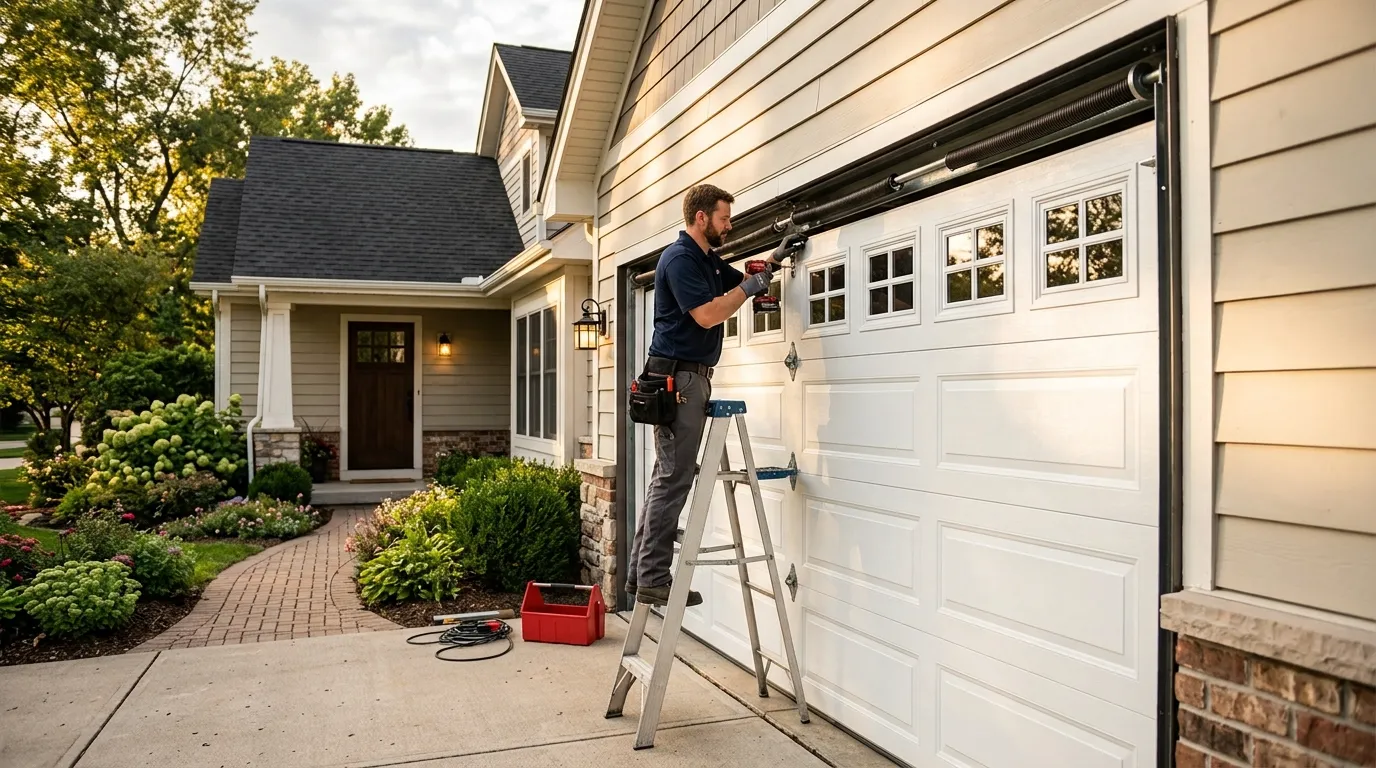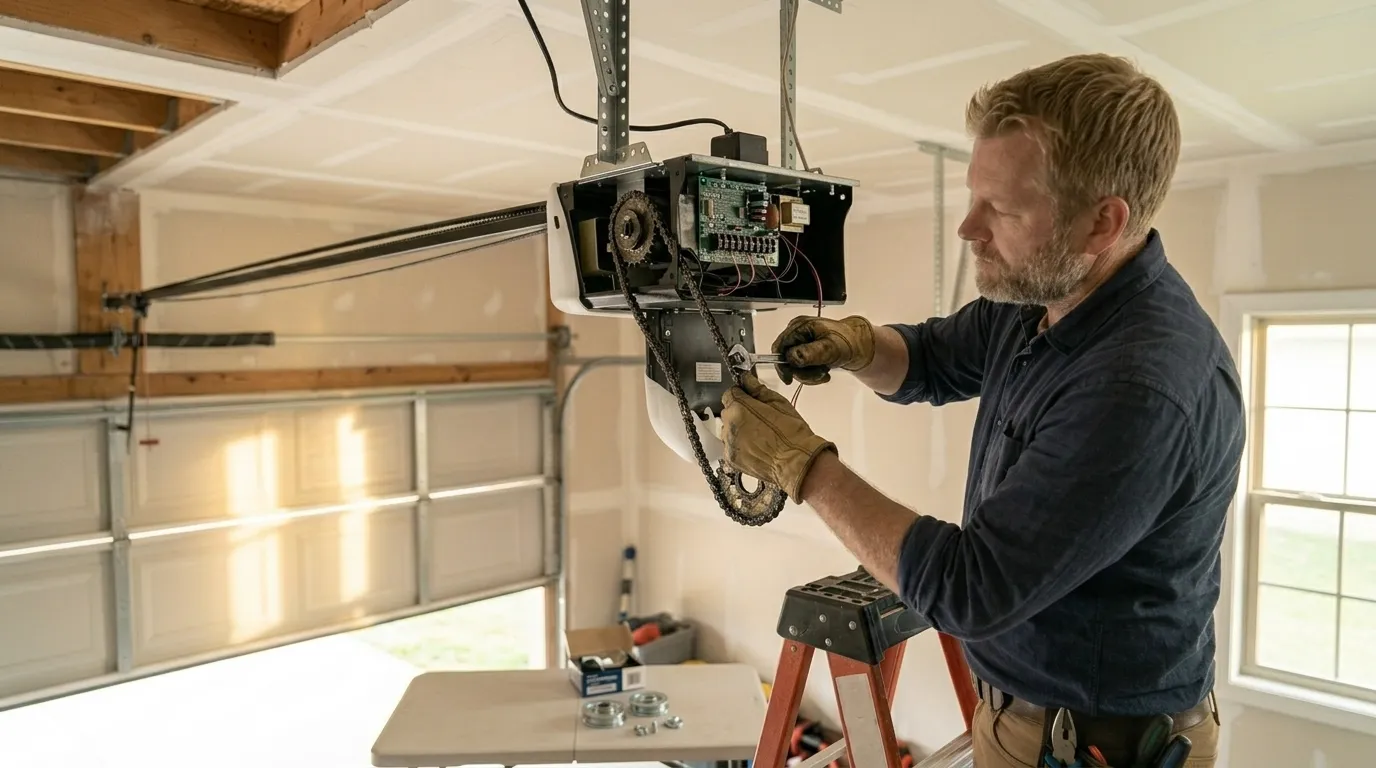
What You Are Seeing
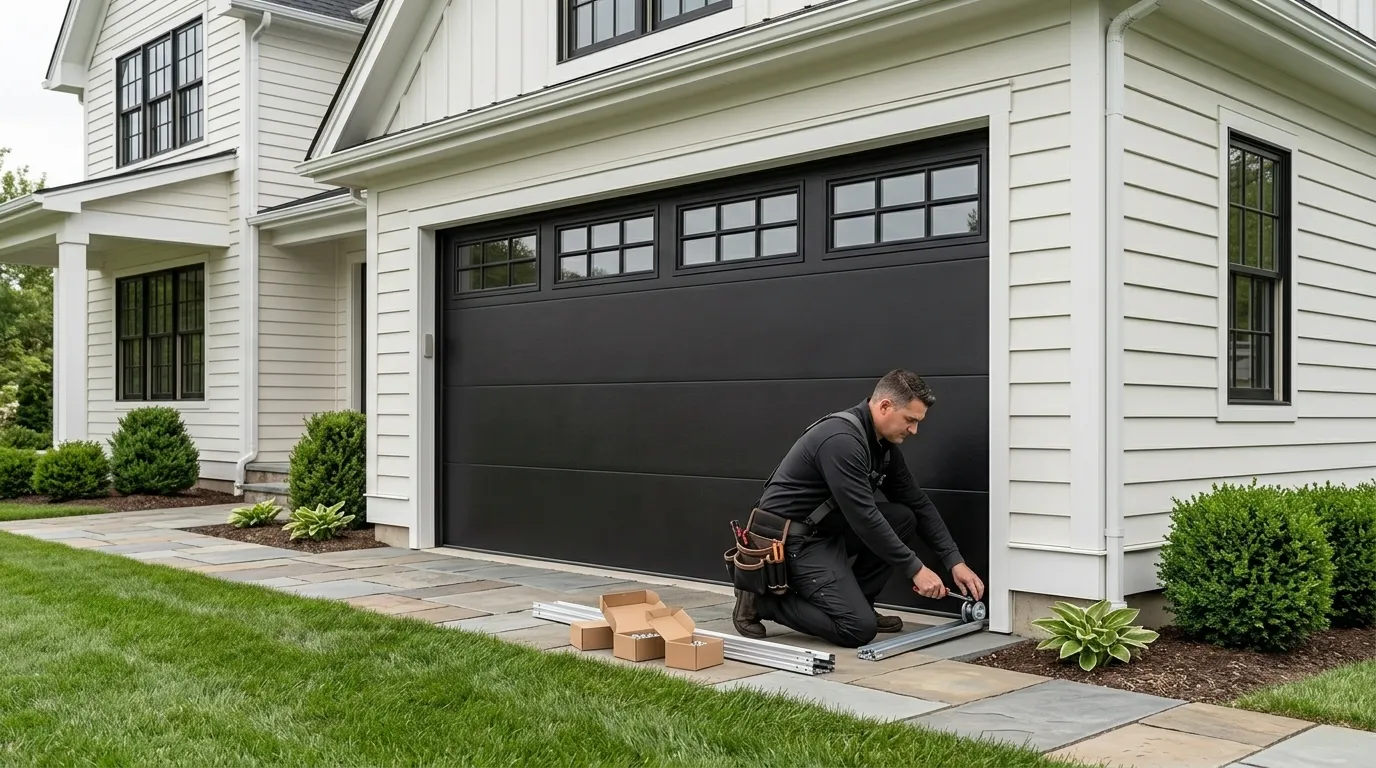
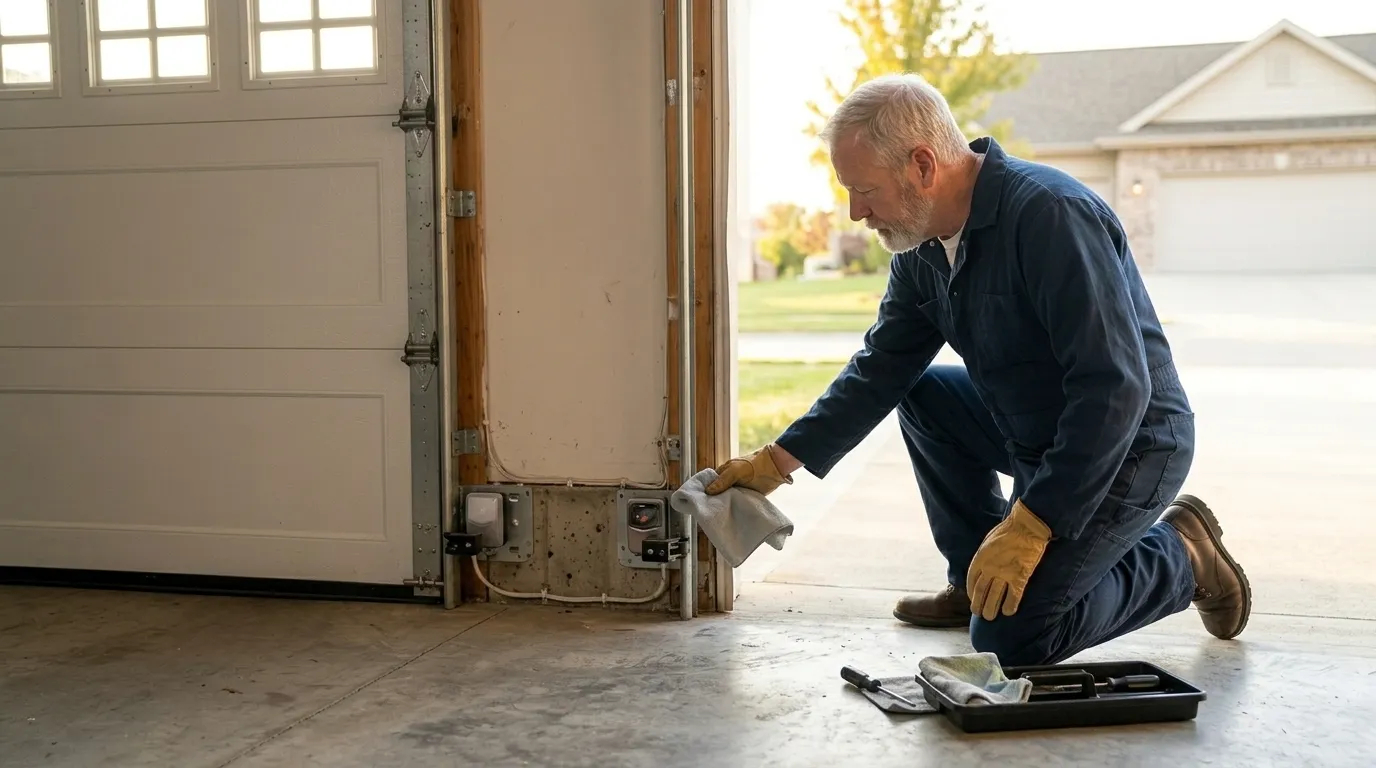
On a building that's stood since 1938, what you're seeing on the surface is rarely the actual problem. A door that drags on one side, or an opener that strains and then reverses, usually points to track that was never plumb to begin with, or to a jamb that's shifted slightly over eighty-some years of settling. Steel doors from mid-century commercial construction were often replaced piecemeal - a panel here, a roller there - so what looks like one door can actually be three different repair eras bolted together.
With only 4,268 households in Winnetka, the commercial footprint here tends to be small: a single storefront, a professional office with one loading bay, a small operation with one overhead door instead of a bank of them. That changes what "seeing a problem" looks like in practice. There's no fleet of identical doors to compare against - usually just the one, and it has to work every day the business is open.
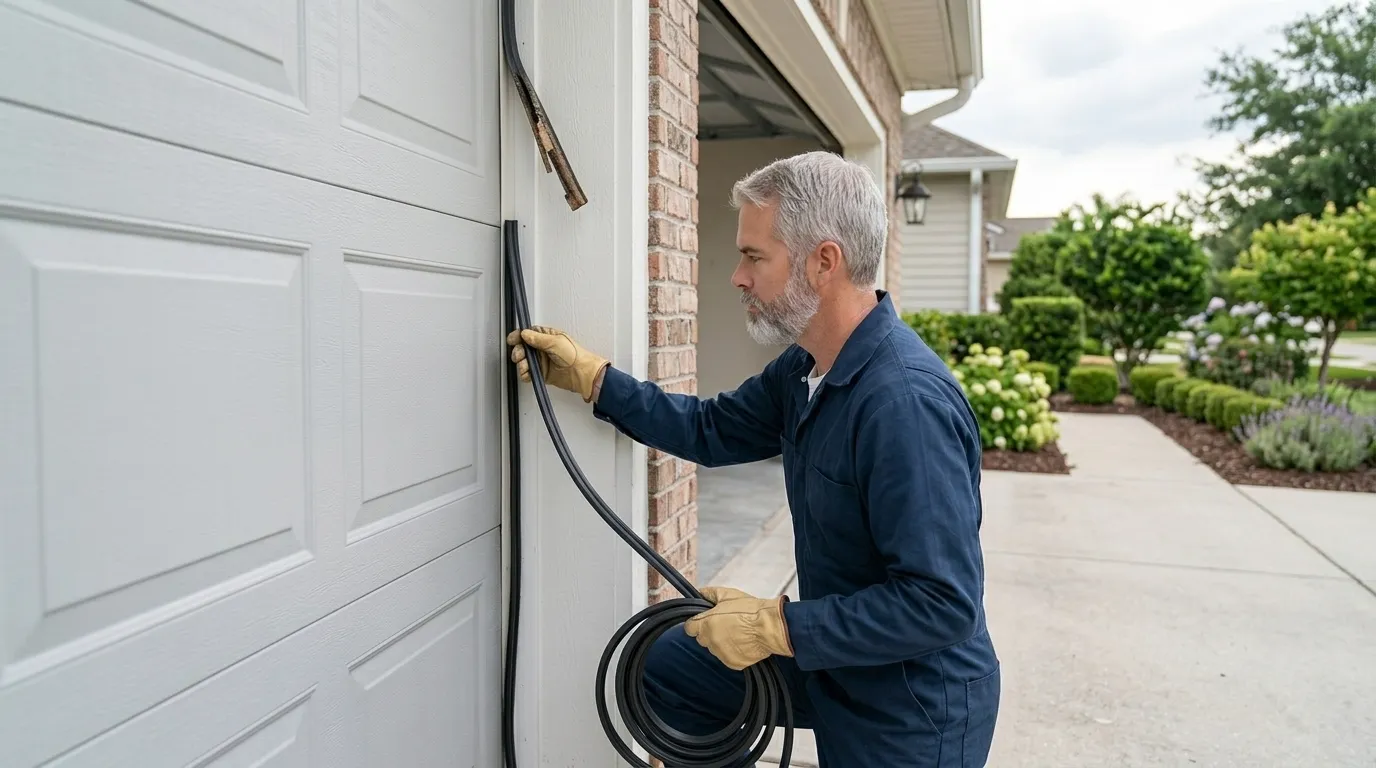
Winter is where the age of the building shows up fastest. Original wood jambs and worn weatherstripping on a door this old don't hold heat the way a newer installation does, and in a severe-cold climate that shows up as frozen tracks and a door that won't break loose on the first try of the morning.
What It Costs
We're not going to put a number here that we can't back up on the day we see the door. Commercial repair costs depend on what's actually wrong - a cable, a hinge, a full spring set, a motor - and on a building this old, the diagnosis often takes longer than the fix itself because we're tracing hardware that was installed in stages over decades rather than all at once.
What we can say is that Winnetka's median household income, north of $250,000, is roughly double the $121,583 median across the rest of the territory we serve. That doesn't set our prices, but it does shape a conversation we have a lot here: whether to patch an old door again or replace it outright. On a building where the door itself is a minor line item against everything else on the property, replacement often makes more sense than a fourth repair on original hardware. We'll tell you which side of that line your door is on before we start, not after.
One honest limit: parts for original mid-century commercial hardware aren't something we stock on the truck. If your door needs a piece that hasn't been manufactured in decades, that part has to be sourced, and that adds time to the job that a newer door wouldn't need.