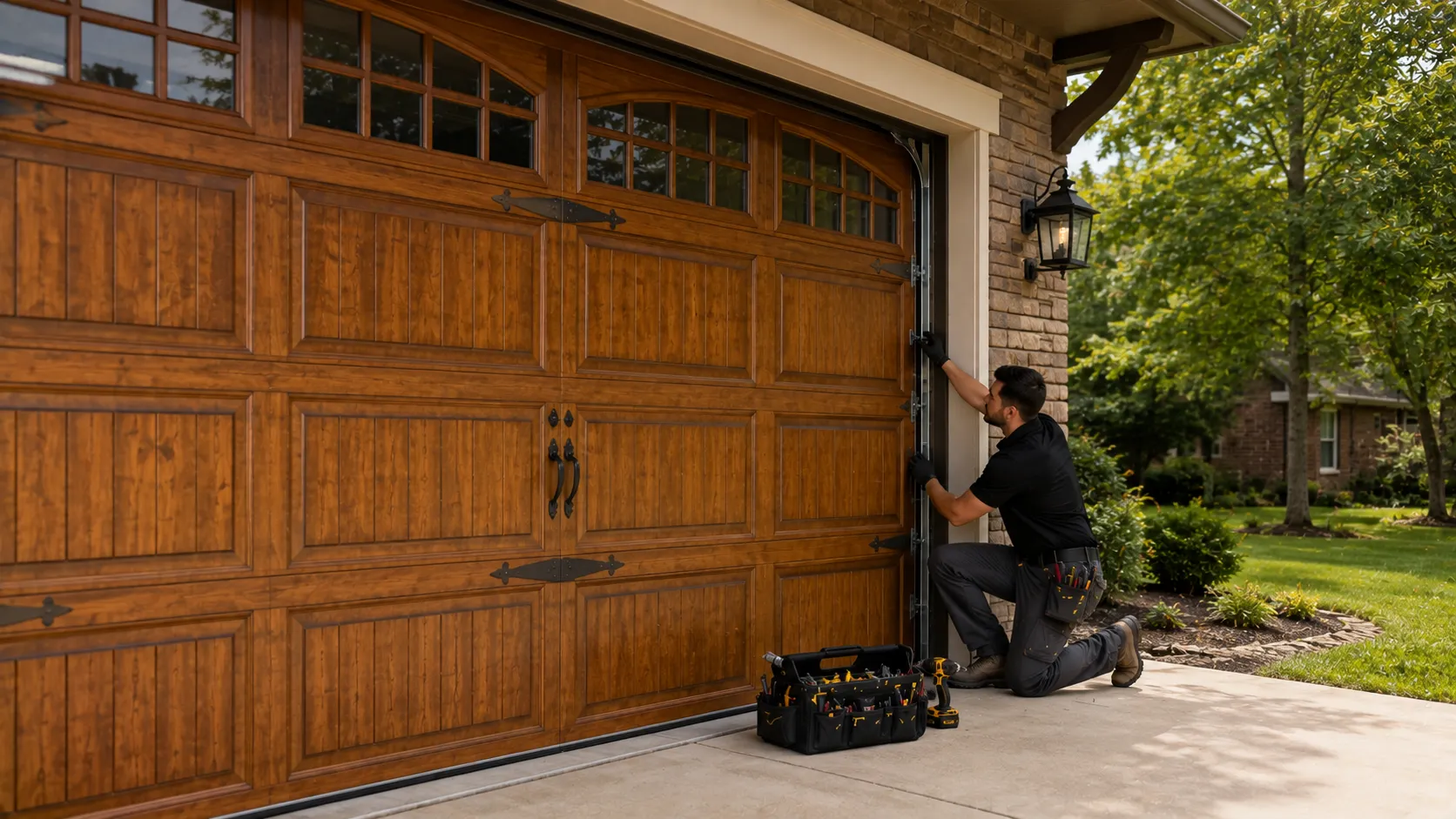
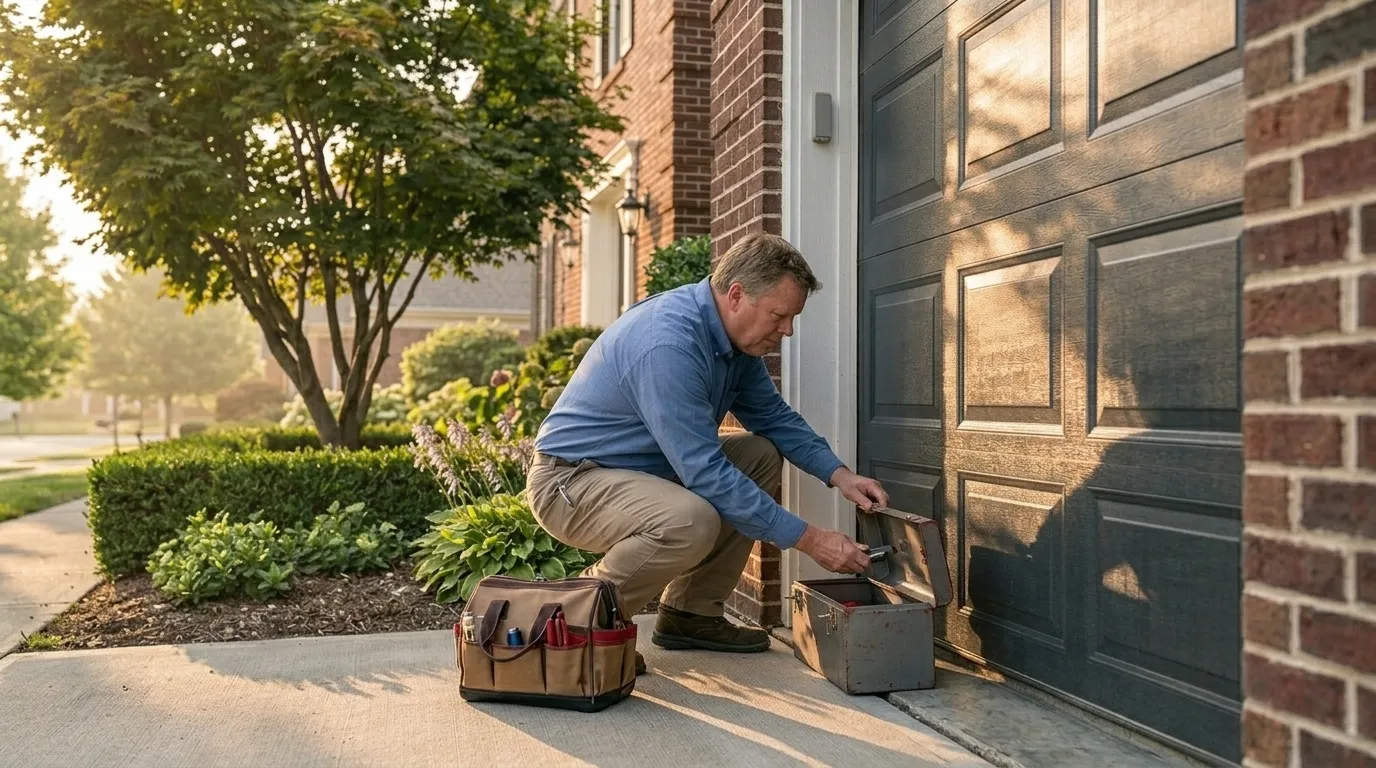
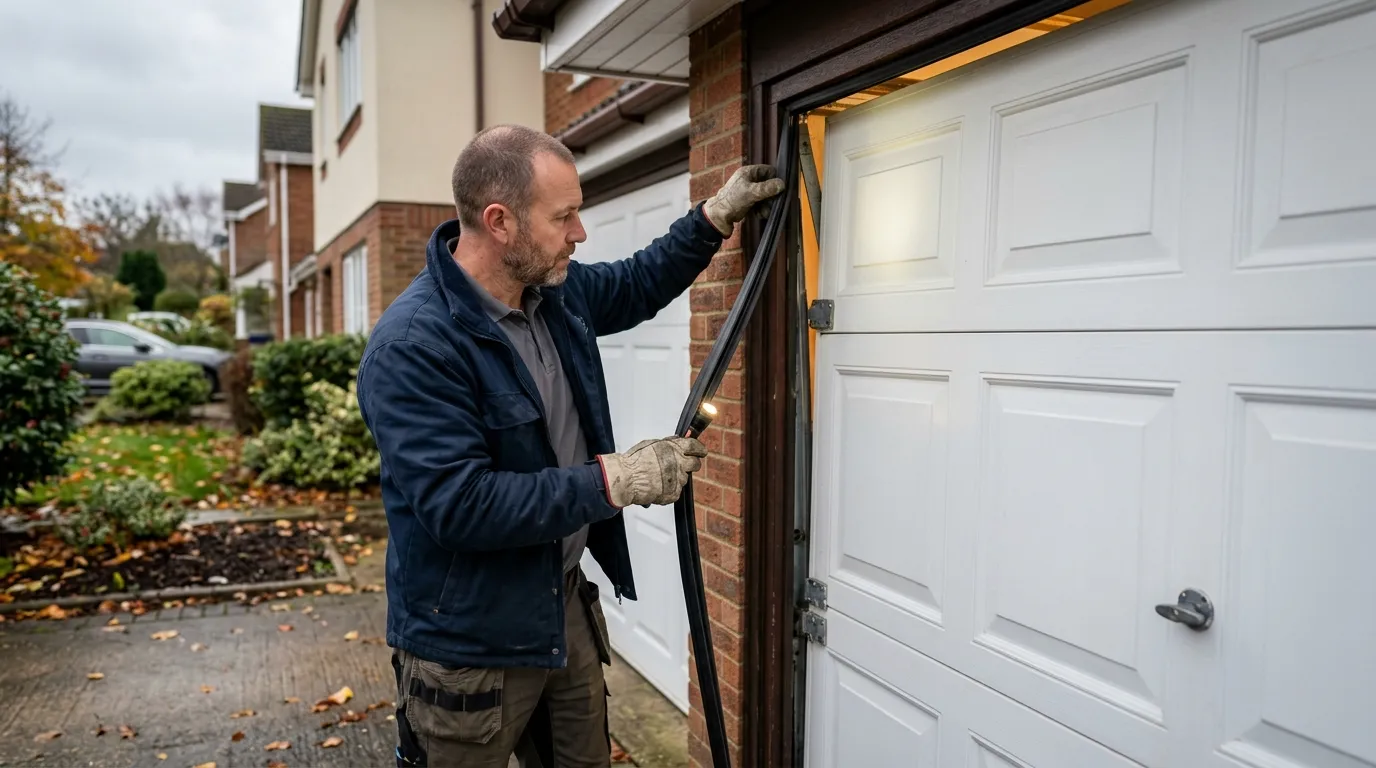
Winnetka has 4,268 households and a median home built in 1938 - older hardware than most of our service area. Here's what that means for repair calls from Mundelein.
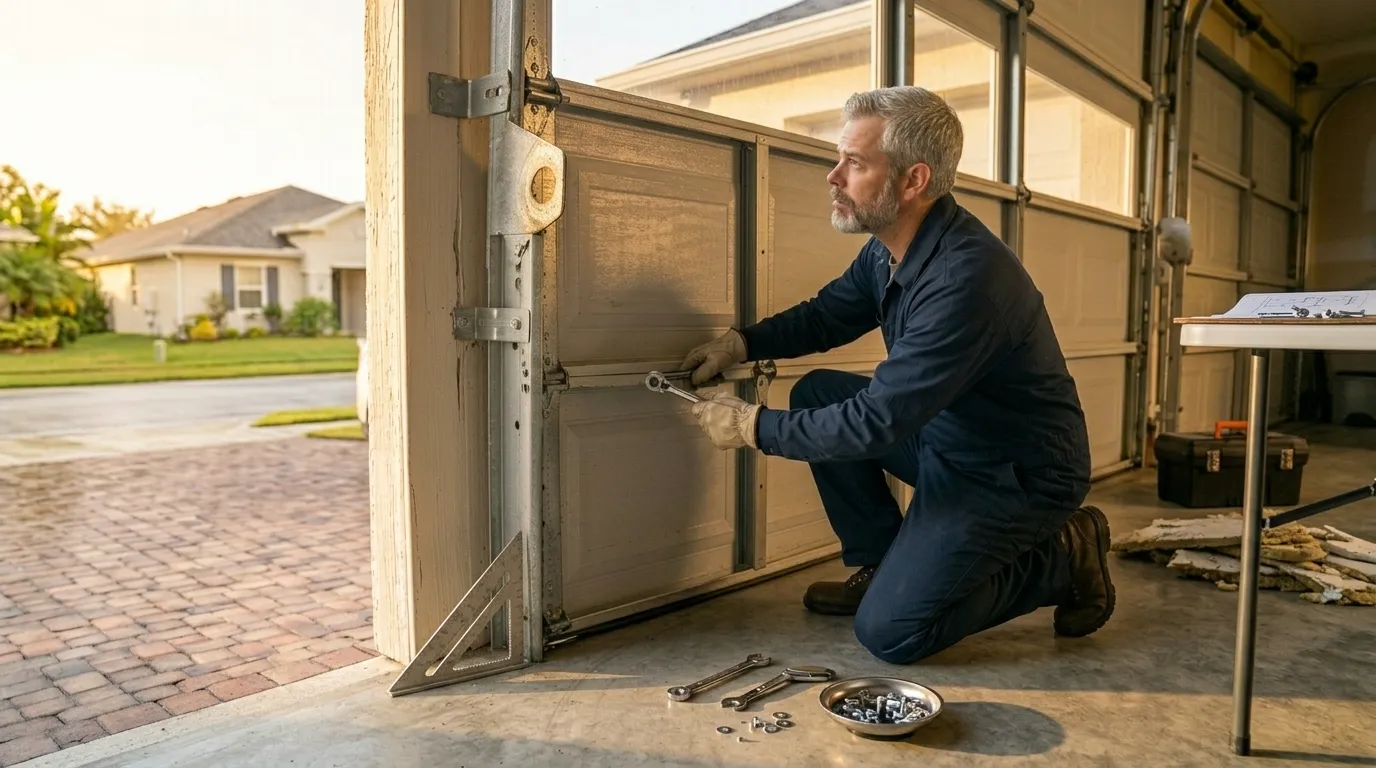
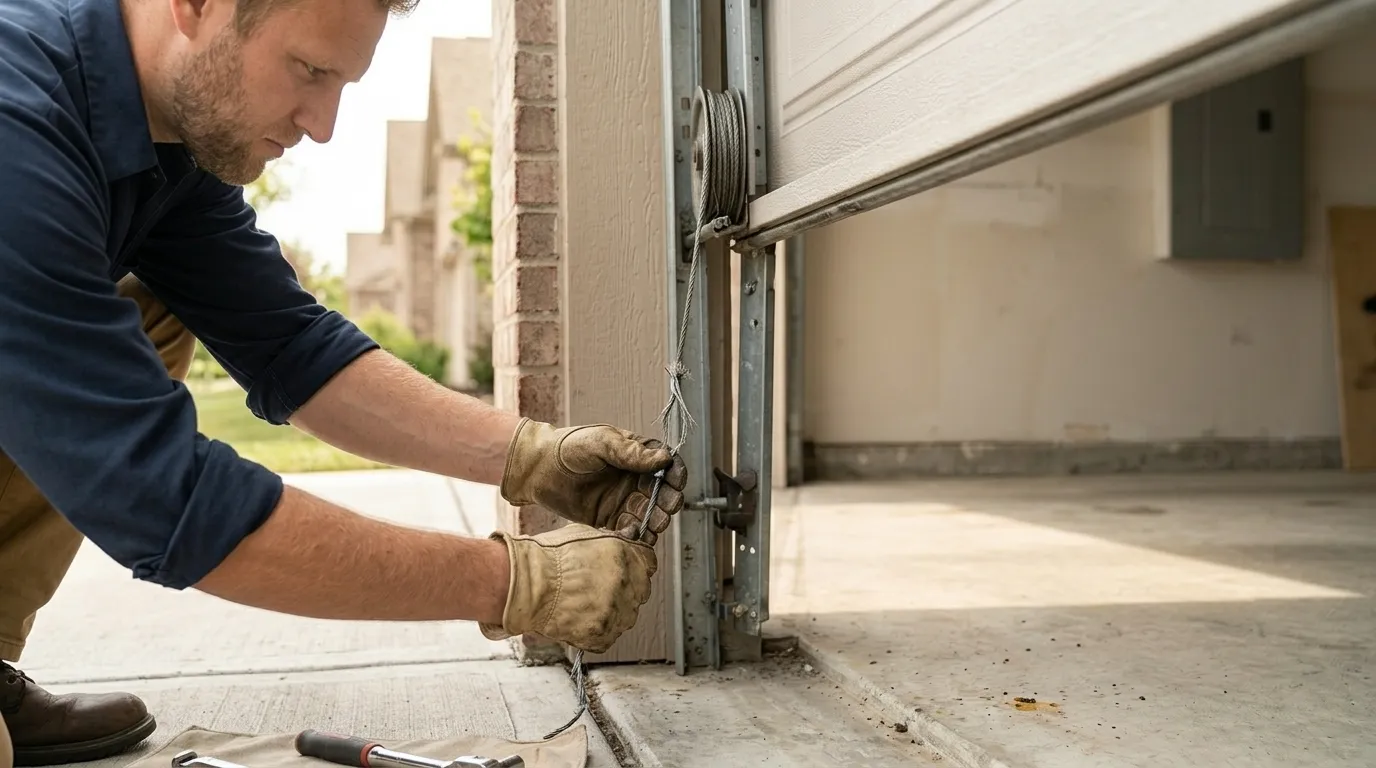
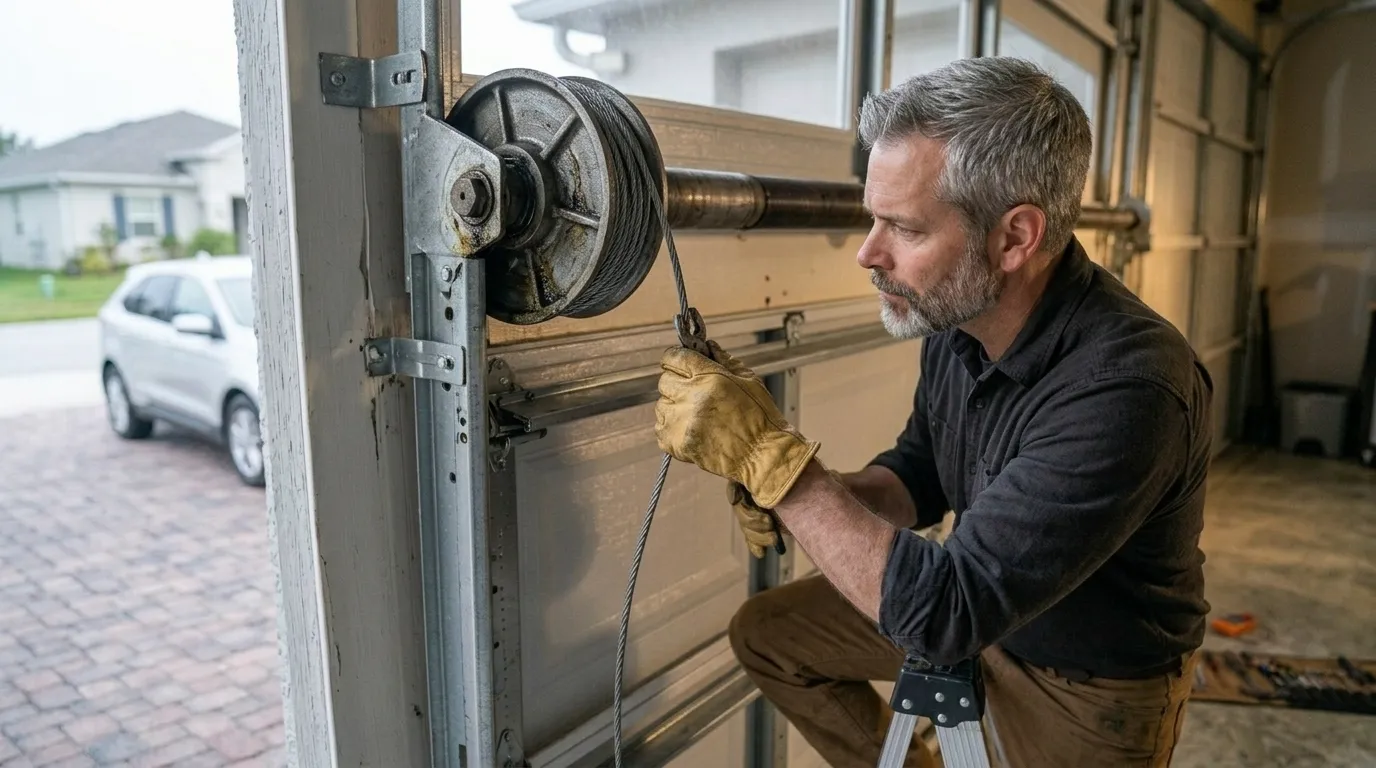
Winnetka is a small town by household count - 4,268 of them, compared to the 213,471 spread across the rest of our service area. That matters because a small base means the same handful of door and hardware styles keep showing up on calls, instead of the wider mix of newer builder-grade doors you'd see in a bigger, newer-built suburb. Homeowners here ask us the DIY question a lot: can I just tighten this, oil that, swap the spring myself. For a squeaky roller or a track that's slightly out of alignment, sure, a homeowner with basic tools can handle it. A torsion spring under tension is a different matter. Those springs store enough force to break a bone or worse, and on a door of this town's typical age, the spring size and drum setup often aren't the standard parts sold at a hardware store. If you're not sure which kind of spring you have, that uncertainty is itself the answer: call someone who does this daily. We'll tell you honestly if it's a ten-minute fix you could have done yourself - we'd rather say that than run a truck out for nothing.
What You Are Seeing
The median home in Winnetka was built in 1938 - decades older than the 1984 median across the rest of the area we cover. That gap shows up on service calls. Older houses here more often have narrower door openings, original wood jambs that have shifted slightly over eight decades, and opener units that have been swapped out once or twice already but sit on hardware nobody upgraded. Add the climate: this is a cold, severe-winter zone, and cold does specific things to a garage door. Steel torsion springs lose a bit of tension as temperatures drop, nylon rollers stiffen and start grinding in their tracks, and old grease on a track thickens until the door labors to open at all. If your door has gotten noticeably harder to lift only since it got cold, that's the spring and the temperature working against each other, not a sign the whole unit is failing. If it's been slow and getting slower over months, that's wear, not weather, and it's worth a look before a cable or spring lets go without warning.
What It Costs
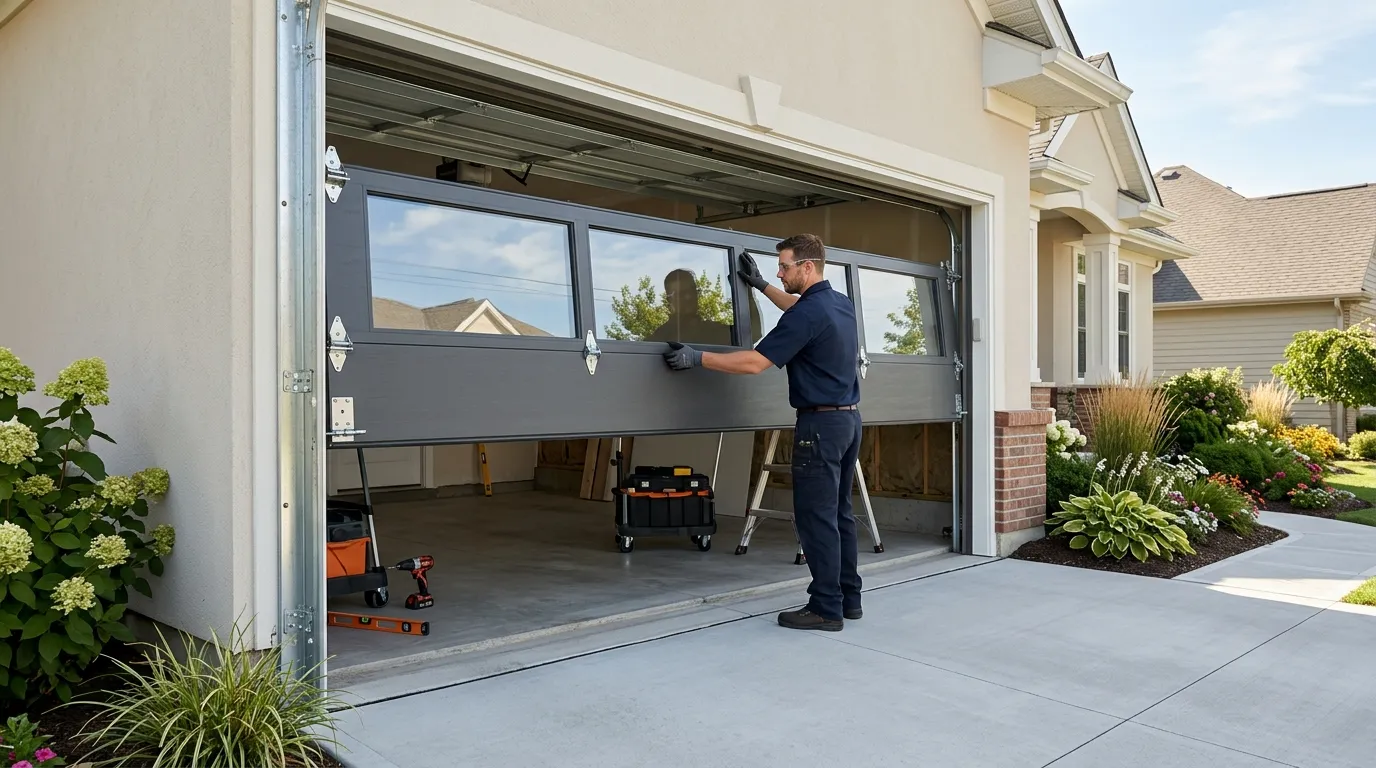
We're not going to invent a number for you here - every door and every fix is different, and the honest answer depends on what's actually broken once we're looking at it. What we can tell you is how the decision tends to shake out in a town like this one. Winnetka's median household income is $250,001, more than double the $121,583 median across the rest of our service area. In practice that means more of our Winnetka calls end in a homeowner asking about full replacement rather than a patch job on an old door, especially once we explain that a 1938-era opening sometimes needs a custom-sized panel rather than a stock one. That's not us upselling - a nonstandard width or an original wood jamb can make sourcing a matching stock door harder than just building to the opening. We'll always quote the repair first and let you decide whether it's worth doing versus replacing.
What the Repair Takes
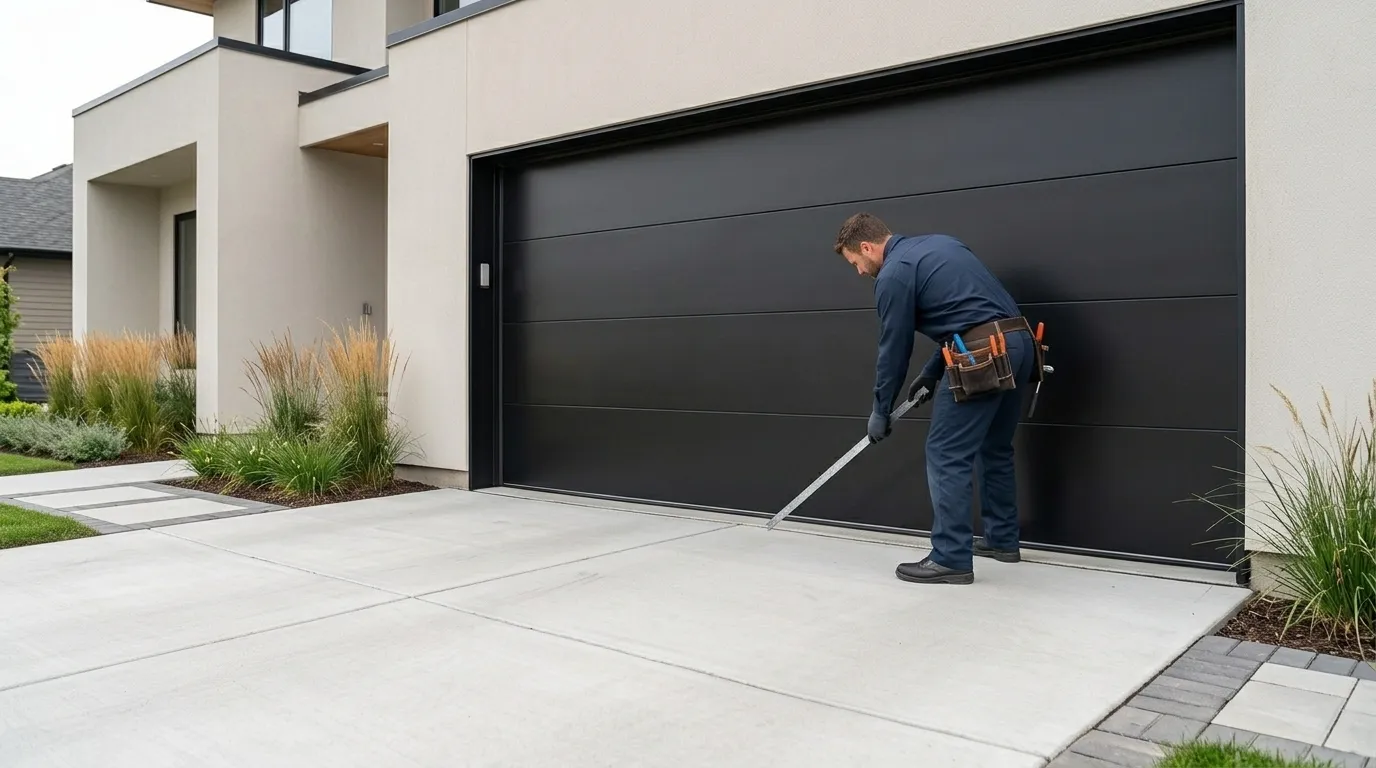
We run this call from Mundelein, about 18 miles out, so Winnetka sits toward the far edge of what we can reach in a single afternoon alongside other jobs. That's not a complaint, just a practical note on scheduling - if your spring goes on a Friday afternoon, we may be booking you for the next available slot rather than same-day. One honest limitation: if your door needs a part specific to its age or width, we sometimes have to order it rather than pull it off the truck, and that can add a few days versus a stock-size repair. Once parts are in hand, most single-spring or cable jobs run under two hours; a full opener swap or a panel replacement on a nonstandard opening takes longer, usually most of a working day. We test the balance, the travel, and the auto-reverse safety function before we leave - on a door this old, that last check matters more than people think, since the safety sensors may have been added well after the door itself was installed.
How it works
From “it’s stuck” to “it’s fixed”
01
Tell us what’s wrong
Describe the symptom - won’t open, loud bang, opener runs but the door won’t move.
02
On-site diagnosis
A technician tests the door under power and by hand and finds what actually failed.
03
Clear, up-front plan
You get the fix that’s needed and what drives the cost - before any work starts.
04
Repaired & tested
The repair is done, the door is set true and tested, and the work area left clean.
Serving Mundelein, IL - tell us what your door’s doing and we’ll take it from there.
Why does my garage door get so much harder to open in winter?
Cold makes torsion springs lose a little tension and makes old grease on the tracks thicken, so rollers drag instead of gliding. In a severe-winter climate like this one, that combination shows up every year around the same time. If it's sudden and severe, though, don't force it - that's often a spring close to failing outright.
Is it worth repairing a door on a house built in the 1930s?
Often yes, if the opening is a standard width and the damage is limited to springs, cables, or rollers. It gets harder when the jamb has shifted over the decades or the opening is nonstandard, since matching parts or a replacement panel may need to be special-ordered rather than pulled off a shelf.
How far out is Winnetka from your shop in Mundelein?
About 18 miles. We still cover it, but because of the distance we schedule Winnetka calls alongside other jobs in that direction rather than treating it as a same-day drop-in every time. If it's urgent, tell us when you call and we'll do what we can.
Do you carry replacement springs for older doors on the truck?
We carry the common sizes, but a door built for a 1930s or 40s opening sometimes uses a spring or drum size that isn't standard stock. If that's the case, we'll tell you on the visit and order the part rather than guess with something that won't hold the door's weight correctly.
Ready to get your garage door sorted?
Tell us what it’s doing and where you are in Mundelein - we’ll take it from there.