New Garage Doors for Winnetka's Older Housing Stock
New garage door installation in Winnetka, IL, sized for openings built around 1938 and rated for cold-climate framing, installed by the crew based in Mundelein.
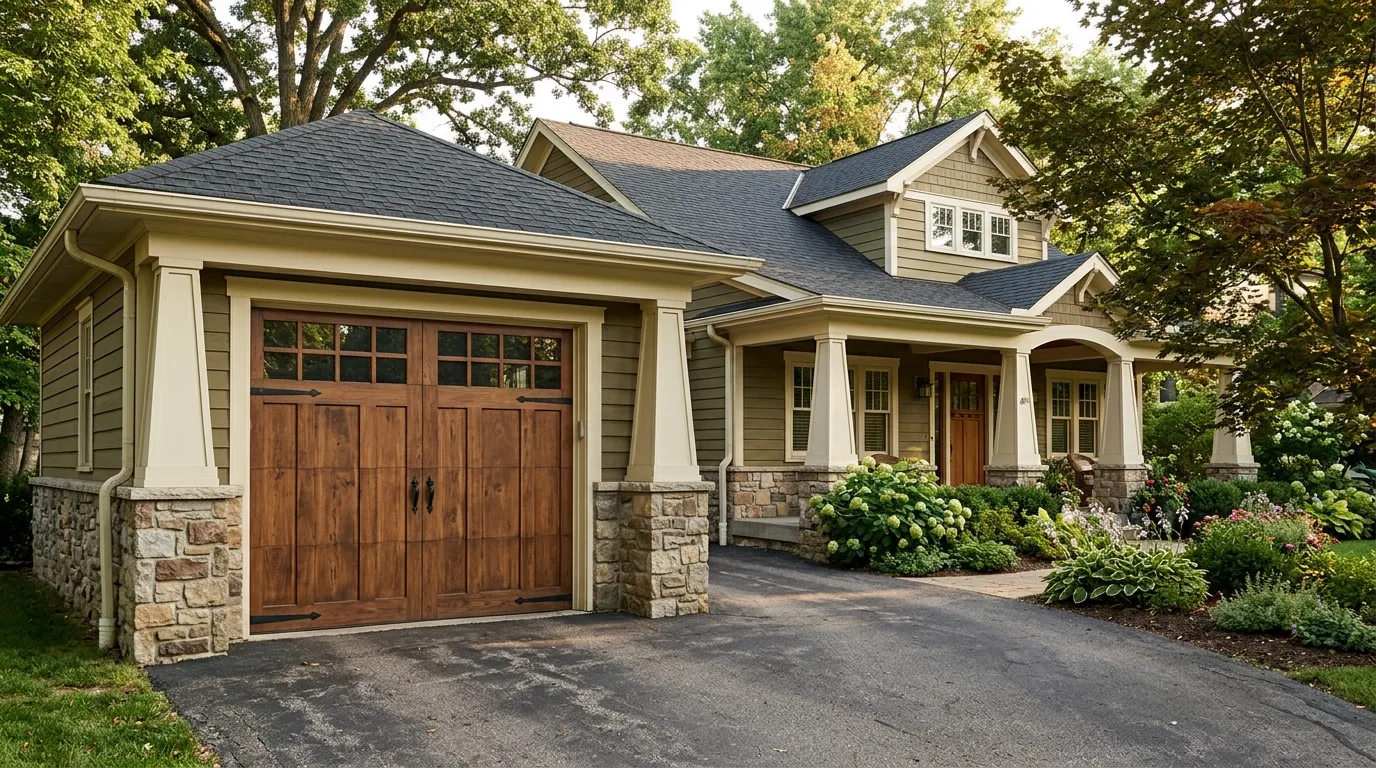
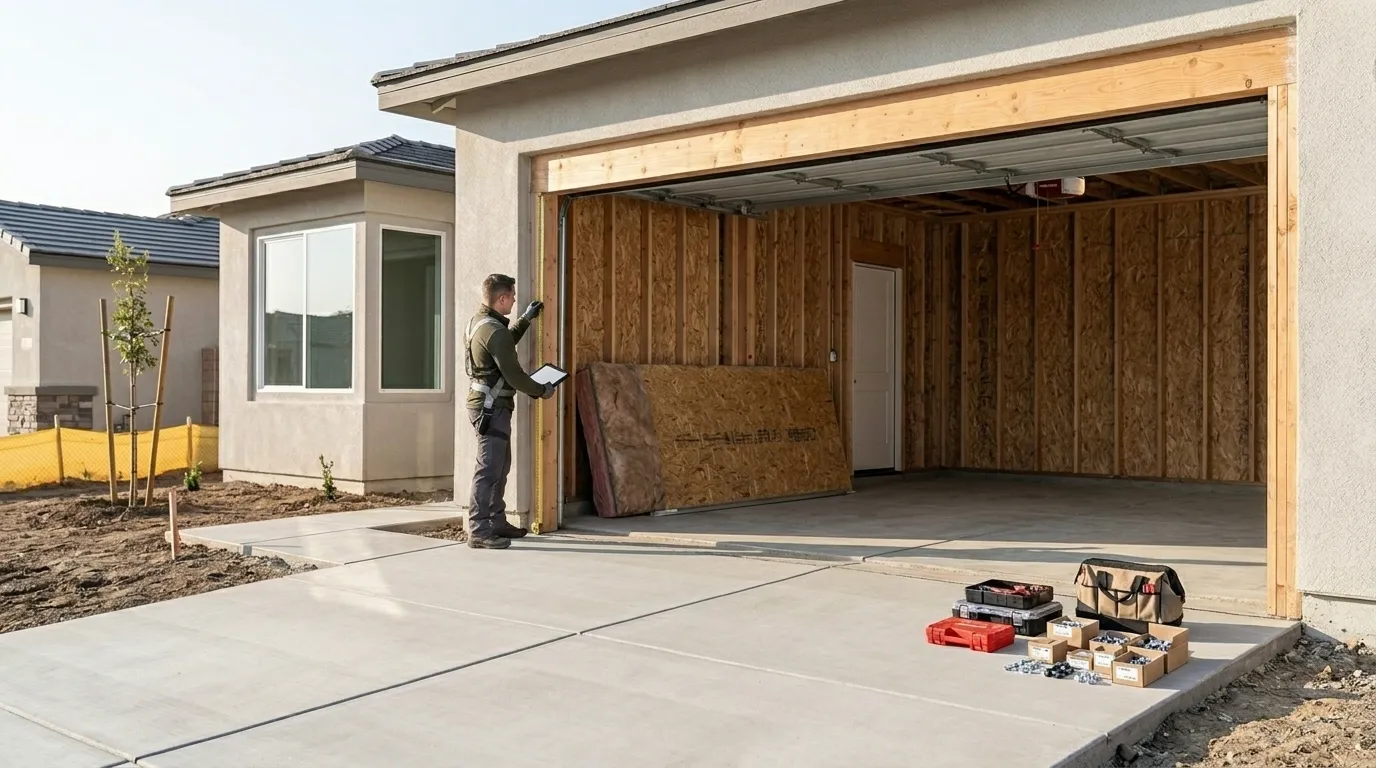
Winnetka's housing stock centers on a median build year of 1938, fourteen years earlier than the 1984 median across the rest of the service area we cover out of Mundelein. That gap matters more than it sounds like it should. A garage built in the late 1930s was framed for a car half the width of what people park now, and the rough opening on the door itself was almost never squared to today's stock sizes.
That's the part a homeowner doing this alone tends to miss. You can pull a torsion spring off the internet and match the wind count, but if the jamb is out of plumb by an inch and a half because the house has settled for eighty-some years, the door won't seat right no matter how careful the install is. Reframing a jamb is carpentry, not garage door work, and it's where DIY jobs on houses this age usually stall out.
We're not going to tell you it can't be done by a determined homeowner with the right tools. We will tell you that on a house this old, the measuring and the framing correction is the job, and getting it wrong costs more to fix than getting it right the first time would have cost to hire out.
What You Are Seeing
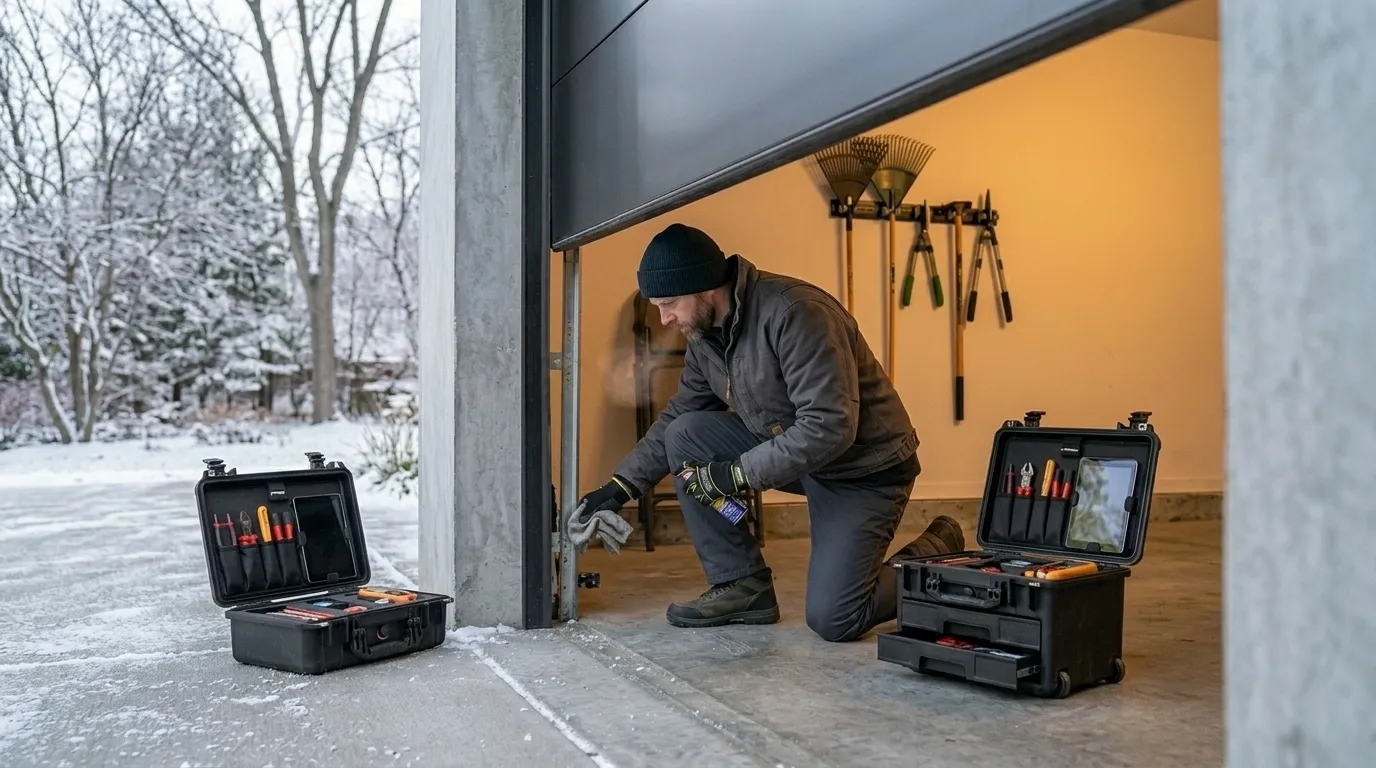
With roughly 4,268 households in Winnetka, a lot of what's still standing in those garages is a single-layer steel door from decades back, no foam core, no thermal break, hung on hardware that predates the R-value conversation entirely. In a cold-severe climate zone, an uninsulated door does two things badly: it lets the garage run close to outdoor temperature all winter, and the panel itself flexes and pops in a hard freeze-thaw swing in a way an insulated door doesn't.
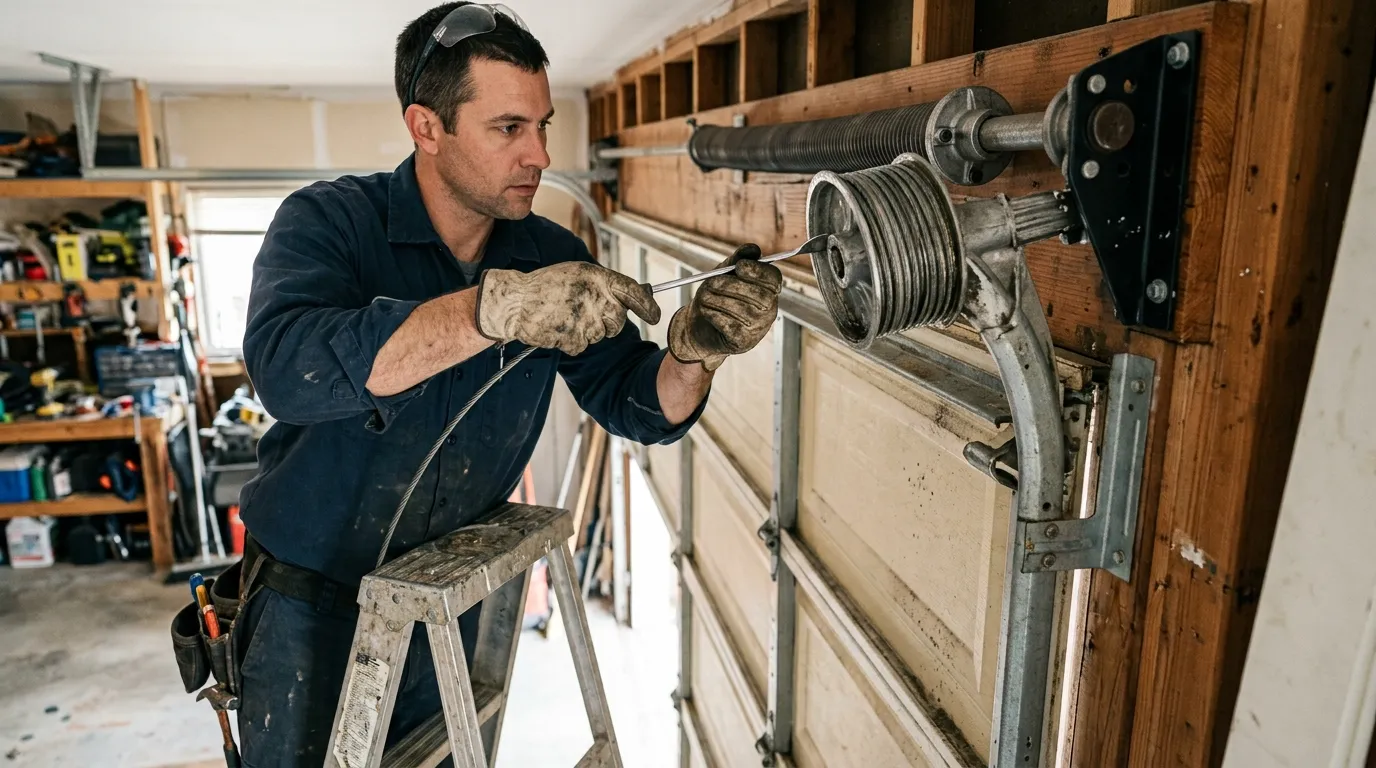
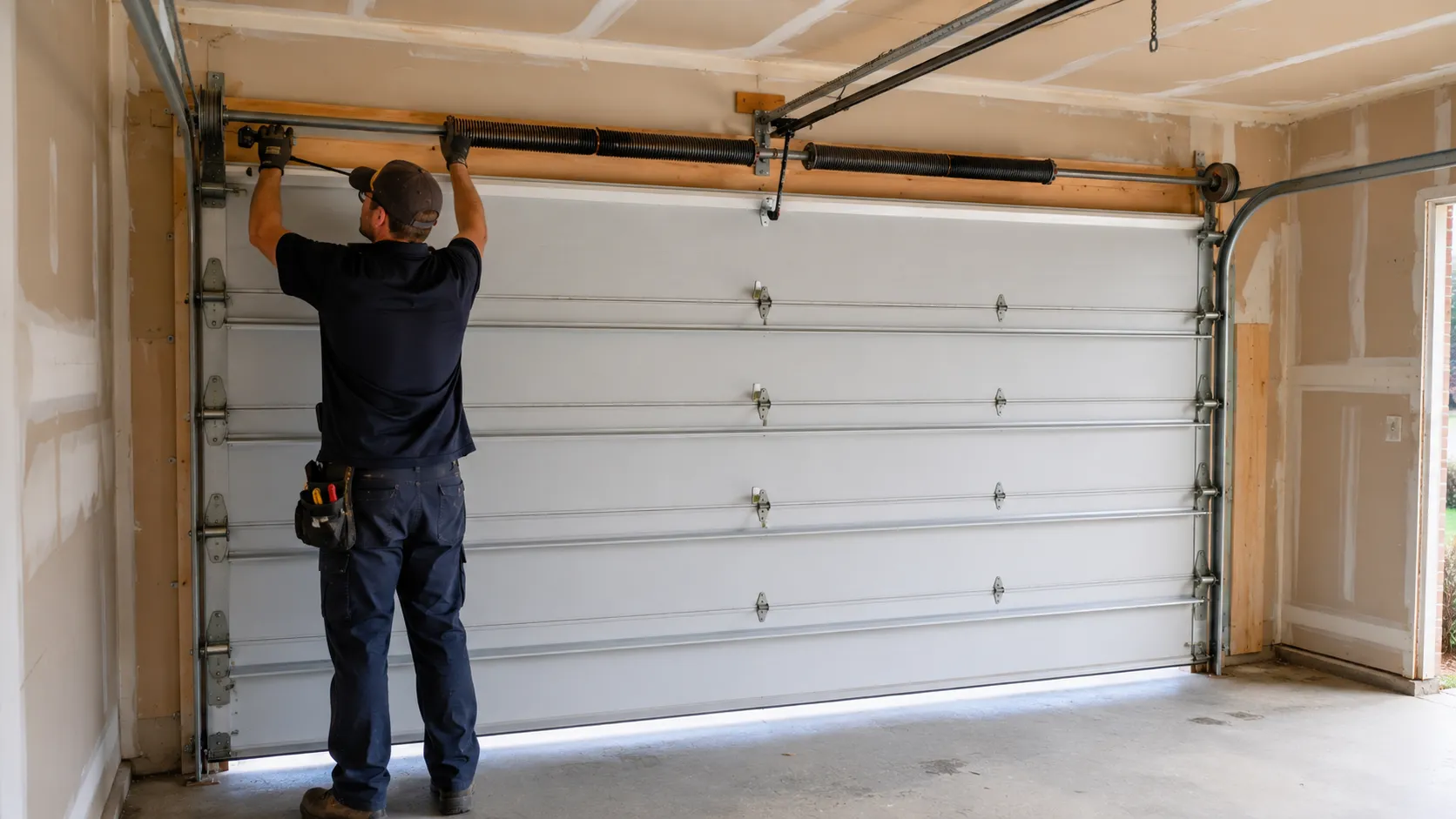
What you're actually seeing when you look at one of these doors closely is usually a combination of things: a bottom panel that's bowed from decades of expansion and contraction, track anchors that have worked loose in old masonry, and rollers that were never swapped out because nobody noticed them wearing. None of that is a repair-and-move-on situation. When the door itself predates modern insulation standards and the opening is non-standard to begin with, replacement is usually the honest answer, not another patch.
What It Costs
We don't have a number to hand you here that would mean anything specific to your address, and we'd rather say that than guess. What we can tell you is what drives the number up or down on a house like the ones common in Winnetka: if the rough opening needs reframing to take a standard door width, that's carpentry time on top of the door itself. If you want an insulated door rated for a cold-severe climate rather than the cheapest single-layer option, that's a different price tier.
Winnetka's median household income sits at $250,001, more than double the $121,583 median across the rest of the territory we serve from Mundelein. That doesn't set your price - it's not a fact about your garage - but it does mean insulated, higher-spec doors are a common ask here rather than the exception, and we quote accordingly once we've actually measured the opening. We'd rather walk your garage and give you a real number than publish one that's wrong for your house.
What the Repair Takes
The crew comes out of Mundelein, about 18 miles from Winnetka, so this isn't a same-day drop-in the way it might be for a town five minutes from the shop. We schedule the visit, measure the actual opening, and order a door sized to it rather than assuming a stock width will fit - which on a house from 1938 it often won't.
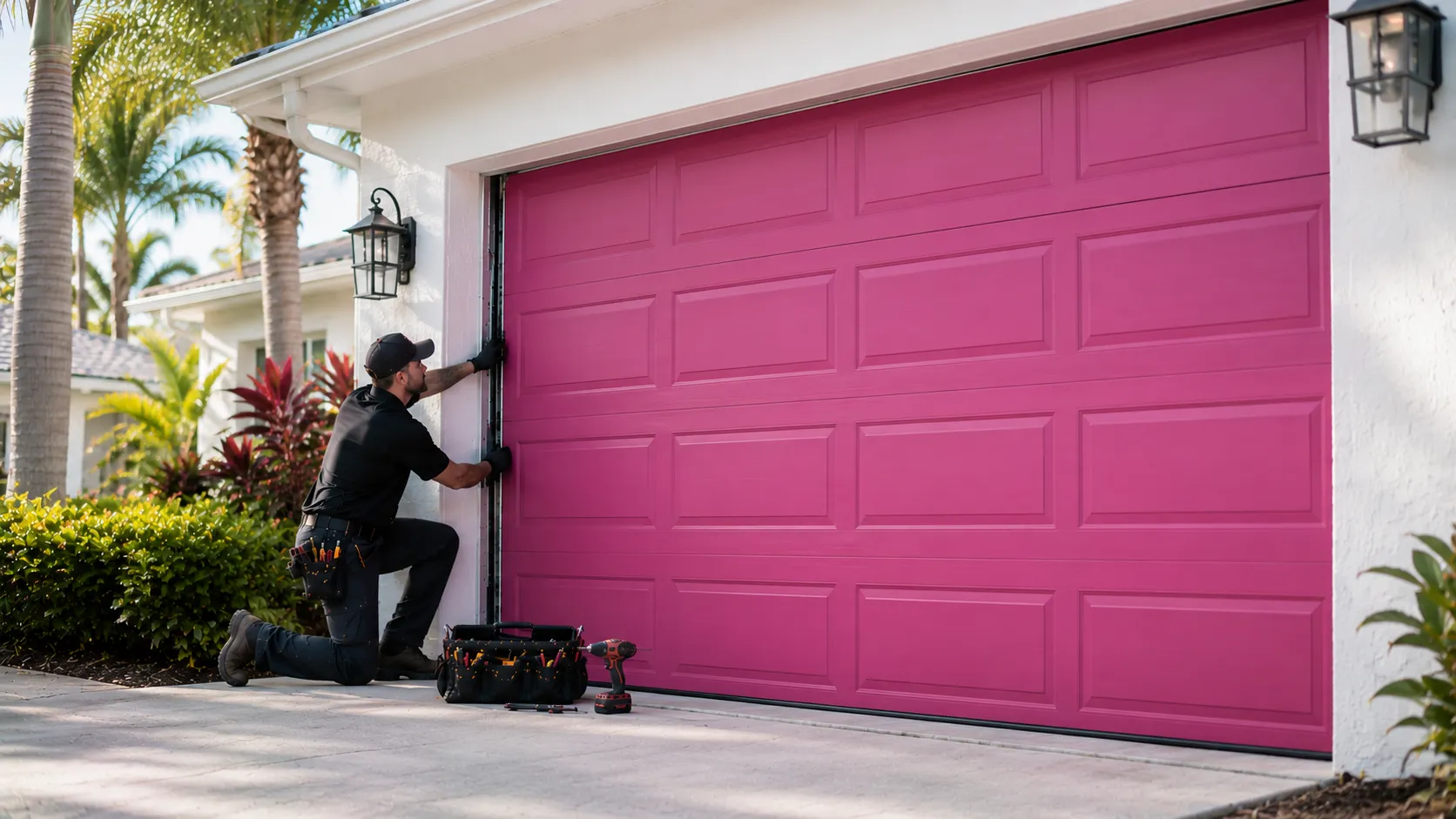
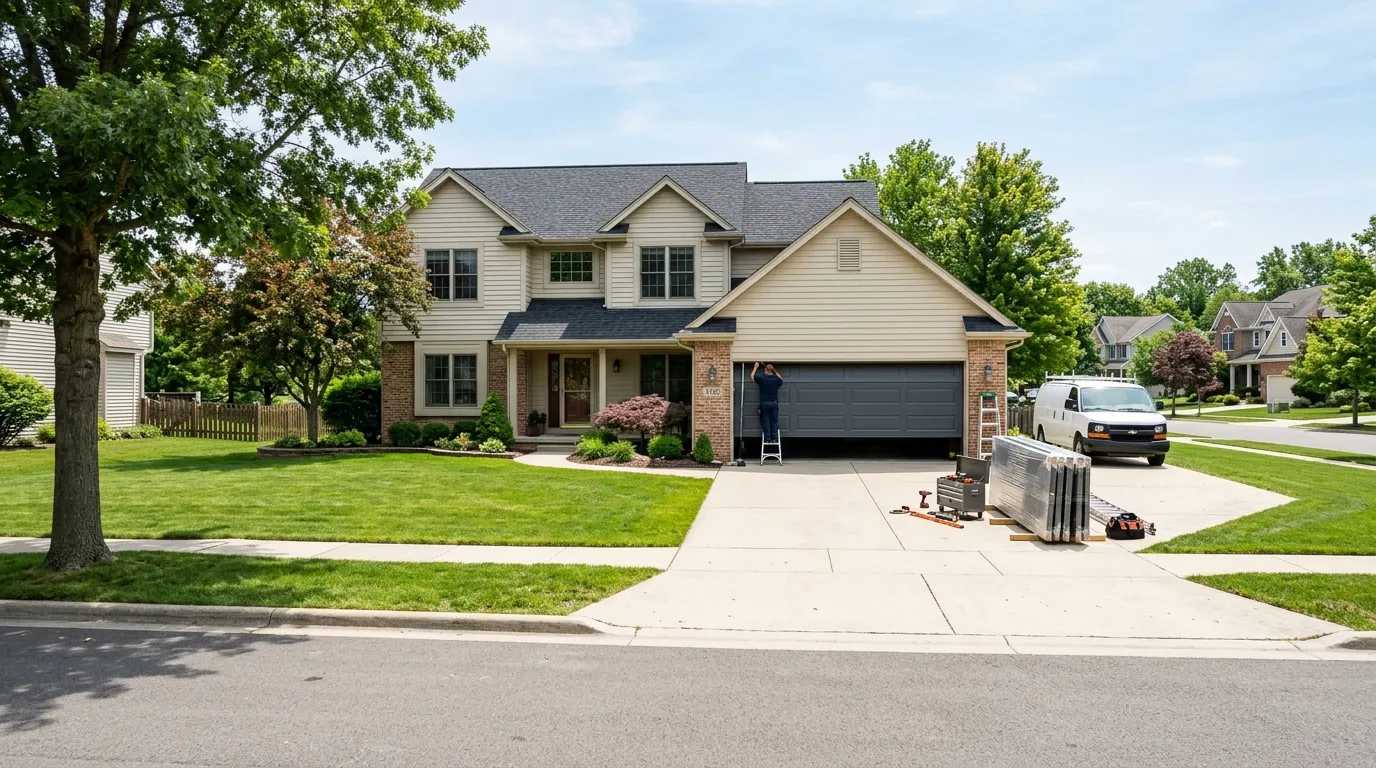
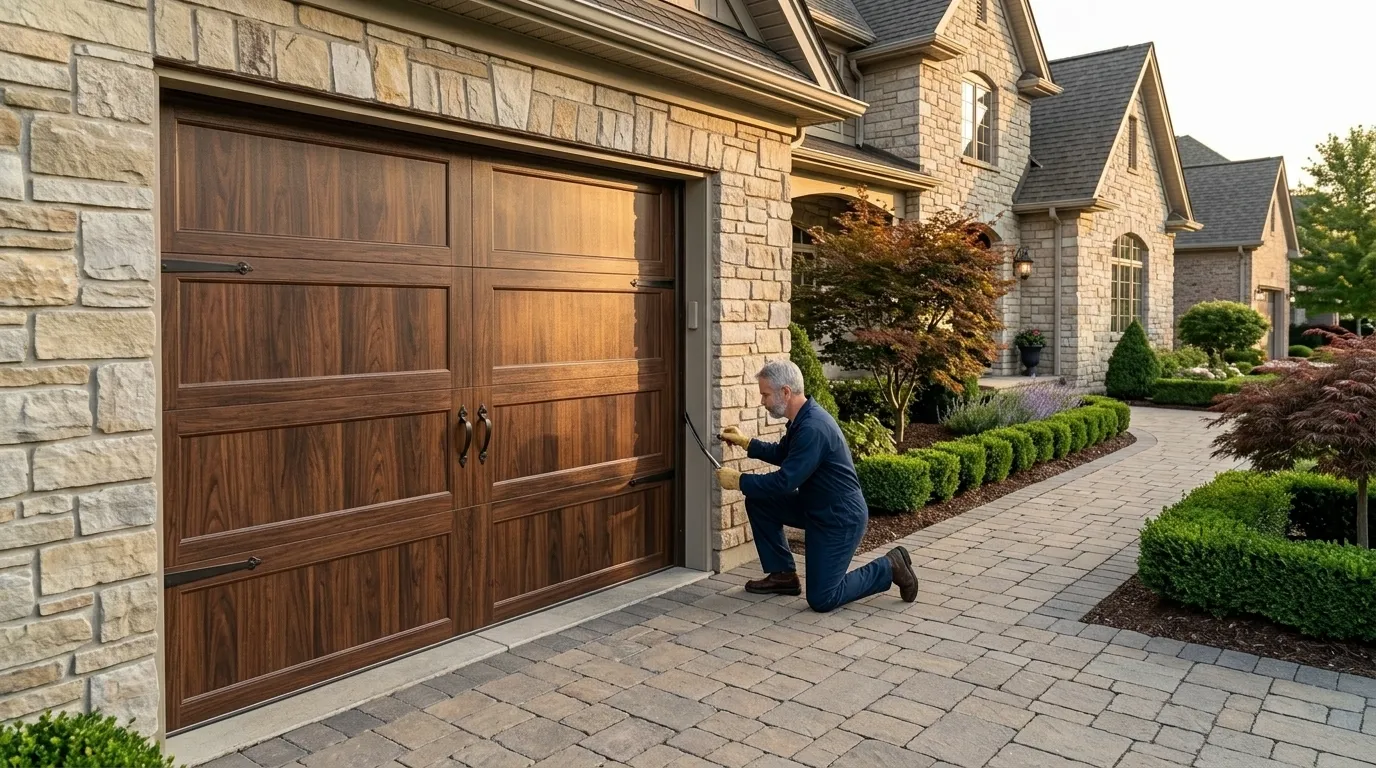
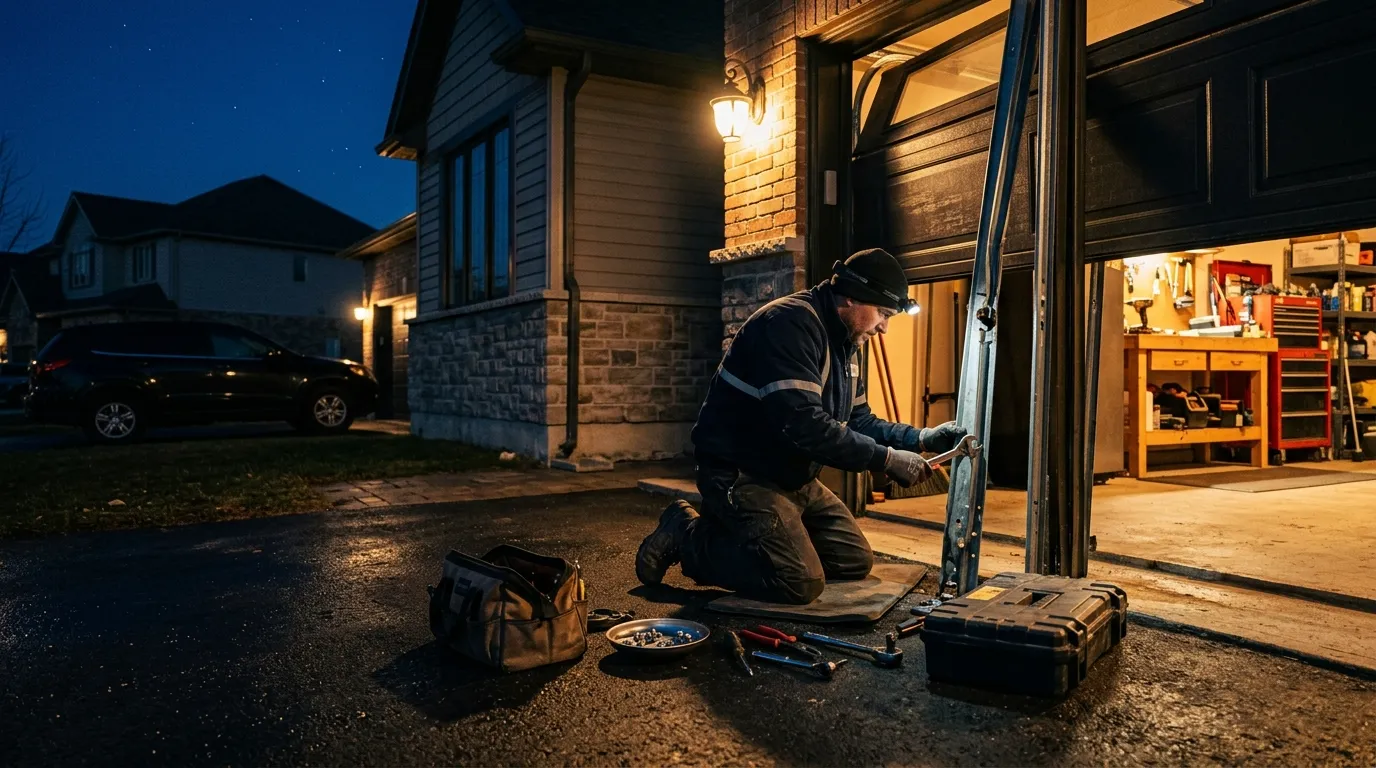
Install day itself is straightforward once the door's on hand: old door and track come out, the opening gets checked for square and shimmed where the framing has moved over the decades, new track goes up, door goes in, and we weatherseal the bottom and sides tight, which matters more here than it would in a milder climate. If reframing turns out to be needed, we'll tell you that before we order anything, not after.
The one limitation worth saying plainly: because we're driving in rather than working out of a local yard, non-standard doors can take longer to arrive than a stock size would. We'll give you a real timeline once we know which one your house needs.
How it works
From “it’s stuck” to “it’s fixed”
01
Tell us what’s wrong
Describe the symptom - won’t open, loud bang, opener runs but the door won’t move.
02
On-site diagnosis
A technician tests the door under power and by hand and finds what actually failed.
03
Clear, up-front plan
You get the fix that’s needed and what drives the cost - before any work starts.
04
Repaired & tested
The repair is done, the door is set true and tested, and the work area left clean.
Serving Mundelein, IL - tell us what your door’s doing and we’ll take it from there.
Why does my garage door not fit anything sold at the home center?
Houses in Winnetka run older than most of the territory we cover, with a median build year around 1938. Openings from that era were often framed to dimensions that predate the standard door widths sold today, so an off-the-shelf door frequently needs a reframed jamb to seat correctly rather than a straight swap.
Do you carry stock in Winnetka?
No. We're based in Mundelein, about 18 miles out, and we schedule Winnetka installs rather than offering same-day drop-ins. Once we've measured your opening we'll give you an honest timeline, especially if your house needs a non-standard door width ordered in.
Is it worth insulating an old single-layer door instead of replacing it?
Usually not. If the door itself predates insulated cores, the panel and hardware are typically near the end of their service life too. In a cold-severe climate, a full replacement with an insulated door tends to outperform retrofitting foam into an old steel shell, both on comfort and on what it costs over time.
Ready to get your garage door sorted?
Tell us what it’s doing and where you are in Mundelein - we’ll take it from there.