What You Are Seeing
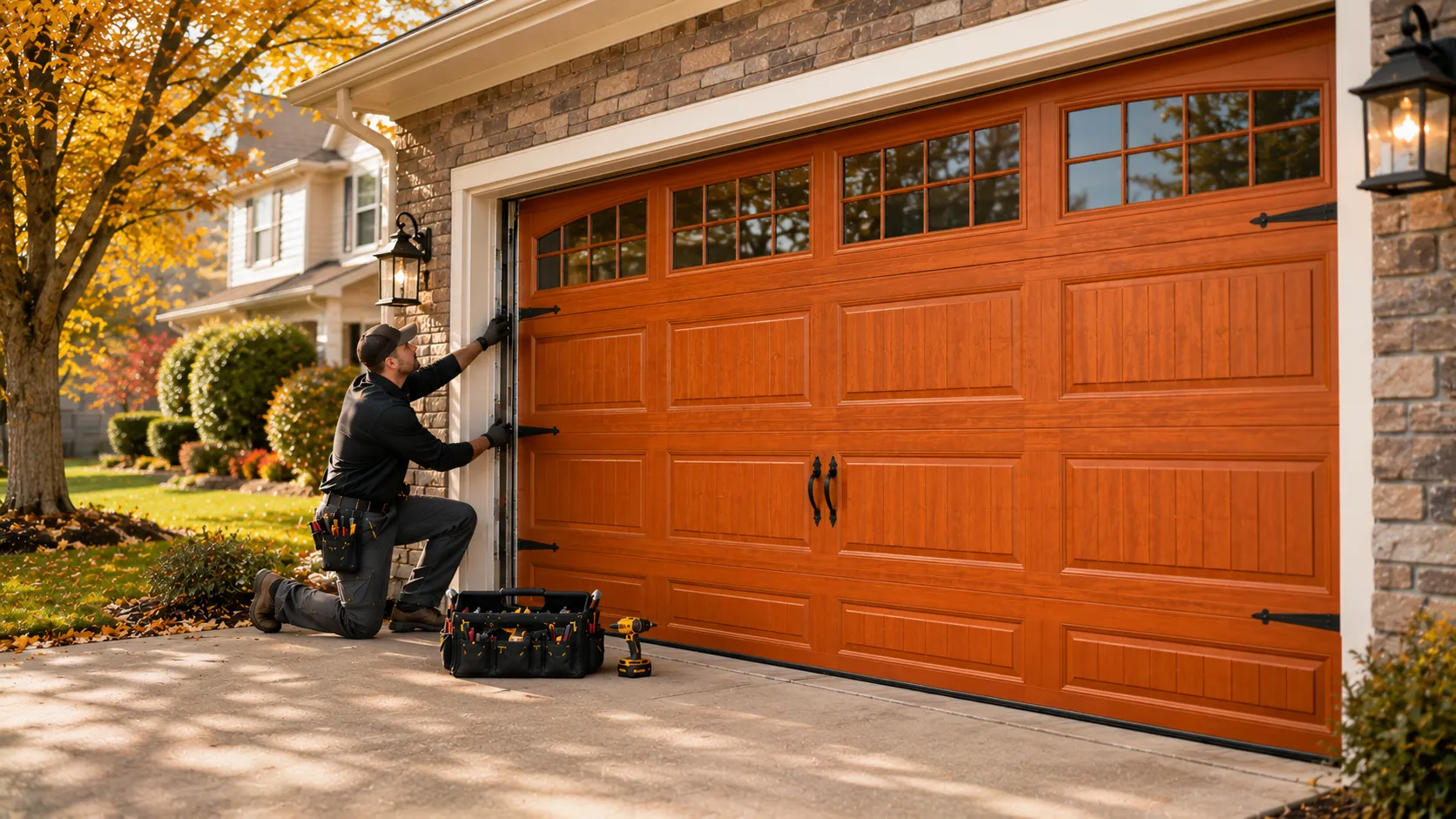
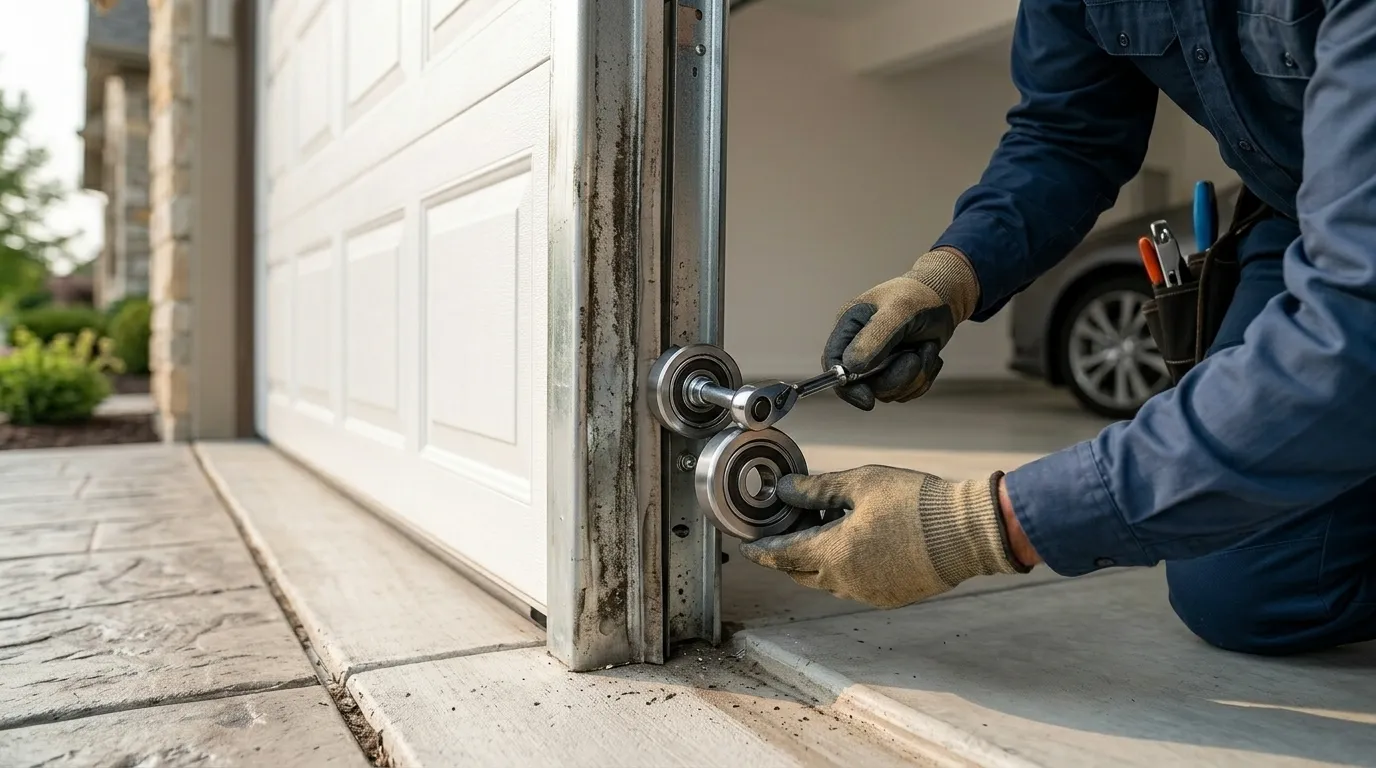
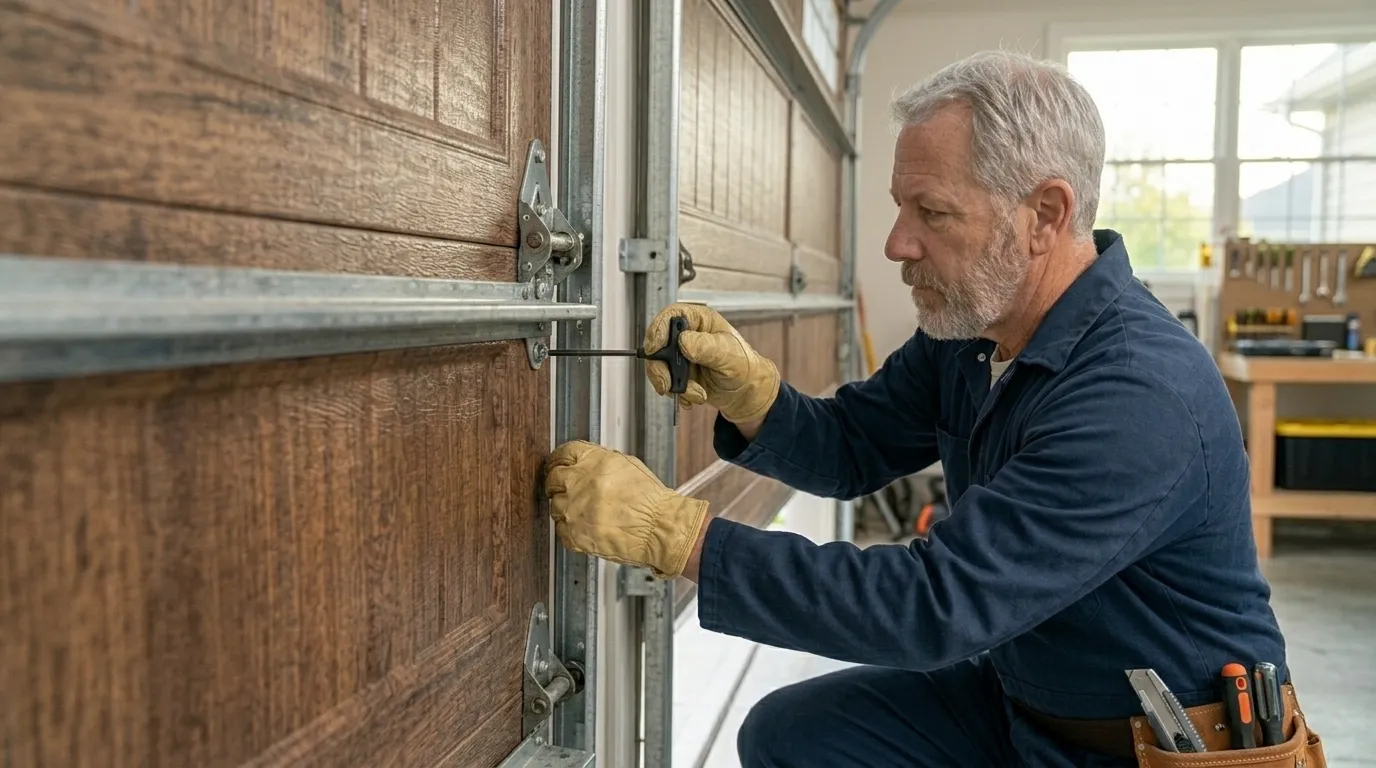
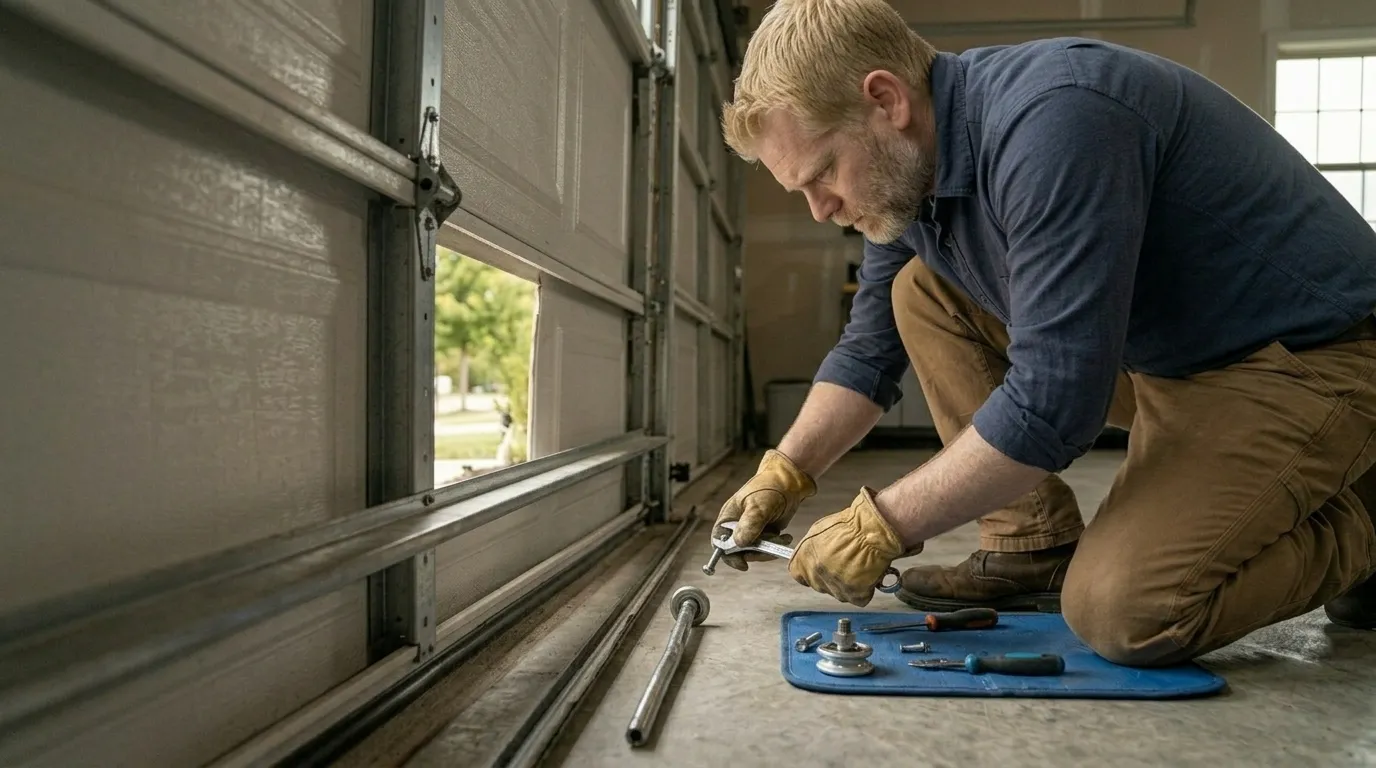
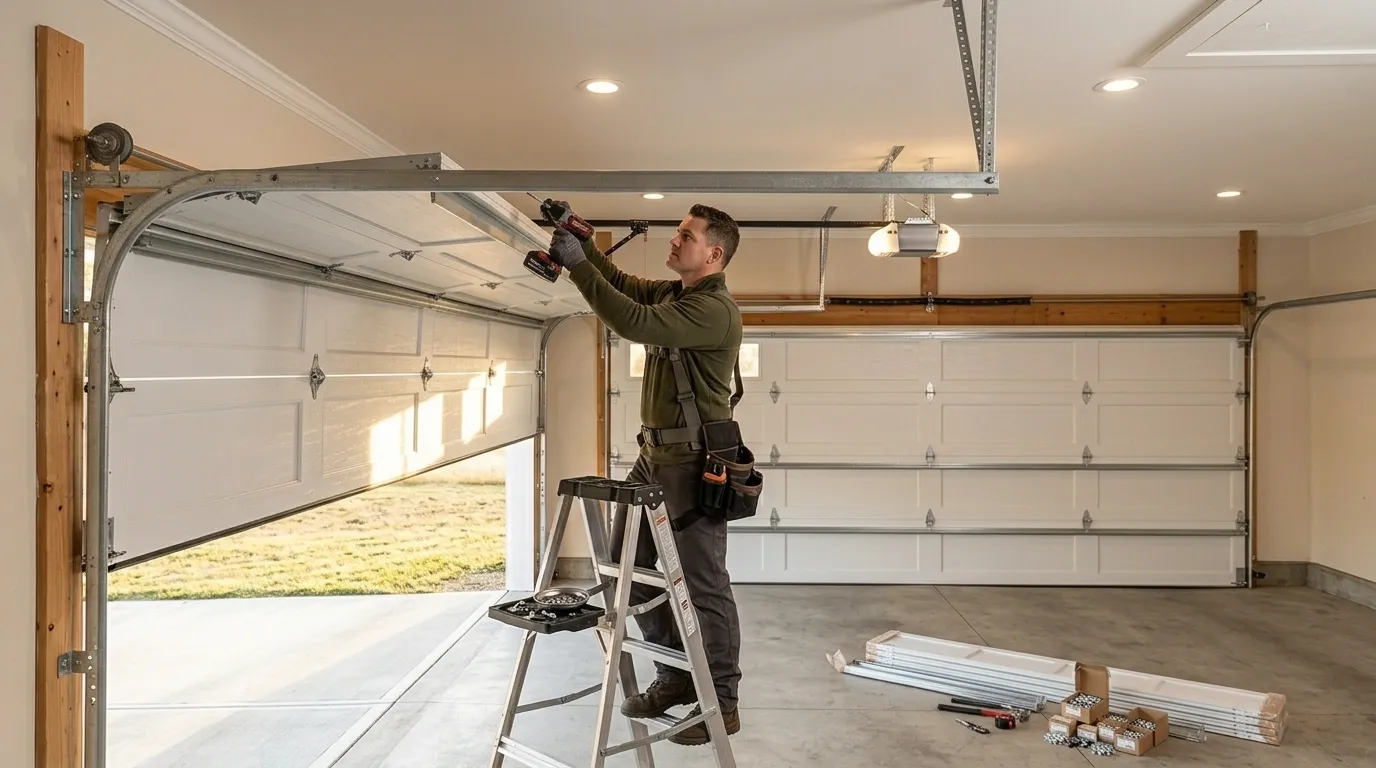
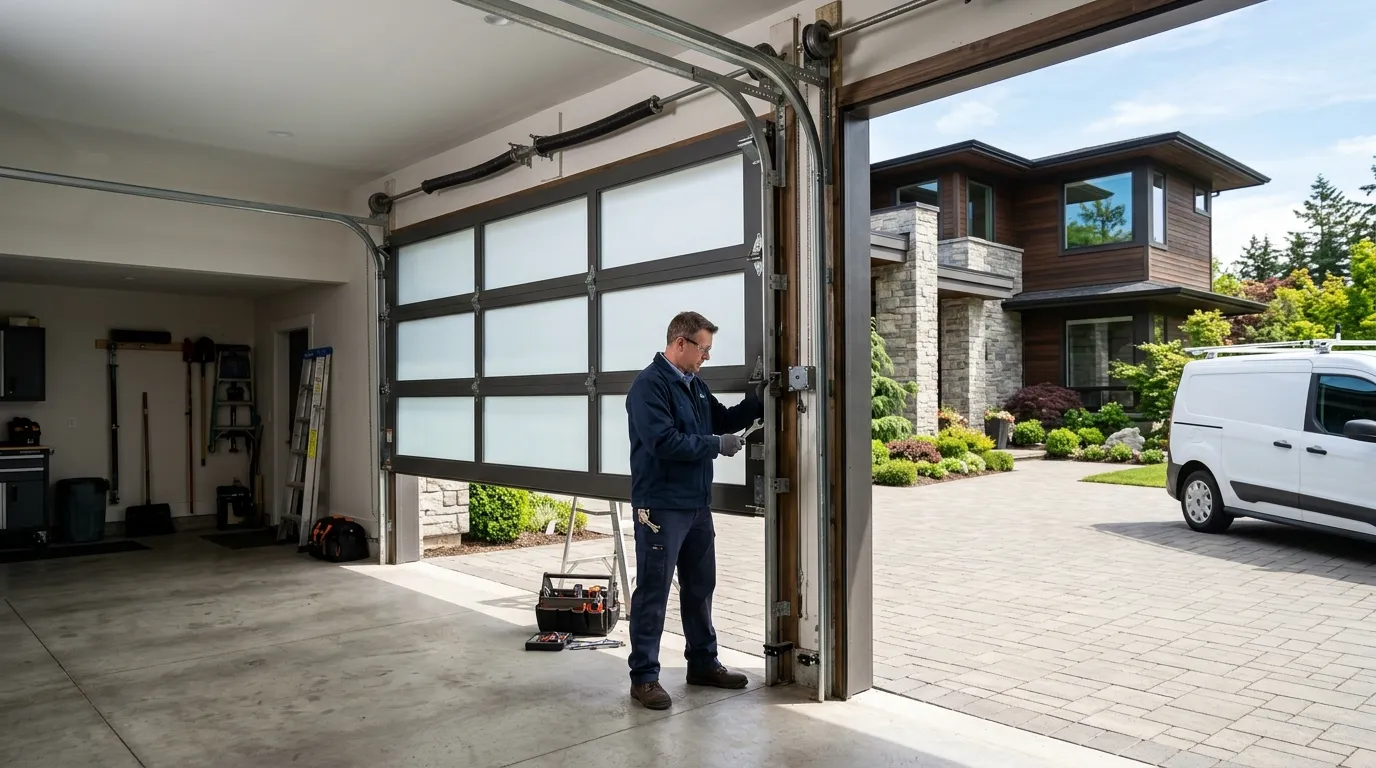
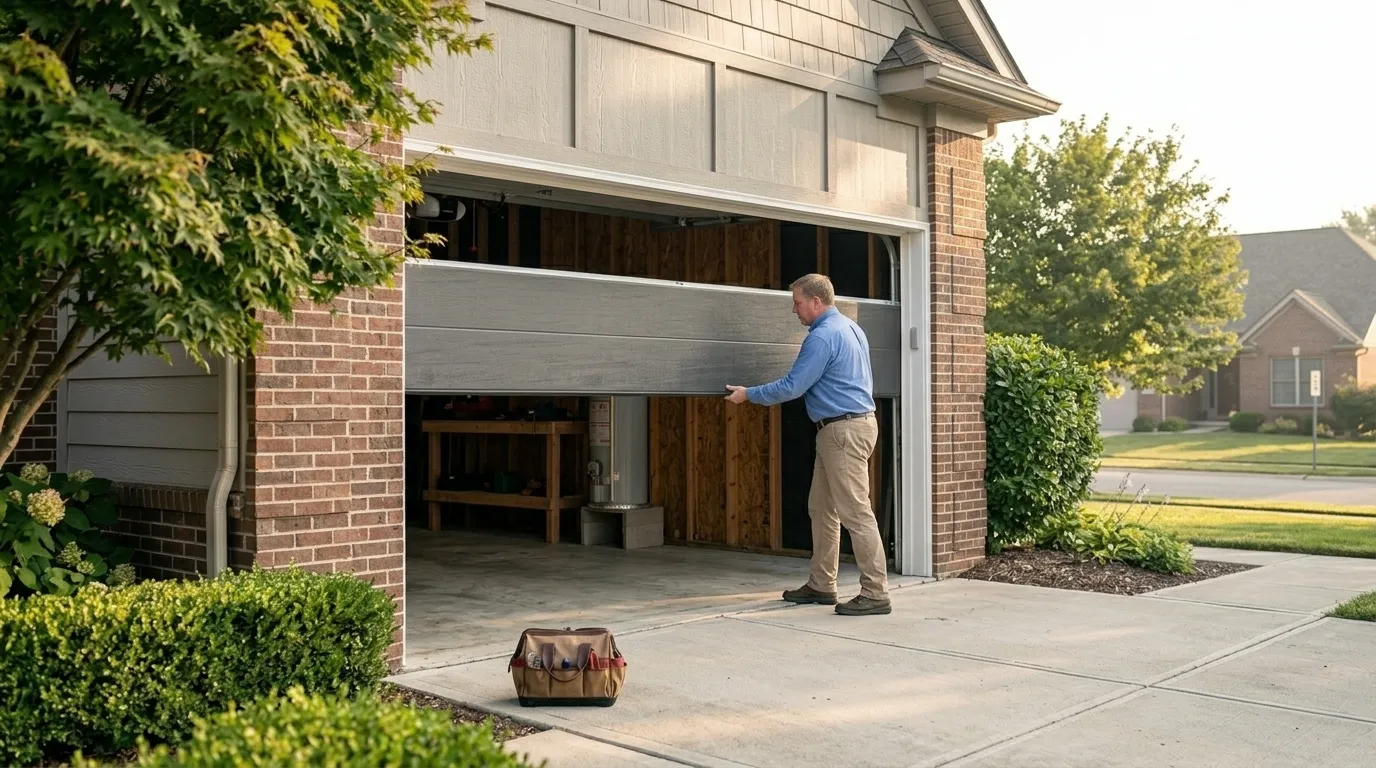
Winnetka's median home dates to 1938 - roughly 46 years earlier than the 1984 median we see across the broader service area. That gap shows up in the garage. Original one-piece wood doors on side-mounted track, older extension-spring setups instead of torsion, and hardware sized for a narrower opening than what's standard on newer construction. Parts for this era aren't sitting on a shelf the way current torsion springs are.
Winnetka is a small town by household count - 4,268 total, against 213,471 across our whole coverage area - so the housing stock here skews old even relative to other close-in suburbs we work. Combine that with our region's cold-severe winter stress, and you get springs that fatigue faster than the manufacturer's rating suggests, plus wood panels that swell and stick in freeze-thaw cycles. If your door groans, drags, or won't seat square against the weatherstrip in January, that's usually the cold finding a weakness the summer never showed you.
What It Costs
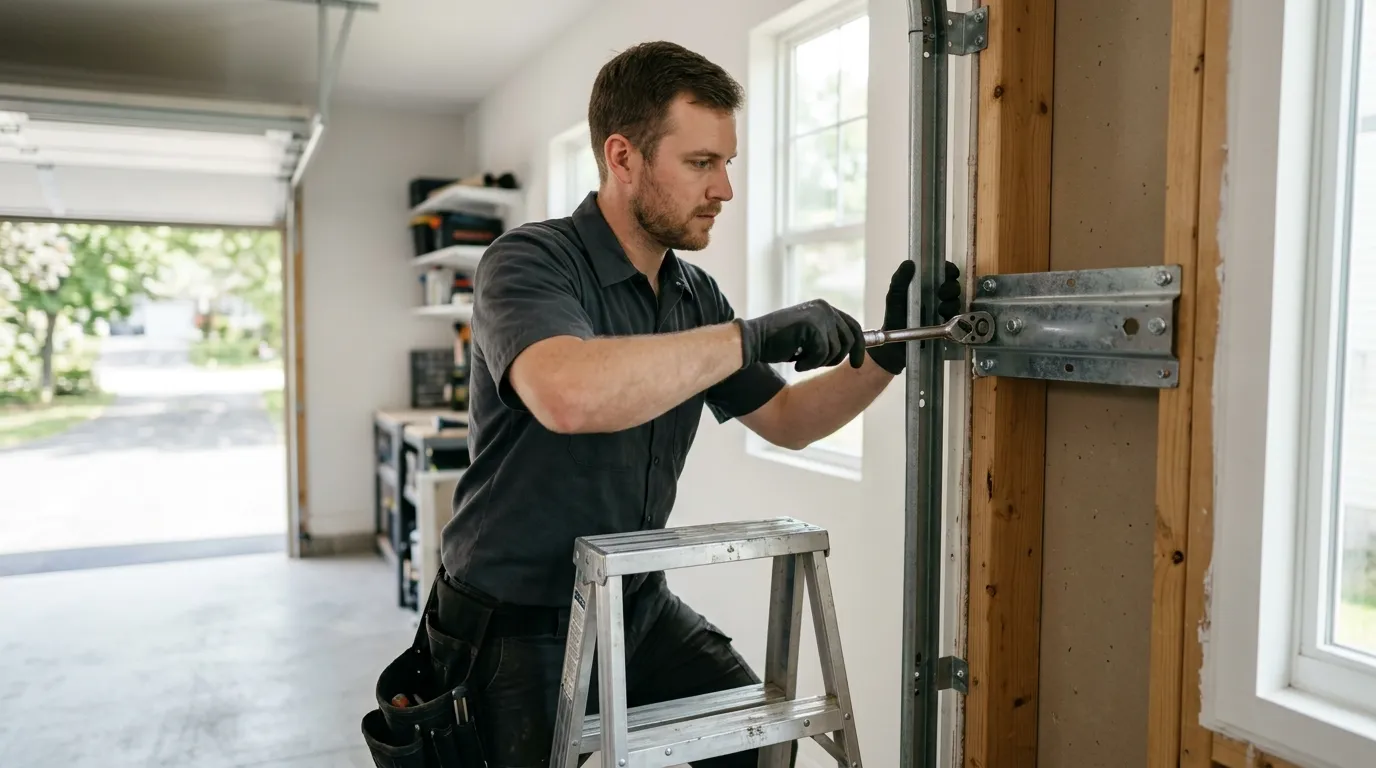
We don't have a published price list for Winnetka jobs specifically, and we're not going to guess at a number that isn't backed by something real. What we can tell you is what drives the cost up or down: whether the door is an original 1938-era unit or a later replacement, whether the spring is a standard torsion size or an older extension type that needs a specific part, and whether the opener is original or already swapped once.
Honest limitation: on the oldest doors, we sometimes can't get an exact-match panel or track bracket, and a repair that would be routine on a 1980s door turns into a full replacement because the discontinued part just isn't out there anymore. We'll tell you that up front, before we quote anything, rather than stringing a repair along with a part that won't hold. Given the income level here, most owners choose to replace rather than wait on a special-order part with an uncertain lead time - but that's your call to make, not ours.