Keeping Winnetka's Original Garage Door Hardware Running
Garage door maintenance for Winnetka homes with a median build year of 1938 - original springs, track, and hardware inspected by Mundelein Garage Door Pros.
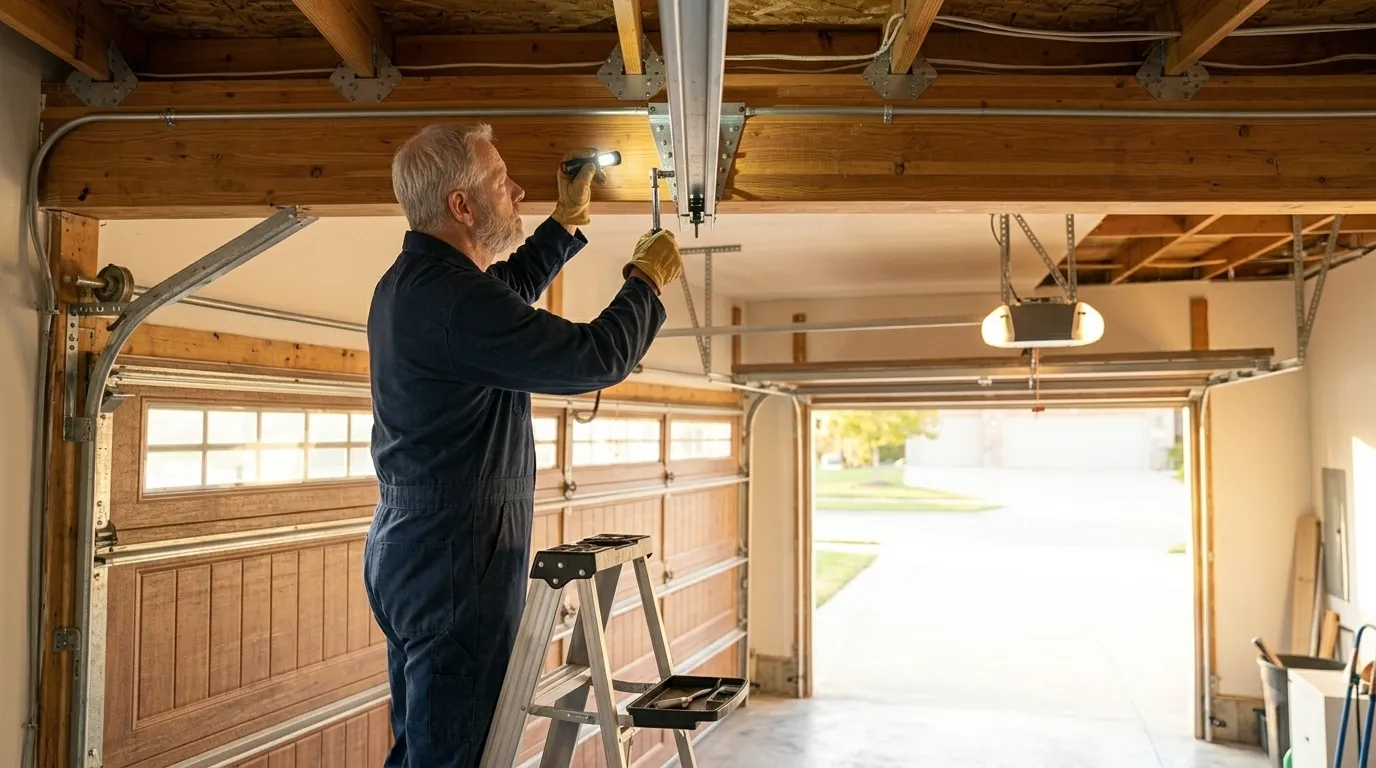
Winnetka's housing stock runs older than most of the towns we cover - the median build year here is 1938, decades ahead of the 1984 median across the rest of the service area. That matters for maintenance, because a lot of what's on these doors has never been swapped out. Hinges, rollers, and even original track brackets can still be doing their job sixty-plus years after installation, just slower and stiffer than they used to.
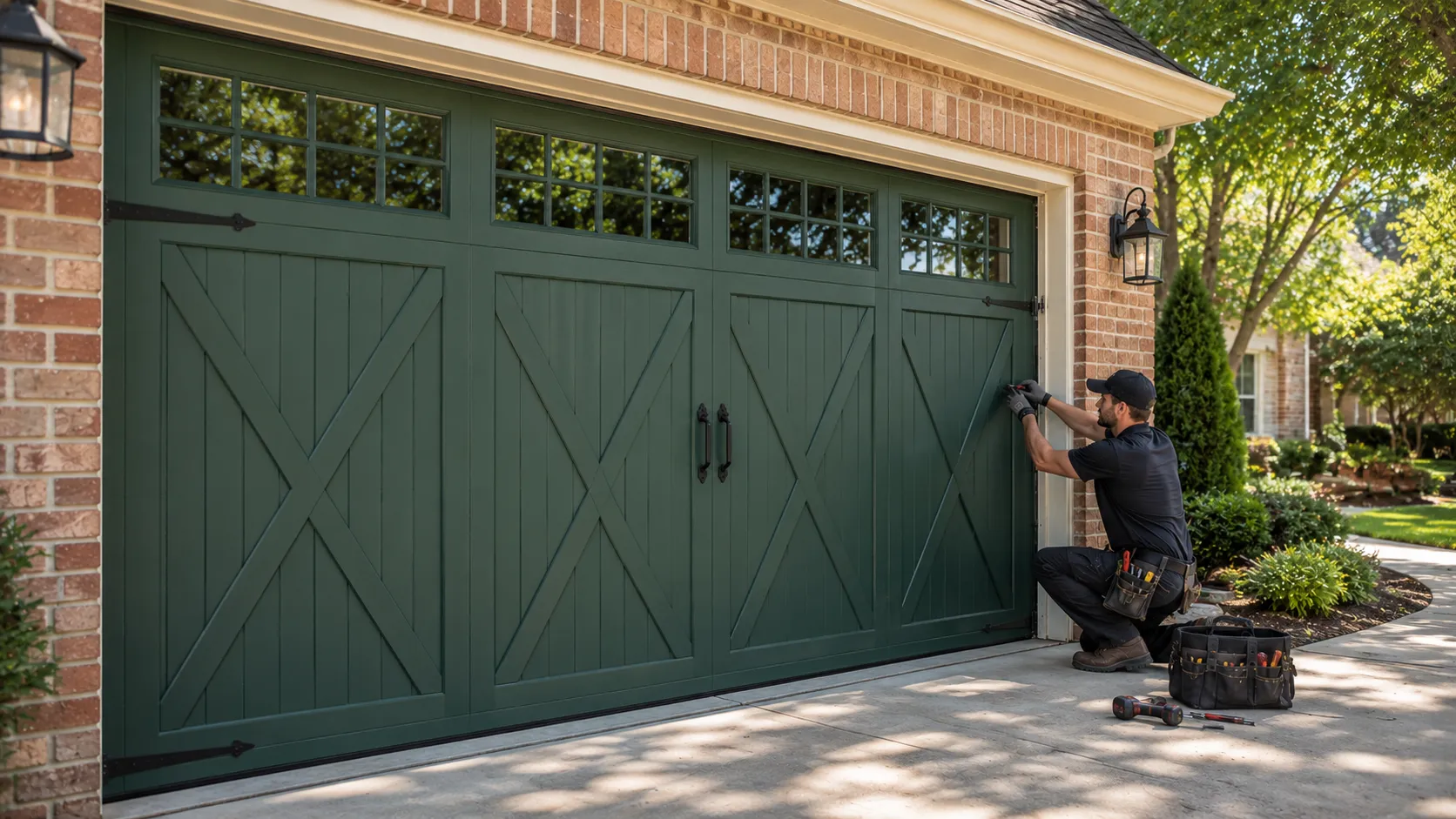
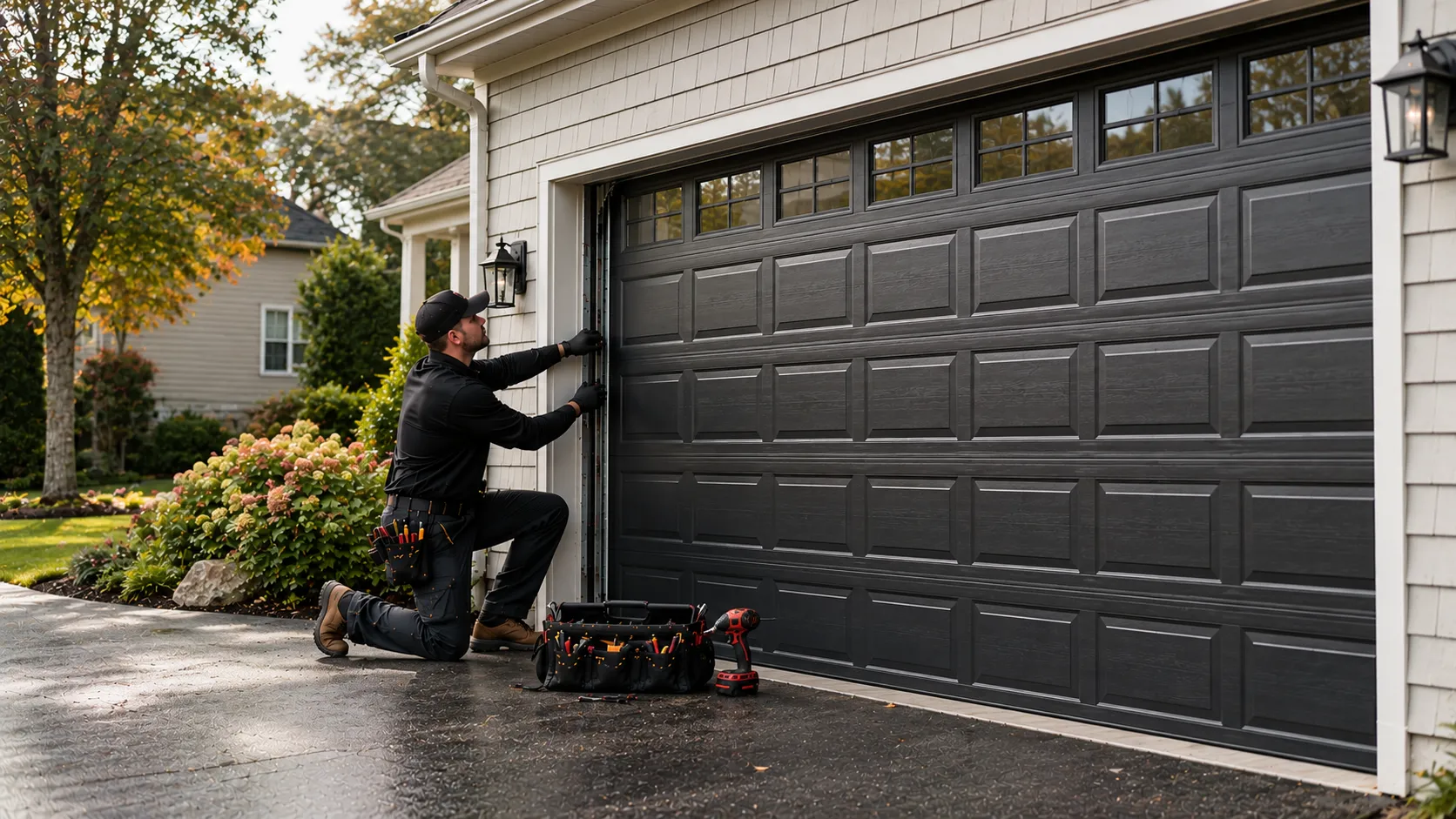
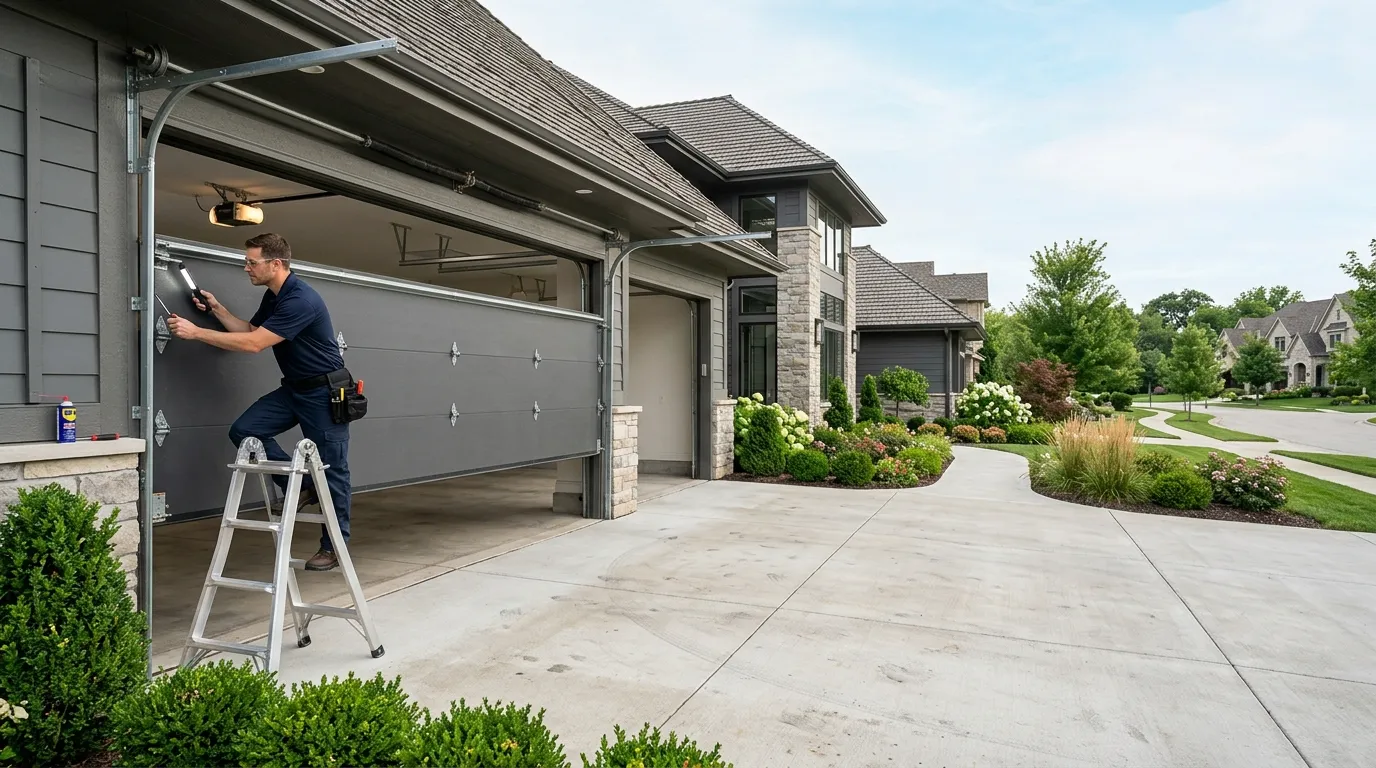
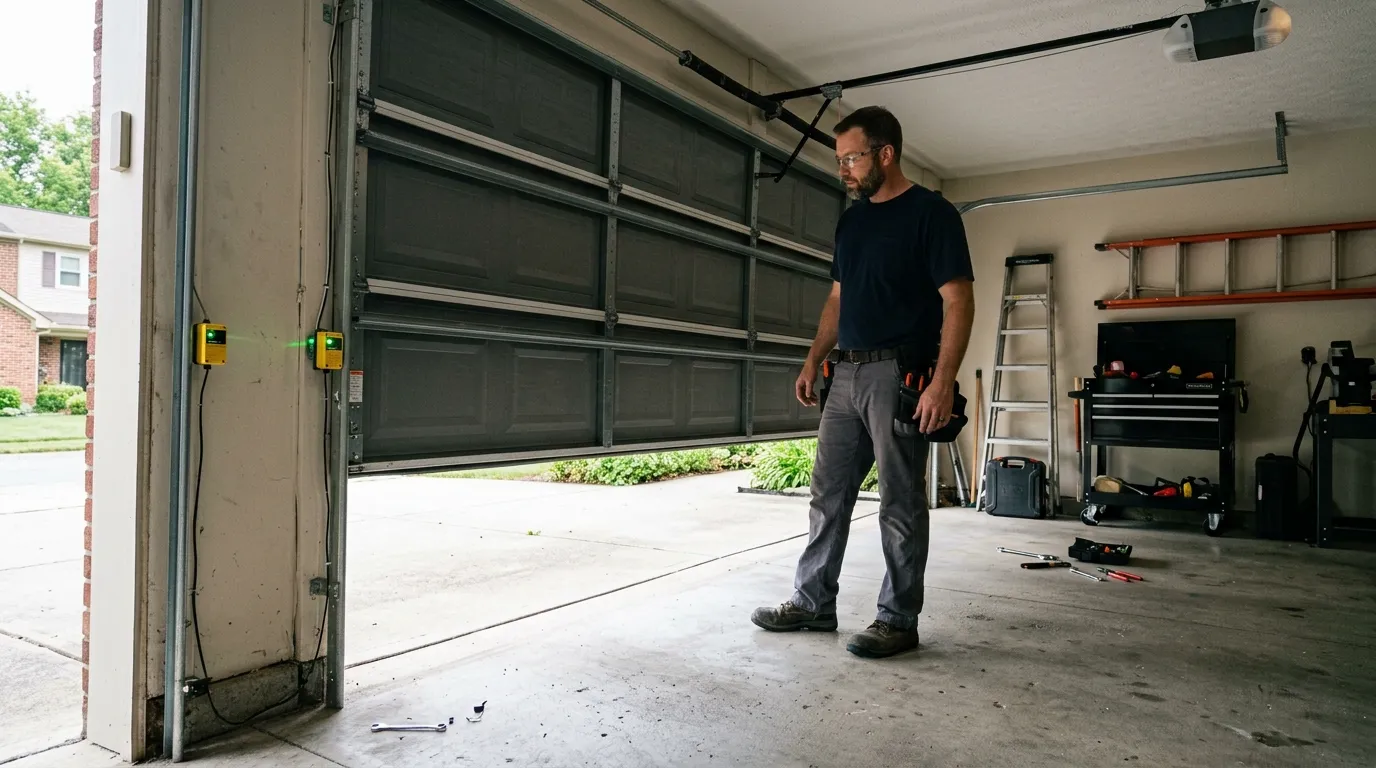
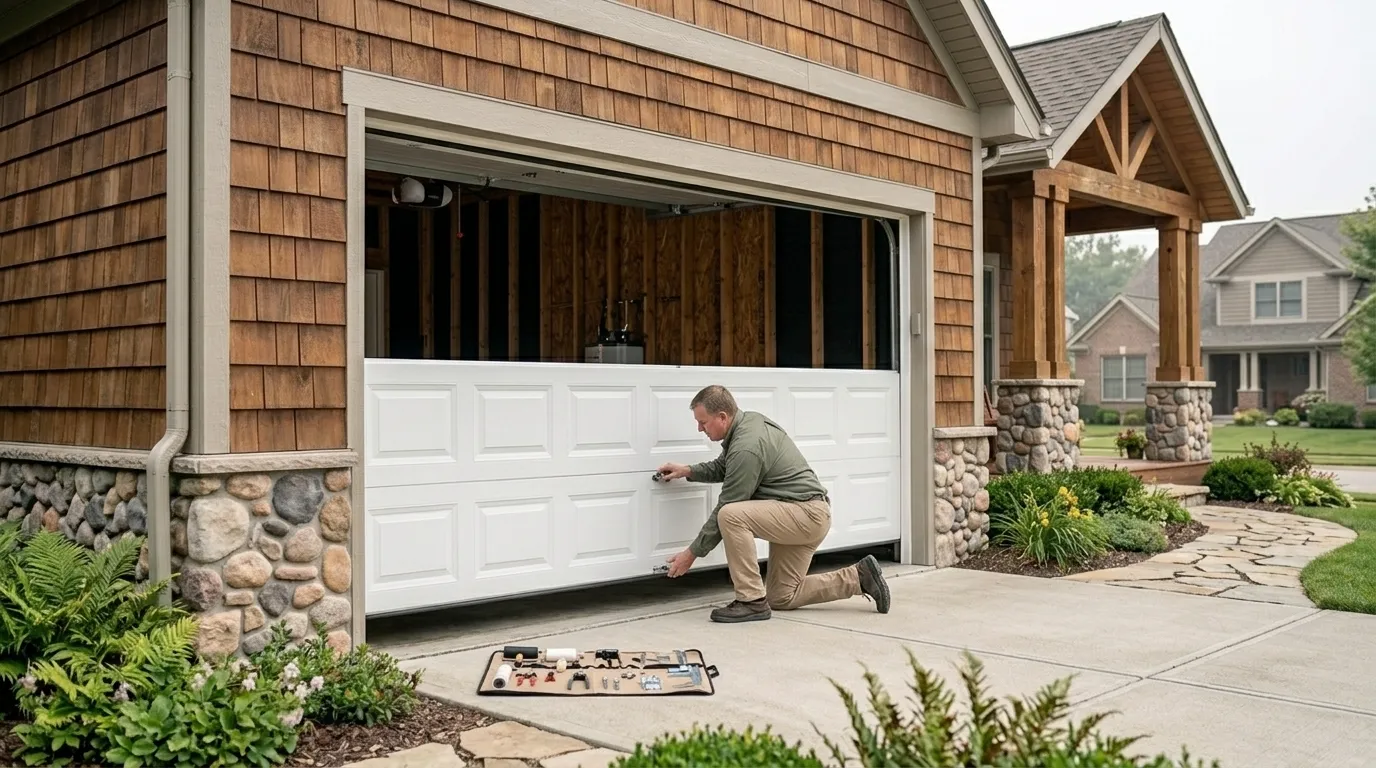
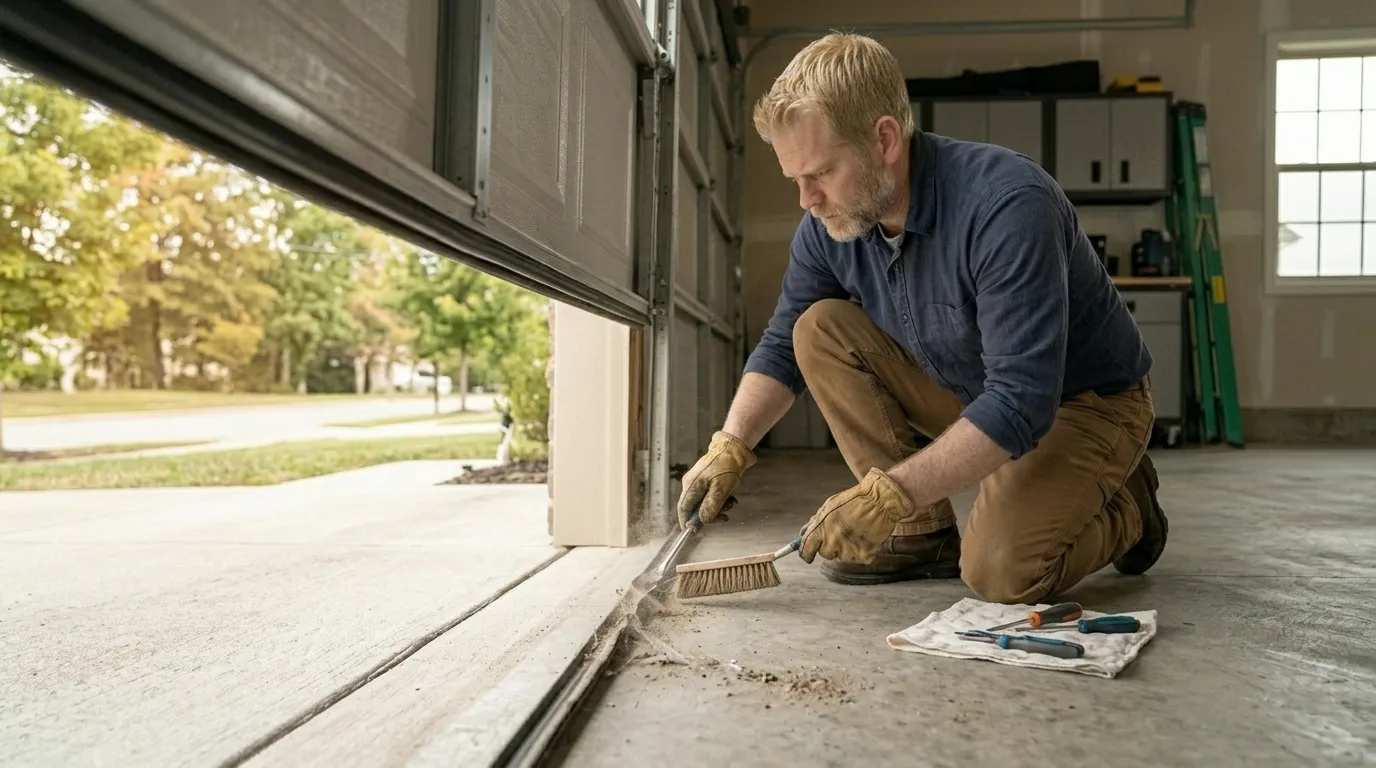
Some of what you can do yourself is the same no matter the house: wipe down and lubricate the rollers and hinges, check that the track is free of dust and debris, and look at the bottom seal for cracking. That's safe on any door of any age.
What you shouldn't touch is the spring. On a door this old, the torsion or extension spring may be an original or a much earlier replacement than what's typical elsewhere, and the tension on a worn spring is not something to guess at. If a spring looks stretched, rusted at the coils, or the door feels heavier than it used to when you lift it manually, that's a call for a tech, not a Saturday project.
What You Are Seeing
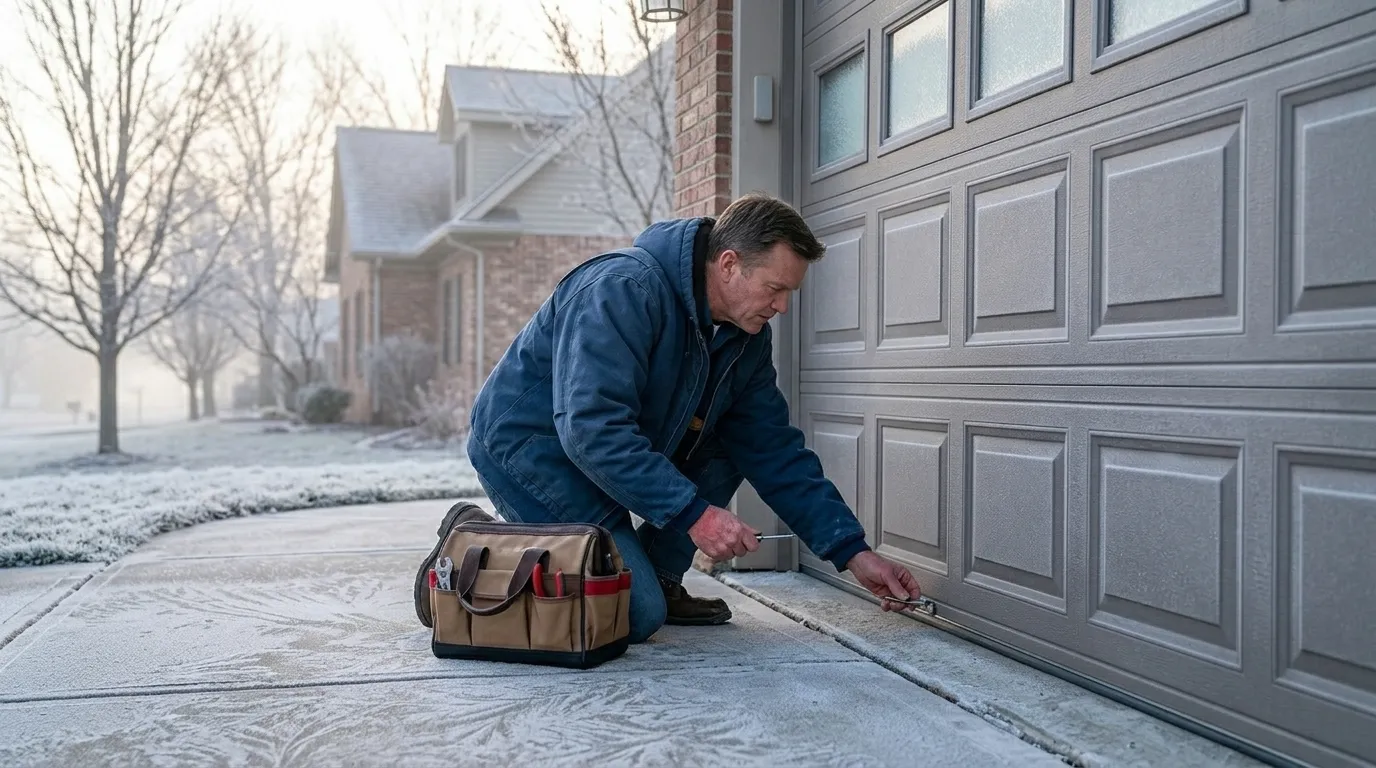
With 4,268 households in Winnetka and a housing stock centered on 1938, the failure patterns we see here skew toward age and cold, not toward the newer opener and sensor issues that show up in areas built in the 80s and 90s. The service area sits in a severe cold climate band, and on original hardware that's decades old, winter is when it shows: stiff springs that snap on the first hard cold snap, hinges that have lost their galvanizing and started to pit, and cables that fray where they've flexed in the same spot for years.
You'll also notice more oxidation on original track and fasteners in homes from this era than you would on a door installed in the last twenty years - not damage exactly, but a sign that lubrication has been skipped for a long stretch. A door that's noisier than it used to be, or that sticks partway through its travel, is usually original hardware finally asking for attention rather than a sign the opener itself is failing.
What It Costs
We don't have a set price list to quote here, and won't invent one. What we can tell you is that a maintenance visit on an original 1938-era door usually takes longer than the same visit on a door installed in the last twenty years, simply because there's more to inspect - older track profiles, older spring types, and hardware that isn't a drop-in match for what's sold today.
Winnetka is about 18 miles from our shop in Mundelein, farther out than most of the towns we service regularly. That distance doesn't change what we charge for the work itself, but it's part of why we ask homeowners here to book ahead rather than expect a same-day slot. Household income in this area runs well above the service-area median - $250,001 here against $121,583 across the wider area - but that doesn't change our pricing structure either. We charge for the work, not the zip code.
What the Repair Takes
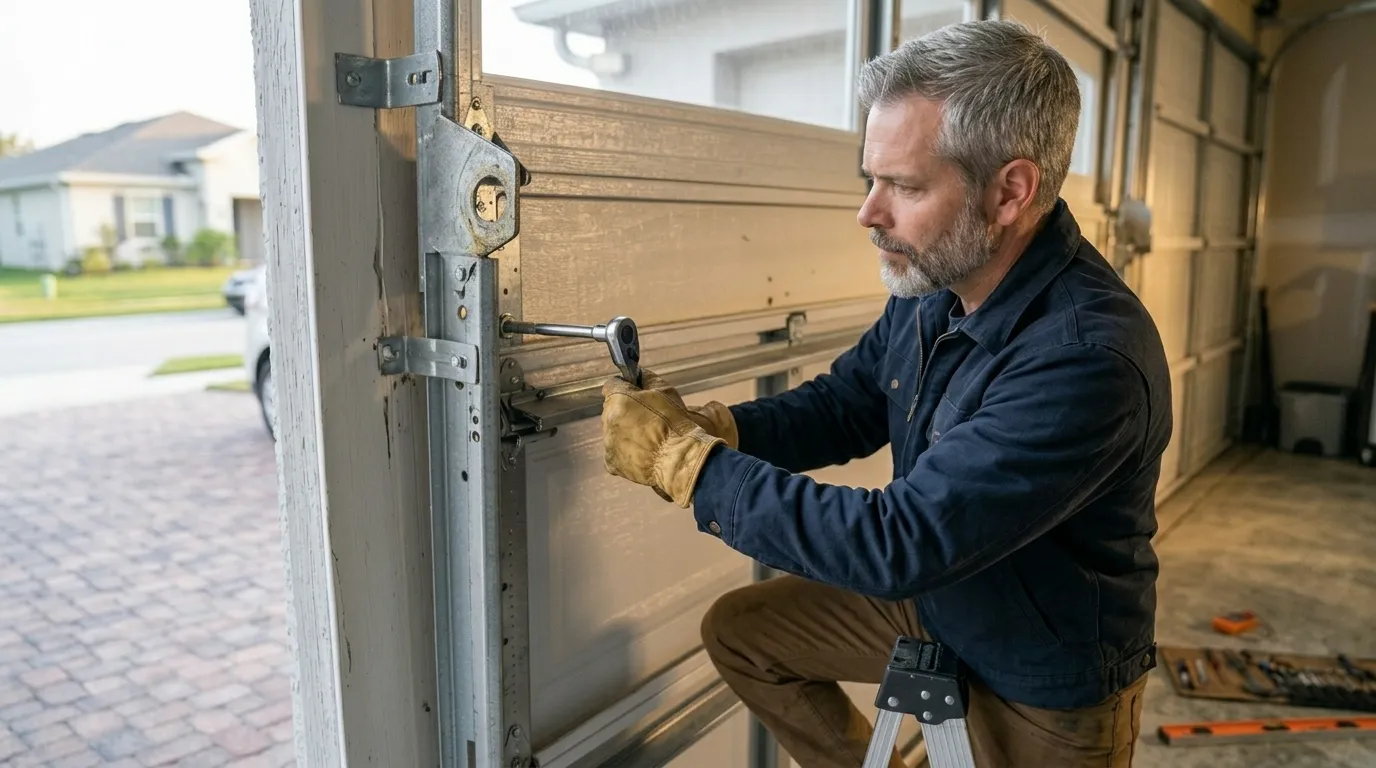
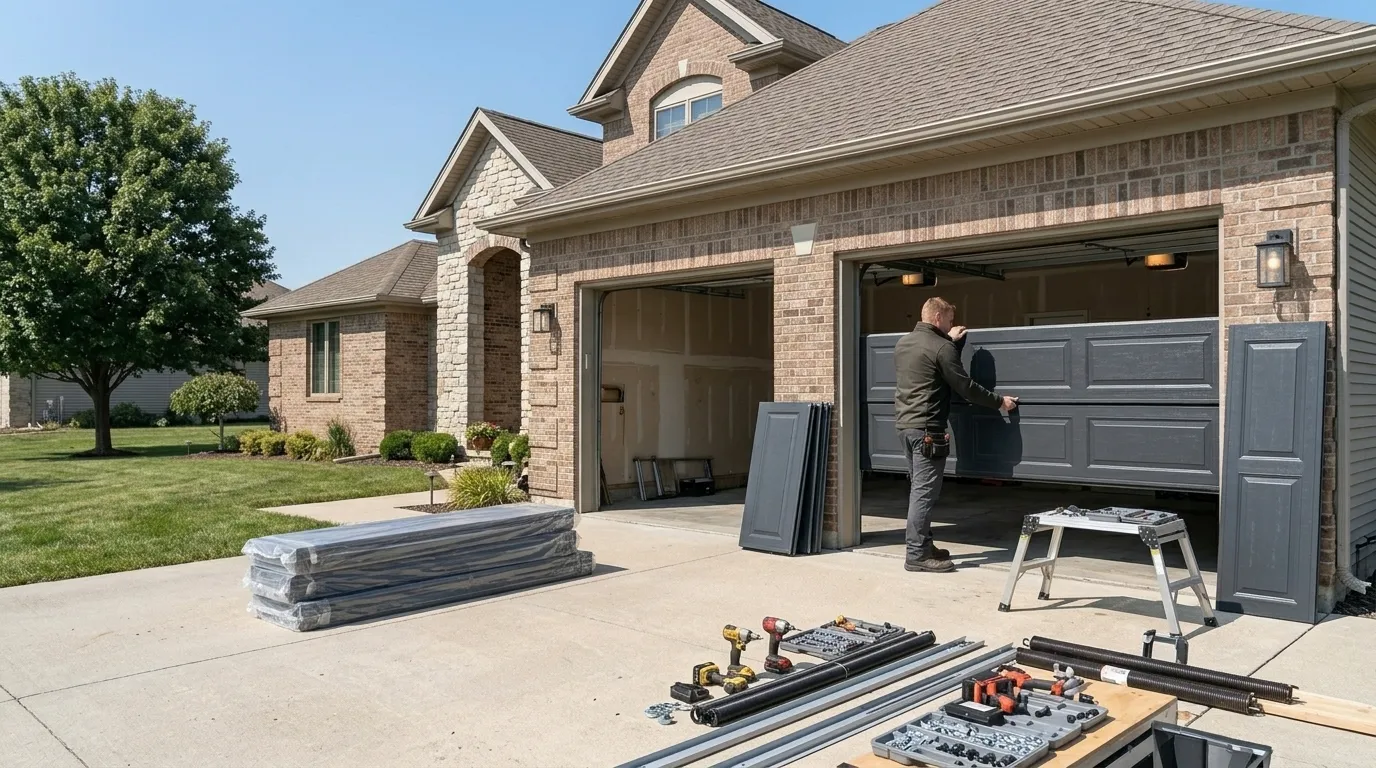
On a door with original 1938-era hardware, the repair itself is often straightforward - springs, cables, and rollers are wear parts no matter how old the house is. The part that takes longer is sourcing. Original track width, older spring wind styles, and vintage hinge patterns aren't always something we can pull off the truck; sometimes it means special-ordering a match, or in a few cases explaining that an exact match isn't made anymore and a modern equivalent is the honest answer.
That's the one limitation worth saying plainly: we can't always repair an original 1938 door back to factory spec, because the factory in question stopped making that spec generations ago. Where the part is close enough, we fit it. Where it isn't, replacement of that one component beats forcing a mismatched part into a track that's out of tolerance. For a straightforward spring or roller swap, most visits are done in one trip; if we're waiting on an ordered part, we'll say so up front rather than guess.
How it works
From “it’s stuck” to “it’s fixed”
01
Tell us what’s wrong
Describe the symptom - won’t open, loud bang, opener runs but the door won’t move.
02
On-site diagnosis
A technician tests the door under power and by hand and finds what actually failed.
03
Clear, up-front plan
You get the fix that’s needed and what drives the cost - before any work starts.
04
Repaired & tested
The repair is done, the door is set true and tested, and the work area left clean.
Serving Mundelein, IL - tell us what your door’s doing and we’ll take it from there.
Is it worth maintaining a garage door this old instead of replacing it?
Often, yes. A lot of 1938-era hardware in Winnetka is mechanically sound even if it looks rough - springs, rollers, and cables are all replaceable wear parts. Replacement usually makes more sense when the track itself is bent or the door panel is cracked, not just because the hardware is old.
Why does cold weather matter so much for maintenance here?
The service area sits in a severe cold climate band, and cold makes steel brittle and grease stiff. On hardware that's already decades old, a hard freeze is often what finally breaks a spring that's been weakening for years. Regular lubrication before winter reduces that risk.
Do you keep parts for older doors in stock?
Not everything. Common wear parts like springs, cables, and rollers, yes. Original track profiles or hinge patterns specific to a 1938-era build sometimes have to be special-ordered, and we'll tell you that up front rather than promise a same-visit fix we can't deliver.
Does being 18 miles from your shop mean slower service in Winnetka?
It means we ask you to book rather than expect a walk-up slot the same day. It doesn't change how we price or perform the work - we service Winnetka regularly, just from a shop based in Mundelein rather than a branch in town.
Ready to get your garage door sorted?
Tell us what it’s doing and where you are in Mundelein - we’ll take it from there.