24/7 Emergency Service Open 7 days · 7am–8pm Serving Mundelein, IL & nearby
(224) 353-7704
Mundelein, IL

Garage Doors in Mundelein: Built for a Different Era, Not This Cold

Most Mundelein garage doors date to the 1980s, built before insulation rules - here's what that means for cost, repair, and cold-season upkeep for owners here.

Garage Doors in Mundelein: Built for a Different Era, Not This Cold

How Local Conditions Play In

Housing in this service area runs from 1938 up through 2009, but the bulk of it - across all 67 named areas we cover - clusters in the 1980s and 90s, with a median build year of 1984. That matters more than most homeowners think. A door installed in 1984 was built to a code and a market that didn't ask for much insulation. Steel was thin, the core was often nothing but air, and the weatherstripping was an afterthought.

We also sit in a severe cold climate band, which means the gap between what these doors were built to handle and what they actually face every winter is real and it's wide. A door from a house near the 1984 median wasn't engineered for the freeze-thaw cycling this area gets. Panels flex, seams open, and hardware that was fine for a mild fall turns brittle by January.

The honest version: we can't retrofit insulation rules that didn't exist when your door was hung. What we can do is tell you, door by door, whether the fix is weatherstripping and a bottom seal or whether the panel itself has had enough.

What It Costs

We're not going to hand you a number that isn't grounded in a real job, because it isn't in what we know for certain. What we can tell you is what drives the cost conversation here specifically. With 127,756 owner-occupied houses and 213,471 households across this service area, and a median household income of $121,583, most of the calls we get aren't about luxury upgrades - they're about keeping a working door working through another winter.

Age is the biggest lever. A door built near the 1984 median, with original hardware, tends to need spring and roller work before it needs full replacement. Newer builds closer to 2009 usually have better sealing already, so the fix is smaller. Cold makes everything more expensive to ignore: a spring that's marginal in October can snap outright at ten below, and that's an emergency call instead of a scheduled one.

One limitation worth saying plainly: if your door is a single-layer steel panel from the older end of that 1938-2009 range and the track is bent along with a cracked panel, replacement usually costs less over time than patching a door that keeps failing. We'll tell you when that's the case instead of running up a repair bill on a door that's done.

What Is Going On

Here's the mechanical reality behind the calls we see. A big share of homes in this area were built before insulation rules pushed manufacturers toward foam-core doors, so what's hanging in a lot of garages is a single skin of steel over an air gap. In a severe cold climate, that skin contracts. Screws back out of jambs, weatherstripping goes stiff and cracks instead of flexing, and gaps open at the bottom corners right where wind gets in.

Torsion springs feel the cold too. Steel loses some flexibility as temperatures drop, and a spring that's already near the end of its cycle count is more likely to fail on a ten-degree morning than a mild one. That's not superstition - it's just metal fatigue meeting thermal stress at the same time.

On houses closer to the 1938 end of the build range, we also see original tracks that were never designed for today's heavier insulated replacement doors, so an upgrade sometimes means new track and hardware, not just a new panel. On the newer end, closer to 2009, the doors are usually better insulated already and the failures we see are wear items - rollers, cables, openers - rather than the door itself.

Season by Season

Cold here isn't a two-week event - it's the defining condition for a big share of the year, and it hits older doors hardest. Late fall is when we see the first wave: weatherstripping that survived summer heat starts cracking as temperatures drop, and homeowners notice daylight at the bottom seal for the first time.

Midwinter is spring season, literally. Torsion springs on doors dating to the 1980s and 90s building boom are the ones most likely to snap during a hard cold snap, because the metal has already done four decades of cycling before this winter's stress gets added on top. That's also when openers strain hardest, since cold grease and a heavier, sluggish door make the motor work harder than it should.

Spring thaw brings its own trouble: condensation on uninsulated steel panels, which is a symptom of the same 1938-2009 housing stock issue, not a new problem. Summer is the quiet season, mechanically, but it's also the best time to deal with a door that struggled all winter, before the next cold season finds the same weak point again.

How it works

From “it’s stuck” to “it’s fixed”

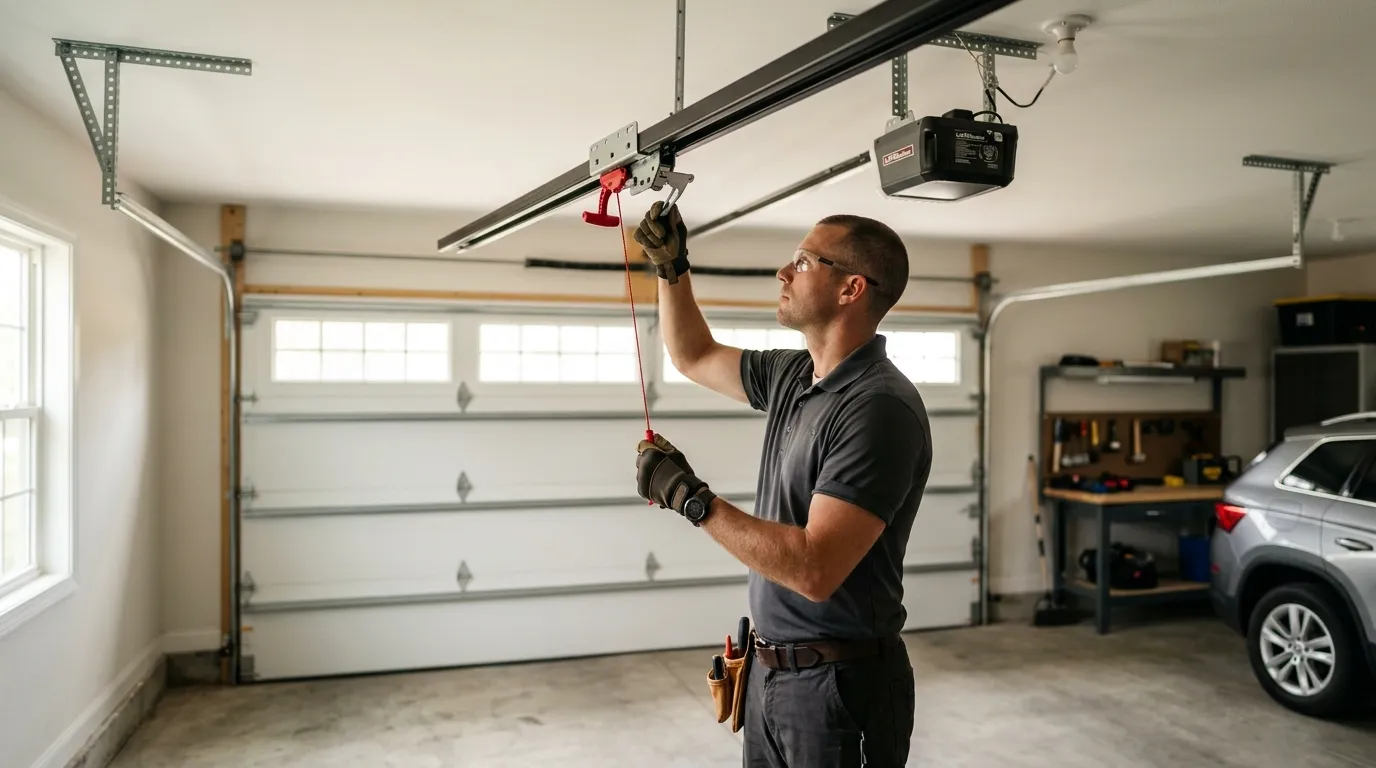
Tell us what’s wrong - Mundelein garage door service

Tell us what’s wrong

Describe the symptom - won’t open, loud bang, opener runs but the door won’t move.

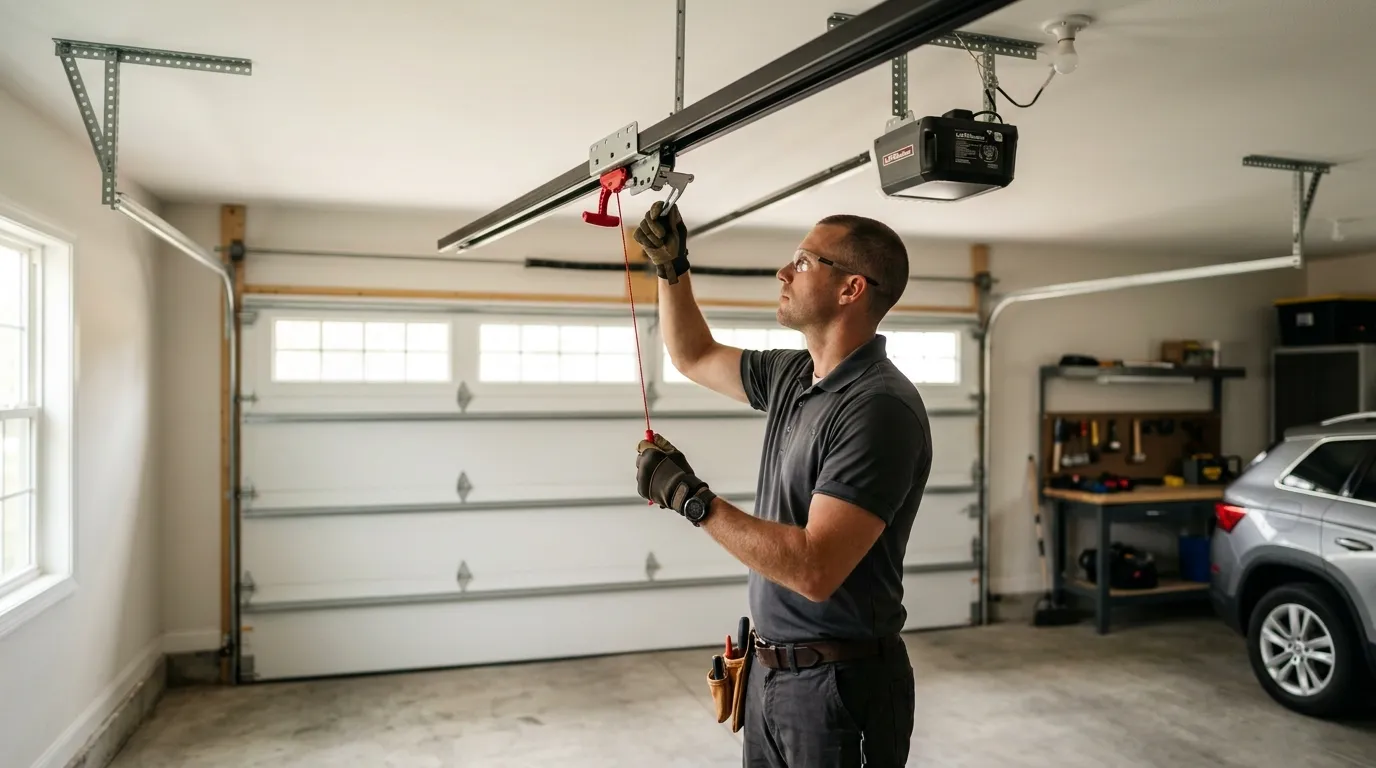
On-site diagnosis - Mundelein garage door service

On-site diagnosis

A technician tests the door under power and by hand and finds what actually failed.

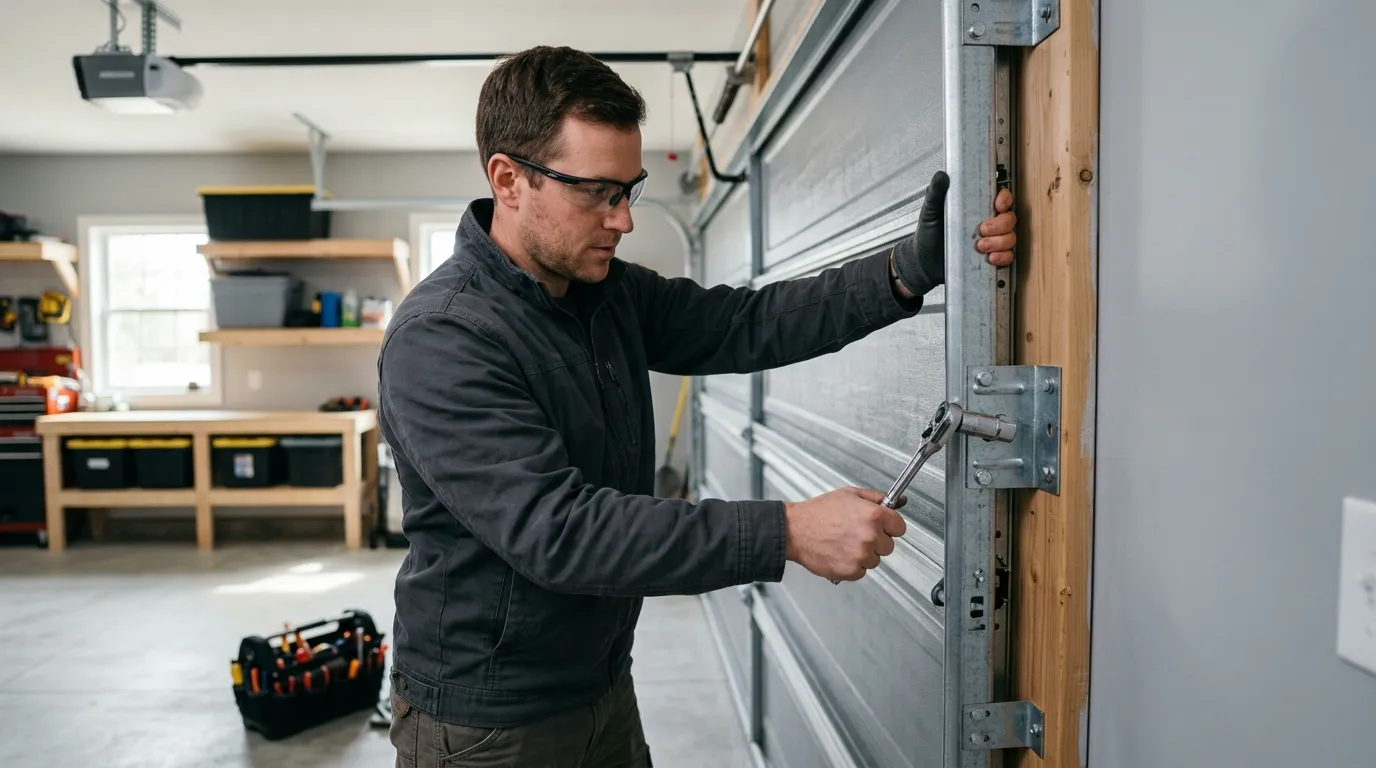
Clear, up-front plan - Mundelein garage door service

Clear, up-front plan

You get the fix that’s needed and what drives the cost - before any work starts.

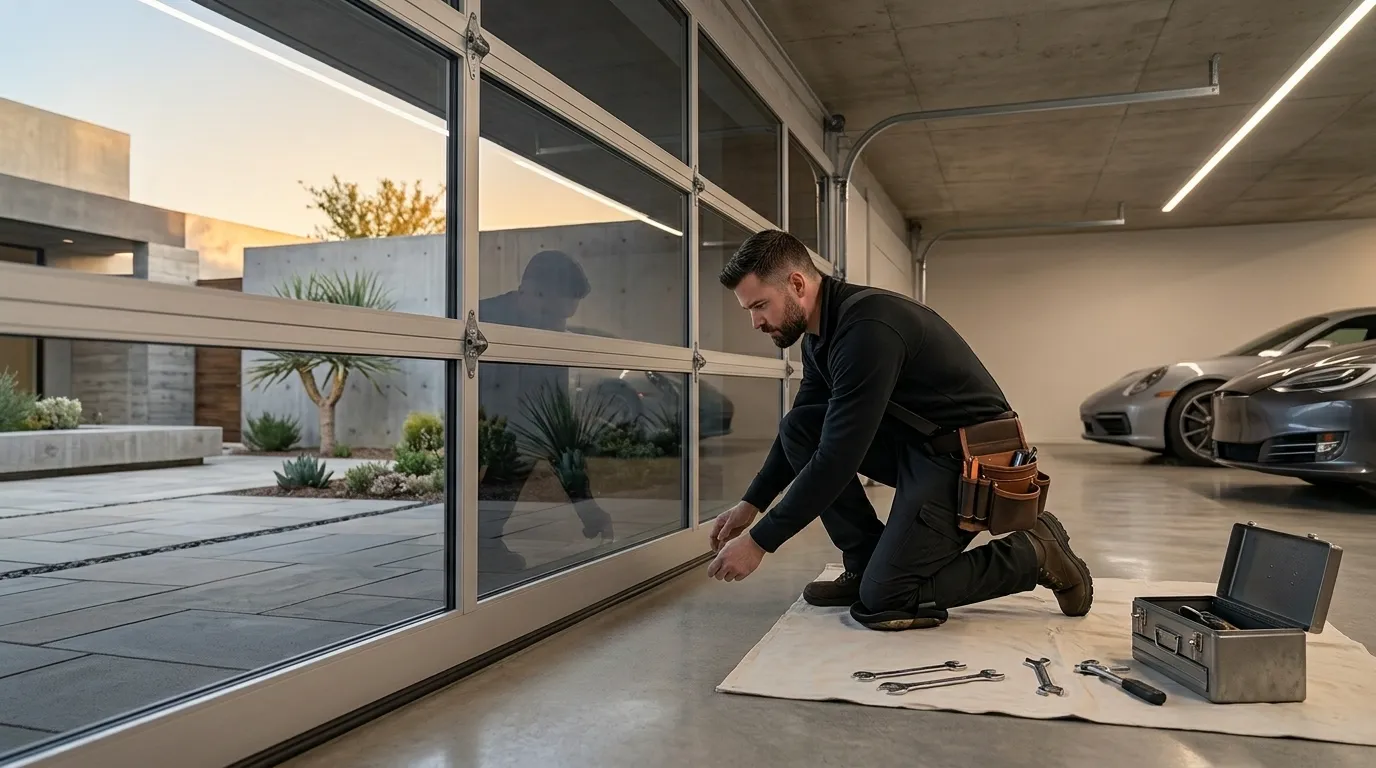
Repaired & tested - Mundelein garage door service

Repaired & tested

The repair is done, the door is set true and tested, and the work area left clean.

Serving Mundelein, IL - tell us what your door’s doing and we’ll take it from there.

How we work

What to expect

  • Diagnosis firstEvery visit starts by finding what actually failed - not a pre-written parts list.
  • The right part for the doorSprings and openers matched to the door’s weight and age, so the fix holds up.
  • Straight answersWhen a repair makes more sense than a replacement - or the reverse - you hear it plainly.
  • Clean, careful workTension released safely, hardware set true, the door tested under power before we leave.
Questions

Frequently asked

Straight answers about garage door repair in Mundelein. Still unsure? Ask us directly.

Why does my garage door only act up in winter?

Most houses in this area were built between the 1980s and 90s, before insulation rules pushed manufacturers toward better-sealed doors. Cold makes thin steel contract and springs stiffen, so problems that are minor in summer - loose weatherstripping, a marginal spring - turn into failures once temperatures drop hard.

Is it worth insulating an old garage door instead of replacing it?

Sometimes. If the panels and track are sound, a retrofit kit can help. But on doors from the older end of the 1938-2009 build range, the track and hardware often weren't designed for the extra weight of insulation, so replacement can end up making more sense than patching.

How do I know if my spring is close to failing?

Grinding, uneven lift, or a door that slams the last foot instead of settling are all signs. Springs on houses built around the 1980s median are now decades into their cycle count, and cold weather adds stress that pushes a tired spring toward its breaking point faster.

Ready to get your garage door sorted?

Tell us what it’s doing and where you are in Mundelein - we’ll take it from there.

4Services offered
67Areas covered
Diagnosisfirst, then the fix
Request a QuoteCall