This Area's Housing
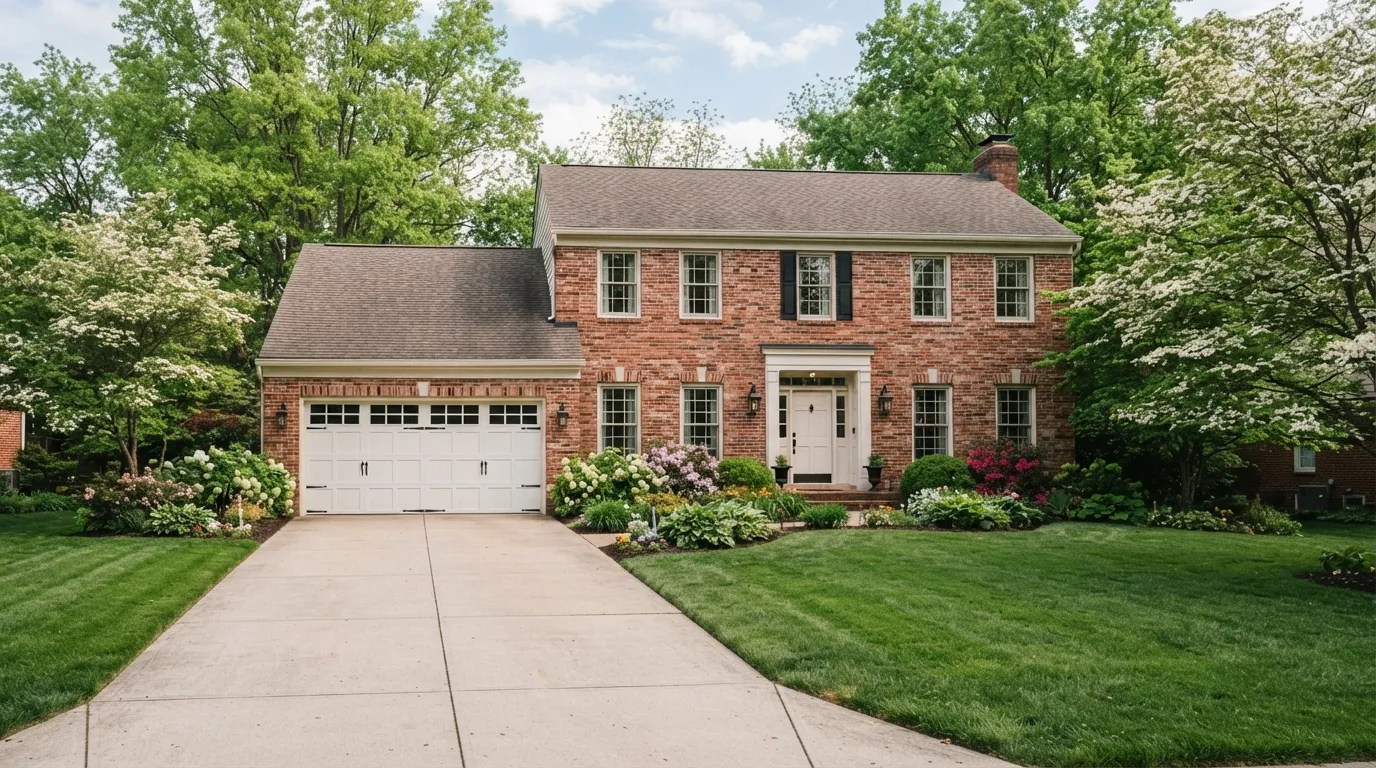
The median year built here is 1974, noticeably older than the 1984 median across the wider service area we cover from Mundelein. That ten-year gap matters more than it sounds like. A door and track system from the early-to-mid 1970s was engineered around lighter panel materials and simpler extension-spring setups, well before torsion springs and steel-and-foam sandwich panels became the standard.
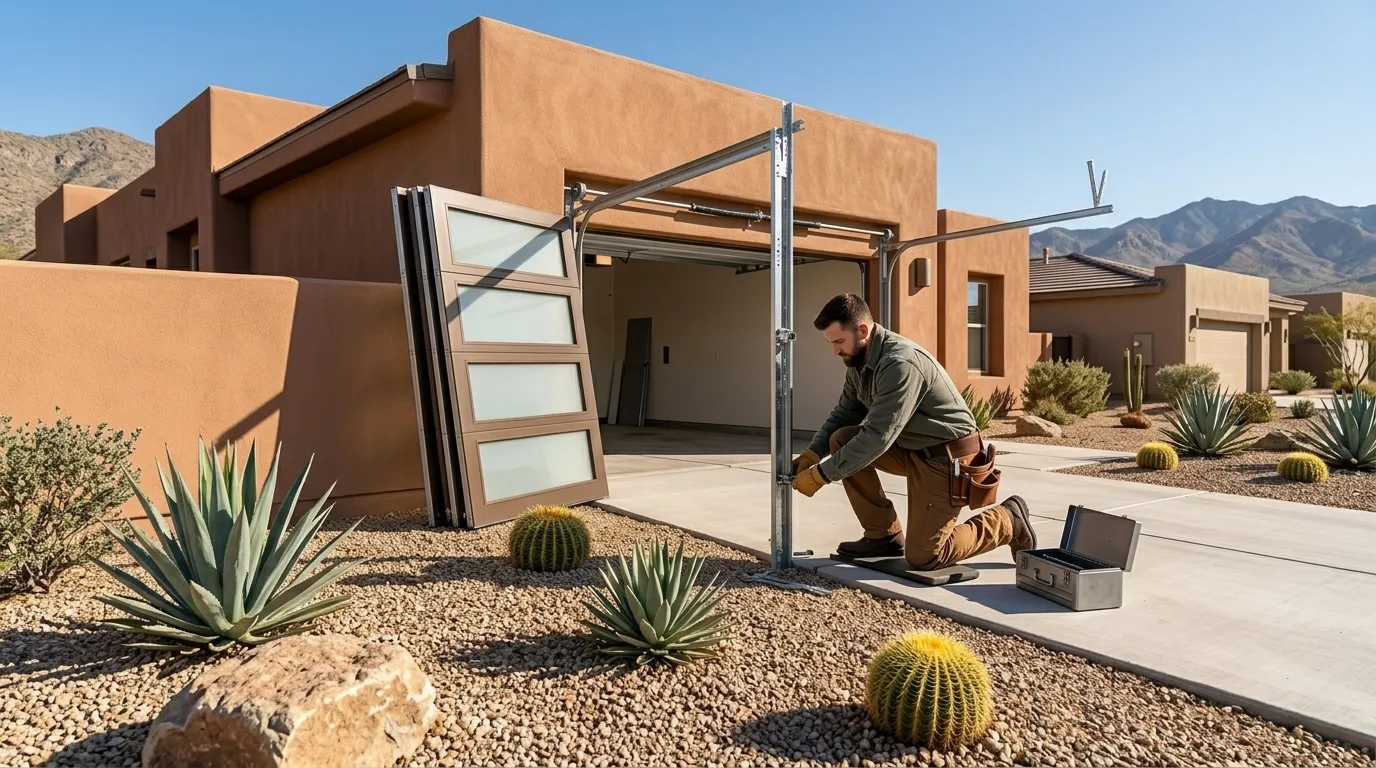
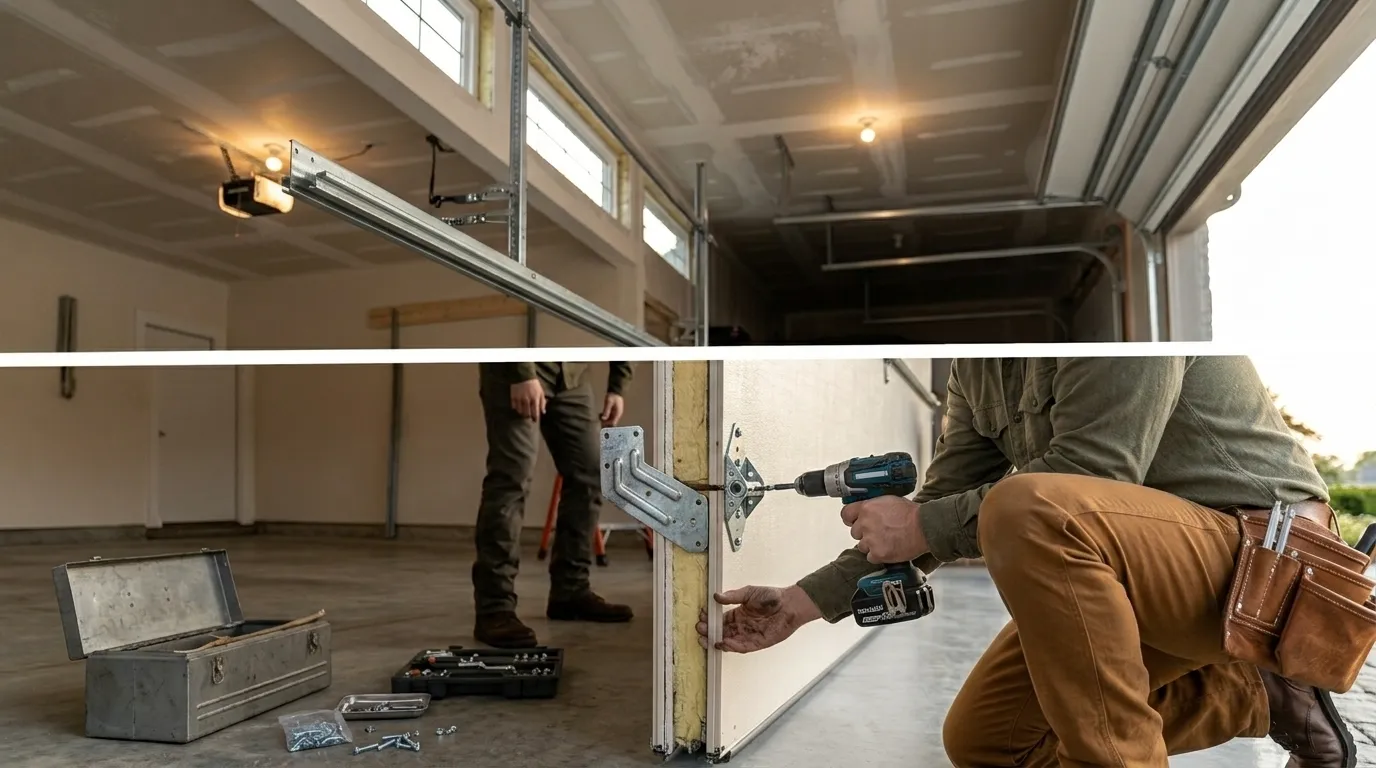
With roughly 1,316 households and a median income of $186,667 - well above the $121,583 median across the broader area - a lot of these original systems have already been swapped out for heavier, better-insulated doors at some point over the past 30-40 years. But the swap wasn't always done with matching hardware. We regularly find upgraded doors still running on original tracks or drums sized for the lighter door they replaced.
That mismatch is the single most common root cause we find on service calls out here, more than any particular brand or age of opener.
How That Shows Up in the Door
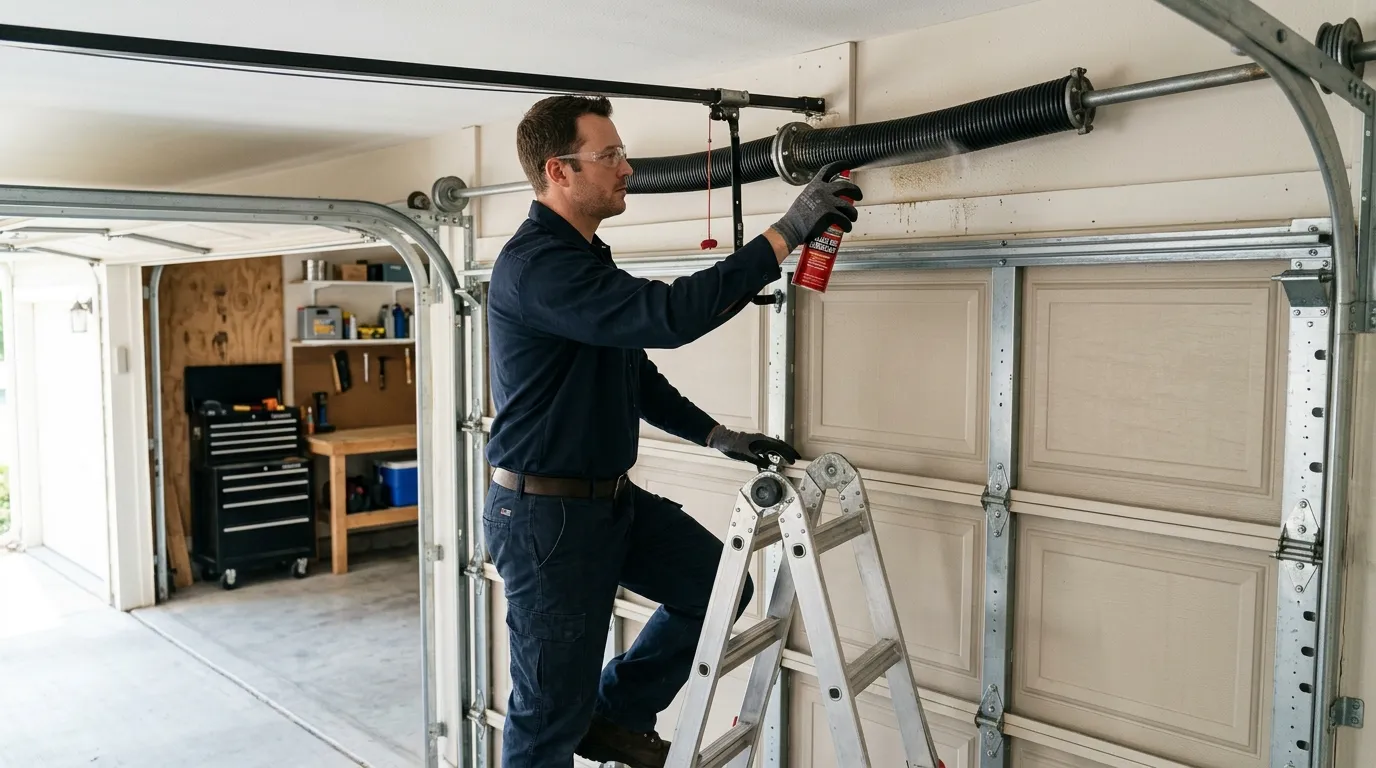
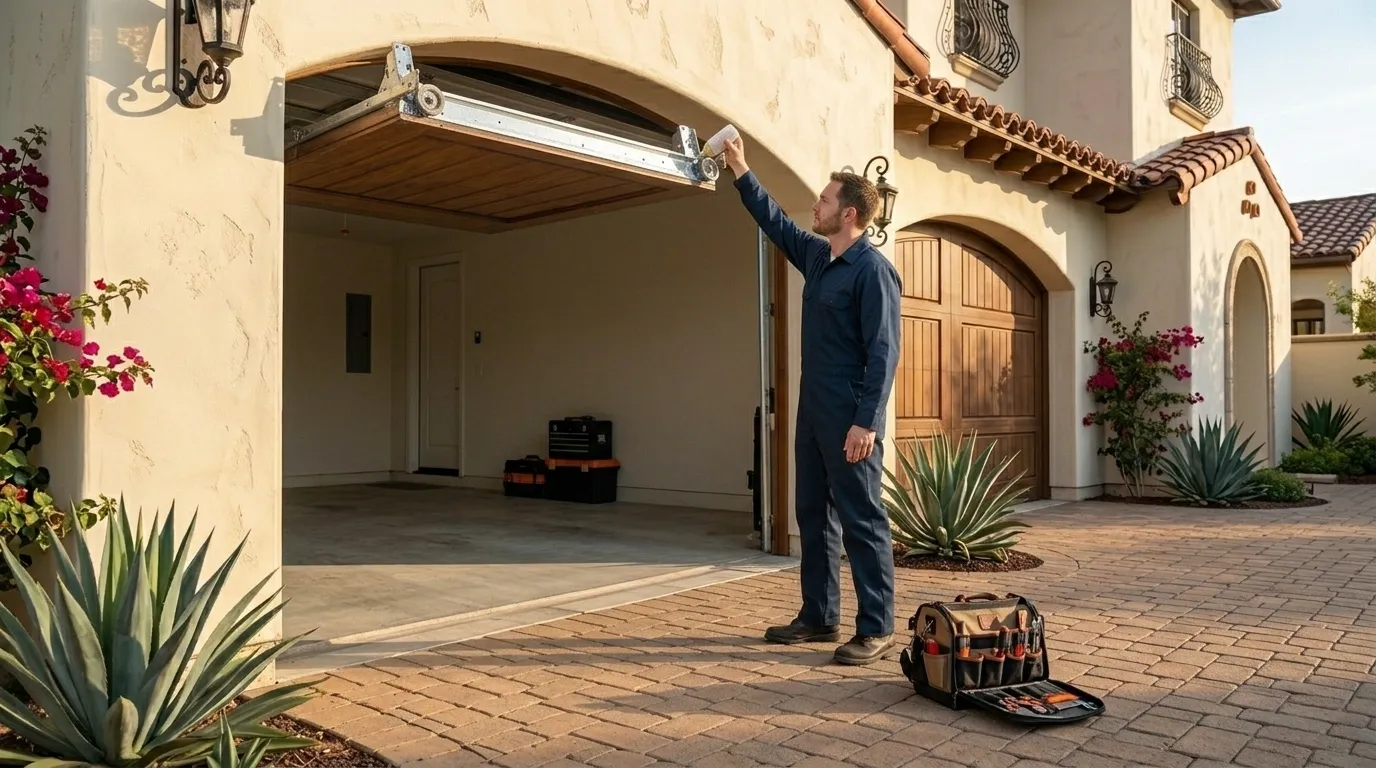
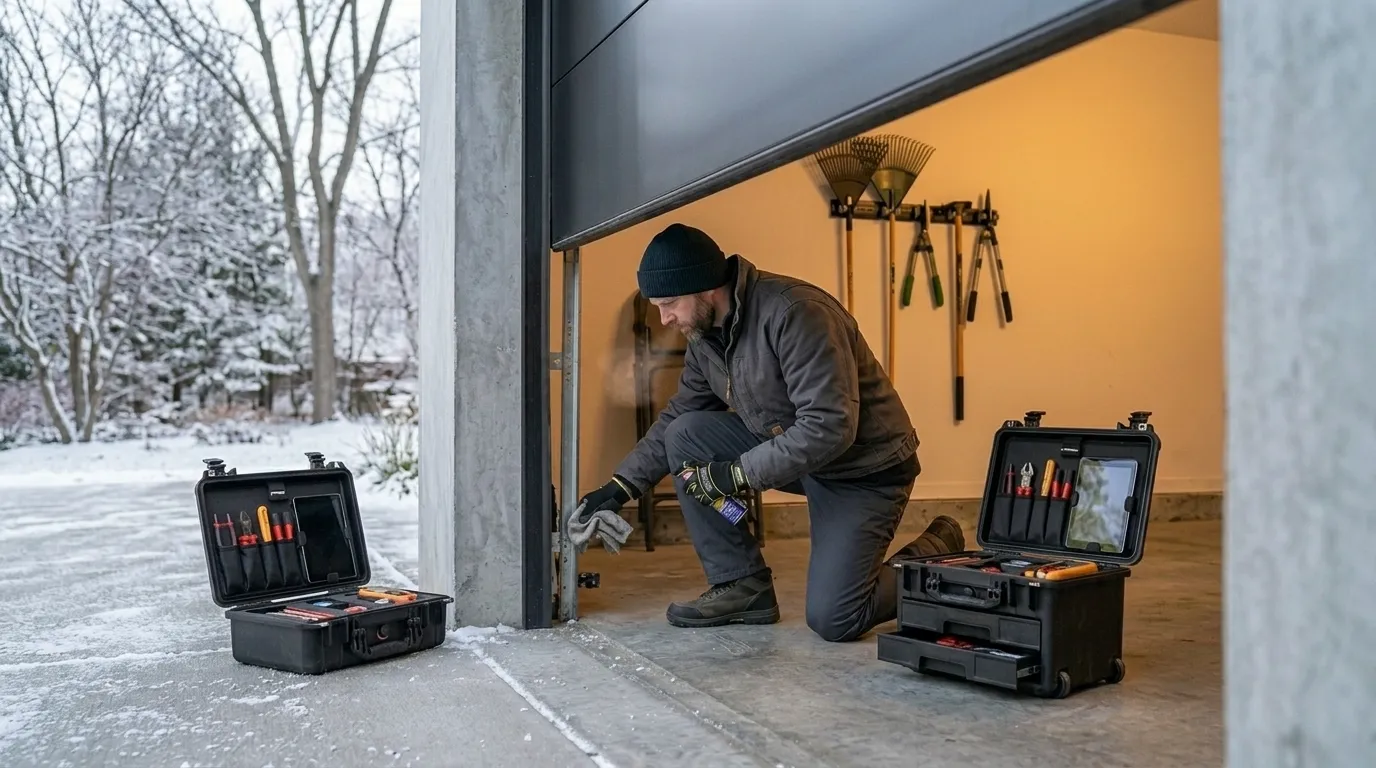
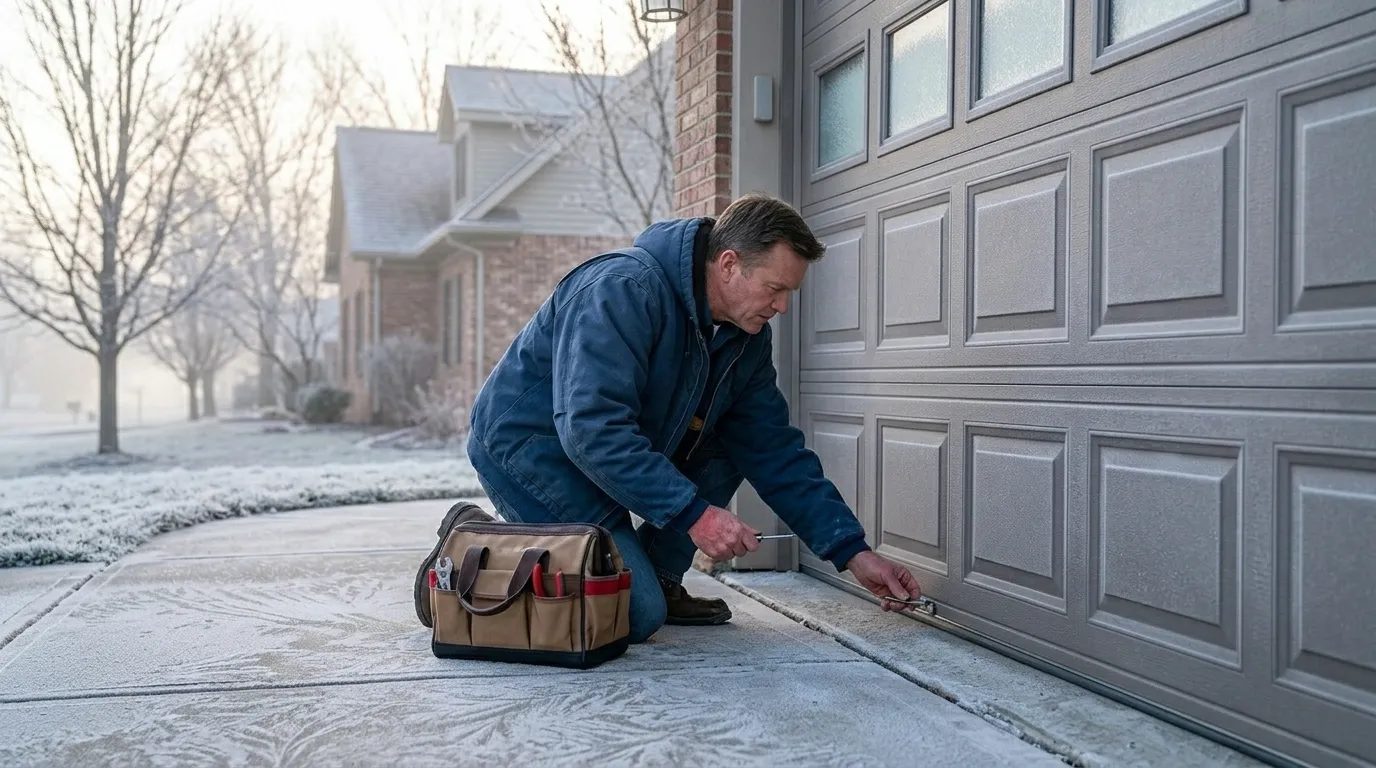
When a heavier door is running on hardware built for a lighter one, you feel it before you see it. The opener strains and groans on the way up. The door doesn't sit flush at the bottom - it rocks slightly or leaves a gap on one side. Springs wear out faster than the 15-20 years you'd expect, because they're doing more work than they were wound for.
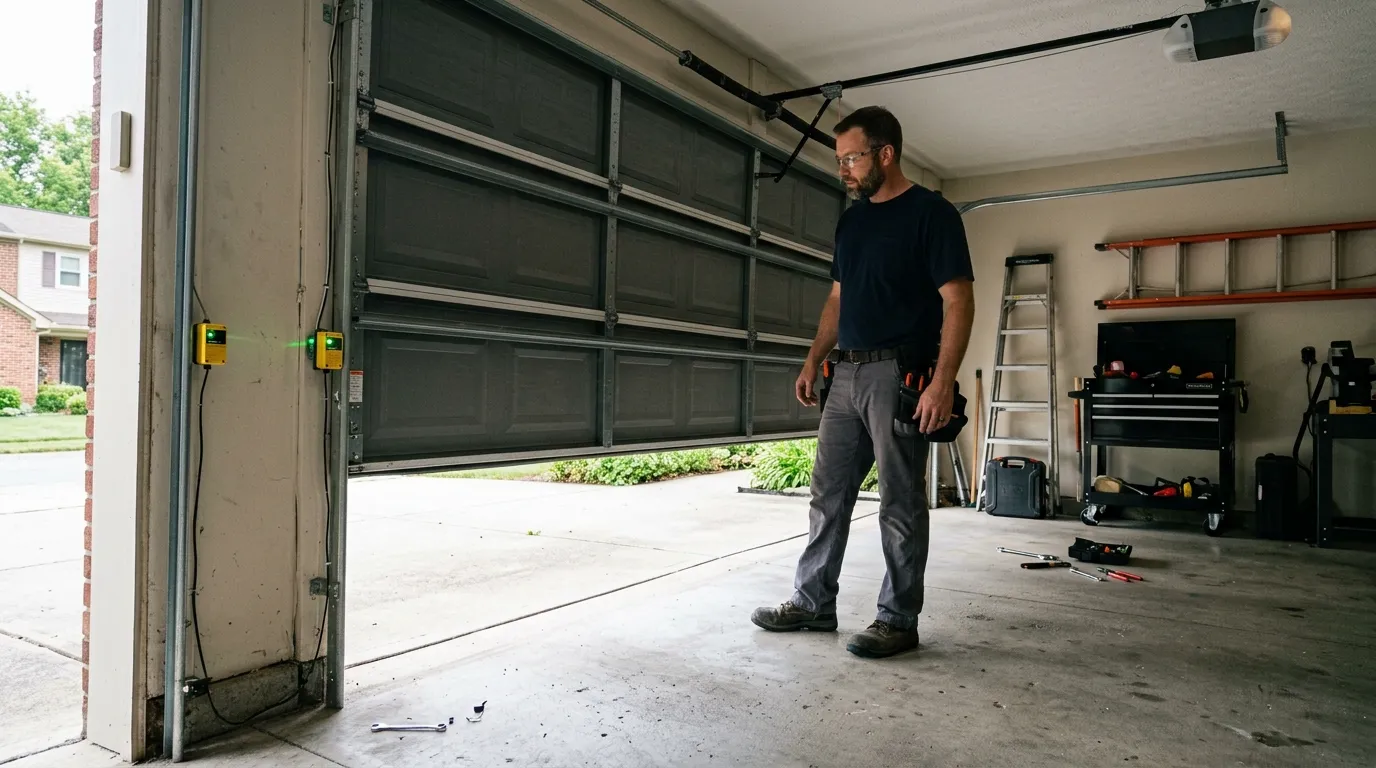
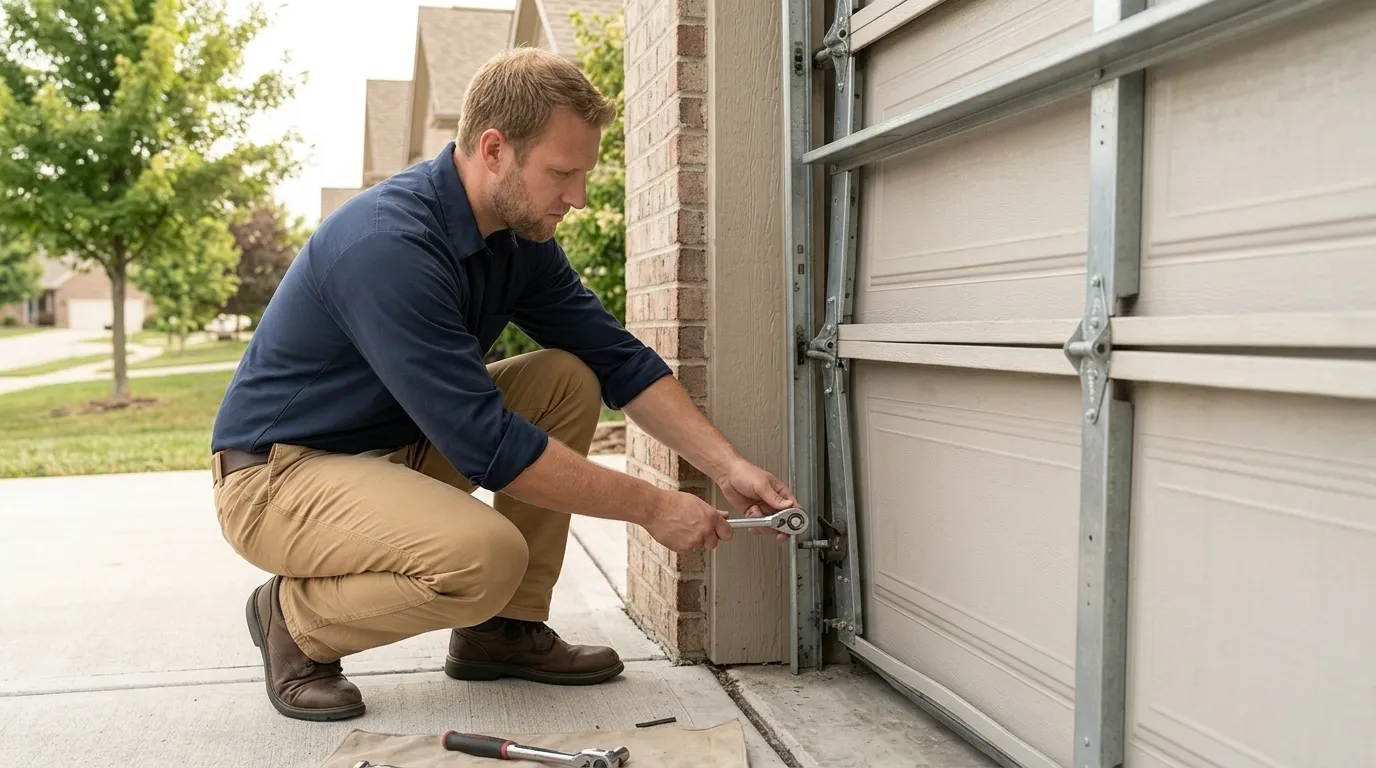
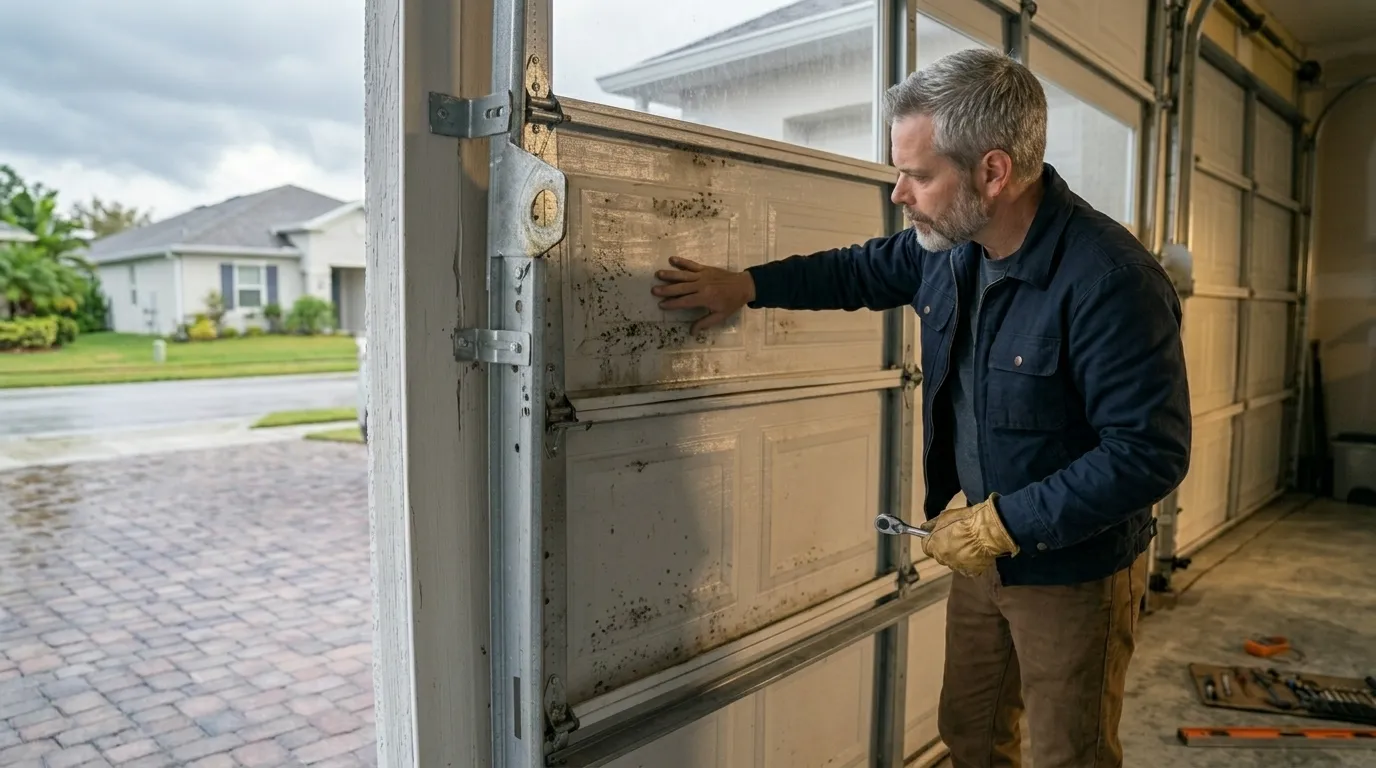
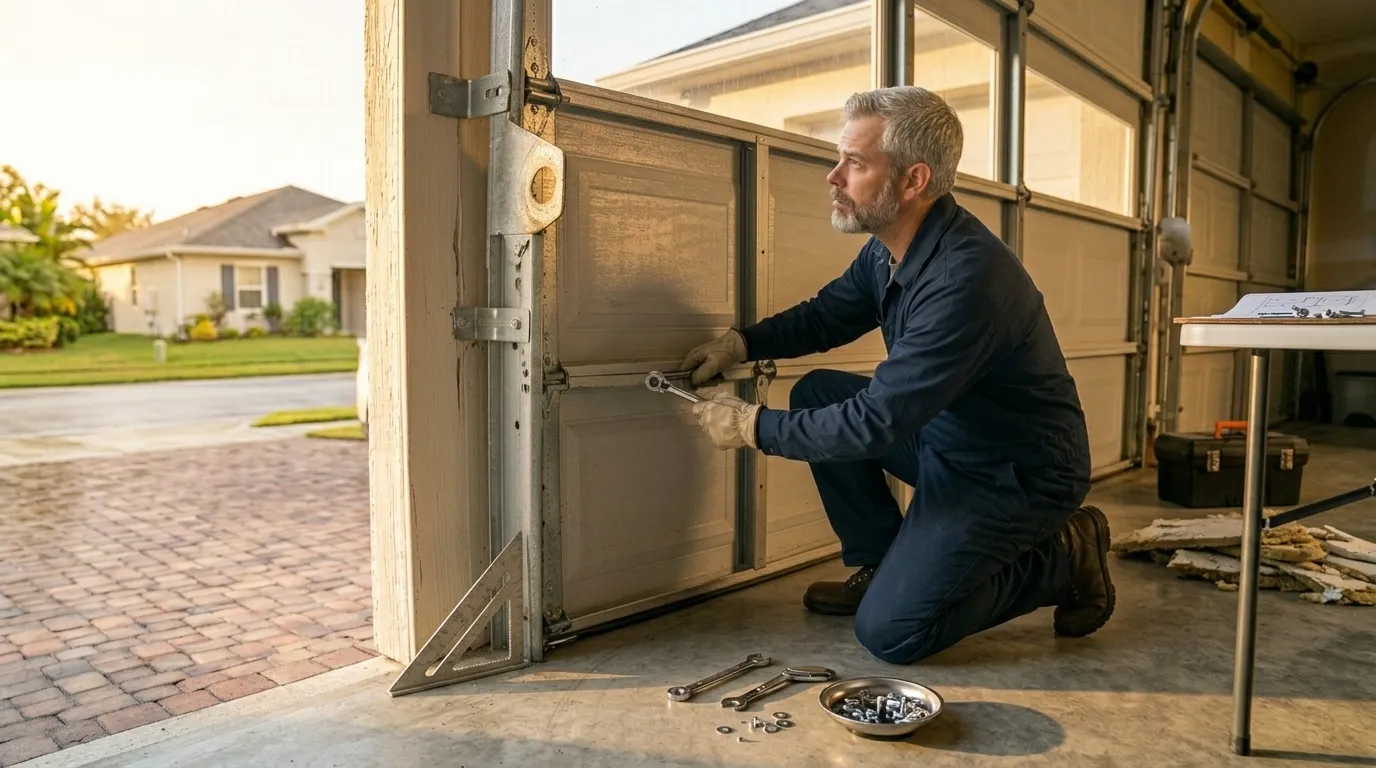
We also see track misalignment more often on the older builds, where the original wood jambs have settled slightly over 50 years. A track bolted to a jamb that's moved an eighth of an inch is a track that binds a roller every third or fourth cycle, not every time, which makes it easy to write off as random until it isn't.
One thing we won't do is sell a spring upgrade as a fix for a track problem, or vice versa. If the door's rocking, we check the track and the jamb first. Replacing springs on a door that's binding just wears out the new springs faster.