This Area's Housing
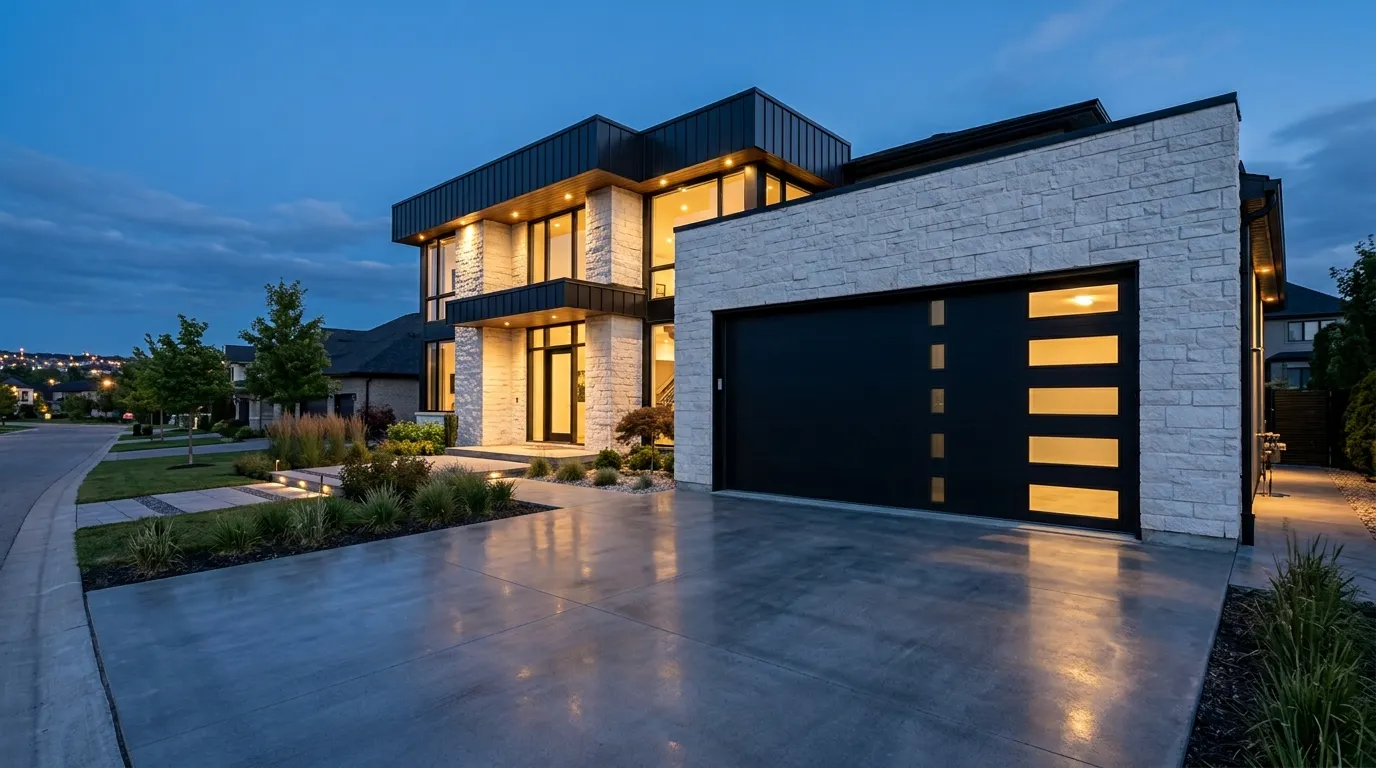
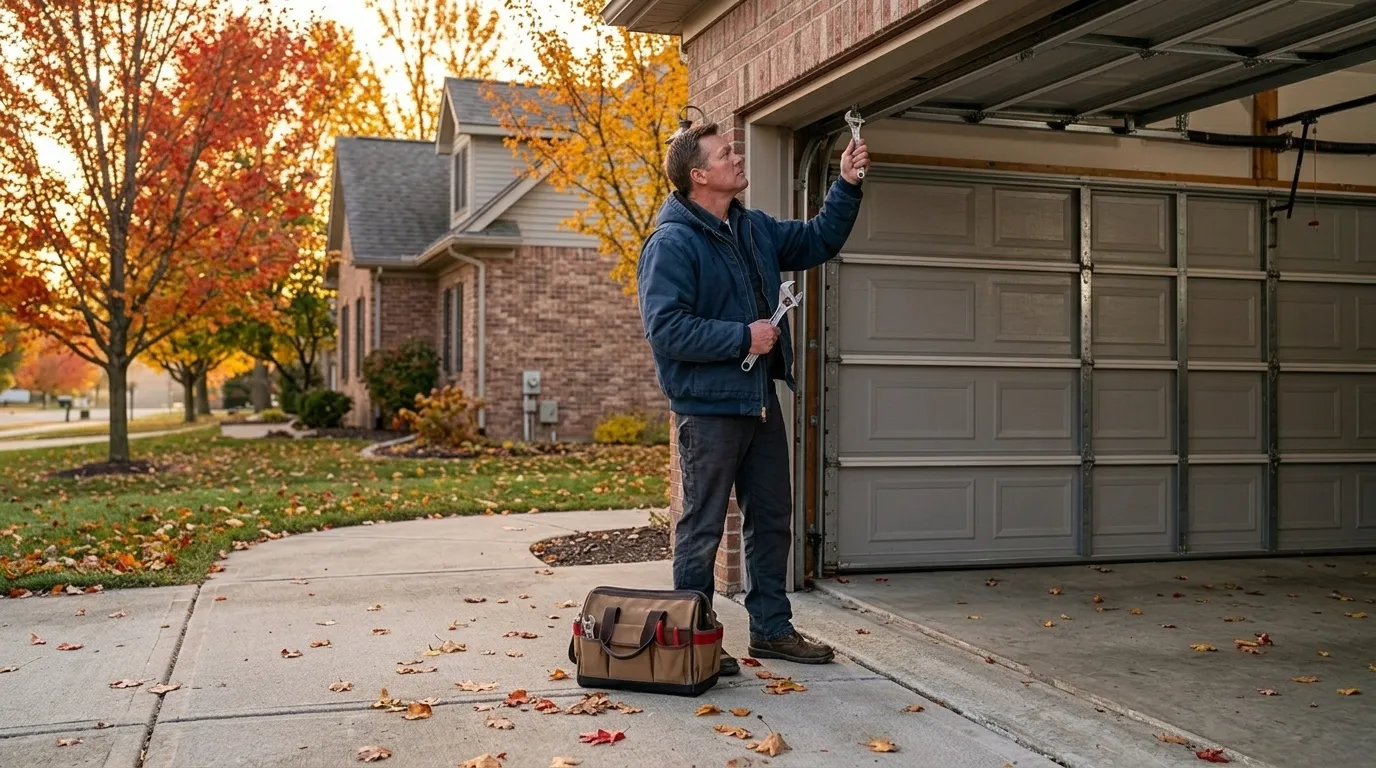
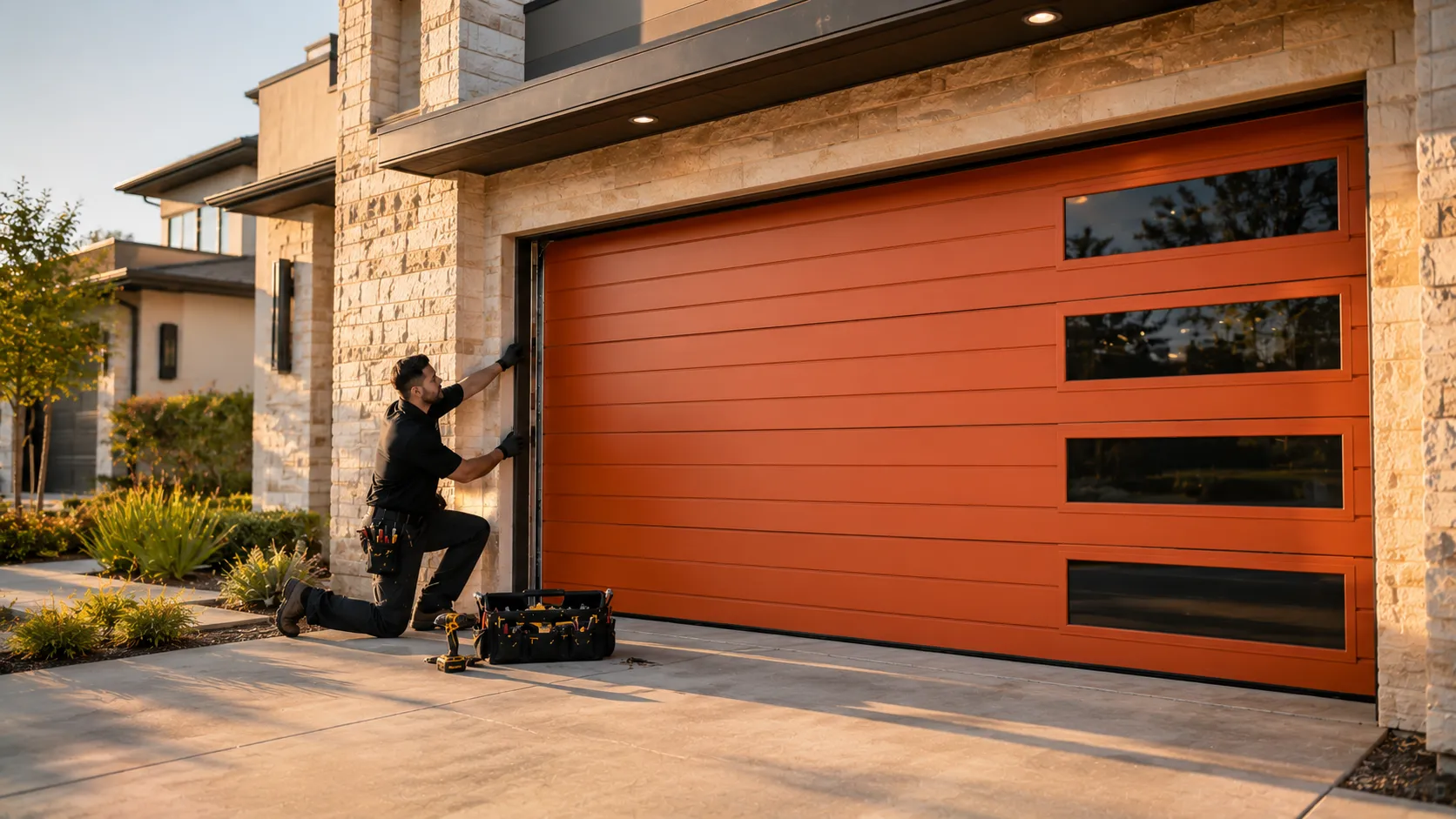
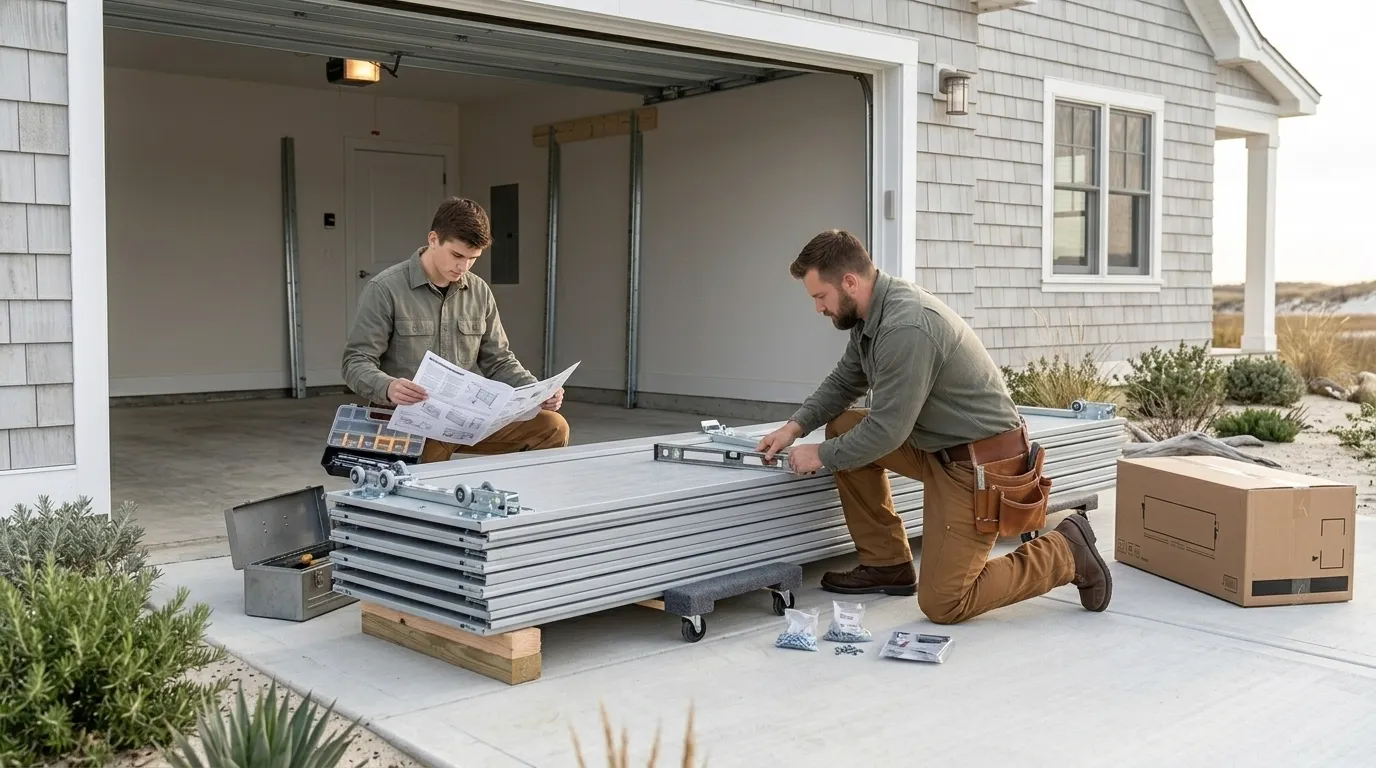
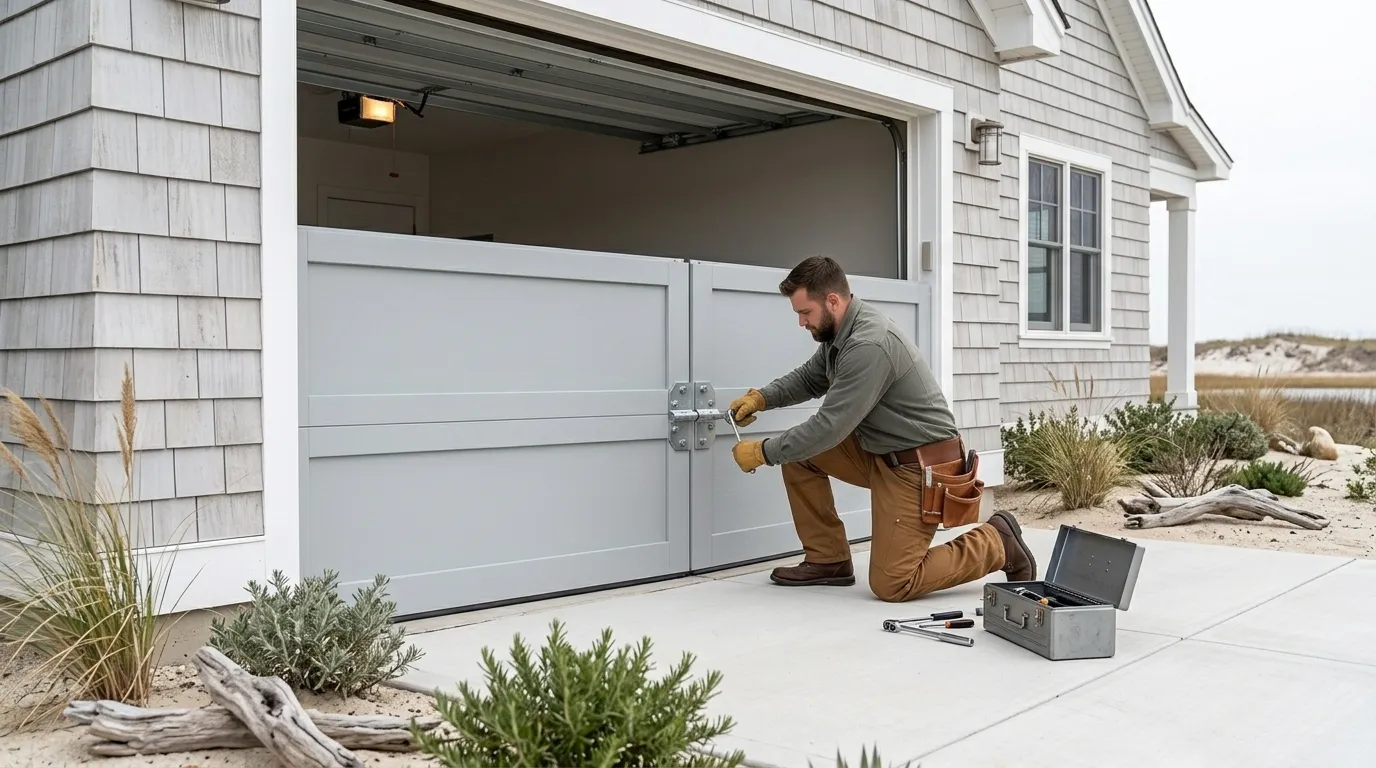
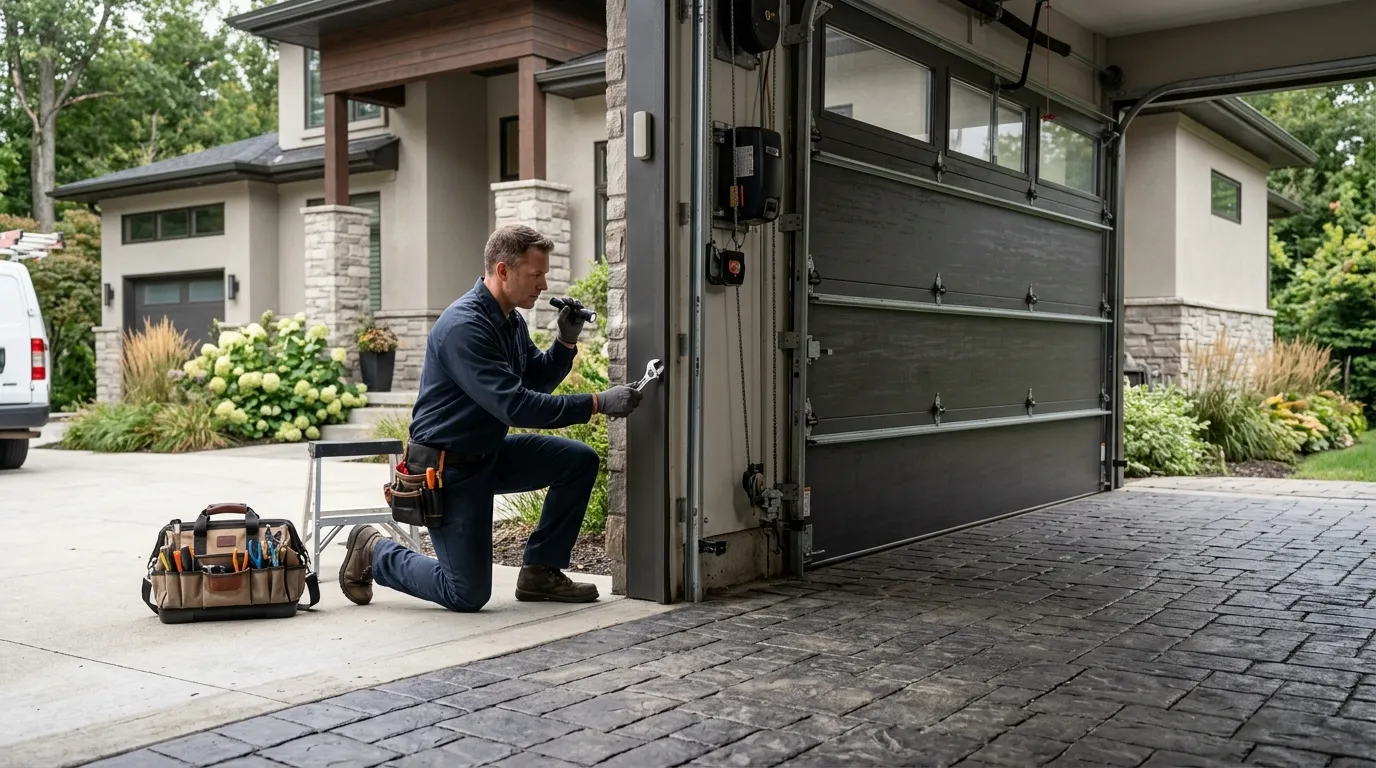
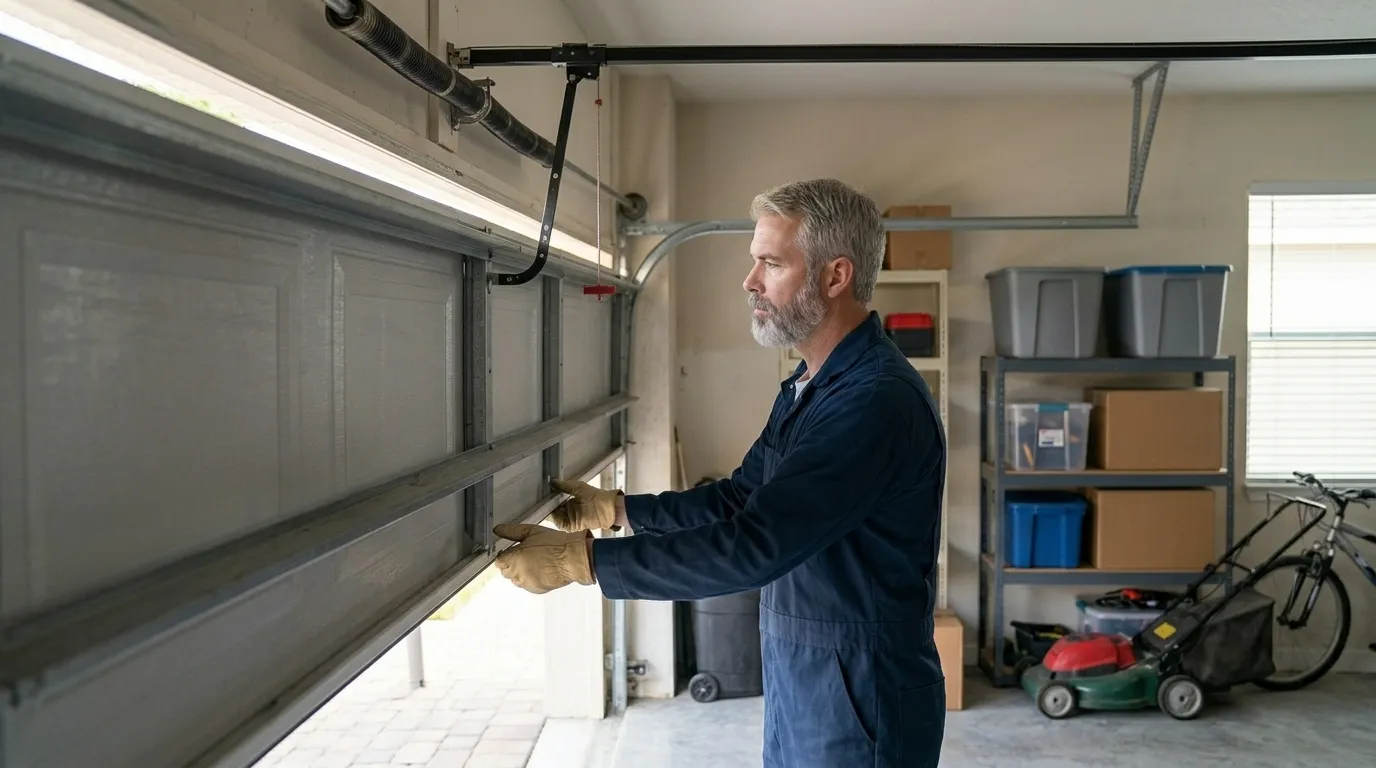
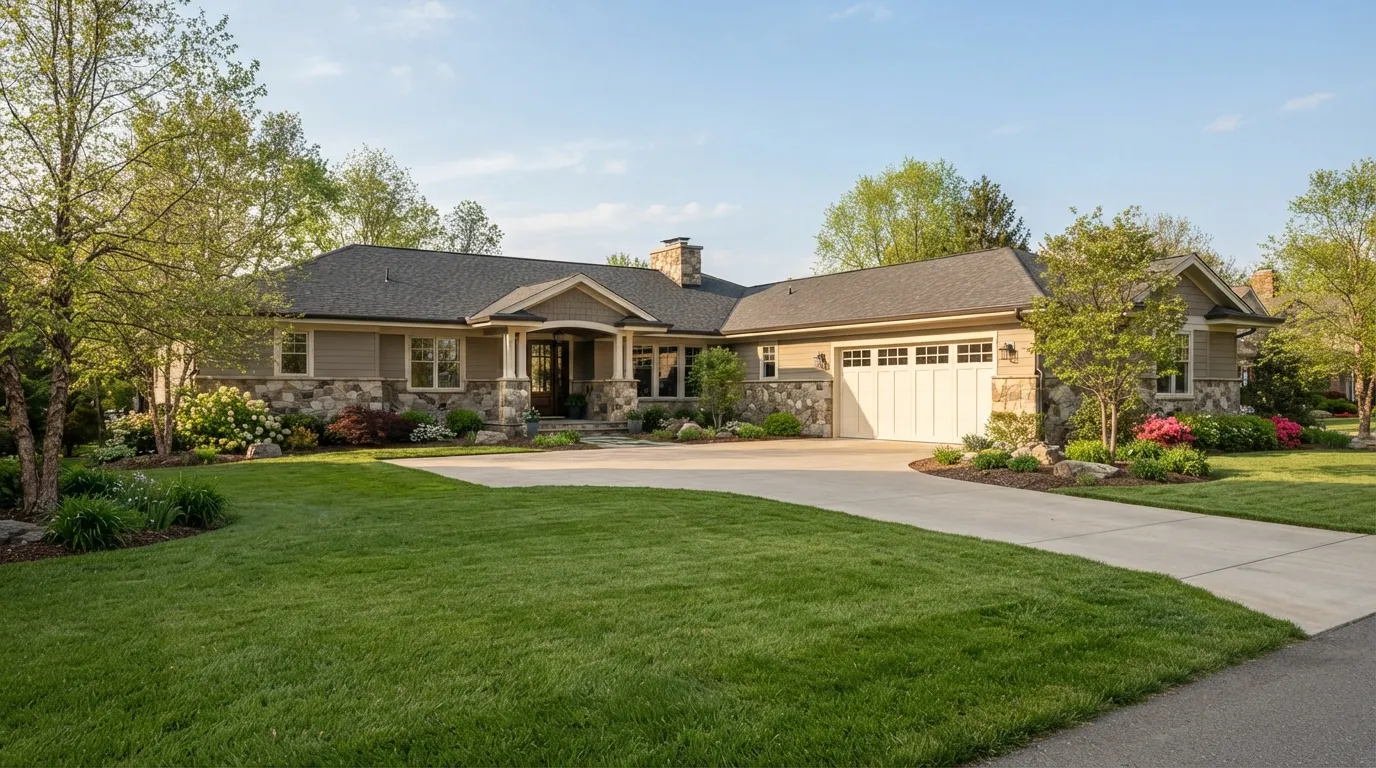
The wider service territory spans houses built anywhere from 1938 to 2009, with a median around 1984, but Deer Park sits a few years past that at 1988 - late enough that most garages here got steel sectional doors instead of the older one-piece slab doors you still find in the oldest pockets of the territory. That matters for parts: sectional doors from this period use standard torsion or extension spring setups that are still commonly stocked, not the odd hardware you find on true 1940s and 50s builds. Household income here runs well above the wider area's median of $121,583, at roughly $160,750, and that tends to show up in the doors themselves - more insulated steel doors, more openers upgraded to belt-drive at some point over the years, fewer of the bare single-skin doors we see elsewhere in the territory. It doesn't mean nothing breaks. It means when it breaks, it's usually a mechanical failure - spring, cable, or opener gear - rather than a door that's simply worn through.
How That Shows Up in the Door
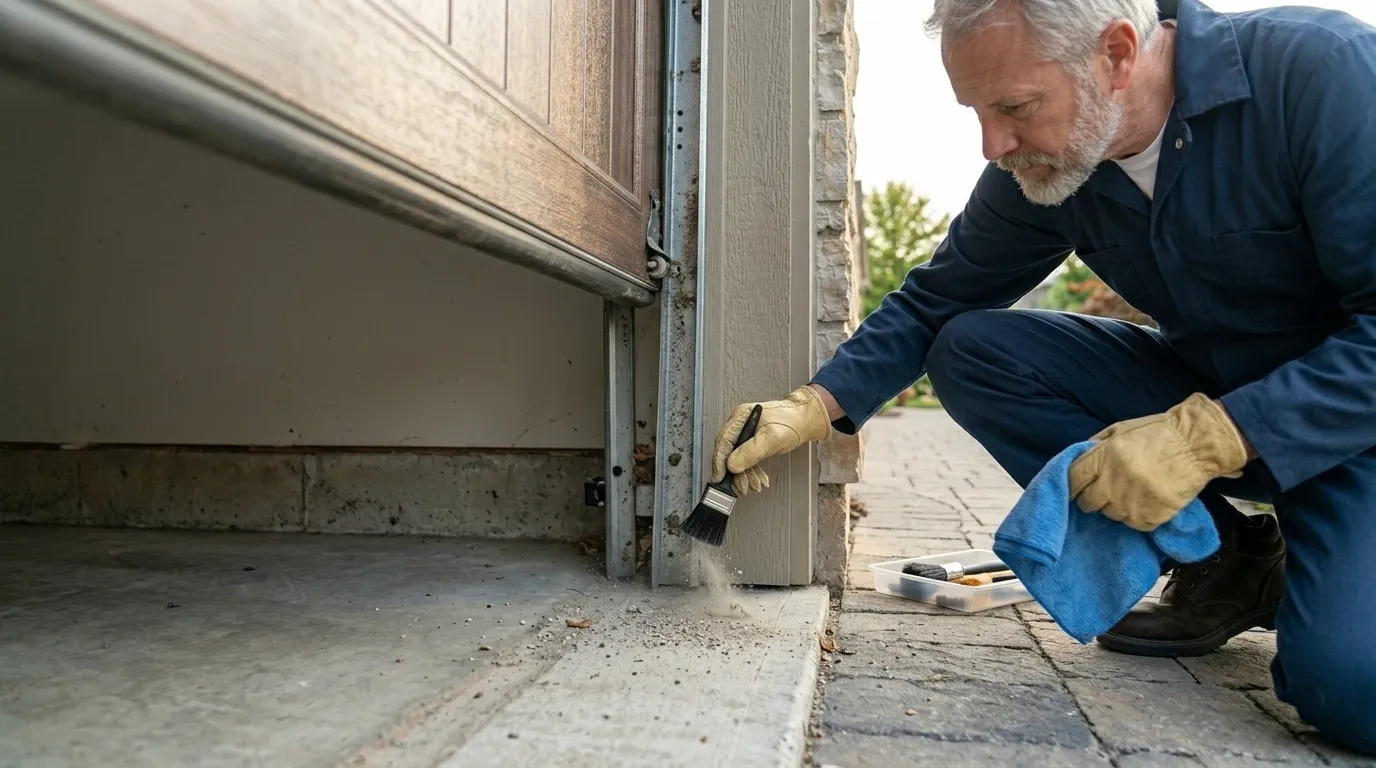
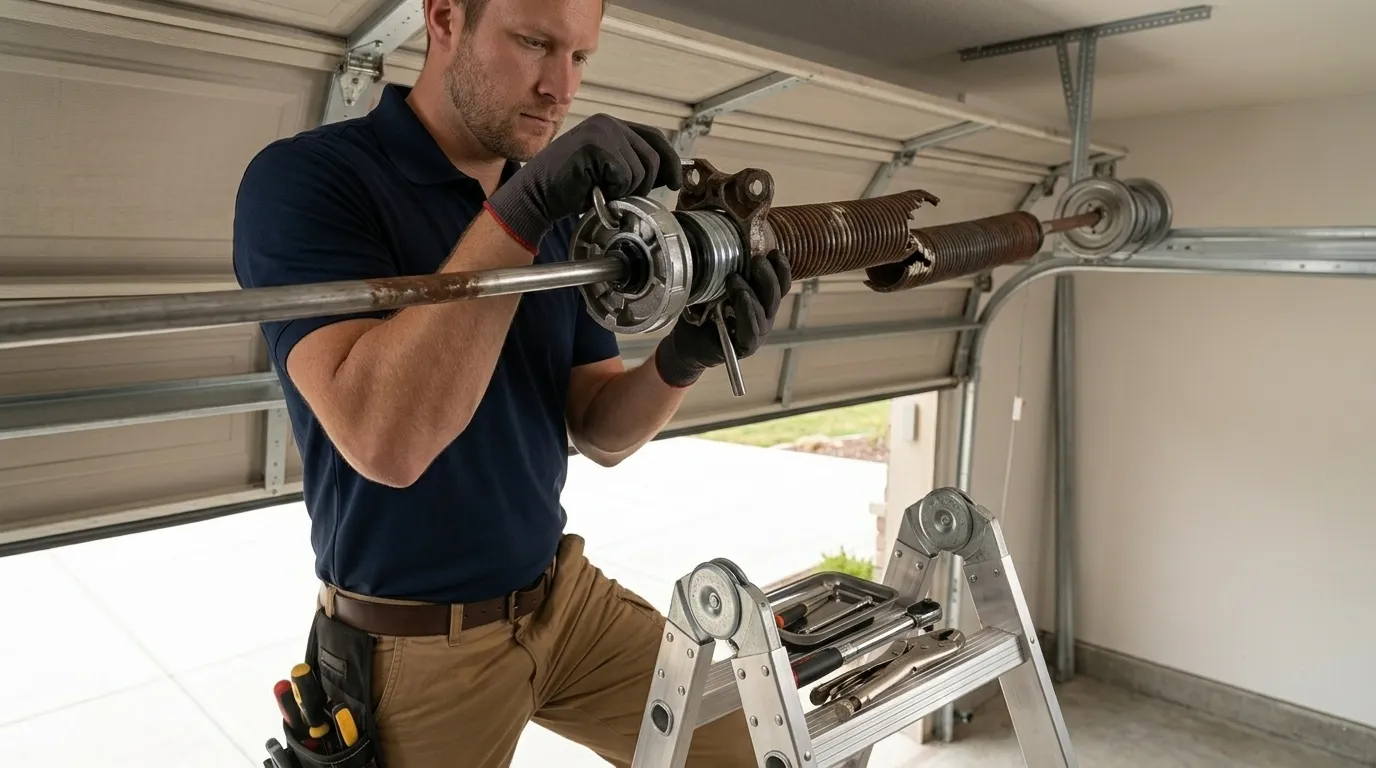
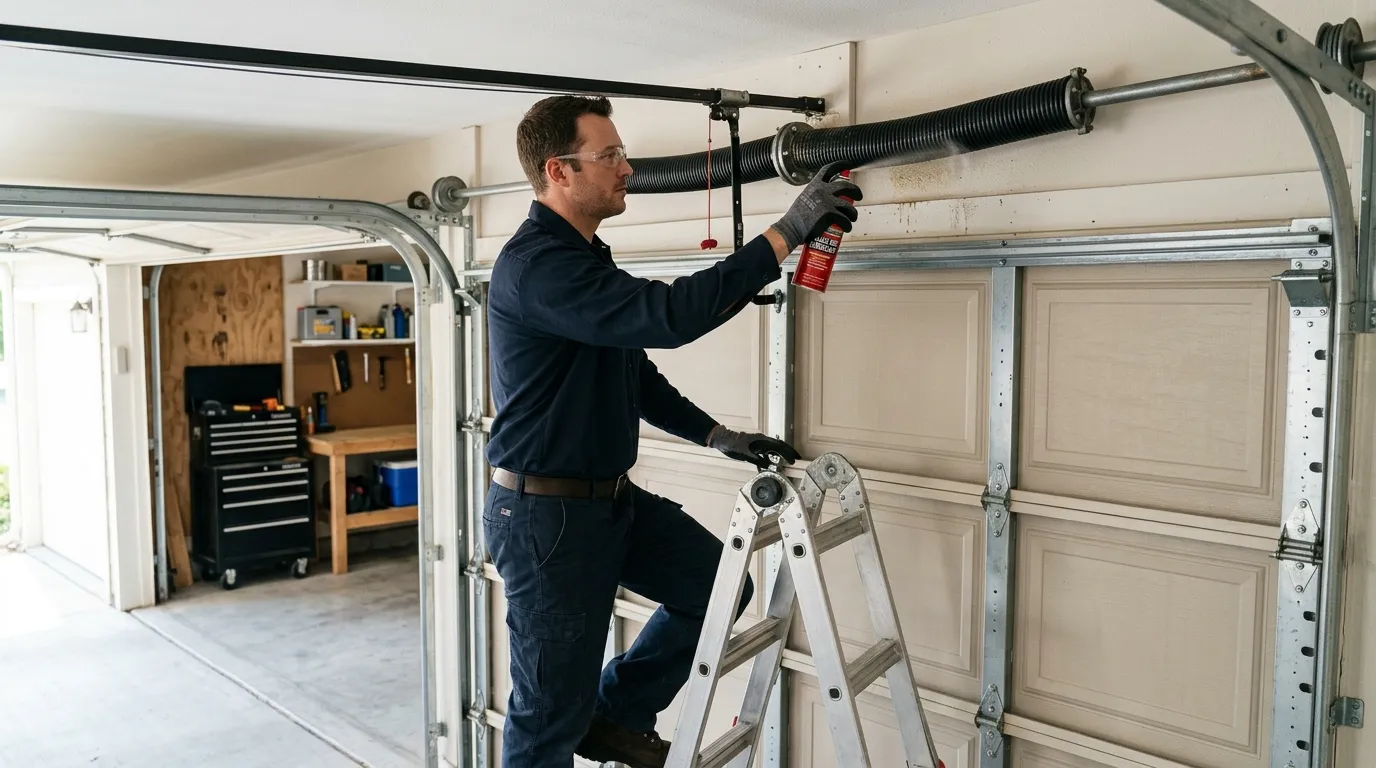
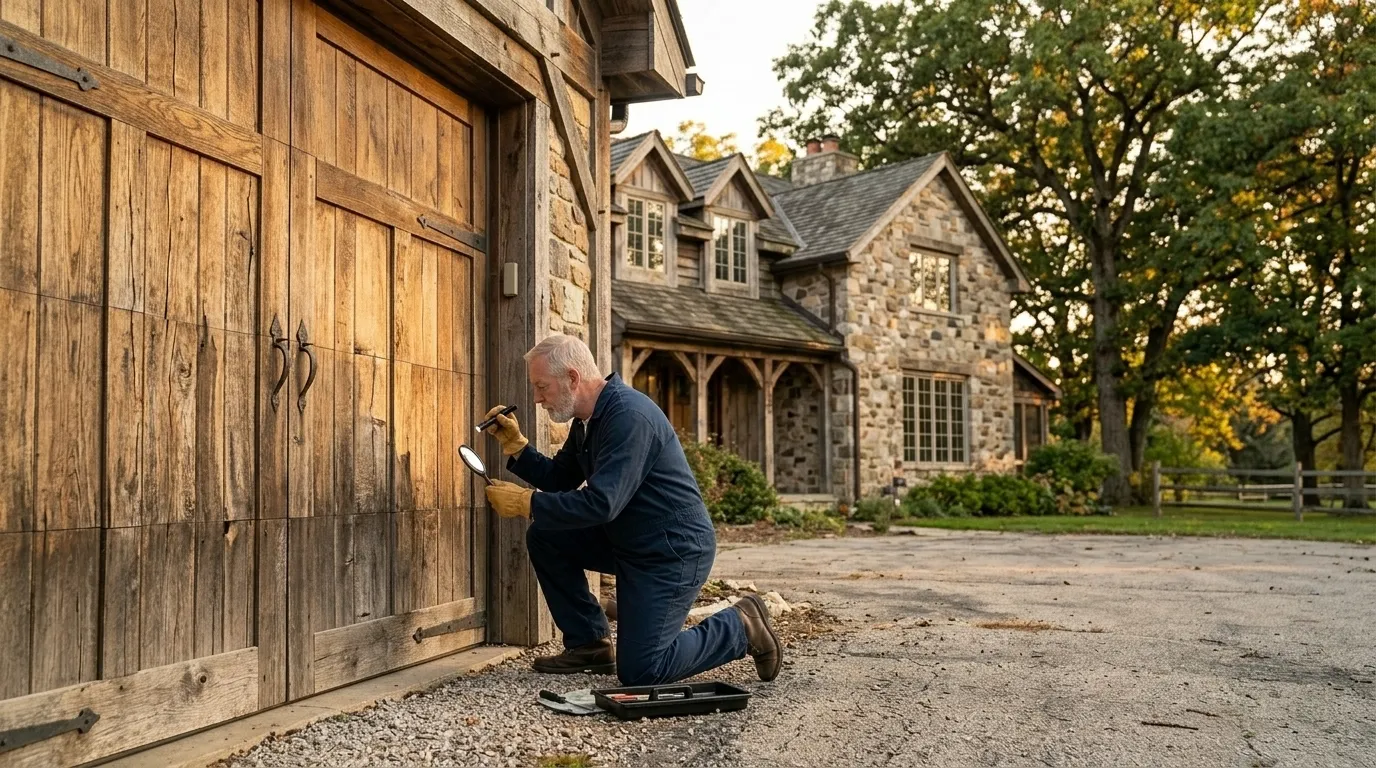
The service area sits in a severe cold climate band, and that's hard on garage door hardware regardless of the house's age - metal contracts, lubricant thickens, and springs that are already near the end of their cycle count tend to snap on the first hard freeze rather than gradually weaken. On Deer Park's late-1980s stock specifically, we see torsion springs going first, usually on doors that haven't had the springs touched since installation. Second most common is the opener's drive gear or capacitor giving out - both wear items on a motor that's been running for three decades. What we don't see much of here is the rot and panel delamination that shows up on older wood doors elsewhere in the territory; the steel sectional doors typical of this build era hold up better against that kind of damage, even in a hard winter.