This Area's Housing
Cary sits inside the broader stretch of homes built between 1938 and 2009 that this service area covers, and the typical house in this pocket of town went up around 1985 - right in step with the service area's overall median build year of 1984. That puts Cary squarely in the mid-1980s to '90s construction wave that makes up most of the housing stock across the towns we cover, rather than in the older prewar pockets or the newer 2000s subdivisions found elsewhere. There are roughly 6,342 households in this stretch of Cary, smaller than some of the neighboring communities we serve, and the median household income here runs $109,790 - a notch below the $121,583 median across the rest of the service area. That income gap doesn't change how the doors fail, but it does shape what people ask for: more repair-first calls, fewer full-replacement jobs on the first visit.
How That Shows Up in the Door
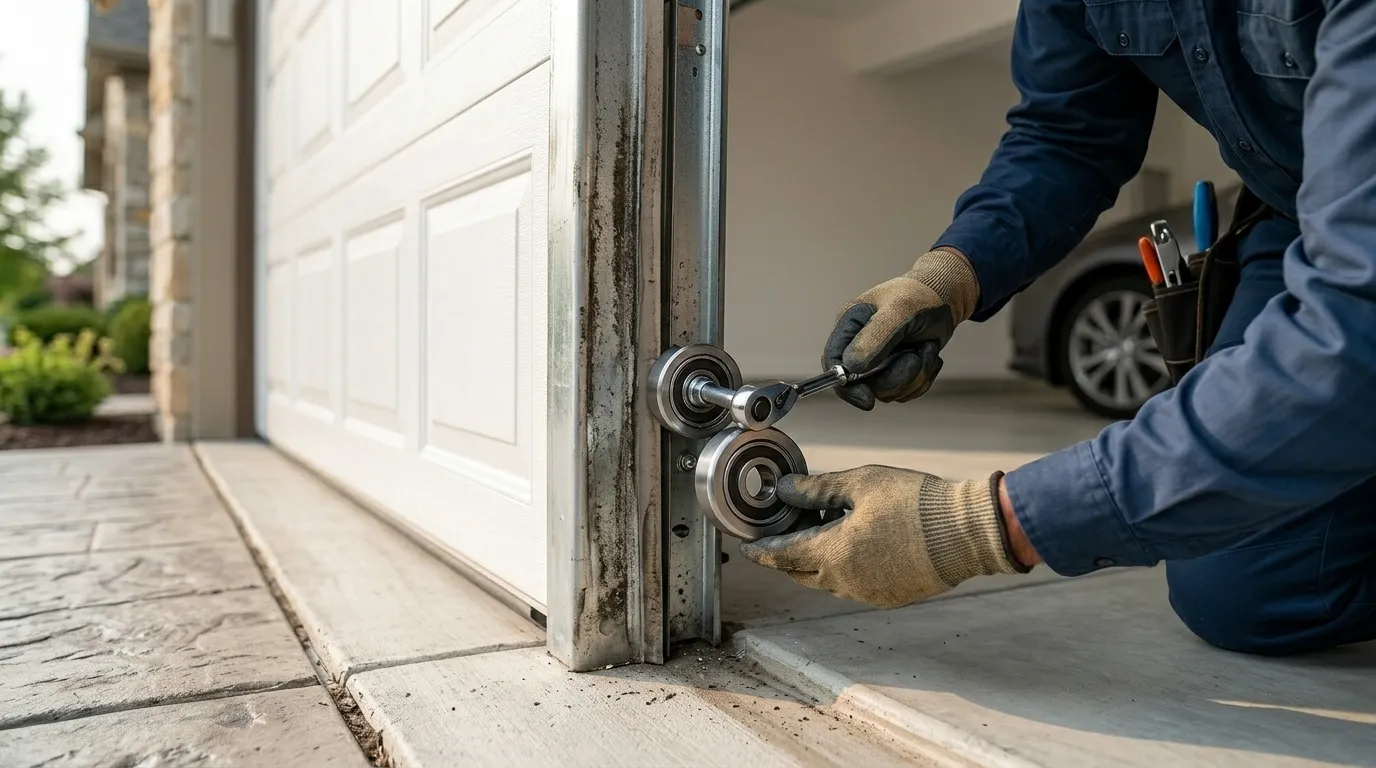
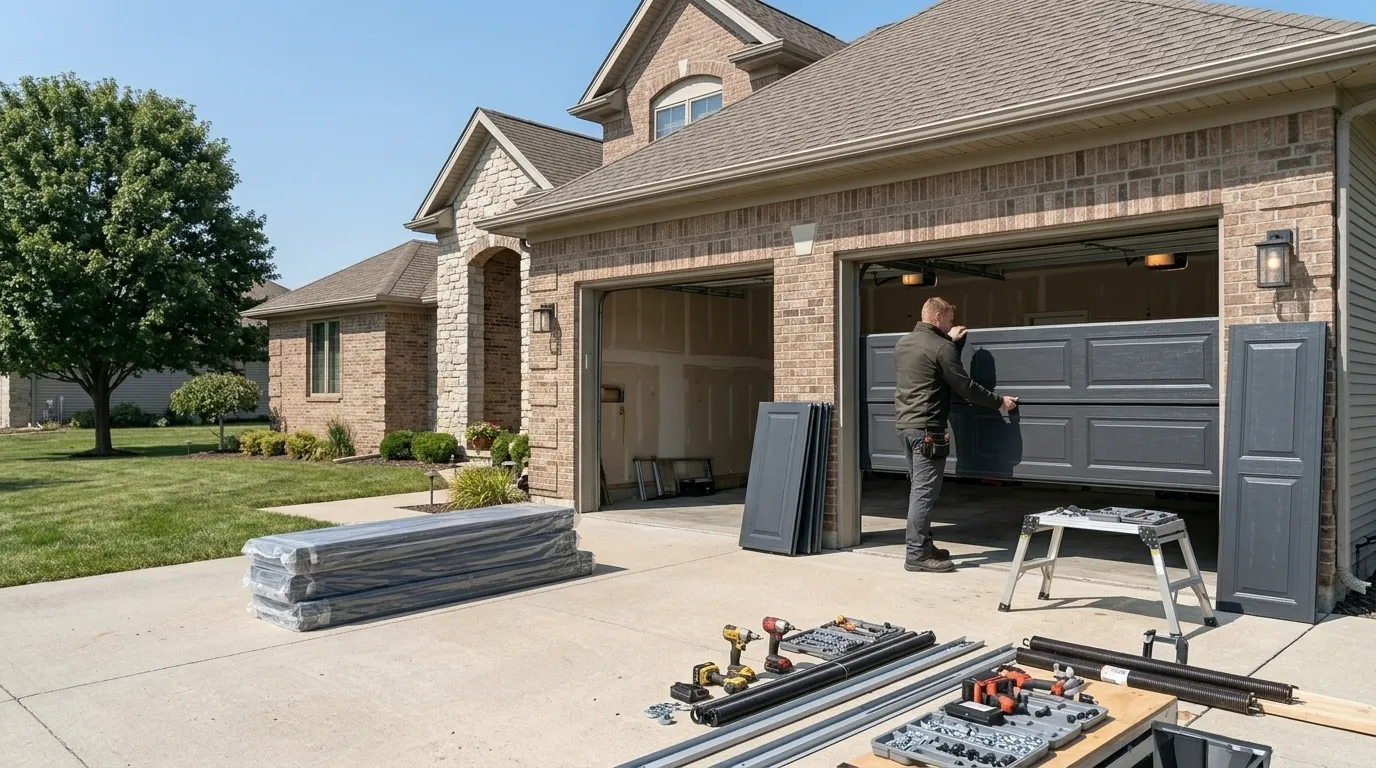
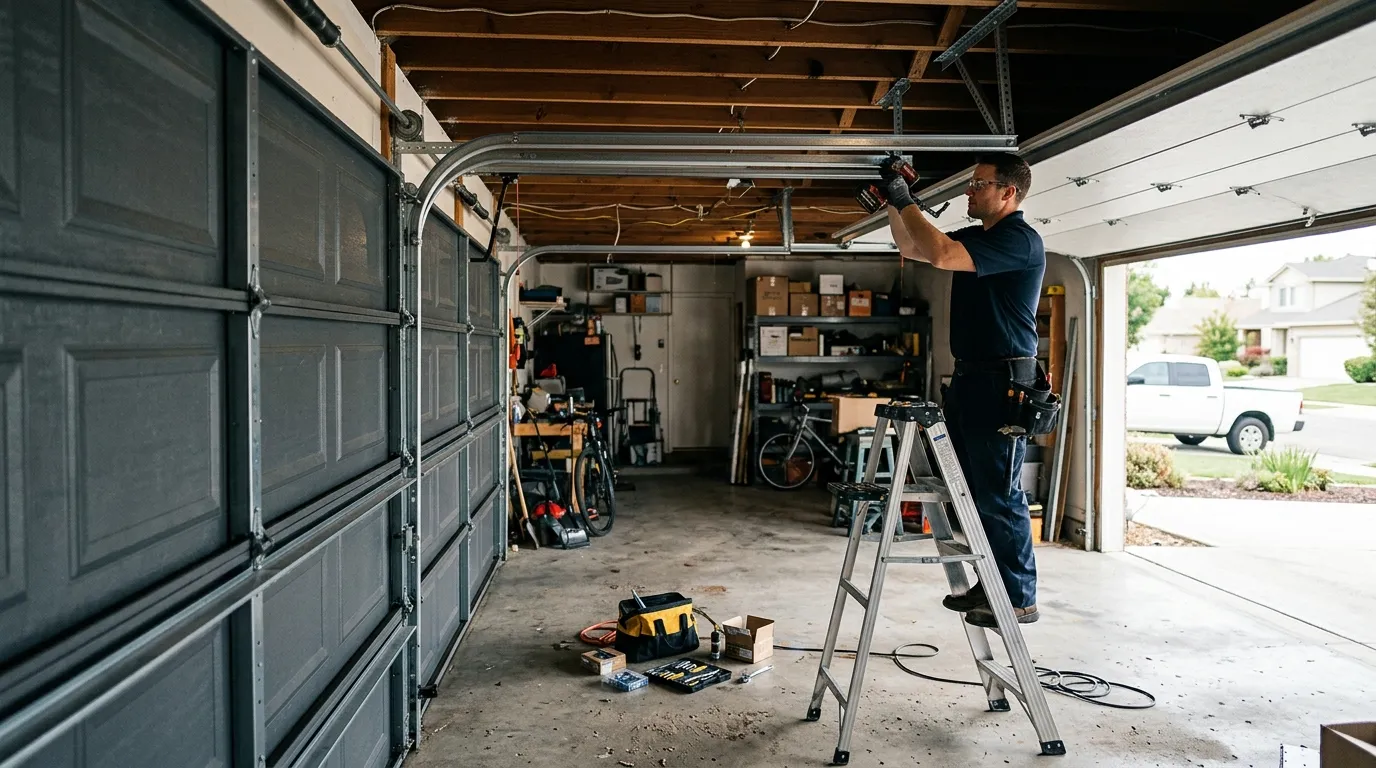
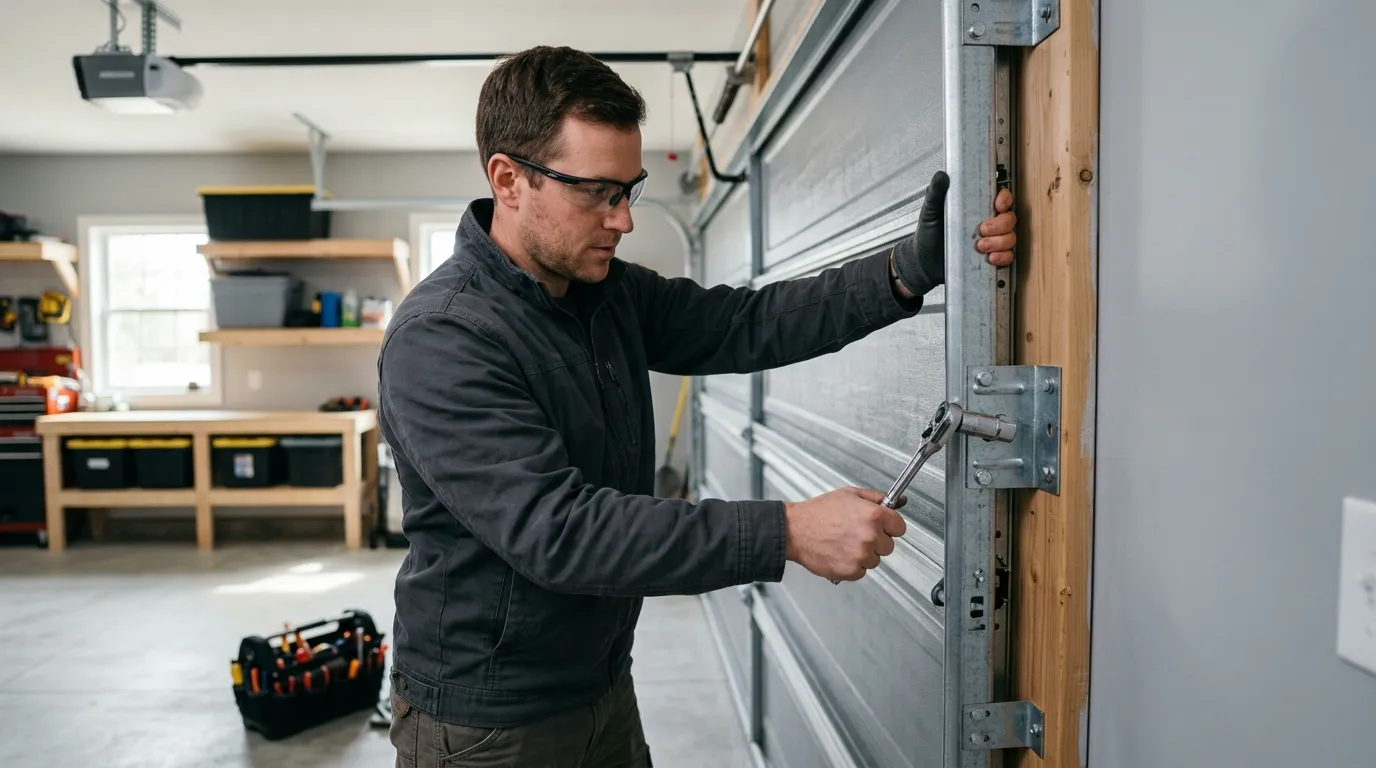
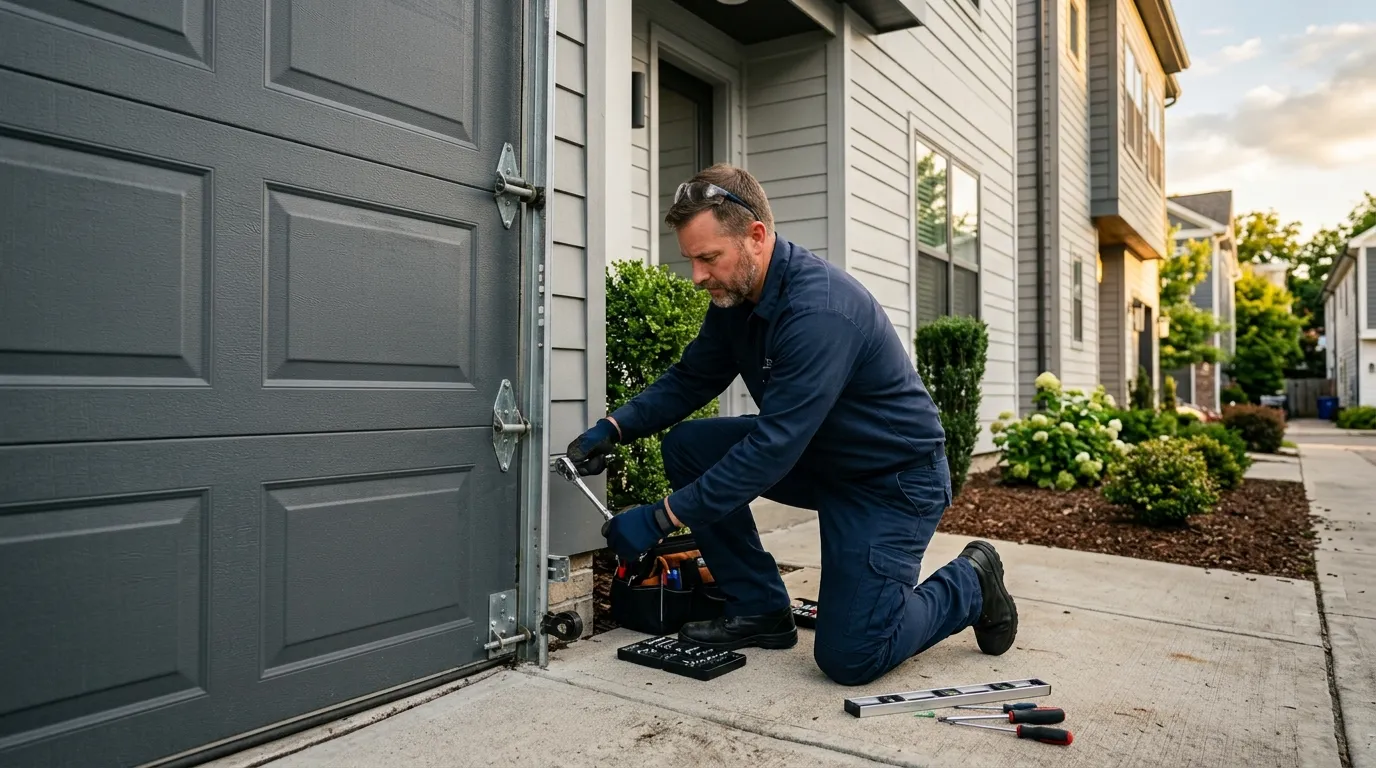
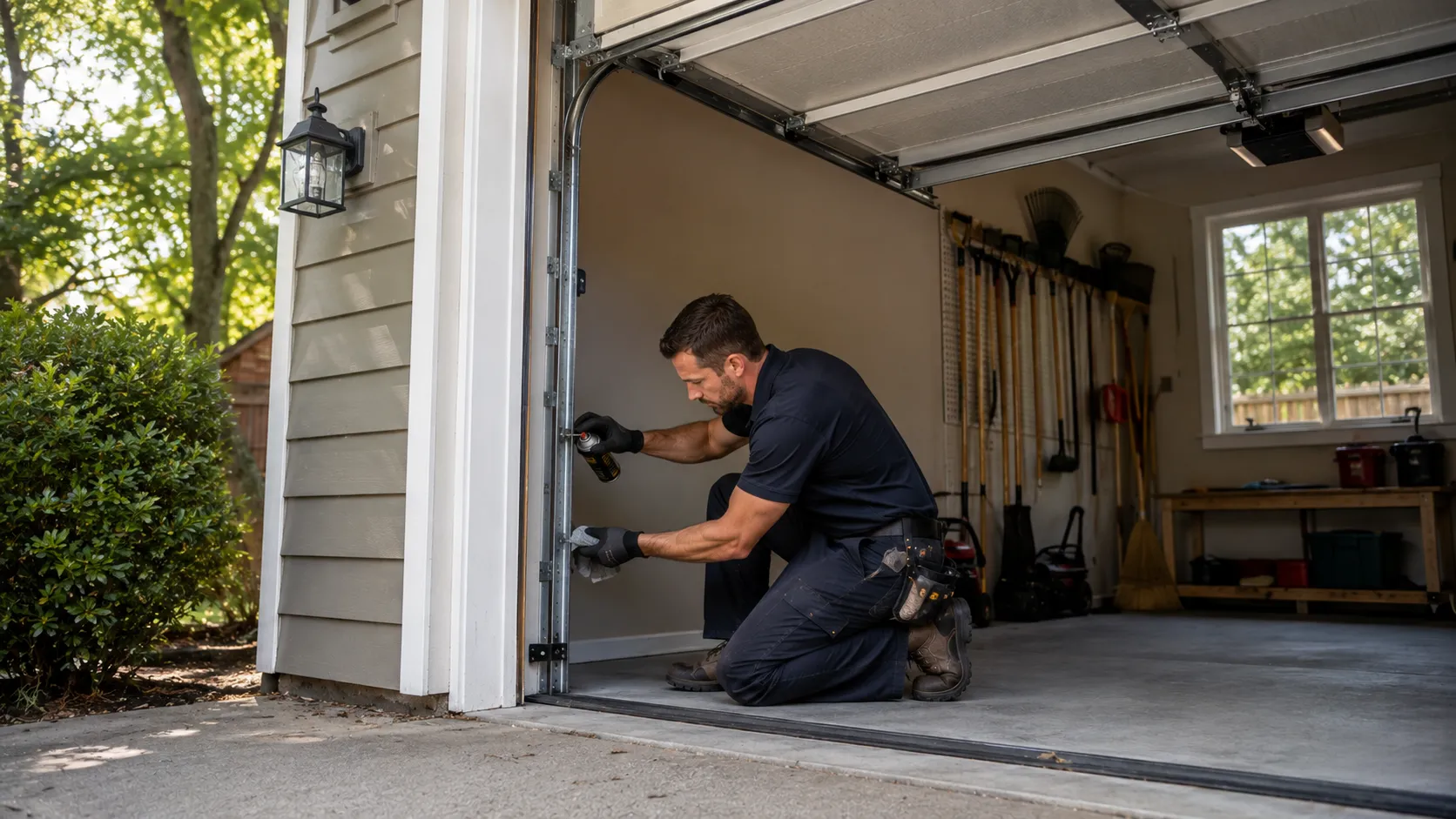
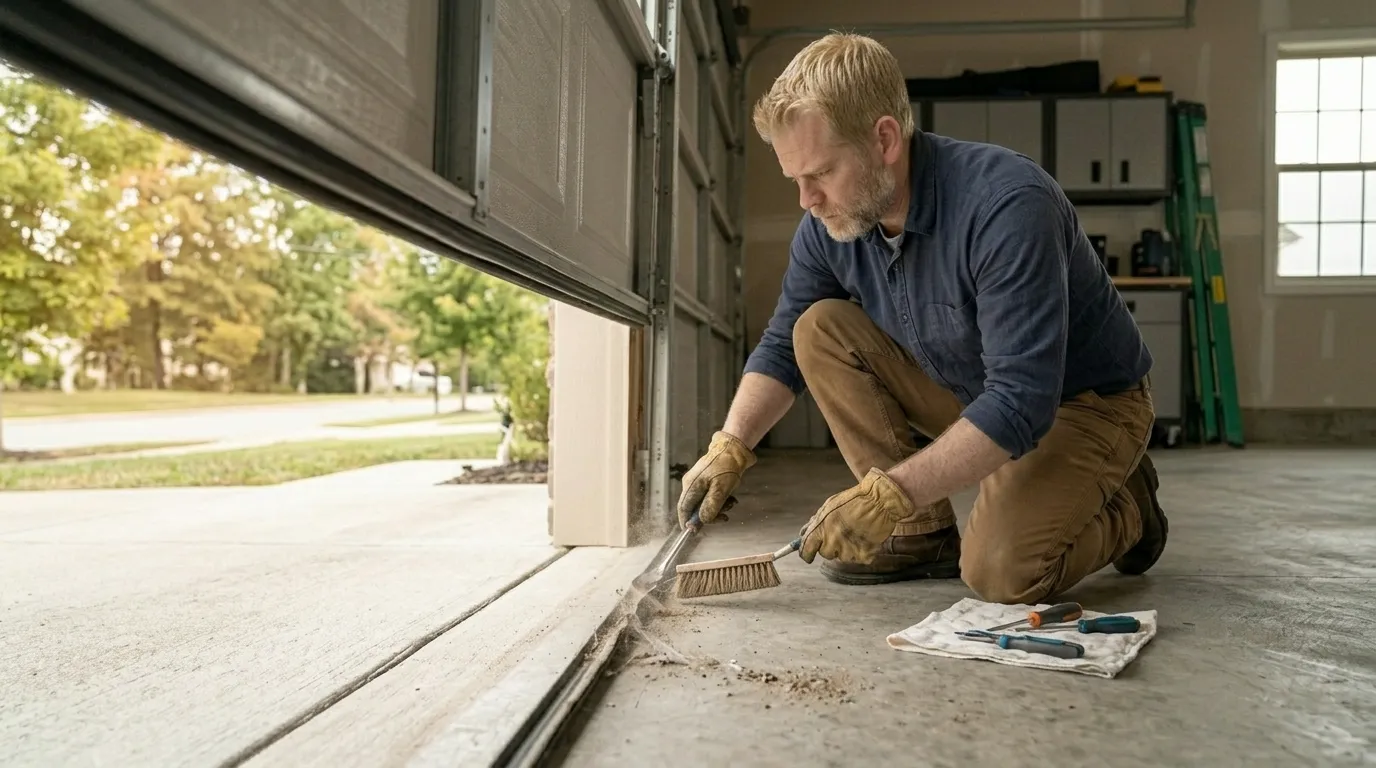
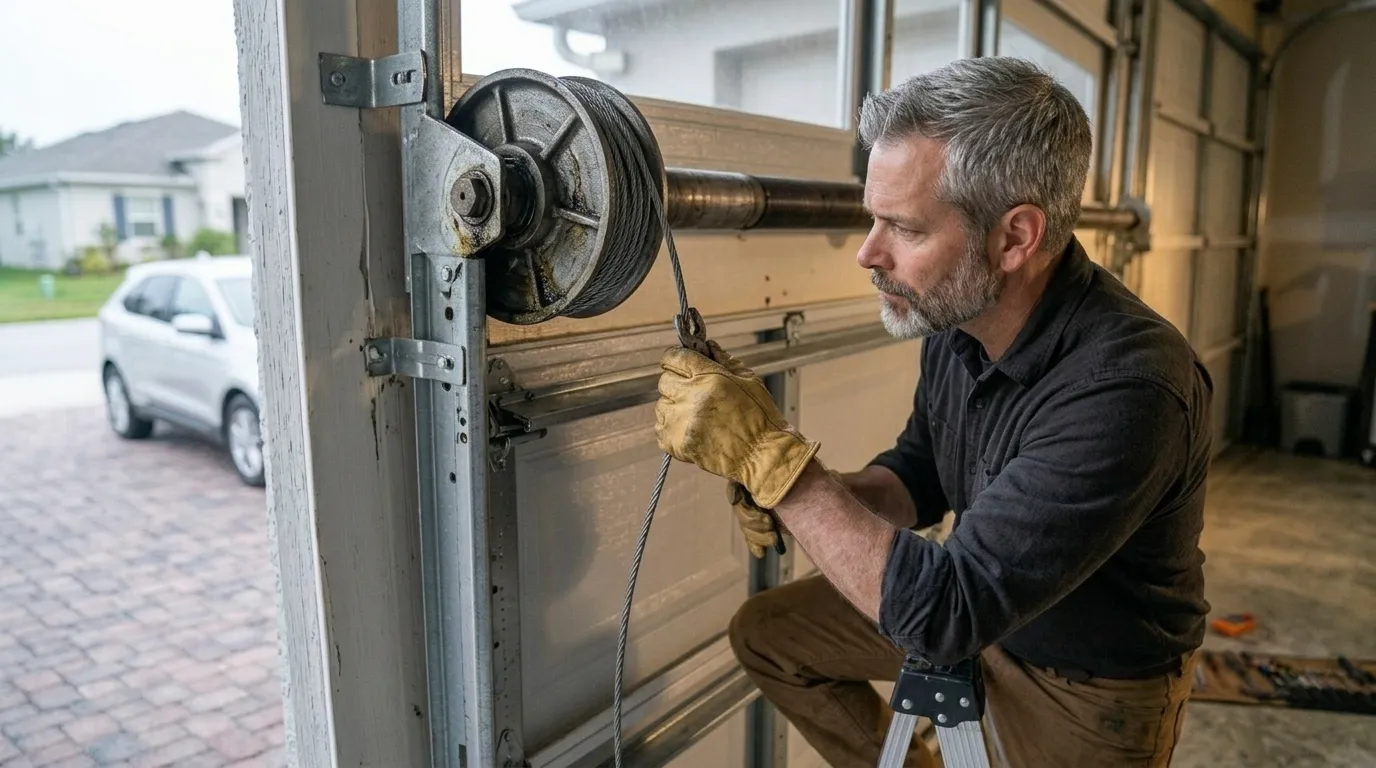
Because most of Cary's garage doors are pushing thirty-five to forty years old, the failures we see are age failures, not installation defects. Extension springs on those original 1985-era doors have usually been stretched past their rated cycle count long before anyone notices - they don't snap dramatically like a torsion spring, they just stop pulling their weight, and the door gets harder to lift by hand every year until someone finally calls. Steel tracks from that build era were rarely galvanized to today's standard, so cold-climate rust along the roller channel is common, especially on the north-facing side of a garage that never gets direct sun. Openers from the same period are usually long past a second replacement by now, so a service call for a "stuck door" in one of these houses is as likely to turn into an opener conversation as a spring one. We'll tell you straight when a repair isn't worth it - if the door itself is original steel from the 80s and the springs, track, and opener are all failing at once, patching one piece just delays the same call six months out.