This Area's Housing
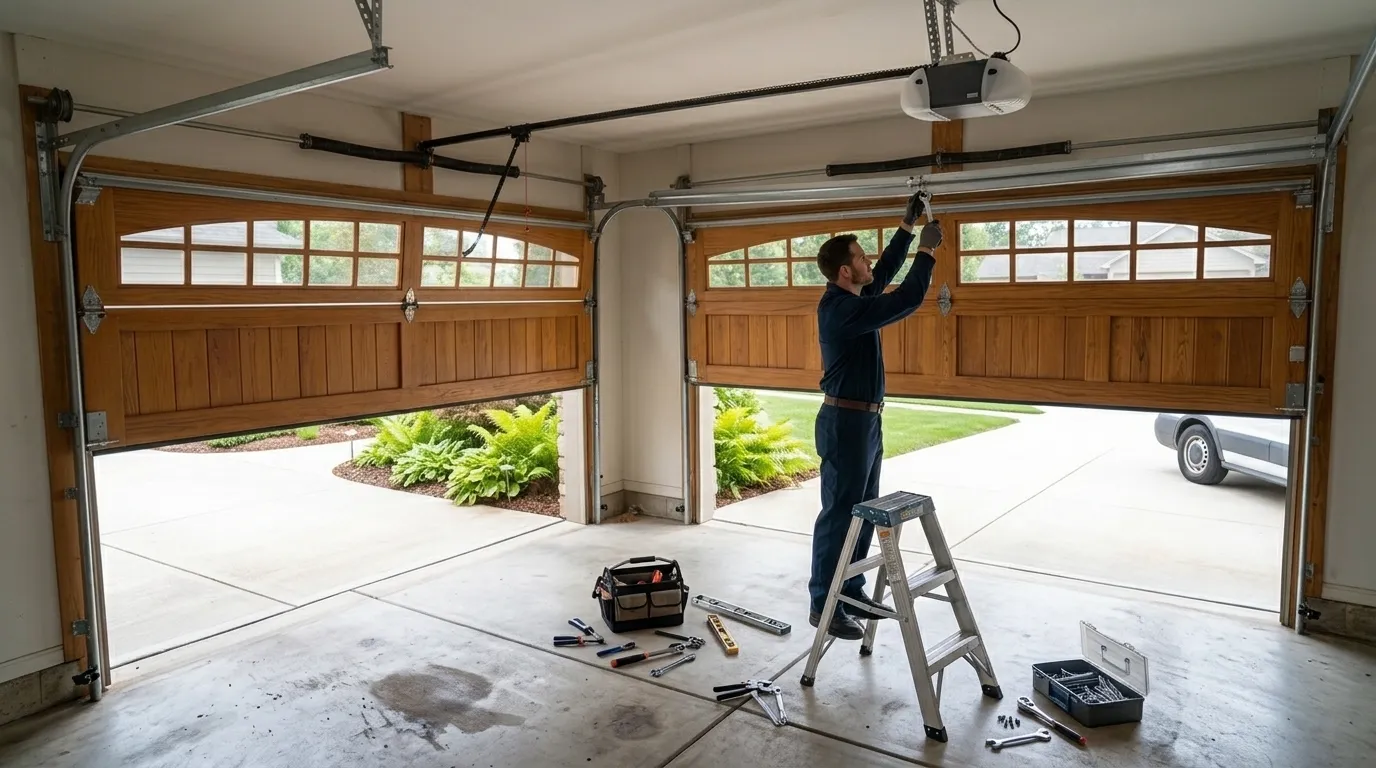
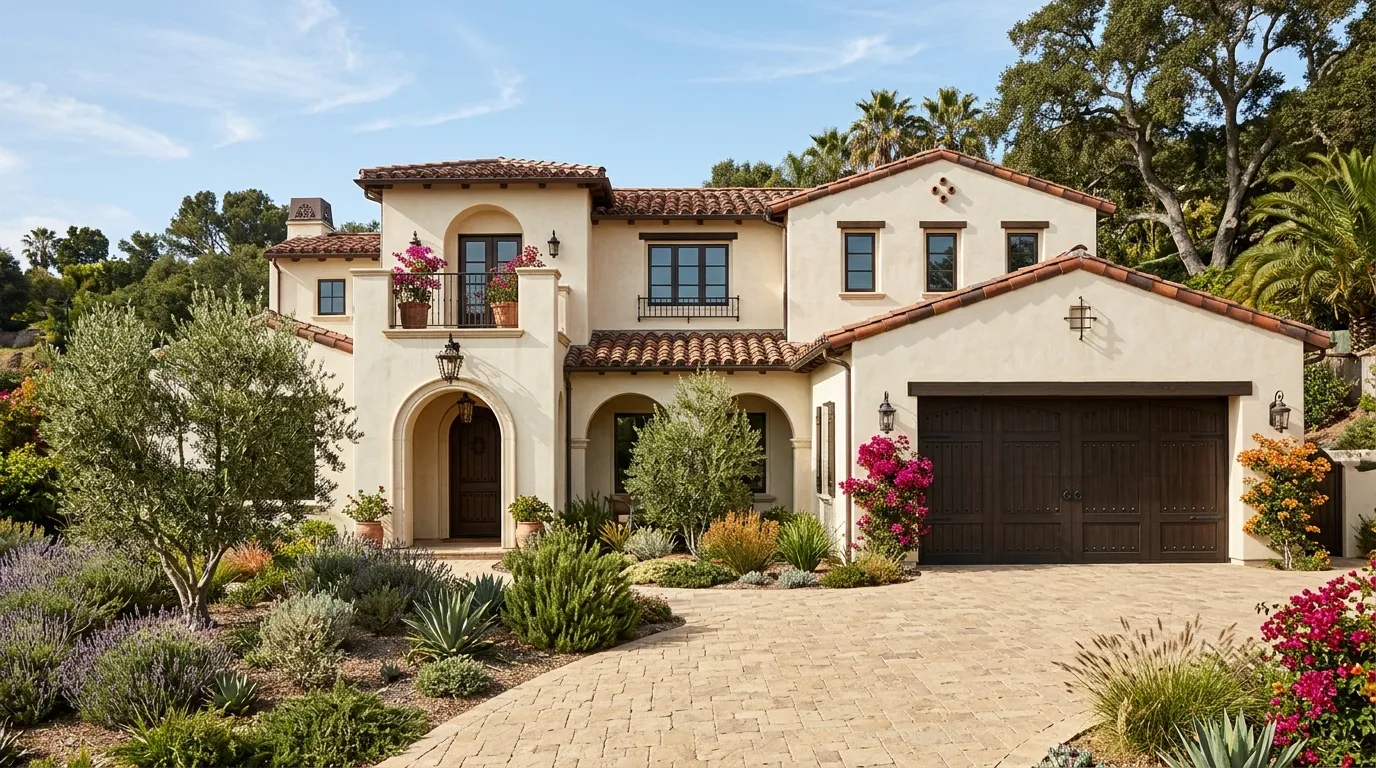
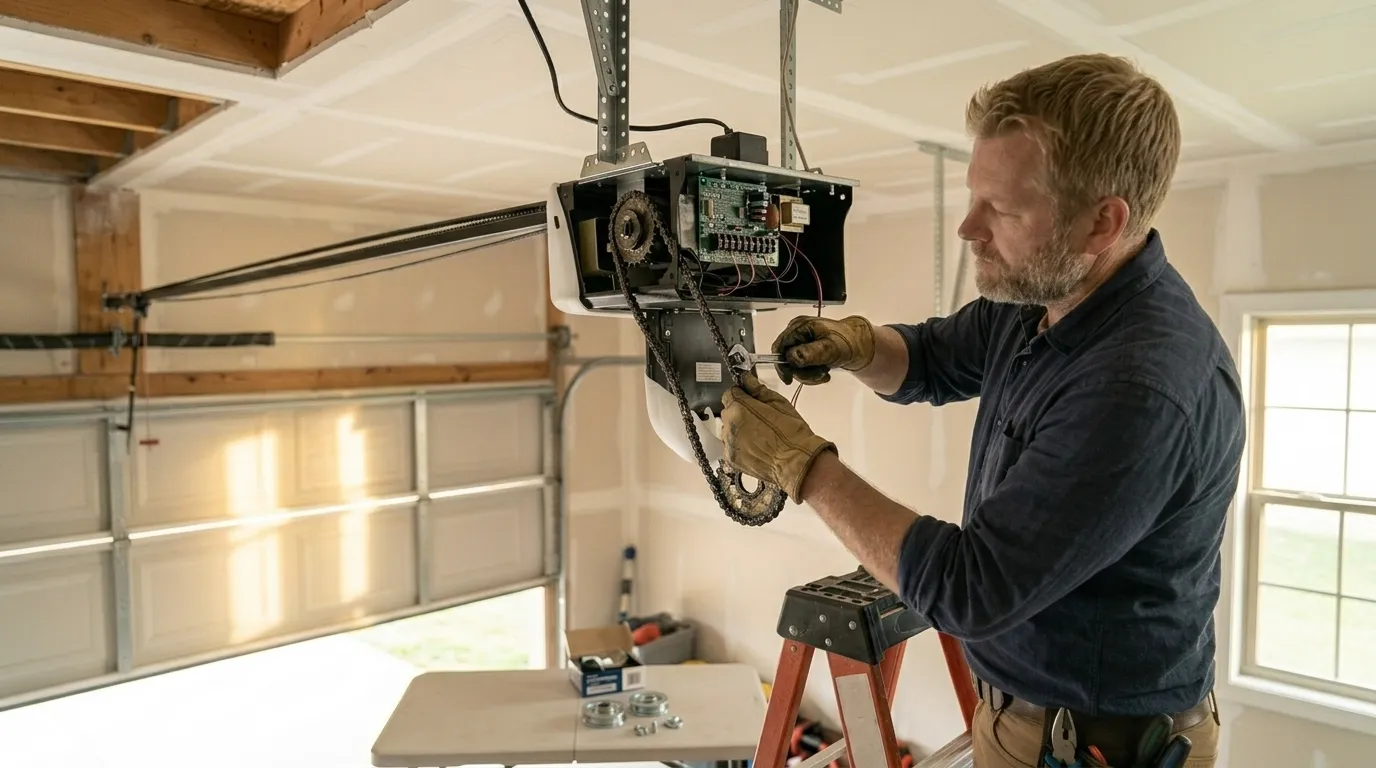
Gages Lake sits about 6 miles from our shop in Mundelein, and the housing stock here is fairly consistent - mostly built in the 1980s, with a median year of 1984. That's a narrower band than you'd find across the wider service area, where homes range from 1938 to 2009. With around 4,049 households here, most garages were framed for double-car steel doors with torsion spring systems, not the older single-panel or extension-spring setups you'd find in a pre-1960s neighborhood. Median household income here runs about $105,114, which is a bit below the service-area median of $121,583 - worth mentioning because it tends to line up with more owners choosing a targeted repair (spring, cable, roller) over a full door replacement when something breaks. Houses built in this window also share a common weak point: original openers from the 1980s, many of which are still chugging along on their first motor and first set of gears, well past when most manufacturers expect them to hold up.
How That Shows Up in the Door
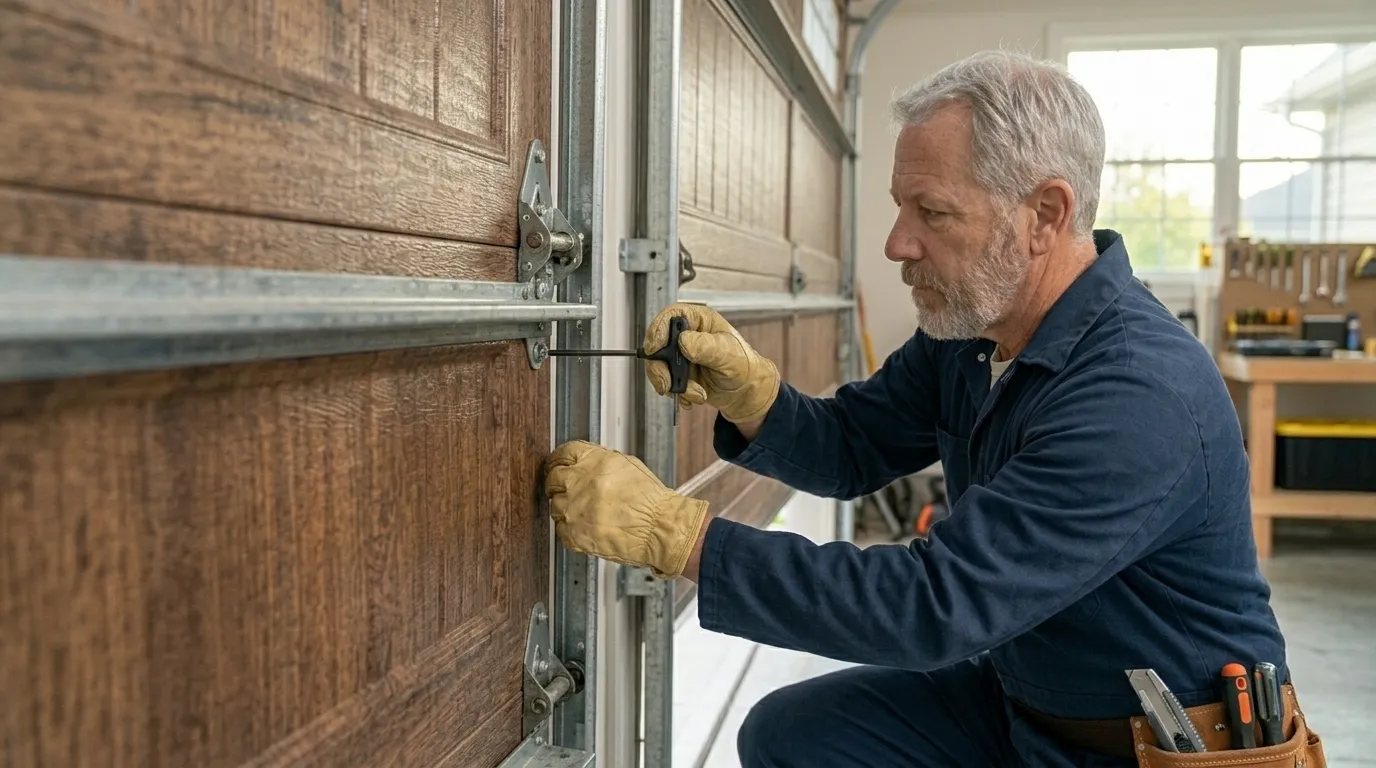
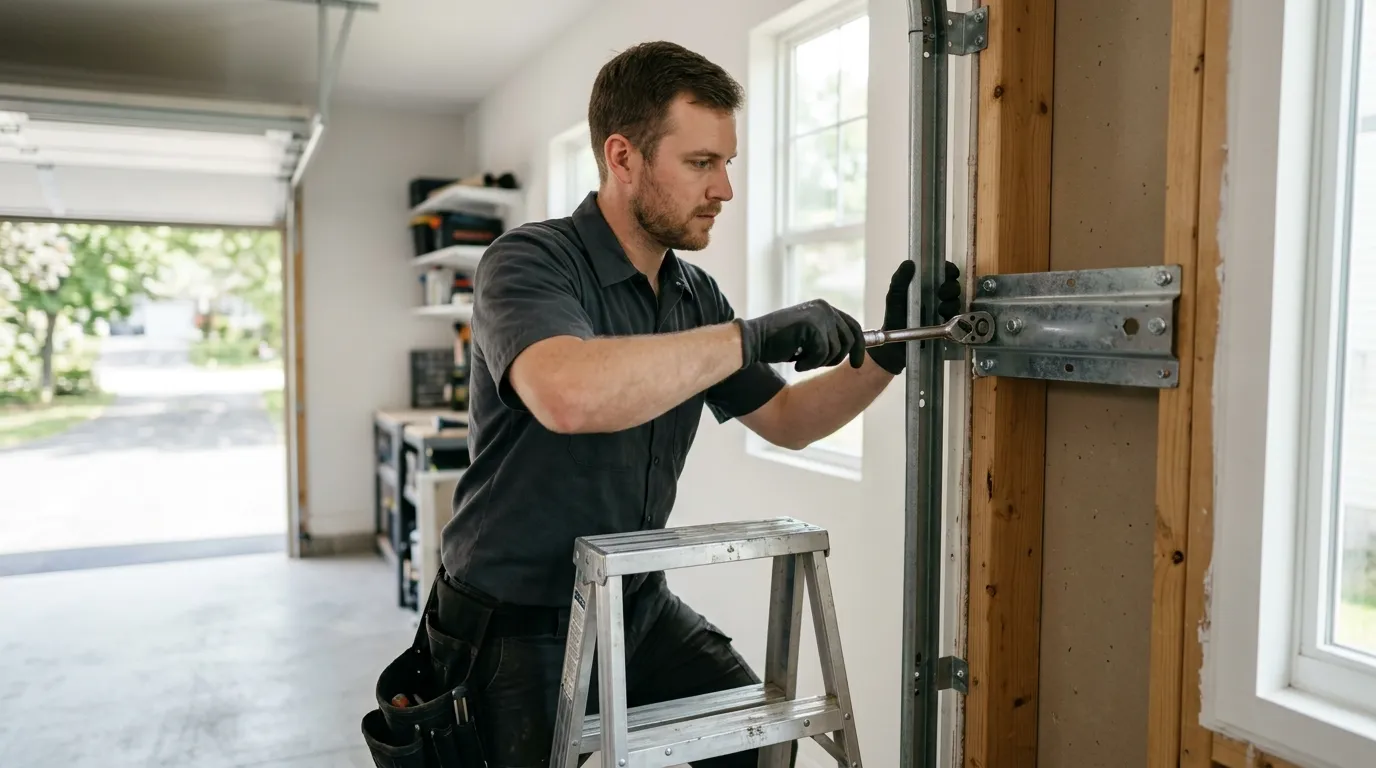
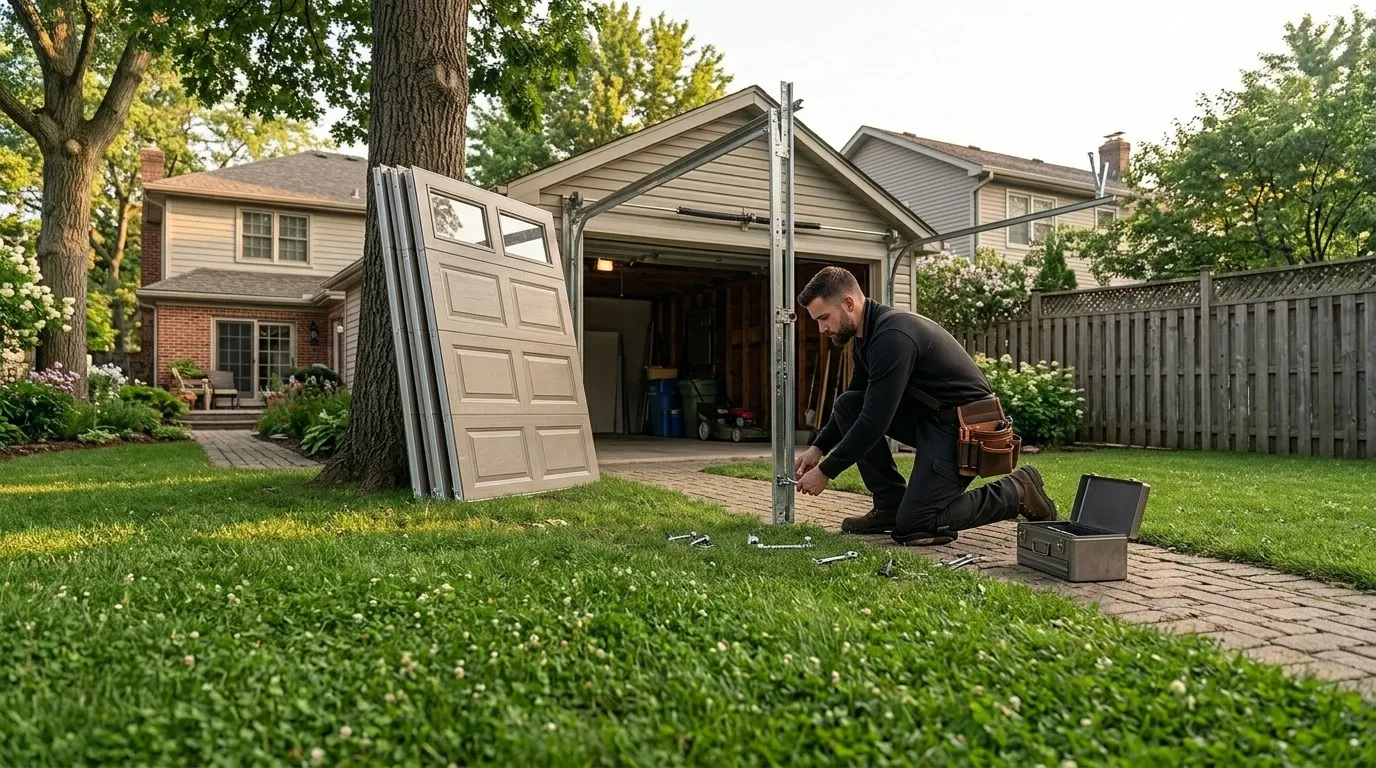
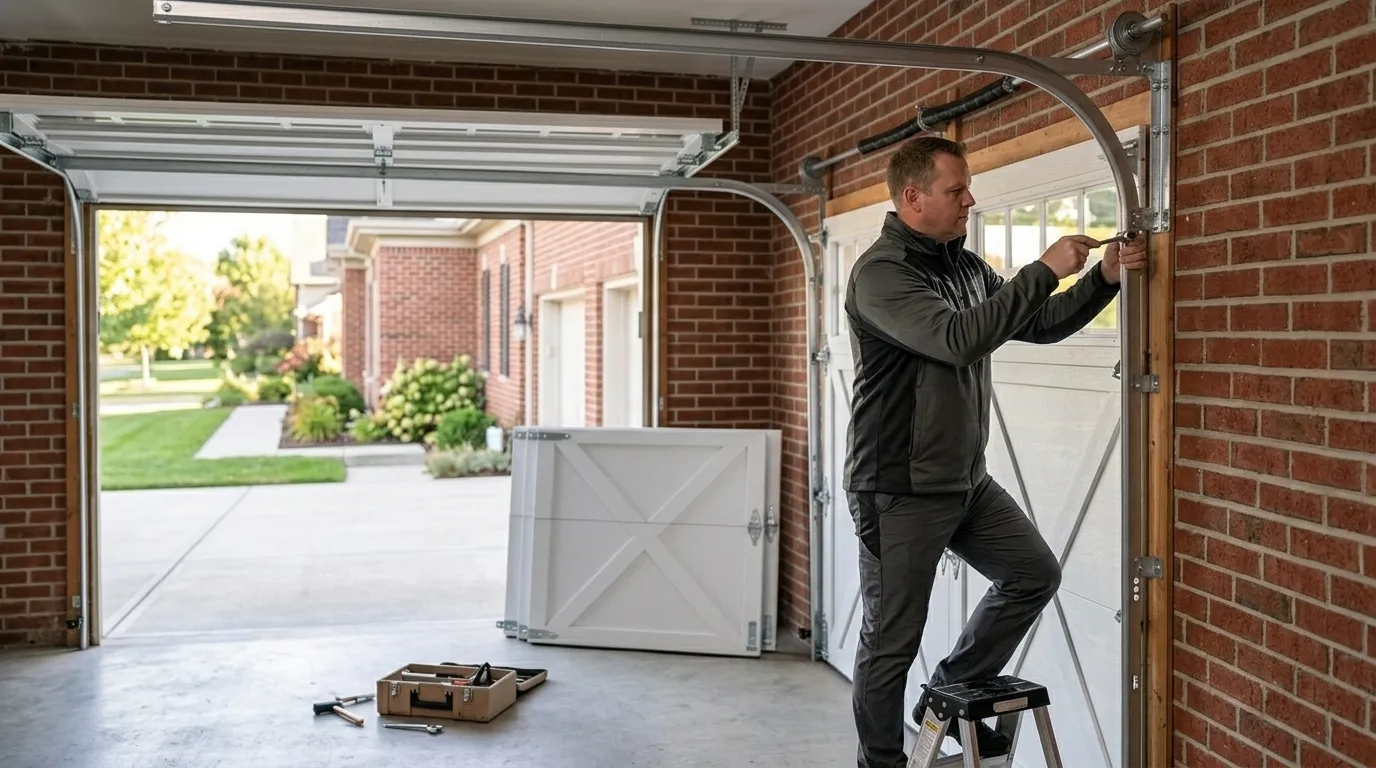
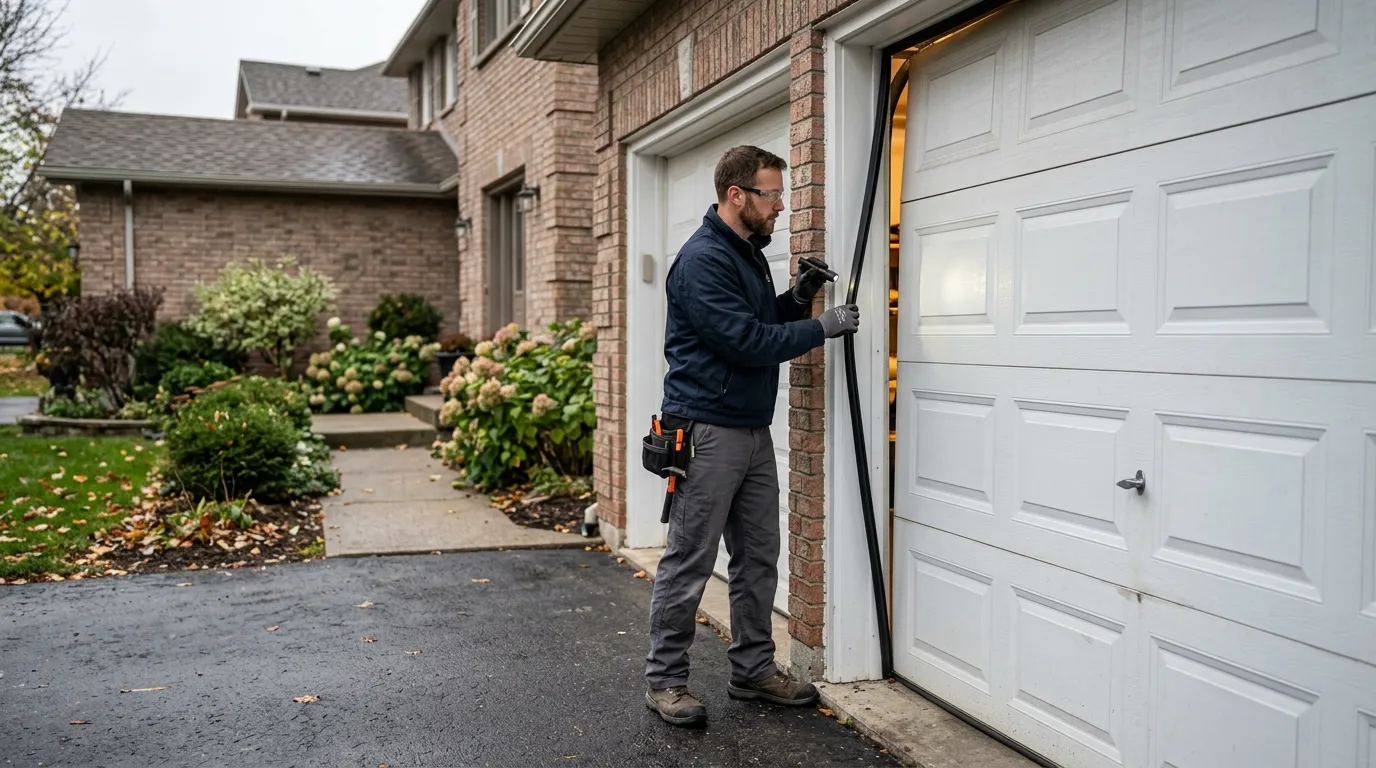
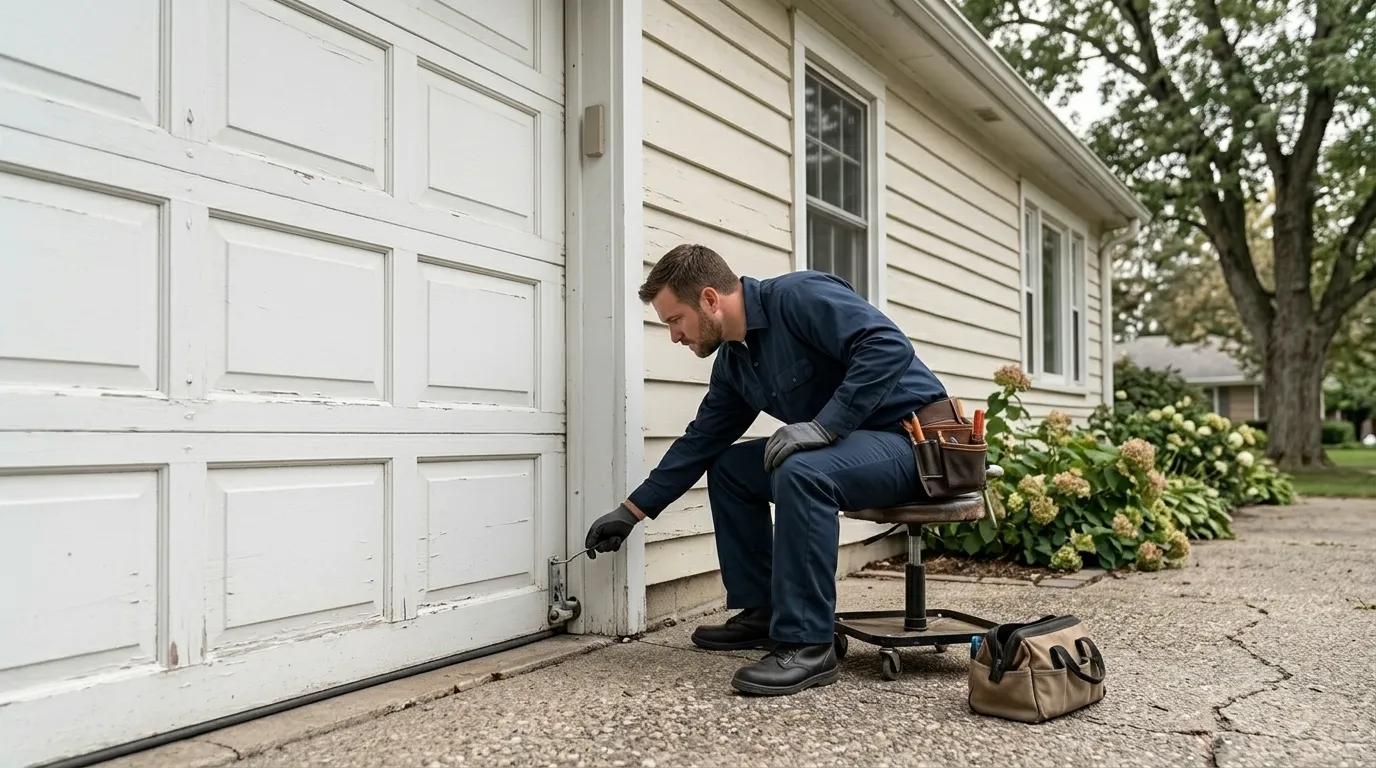
A door built for an 80s-era garage typically runs a torsion spring sized for a heavier steel panel than the aluminum doors of decades before, so when that spring goes, the door doesn't budge - it's not a case of muscling it open. We also see cable wear concentrated at the bottom bracket, which is standard for doors that have logged three to four decades of daily cycles. Because winters here fall in the severe end of a cold climate band, cold makes stiff or dry hardware worse: springs and rollers that were already tired tend to fail on the first hard freeze rather than gradually. That's not unique to any one house, but it's consistent enough across this stock that we plan for it. One limitation worth being upfront about: if the door itself has warped or delaminated panels from age or moisture, no amount of spring or opener work fixes that - at that point replacement is the honest answer, not another patch repair.