What It Costs
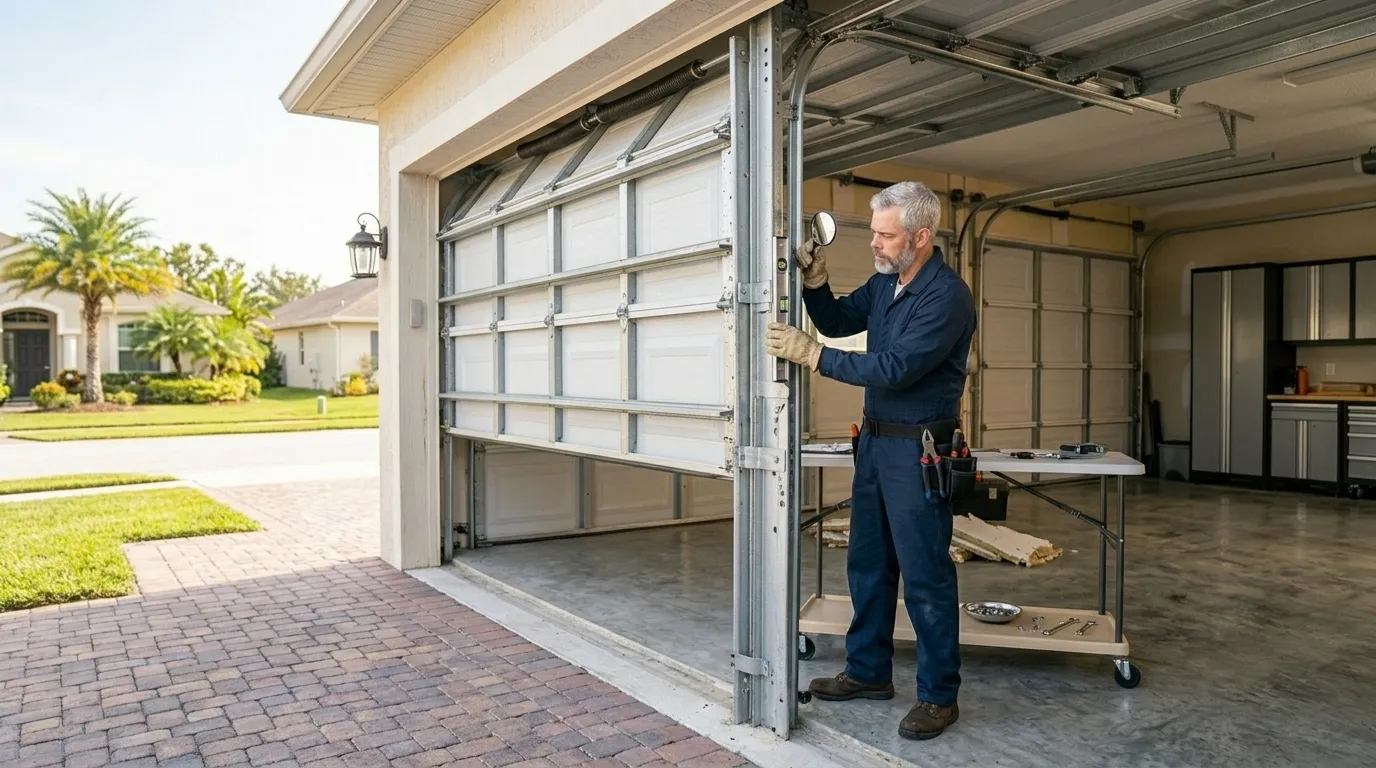
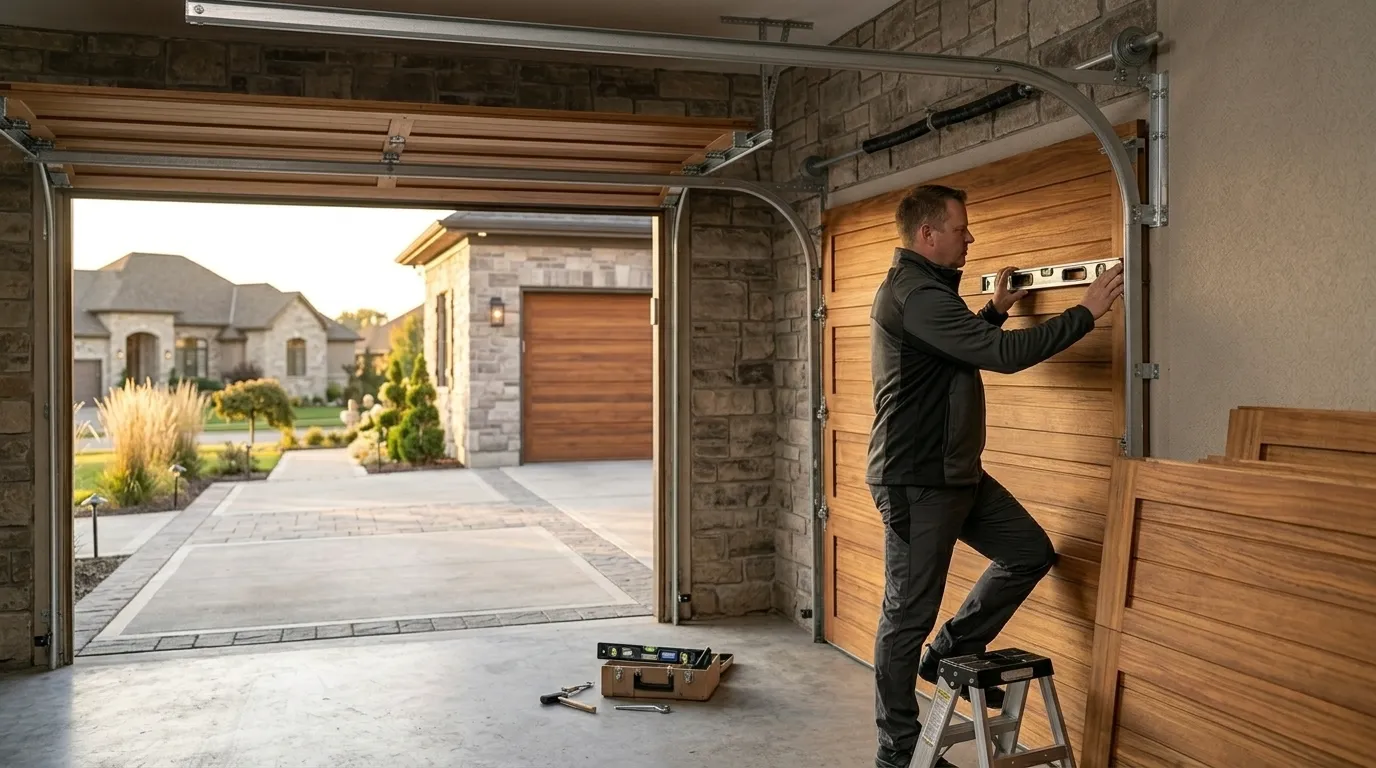
We don't have a flat price to quote here - every job depends on spring size, door weight, and what's actually broken - but the age spread across this area, doors going back to 1938 with most of the stock from the 1980s and 90s, changes the math in a real way. A torsion spring or opener gear kit for a door from around the 1984 median build year is usually still in production and easy to source. Parts for anything closer to the 1938 end of that range, especially original one-piece doors or older track hardware, take longer to find and sometimes have to be adapted rather than swapped straight across. That's the honest limit here: if your door is an original from the early end of the build range, we may need to special-order hardware or recommend replacement simply because the part doesn't exist anymore - not because the door itself is bad. On a standard 1980s-90s double door, spring and opener repair is usually the cheaper path; full replacement pencils out once the panels, track, or drum have actually failed.
What Is Going On
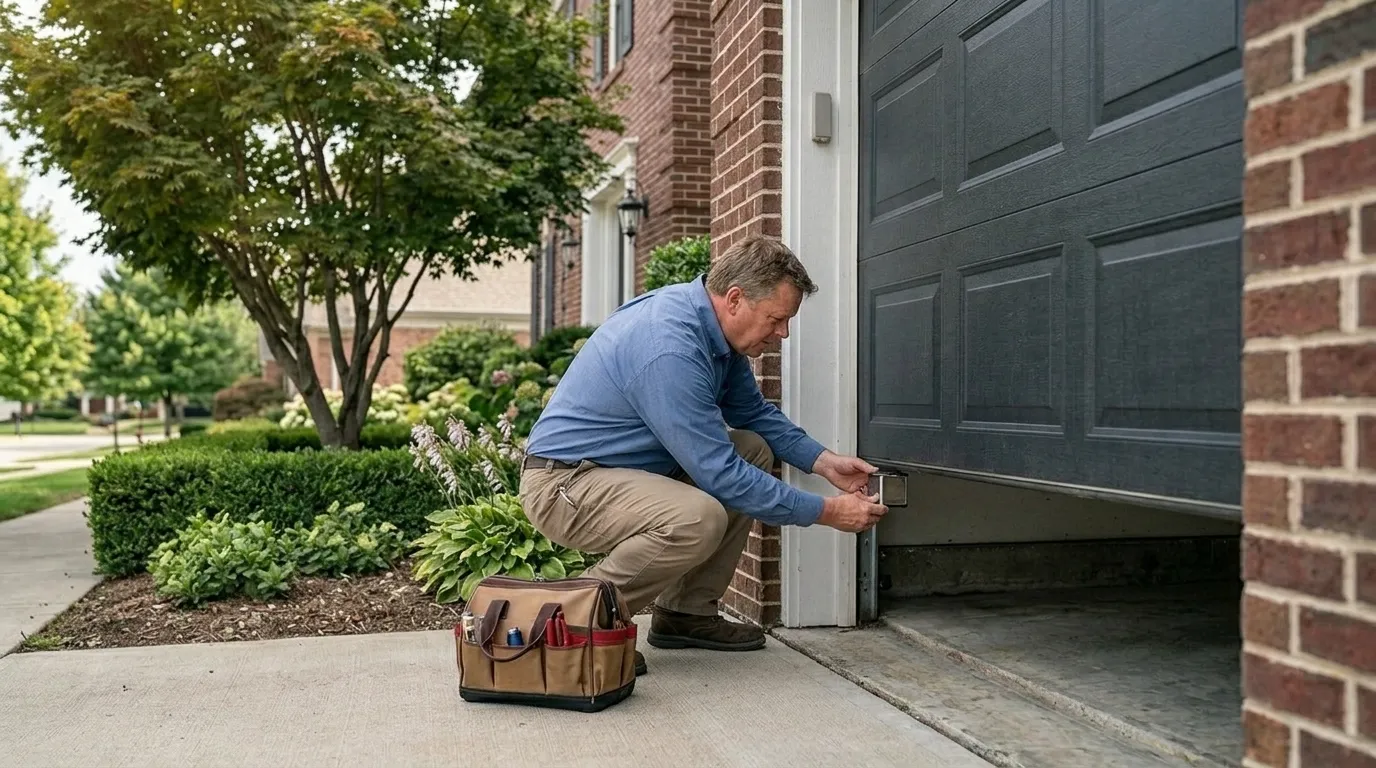
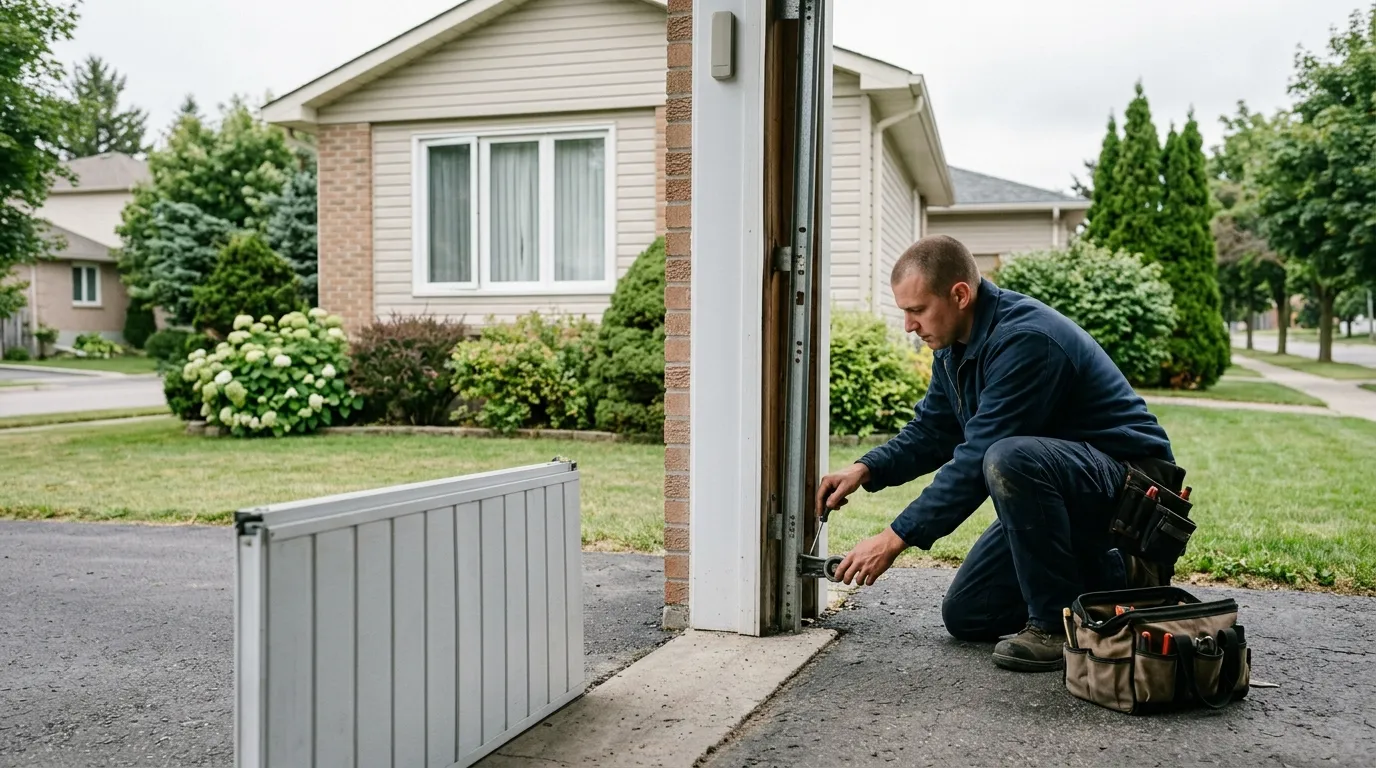
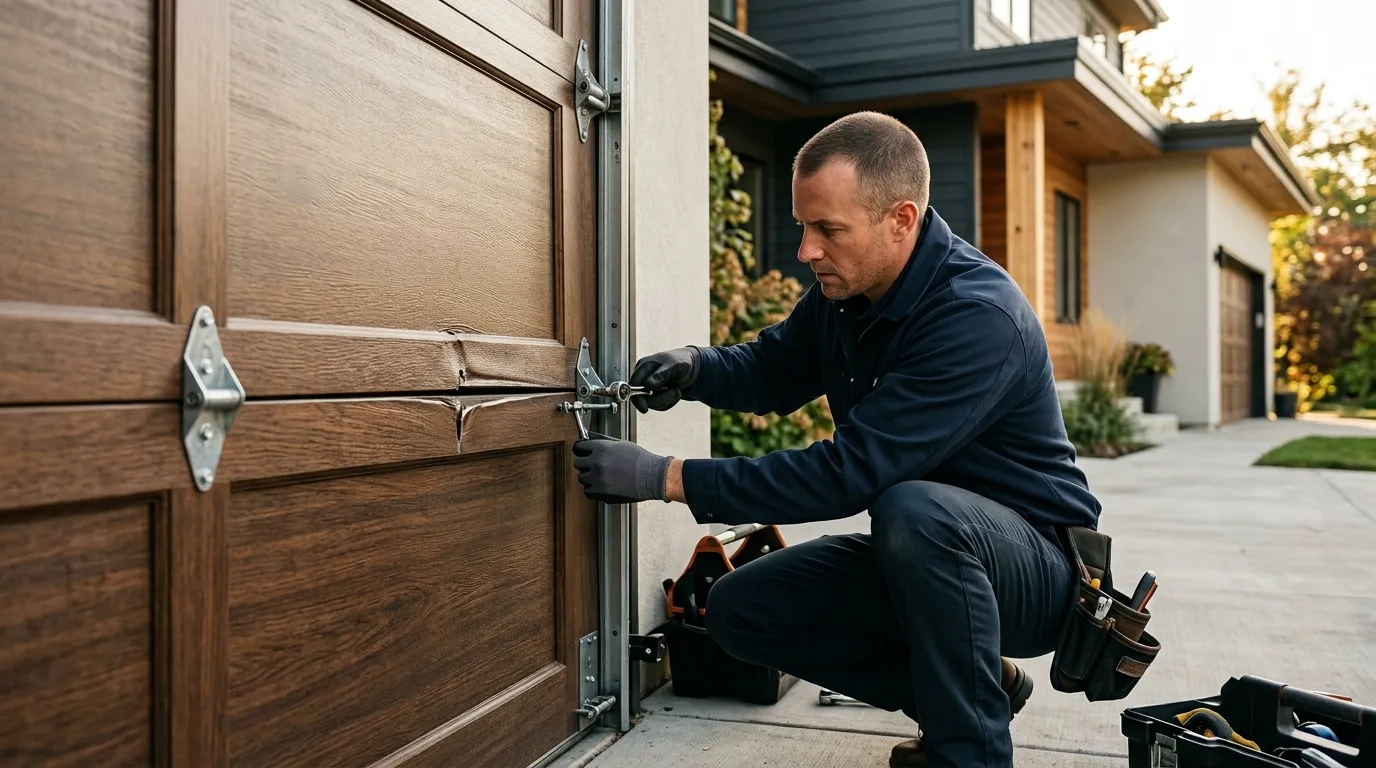
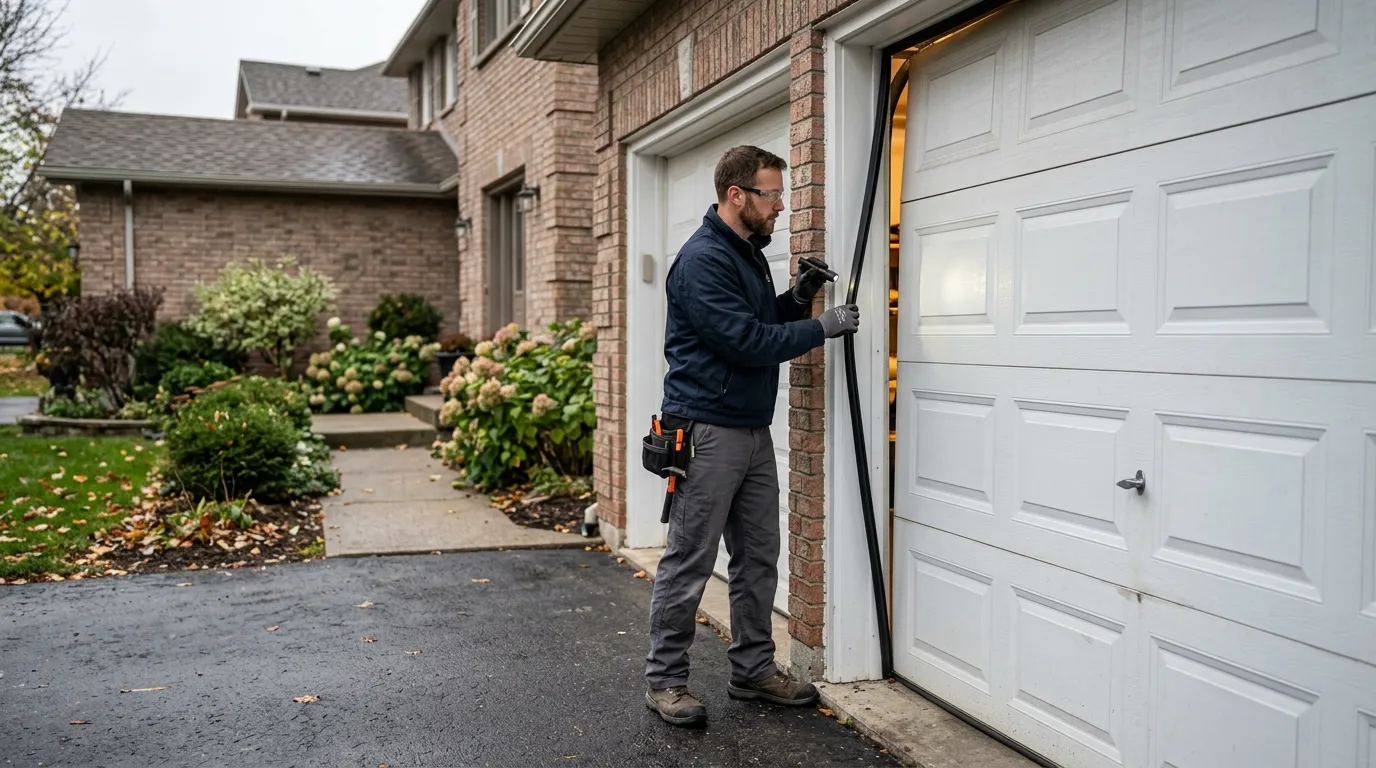
On most calls in a house from that 1980s-90s stretch, the actual failure is one of three things: a torsion spring that's reached its cycle limit, an opener whose gear or capacitor has worn out, or bottom brackets and rollers that have corroded from years of cold-weather moisture. None of those mean the door itself is bad. A steel sectional panel from that era is usually structurally sound even after the spring or opener has already failed once or twice. What actually ends a door's life is water damage at the bottom panel from ice melt sitting against it all winter, or a track bent enough times that it won't hold alignment anymore. If you're getting repeat spring failures, or the opener has already been swapped once, treat it as a sign to look at the whole system instead of just replacing the part that broke this time.