This Area's Housing
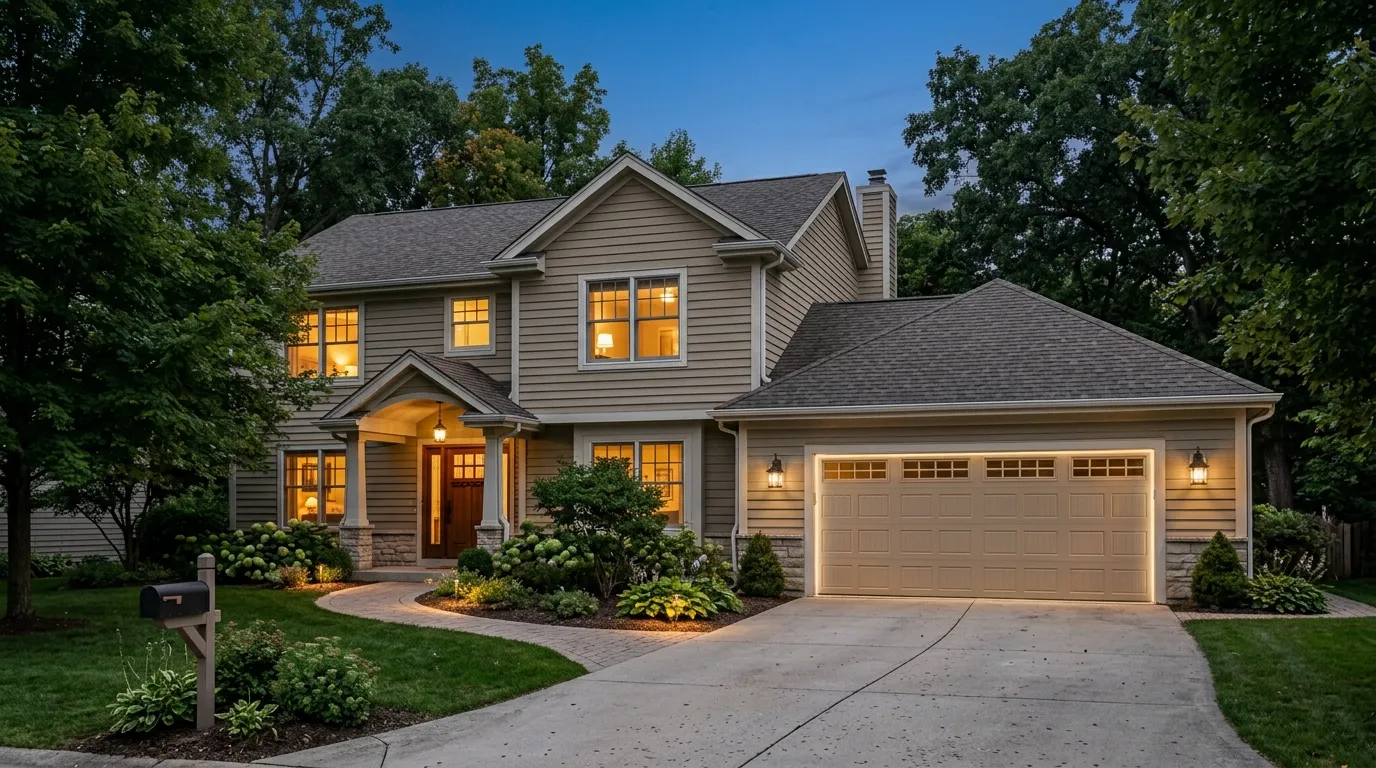
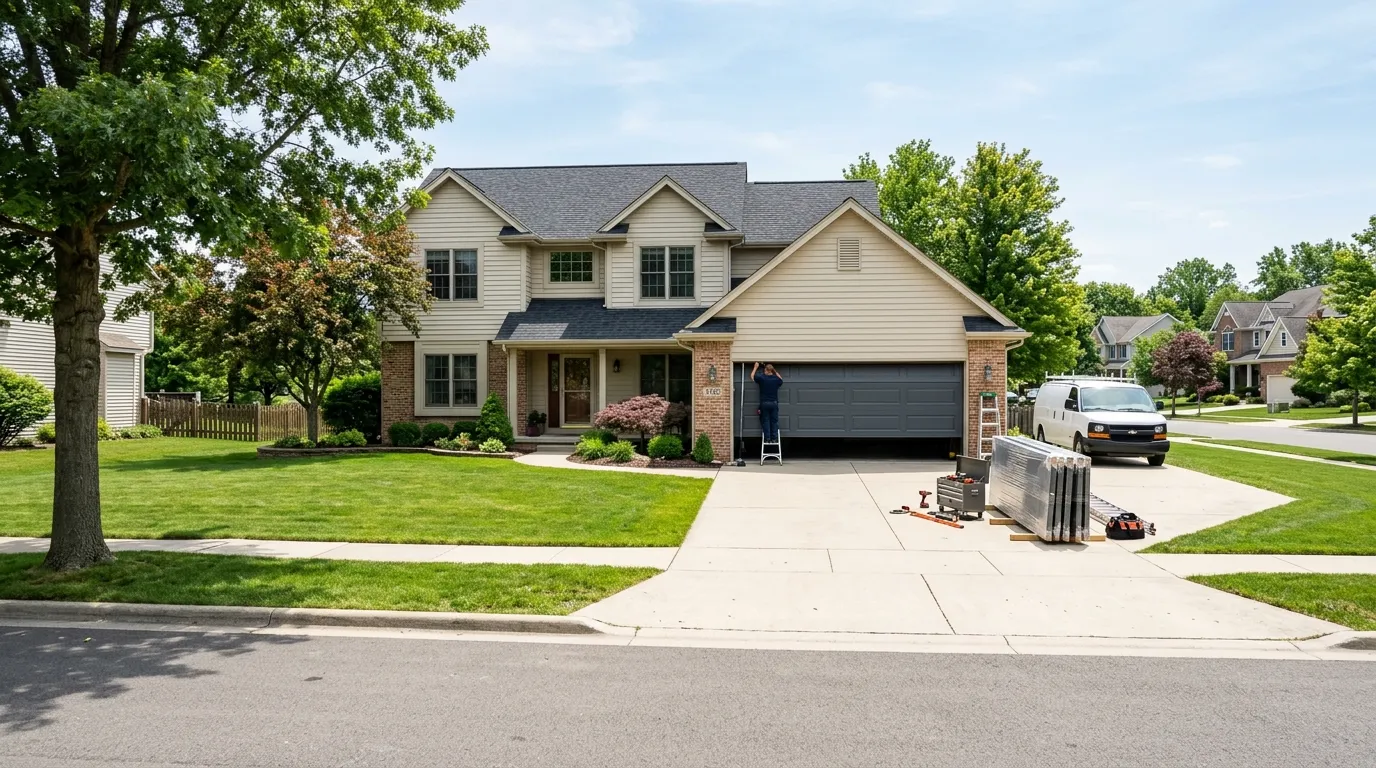
The median home in Channel Lake was built around 1962, noticeably older than the roughly 1984 median across the wider service area this company covers. That twenty-plus year gap matters more than it sounds like it should, because garage door hardware changed a lot between the early 1960s and the mid-1980s - torsion spring sizing, track width, and the way openers mount to the header are all different generations of engineering. Median household income here runs around $63,958, lower than the roughly $121,583 median across the broader area, which tends to mean owners are more likely to ask us to repair a door than replace it outright, and we respect that math. A lot of these garages were built as single-car or narrow two-car structures to match the smaller footprint of homes from that era, which limits which replacement panels and opener rail lengths actually fit without modification. We see this pattern across the older pockets of the region, and Channel Lake is one of the more concentrated examples of it - a neighborhood where the housing age, not the calendar year, tells you what's likely wrong with the door before we even get there.
How That Shows Up in the Door
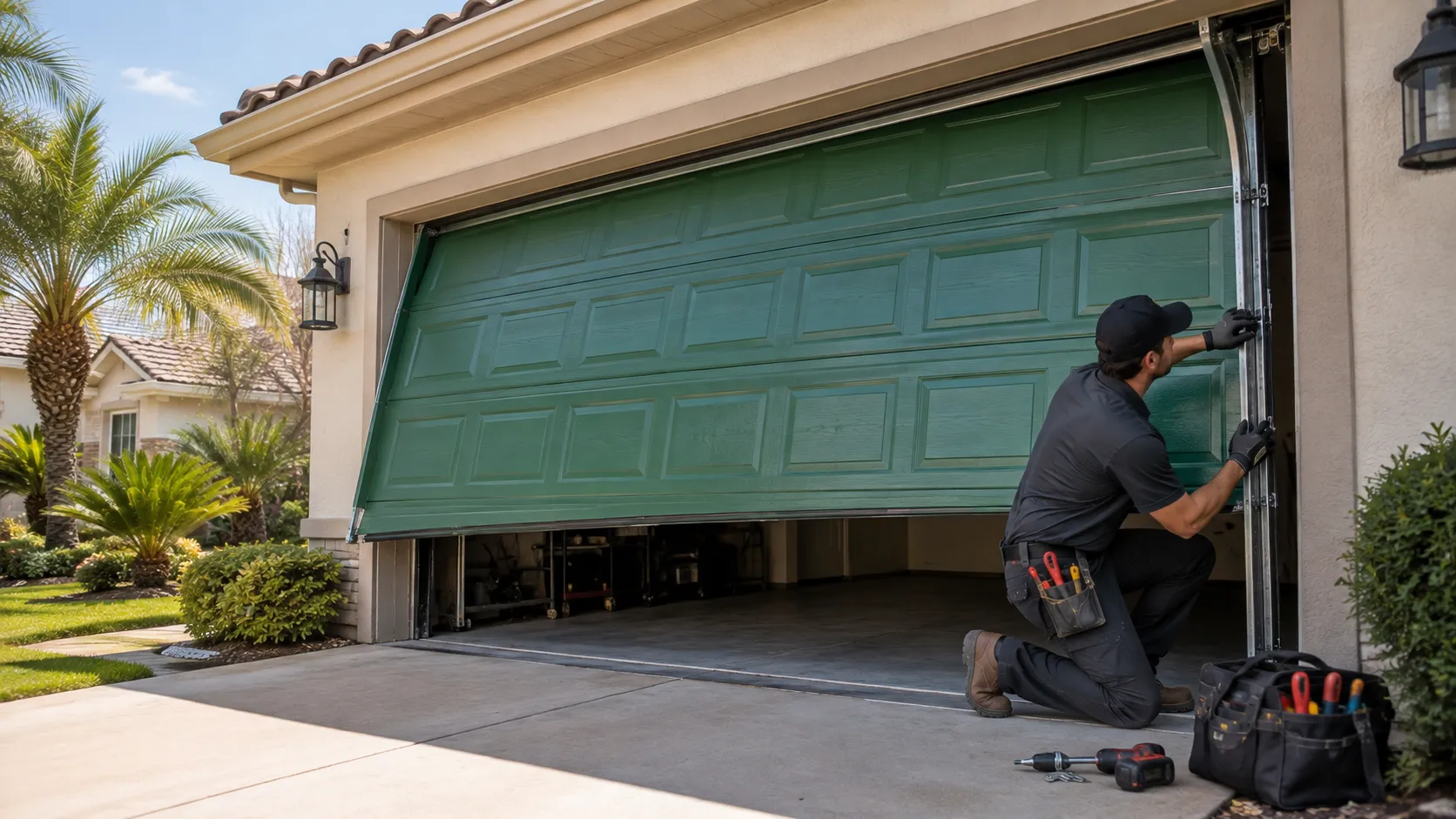
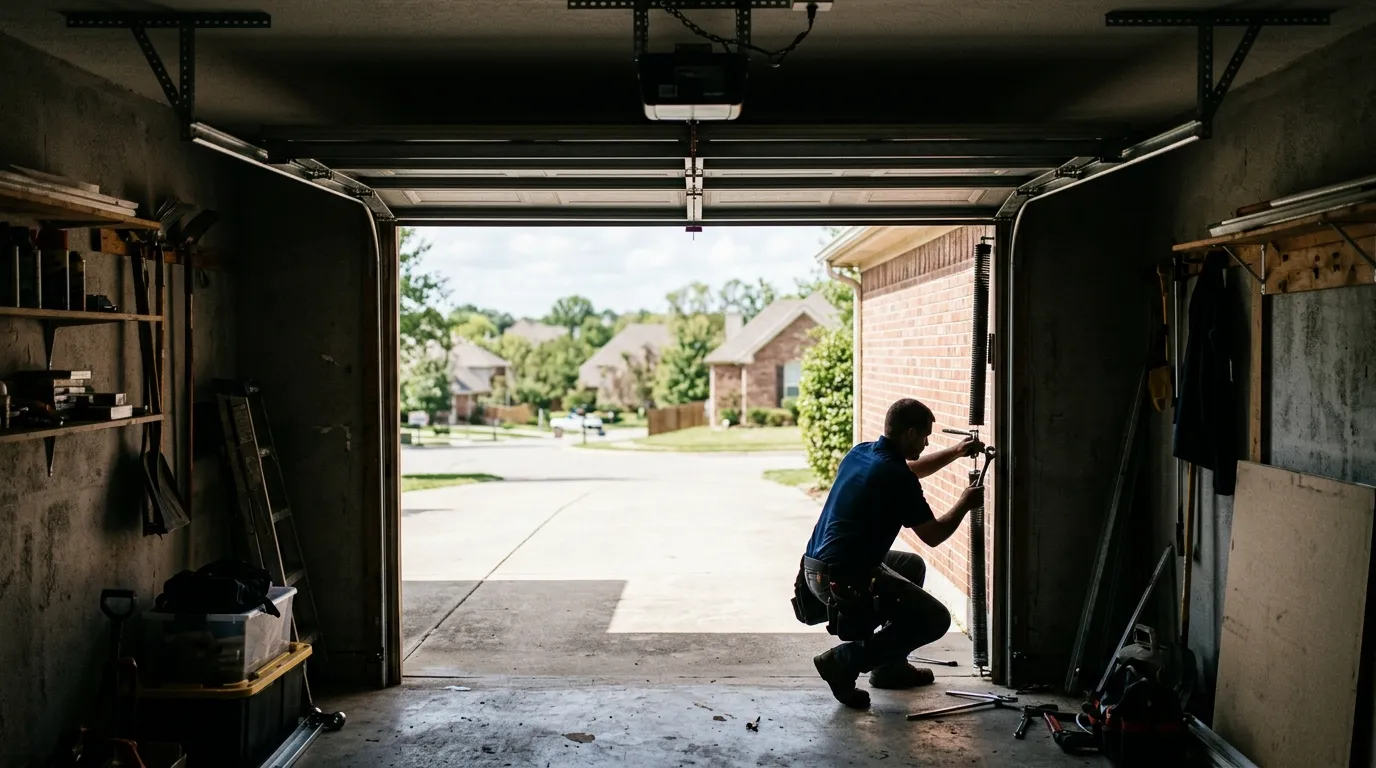
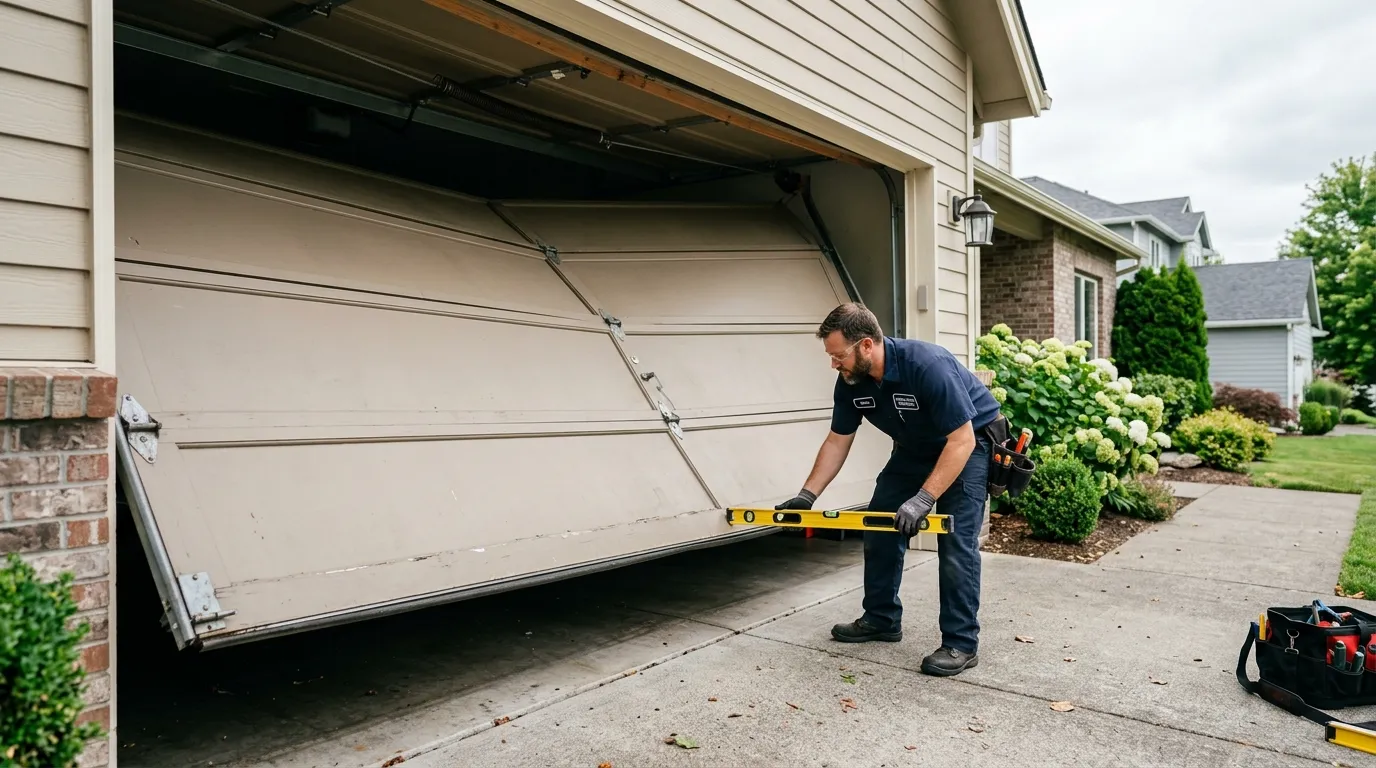
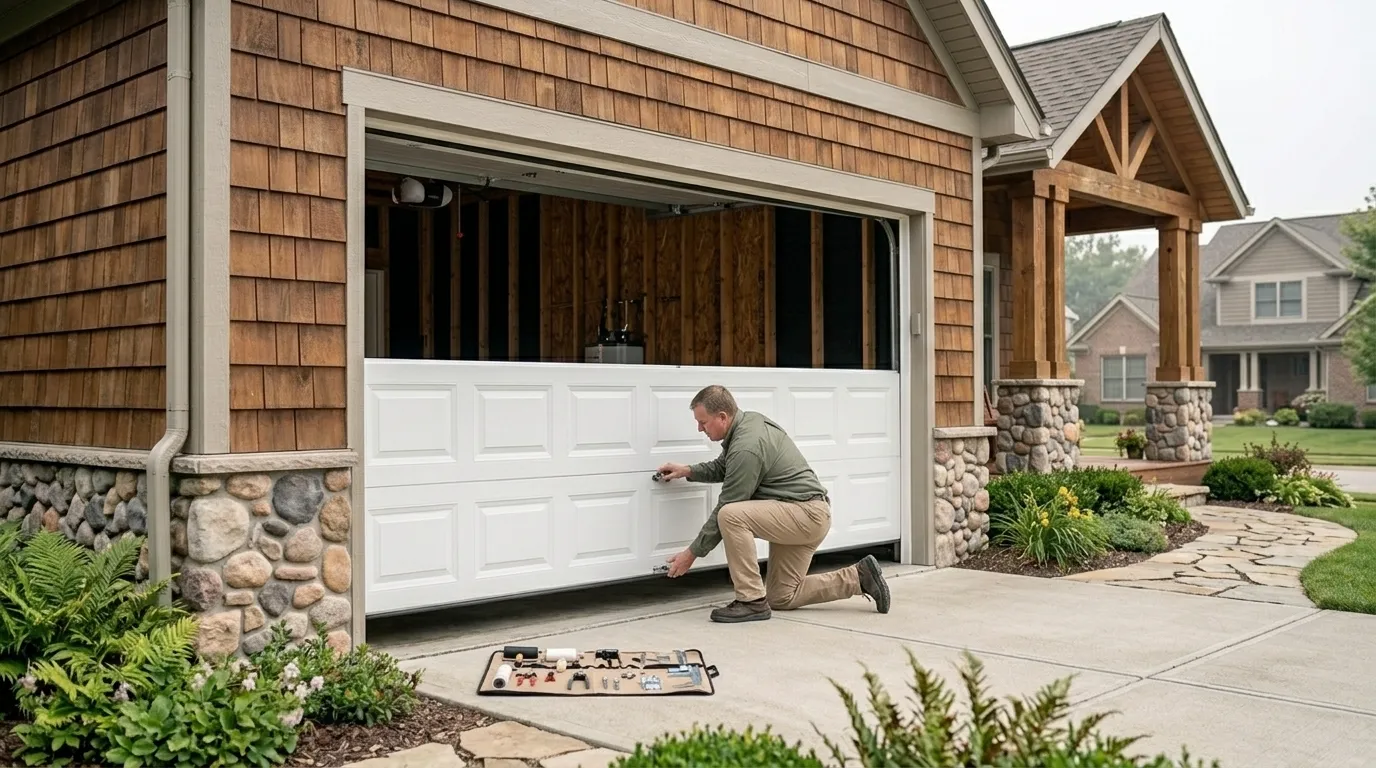
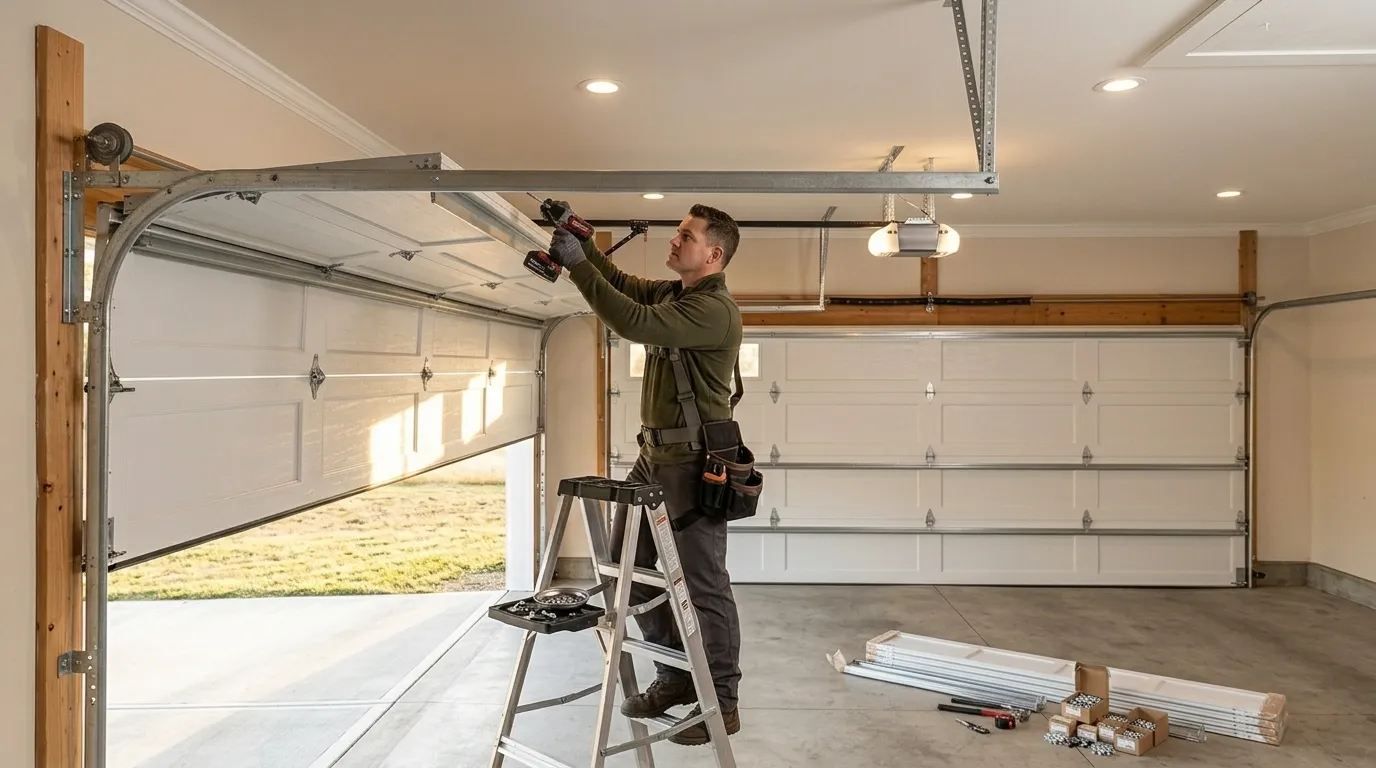
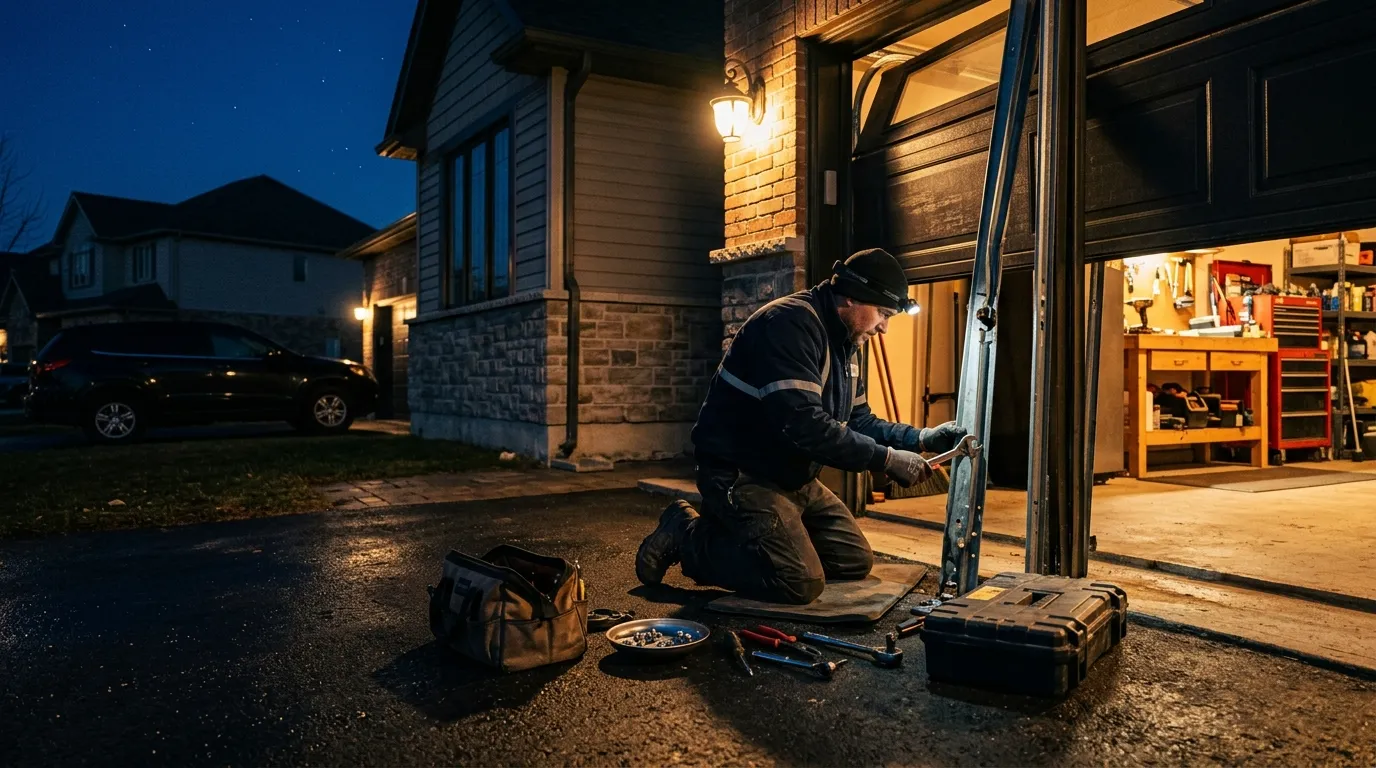
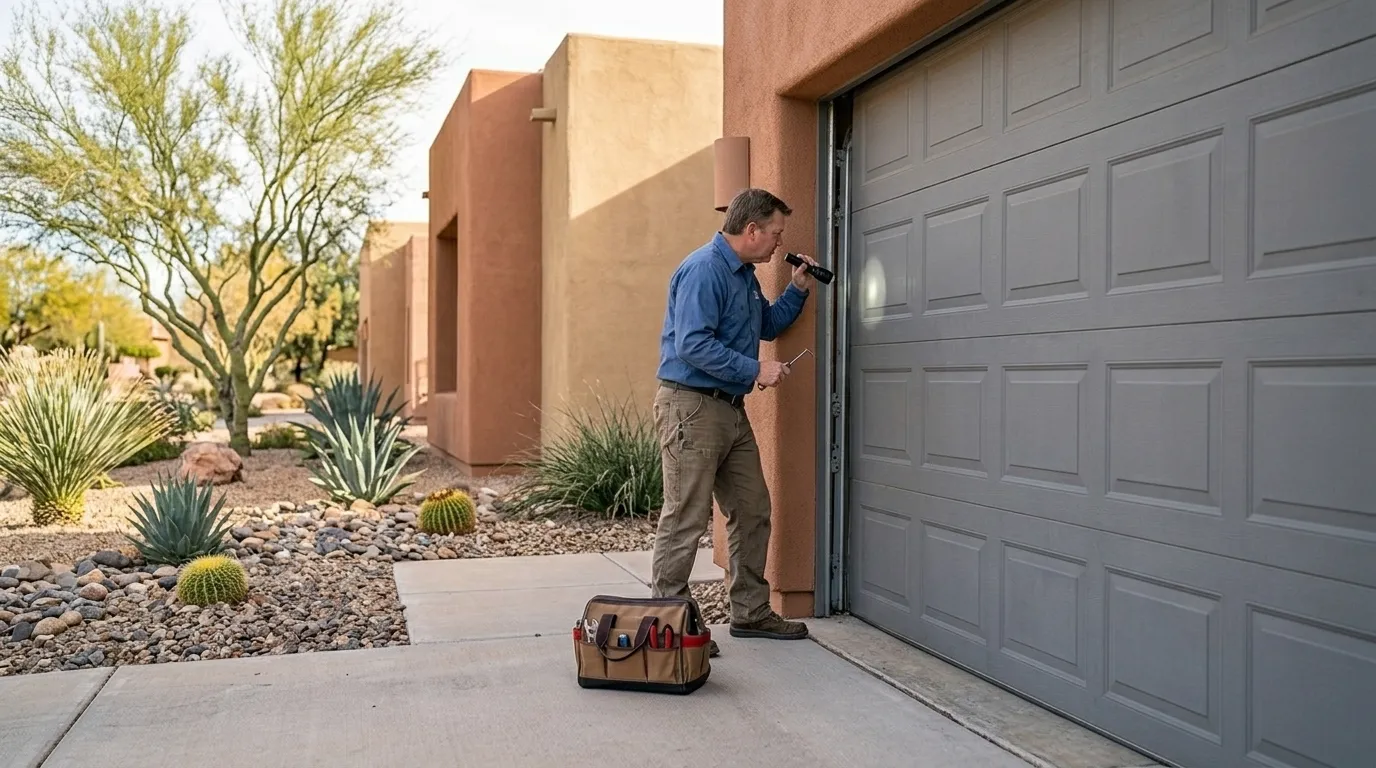
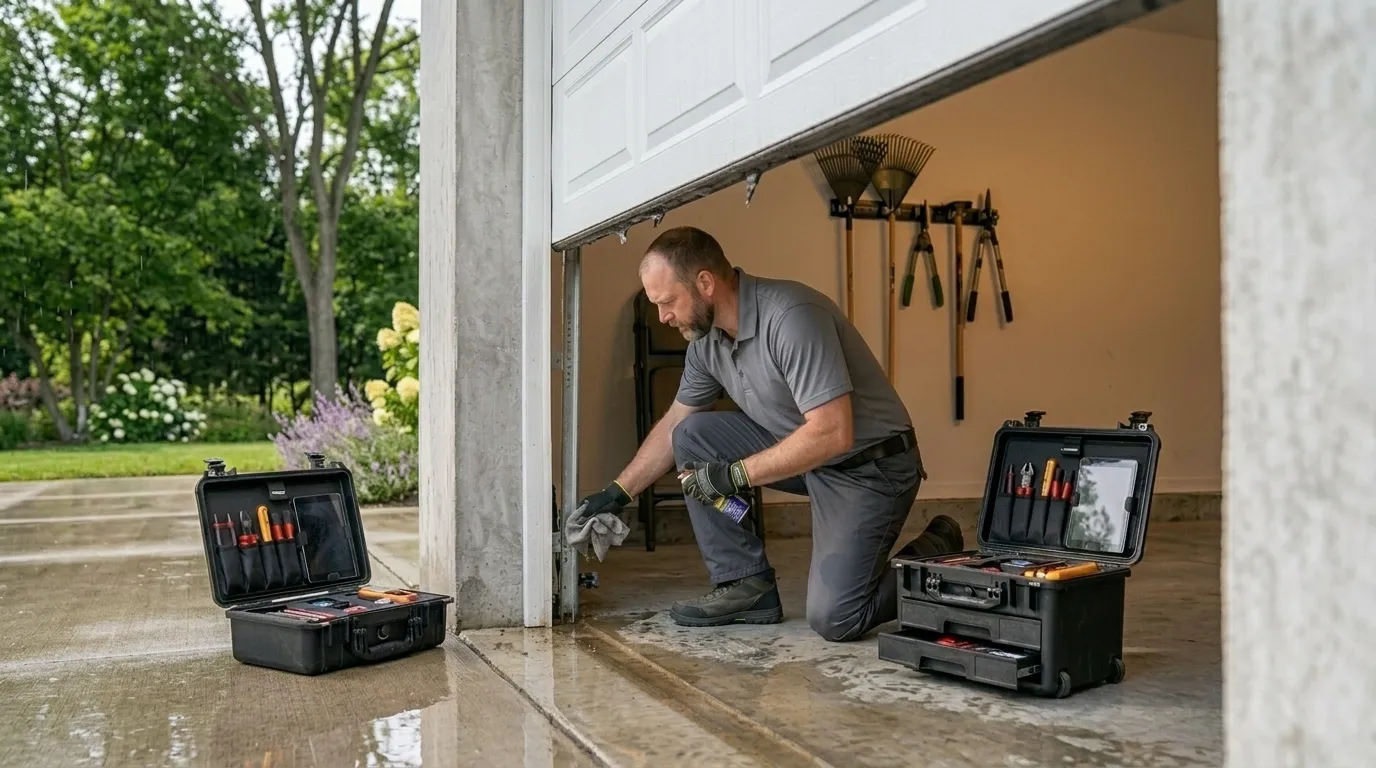
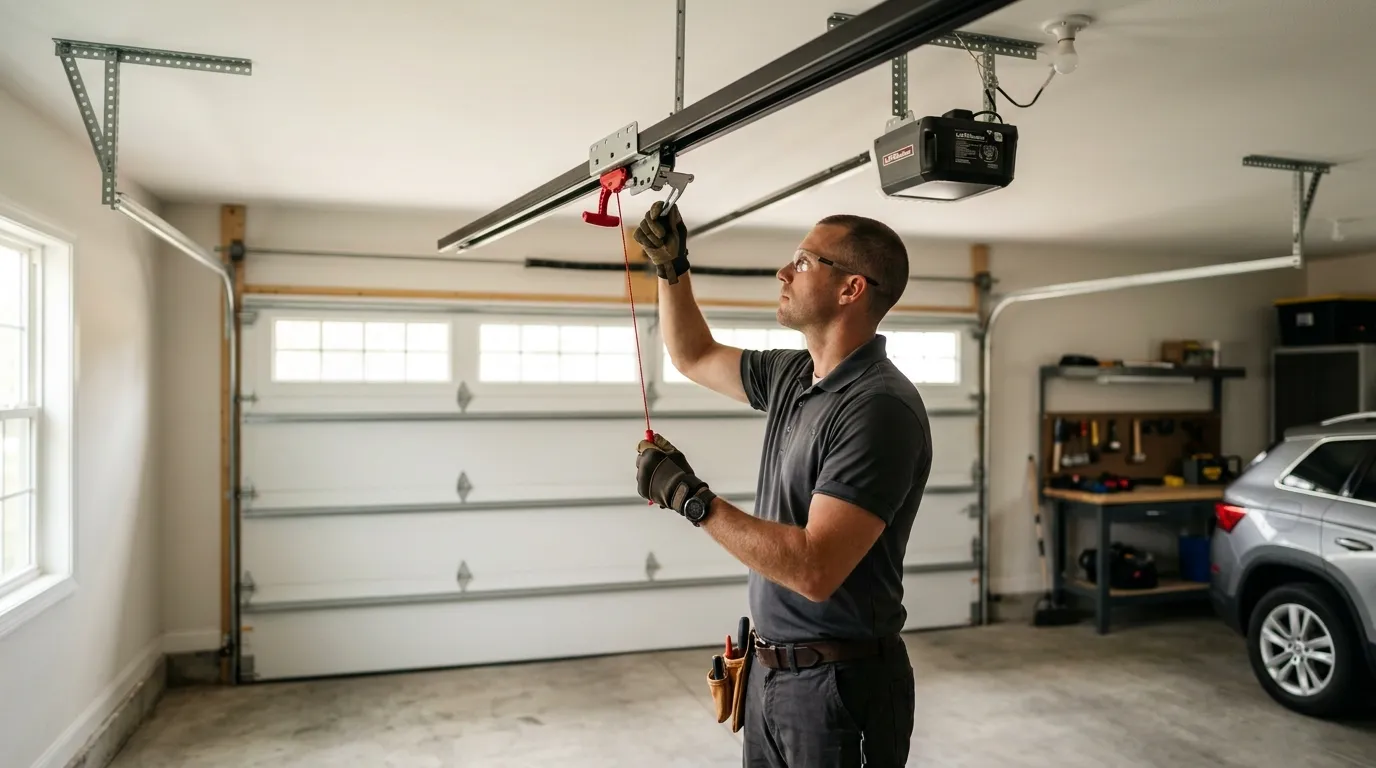
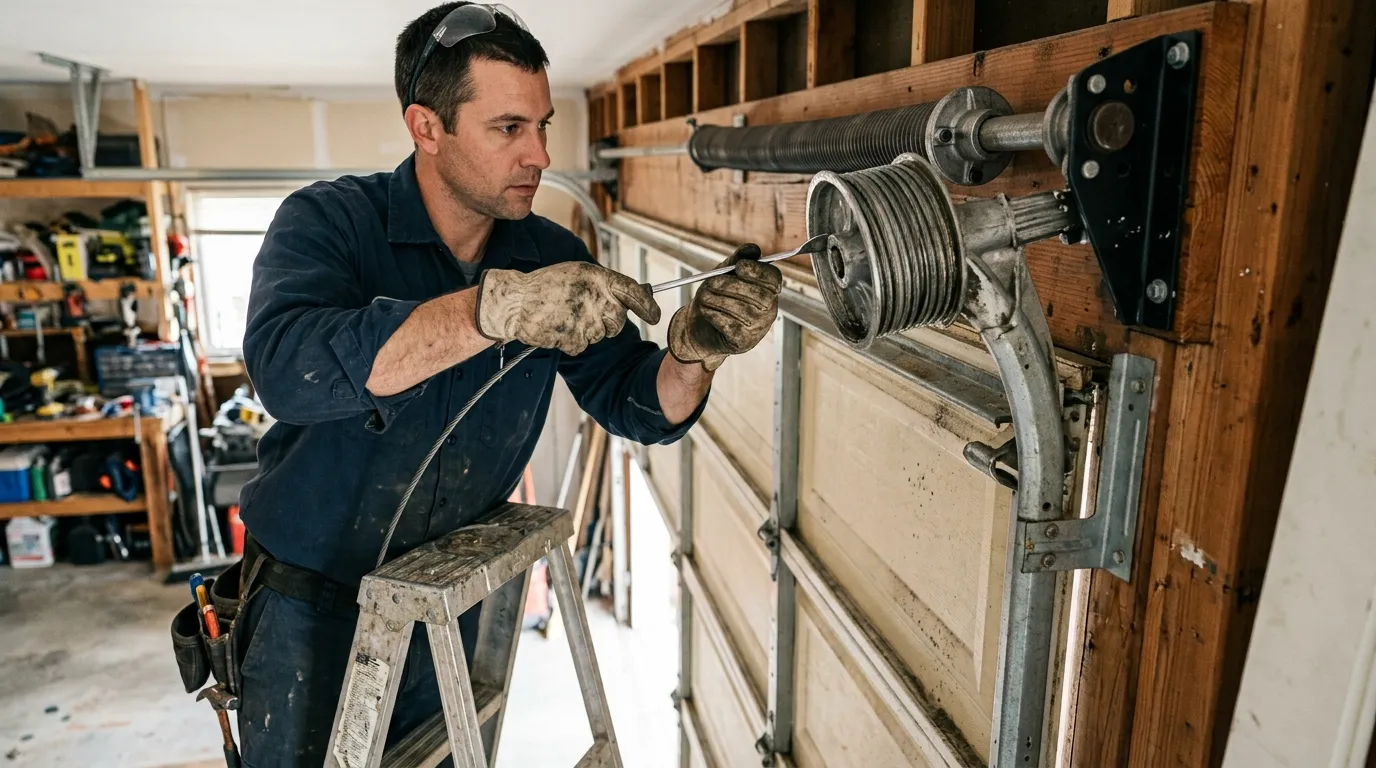
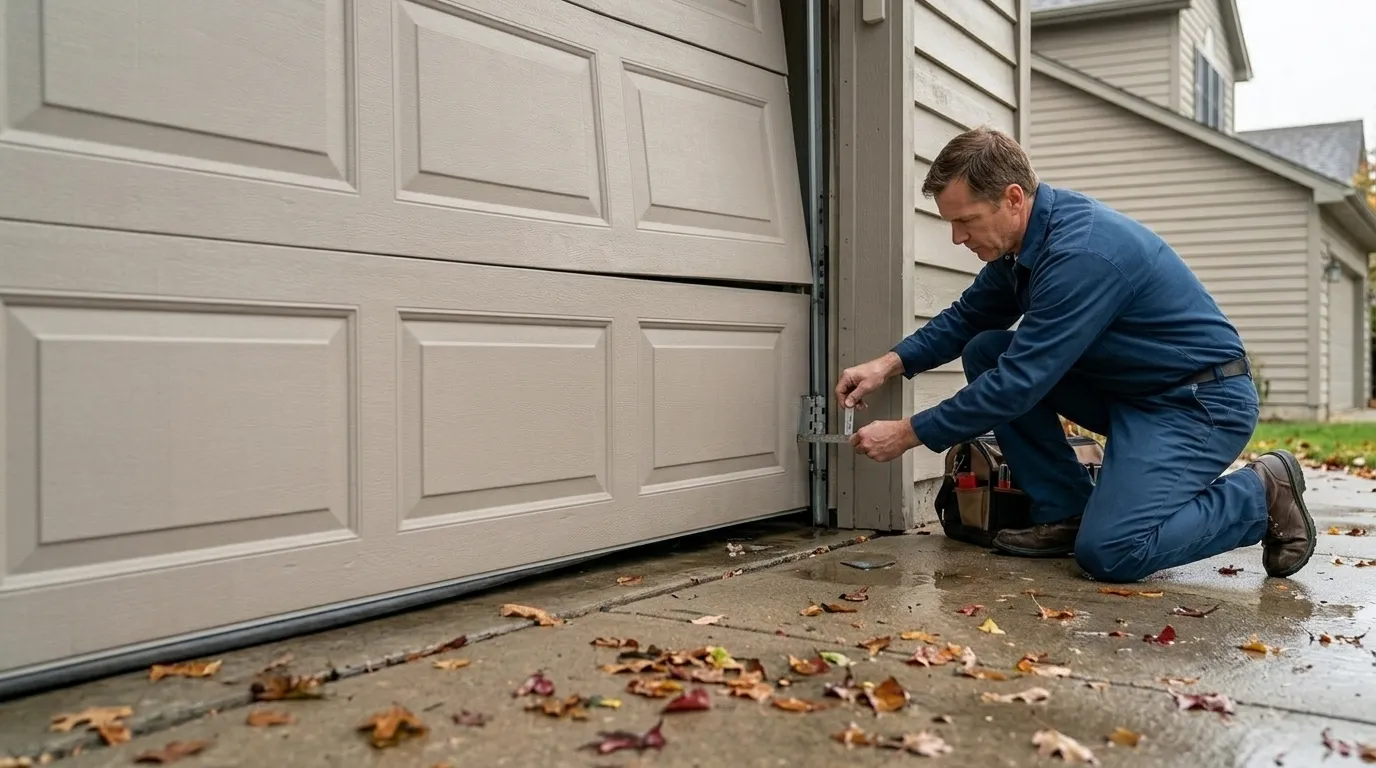
On a door install pushing sixty years, the spring is almost never the only tired part. Torsion springs from that era were often sized for lighter, thinner panel construction, so when a spring breaks, we usually find the cable drums worn thin and the center bearing plate rusted from decades of cold Illinois winters - this area sits in a severe cold climate band, and unheated garages take that toll every season. Openers here, if they've been replaced at all, are frequently bolted onto brackets built for a different generation of door, which means the travel limits and force settings are often set wrong for the door's actual weight. We also see a lot of single-layer steel panels with no insulation, which dent easier and telegraph every temperature swing into the garage. None of that is a defect in the house - it's just what happens when original hardware runs decades past its expected life. The honest tradeoff: on some of these older doors, replacing the spring and drums costs close to what a new door section would, and we'll tell you that straight rather than sink parts into a panel that's not worth saving.