What You Are Seeing
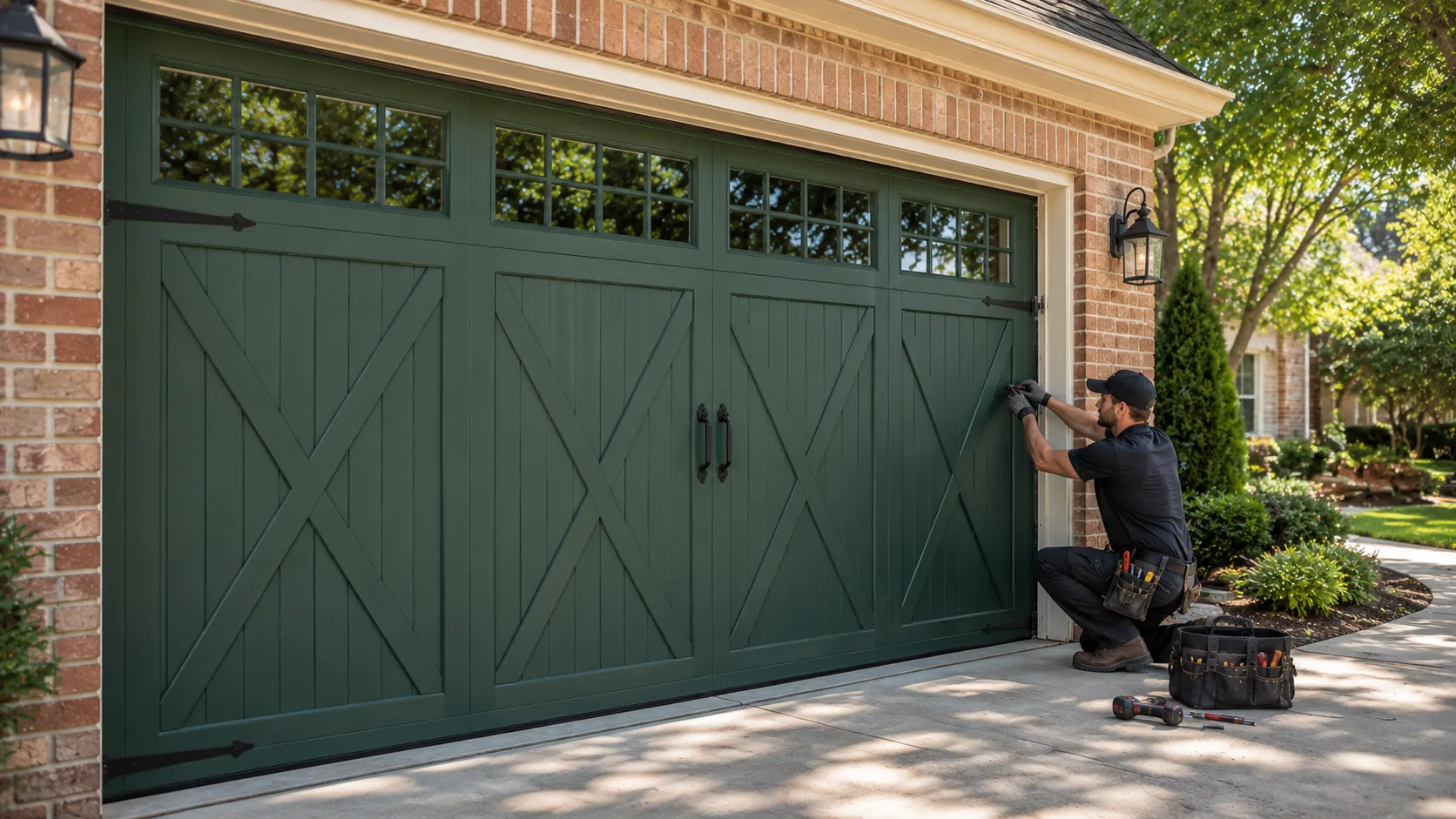
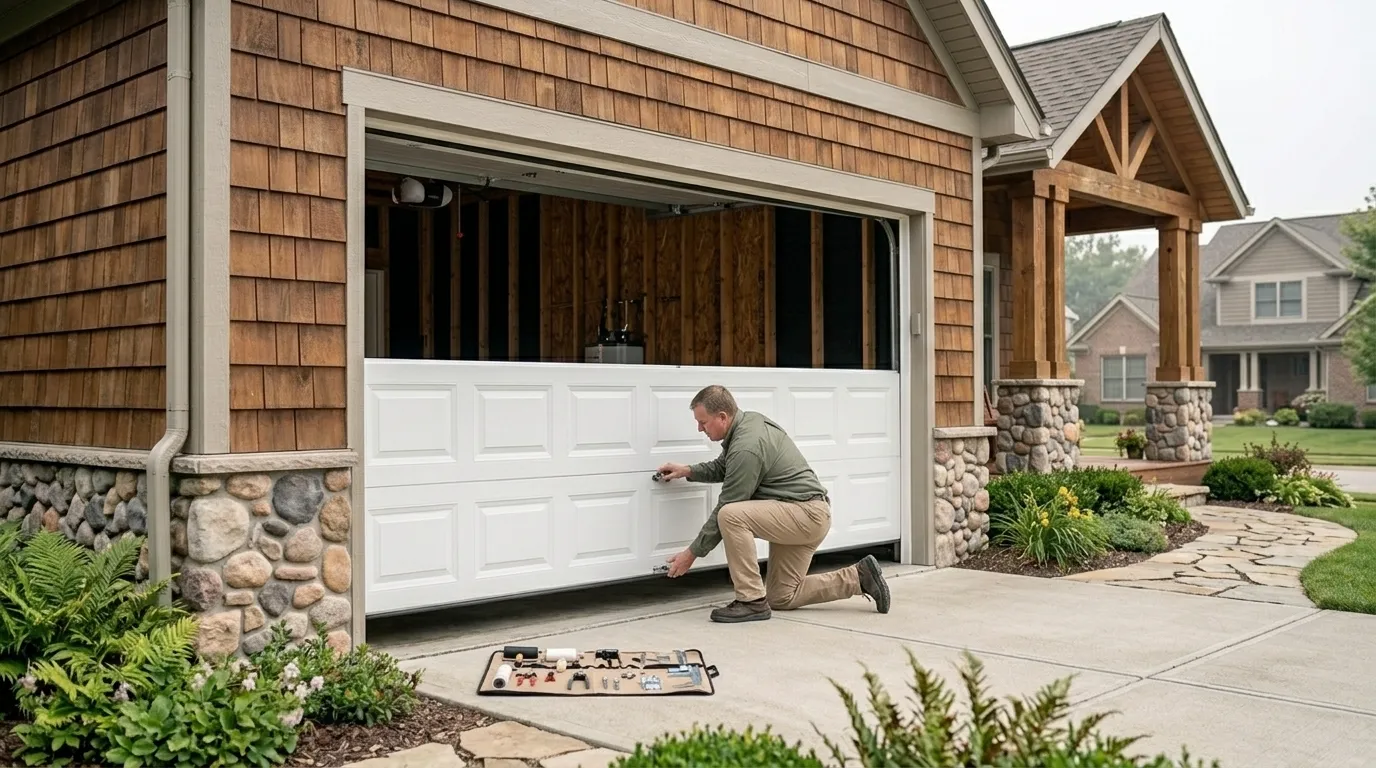
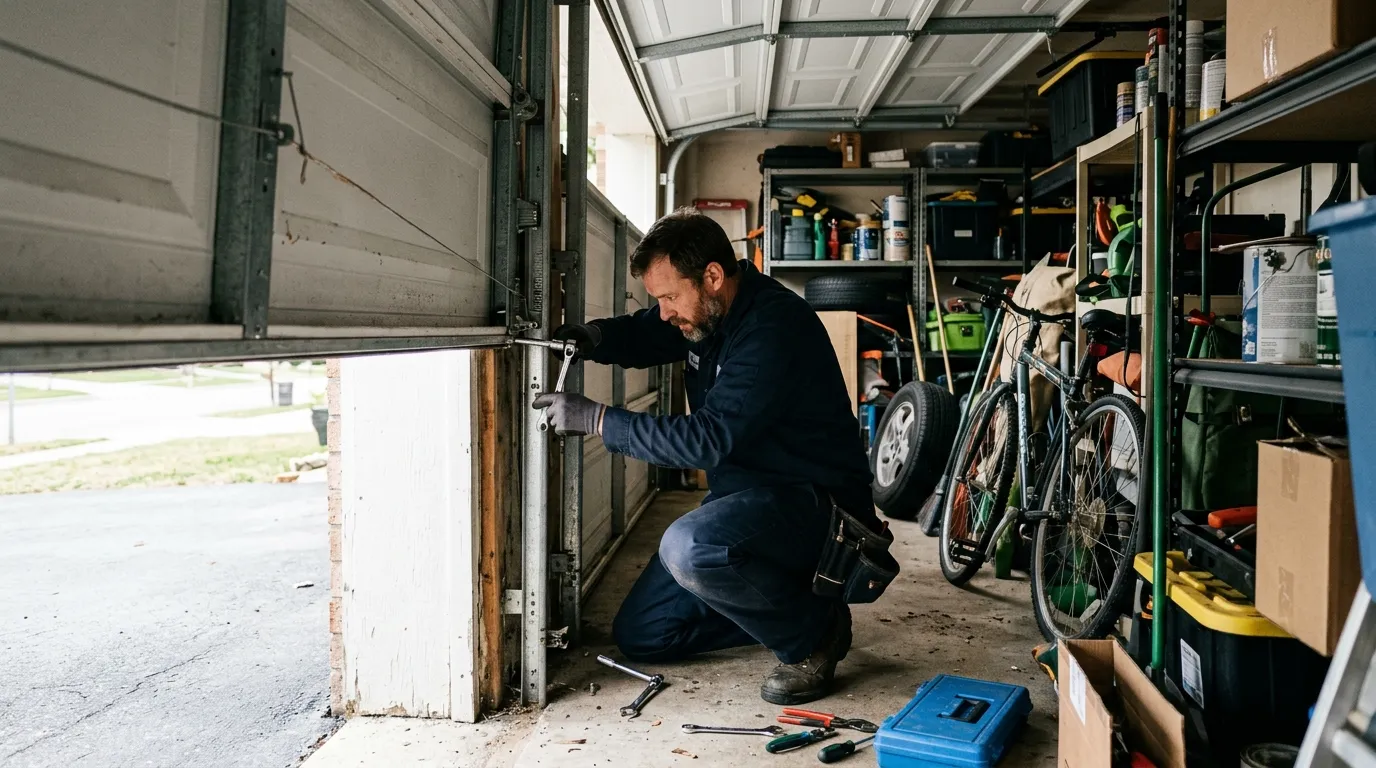
The most common call we get from Mundelein is a door that won't move, followed by a loud bang from the garage a day or two earlier. That bang is almost always a torsion spring letting go. Given that so much of the housing here dates to the 1980s and 90s, a lot of these springs are original or close to it, and steel fatigues with age and temperature swings whether anyone notices or not.
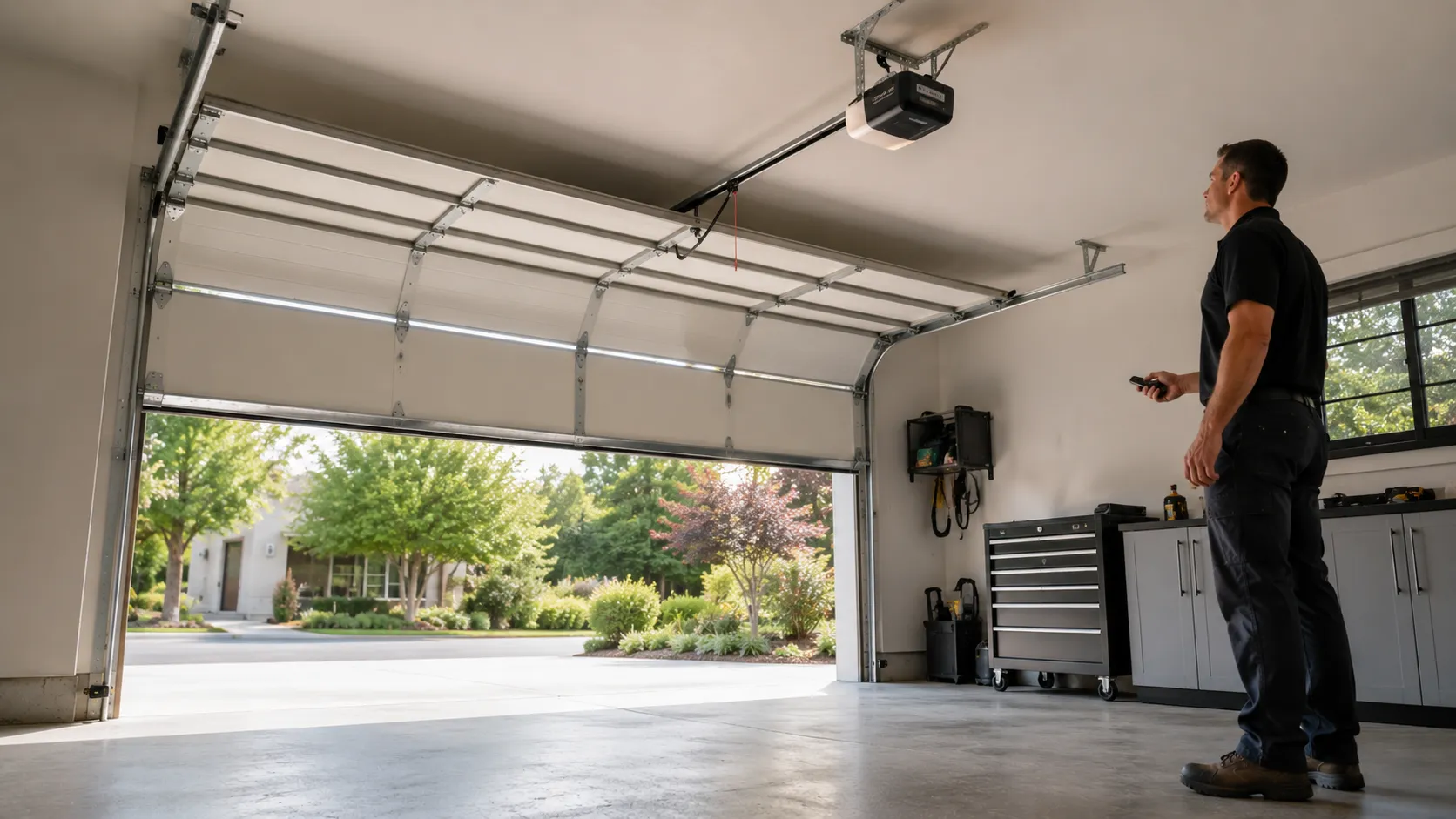
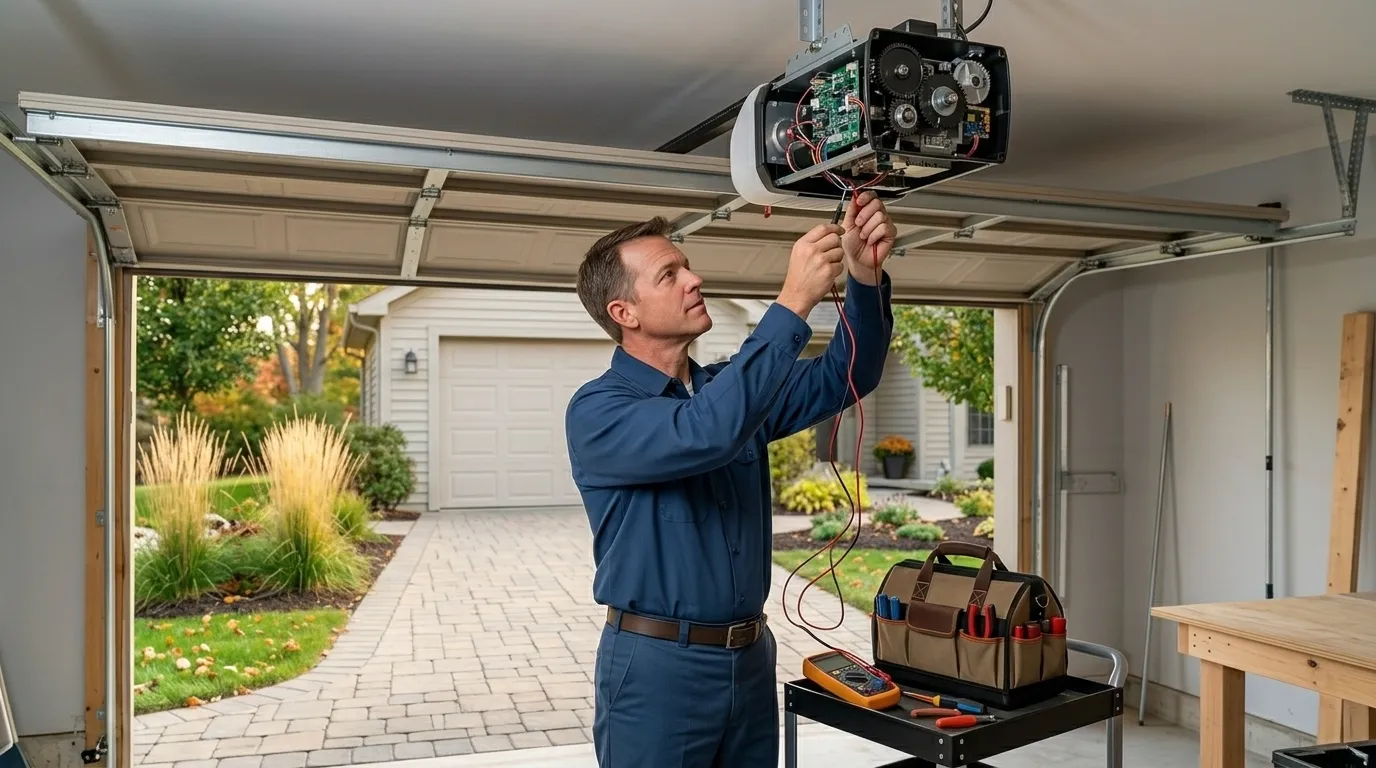
A second pattern is the opener that runs but the door barely lifts, or lifts a few inches and stops. That's usually the opener straining against a spring that's already lost tension, not the opener itself failing. Replacing the opener without touching the spring just buys you a second call a few months later.
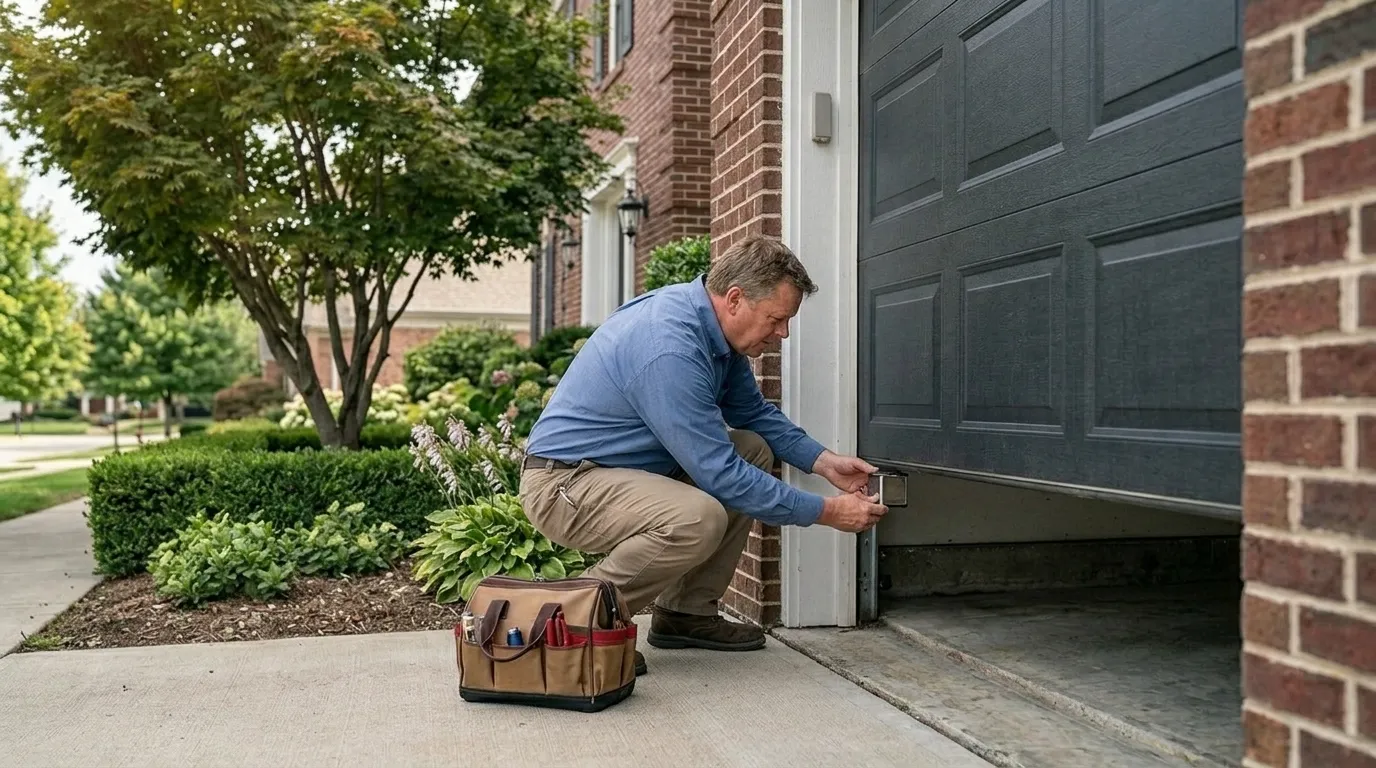
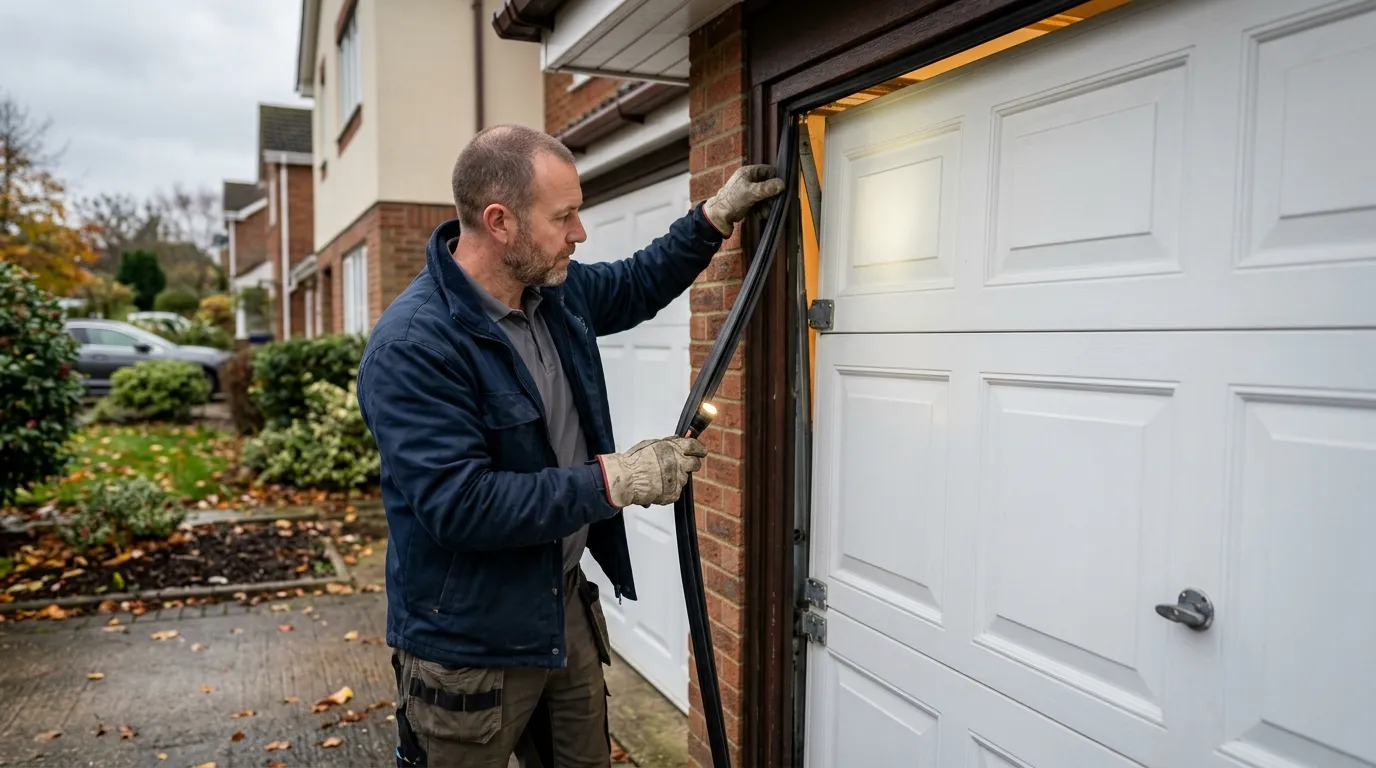
Less common but real: a cable that's frayed at the drum, or a bottom bracket that's rusted through on a door with poor weatherstripping. Doors from the median 1984 build year rarely had the sealing details that newer doors get as standard, so moisture sits at the bottom corners longer than it should.
What we're not seeing much of, honestly, is total door replacement need. Most of these calls are hardware, not the panel itself.
Time on the Job
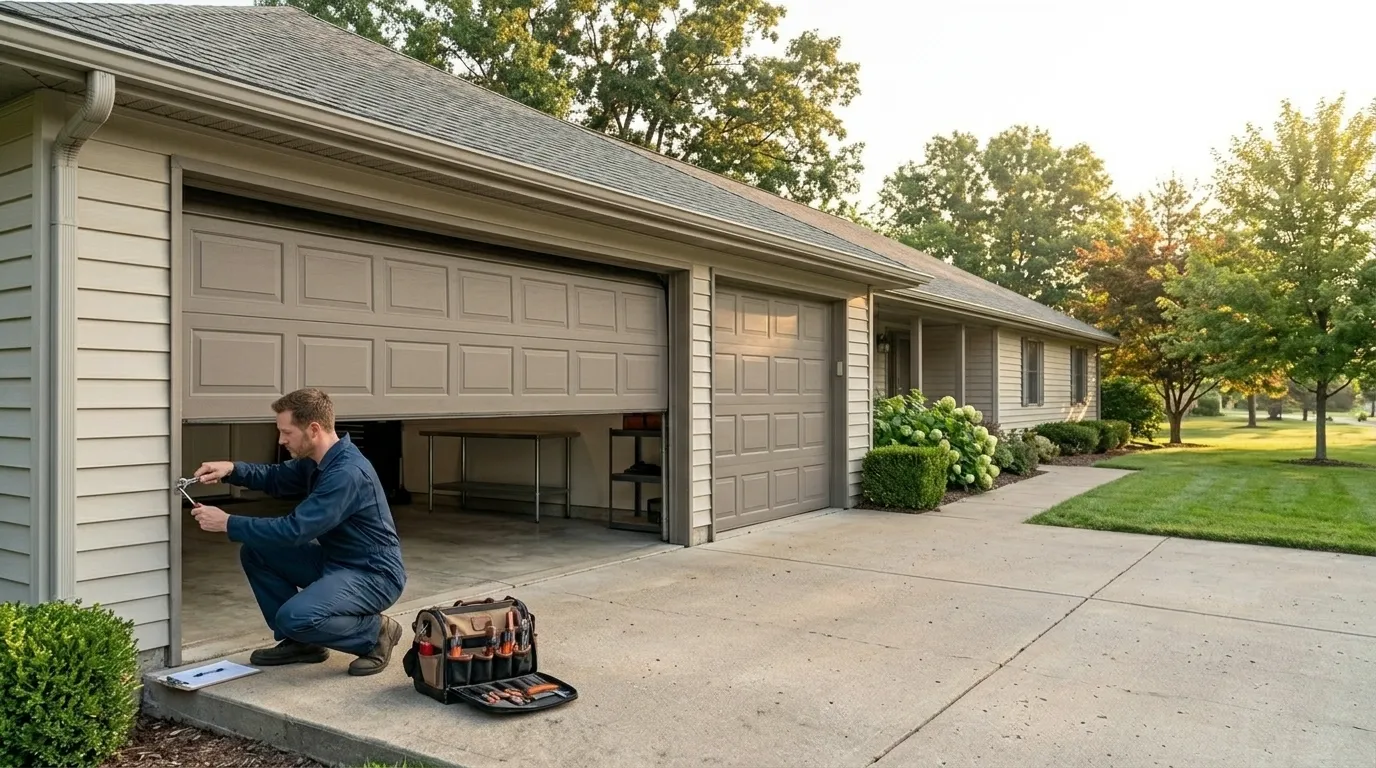
Most spring and cable jobs on a single door are a same-visit fix once we're on site with the right spring size in the truck. The variable is sourcing: doors from the older end of Mundelein's build range, closer to 1938 through the 1960s, sometimes carry track and hardware dimensions that aren't the standard stock size we carry, and that can mean a return trip once the part is in hand.
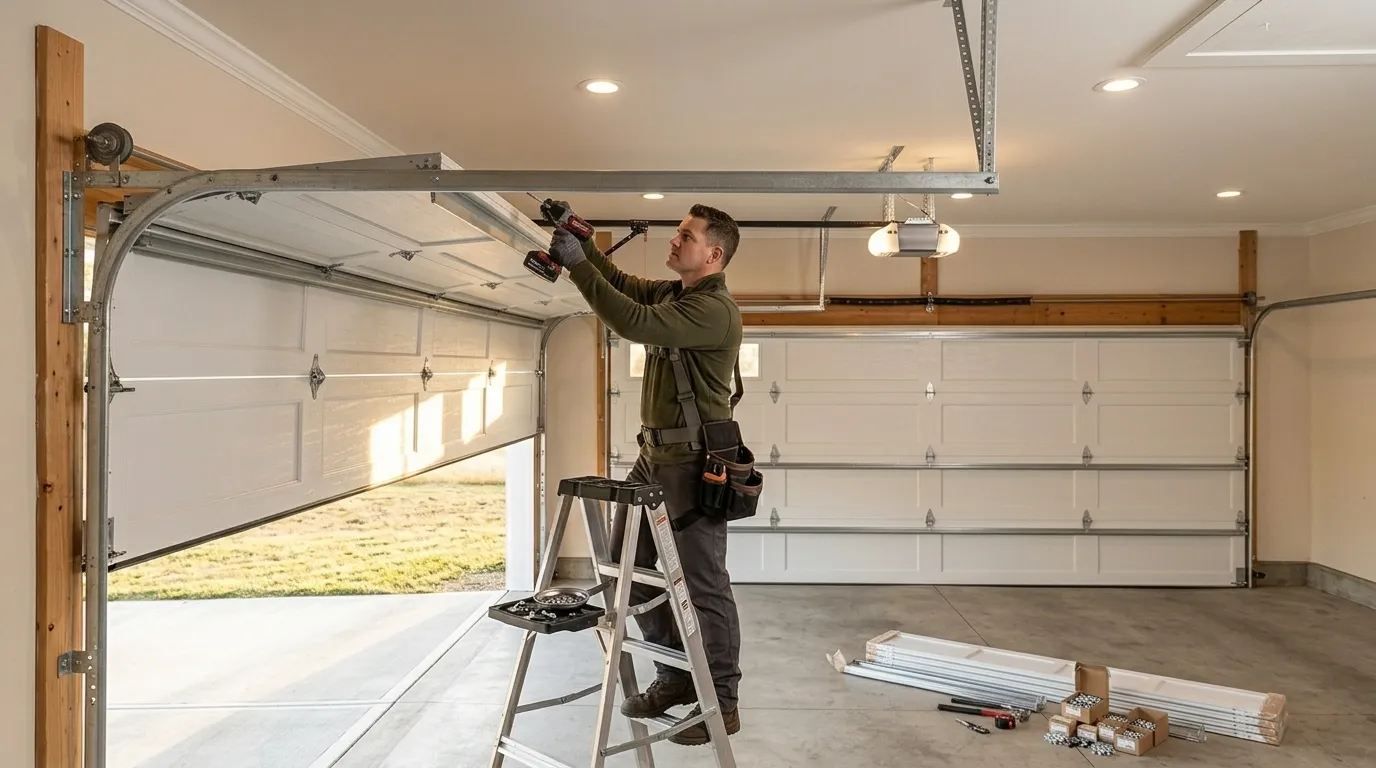
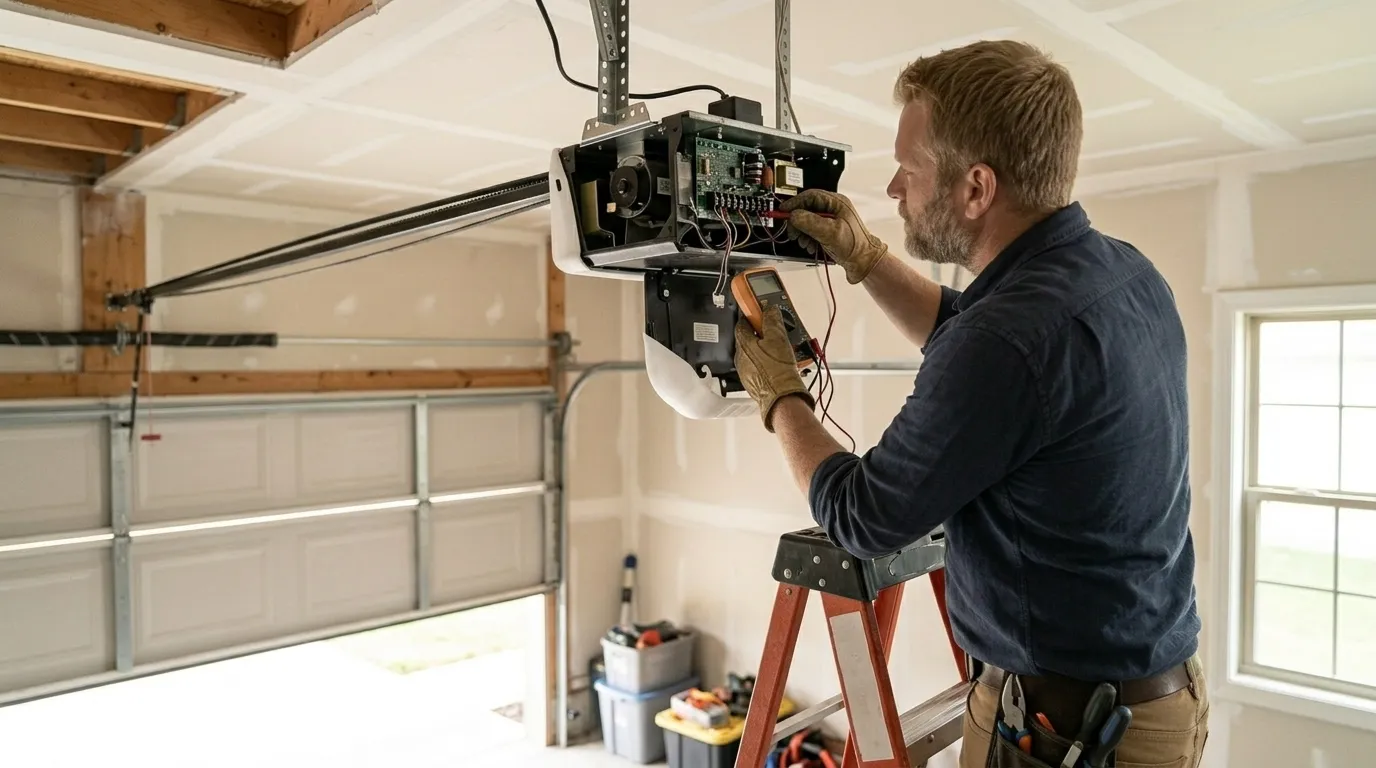
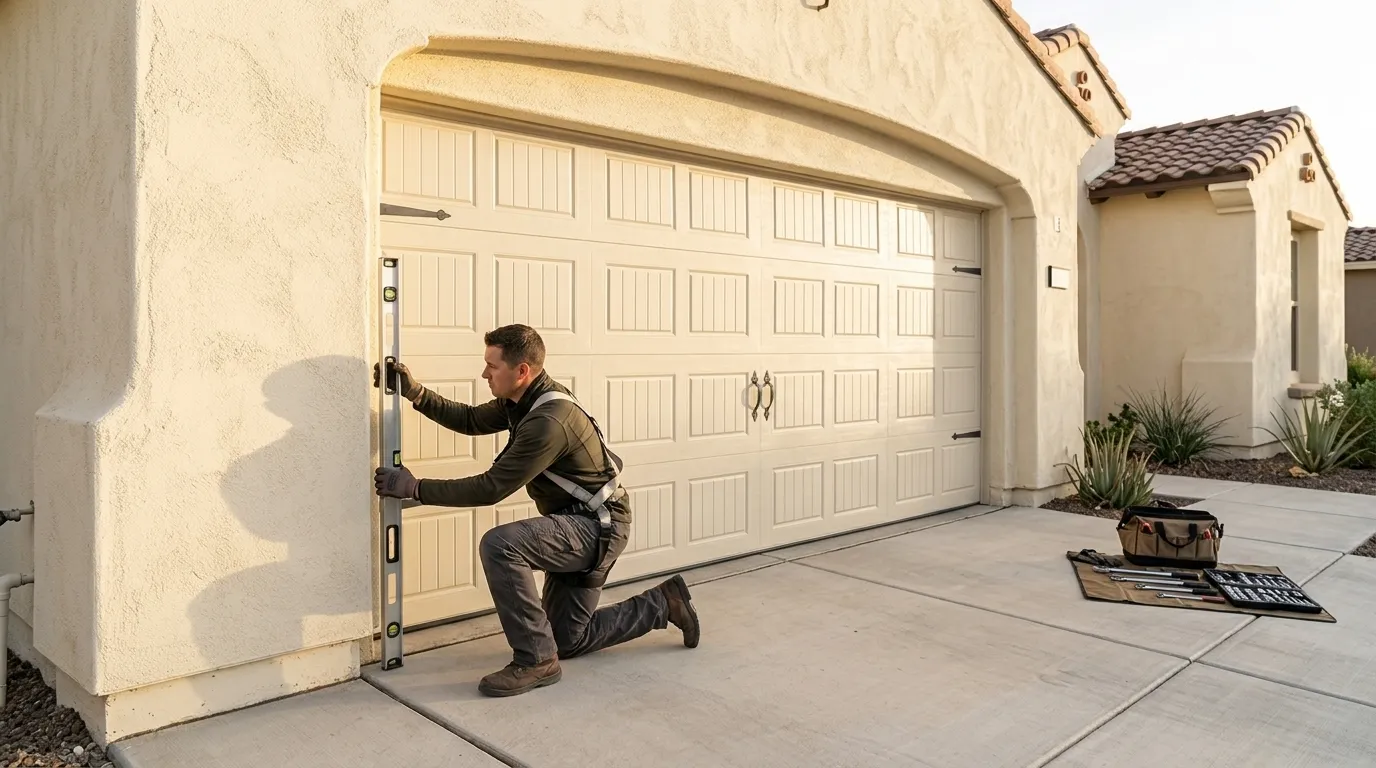
Opener swaps run longer than a spring job because we're also setting travel limits, force settings, and safety sensor alignment, not just bolting on a new head unit. If the existing bracket or rail doesn't match the new unit's mount, that adds time too.
We won't promise a specific number of hours here, because a two-spring double door with a stuck cable is not the same job as a single spring on a light steel door, and pretending otherwise doesn't help you plan your day. What we will do is tell you, once we've looked at the door, roughly what the visit will involve before we start.