This Area's Housing
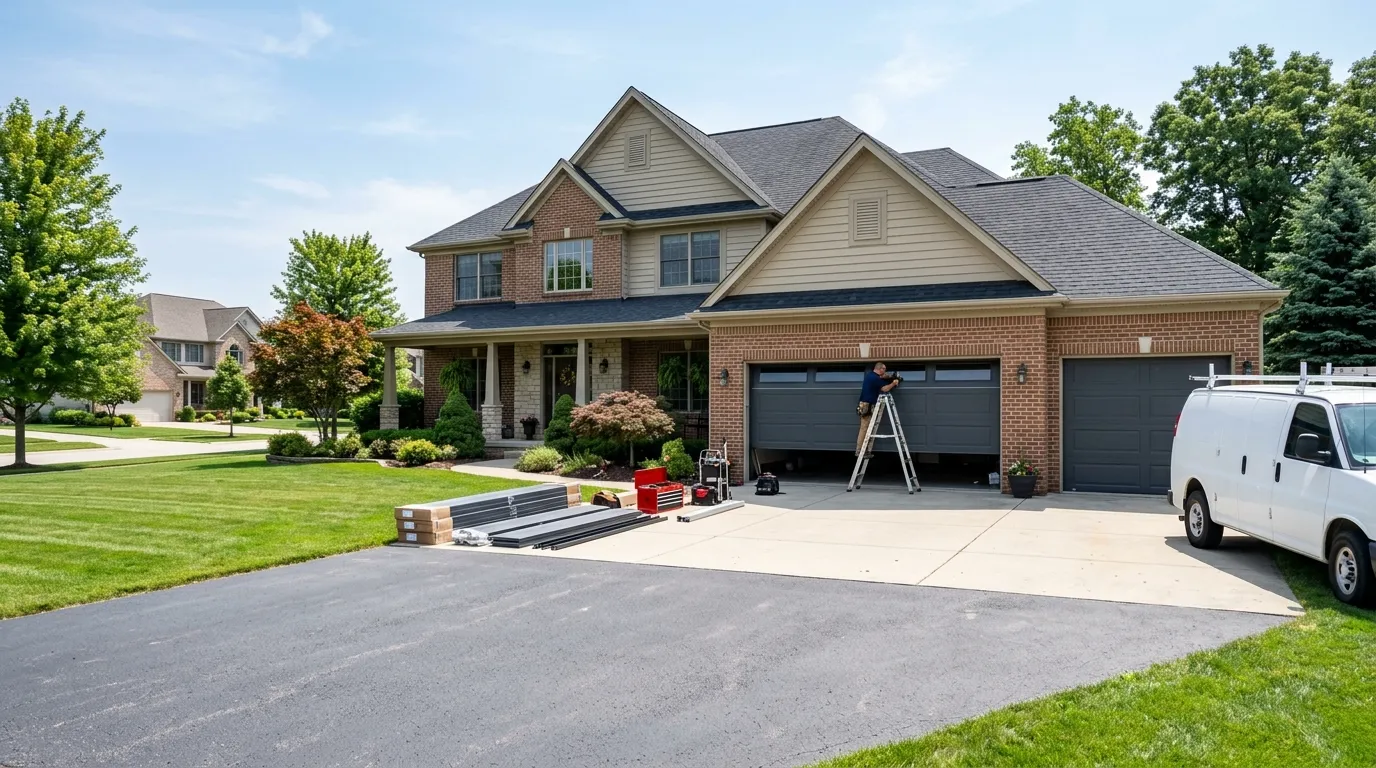
The median home in Bannockburn was built around 1975, which puts it ahead of the broader service area's median of 1984 by about a decade. That's not a small gap when it comes to garage doors. A door and track system installed in the mid-1970s was engineered for hardware standards that have since changed twice over - extension springs were far more common then than the torsion setups builders favor now, and the steel gauge on original panels tends to be lighter than what ships today. With only about 257 households in Bannockburn, this isn't a high-volume area for us, but it's a consistent one: older, well-kept homes with original bones that get maintained rather than gutted. Median household income here runs around $195,625, well above the wider area's $121,583, and we notice that in the calls - owners here tend to ask for the right repair the first time rather than the cheapest patch, and they're more likely to replace a tired opener before it strands them.
How That Shows Up in the Door
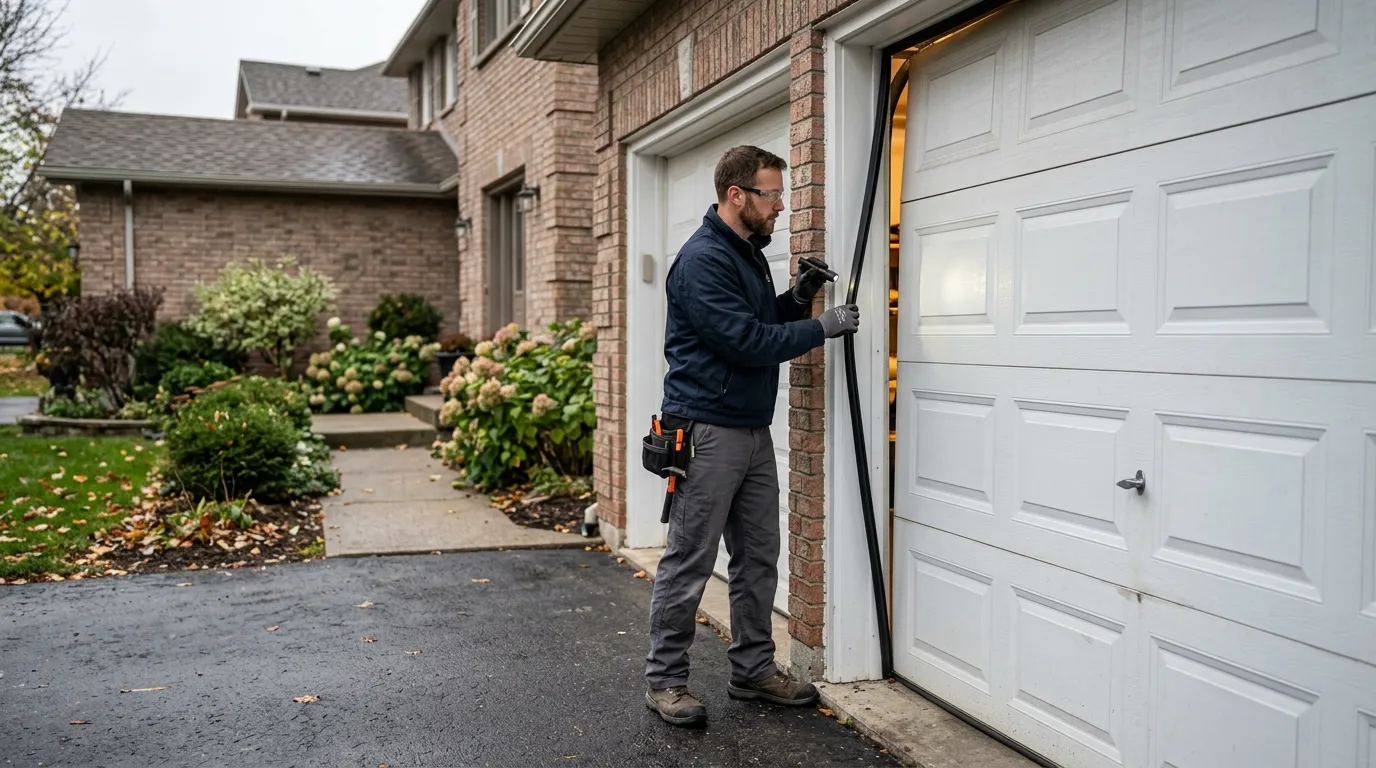
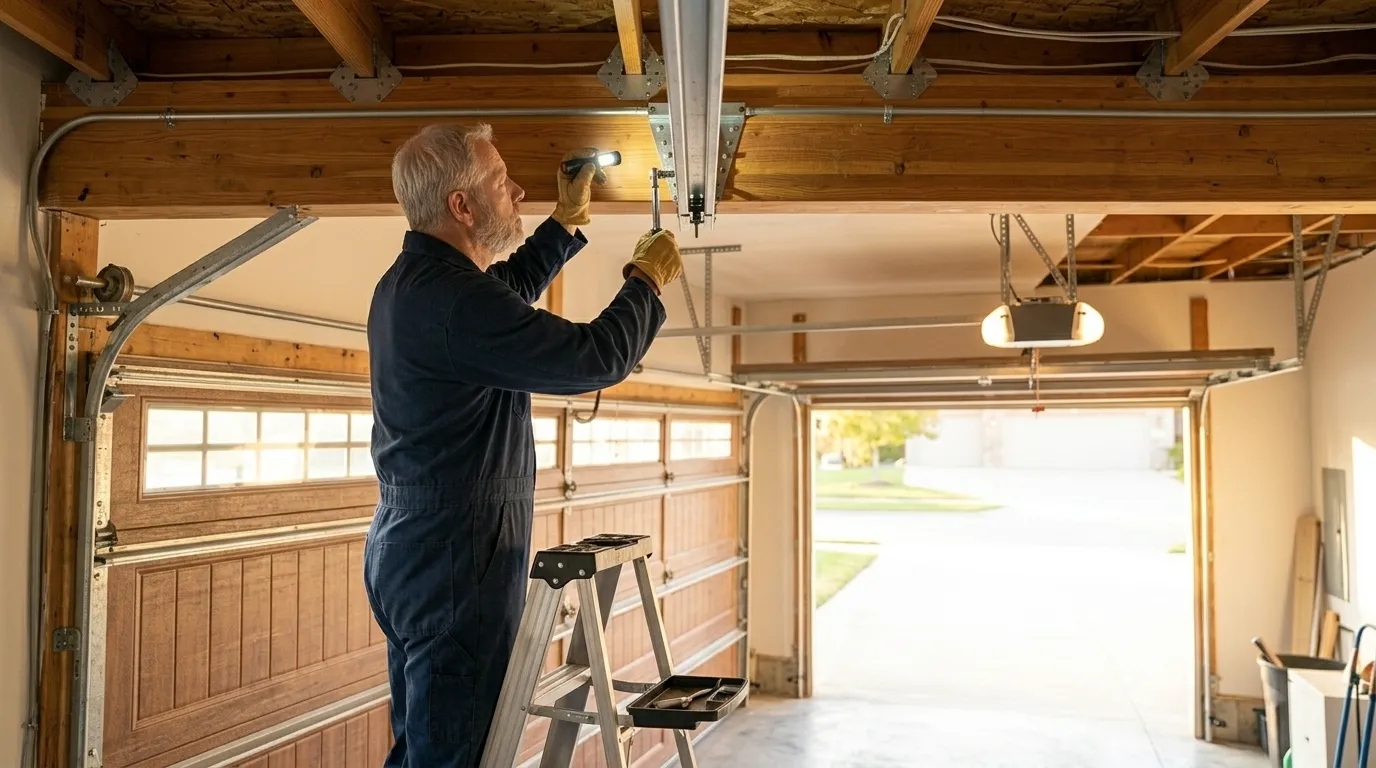
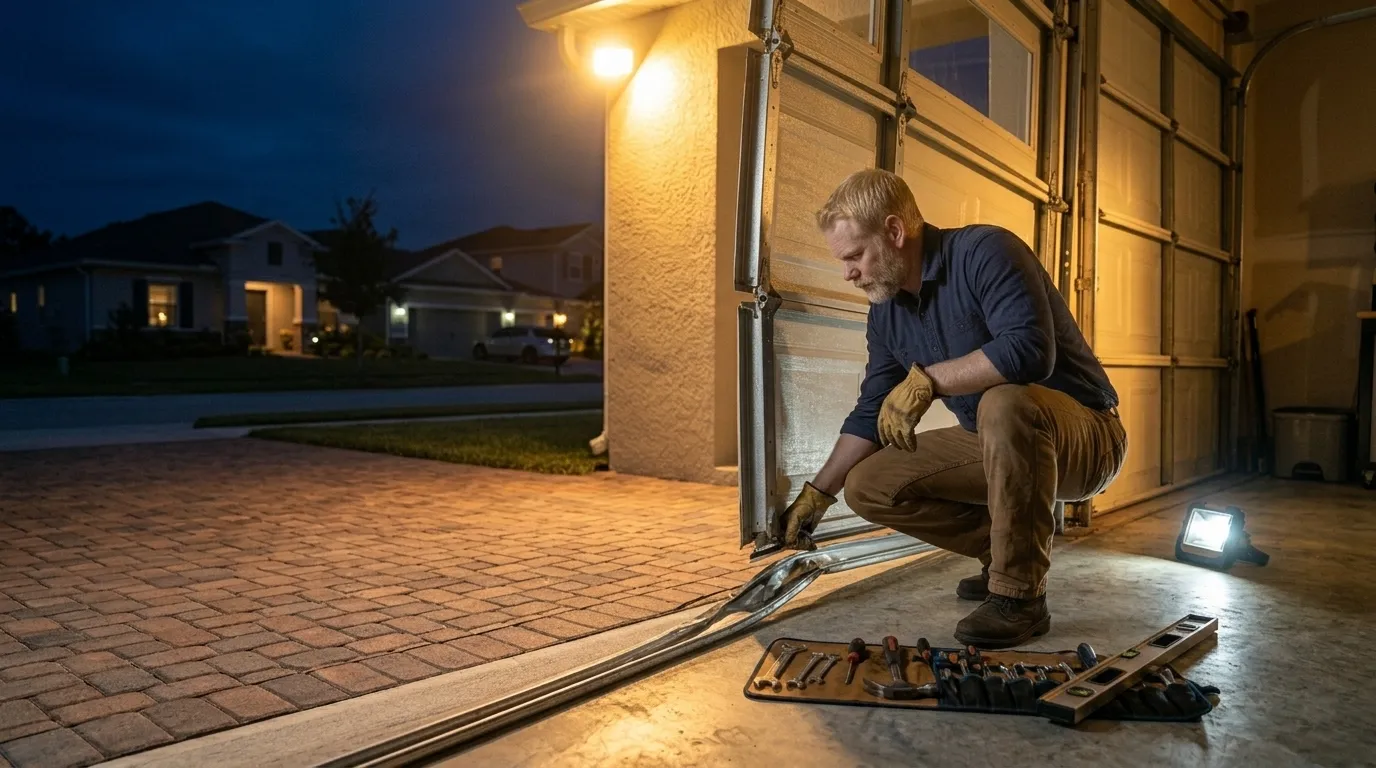
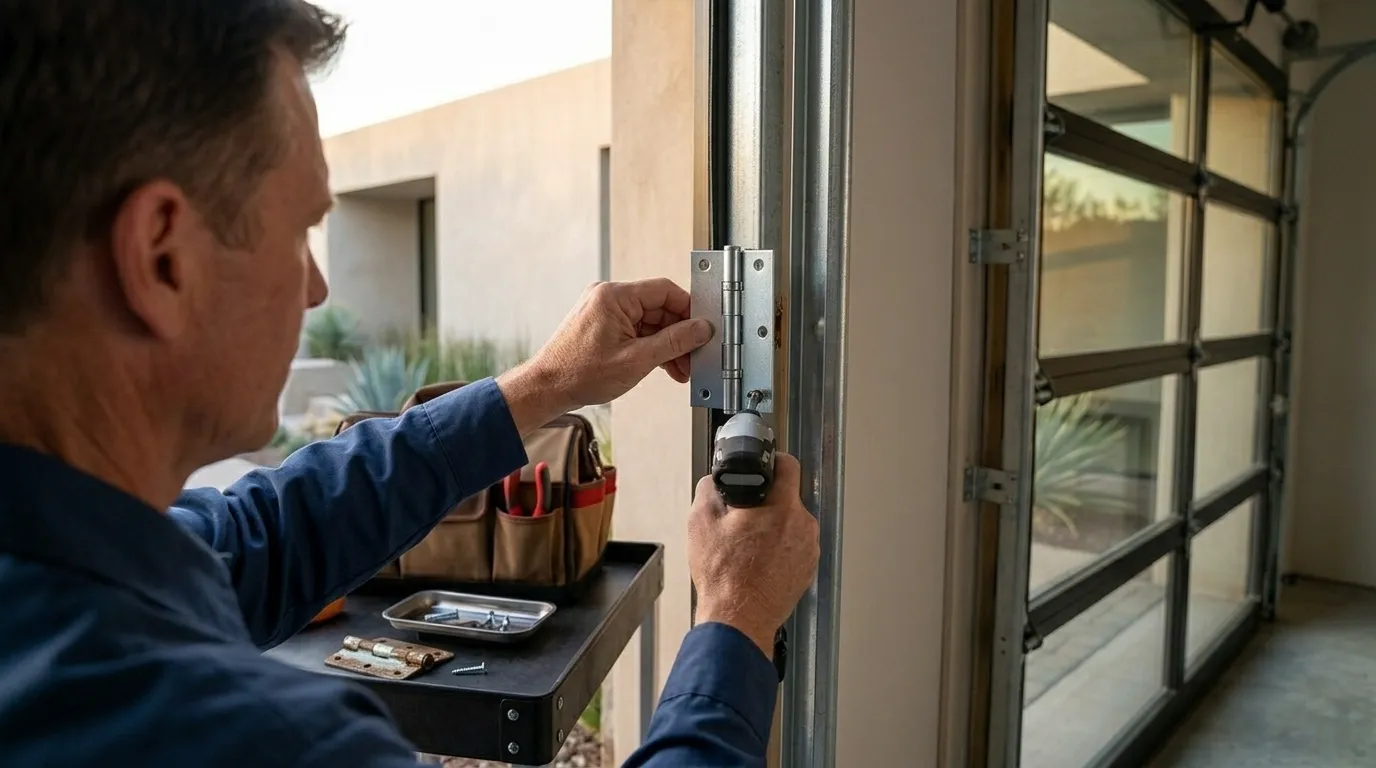
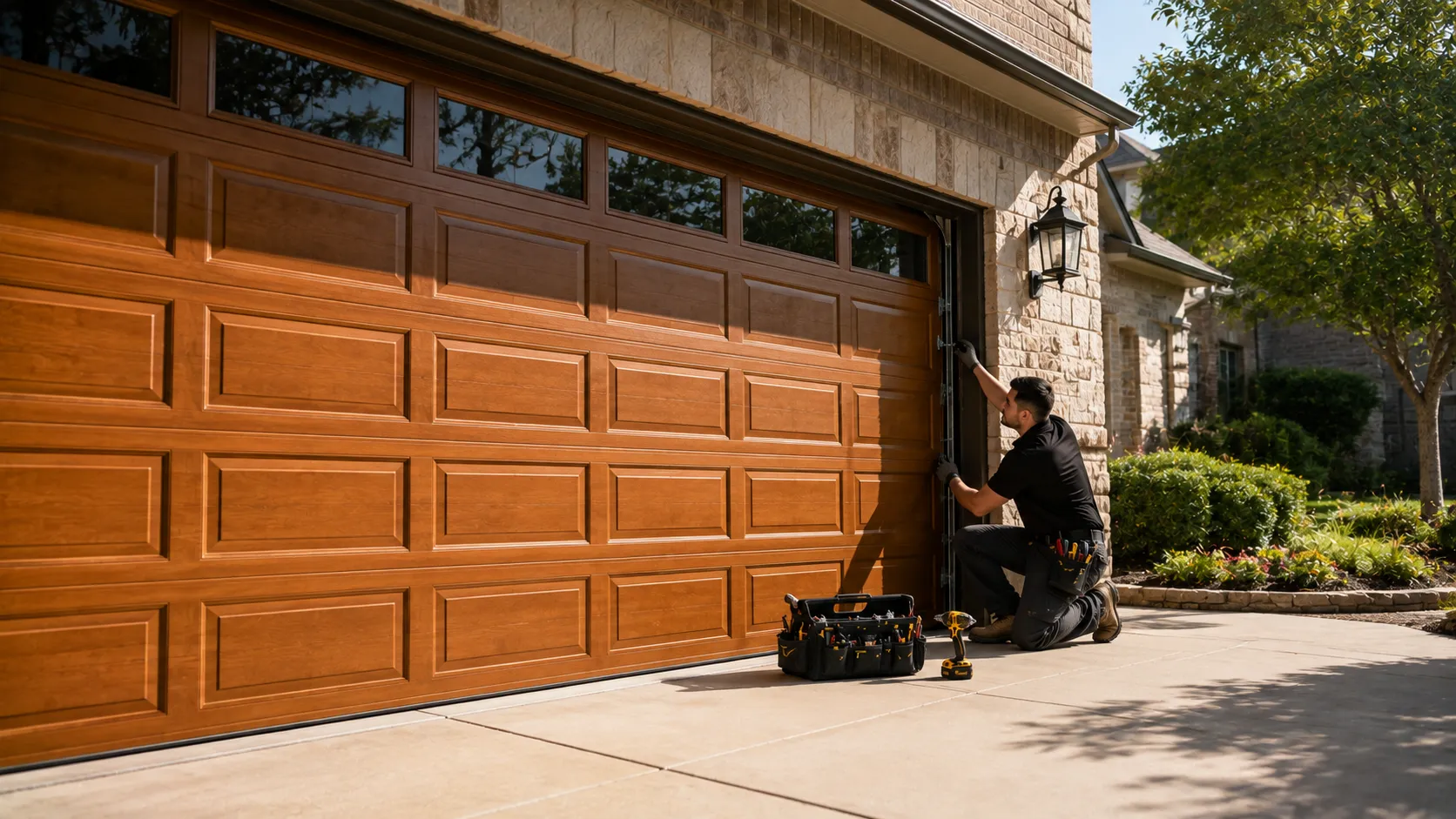
On a home built in the mid-1970s, the failure pattern is usually predictable. Extension spring systems - if the door hasn't been upgraded - wear differently than torsion springs, and the safety cables that should be threaded through them are sometimes missing entirely because they weren't required when the door went in. Track brackets on these older installs were often lag-bolted straight into jamb wood that's now dried and shrunk, so we find loose alignment more than we find bent track. And because our winters here fall in a severe cold climate band, an older door with worn weatherstripping and a mid-70s frame gap lets a lot more cold air into the garage than a door built to current sealing standards. That combination - aging spring hardware plus a wider frame tolerance - is the main reason doors on this side of the area jam or drag in January when they were fine in October.