This Area's Housing
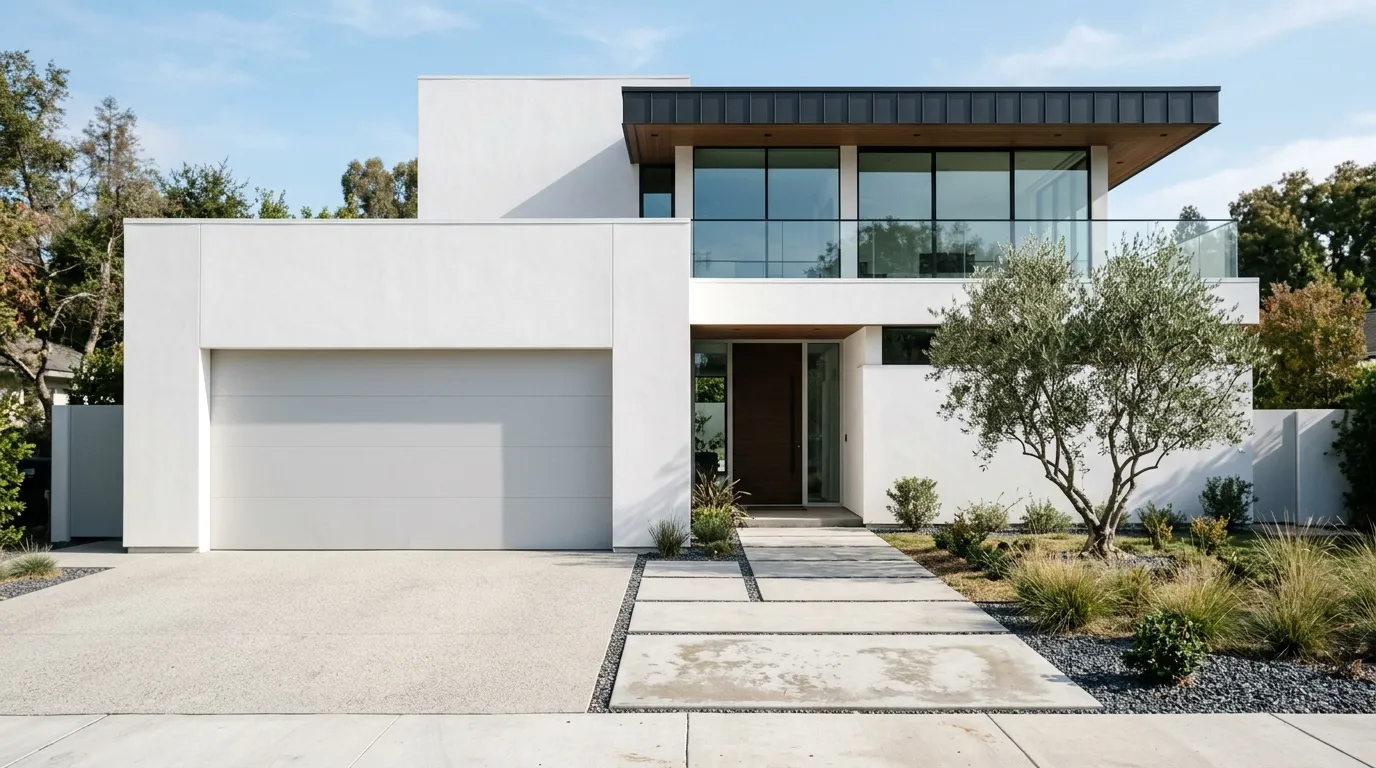
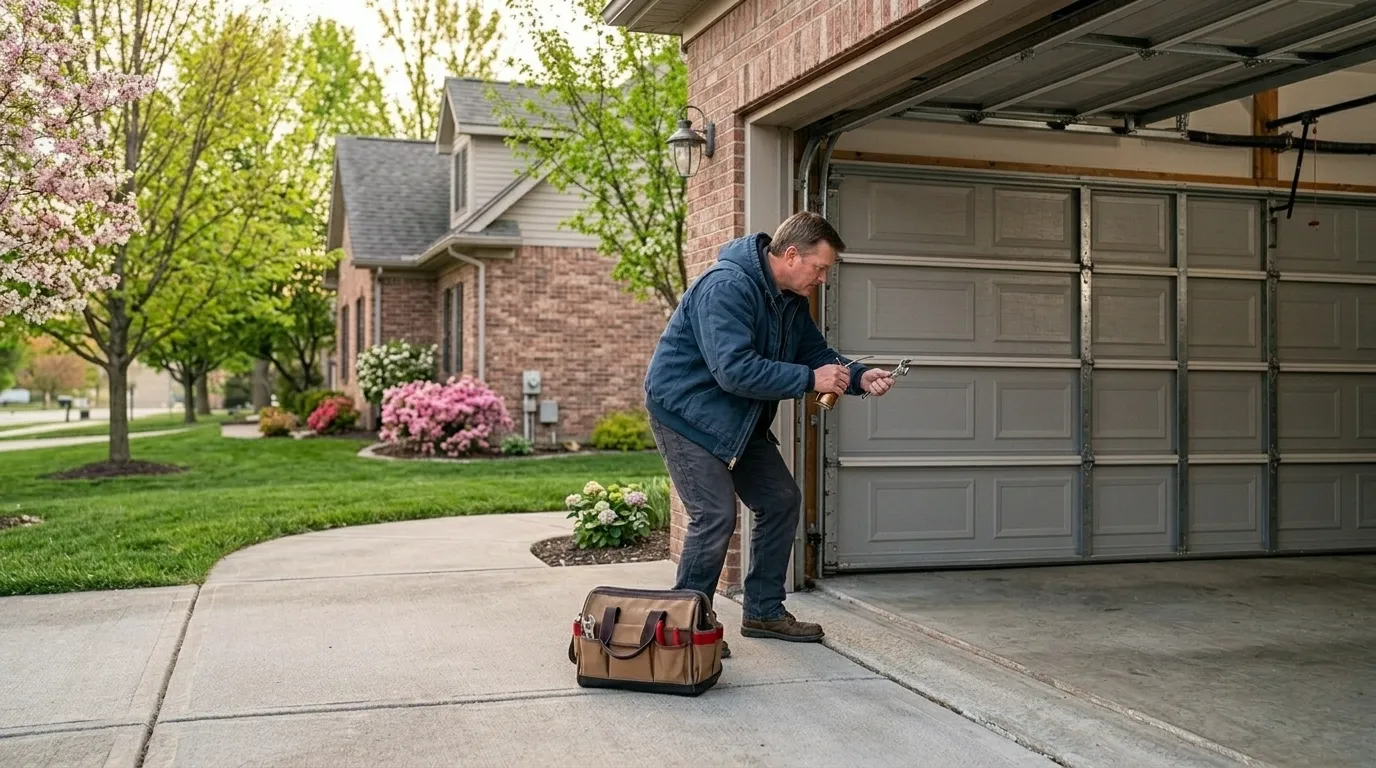
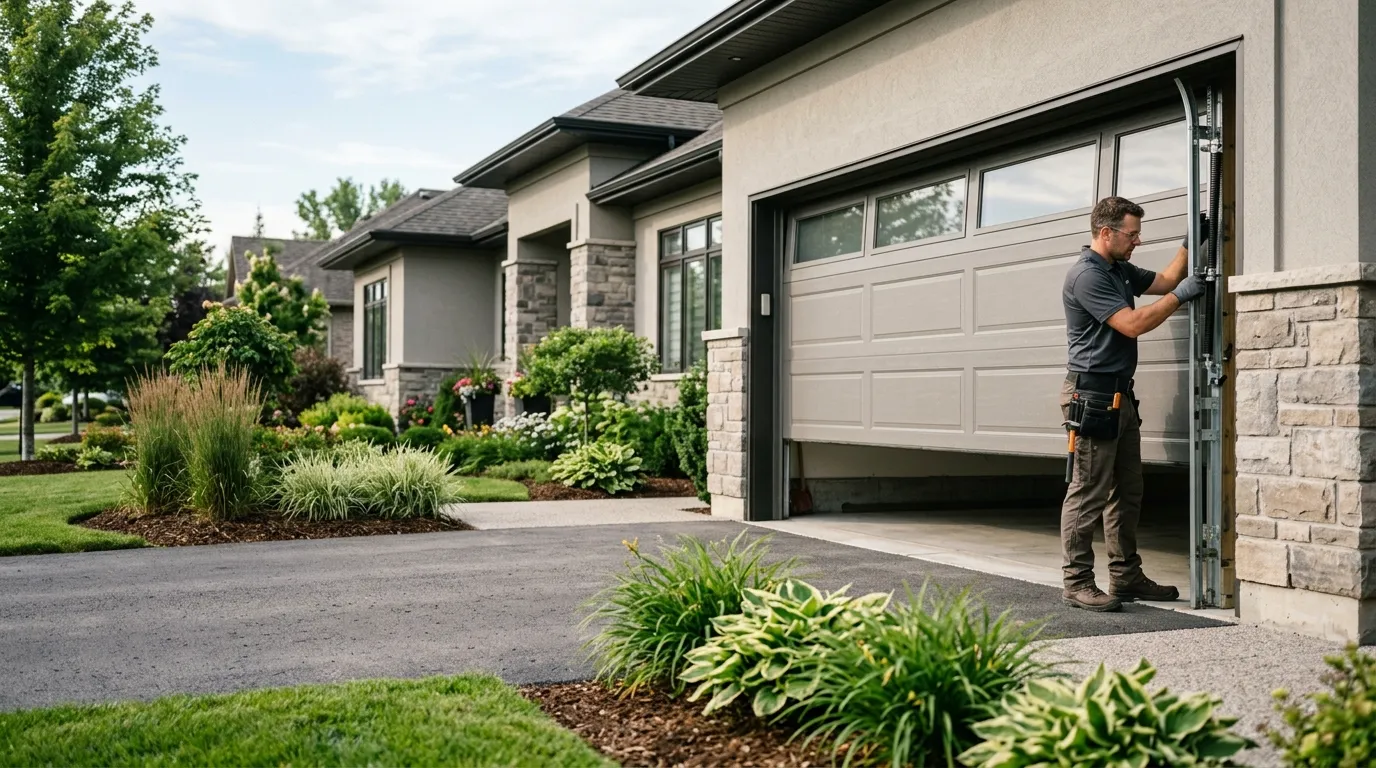
With around 10,914 households in Algonquin and a median income of $131,753, this is solidly a two-car-attached-garage area - the kind of house built with a finished garage from day one, not a converted carriage house or a later add-on. Construction through the 1990s here favored steel doors over wood, torsion spring setups over the older extension-spring designs, and openers wired into the house rather than plugged into an outlet on an extension cord. That's a more standardized setup than you'd find in a neighborhood with houses spanning fifty or sixty years of construction. It also means the failure patterns are more consistent from house to house - when a spring goes on one 1990s-built colonial here, the neighbor's door is usually rigged the same way, and due for the same fix around the same age.
How That Shows Up in the Door
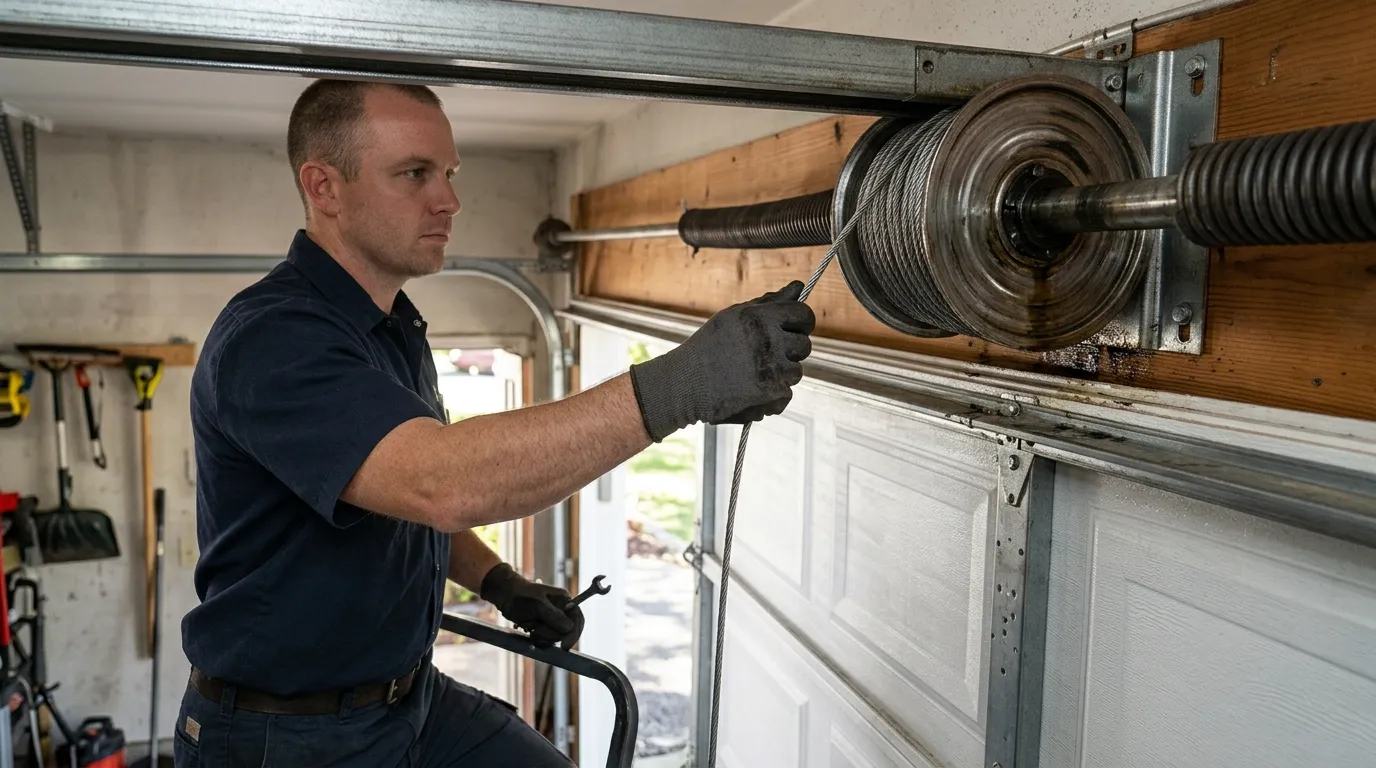
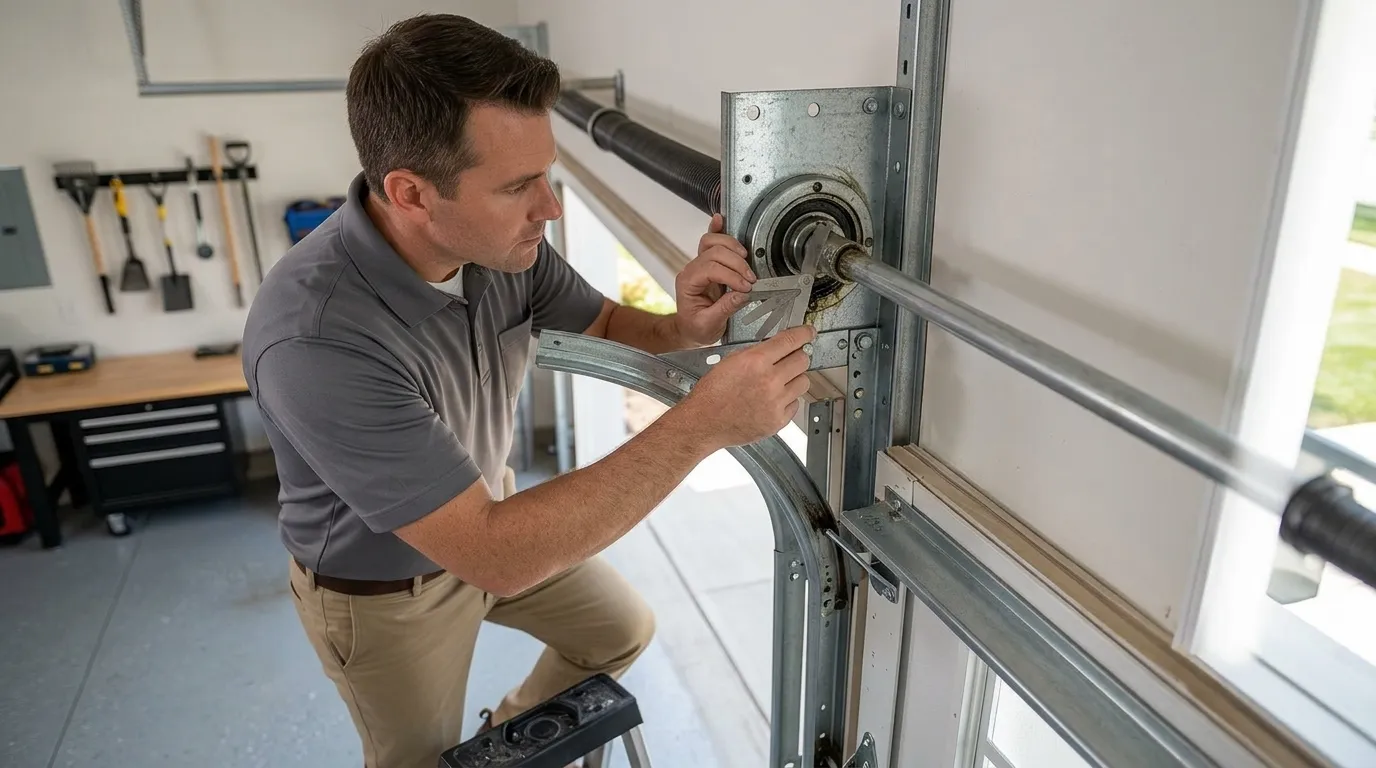
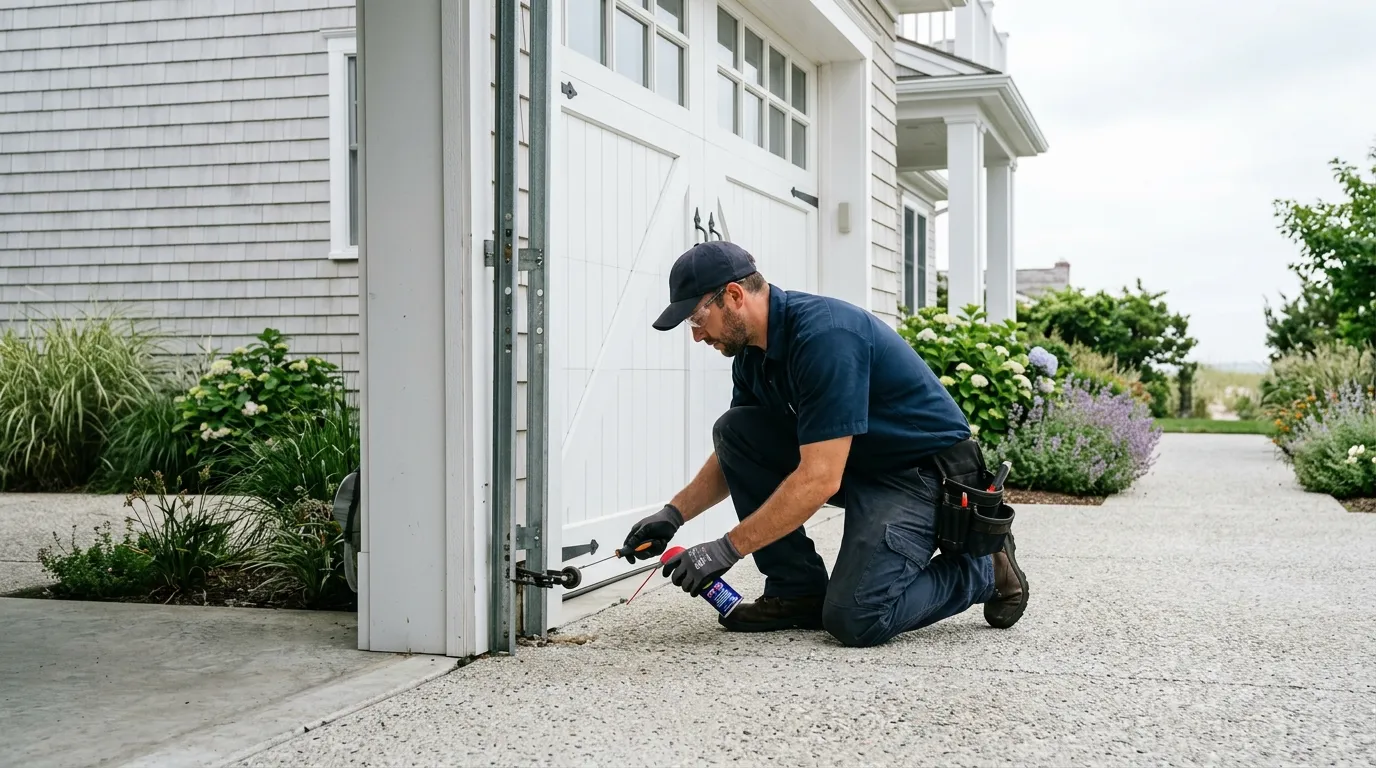
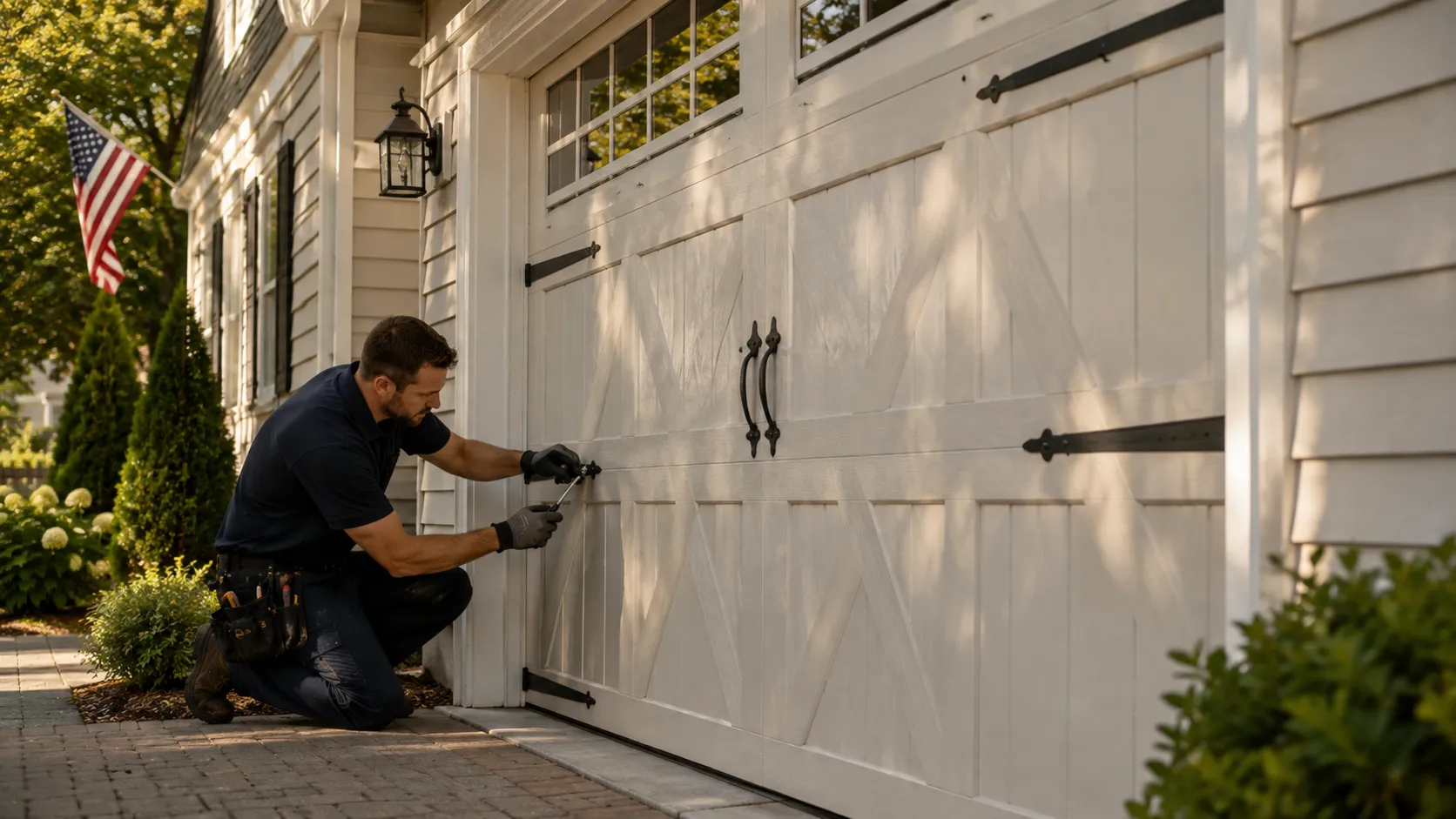
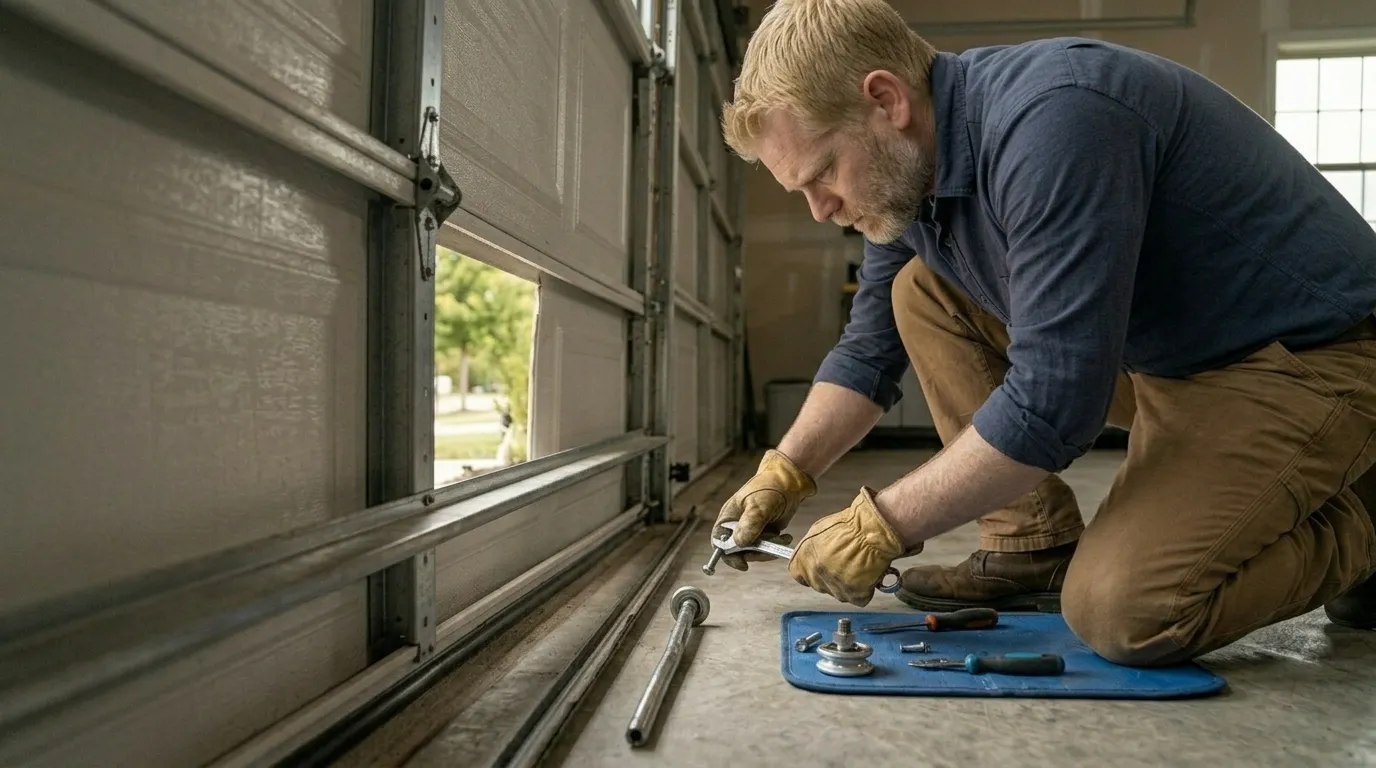
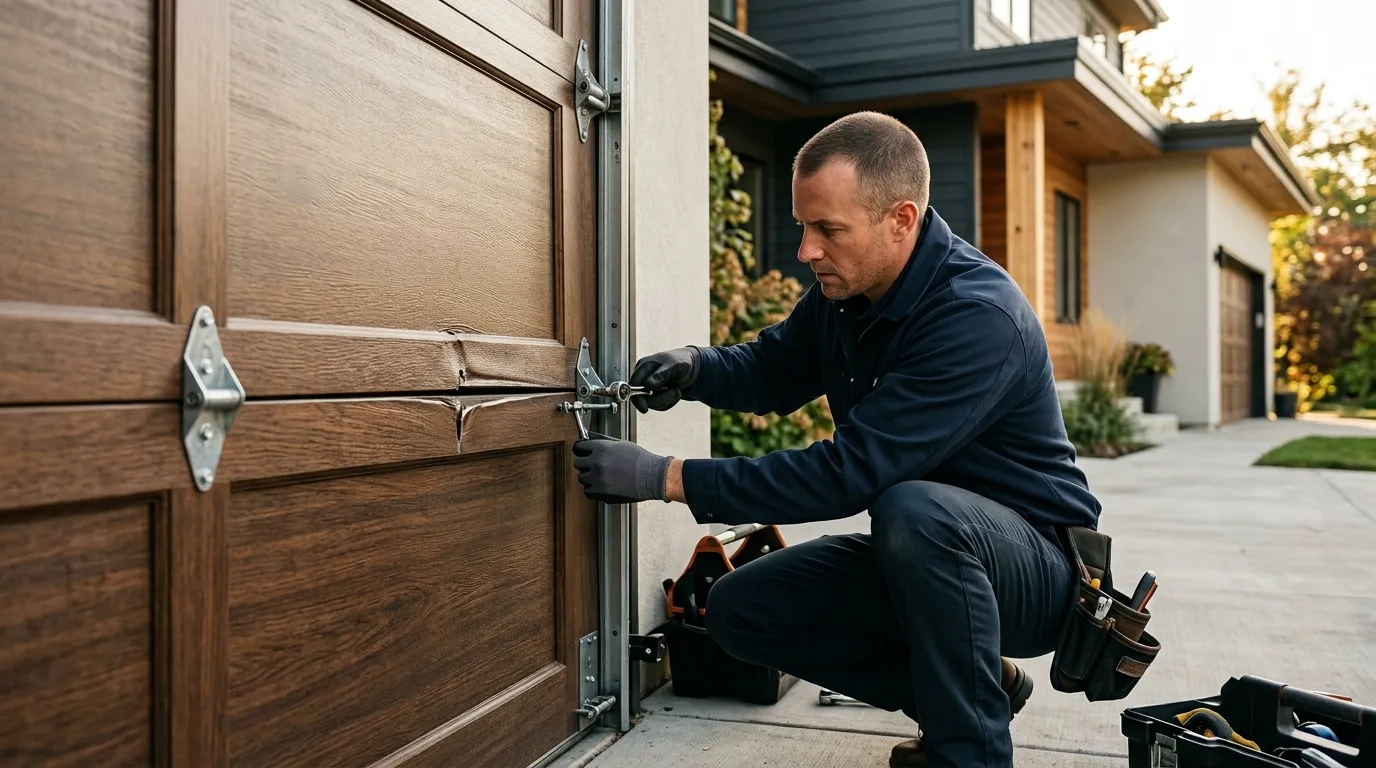
Winters in this part of Illinois sit in the severe end of the cold climate band, and that's hard on hardware that's already thirty years into its service life. Steel tightens and contracts, torsion springs lose tension faster in the cold, and nylon rollers that were fine in July start binding and cracking in January. On a house built in the mid-1990s, we typically find the original spring is still installed - it just hasn't been touched since the house was new. Same story with weld-on brackets and the first-generation photo-eye sensors: they still work, until a cold morning when the door won't close because a sensor's iced over or a bracket's finally worked loose. None of this is dramatic. It's ordinary wear finally catching up to hardware that was never meant to run for three decades without service.