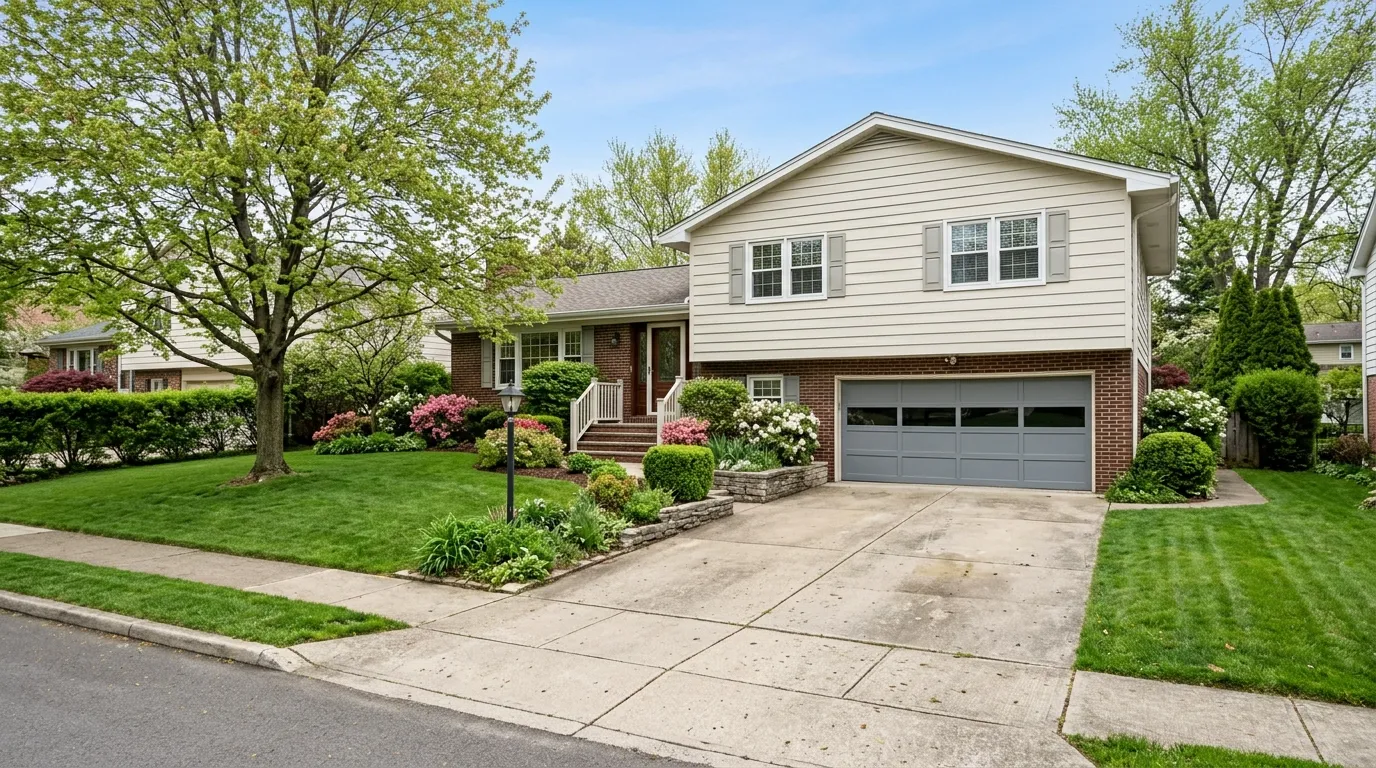
Most houses in Mundelein went up between 1938 and 2009, with the median build year landing around 1984, and the bulk of the stock across the wider service area dates to the 1980s and 90s. That matters on a service call because a door built in that window usually has extension or torsion hardware that's aged past its rated cycle count, steel panels prone to bottom-rust at the weather seal, and openers that predate today's safety sensor standards. Mundelein sits in a cold-severe climate band, so a tech isn't just looking at the door - he's checking whether the cold has stiffened the lubricant on the rollers, whether the torsion spring has lost tension from decades of temperature swings, and whether the bottom seal has cracked and let frost in behind the panel. On a call here, we're not guessing at what era of hardware we'll find; the housing timeline tells us before we open the truck. A door on a 1980s build in Mundelein and a door on a 1980s build in Libertyville, two miles down the road, are usually running the same generation of springs and the same style of galvanized track, which is why we stock for that range first.
What It Costs
We don't quote a number over the phone before a tech sees the door, because what drives the bill is what era of hardware is on it, not a flat rate. A torsion spring swap on a door from the 1938-2009 range we work in Mundelein is a different job than a full opener replacement, and a panel that's rusted through at the bottom rail because of a winter's worth of freeze-thaw needs different parts than a roller that's just dry. What we can tell you: the call itself covers diagnosis, the parts needed for that specific door, labor, and a check of the whole system - track alignment, cable wear, sensor function - not just the one part that failed. If a repair would cost close to what a new door runs, given the household incomes and housing values typical of this area, we'll say so plainly instead of patching something that's going to fail again next season.
What Is Going On
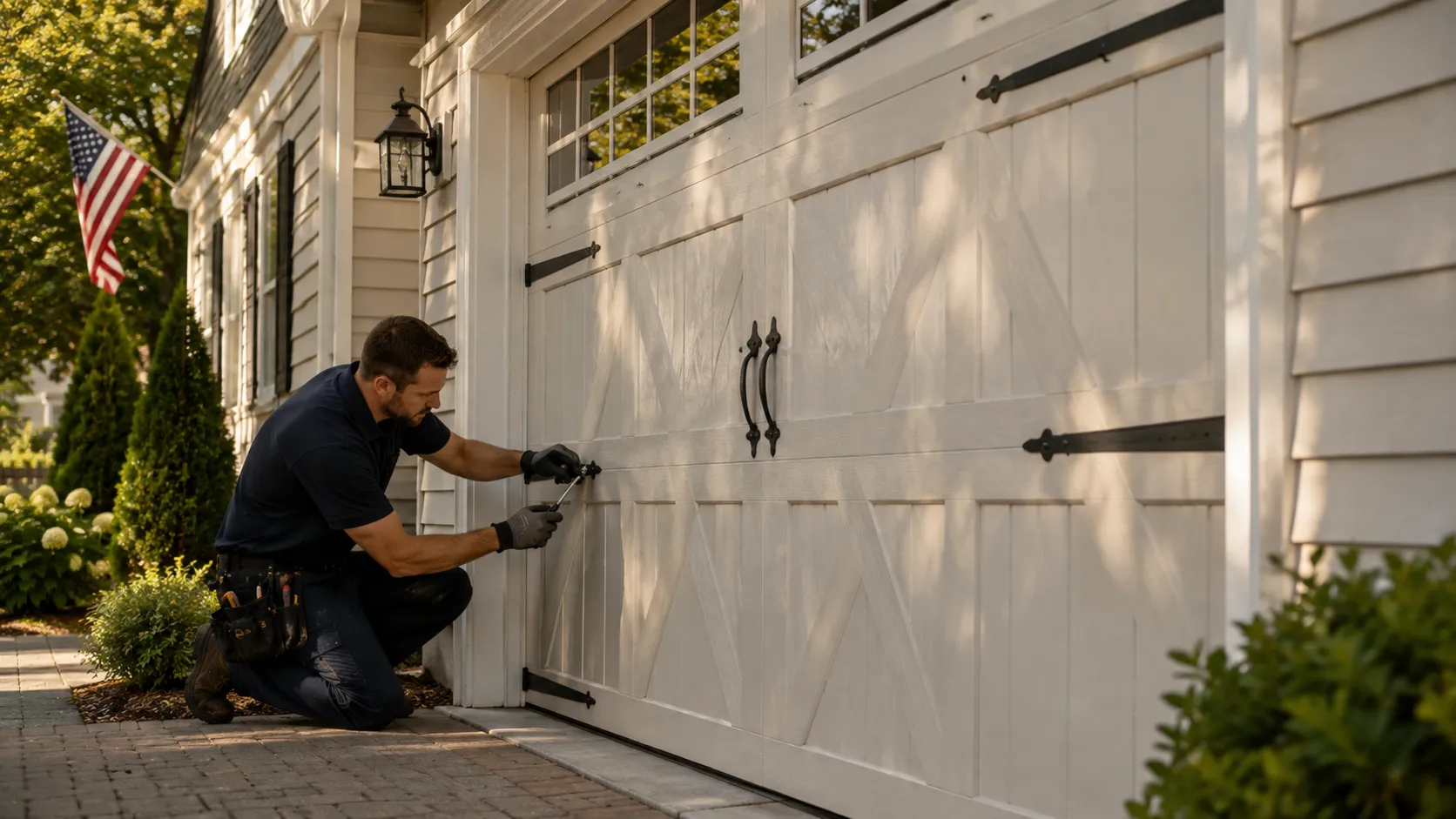
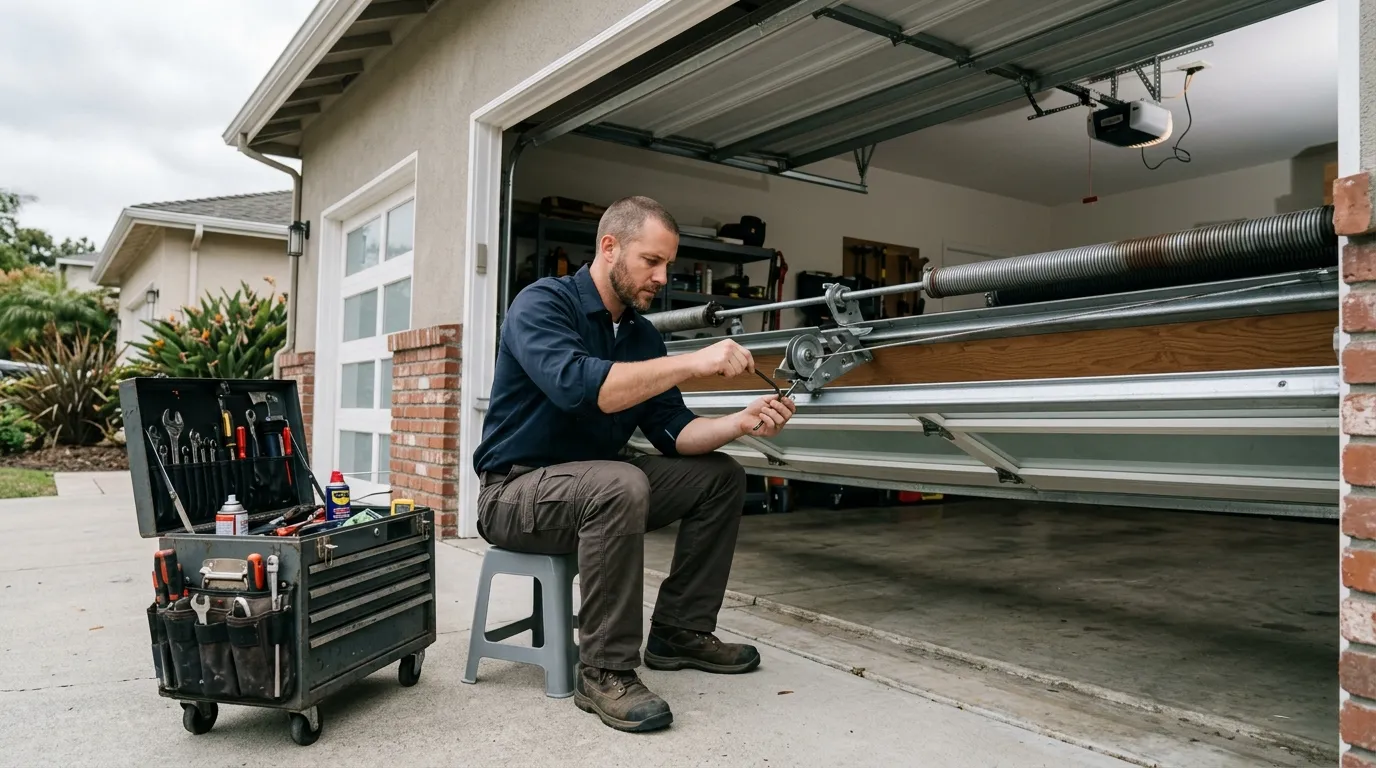
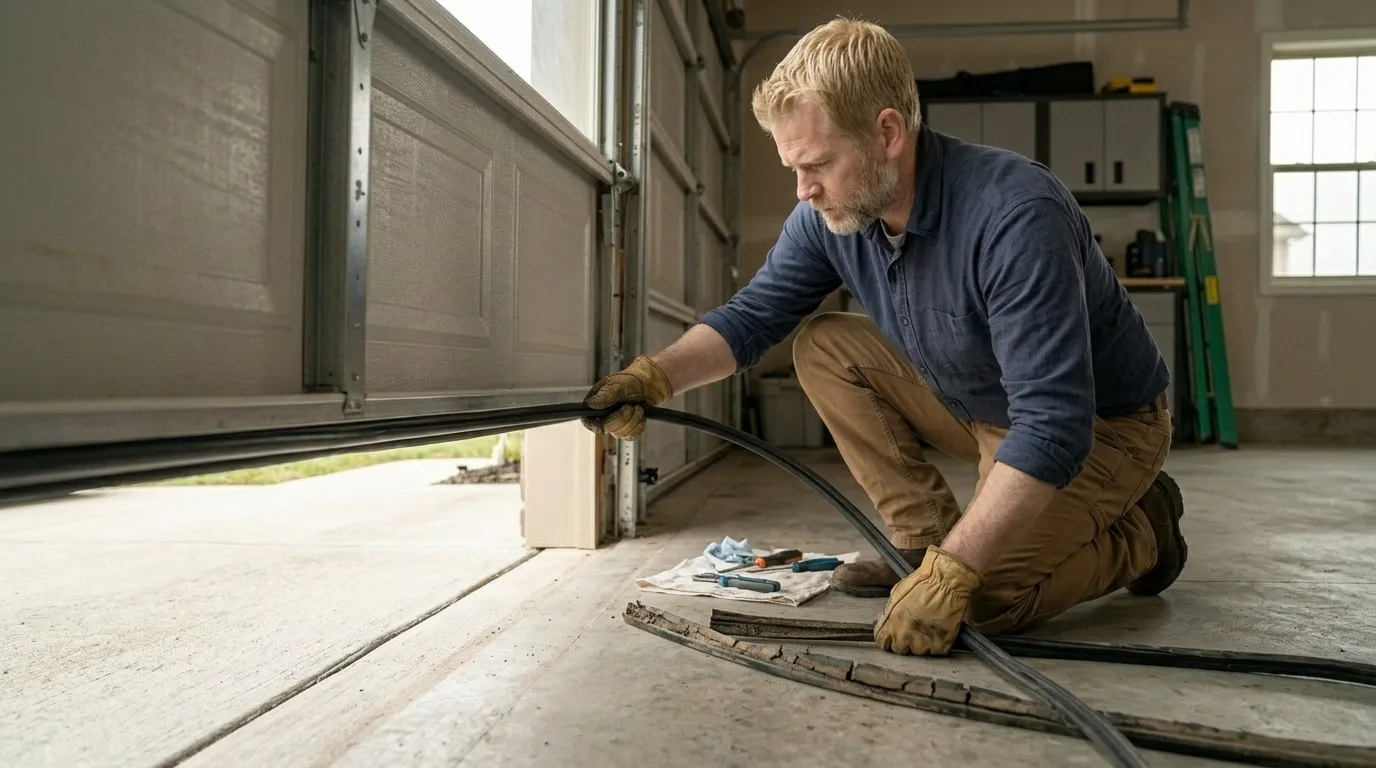
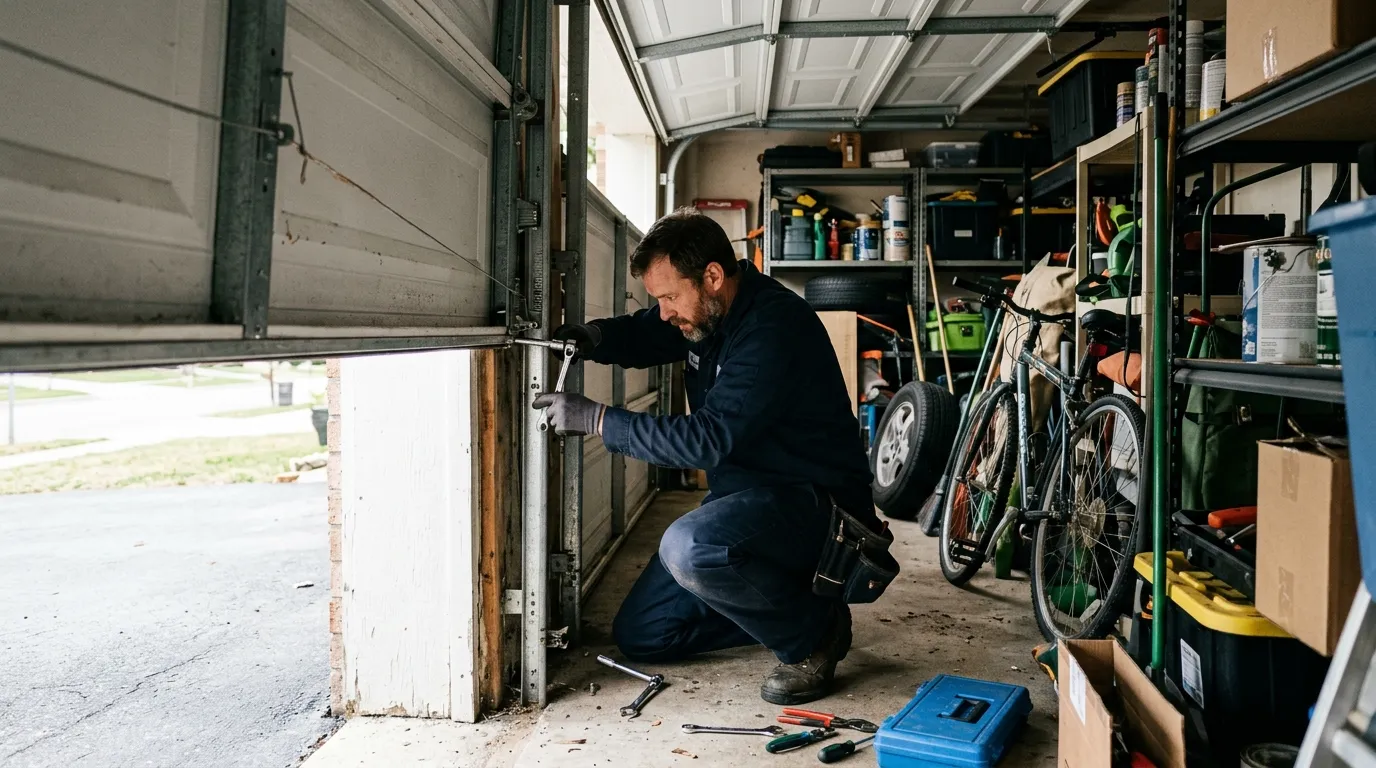
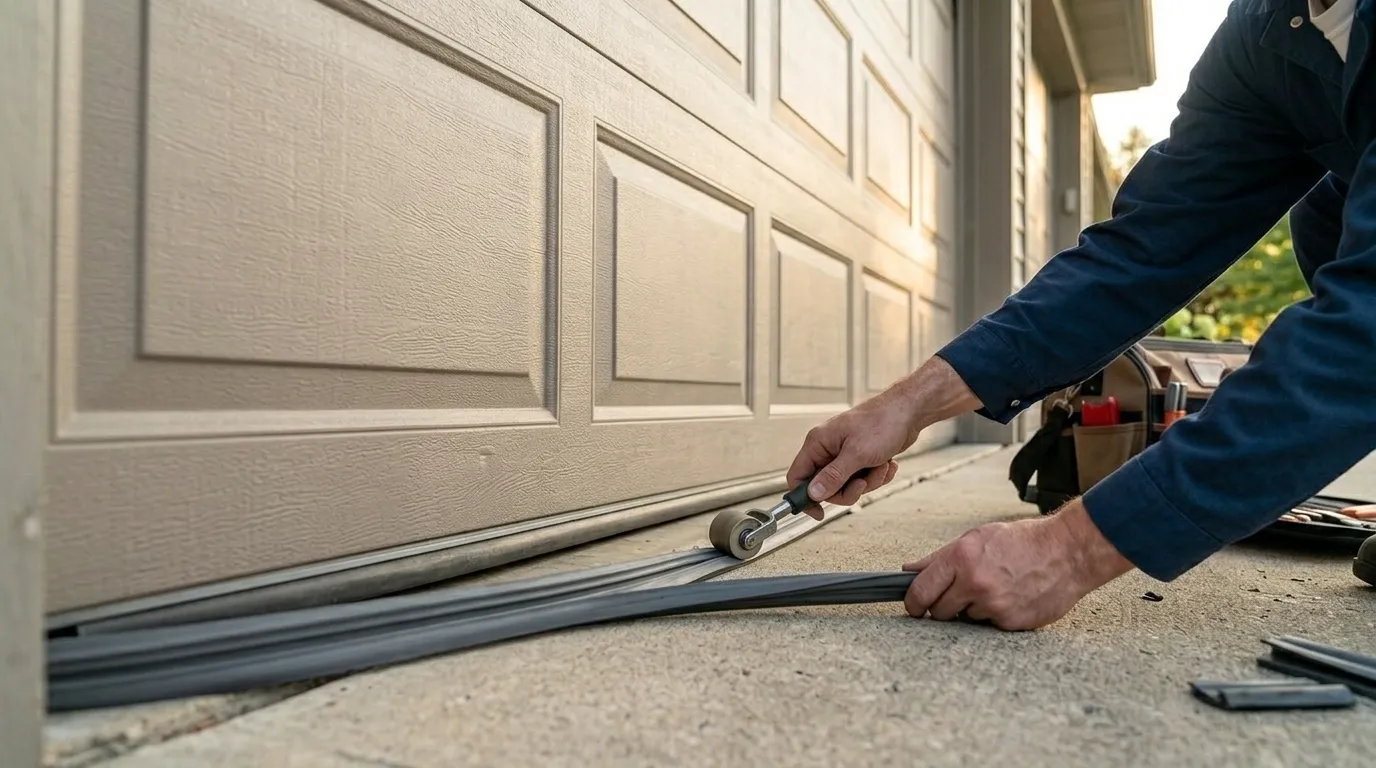
When a tech gets to your address in Mundelein, the first thing he does is pull the door manually to feel where the resistance or looseness is - spring, track, or opener - before touching a wrench. Given the 1938-2009 build range here, that often means checking torsion spring wind for stress cracking, which is common once a spring has been through enough cold-severe winters to fatigue the coil. He'll also check the panel seams; a lot of the 1980s and 90s doors in this area used steel that dents and rusts at the bottom corner first, right where snowmelt and road salt sit against the frame. From there it's a straight diagnosis: is the failure in the spring, the cable, the roller track, or the opener's drive mechanism. A call covers all of that inspection whether or not it turns into a repair that day - we're not going to sell you a spring replacement if the actual problem is a bent track.
Season by Season
Cold-severe winters are the main stress test for a garage door in Mundelein. Steel contracts in the cold, torsion springs lose a measurable amount of lifting force below a certain temperature, and openers with older logic boards can misread the load and stall. That's the season we get called out for doors that won't open at all, usually because a spring that was already near the end of its life gave out on the coldest morning of the stretch. Spring and early summer bring a different set of calls - condensation inside the garage from the freeze-thaw cycle works into steel seams that were already showing rust, and that's when a panel that limped through winter finally needs replacing rather than patching. We don't have humidity or precipitation data specific enough to promise a exact month for either pattern, so we won't invent one - what we can tell you is that the cold-severe classification alone is enough reason to have torsion hardware checked before the hardest part of winter rather than after.
How it works
From “it’s stuck” to “it’s fixed”
01
Tell us what’s wrong
Describe the symptom - won’t open, loud bang, opener runs but the door won’t move.
02
On-site diagnosis
A technician tests the door under power and by hand and finds what actually failed.
03
Clear, up-front plan
You get the fix that’s needed and what drives the cost - before any work starts.
04
Repaired & tested
The repair is done, the door is set true and tested, and the work area left clean.
Serving Mundelein, IL - tell us what your door’s doing and we’ll take it from there.
Why does the age of my house matter for a garage door repair?
In Mundelein, most houses were built between 1938 and 2009, with a lot of the stock dating to the 1980s and 90s. That range tells us what kind of spring system, track width, and opener generation to expect before we even open the door, which speeds up diagnosis and means we're more likely to have the right part on the truck.
Do you give a price over the phone?
No. What a repair costs depends on what's actually failed - a spring, a cable, a panel, an opener - and we don't know that until a tech looks at the door. We'll always tell you plainly if a repair is close in cost to replacement rather than push a patch job.
Is winter really harder on garage doors here?
Mundelein sits in a cold-severe climate band, and torsion springs lose lifting force as steel contracts in the cold. Doors with older hardware, common in the 1980s-90s stock that makes up most of this area, are the ones most likely to fail on the coldest mornings.
What does a standard service call actually include?
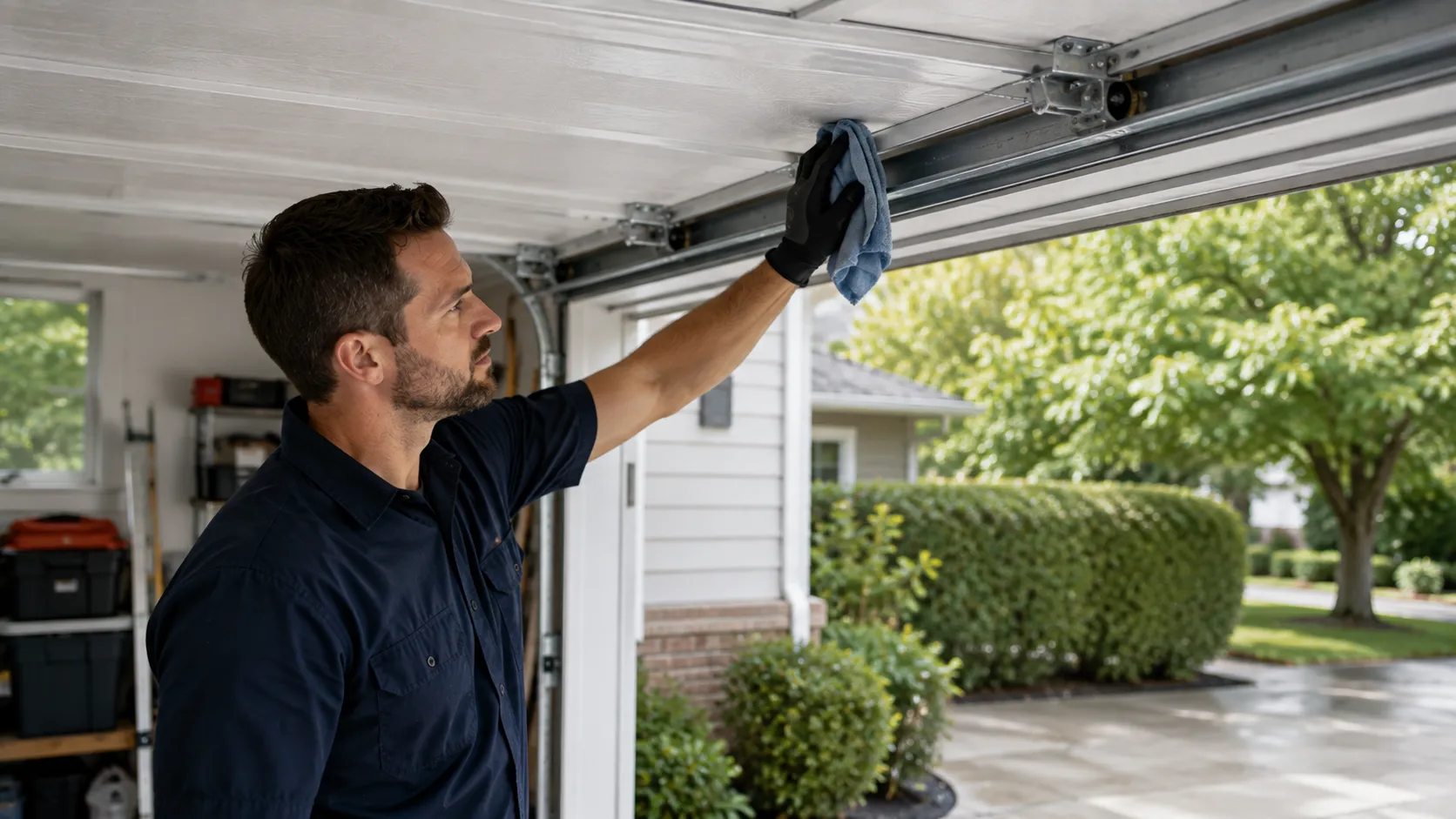
A full check of the door system, not just the symptom you called about - spring tension, cable wear, track alignment, roller condition, and opener function - plus the diagnosis, parts for that specific repair, and labor. We check the whole system because a call-back for a second problem next month helps no one.
Ready to get your garage door sorted?
Tell us what it’s doing and where you are in Mundelein - we’ll take it from there.