This Area's Housing
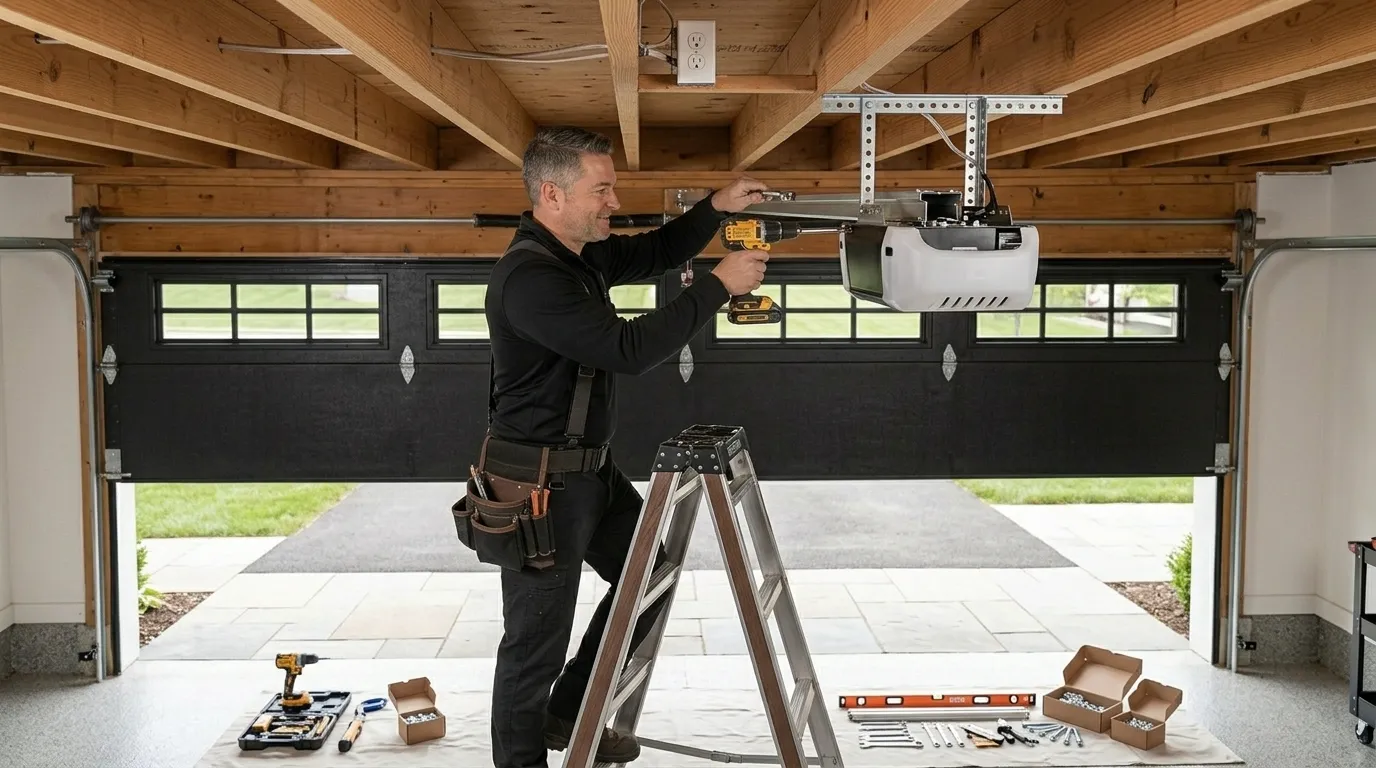
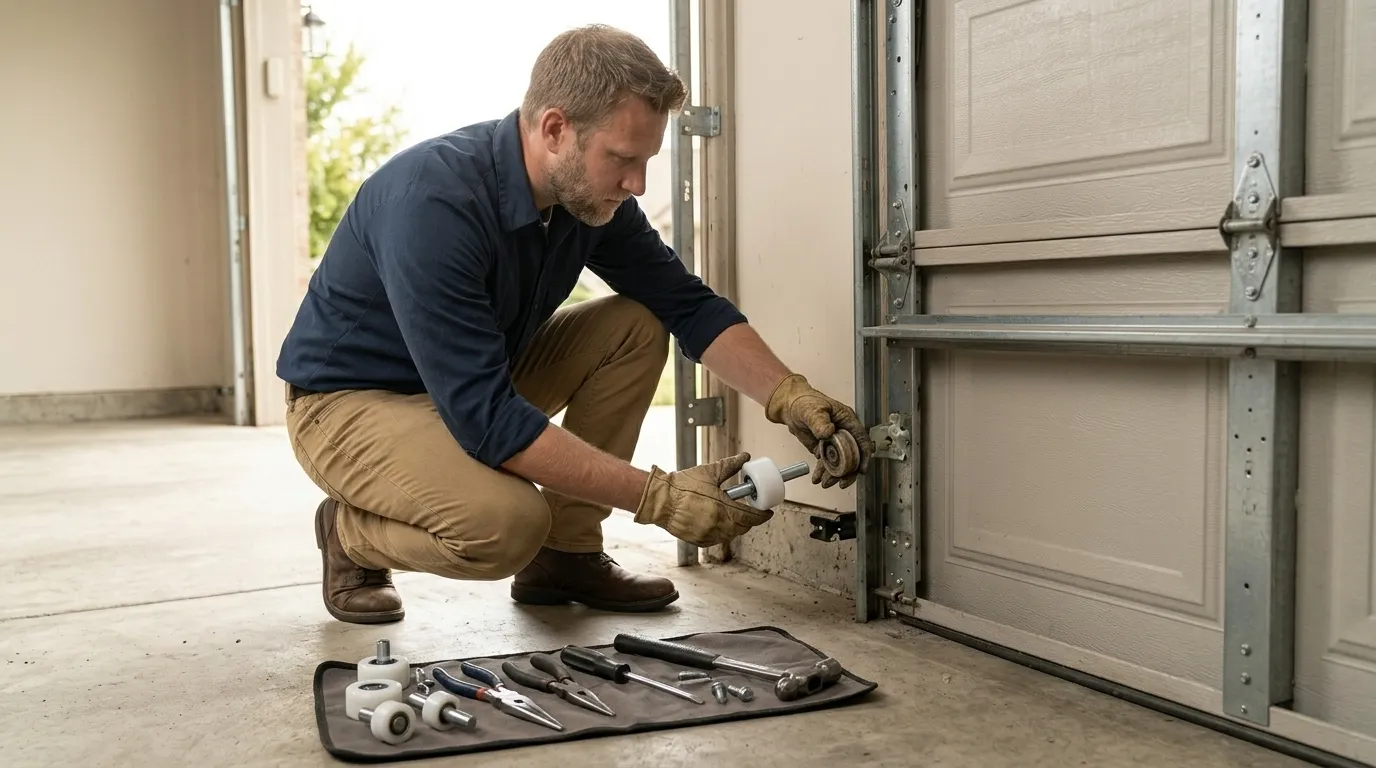
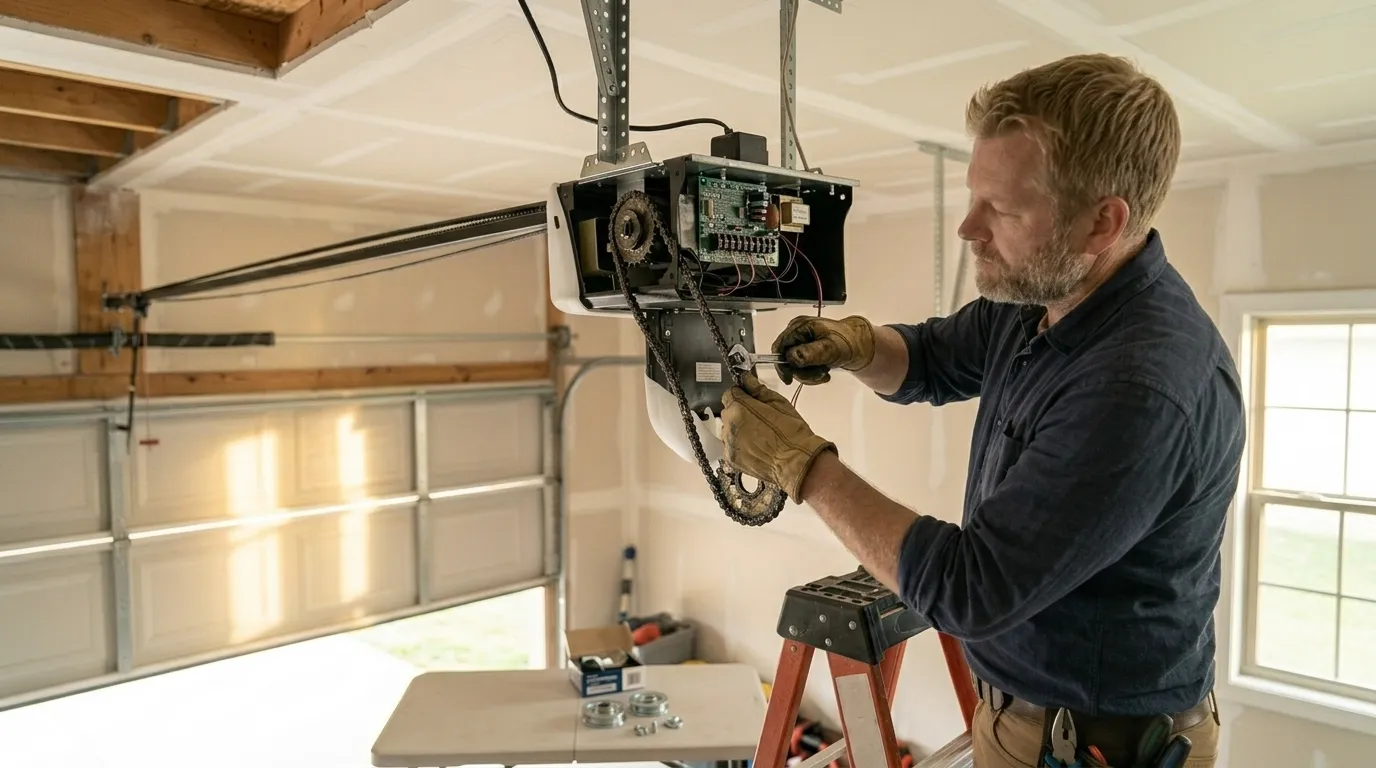
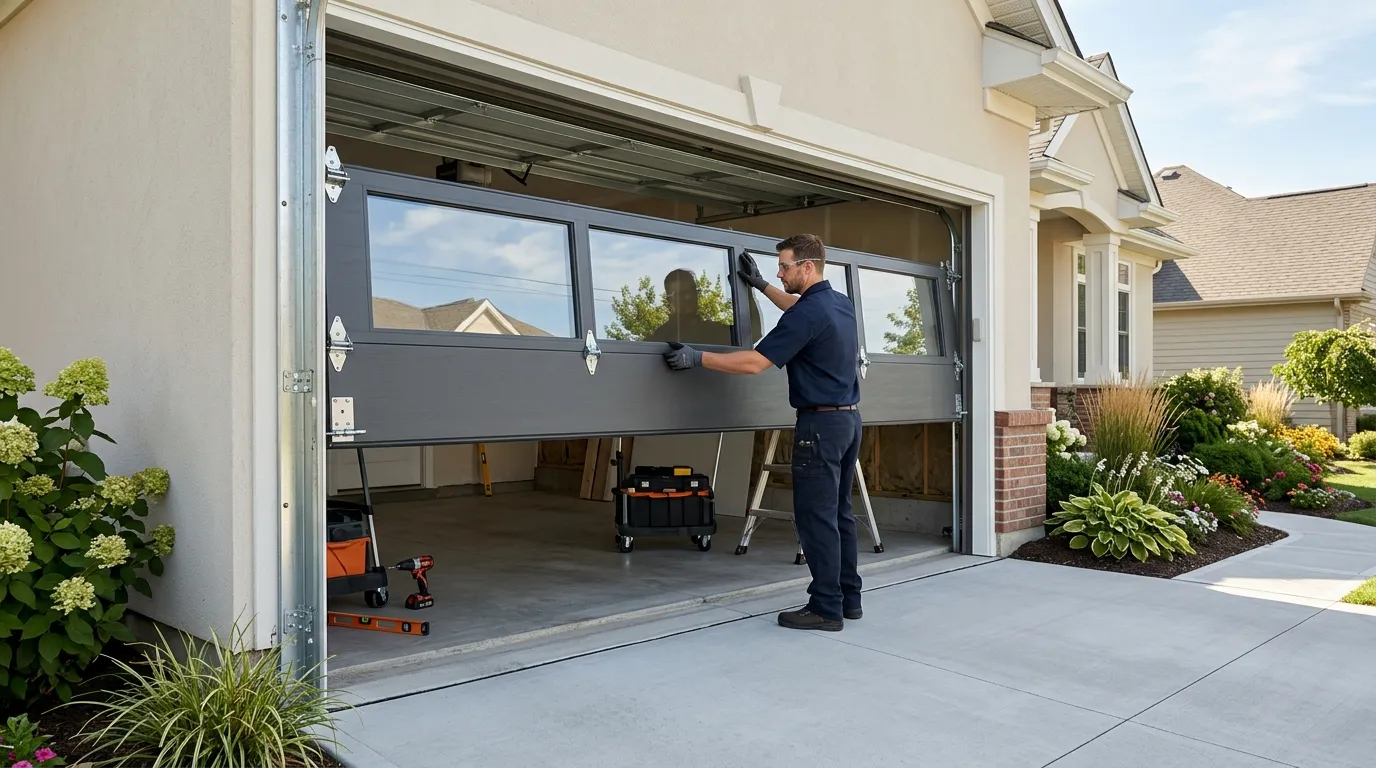
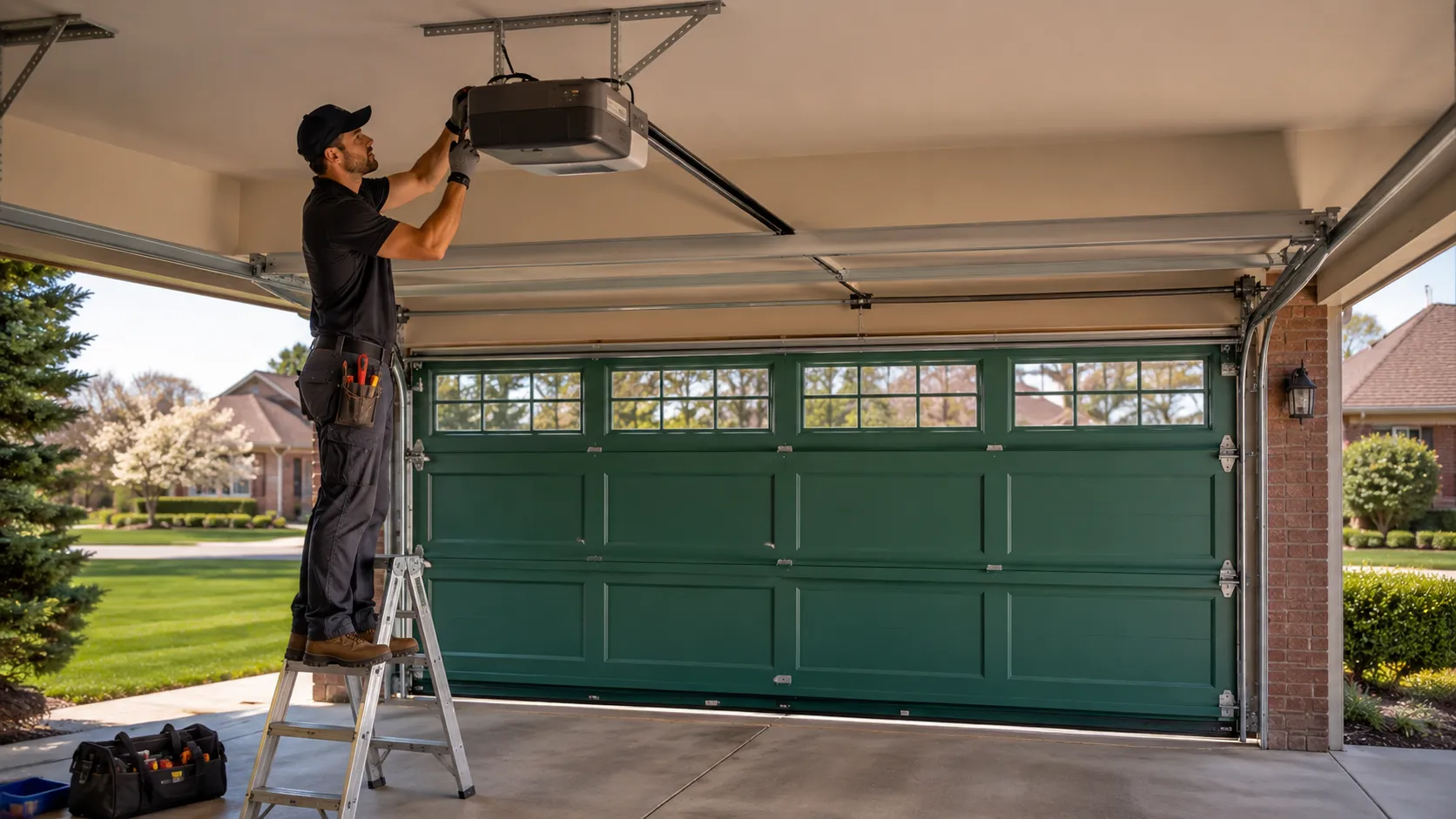
A build year clustered around 1993 puts most Antioch garage doors squarely in the era of steel sectional doors with polystyrene insulation sandwiched between the panels - a step up from the uninsulated single-layer doors of the 1960s and 70s, but not as tight as anything built to current code. With roughly 5,179 households in the area and median income around $118,635, we see a fair number of these original doors still in service, just tired: sagging bottom panels, cracked plastic idler wheels, and openers running on their second or third remote. Some owners have already swapped in a newer opener while keeping the original door and track, which creates its own mismatches we check for on arrival.
How That Shows Up in the Door
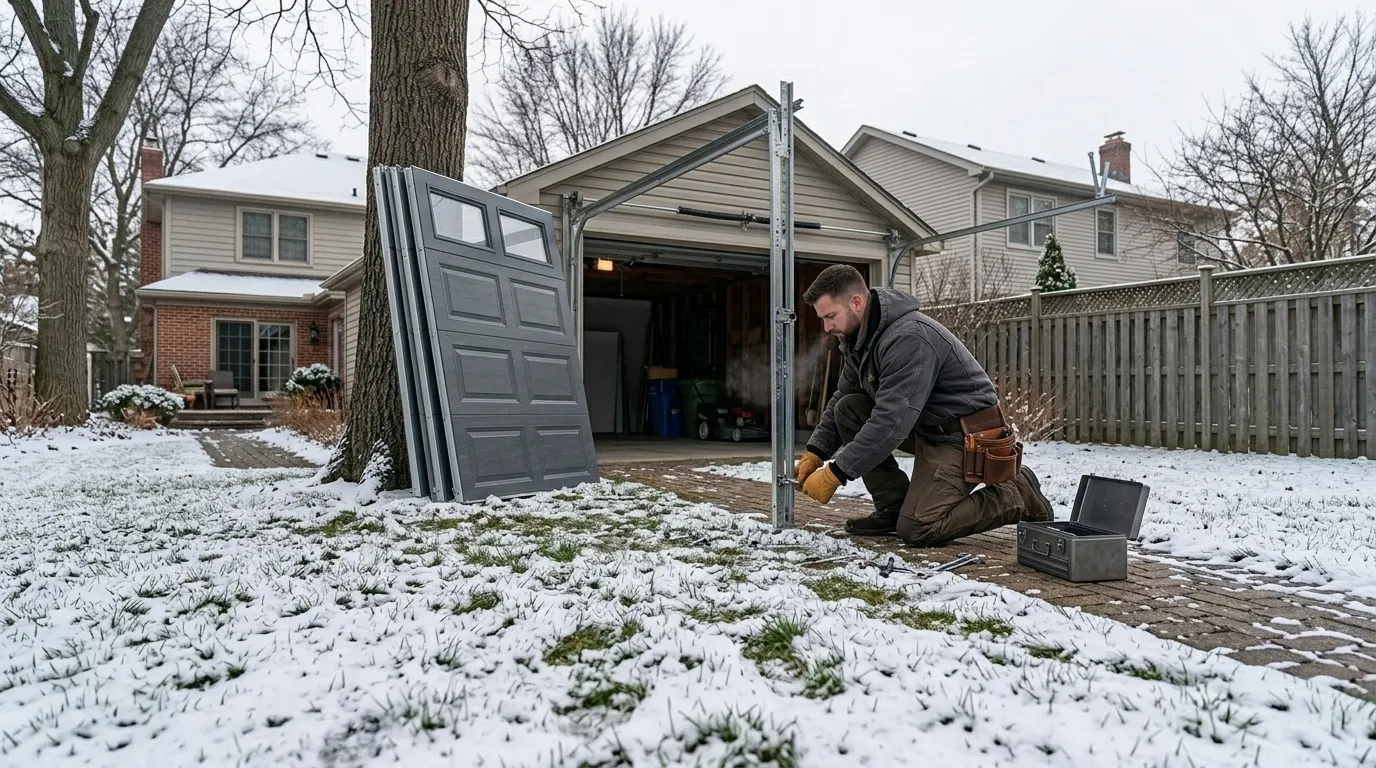
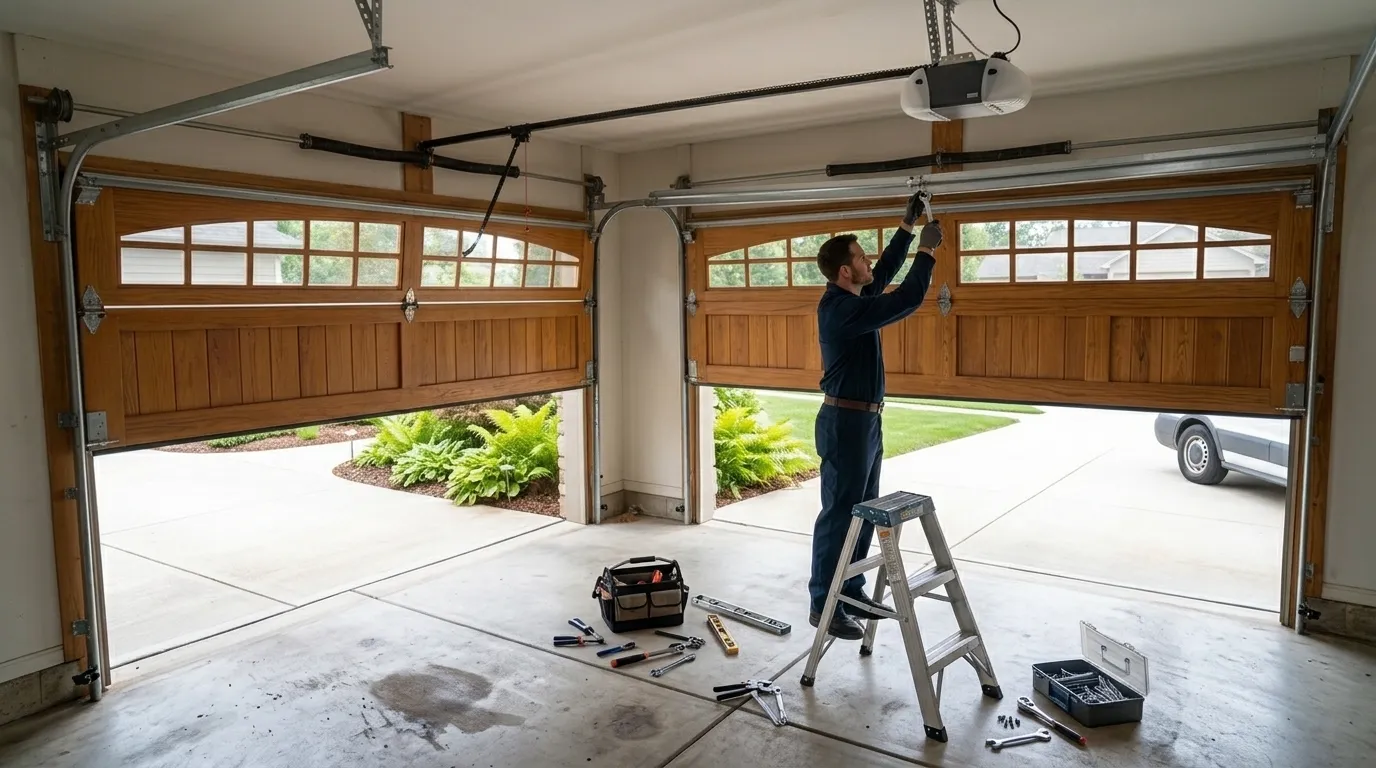
Cold-climate severity matters more here than people expect. A torsion spring rated for a certain cycle count works harder in sustained sub-zero stretches, and steel contracts enough in deep winter to throw slightly-out-of-square tracks into a bind that wasn't there in October. On a 1990s door, that usually means a spring that's been fine for two decades snapping on the coldest morning of the year, or rollers that were already worn seizing up entirely. We also see a lot of insulation failure specific to this build era - the foam core delaminating from the steel skins, which doesn't break the door but does make it noticeably colder and noisier than the day it was installed. We won't tell you to replace a door that just needs a spring and a set of rollers; that's a repair, not a reason to buy new.