This Area's Housing
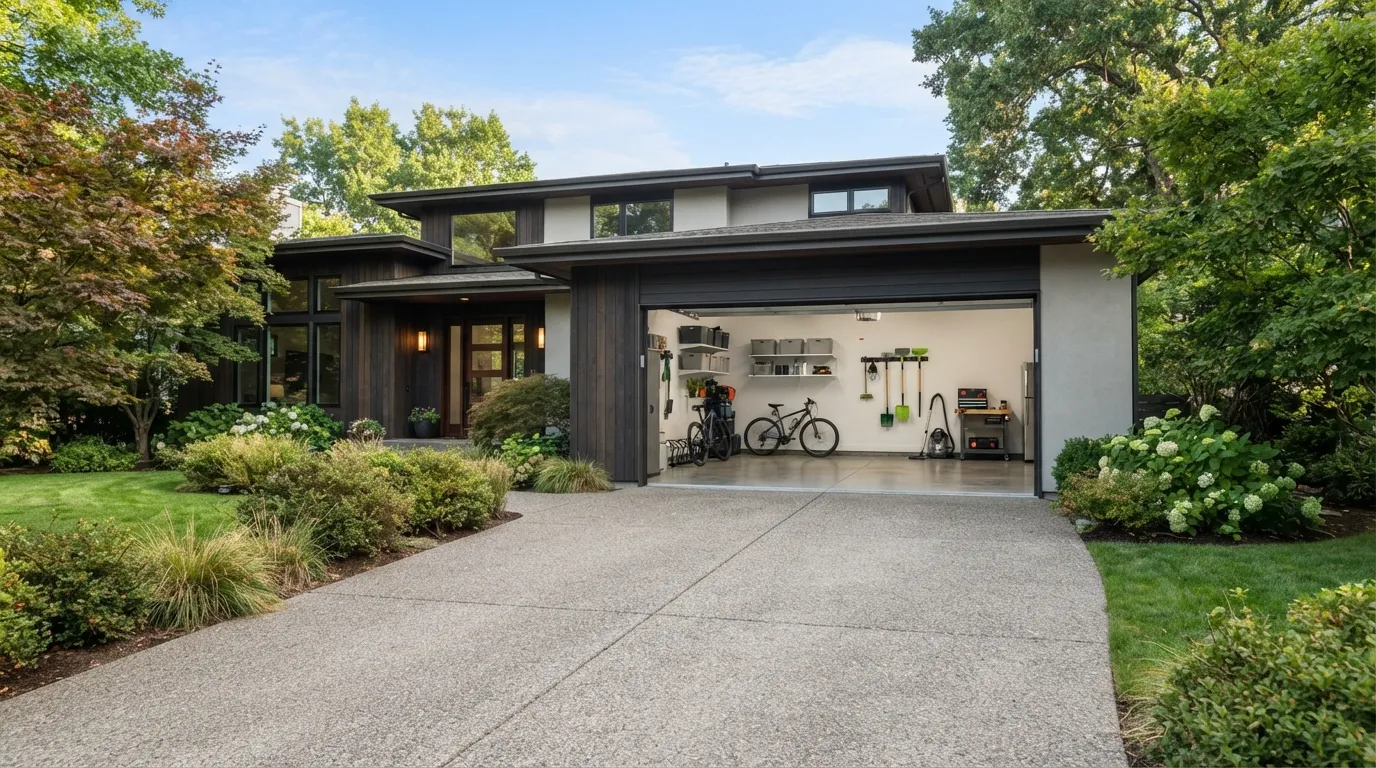
Fox Lake Hills sits about 12 miles from our shop in Mundelein, and the housing stock here skews older than the wider service area we cover. The median build year in this pocket is 1977, versus 1984 across the broader area, which puts most of these houses up before garage door openers were required to carry auto-reverse safety sensors and before torsion spring life expectancy became something builders spec'd for. With around 897 households in this area, it's a small, established neighborhood rather than a subdivision built in one push, so you'll find a real mix of original hardware next to homes where someone already did a partial upgrade. Median household income here runs about $111,477, a bit below the $121,583 median across the full service area, which is worth mentioning only because it shapes the repair-versus-replace conversation we end up having on a lot of calls.
How That Shows Up in the Door
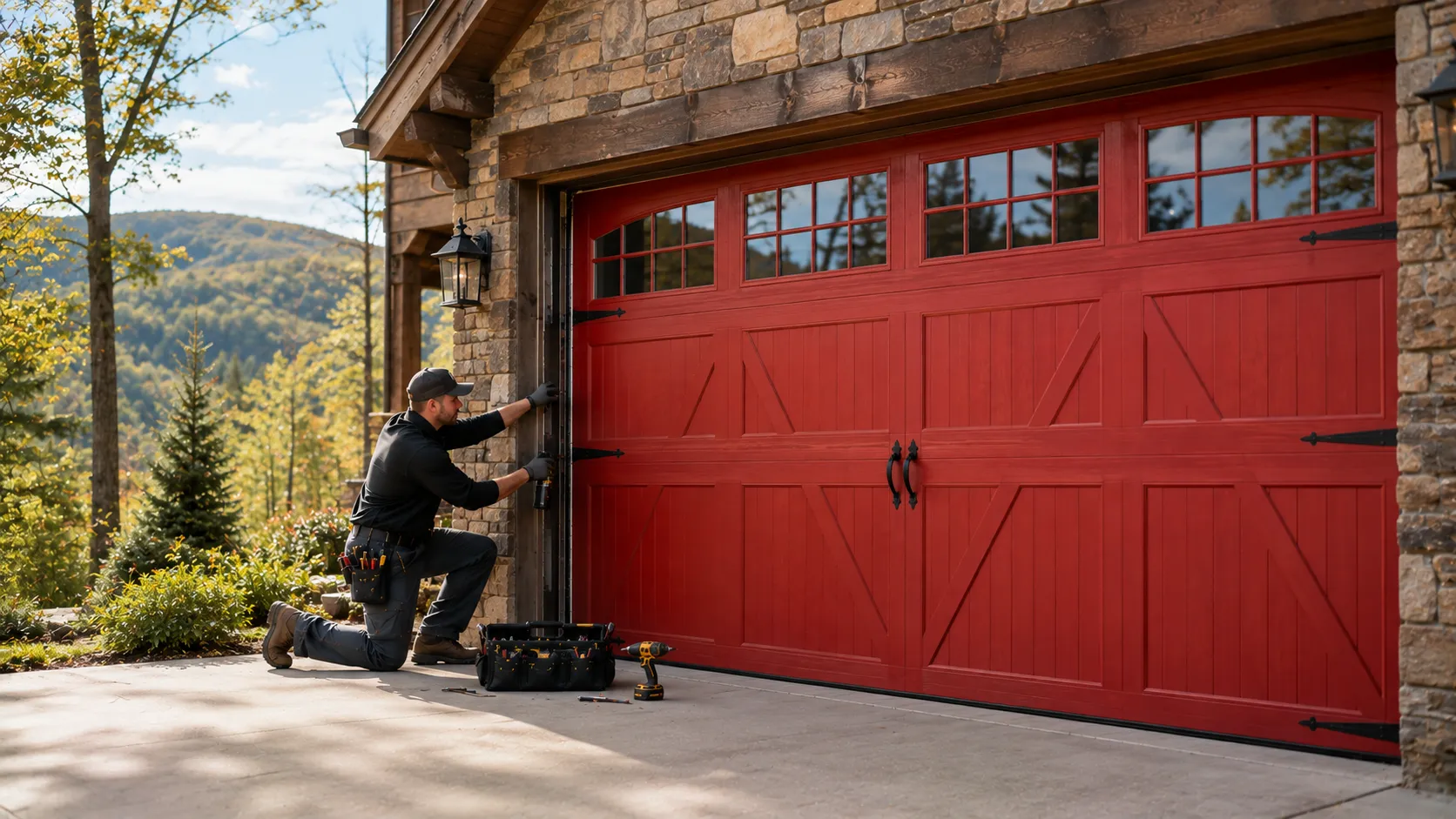
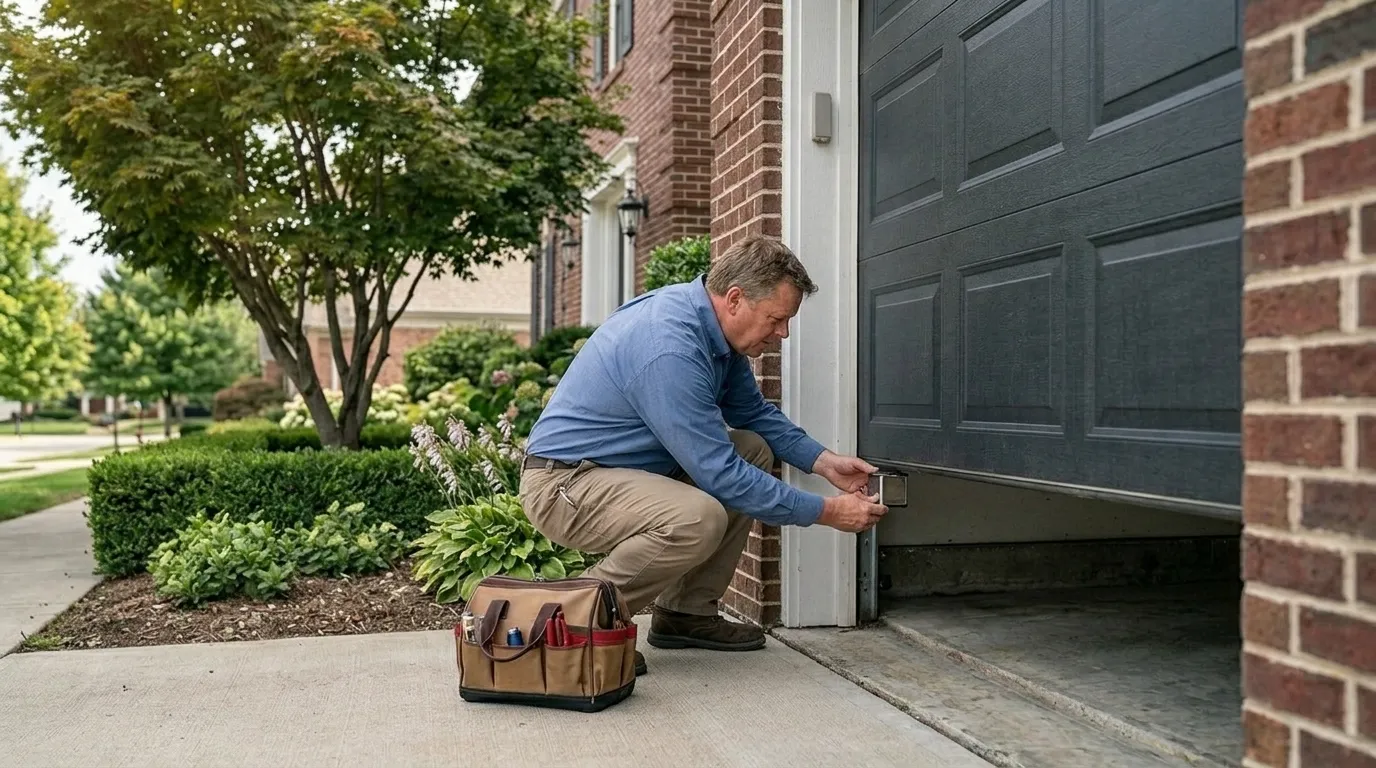
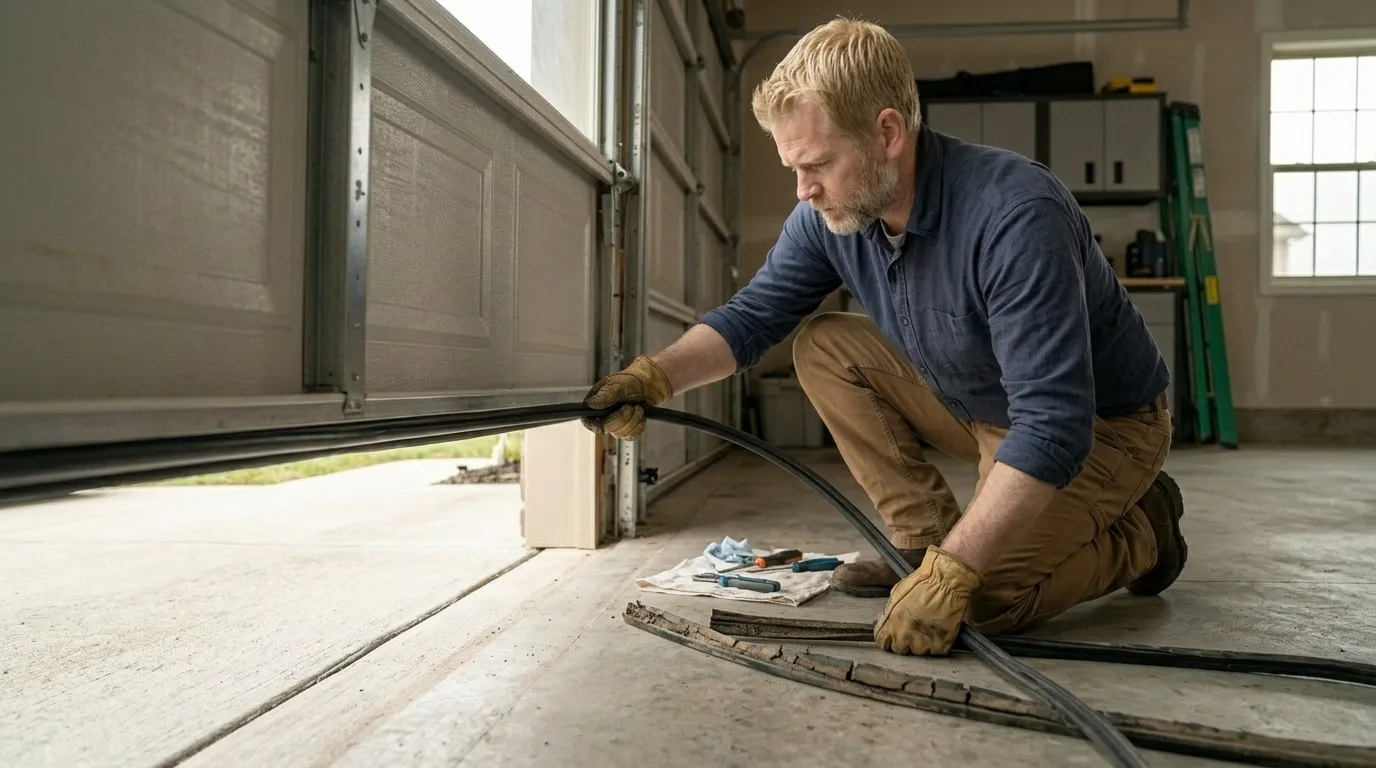
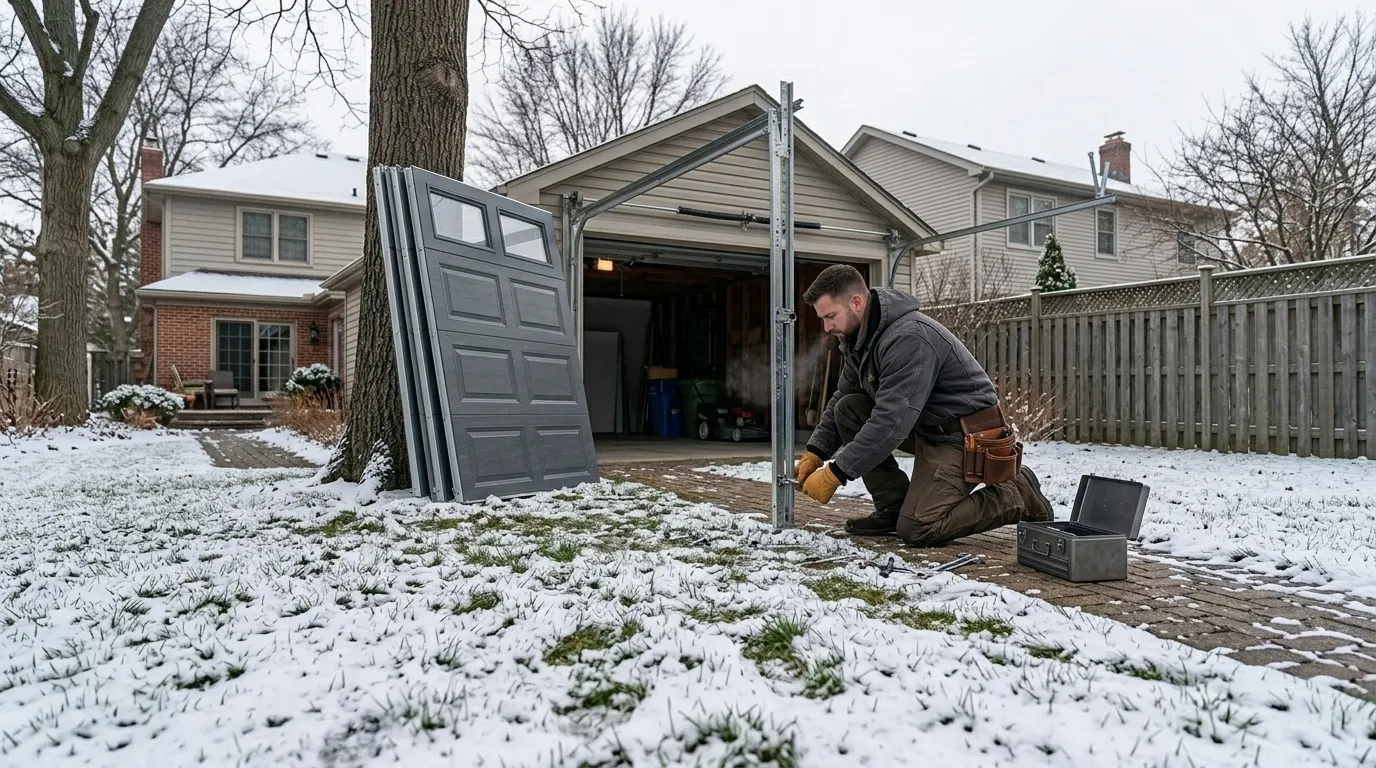
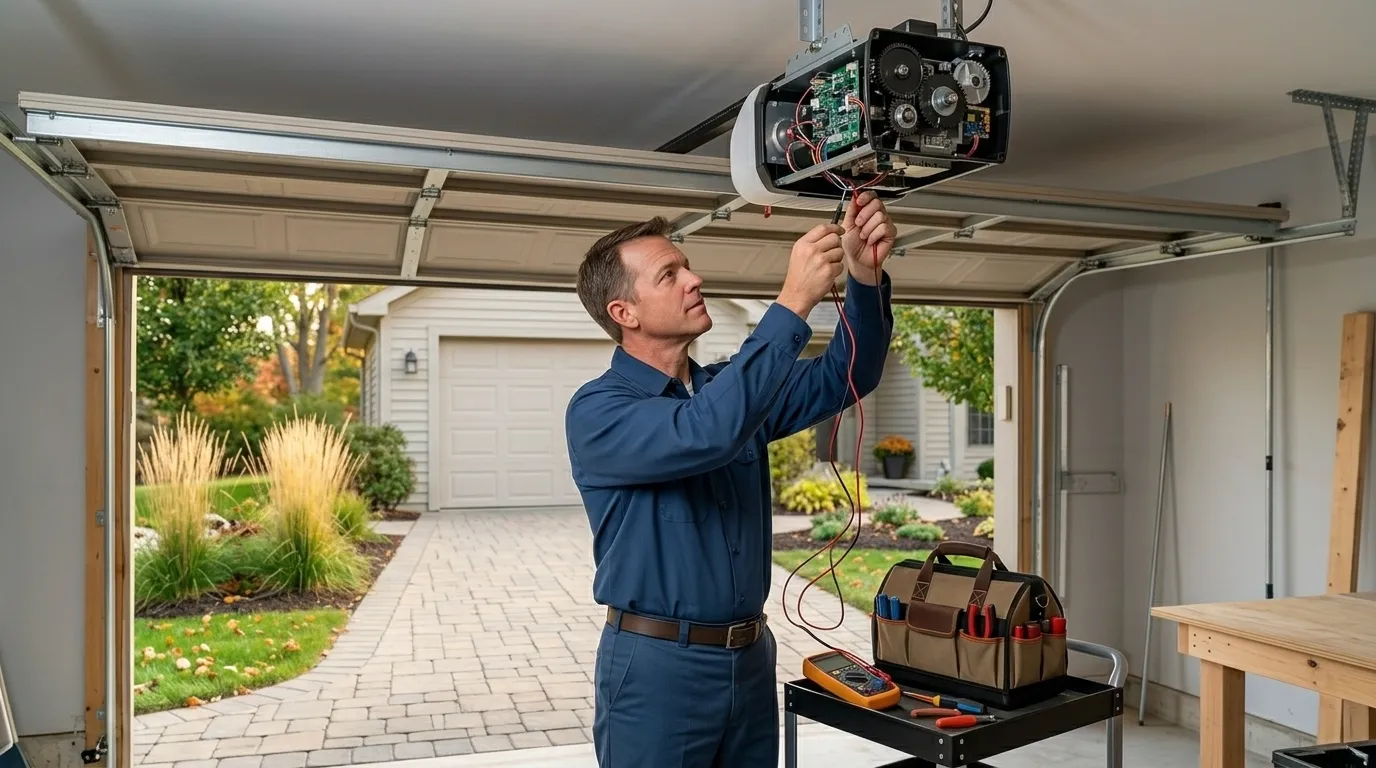
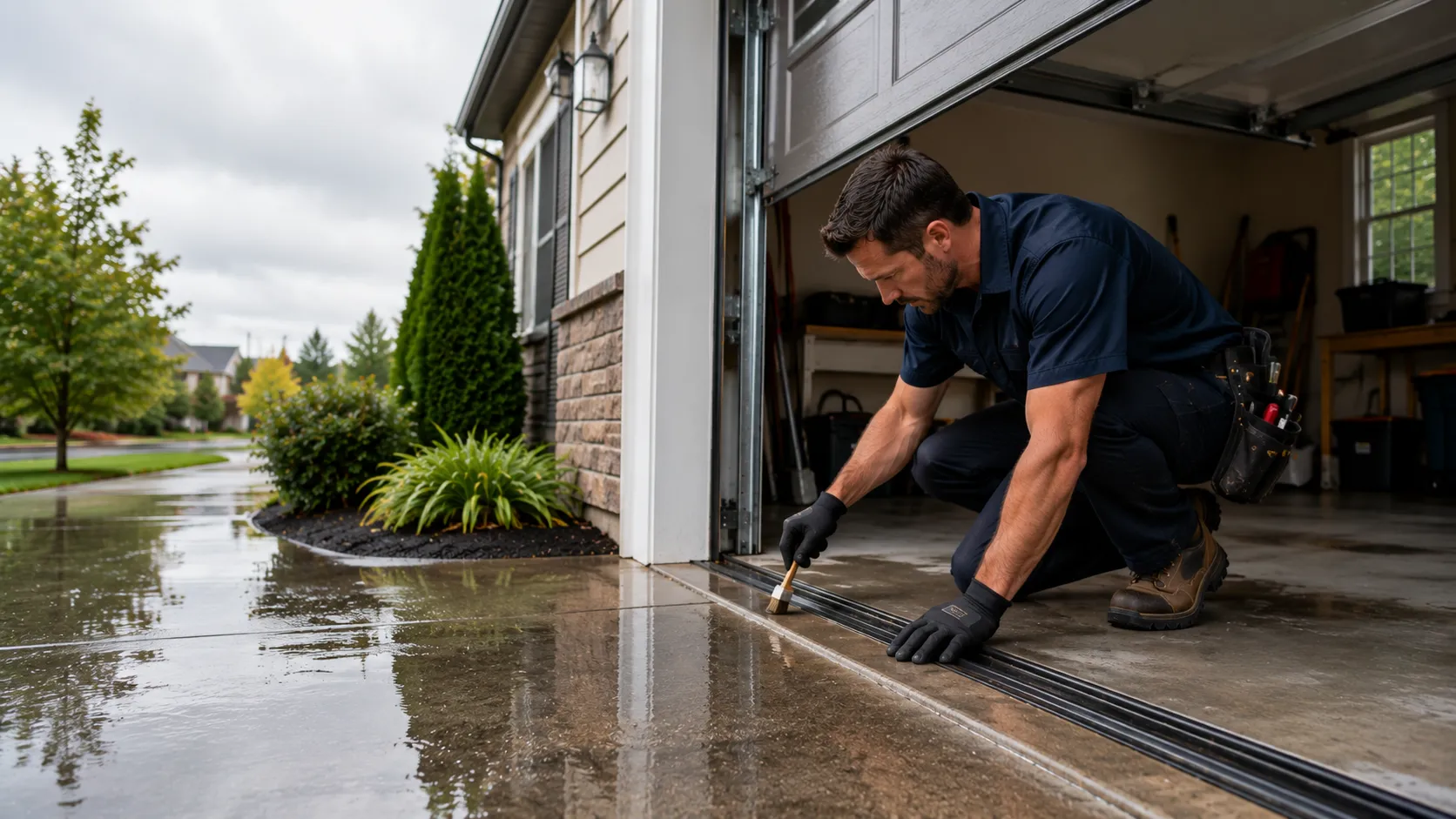
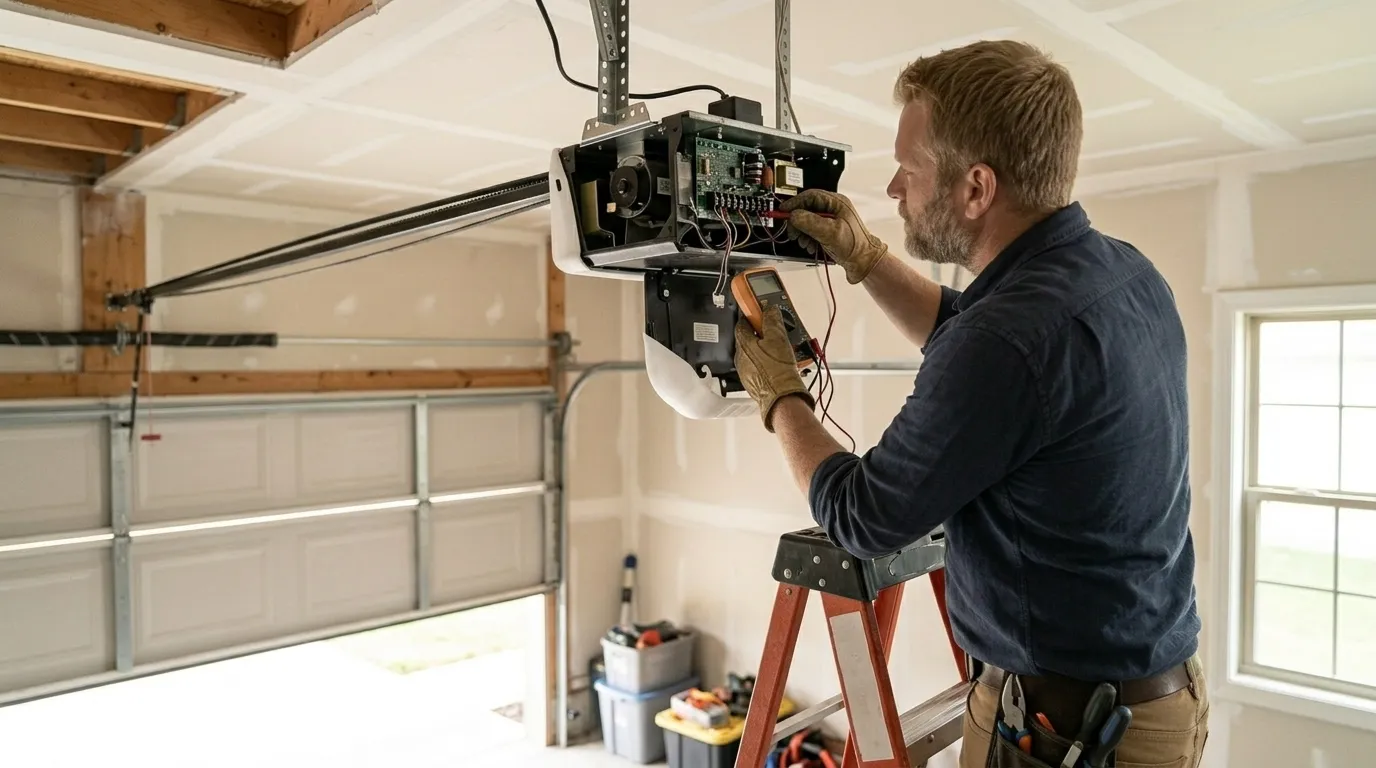
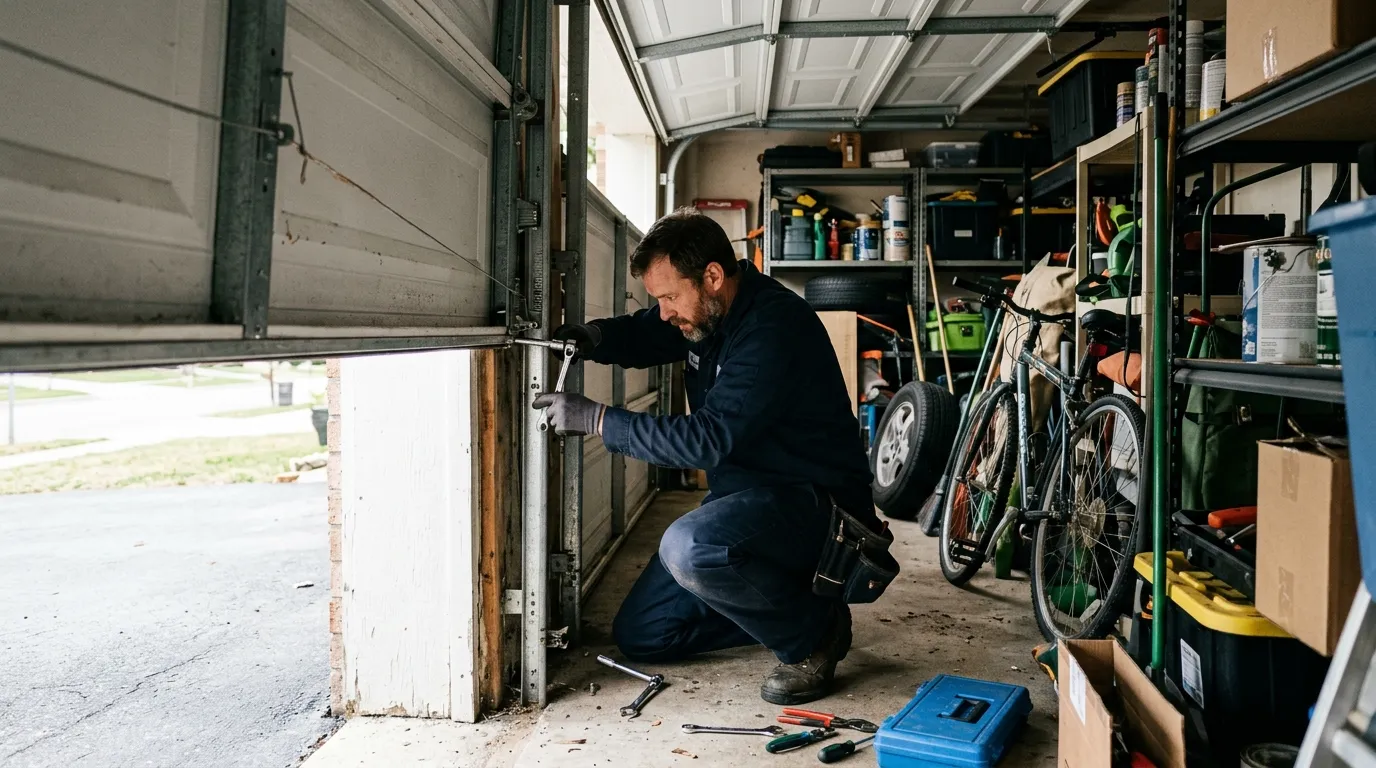
A door built the same year as the house, in a winter climate rated cold-severe, wears differently than a 2005 build. Steel from the late 1970s doesn't have the corrosion coating modern panels get, so the bottom section is usually the first thing to go, especially where a downspout or grade slopes water back toward the slab. Torsion springs from that era were often undersized by today's cycle-life standards, and after 40-plus years of Illinois freeze-thaw, most have already snapped once or are close to it. If your opener still uses a mechanical pressure setting with no digital force adjustment, that's another 1970s-vintage tell, and it's usually why the door reverses unpredictably or doesn't reverse at all. We don't push full replacement on every one of these calls. If the track and hardware are still square and the springs are the only failure, a spring swap on original hardware is often the right call and the cheaper one.