This Area's Housing
A house built in 1955 has usually had at least one door replacement by now, sometimes two, and that history shows up as mismatched hardware - a newer opener bolted to an old track, or a torsion conversion done on top of the original low-headroom bracket. Glencoe's median household income of $250,001 also shows up in the calls: more owners here ask about full replacement with insulated steel or wood-composite panels rather than a patch repair, and more of them have already had some upgrade done that a prior contractor didn't finish cleanly. Across the broader service area the housing stock runs from 1938 to 2009, so this 1955 vintage sits on the older end, closer to the original wave of postwar construction than to the 80s and 90s stock that makes up most of what we see elsewhere.
How That Shows Up in the Door
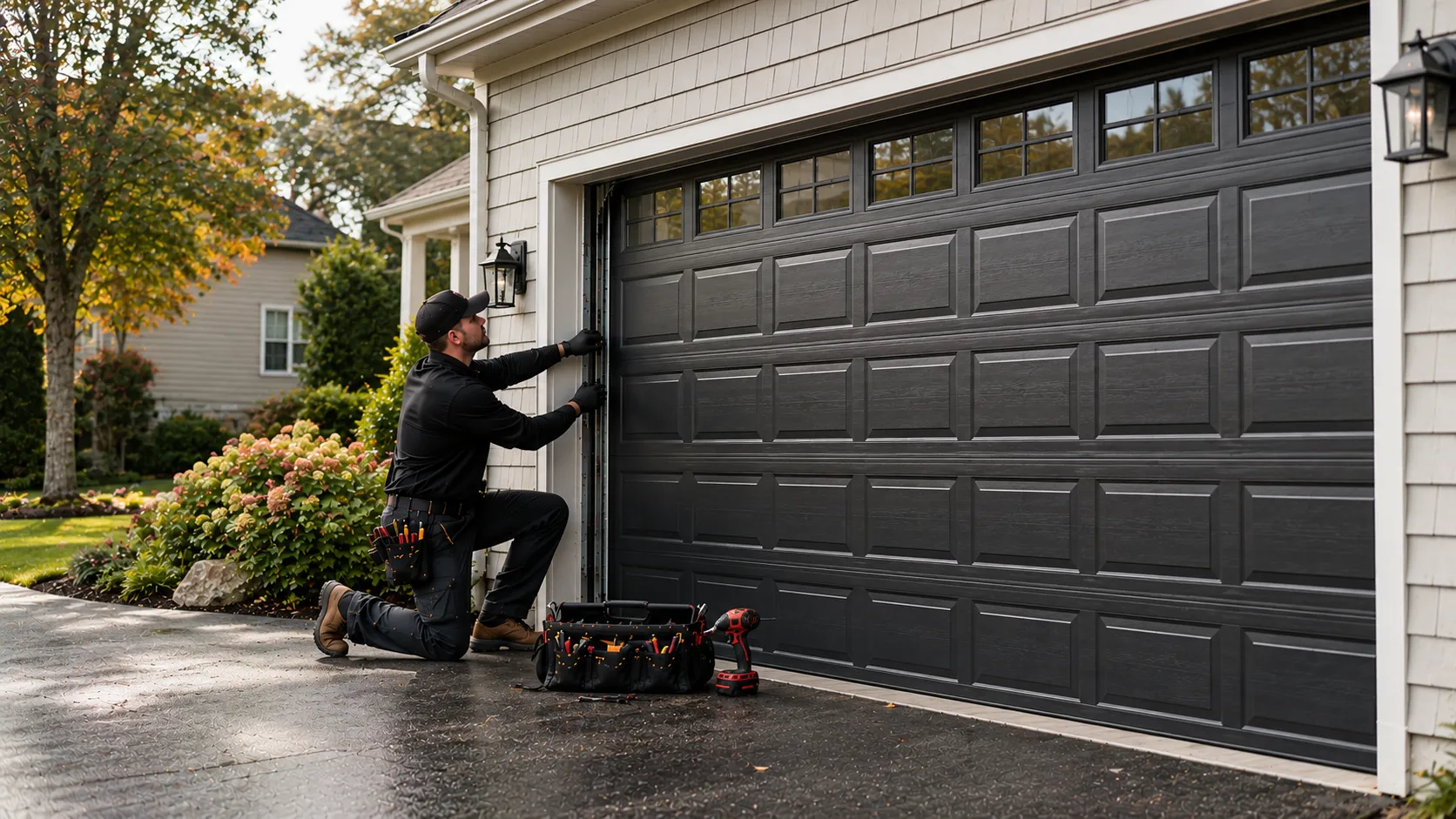
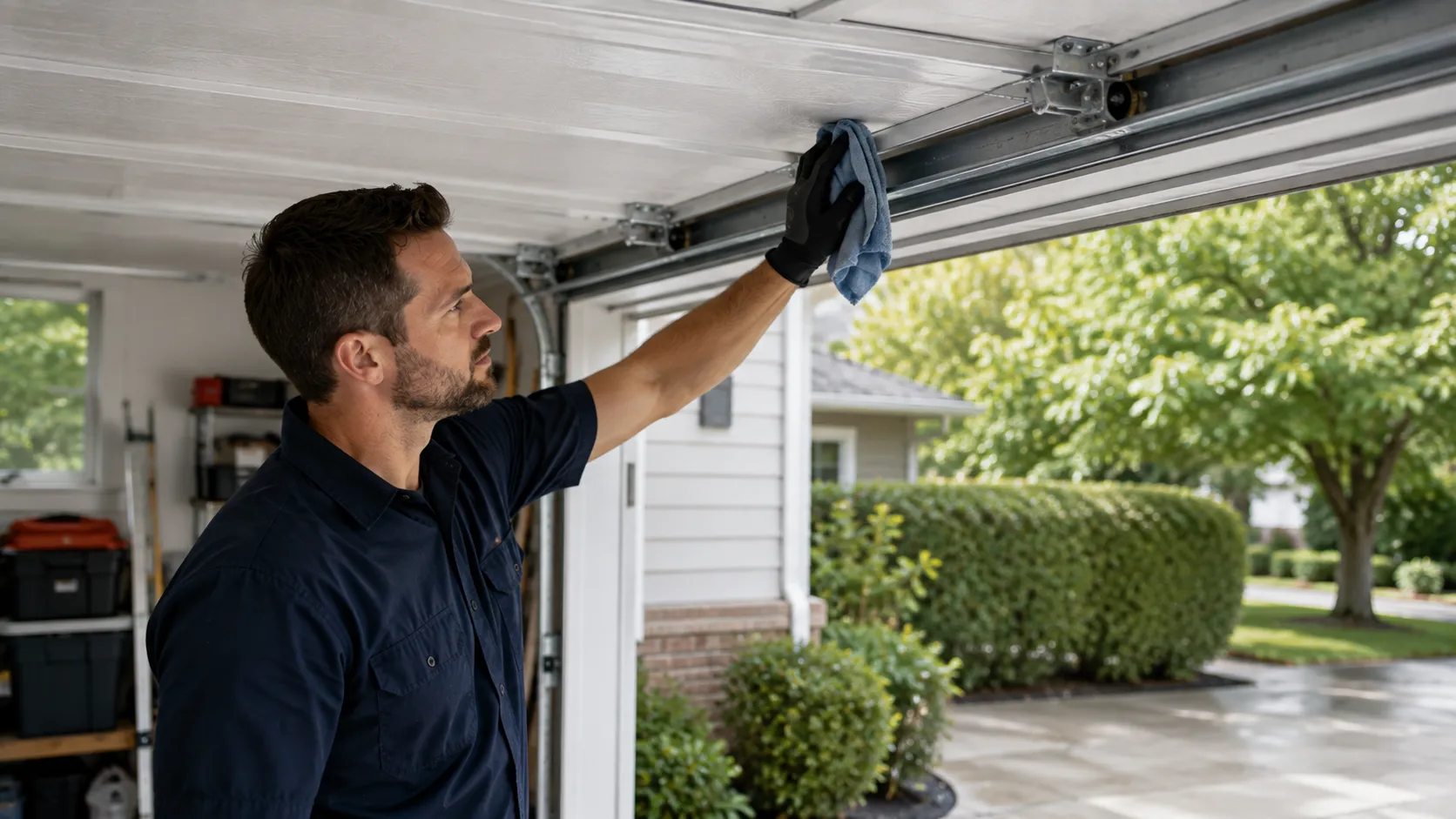
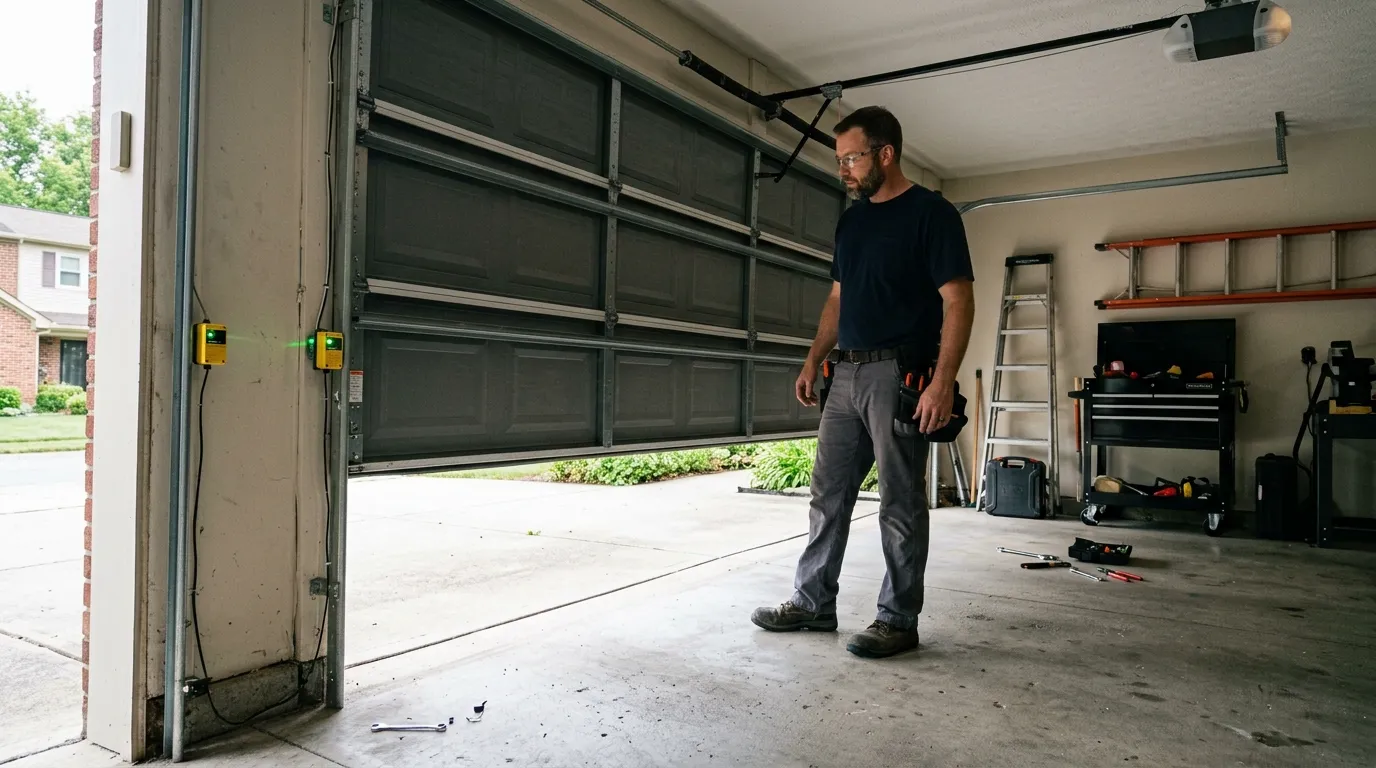
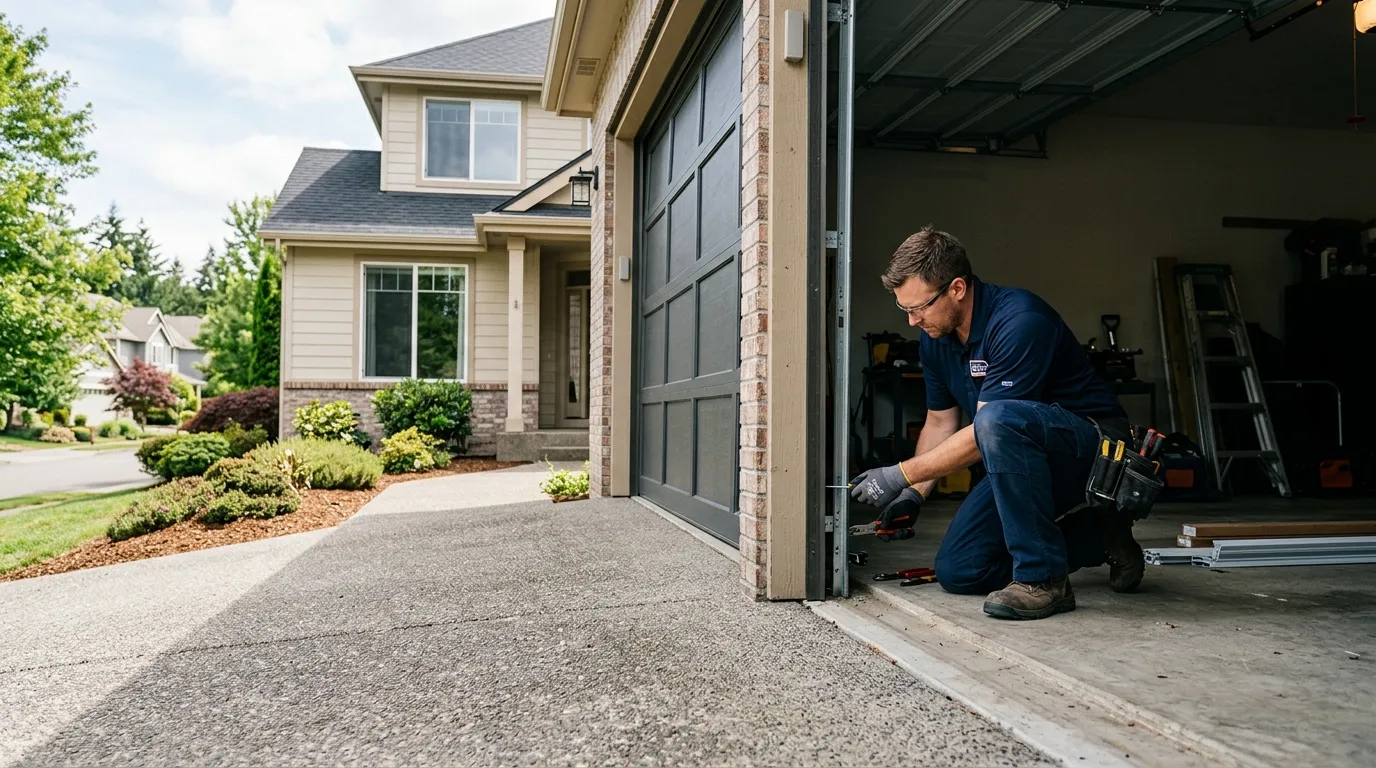
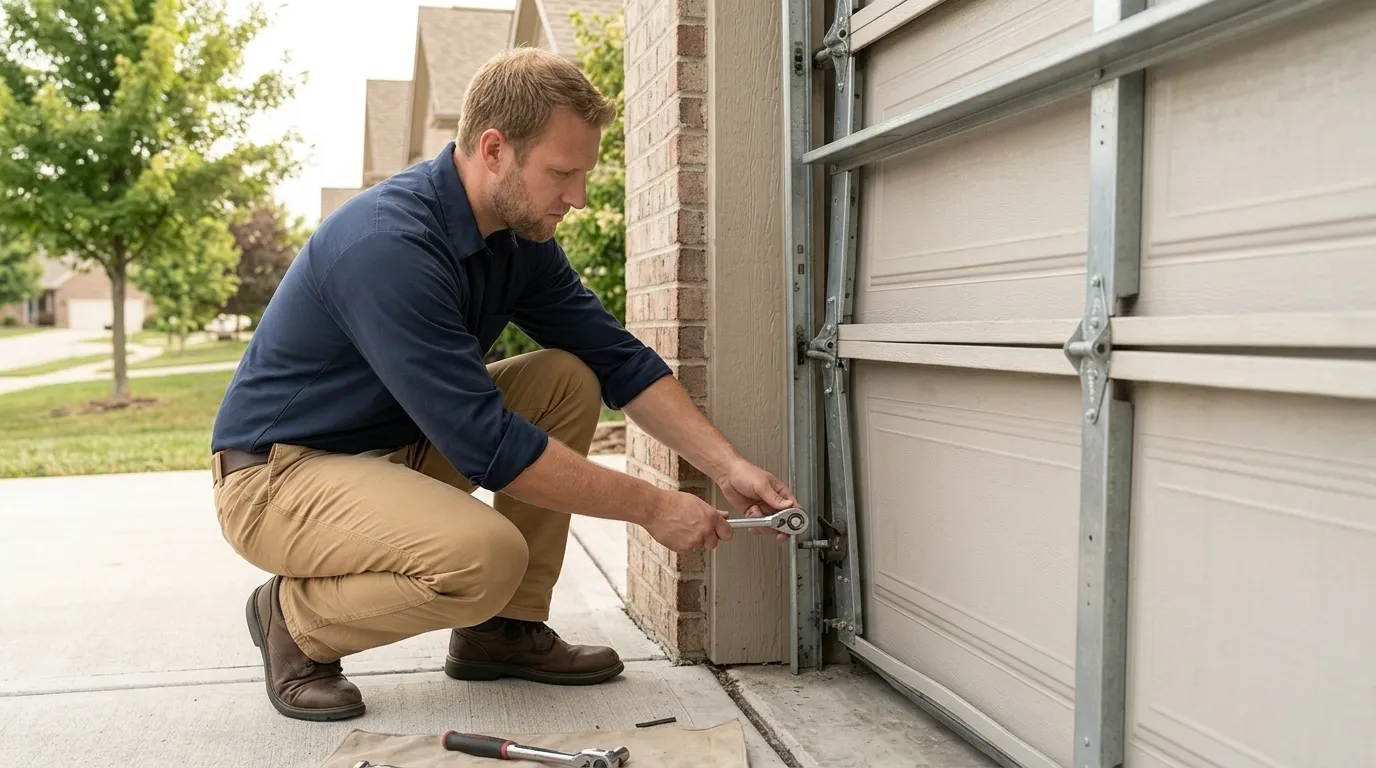
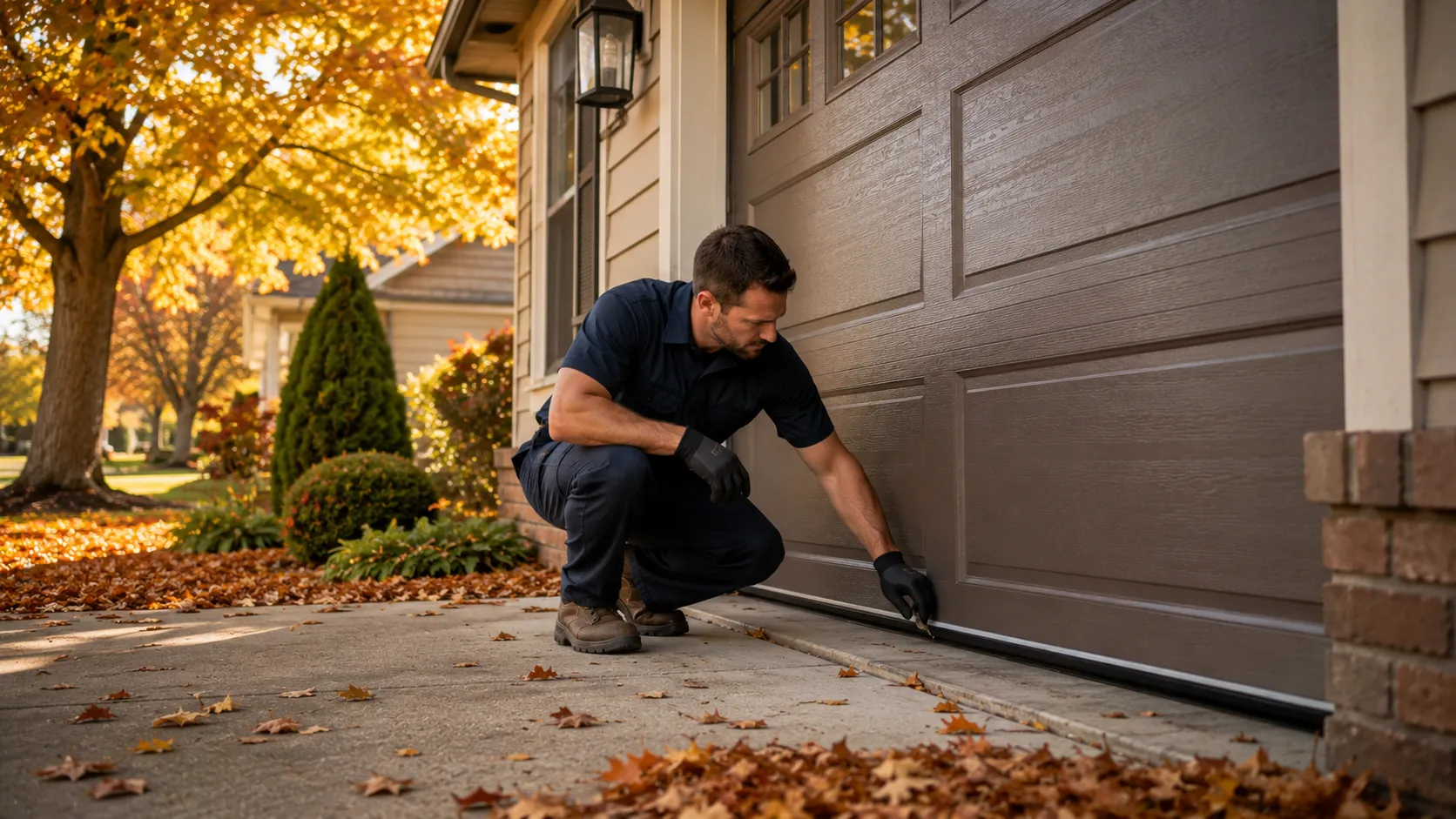
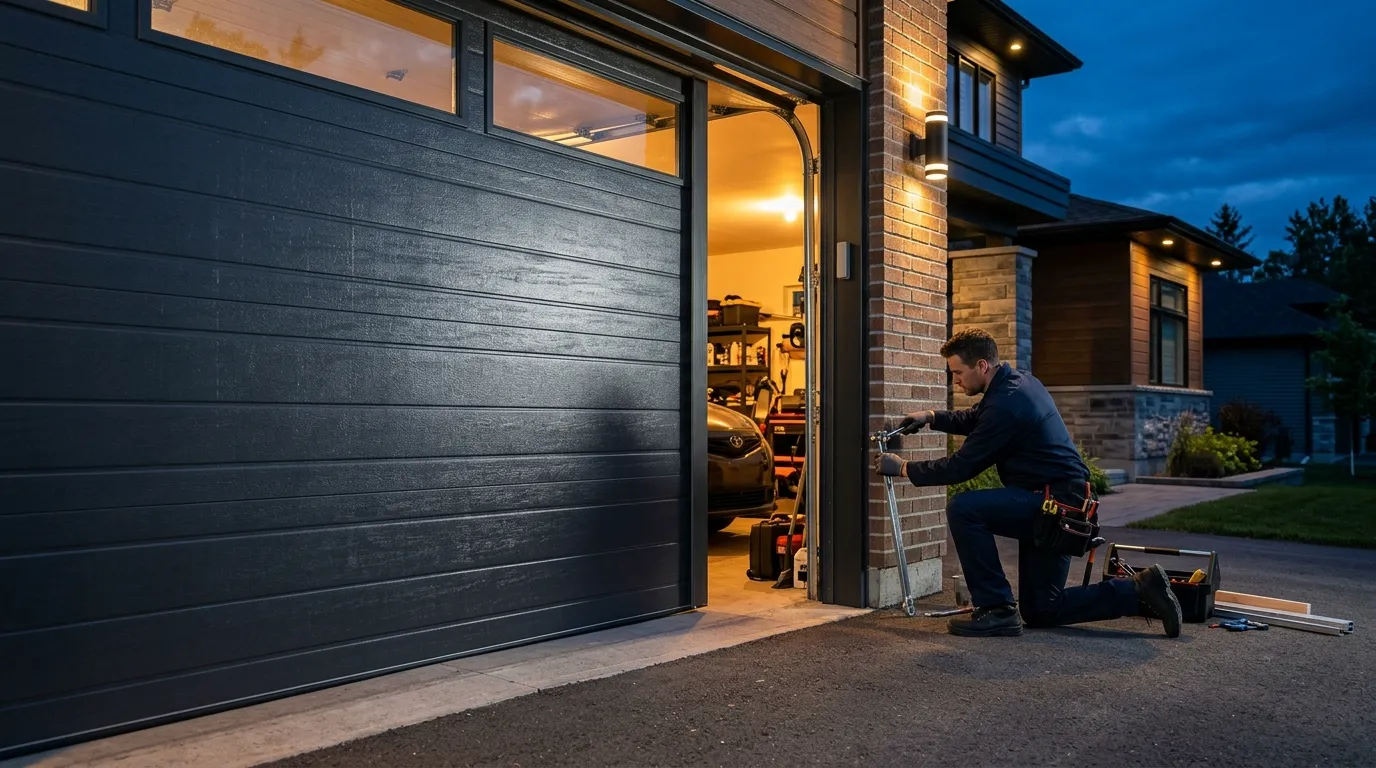
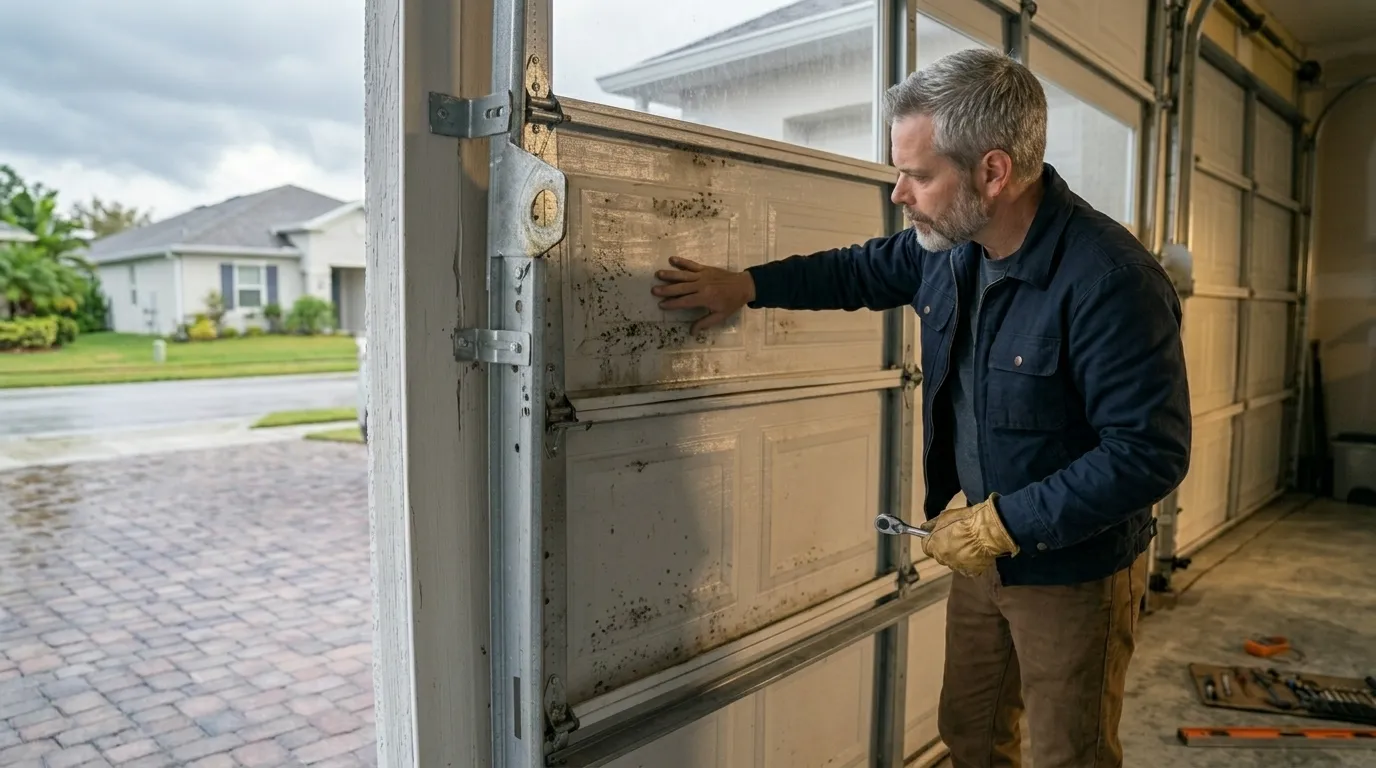
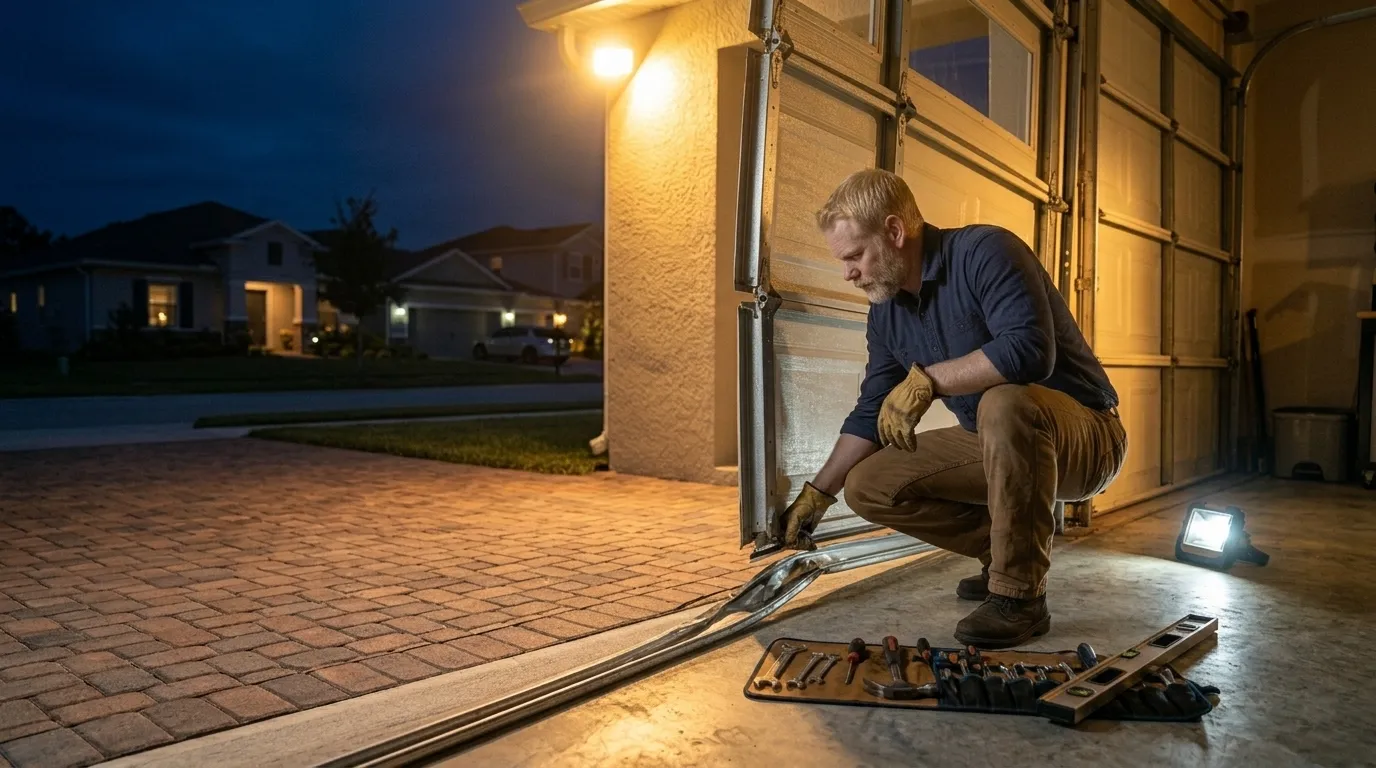
The service area sits in a severe cold climate zone, and a 1955-era door built for that first postwar generation wasn't engineered with the insulation or the sealing that later codes required. On these older Glencoe doors, we see brittle bottom seals that were never replaced, gaps at the top panel where the original weatherstrip has hardened, and springs sized for a lighter, thinner door now straining under a heavier replacement panel someone bolted on later. That mismatch between old hardware and newer panel weight is the single most common failure we find on this side of our coverage area - a spring rated for the original 1955 door working overtime on a heavier steel replacement, until it snaps.