This Area's Housing
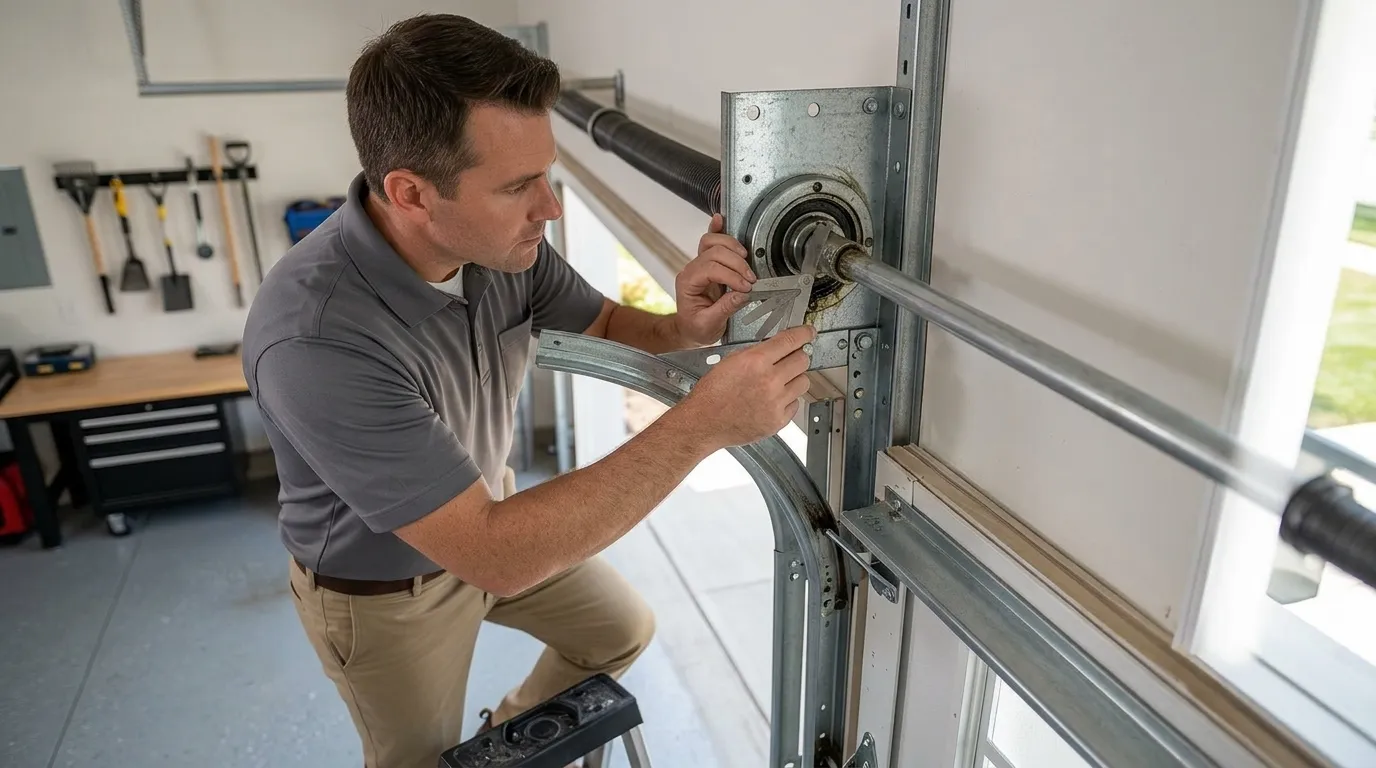
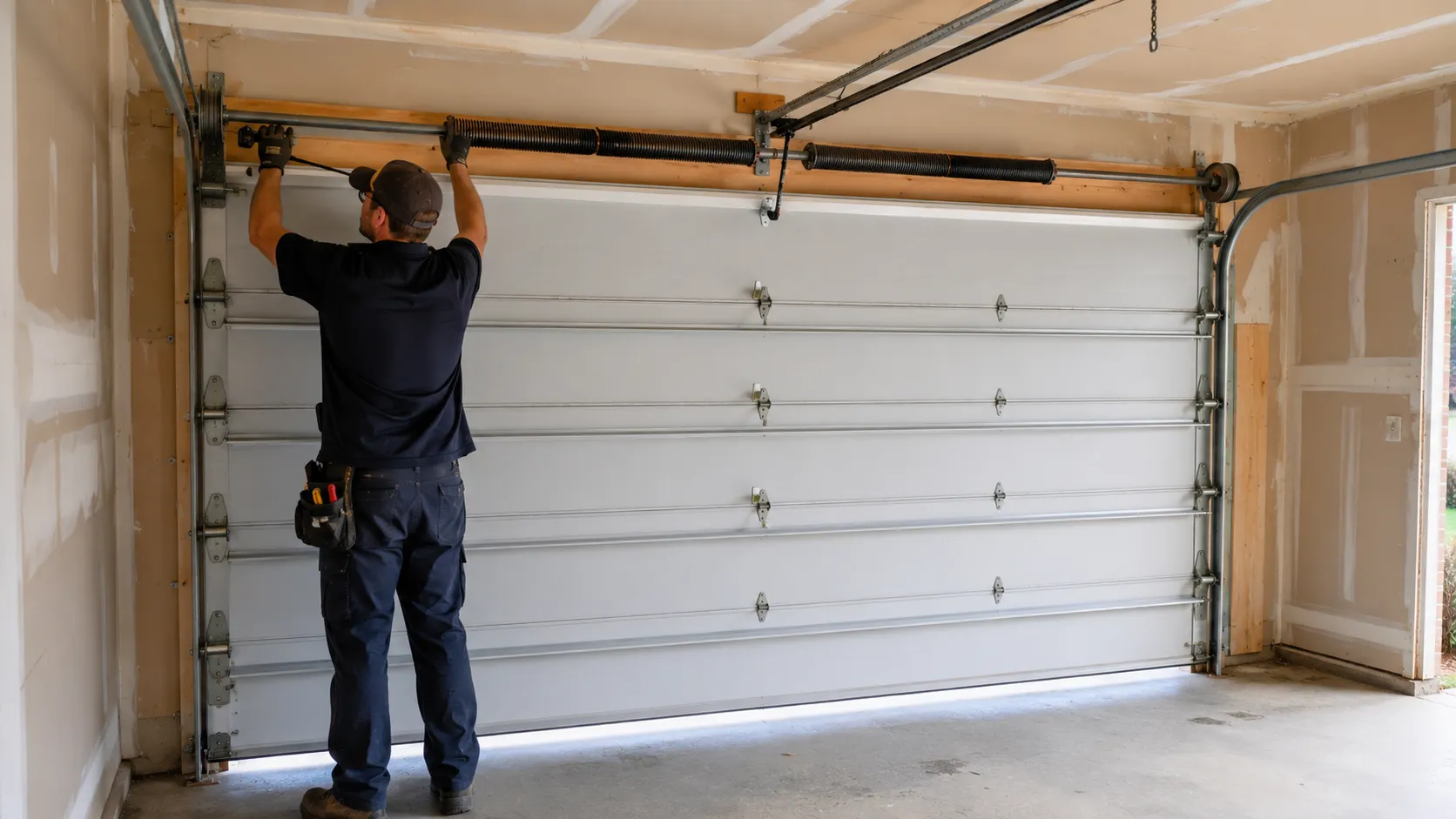
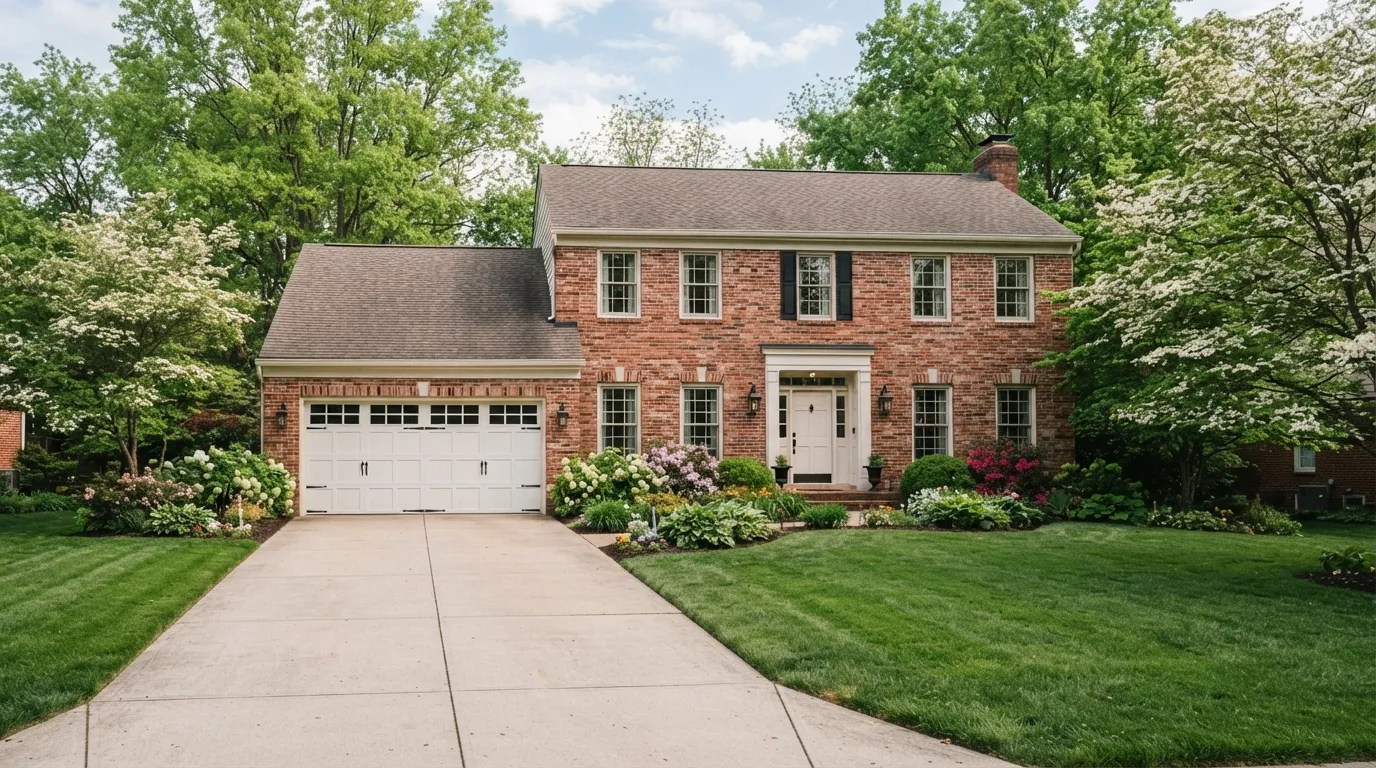
Green Oaks households run higher income than the service-area median - $133,472 here against $121,583 across the wider area - and that shows up in the doors themselves. Builders in this price range during the 1980s and 90s stock era tended to spec insulated steel doors with heavier gauge panels rather than the bare single-layer steel common in older, cheaper builds. With only about 1,581 households in Green Oaks, this isn't a high-volume neighborhood for us, but the pattern is consistent: two-car garages, double-wide doors, factory torsion springs rated for a heavier panel than what you'd find on a 1960s single door. That heavier panel matters when a spring finally breaks - it's not a job you want to undersize with a universal spring off a shelf.
How That Shows Up in the Door
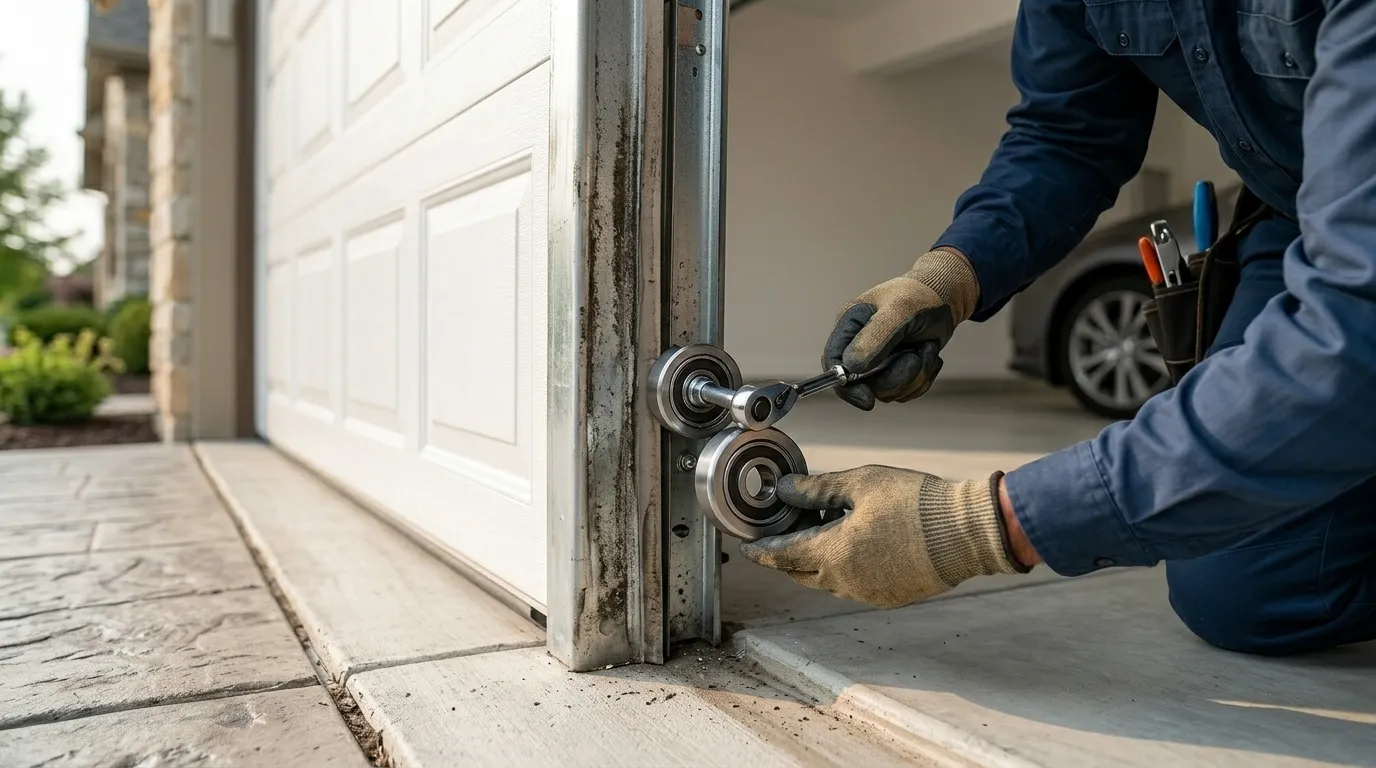
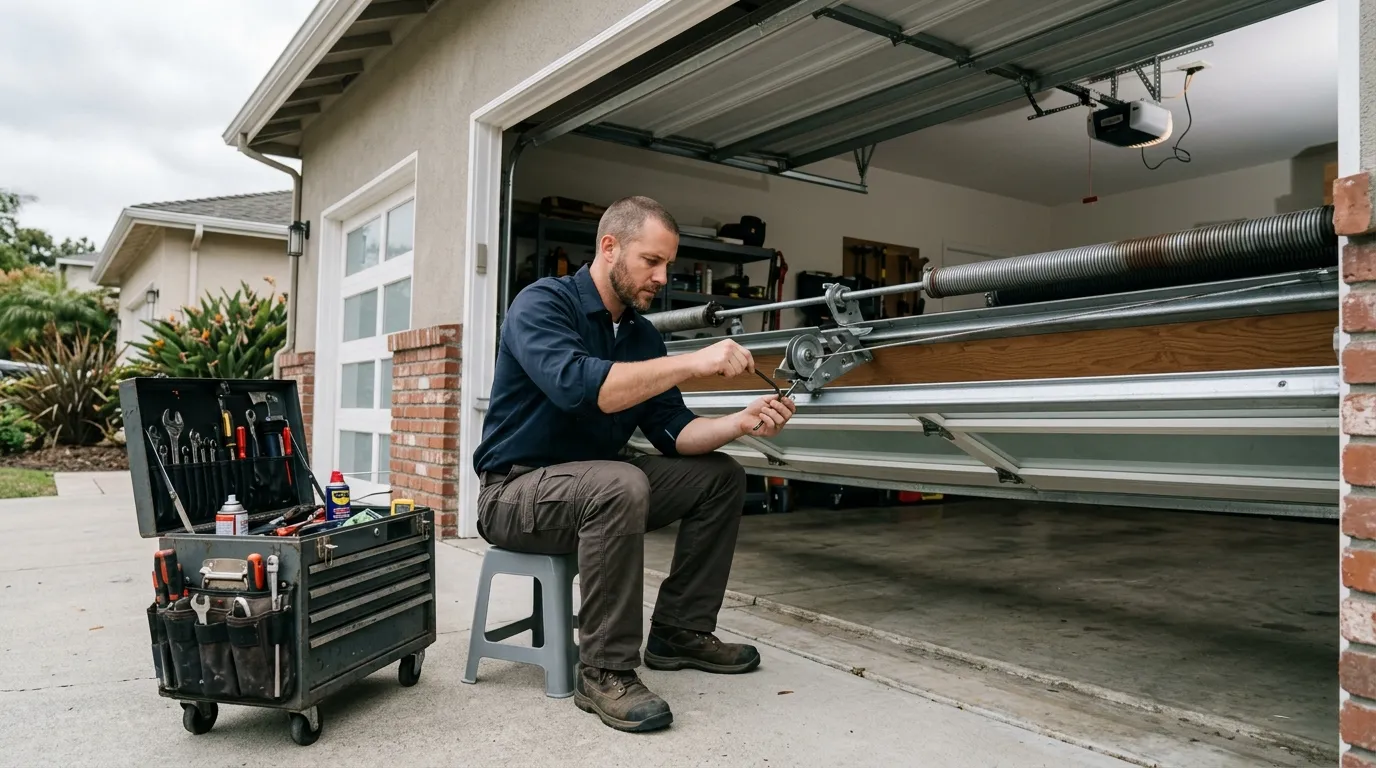
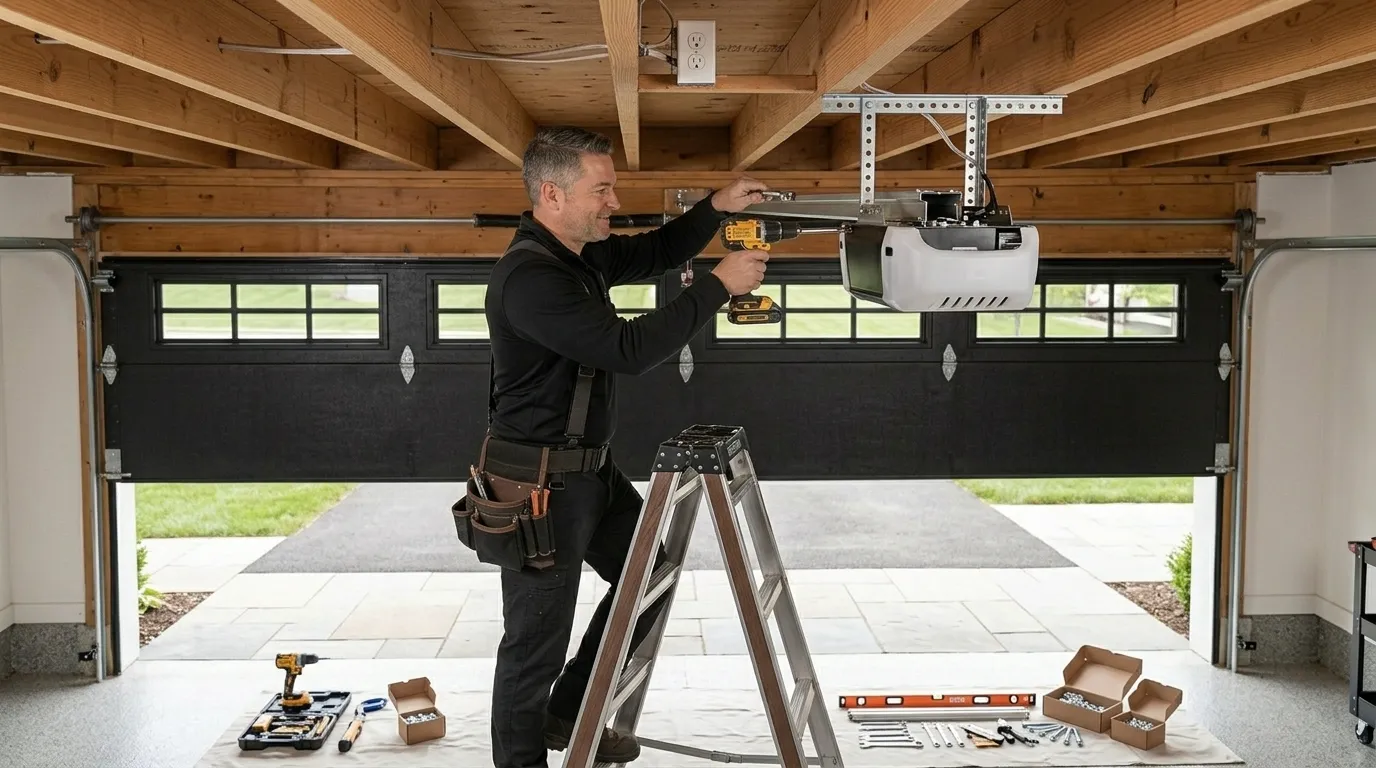
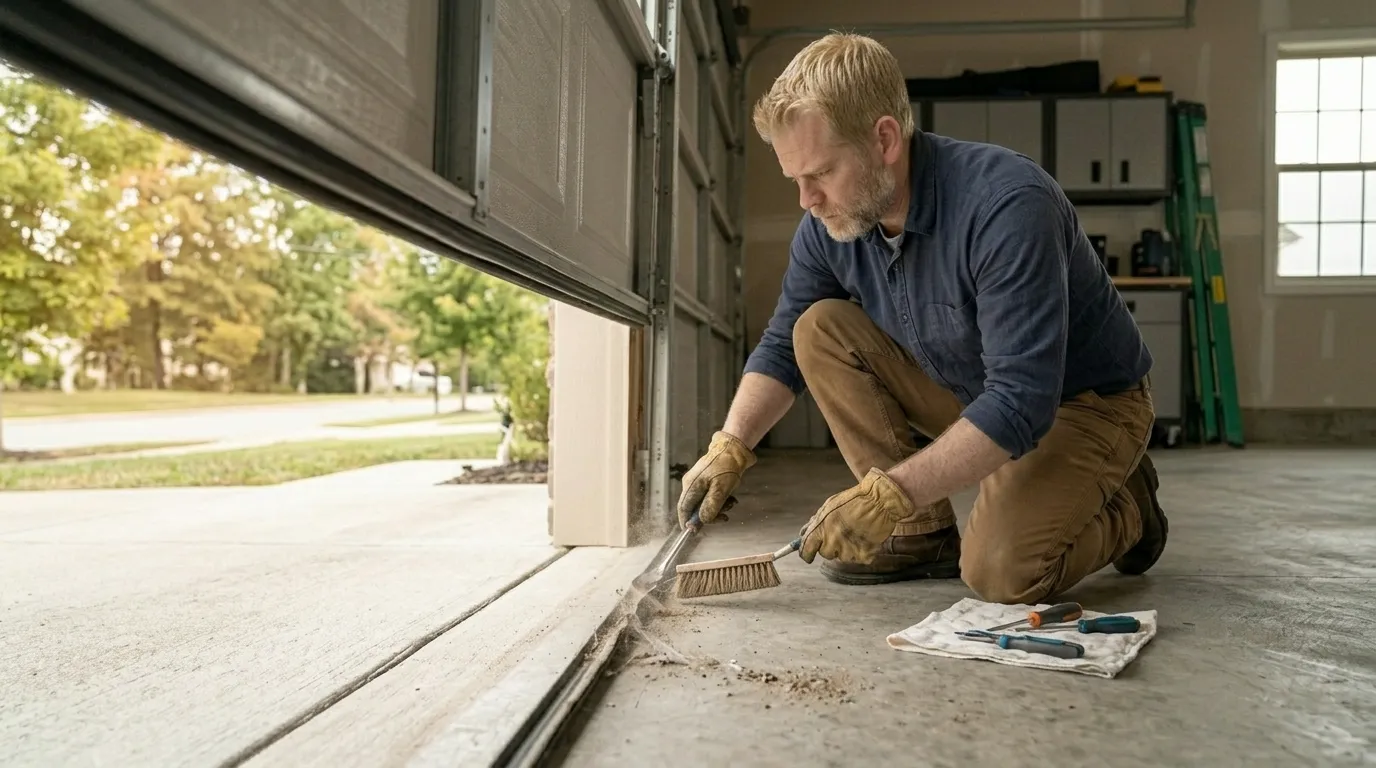
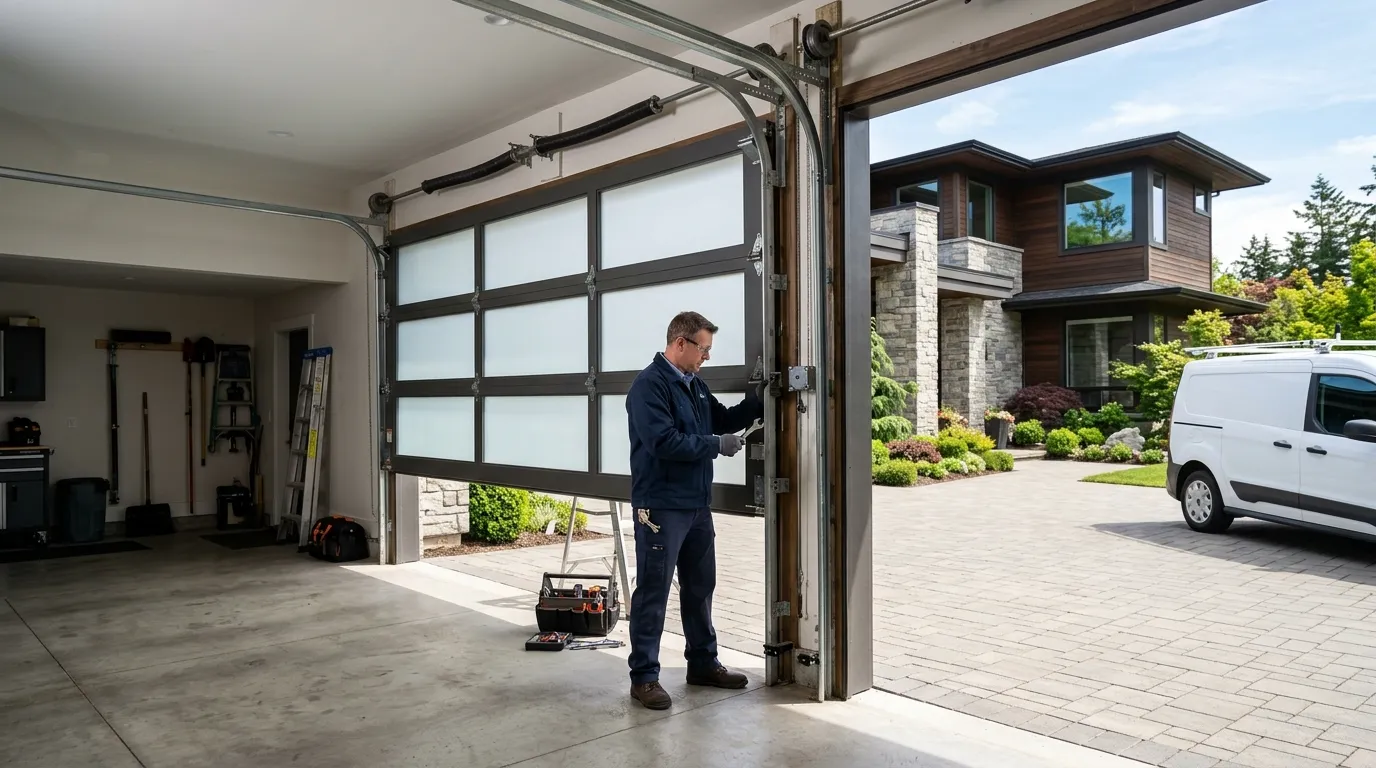
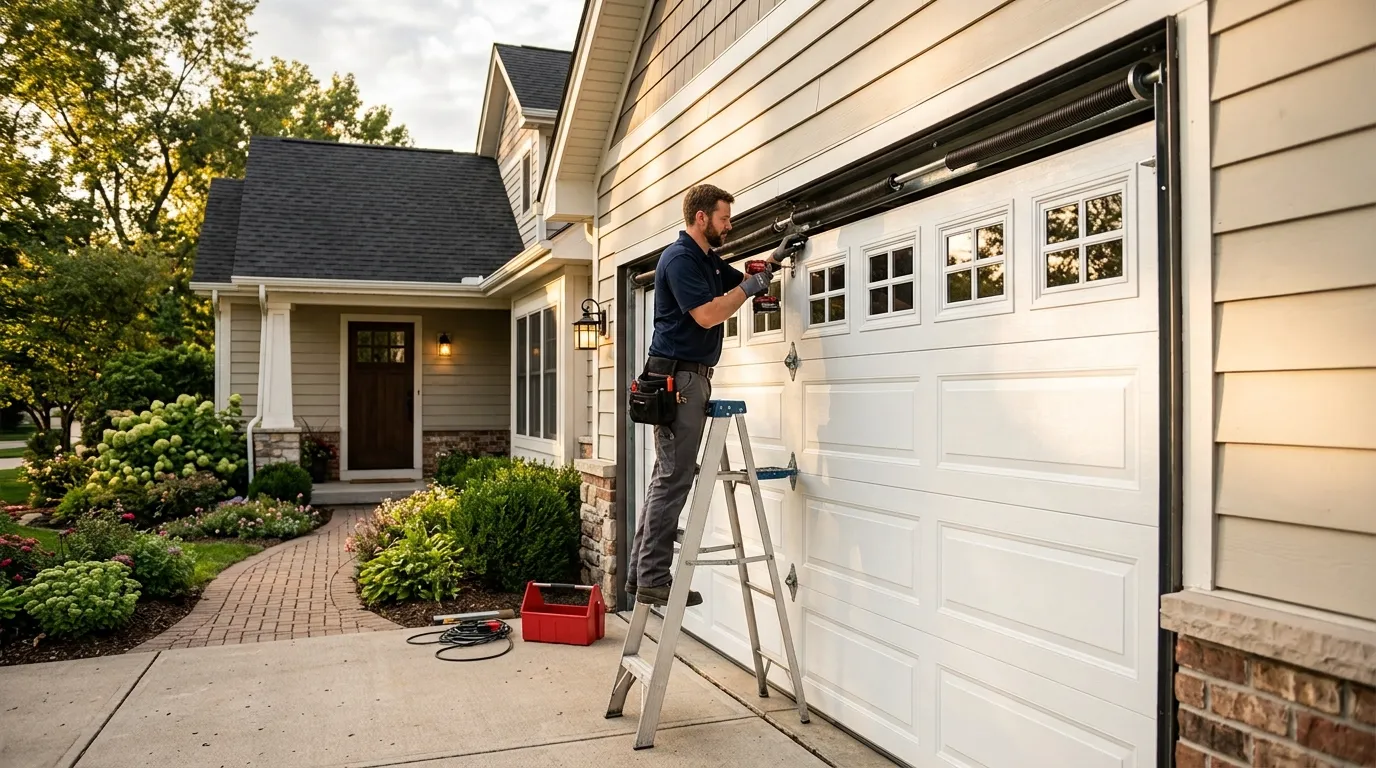
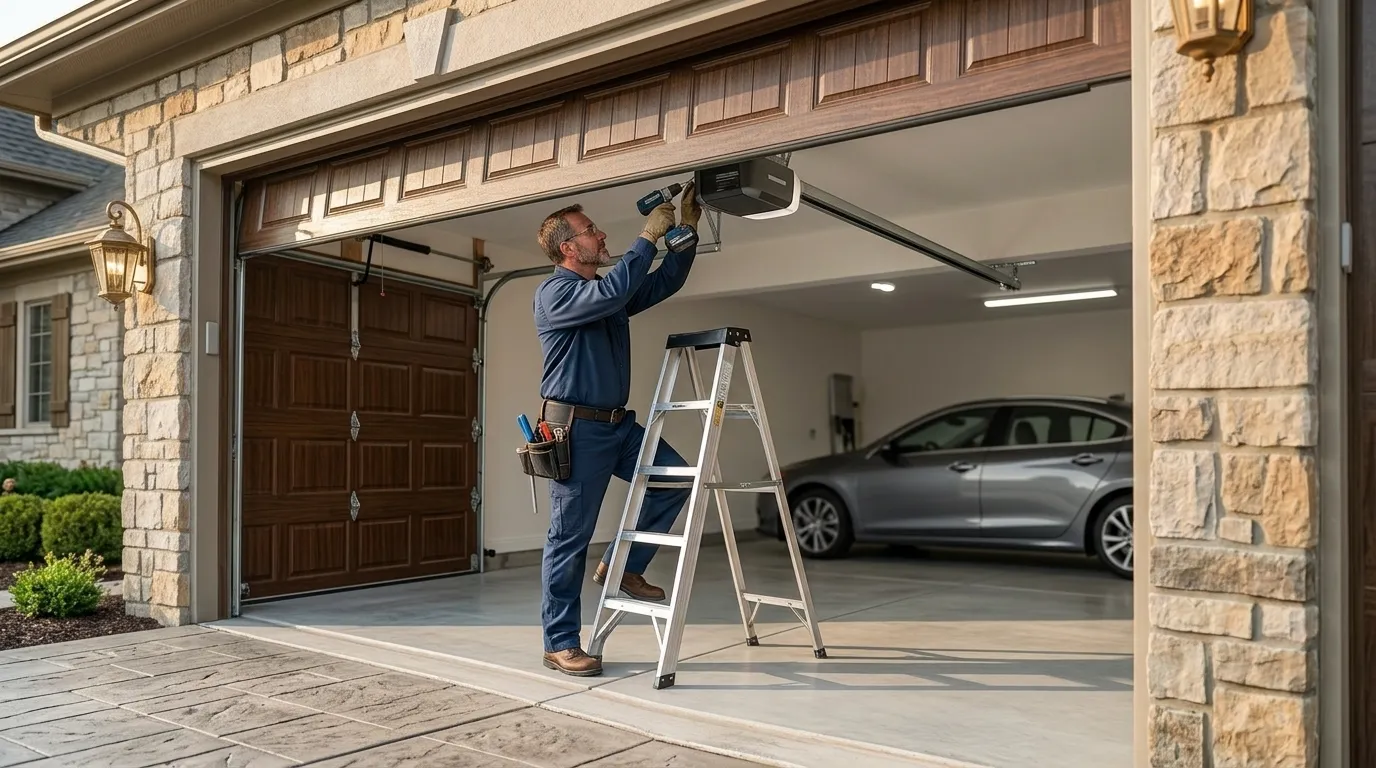
A door built to 1990s spec fails differently than an older one. Instead of one center spring stretching or snapping outright, you're more likely to see one of a matched torsion pair go while the other keeps limping along - which is why a double door here often still opens (badly, unevenly) even with a broken spring, unlike the single-spring doors elsewhere in the area that just stop dead. Insulated panels also mean more weight on the rollers and hinges, so we replace worn nylon rollers on these doors more often than we do on lighter, older stock. And because so many openers here date to the original build or a single replacement since, we're routinely swapping out drive gears and logic boards on units that have simply aged out - not a defect, just twenty-five-plus years of daily cycles catching up.