This Area's Housing
Highwood's roughly 1,937 households sit on housing built mostly around 1958 - a good quarter-century older than the 1984 median we see across the rest of the towns we cover out of Mundelein. That gap matters more than it sounds like on paper. A garage built in the late 1950s was framed for a different door than what's standard now, often with a shorter headroom clearance and a narrower opening than a 2000s two-car garage.
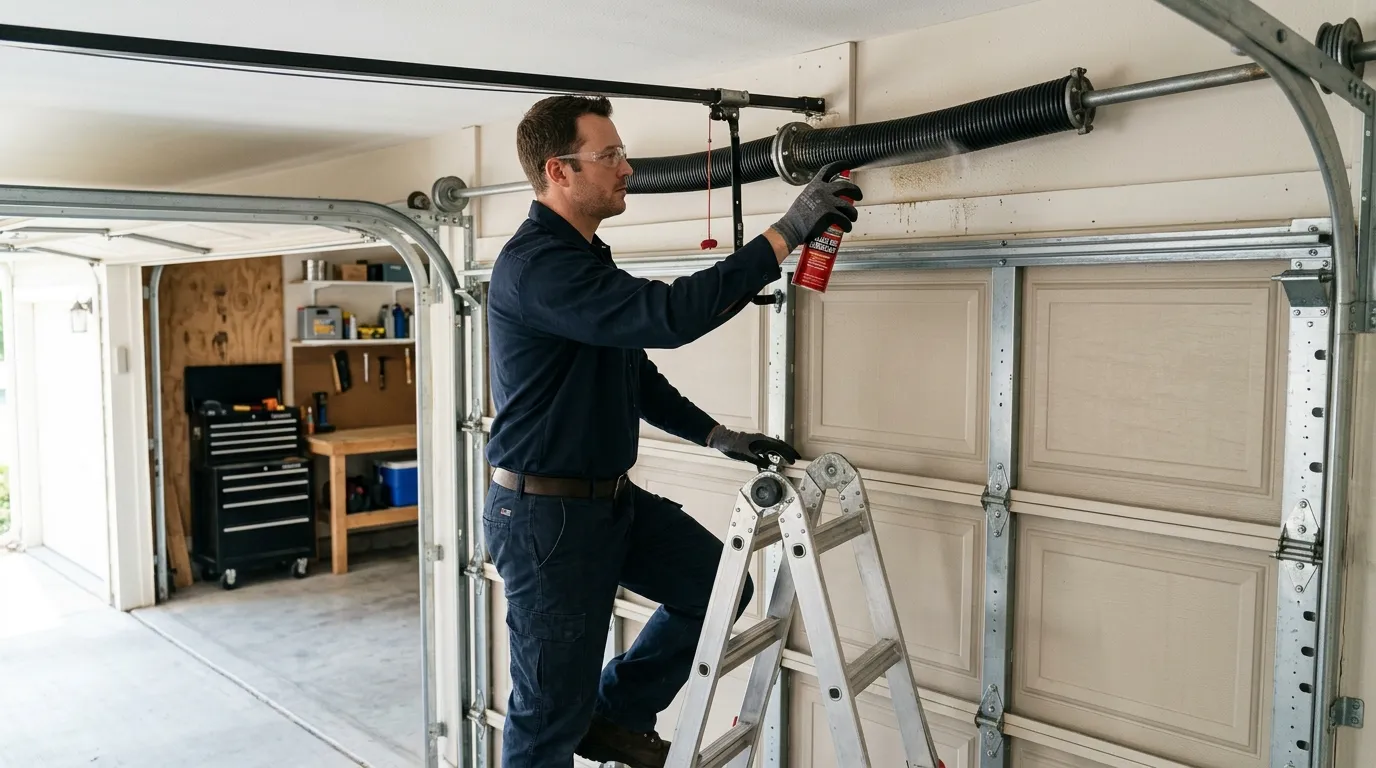
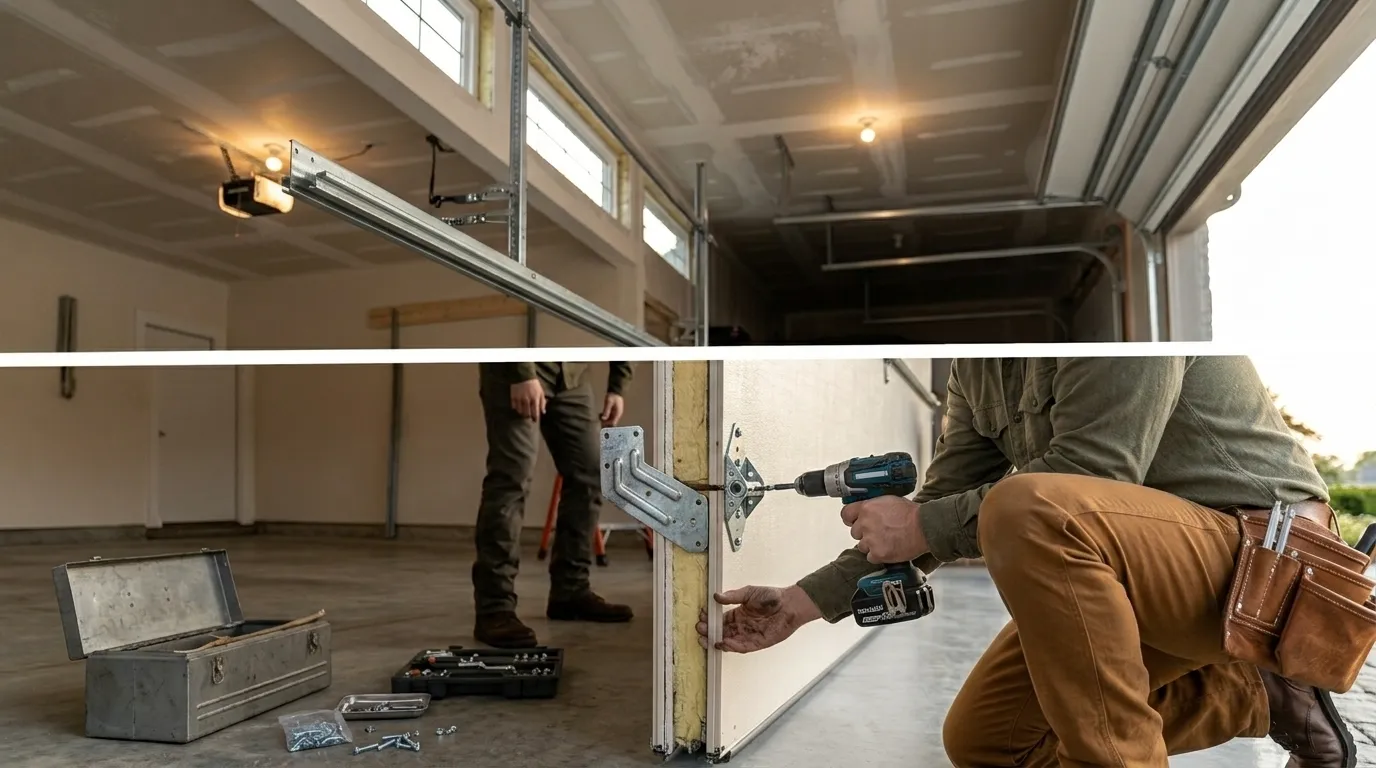
Across the wider service area, housing spans 1938 through 2009, so we're used to working both ends of that range. But Highwood leans hard toward the older end, which means original wood-framed openings, older concrete slab pitch, and in some cases jamb hardware that was never upgraded when the door itself got replaced. If your door was swapped in the 1990s but the track brackets are original to the house, that mismatch is often the reason for grinding or misalignment that a straight lube job won't fix.
Income here runs $101,862, below the $121,583 median for the broader service area, which is worth mentioning honestly: we'll always offer a repair path before jumping to a full replacement quote if the door and frame can support it.
How That Shows Up in the Door
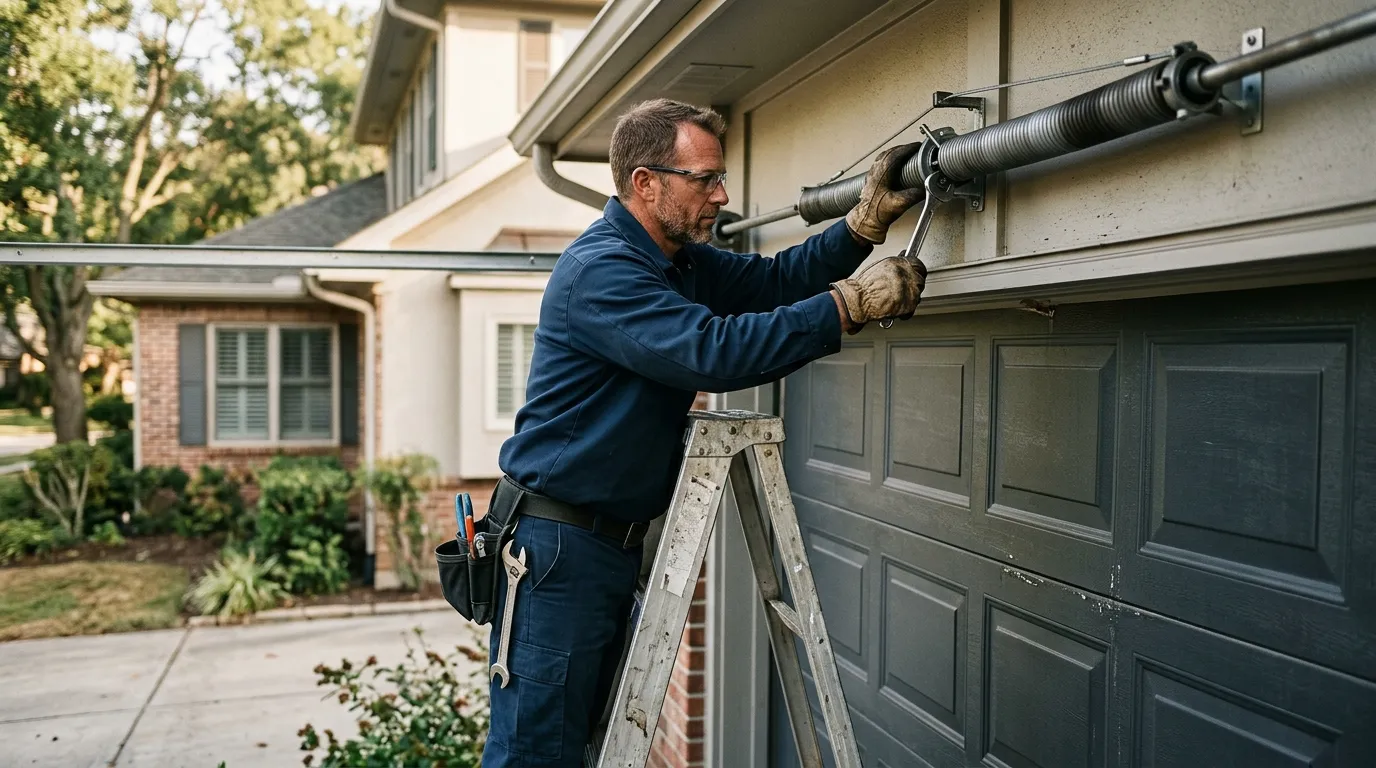
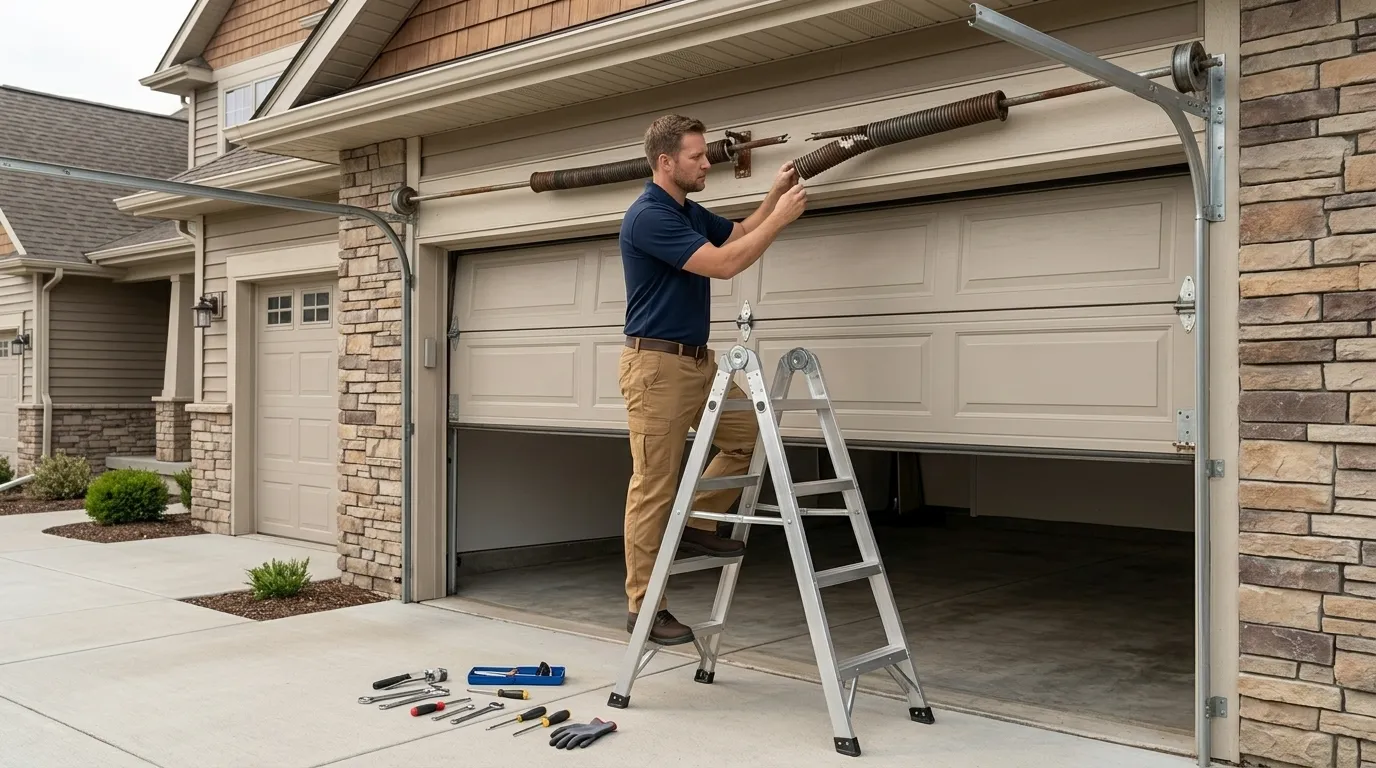
A door on a house built in 1958 almost never came from the factory with torsion spring hardware over the opening - that setup became standard later. What you usually find instead is a door that's been retrofitted at some point, sometimes well, sometimes with hardware that doesn't match the door's actual weight. That's the single biggest safety issue we run into on these older Highwood garages: a spring rated for a lighter door holding up a heavier insulated replacement, or the reverse.
Single-layer steel panels without insulation are common here too, since a lot of the original doors on 1958-era garages were never upgraded past the first steel replacement. That means more panel dents transferring straight through to the track, and less give when a car bumper clips the bottom section.
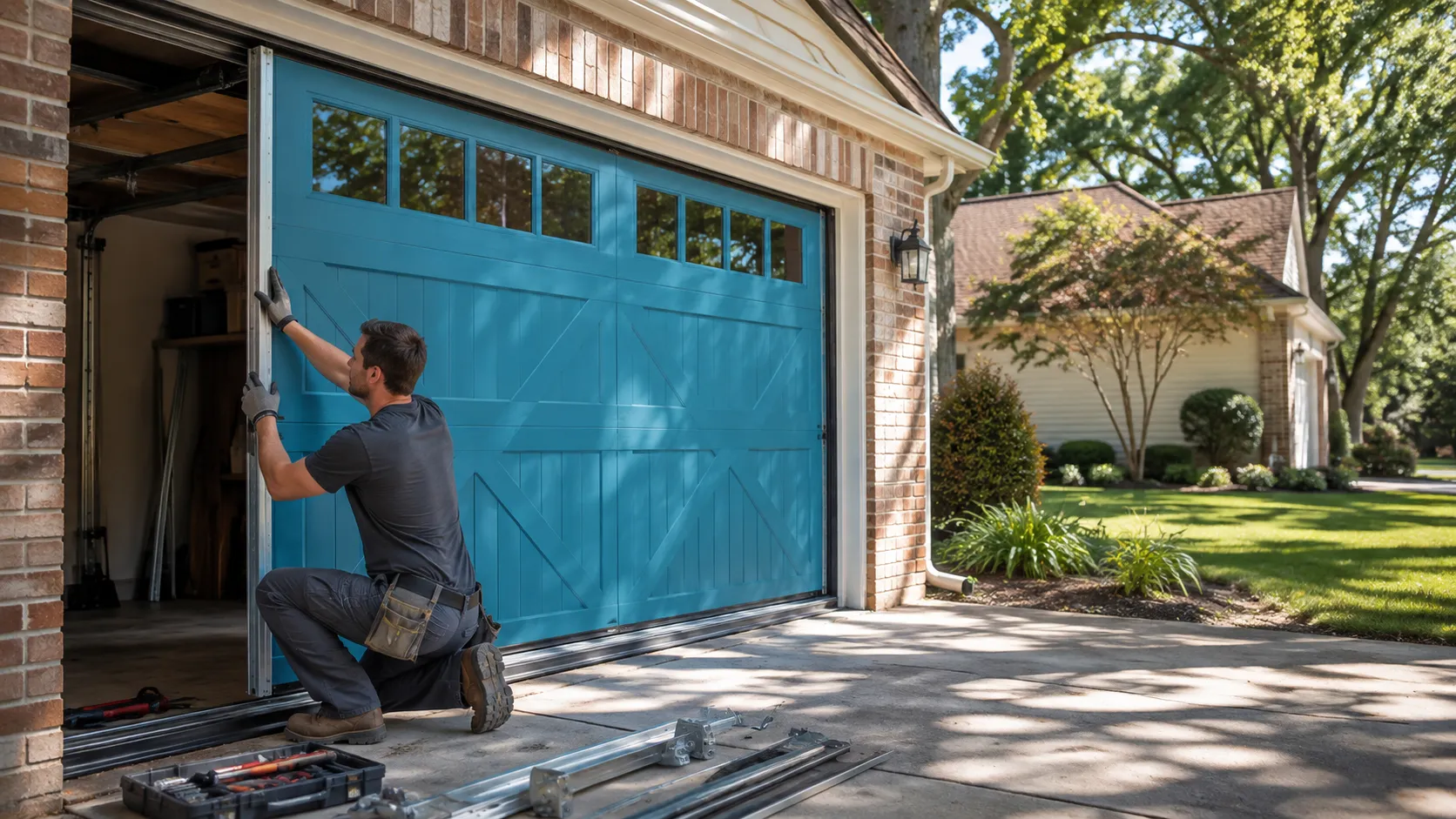
We also see narrower door openings than the newer builds elsewhere in the service area, which limits which off-the-shelf replacement doors fit without frame work. That's the honest limitation: on some of these older openings, a straight swap-in replacement isn't possible without carpentry we don't do, and we'll say so up front rather than quote a job that turns into a bigger project on-site.