
This Area's Housing
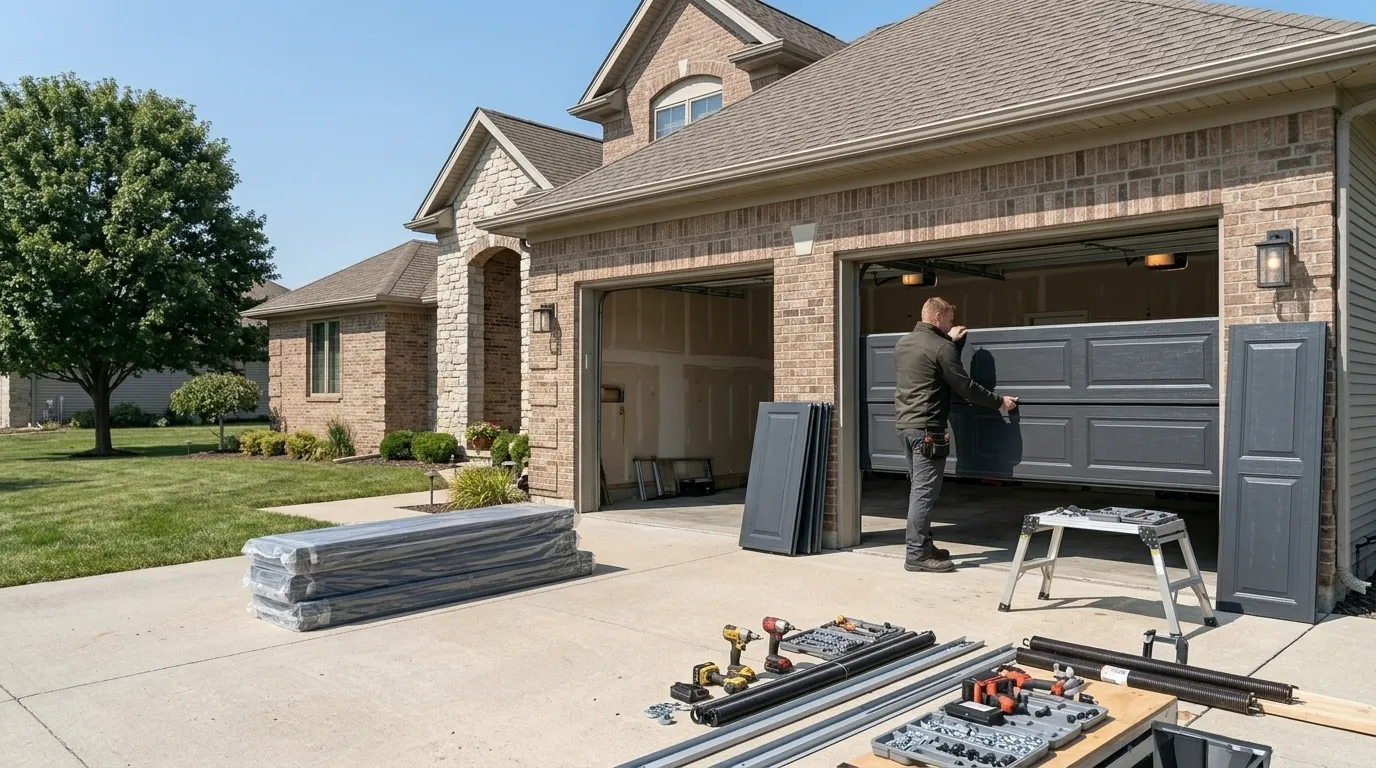
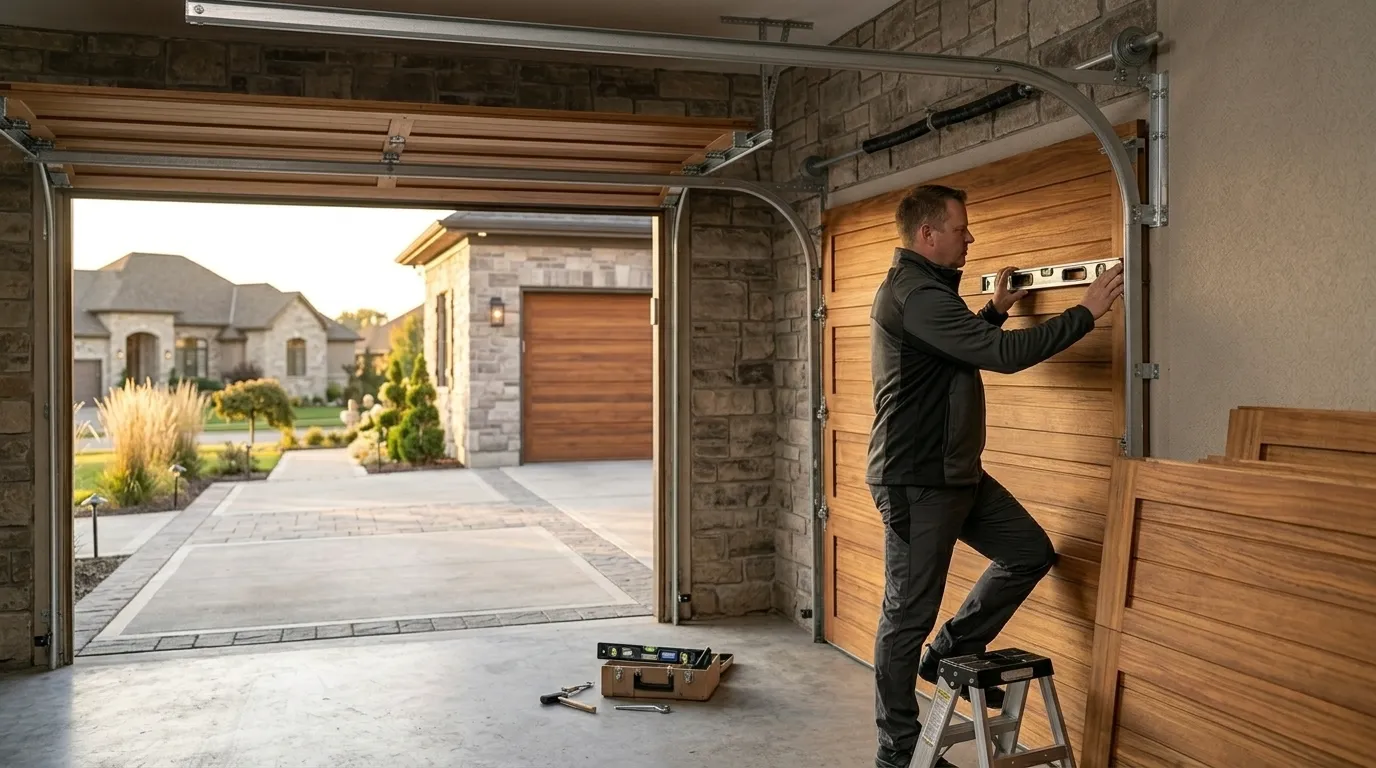
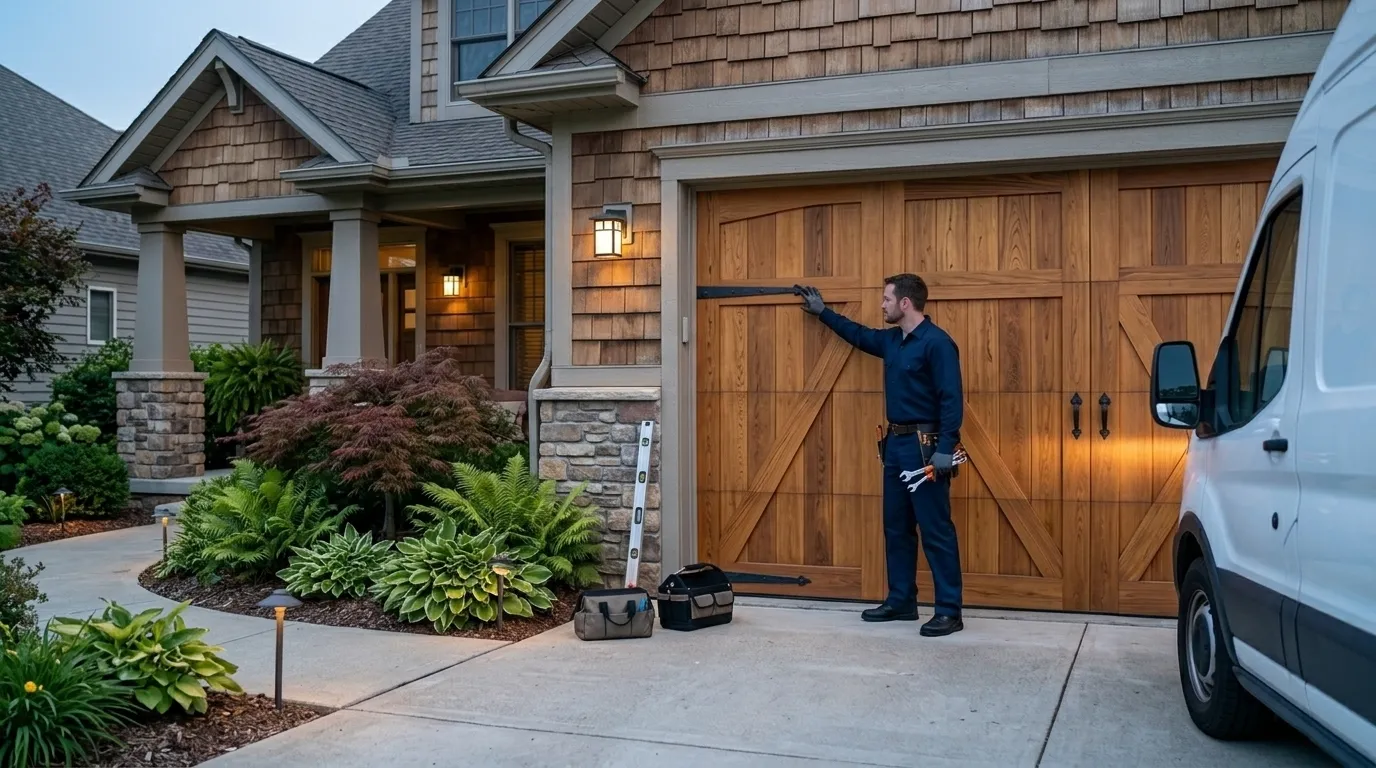
A house built in 1938 was framed before insulated garage doors existed as a product category at all. Many of these openings were sized for a single wide wood door on exposed track, later converted to sectional doors that don't quite fill the frame the way a door built for that opening today would. That gap matters more here than in newer subdivisions because our winters fall into the severe end of the cold climate band - wind finds the mismatch. Across the wider service area, which spans 67 named communities and roughly 213,471 households, the housing stock skews to 1980s and 90s construction, and most of our stocked parts and standard install kits are sized for that era. Kenilworth is the exception, not the rule, in our territory. We treat it that way: measuring twice before quoting, because a standard 7-foot door kit sometimes doesn't fit an opening that predates the sectional-door standard by twenty years.
How That Shows Up in the Door
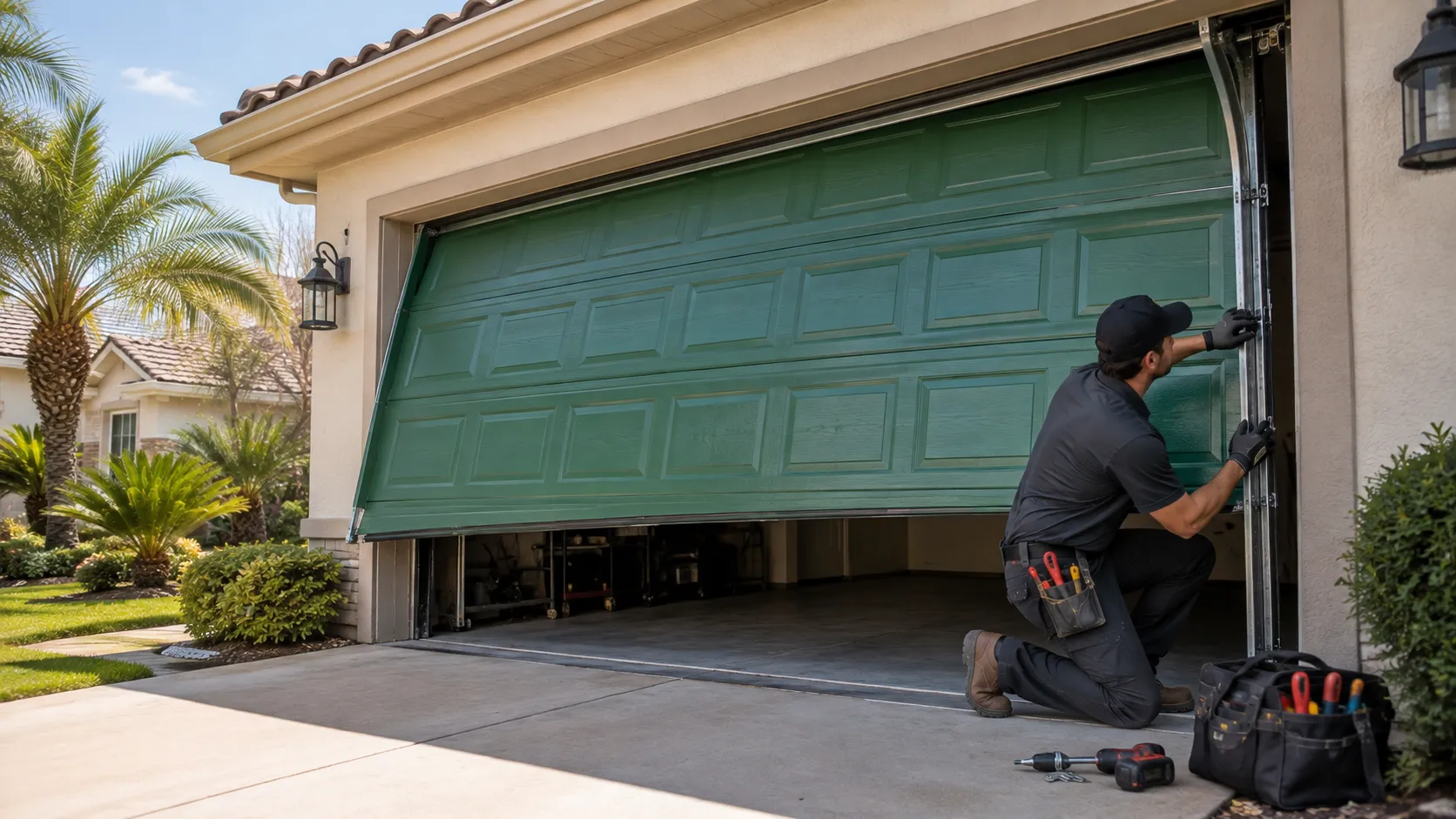
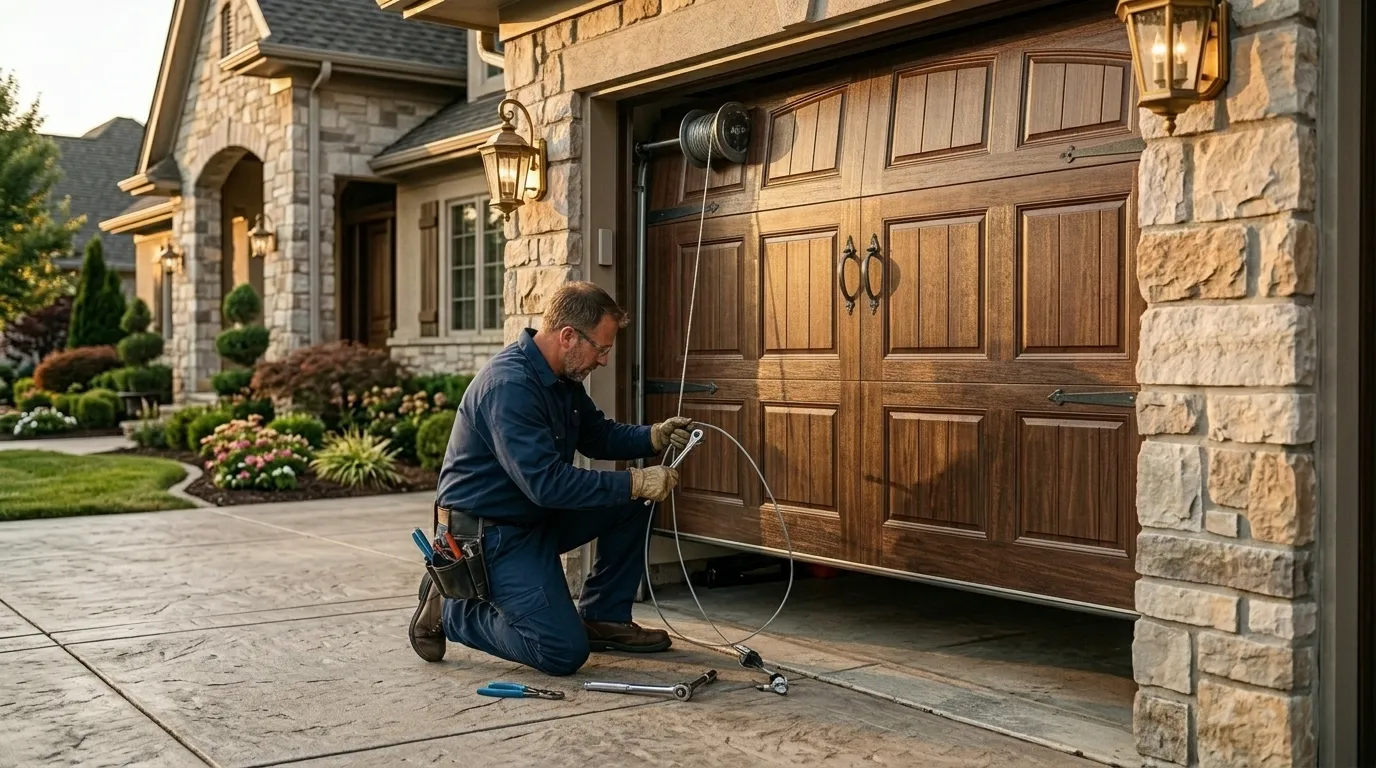
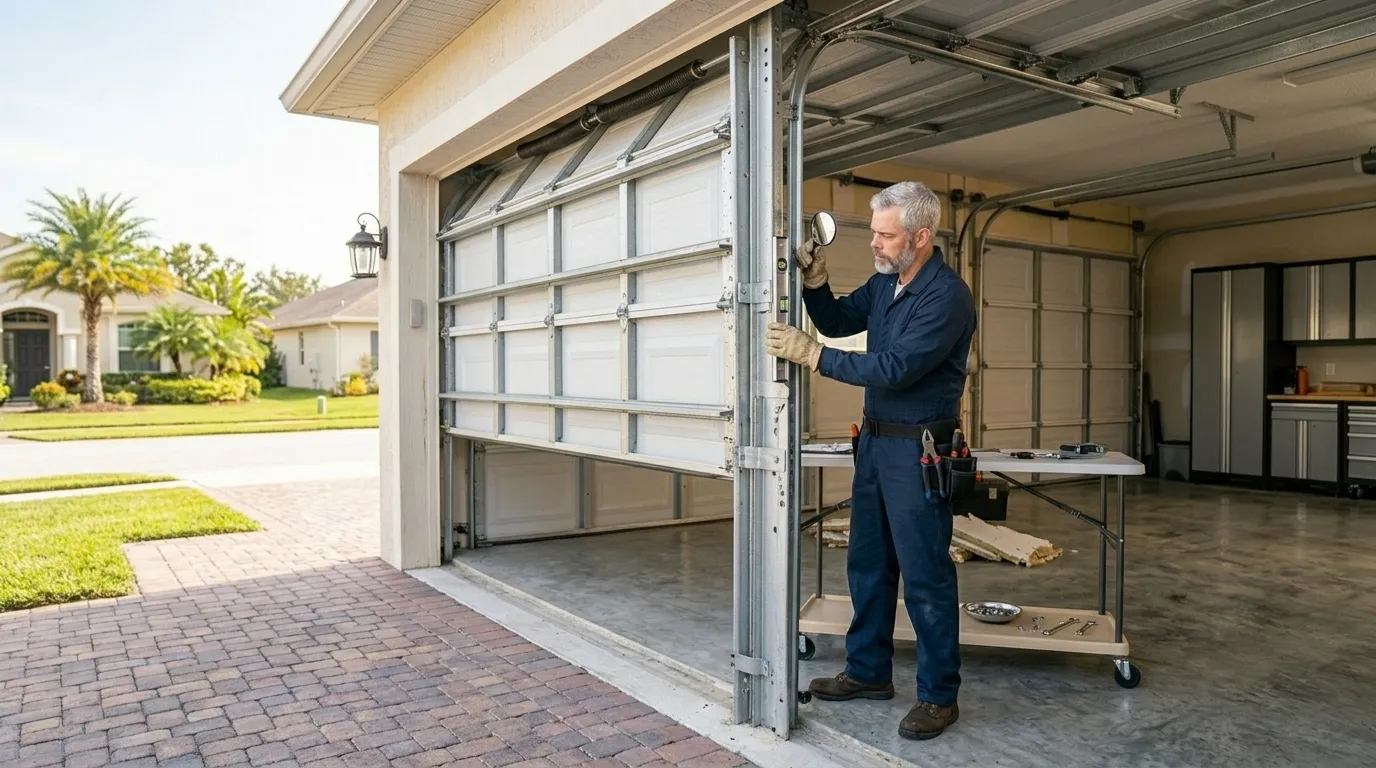
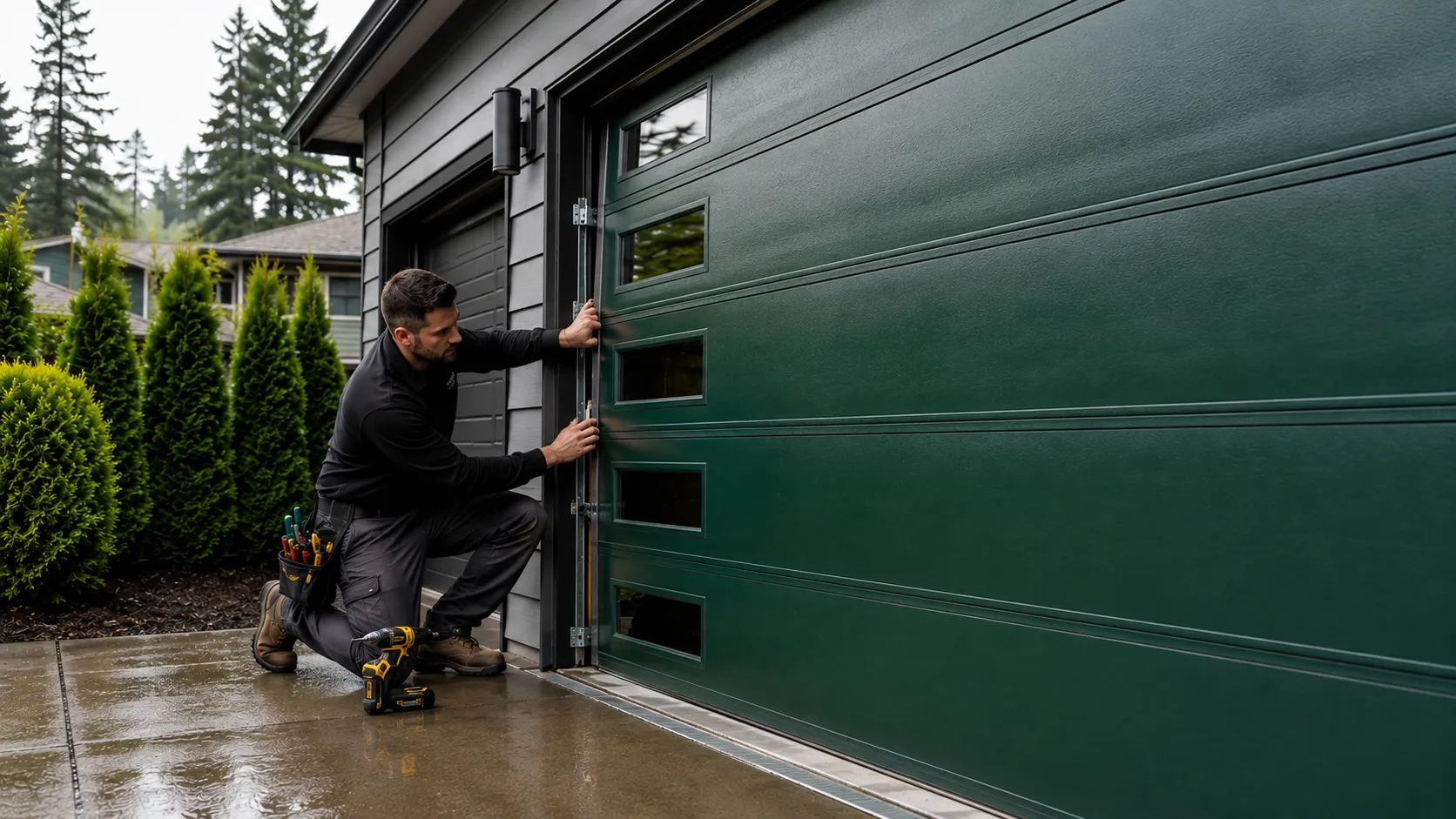
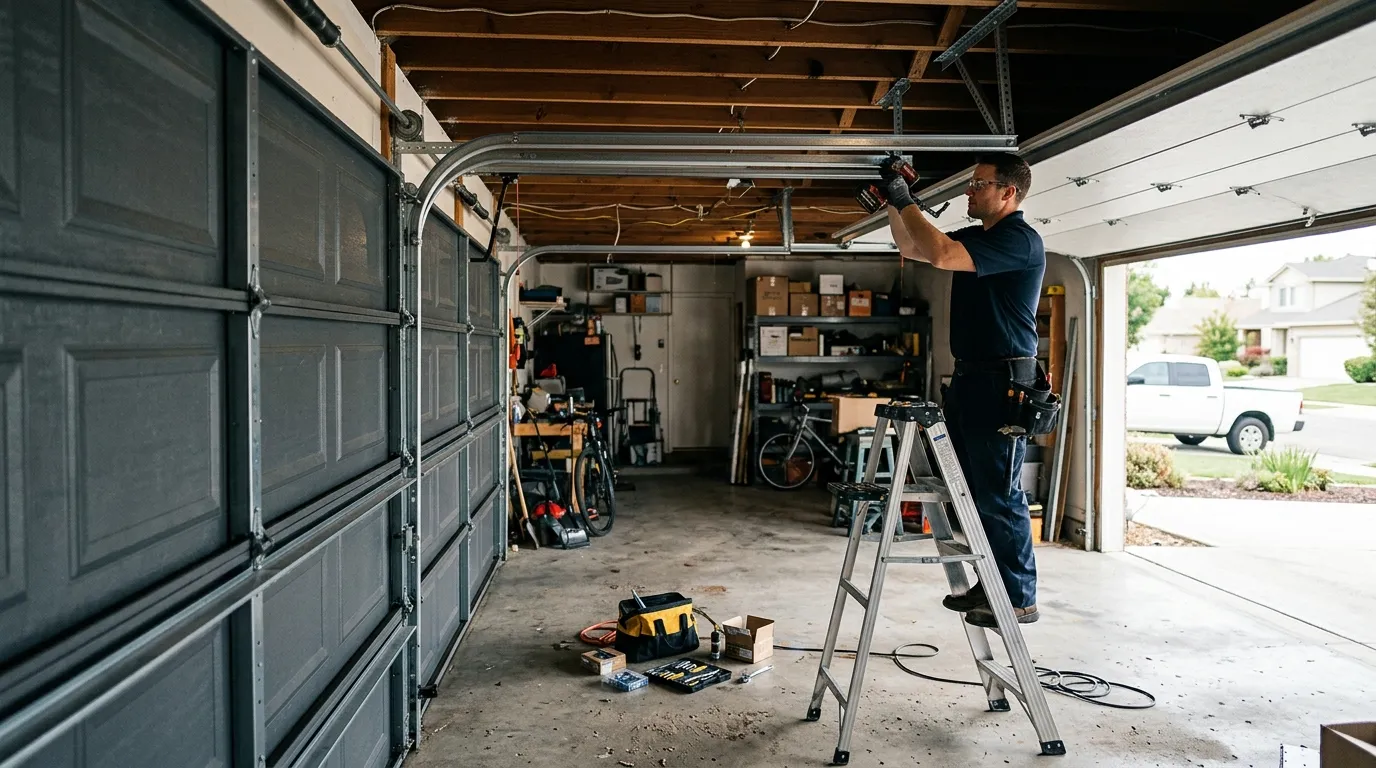
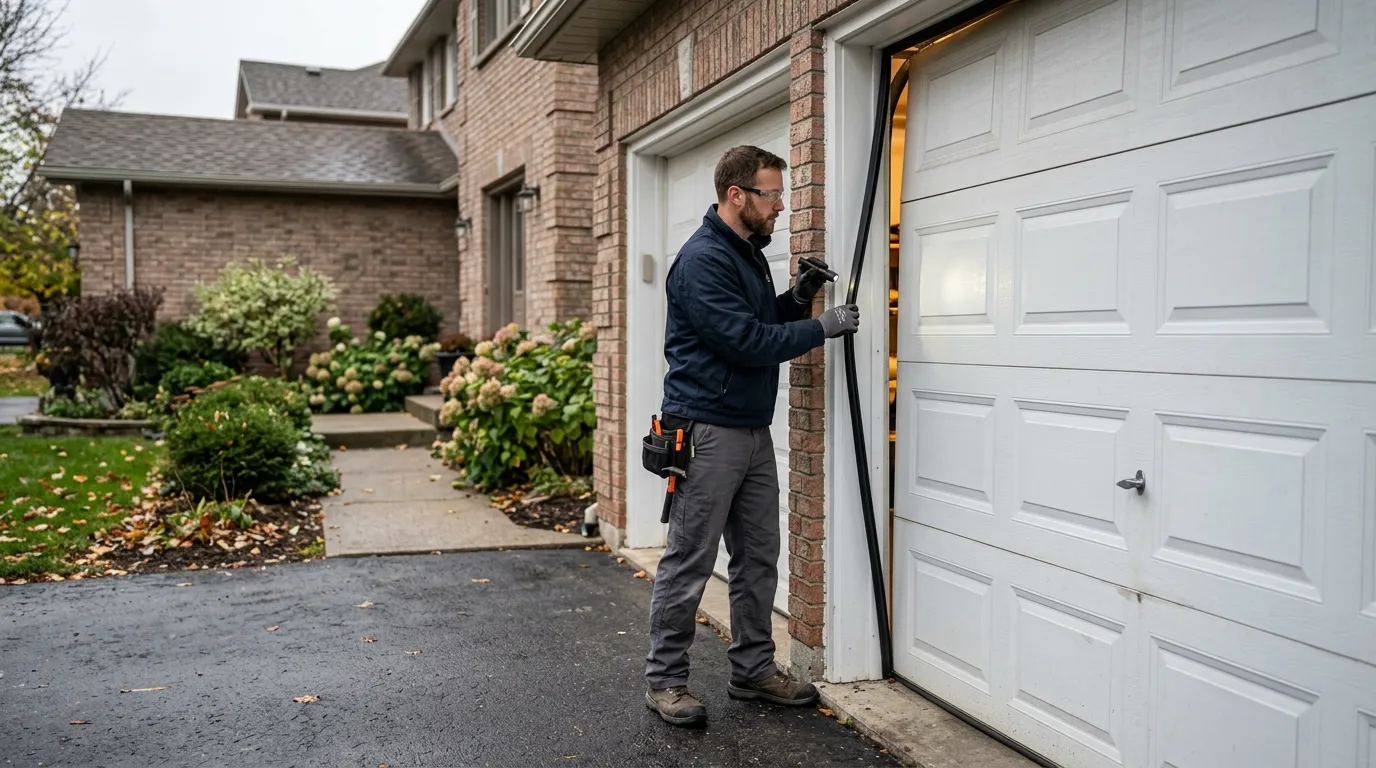
On a door this old, the failure points aren't always where a newer install would show them. Track brackets mounted directly into old wood framing work loose in ways that lag bolts into modern studs don't. Torsion springs on these openings were often replaced at some point with a size that's close enough rather than correct, which means uneven lift, a door that racks in the track, or a spring that's already near its cycle limit when we get the call. Rollers on these older setups tend to be steel on steel with no nylon sleeve, which is louder and wears the track faster - not dangerous, just tired. We won't pretend every one of these doors needs full replacement. Plenty are fine with a spring swap and new rollers. But when the opening itself is out of square from eight decades of settling, patching the door without addressing the frame just moves the next call a year or two down the road instead of solving it.