This Area's Housing
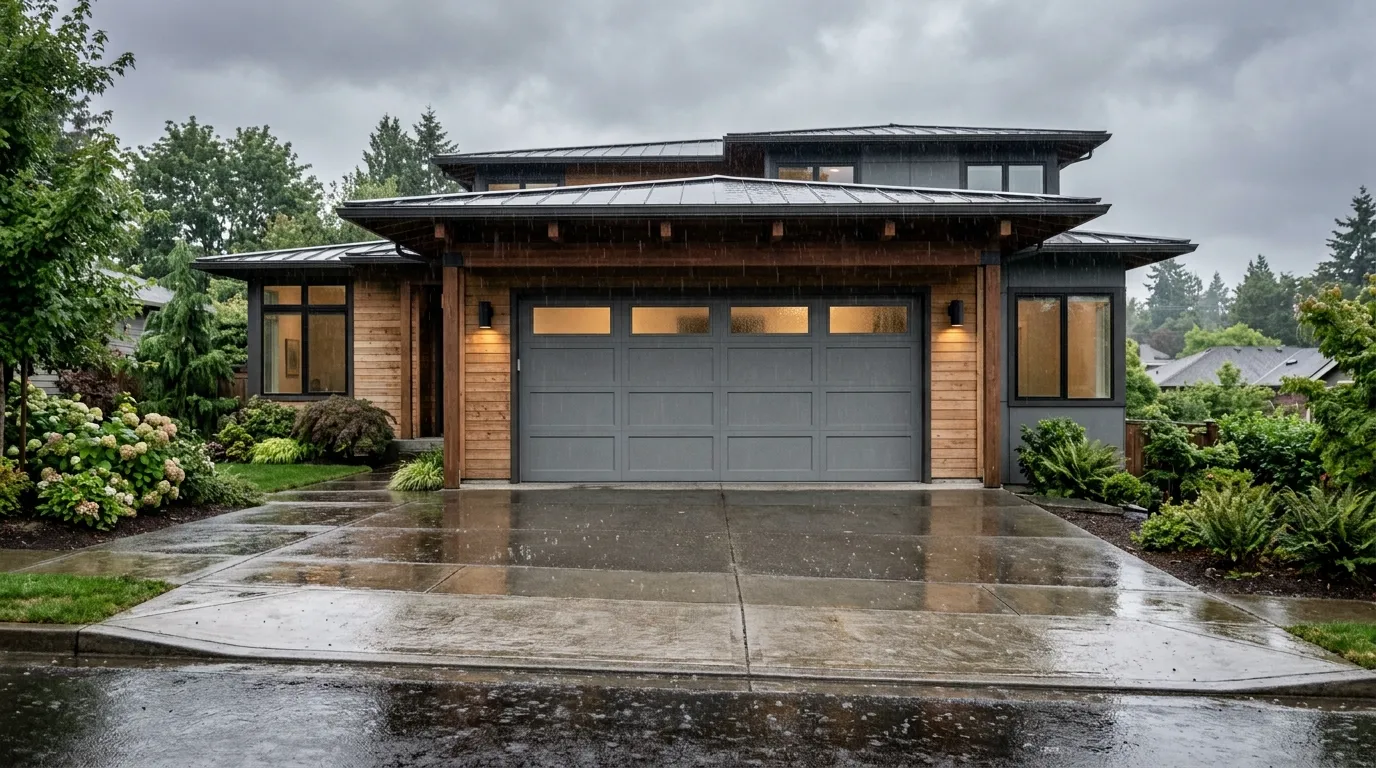
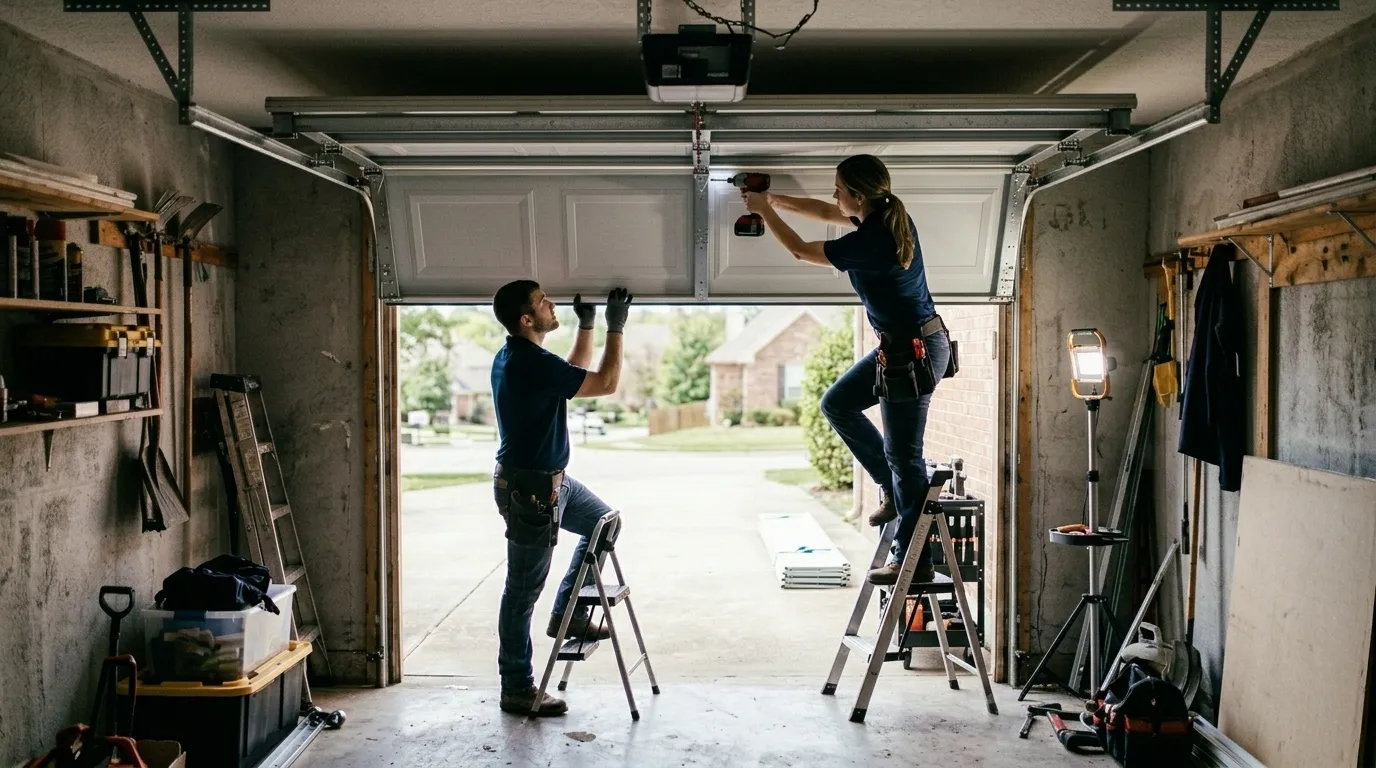
The median build year in Lake Villa runs around 1994, which puts most of this area's garage doors a decade or so newer than what you'd find closer to the city center. That matters because doors from the mid-90s were built during the shift toward heavier insulated steel sections and standard torsion spring setups on two-car openings, rather than the lighter single-layer doors and extension springs common on older stock. Median household income here sits near $111,110, and we mention that only because it tracks with what we typically see installed - mid-range steel doors with factory openers, not the stripped-down builder-grade units you find in older, lower-cost tracts. Most of these doors are original or on their first replacement, which puts a lot of them right at the age where springs and rollers start going.
How That Shows Up in the Door
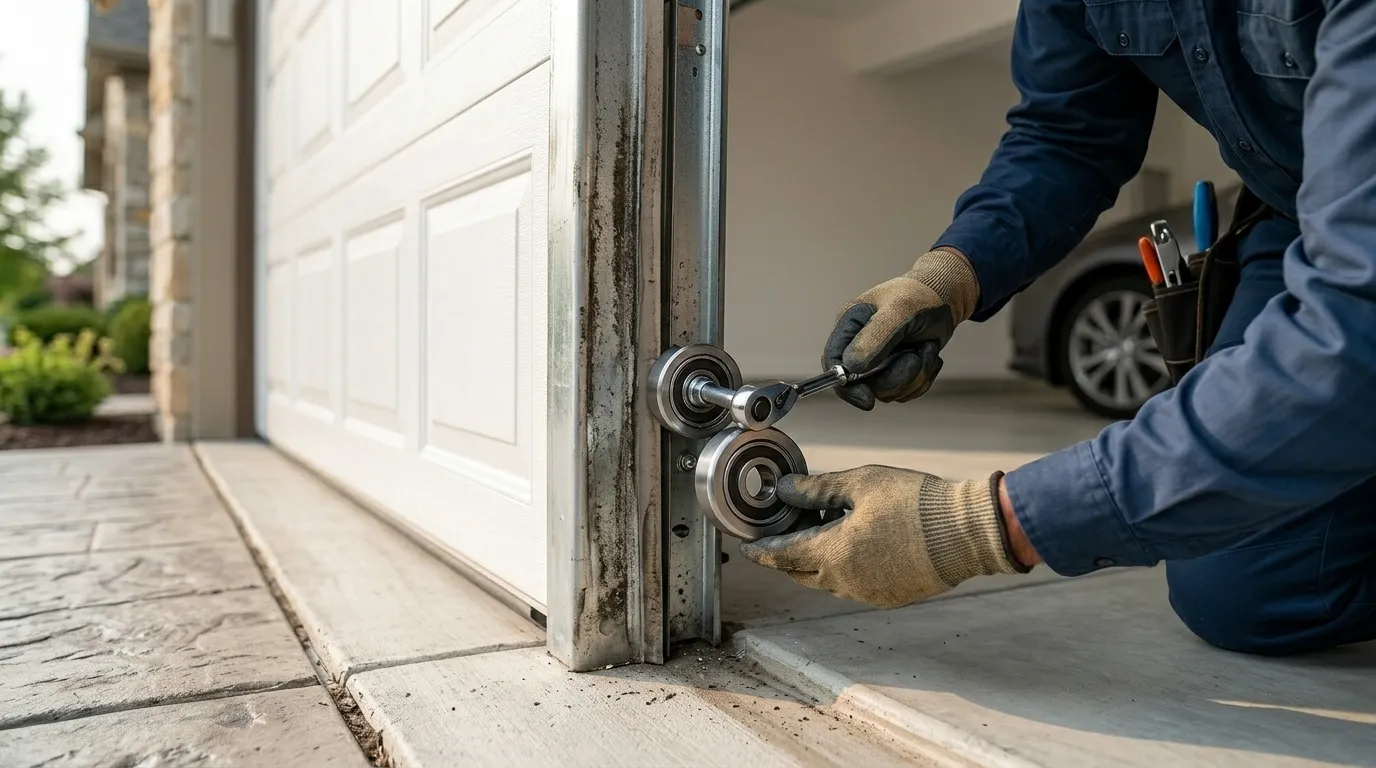
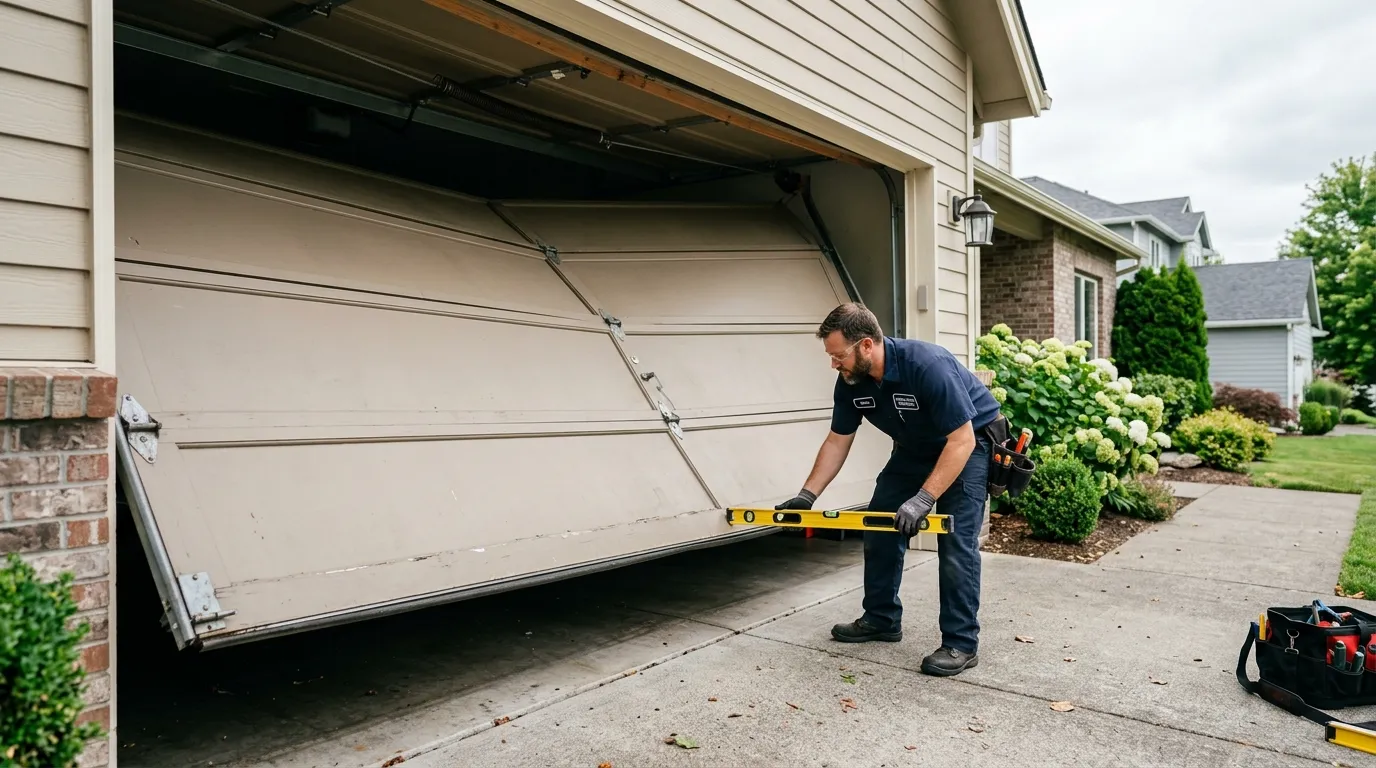
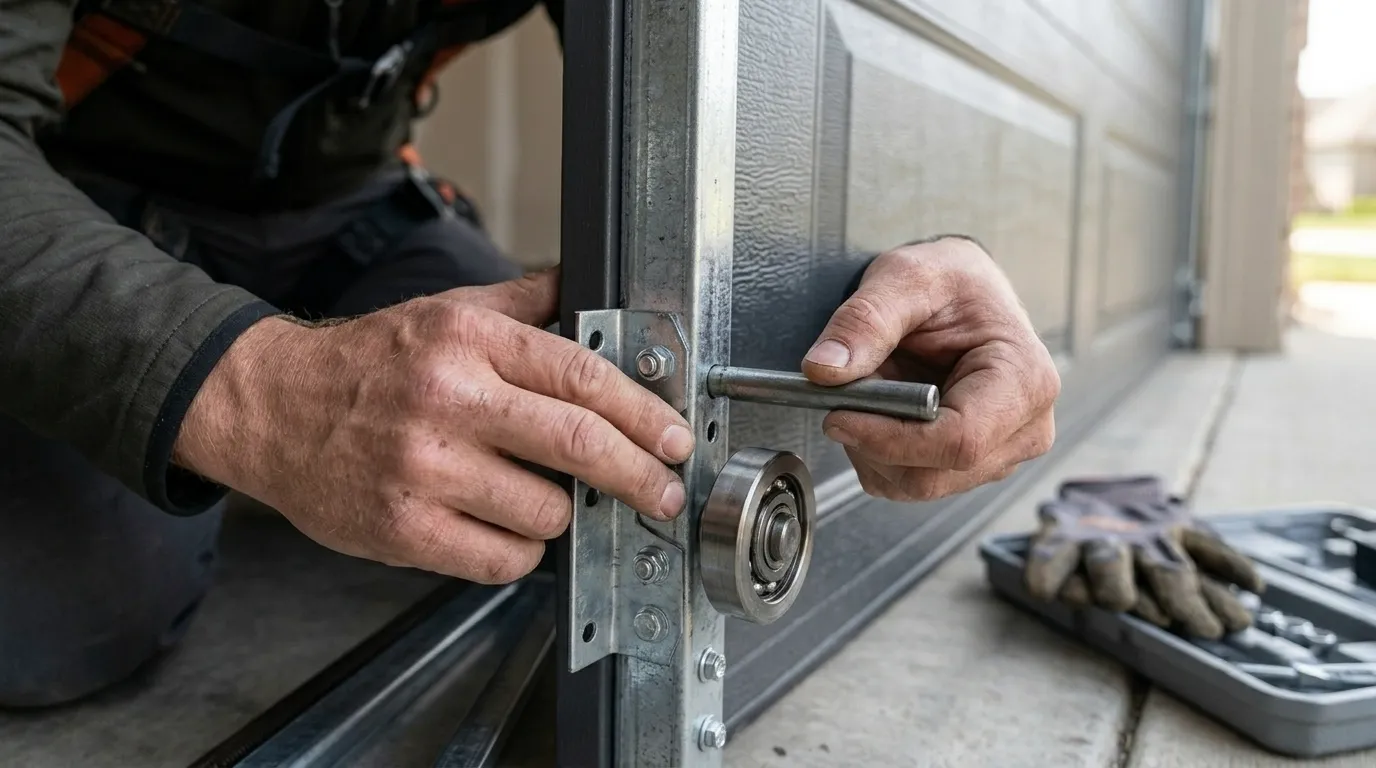
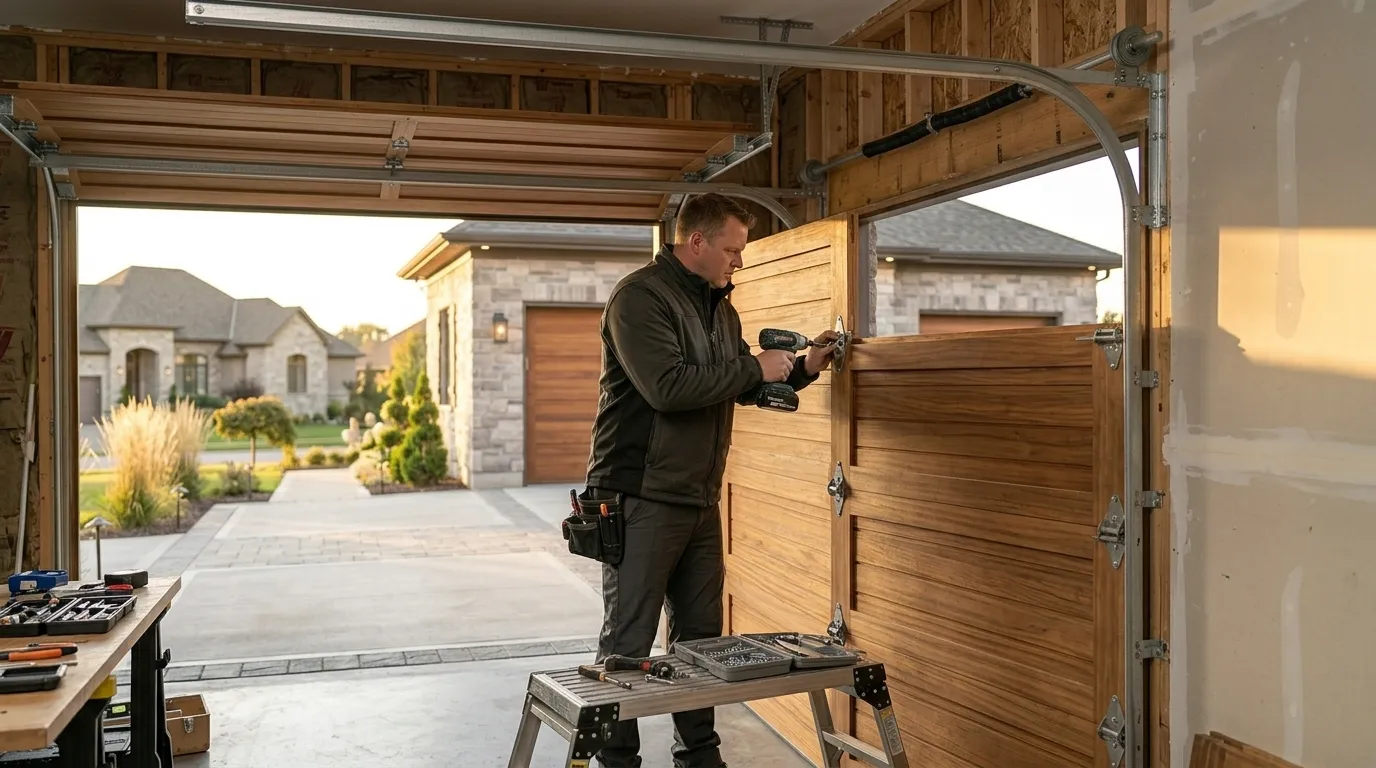
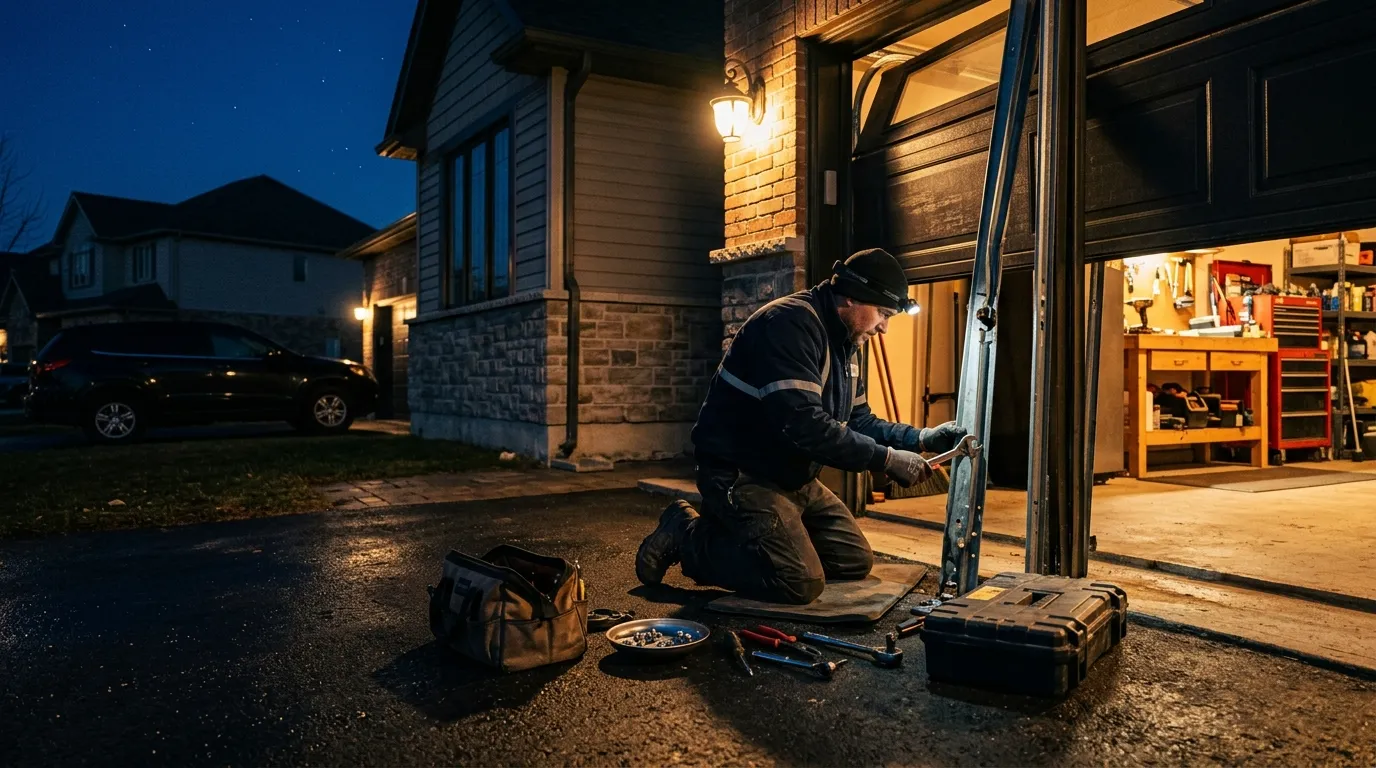
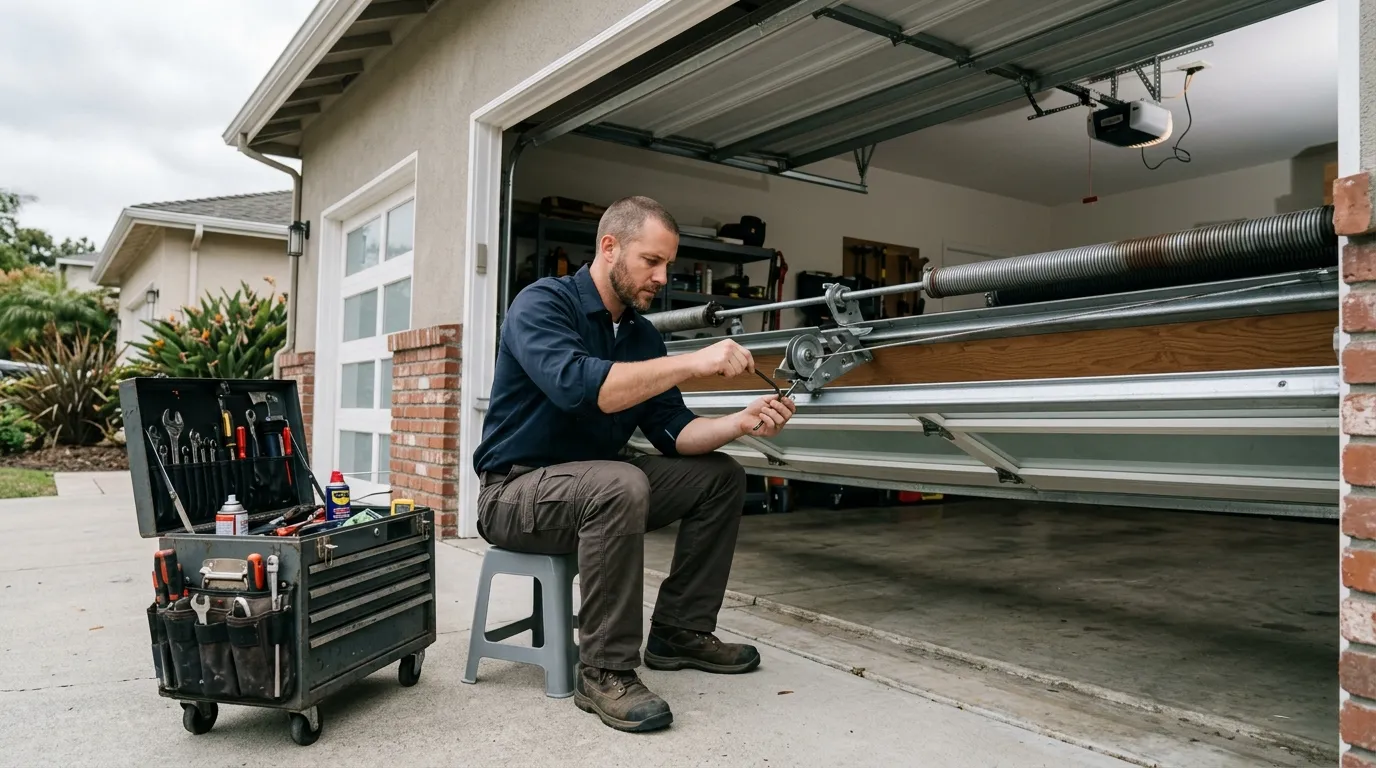
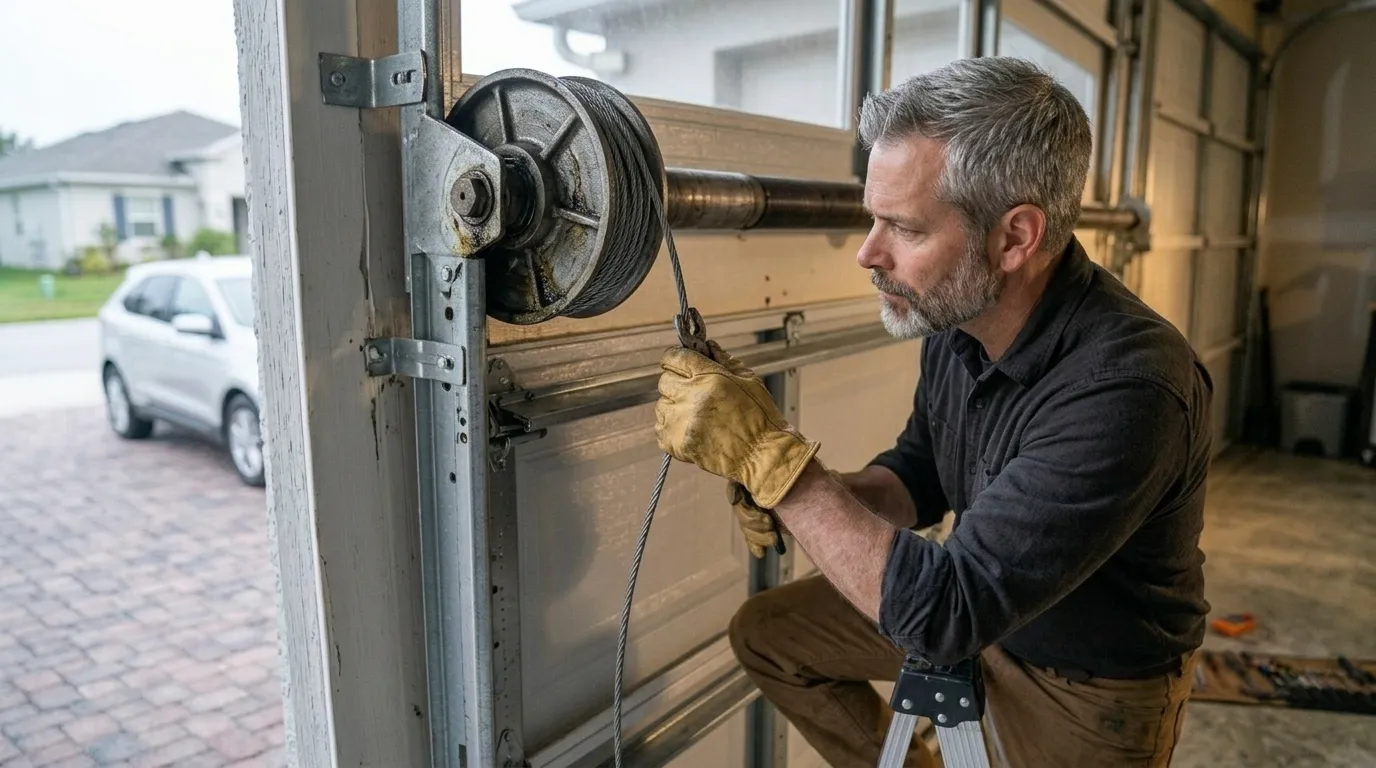
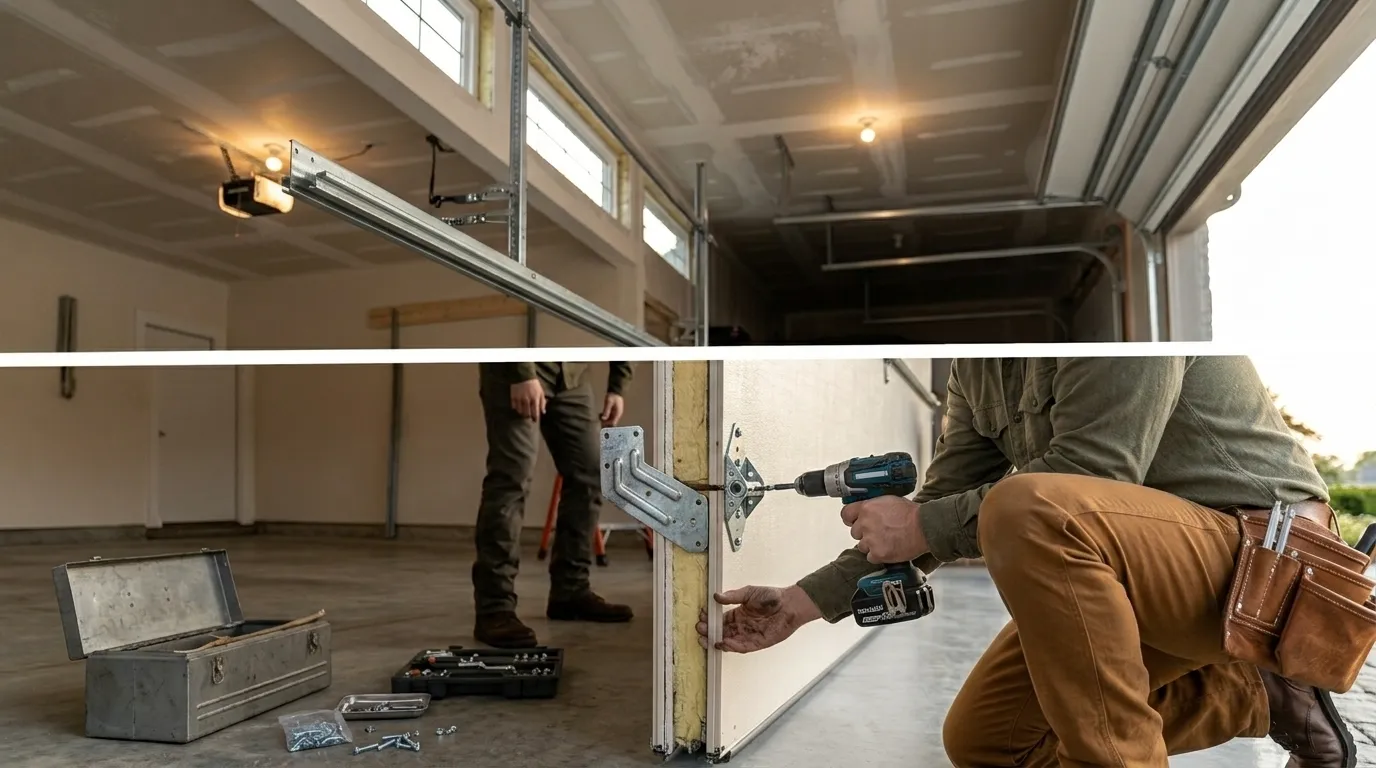
A door installed around 1994 is now pushing thirty years on its original torsion spring, and that's exactly the failure point we see most in this area - not the opener, not the panels, the spring itself giving out mid-cycle. Rollers on doors this age are usually the original steel-on-steel type, which get loud and eventually crack years before anyone thinks to replace them. Because this region sits in a cold, severe winter climate, the grease in older bearings thickens up hard on the coldest mornings, and that extra drag is often what finally snaps a spring that was already near the end of its cycle count. We also see track misalignment more in this age bracket, since the original hardware wasn't always set up for the heavier insulated doors that got swapped in later. None of this is unique to any one street - it's just what a door built in the mid-90s does by year thirty.