This Area's Housing
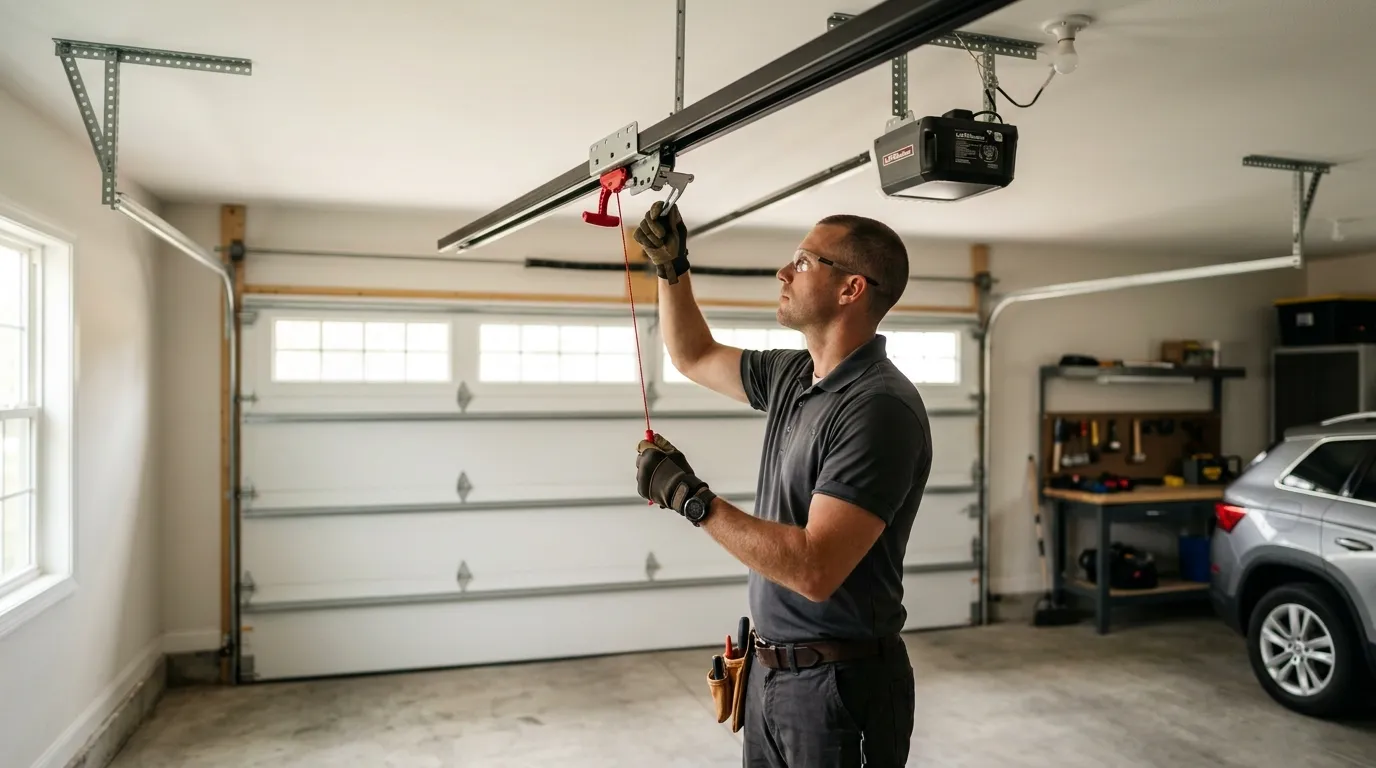
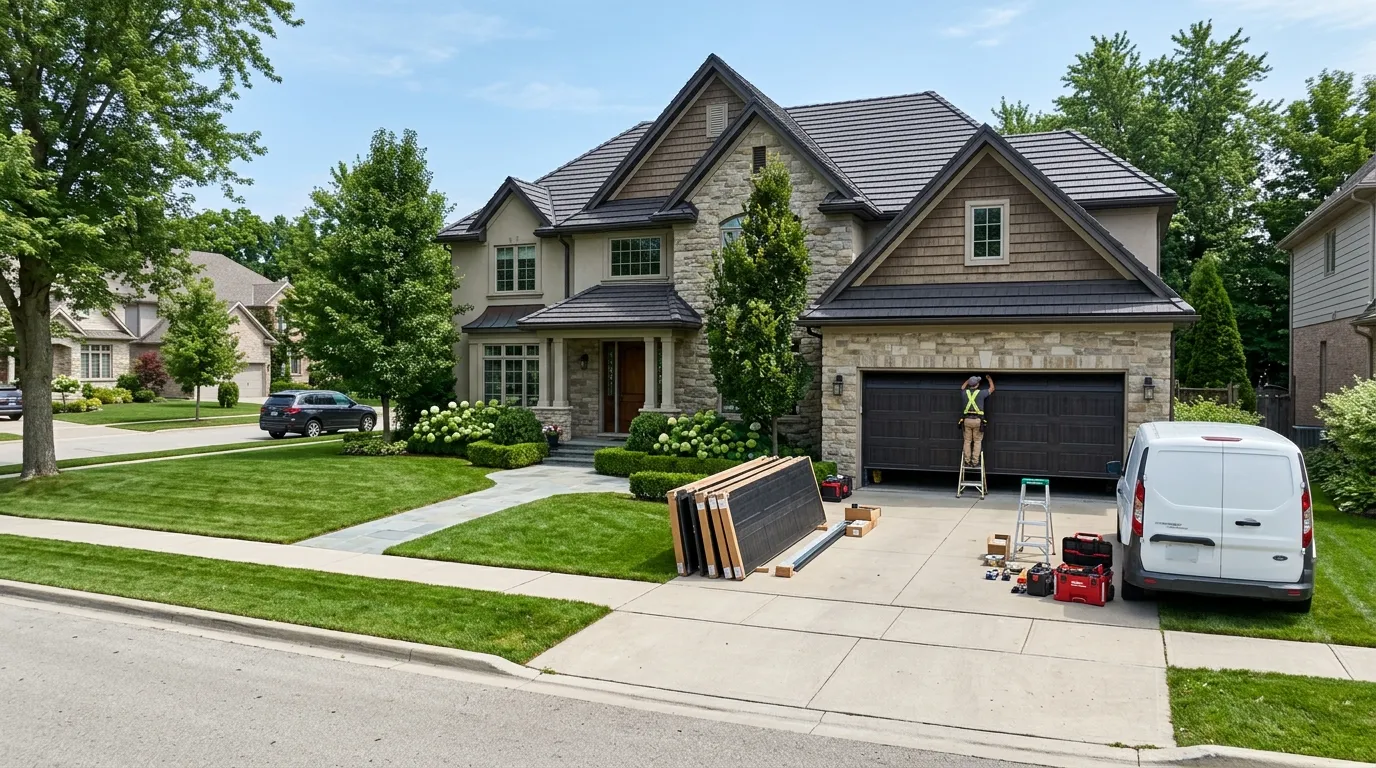
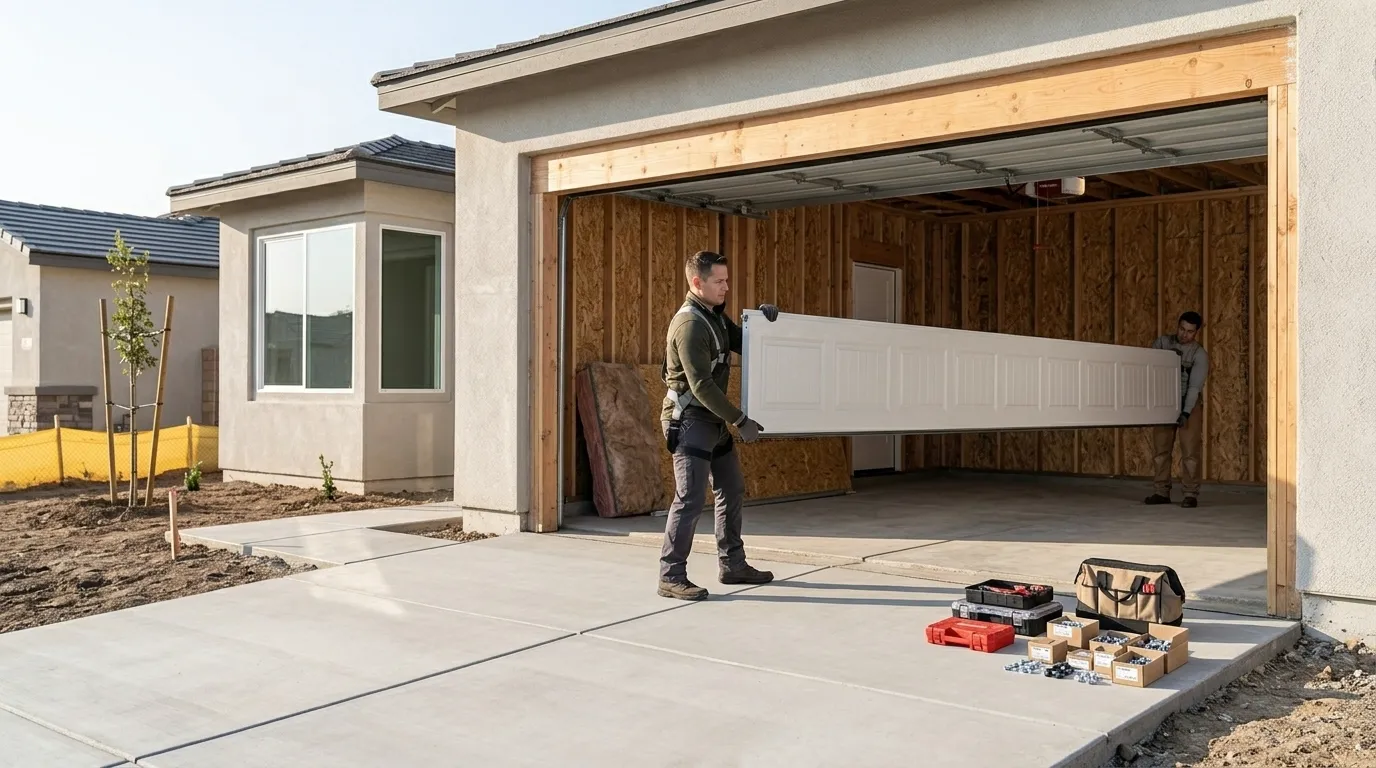
With about 2,333 households in Lakemoor and a median year built of 1997, this is one of the newer pockets we serve out of Mundelein - later than the broader service area's median of 1984. That later build date matters for garage doors specifically: homes from this era were built to post-1990s door and track standards, usually with heavier gauge torsion springs and taller headroom than the 1970s and 80s houses common elsewhere nearby. Median household income here runs around $96,929, which tracks with a lot of owners choosing to replace an aging opener outright rather than patch it repeatedly, since parts for late-90s opener models are getting harder to source. We don't stock every discontinued circuit board on the truck, so if your opener is a specific older model, there's sometimes a short wait to get the right board in rather than a same-visit fix.
How That Shows Up in the Door
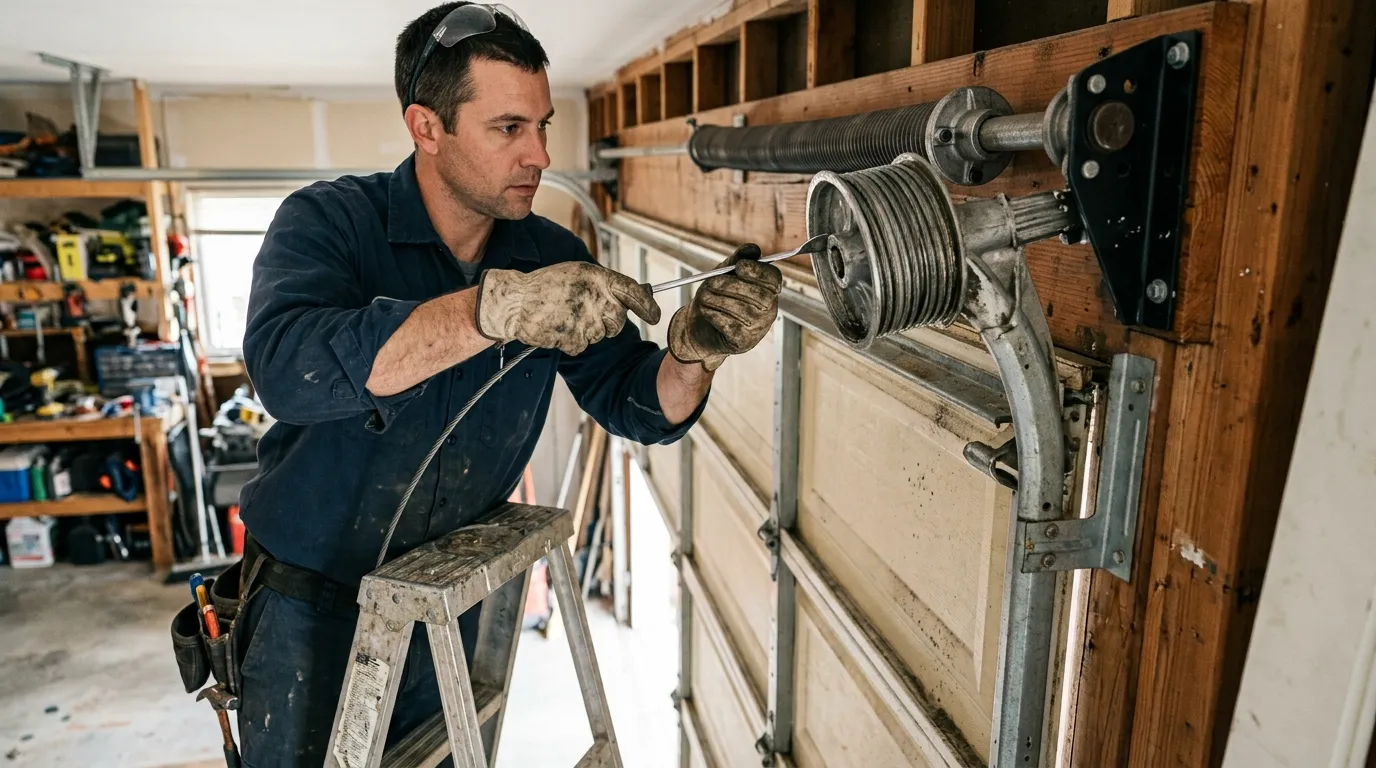
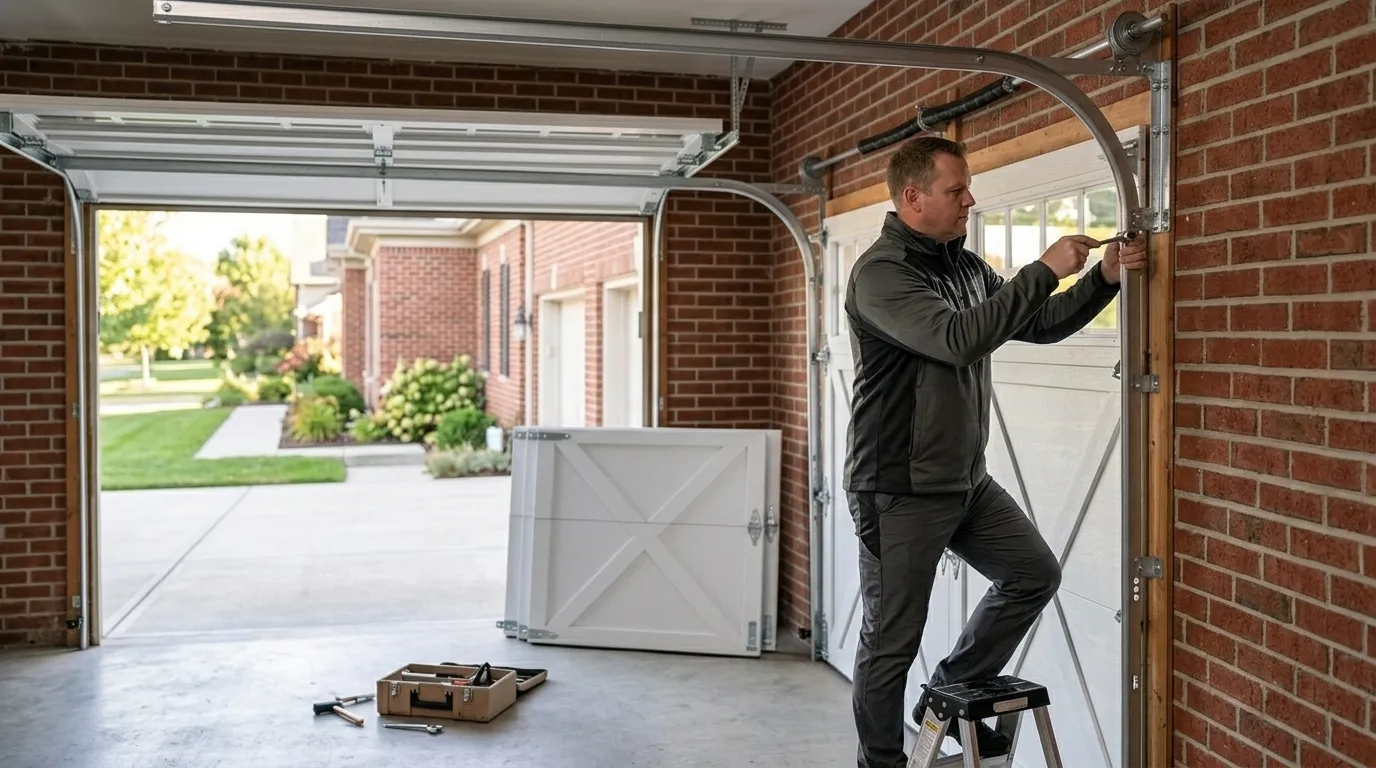
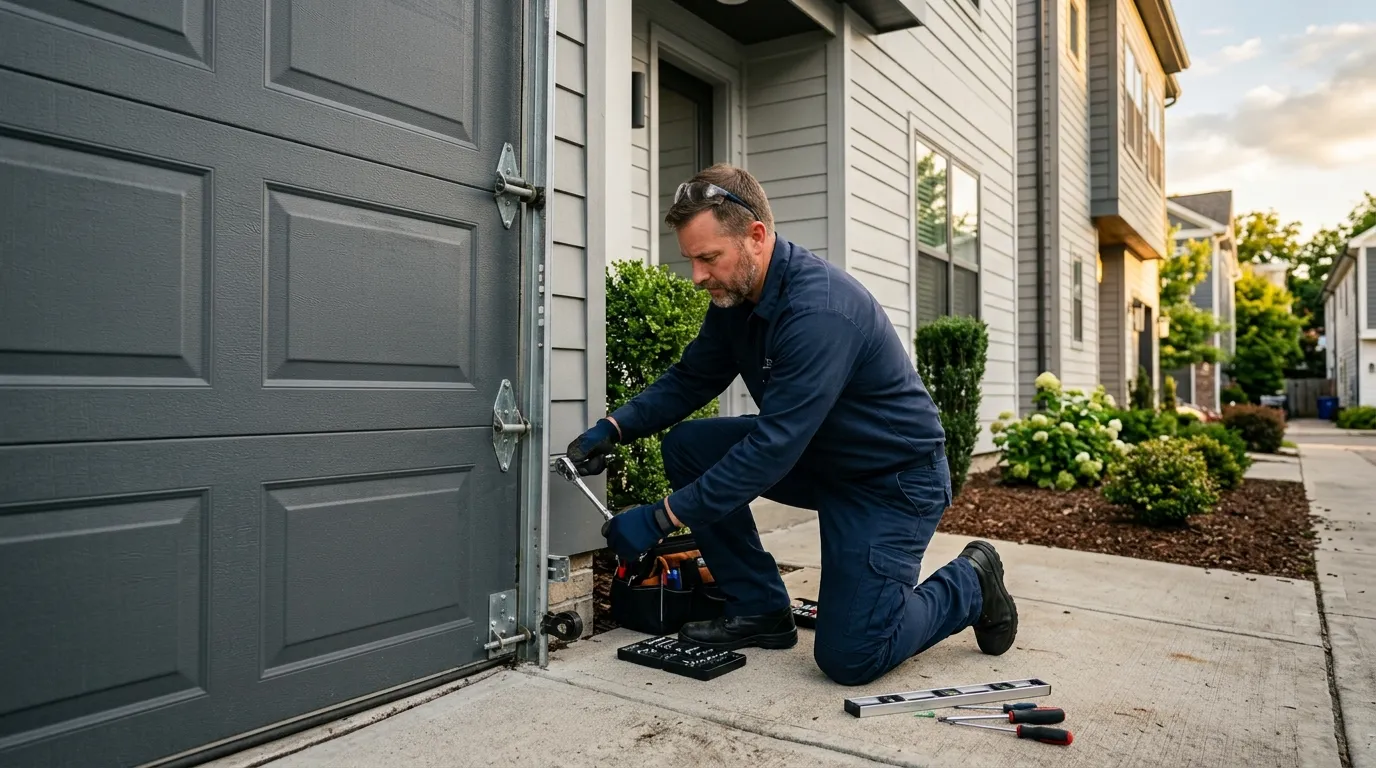
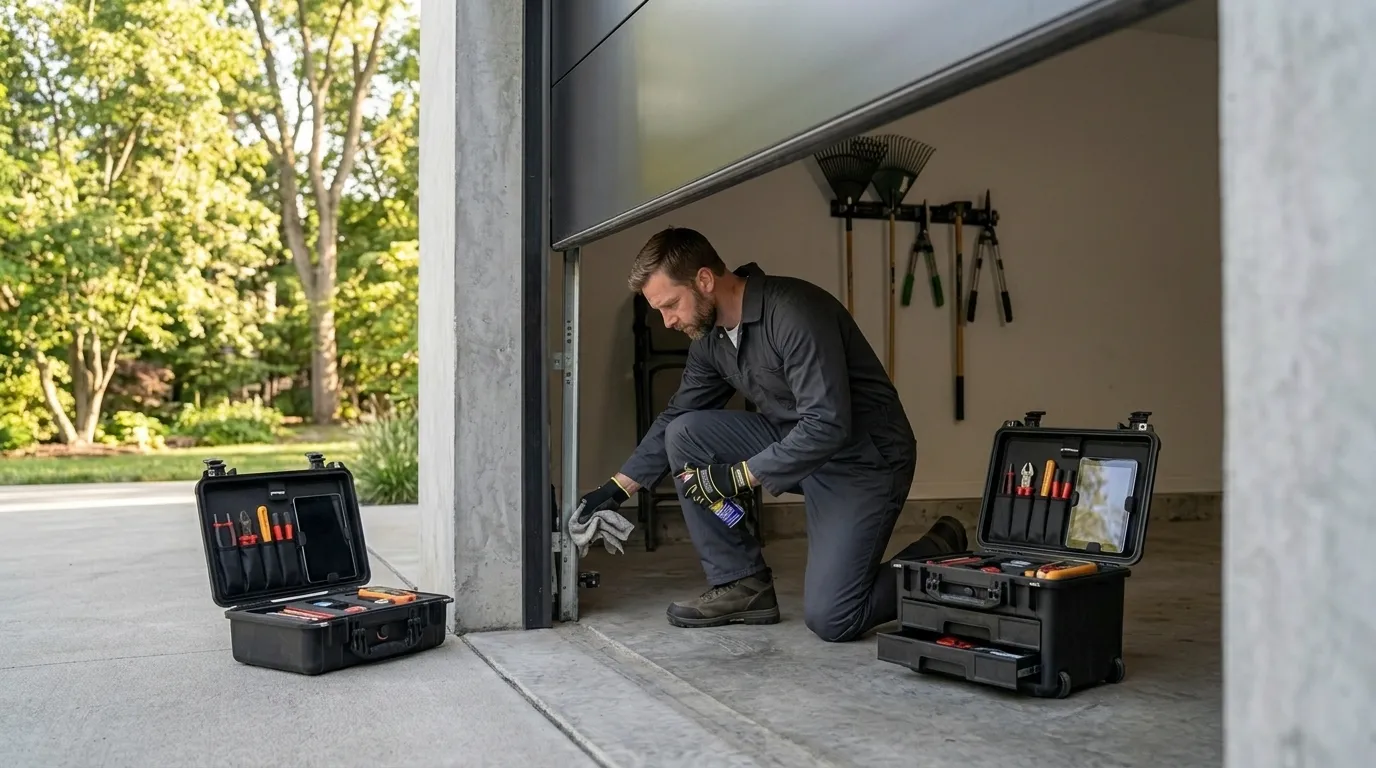
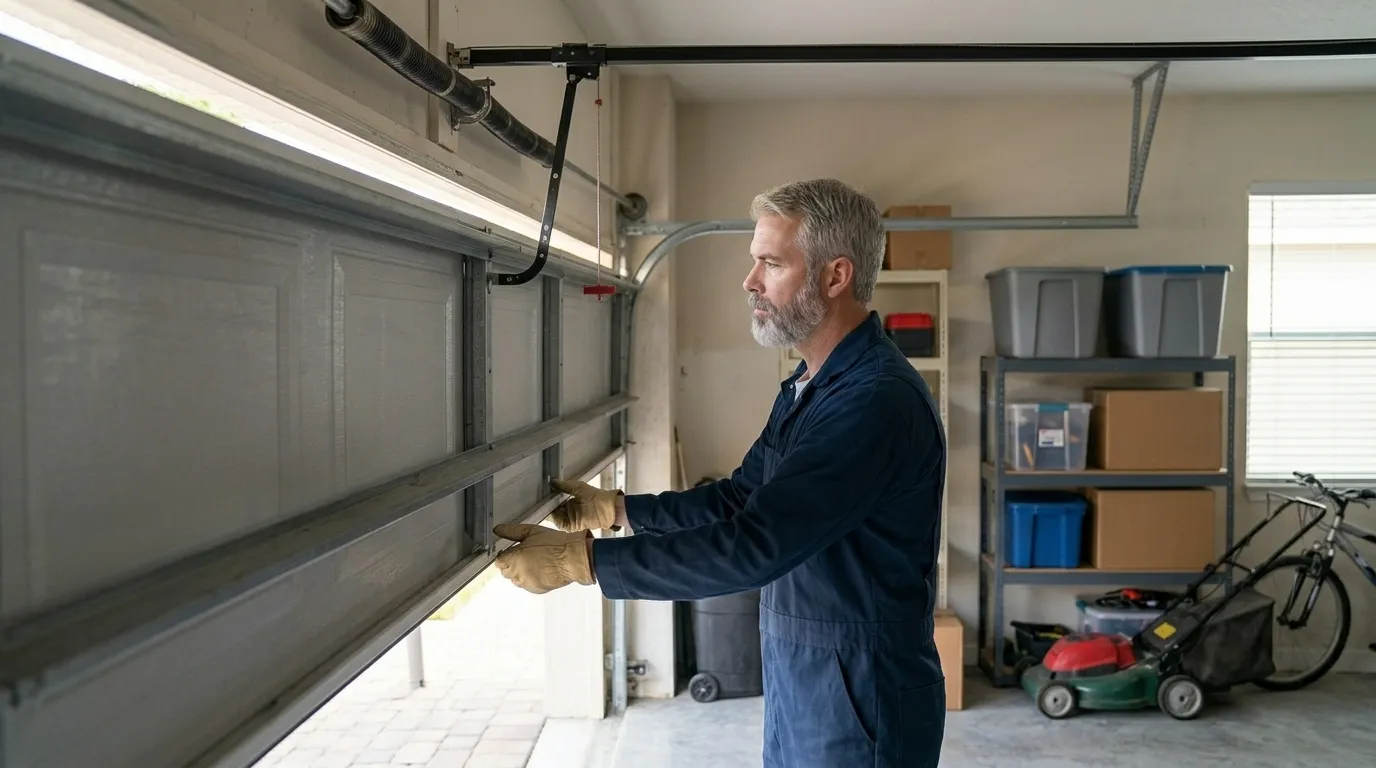
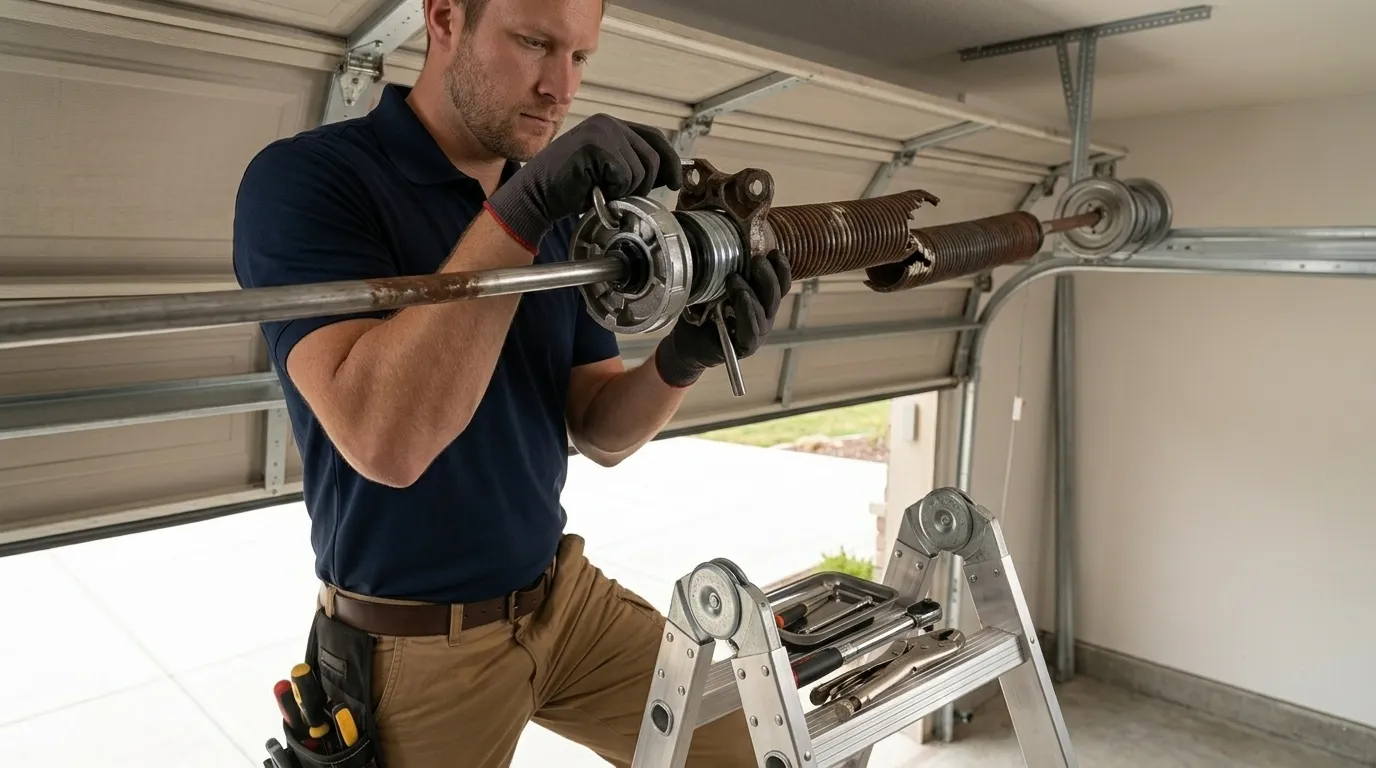
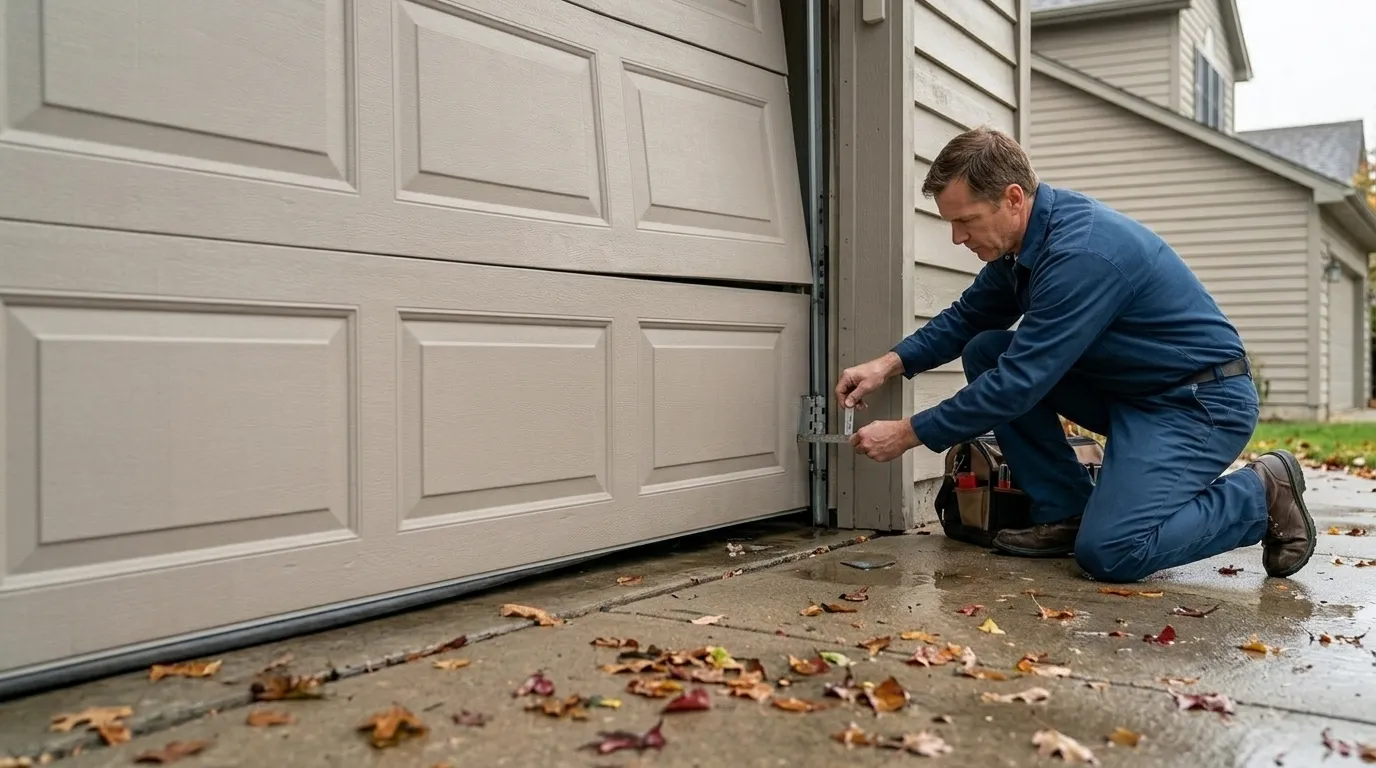
A door installed new in the late 1990s has now put in two and a half decades of winters, and this area sits in a cold, severe climate band. That combination - steel panels, standard torsion springs rated for a certain cycle count, and repeated freeze-thaw on the slab and track alignment - is exactly what wears out springs and hardens lubricant on rollers and hinges. We see fewer rotted wood jambs here than in older stock, but more springs that simply reached the end of their rated cycles right around now, plus track brackets that have shifted slightly as the slab settled over the years. If your door has gotten noisy, harder to lift by hand, or the opener strains and reverses partway up, that's usually spring fatigue or a bent track section, not a wiring problem, and it's worth having it looked at before a spring lets go under load.