This Area's Housing
The wider service area has a median build year of 1984, but Lincolnshire runs newer - median year built here is 1992. That eight-year gap matters more than it sounds like. Doors and openers installed in the early 1990s are a different generation of hardware than the early-80s stock common elsewhere in our coverage: heavier steel sections, different spring wind counts, and openers that are early-model chain-drive rather than the older screw-drive units we still find in some older neighborhoods.
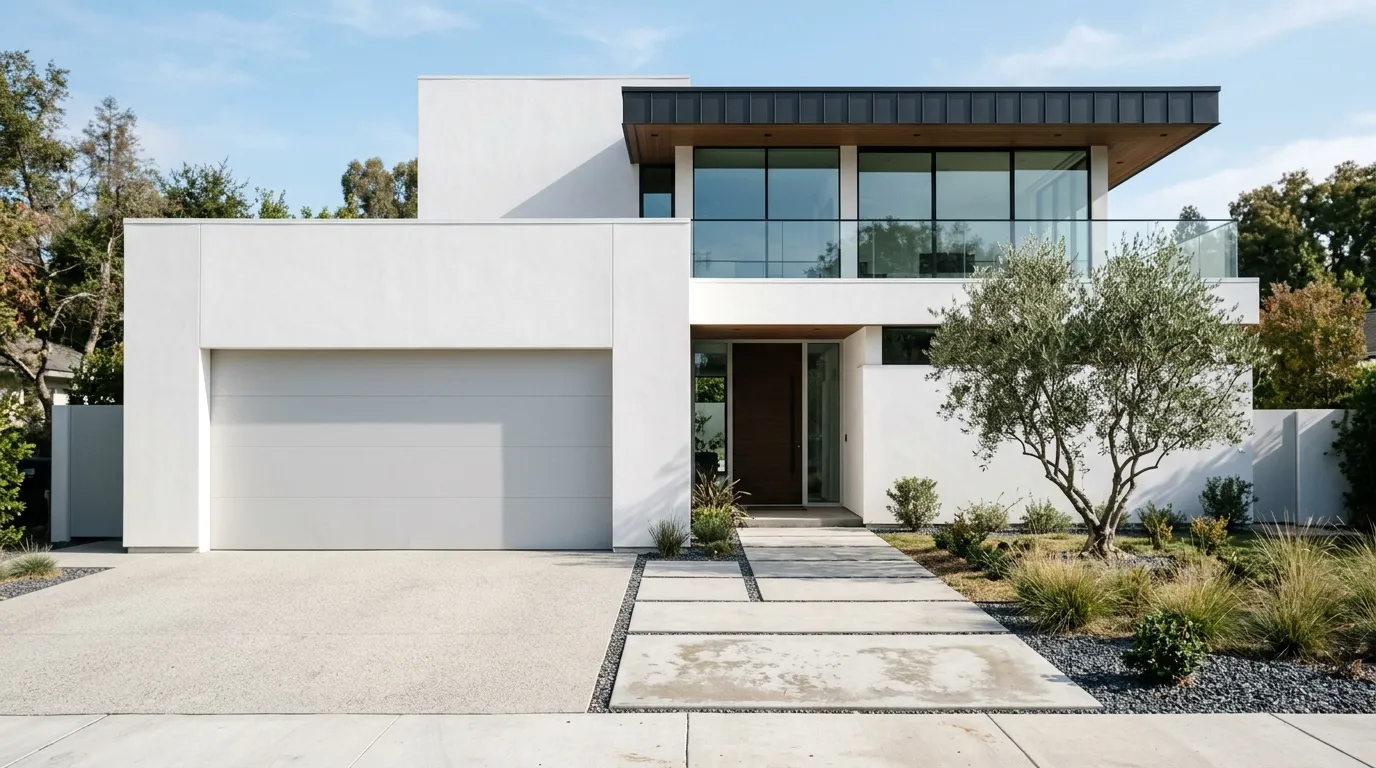
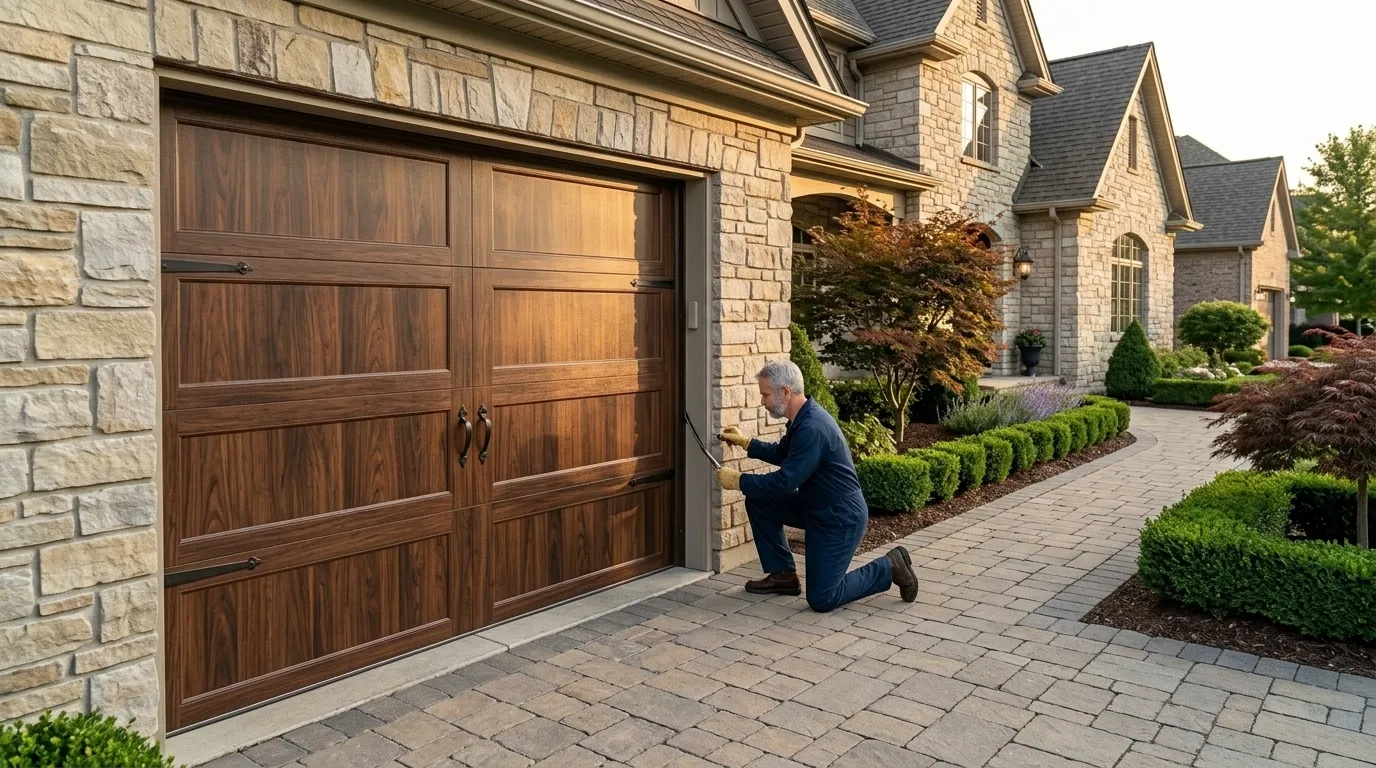
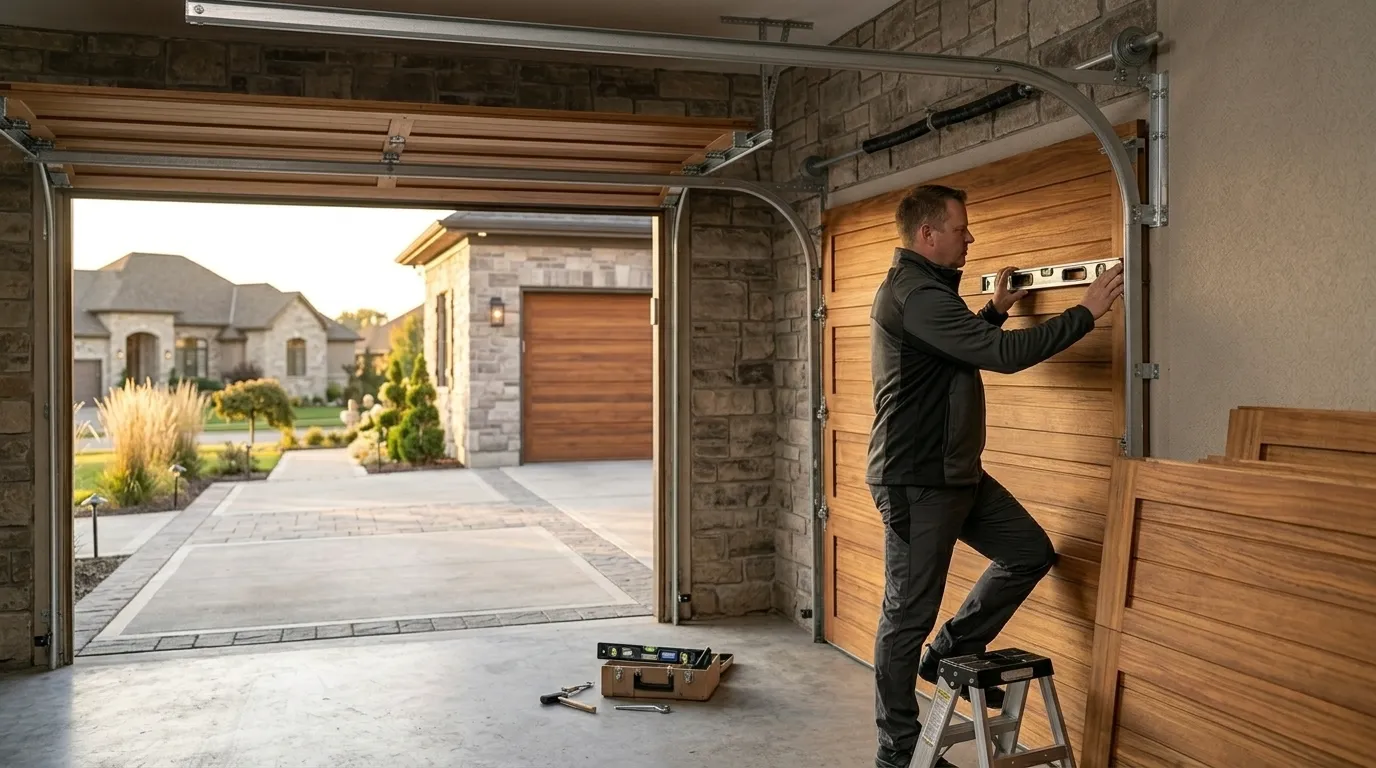
With about 3,275 households in Lincolnshire and a median household income of $179,735 - well above the service area's overall $121,583 - we also see a different mix of doors than in older, lower-priced stock. More insulated steel doors, more composite overlay panels, fewer single-layer doors with no insulation at all. That's not a guess about taste; it tracks with what higher household income tends to buy at construction time, and it's what we find when we're out on a call.
How That Shows Up in the Door
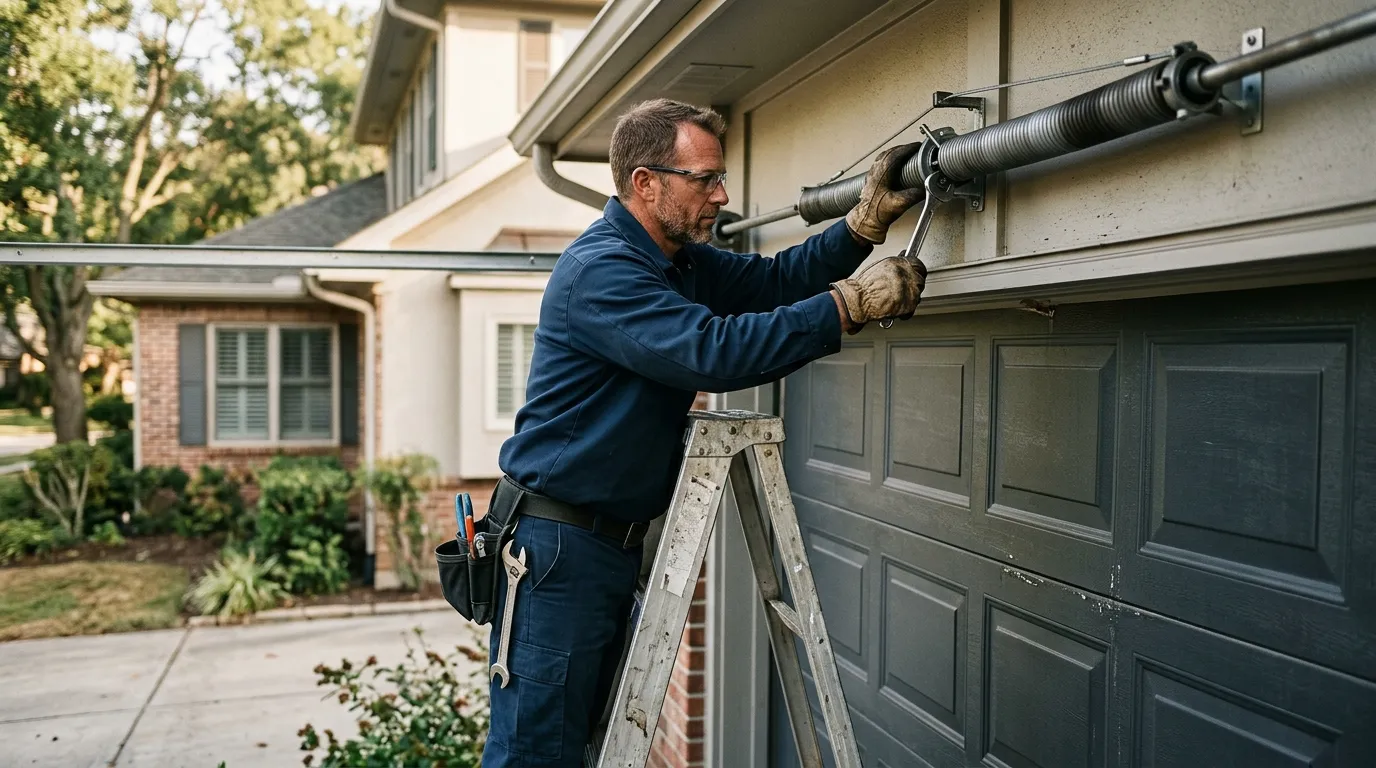
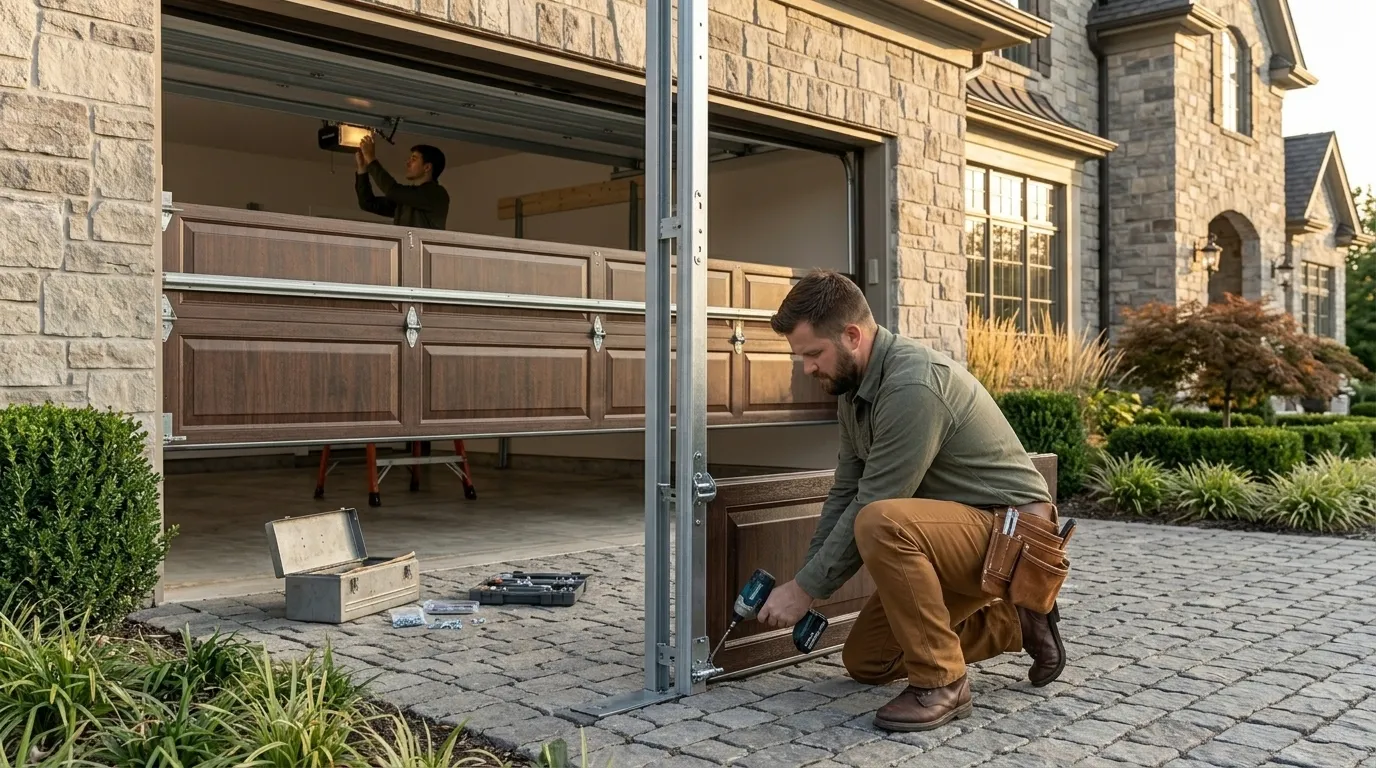
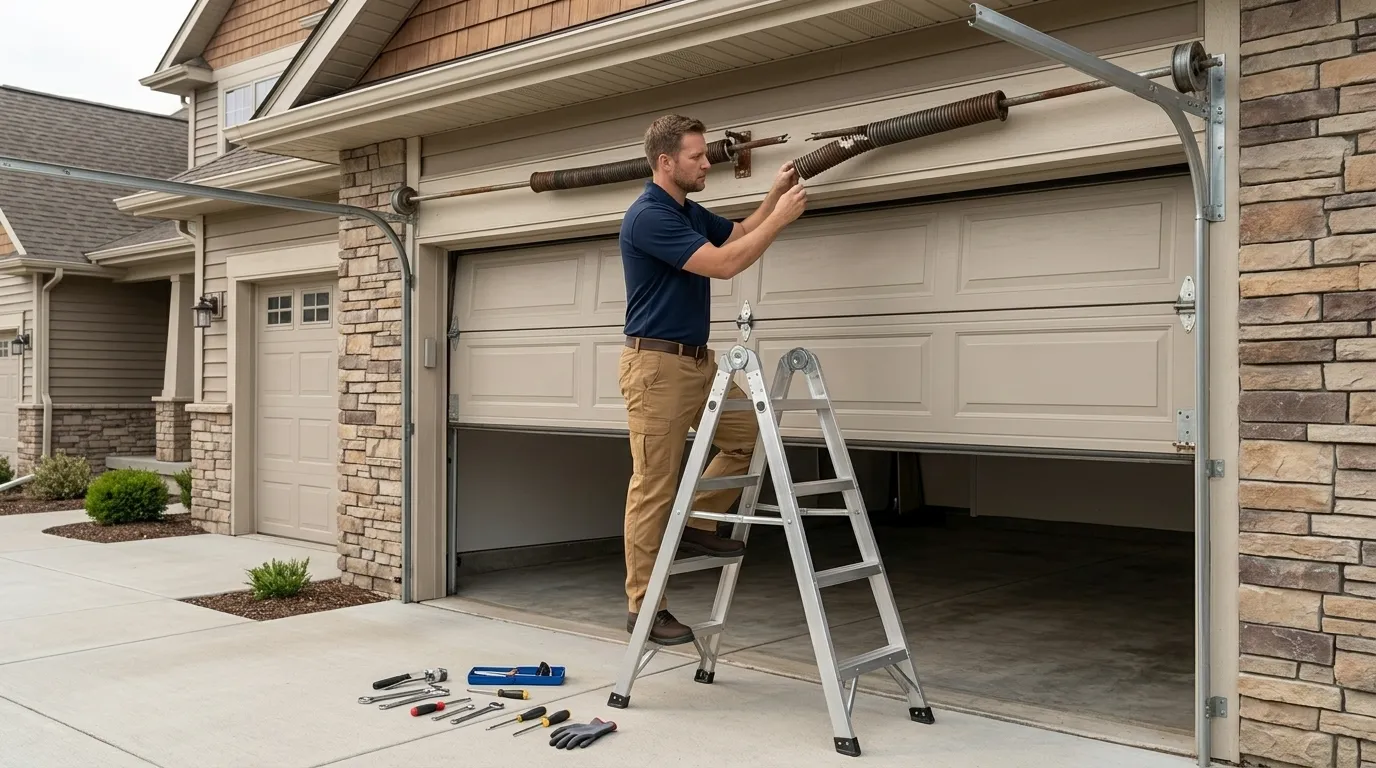
A door built around 1992 usually came with a heavier torsion spring setup than the lighter extension-spring doors common on older 1960s and 70s stock elsewhere in the region. That's good news in one way - torsion springs last longer and balance the door better - but when they do fail, they're not a part you improvise. Wind count and wire gauge on a 1992-era torsion spring often differ from what's on the shelf for a much older or much newer door, so we measure before we cut a spring order, not after.
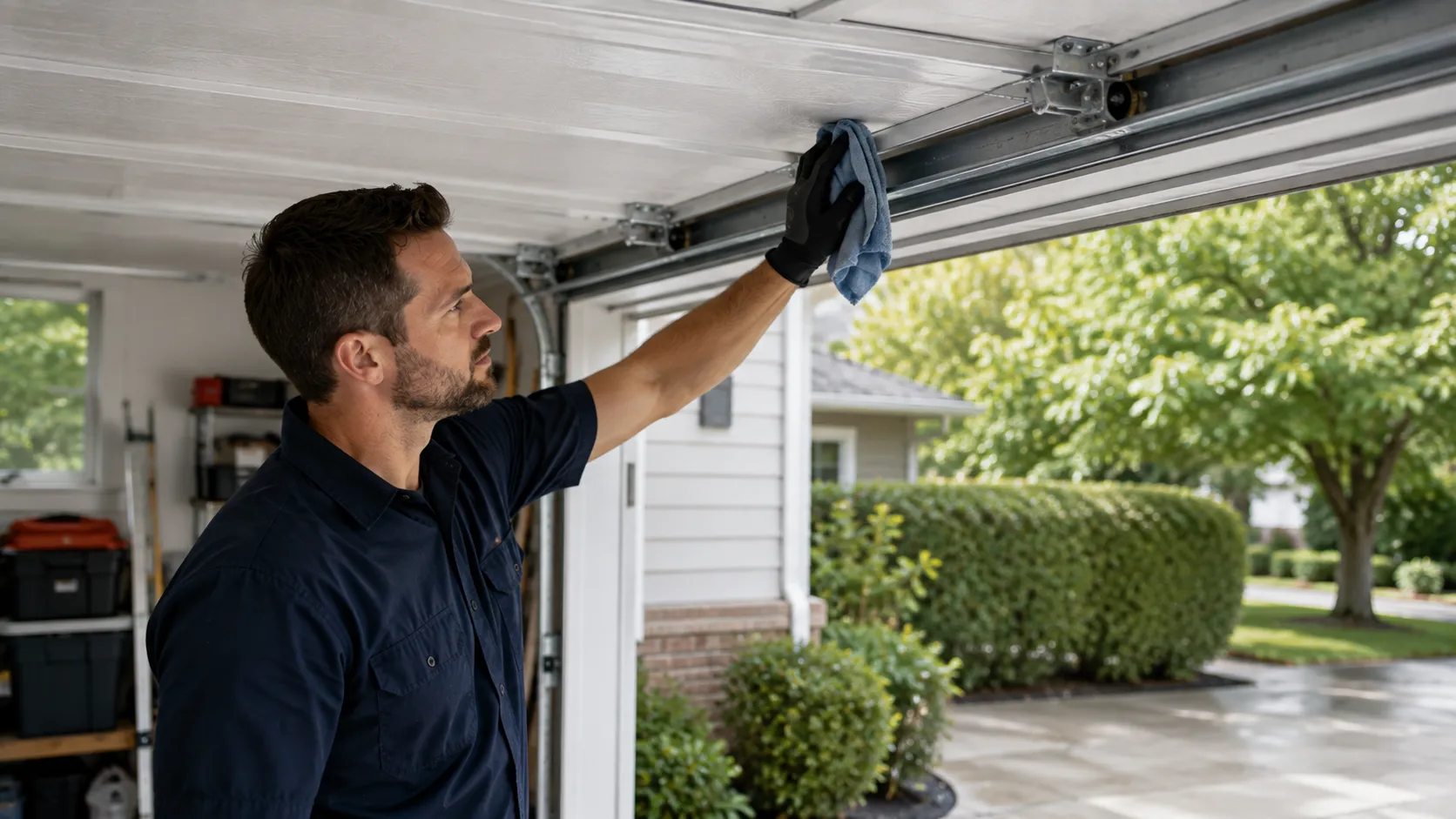
The cold is the other factor. This area falls in the same severe-cold climate band as the rest of our coverage, and that means real temperature swings on the springs and the opener's gearing every winter. A door balanced for room temperature in September can bind or feel heavy by January. It's not damage, usually - it's the steel and the lubricant reacting to cold, and it's a five-minute adjustment if you catch it before it strains the opener.