Mundelein Garage Door Pros drives 10 miles to Lindenhurst for spring, opener, and panel repairs suited to the area's mid-1980s housing stock and cold-climate hardware wear.
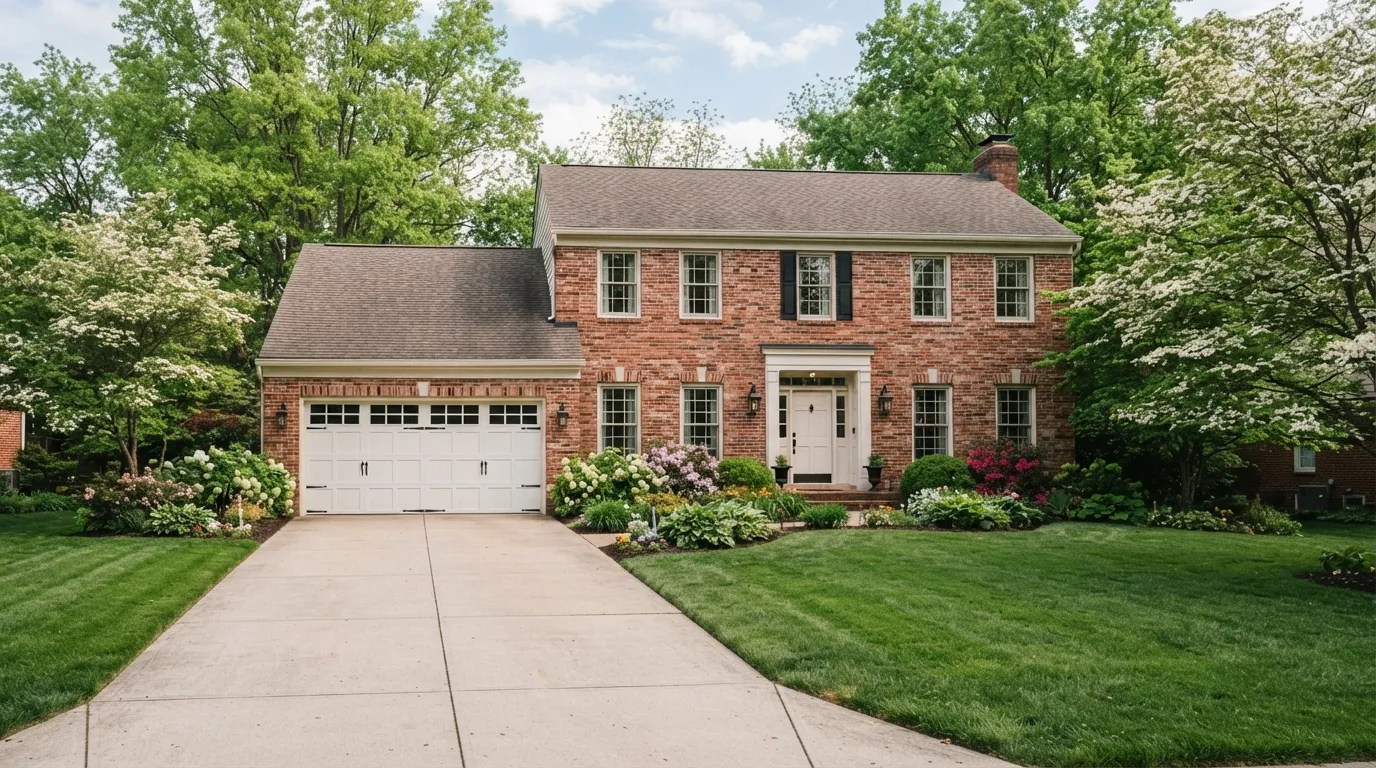
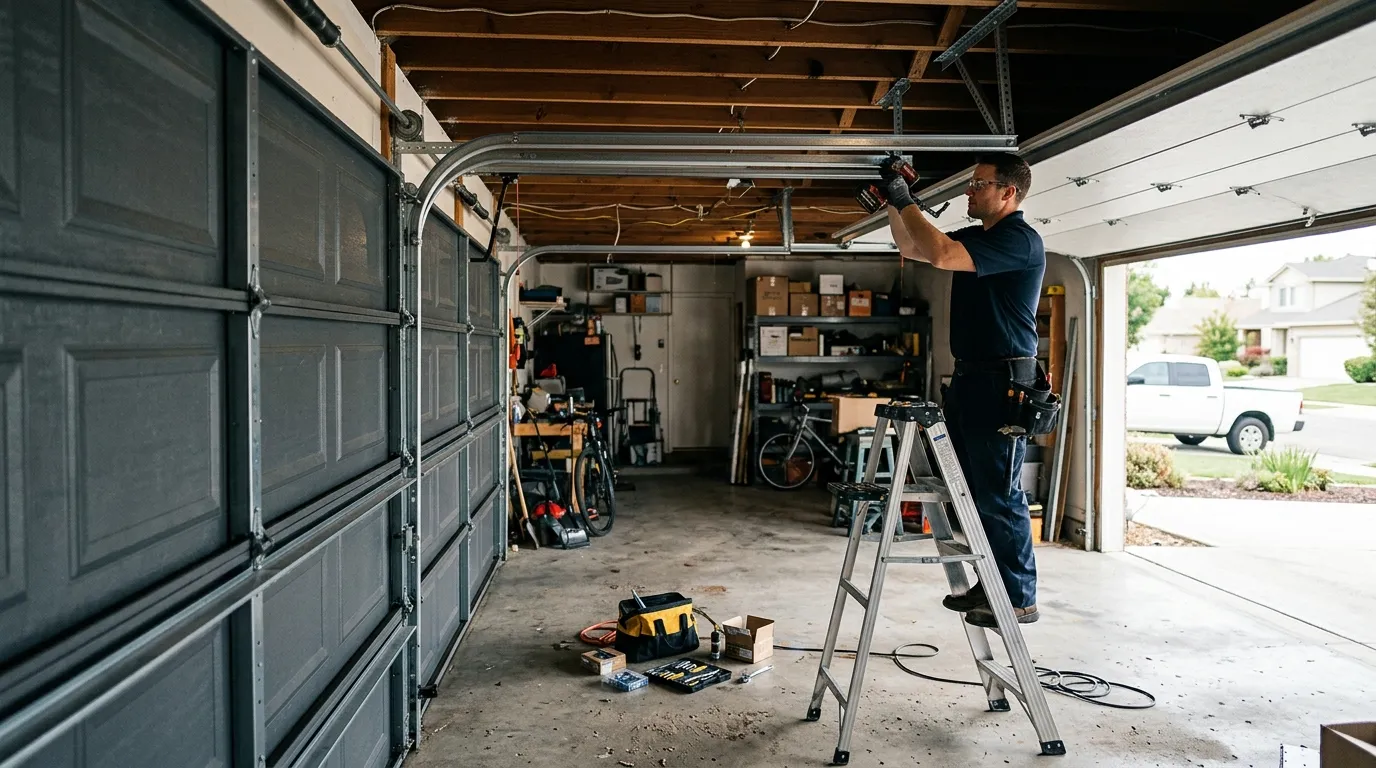
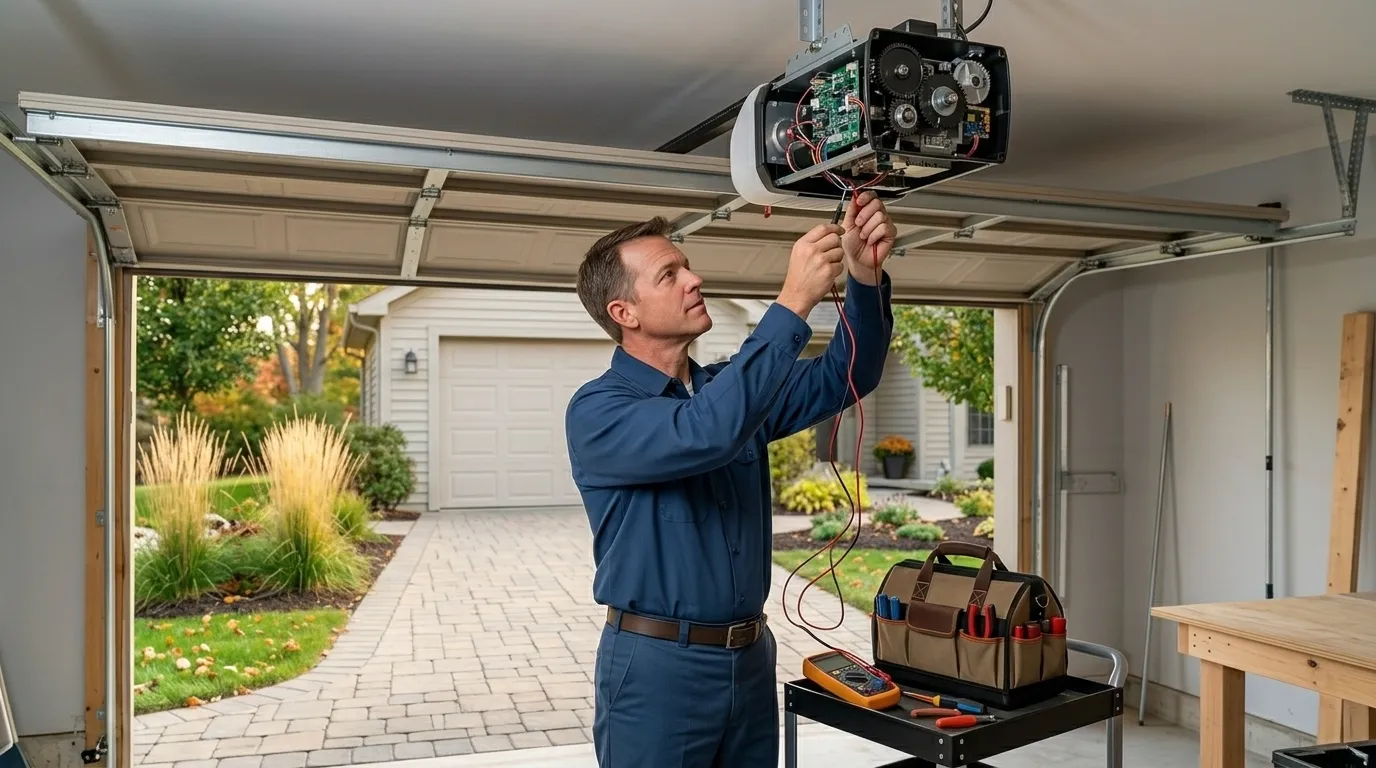
Lindenhurst sits about 10 miles from our Mundelein shop, and most of the calls we get from this side of the lake follow a pattern tied to when these houses went up. With a median build year of 1986, a lot of garages here still carry original torsion springs or the first-generation openers that came standard through the mid-80s and 90s. Springs from that era are past their rated cycle count by now regardless of how well they've been maintained - a torsion spring is rated for cycles, not years, and 35-plus-year-old steel doesn't get a pass just because the door still looks fine going up and down. We also see a fair number of chain-drive openers original to the house, still running but loud, and worth a look before they fail on a cold morning with a car trapped inside. We don't push replacement on hardware that's still doing its job; a lot of what we find here just needs a spring swap, a lube job, and a cable check to run another decade.
This Area's Housing
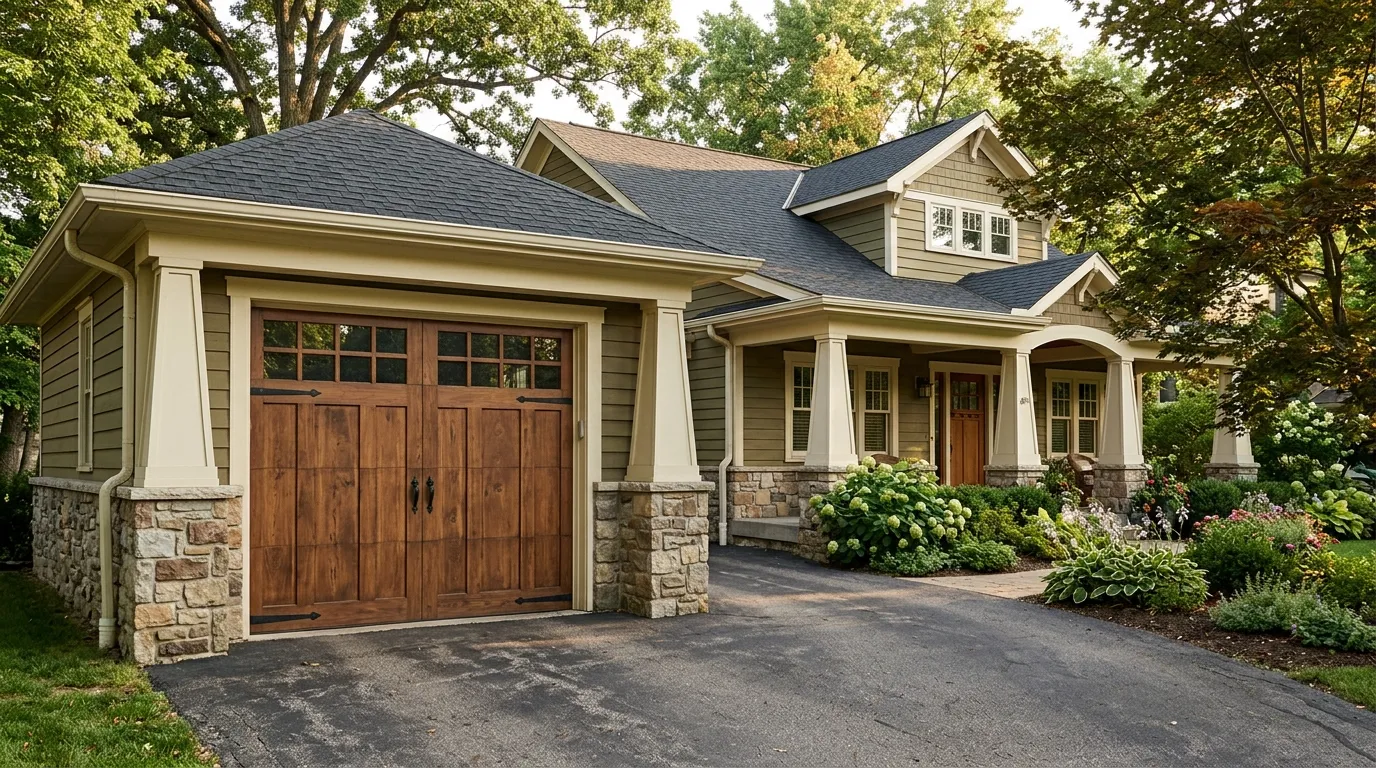
Across the wider service area, homes were built anywhere from 1938 to 2009, with a median around 1984 - but Lindenhurst itself lands a couple years later, at 1986, which puts most of its garages squarely in the second wave of production-built openers and steel doors rather than the older one-piece or wood-panel doors you'd find in an established, older-platted town. At 5,081 households and a median income of $127,837, this is a area of owner-occupied houses where people tend to fix things rather than let them slide, which we see reflected in how many calls are maintenance-minded rather than true emergencies. It's a tighter, more uniform build era than some of the towns we cover, which actually makes parts sourcing easier - when a spring size or opener model matches what half the block installed the same year, we're not guessing.
How That Shows Up in the Door
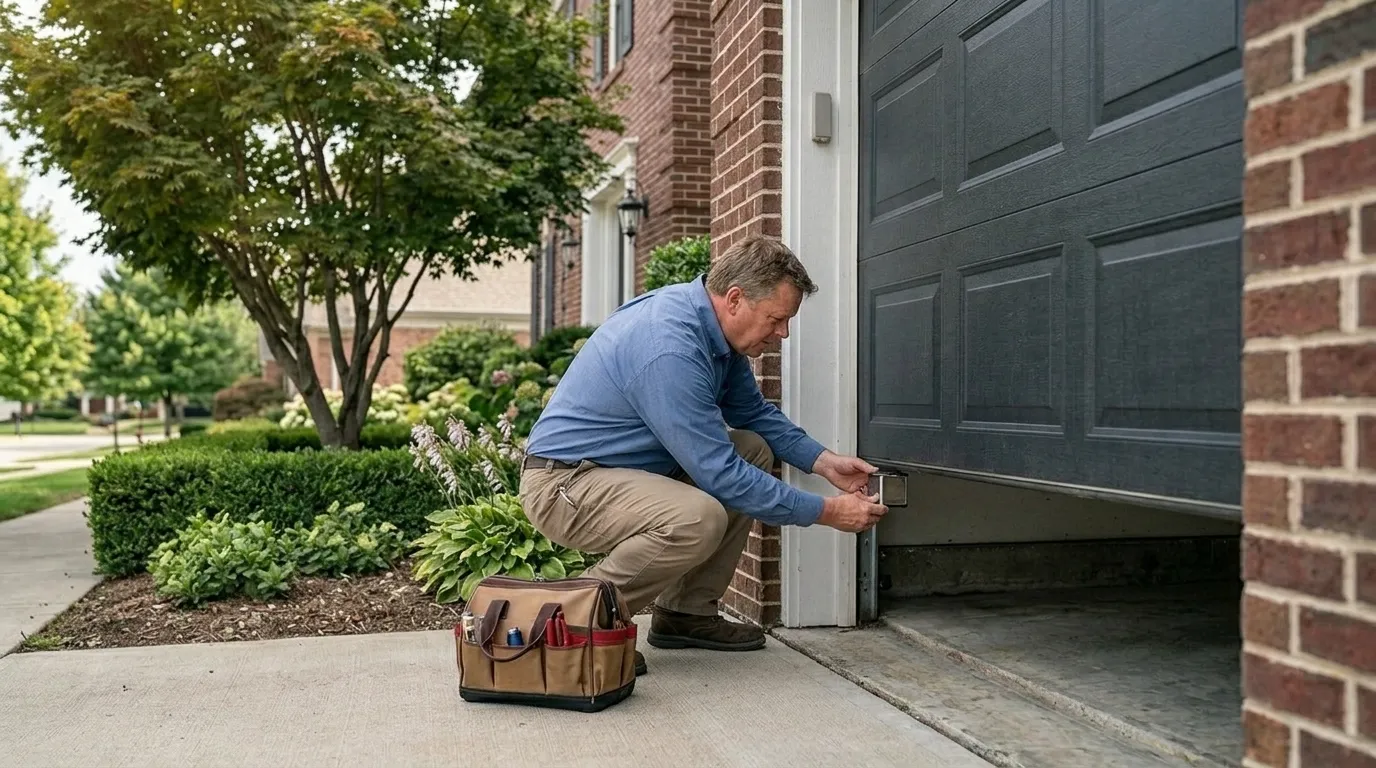
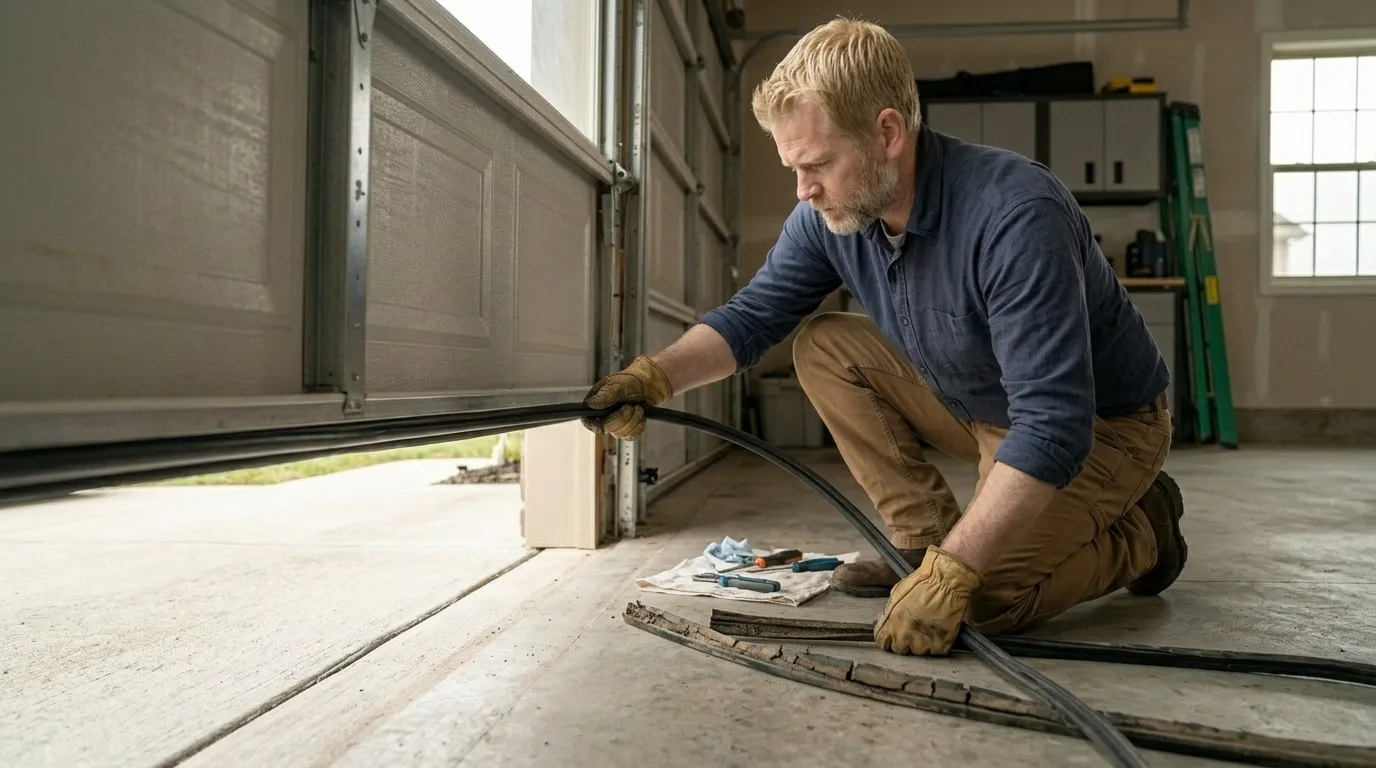
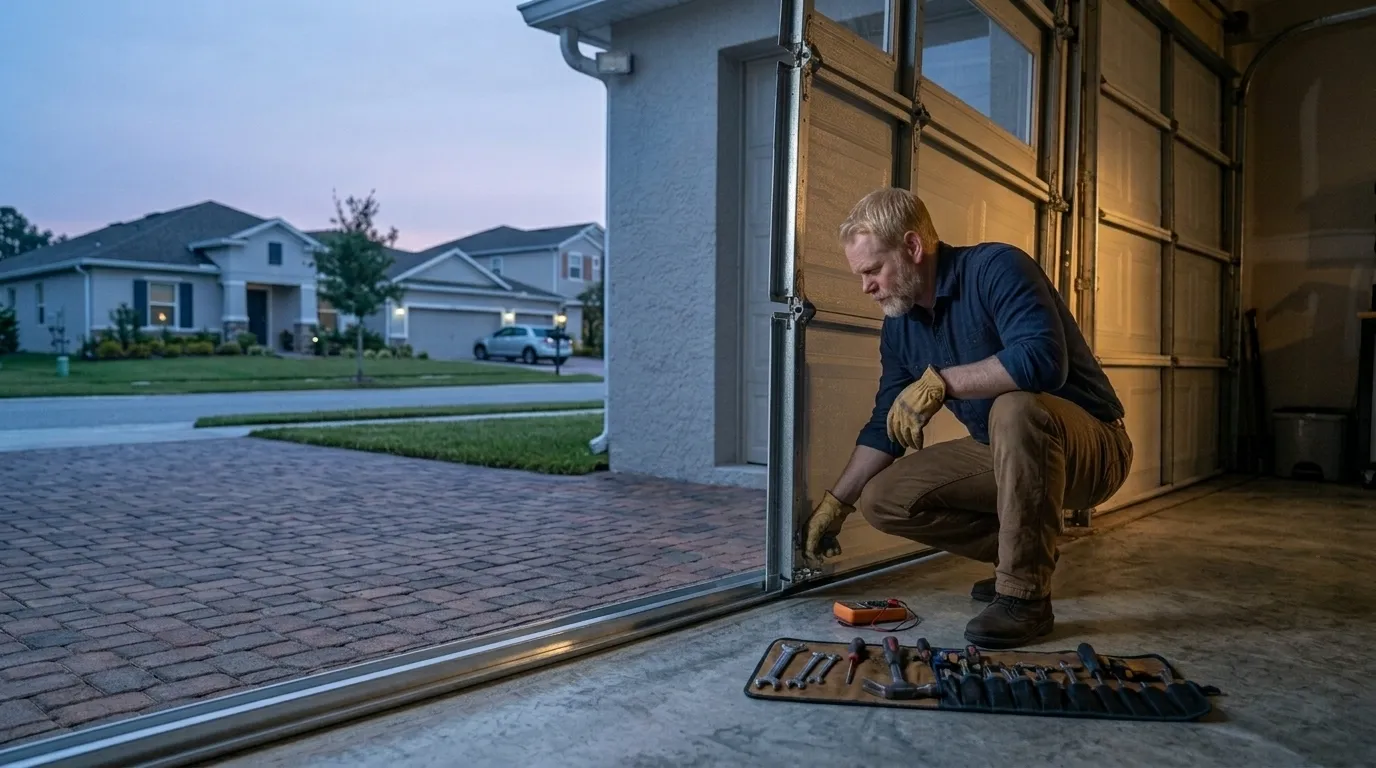
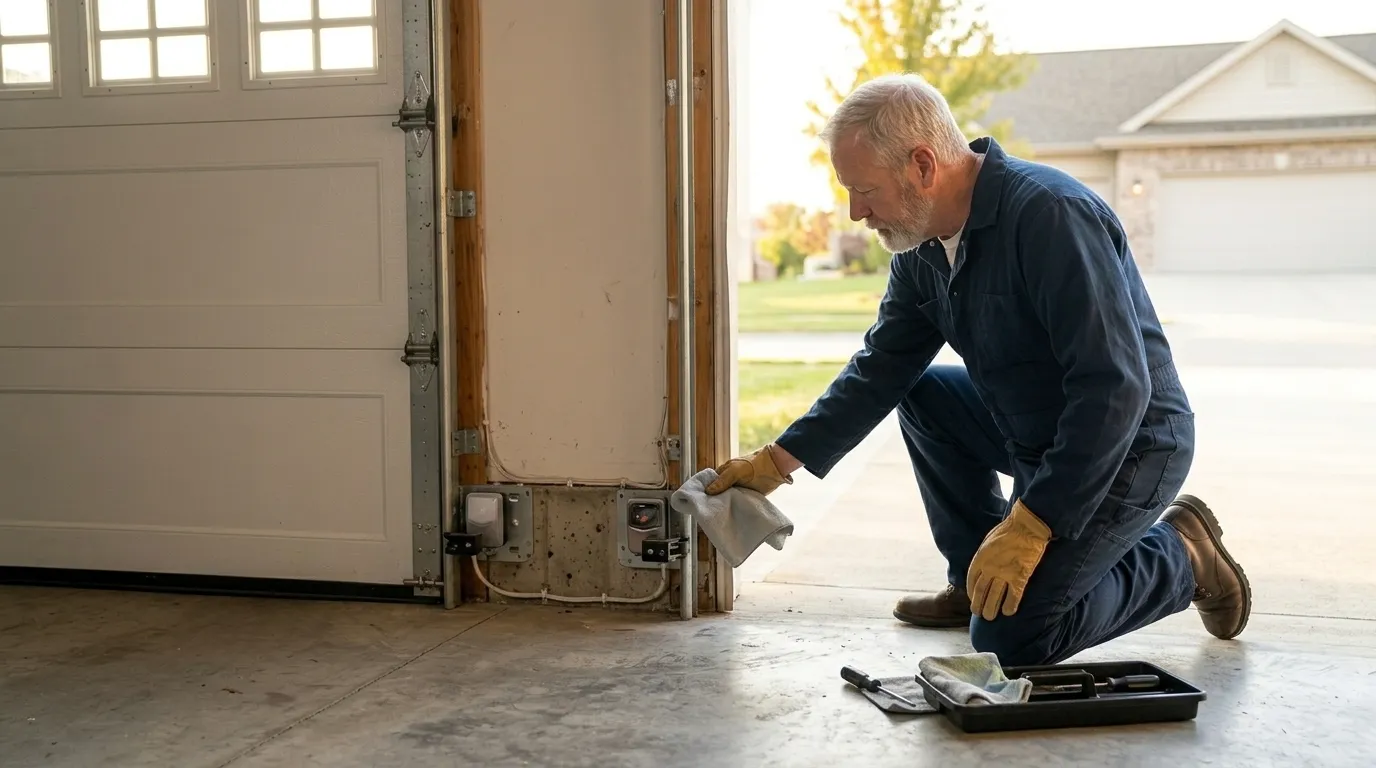
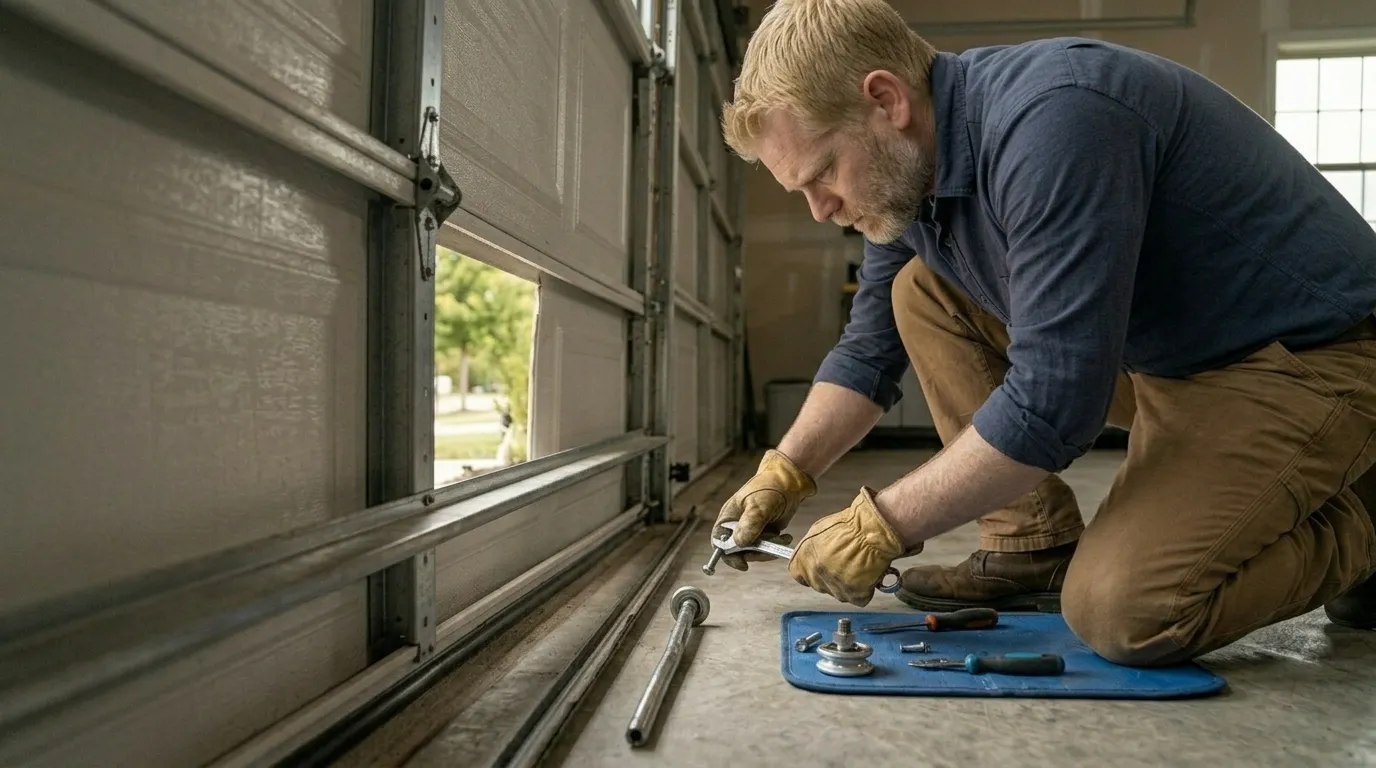
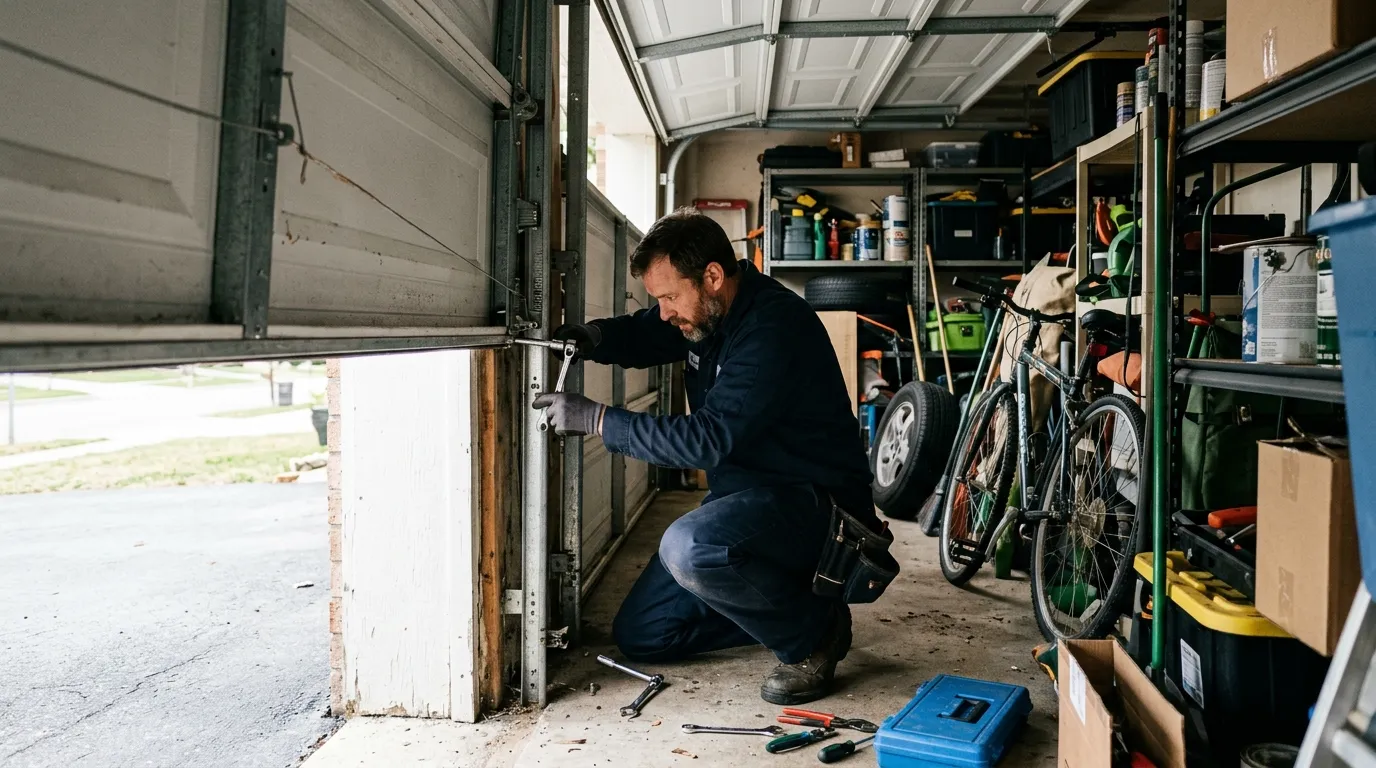
A 1986-era garage in a severe cold climate deals with two things at once: hardware that's aging out on schedule, and steel that's been through close to forty winters of contraction and expansion. That combination shows up as torsion springs that snap in January cold snaps (cold steel is more brittle steel), rollers that have gone from nylon to metal-on-metal noisy, and bottom brackets that have worked loose from years of thermal cycling. We also see galvanized cable fraying near the drum on doors that have never had the cable replaced - original hardware, original cable, still original springs. None of this is unique to any one house; it's just what 1986 steel and hardware does after this many winters, and it's the reason we ask the build year before we ask what's wrong.
How Soon We Can Come Out
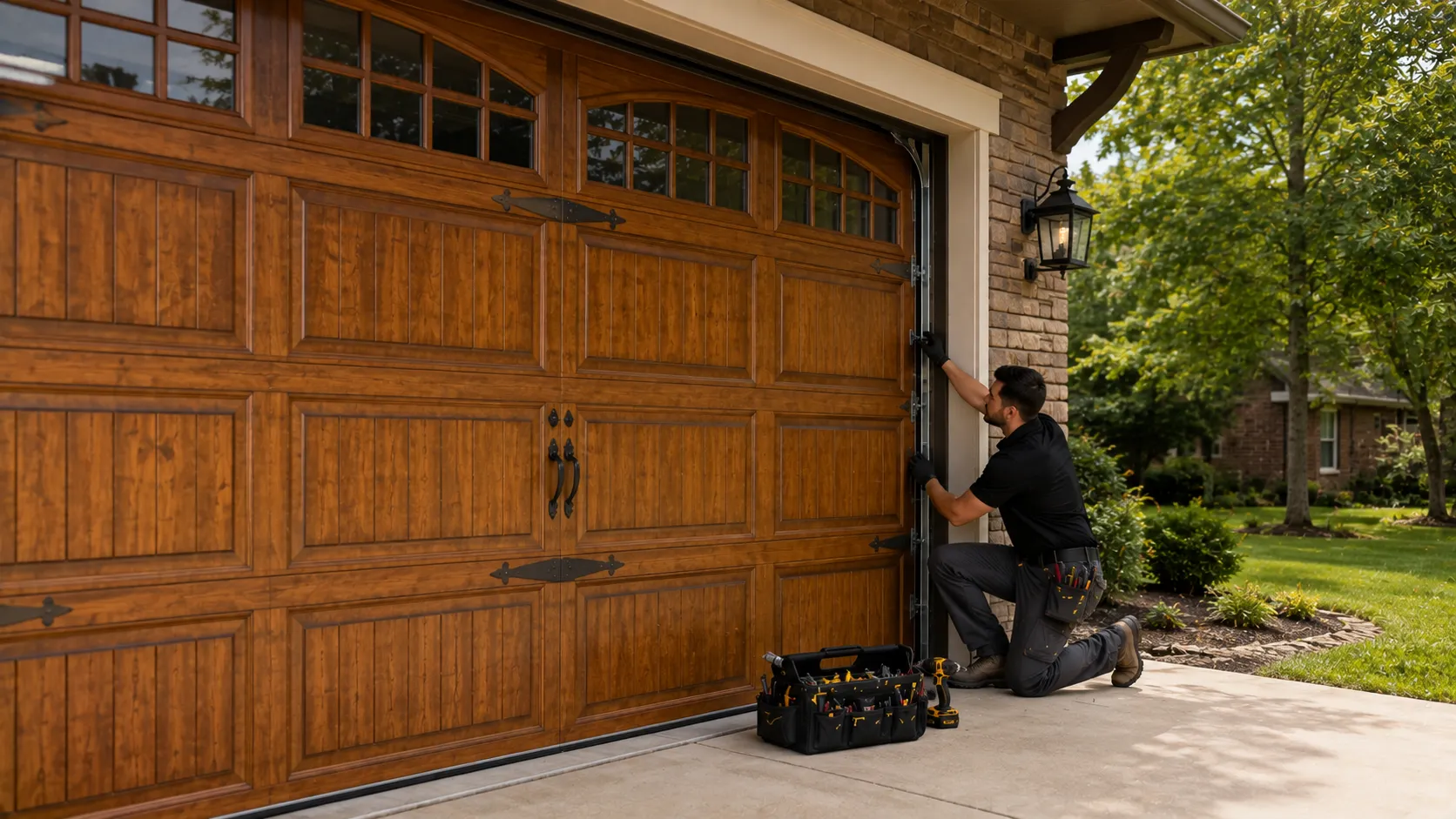
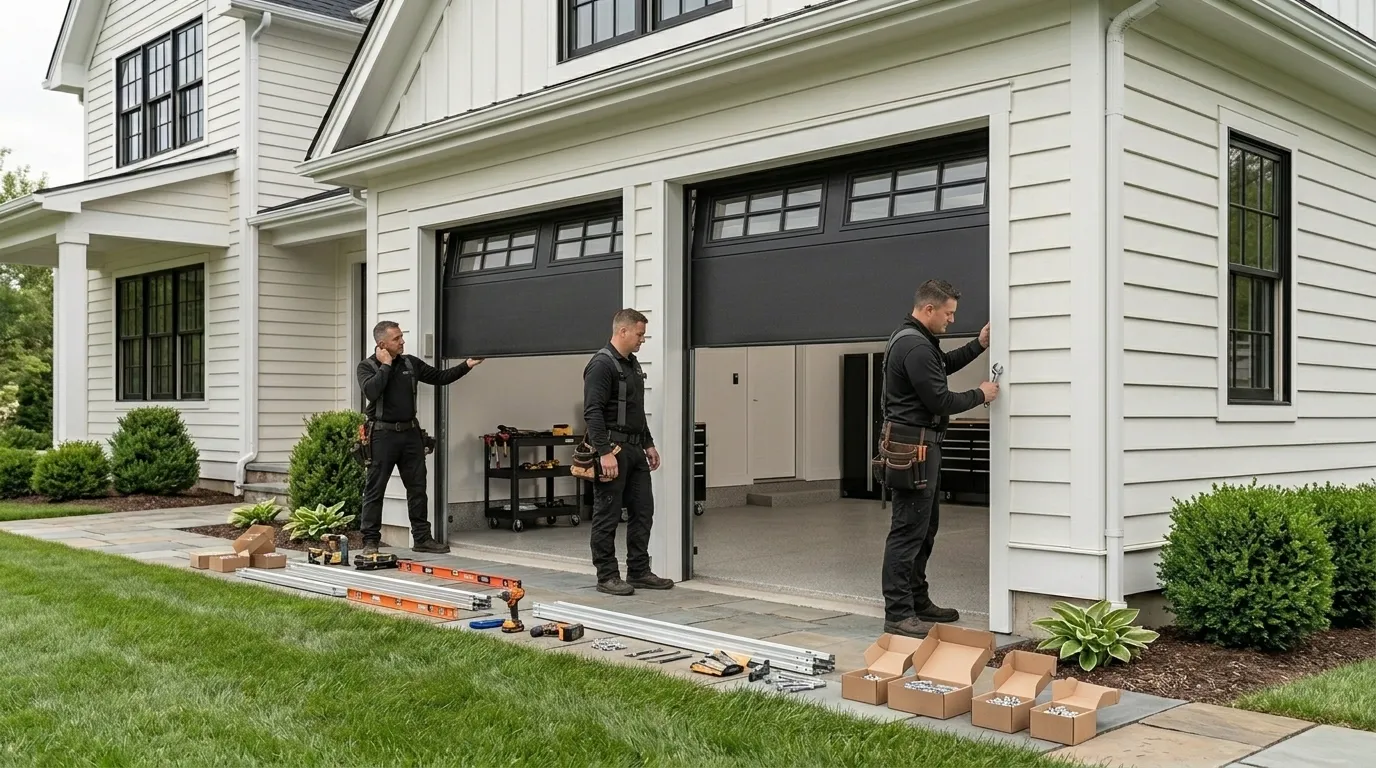
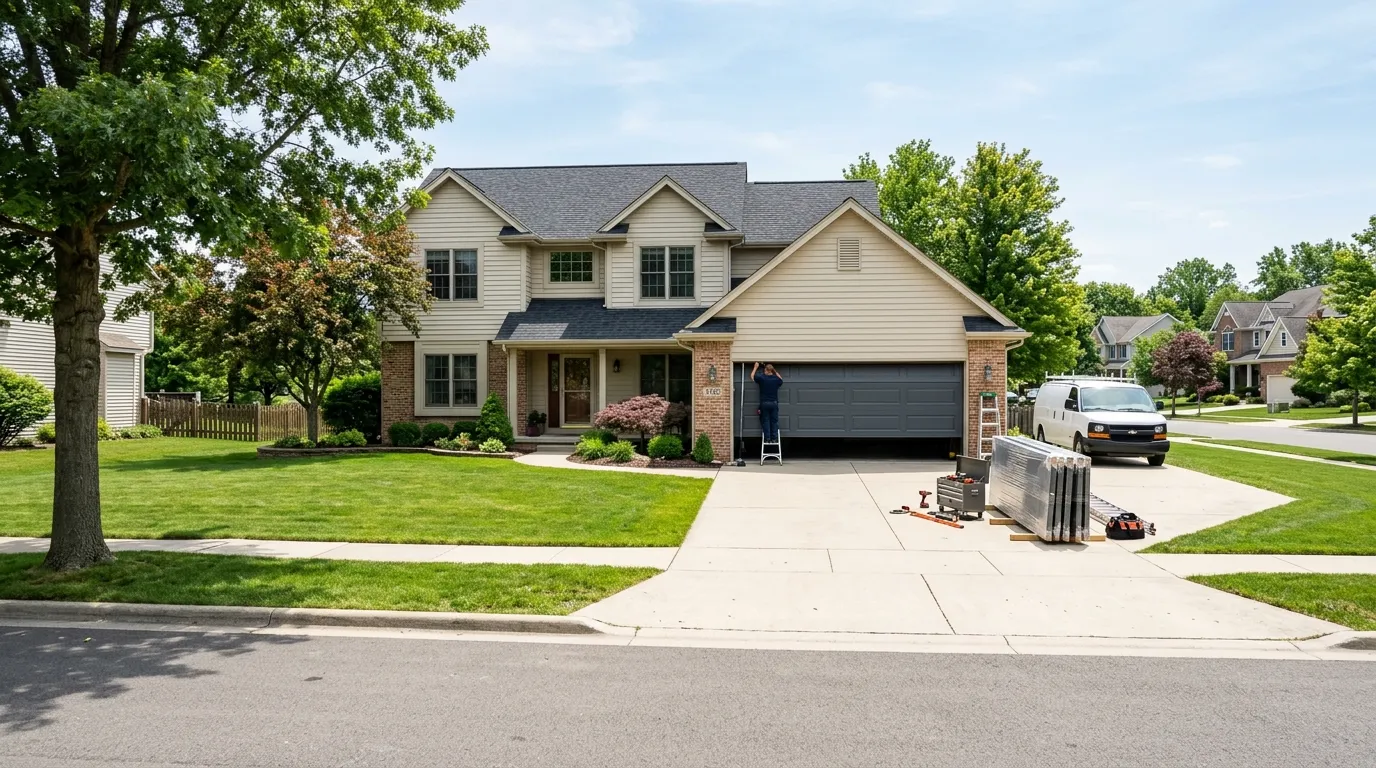
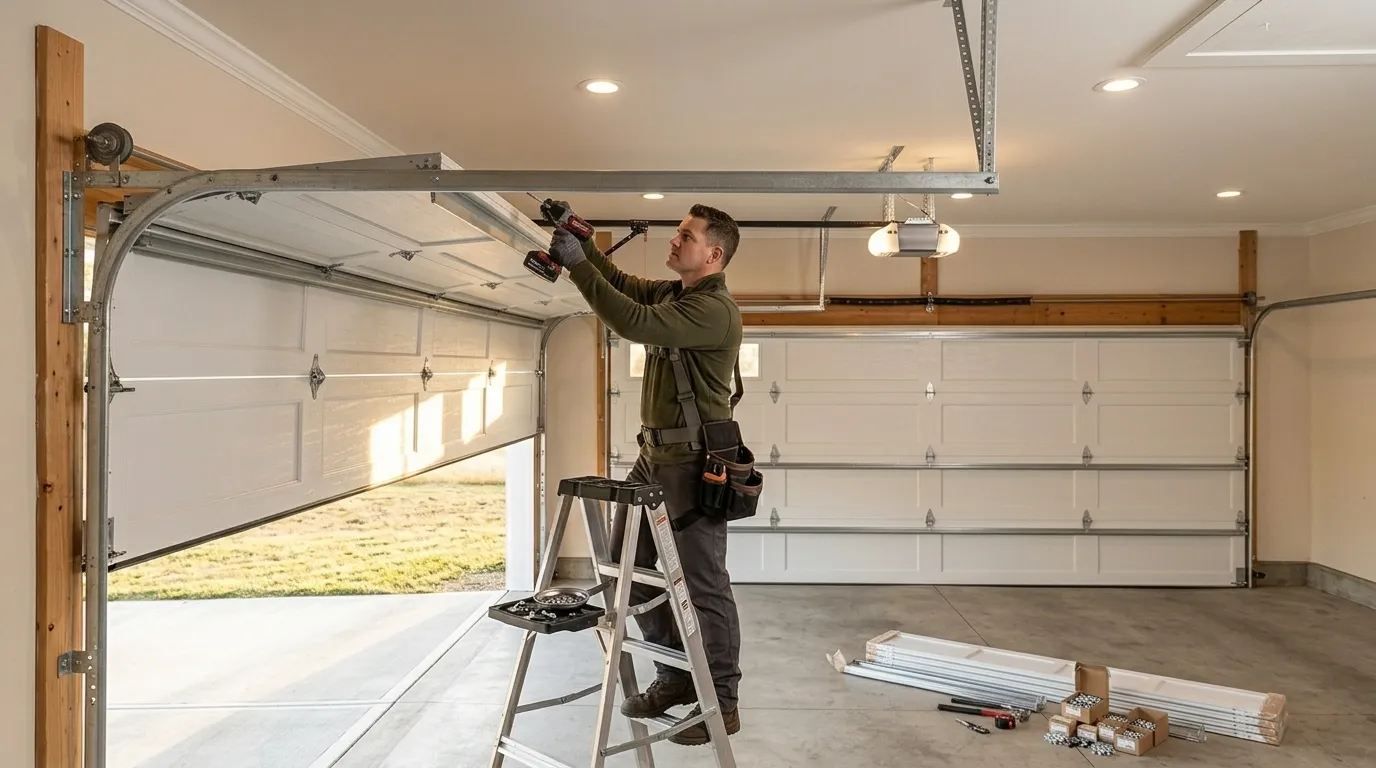
We run out of Mundelein, about 10 miles away, so Lindenhurst isn't a same-block call - we're driving to get to you. We don't promise a same-day window we can't back up, and we won't quote a response time here that isn't real. What we can tell you is that we bring spring sizes and opener parts sized for the mid-80s production doors common in this area, so a job that starts as a diagnostic often finishes as a repair on the same visit, without a second trip for parts. One honest limit: if a door needs a full replacement rather than a repair - cracked panels, a bent track beyond straightening - that's a scheduled job, not a same-visit fix, since we order the door to match your opening rather than carry stock sizes on the truck.
How it works
From “it’s stuck” to “it’s fixed”
01
Tell us what’s wrong
Describe the symptom - won’t open, loud bang, opener runs but the door won’t move.
02
On-site diagnosis
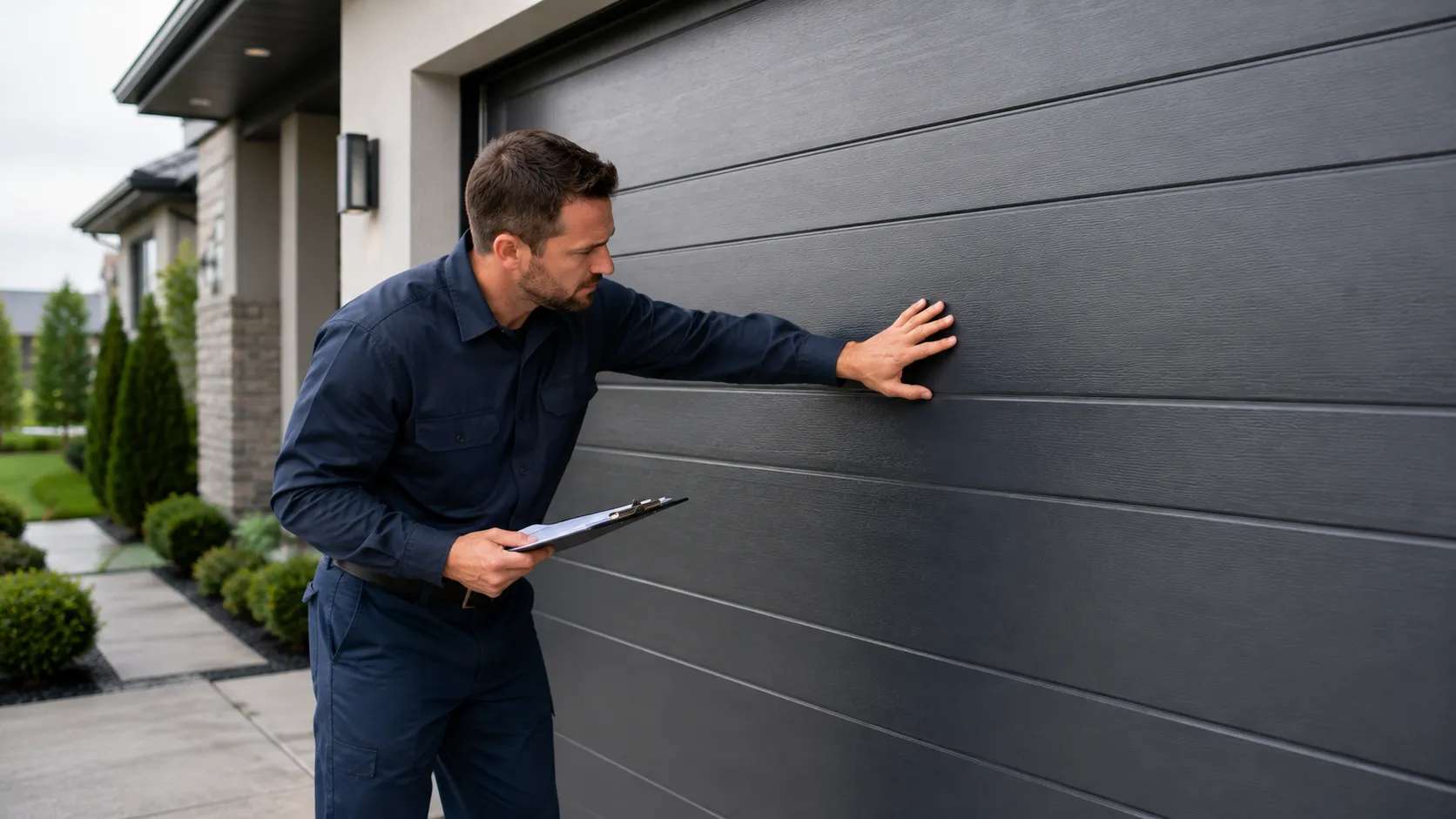
A technician tests the door under power and by hand and finds what actually failed.
03
Clear, up-front plan
You get the fix that’s needed and what drives the cost - before any work starts.
04
Repaired & tested
The repair is done, the door is set true and tested, and the work area left clean.
Serving Mundelein, IL - tell us what your door’s doing and we’ll take it from there.
Why does the build year of my house matter for a garage door repair?
Because spring size, drum size, and opener mounting all changed over the decades. A door built in 1986 uses different torsion spring specs and cable routing than one built in 1965 or 2005. Knowing the year lets us bring the right parts on the first trip instead of guessing and coming back.
Do you have a shop in Lindenhurst?
No, we run out of Mundelein, about 10 miles away. We serve Lindenhurst as part of our coverage area but don't keep a local depot or stock here - everything comes out on the truck from Mundelein.
Is my original torsion spring from the 1980s still safe?
Torsion springs are rated by cycle count, not calendar years, and most residential springs are rated for around 10,000 cycles - a number a daily-use door reaches well before 40 years pass. If yours is original to a mid-80s build, it's a good idea to have it checked rather than wait for it to break.
Why do springs break more in winter?
Cold steel is more brittle than warm steel, so the stress of a spring's last few cycles often shows up as a winter break rather than a summer one. It's not that cold weather ages a spring faster, it's that a spring already near the end of its life is more likely to fail when it's cold out.
Ready to get your garage door sorted?
Tell us what it’s doing and where you are in Mundelein - we’ll take it from there.