This Area's Housing
The median year built here is 1957, which puts Long Lake noticeably ahead of the broader service area's 1984 median. That's not a small gap. Houses from this era were built with garage openings and framing that assume the door hardware of their time - lighter panels, narrower tracks, and springs sized for doors that weigh less than what's sold today.
Across the wider coverage area, median household income runs $121,583, but Long Lake's figure is $100,824. We mention it because it shapes the calls we get: more requests to fix what's there, fewer requests to gut and replace with a high-end insulated door. Both are legitimate jobs, and we do both, but we don't assume everyone here wants the top-shelf option pushed on them.
How That Shows Up in the Door
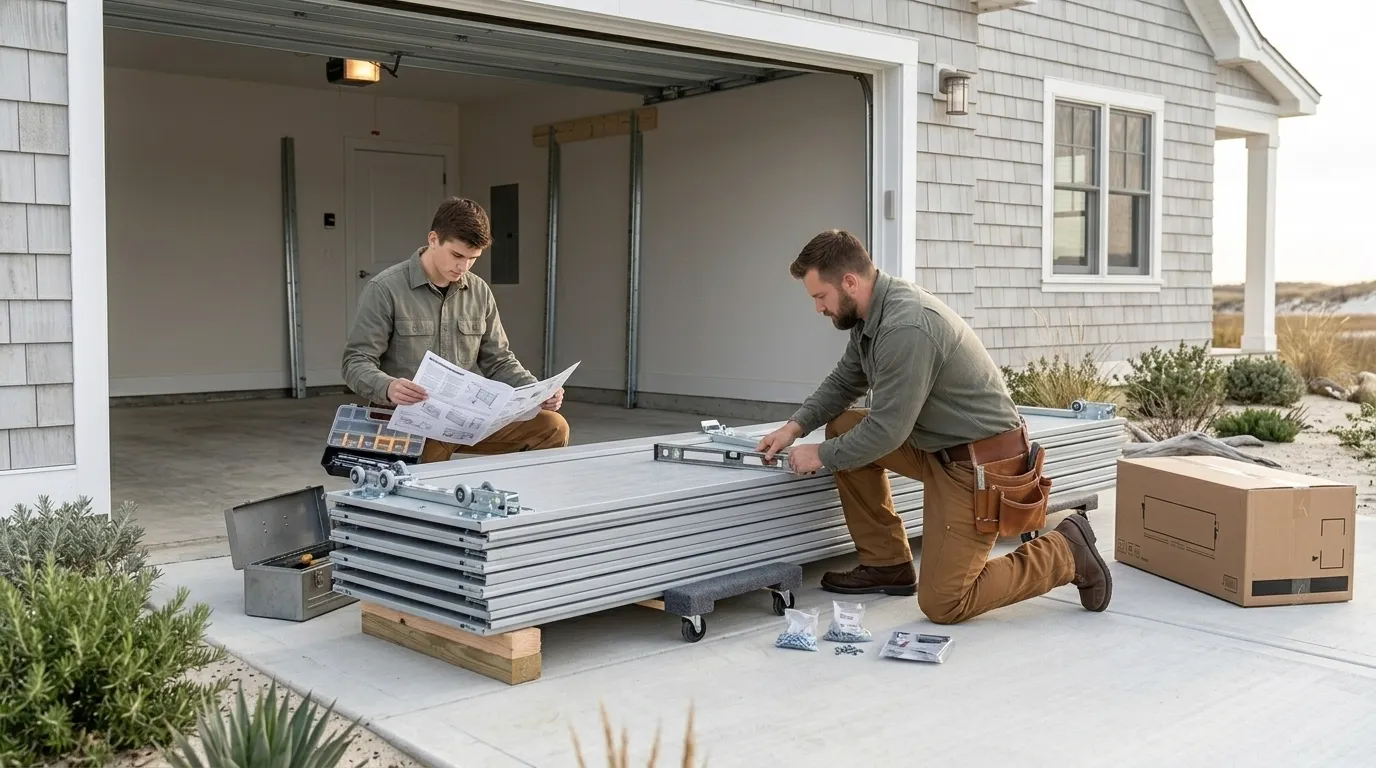
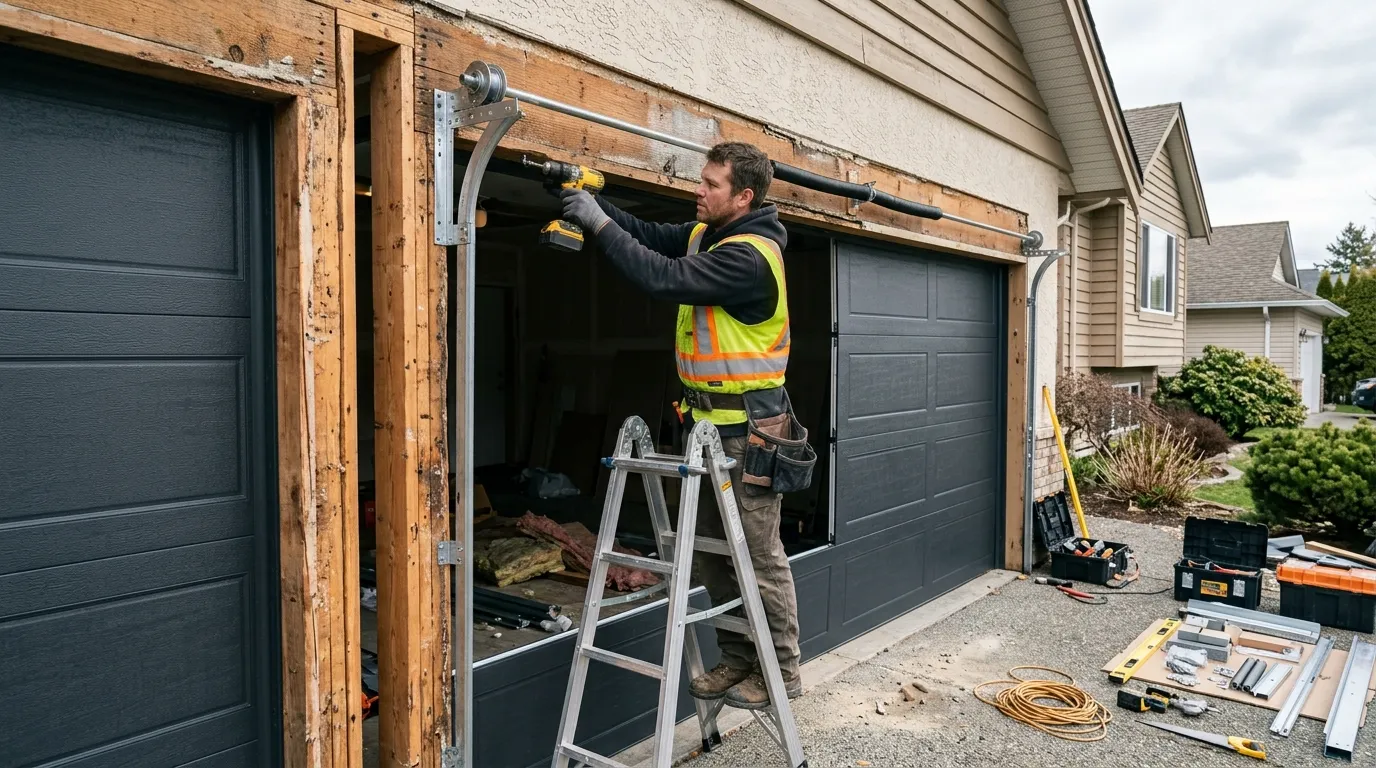
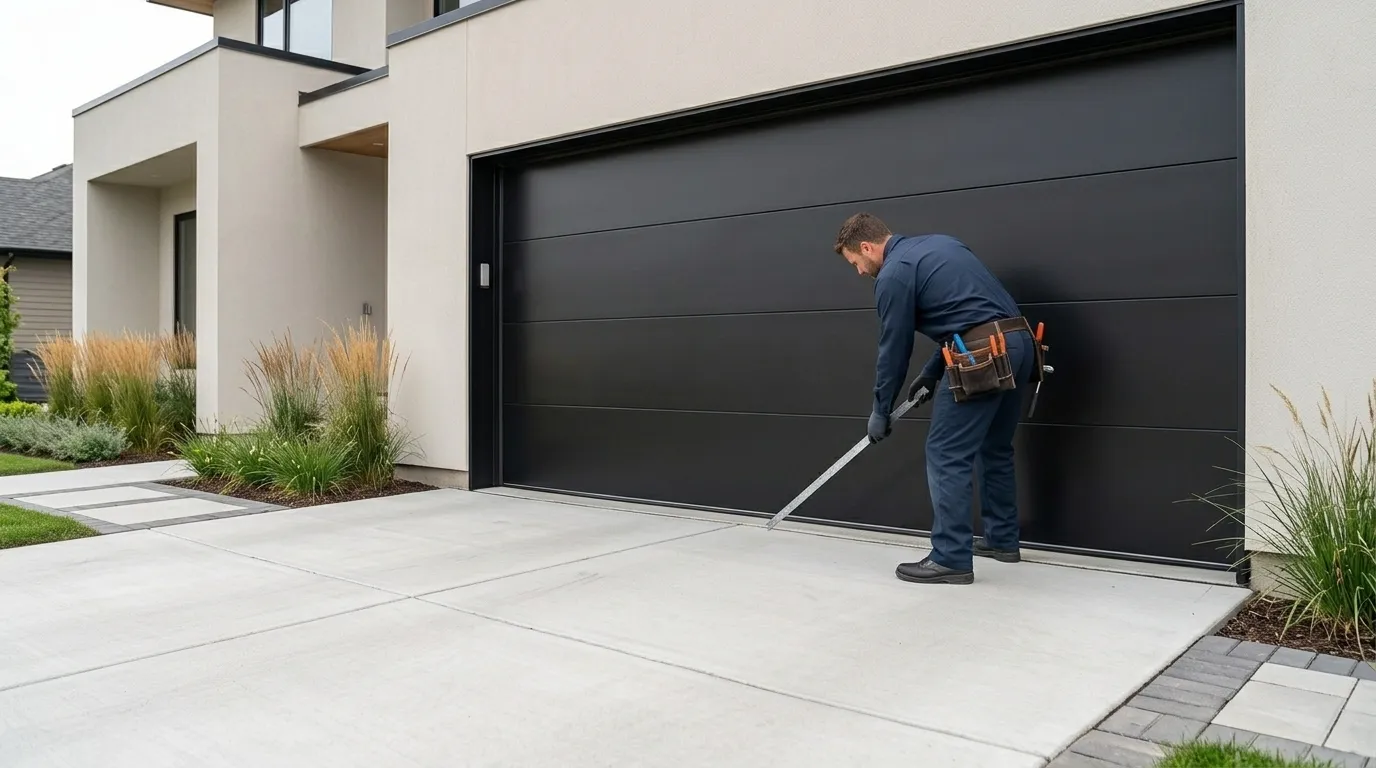
A door hung in a 1957 opening usually means one of two things by now: the original hardware, patched over the decades, or a replacement door from the 80s or 90s dropped into a frame that was never resized. Either way, torsion springs on these older setups are often undersized for anything but the lightest panel, and when a homeowner upgrades to a heavier insulated door without upgrading the spring, that's a call we get within a year or two.
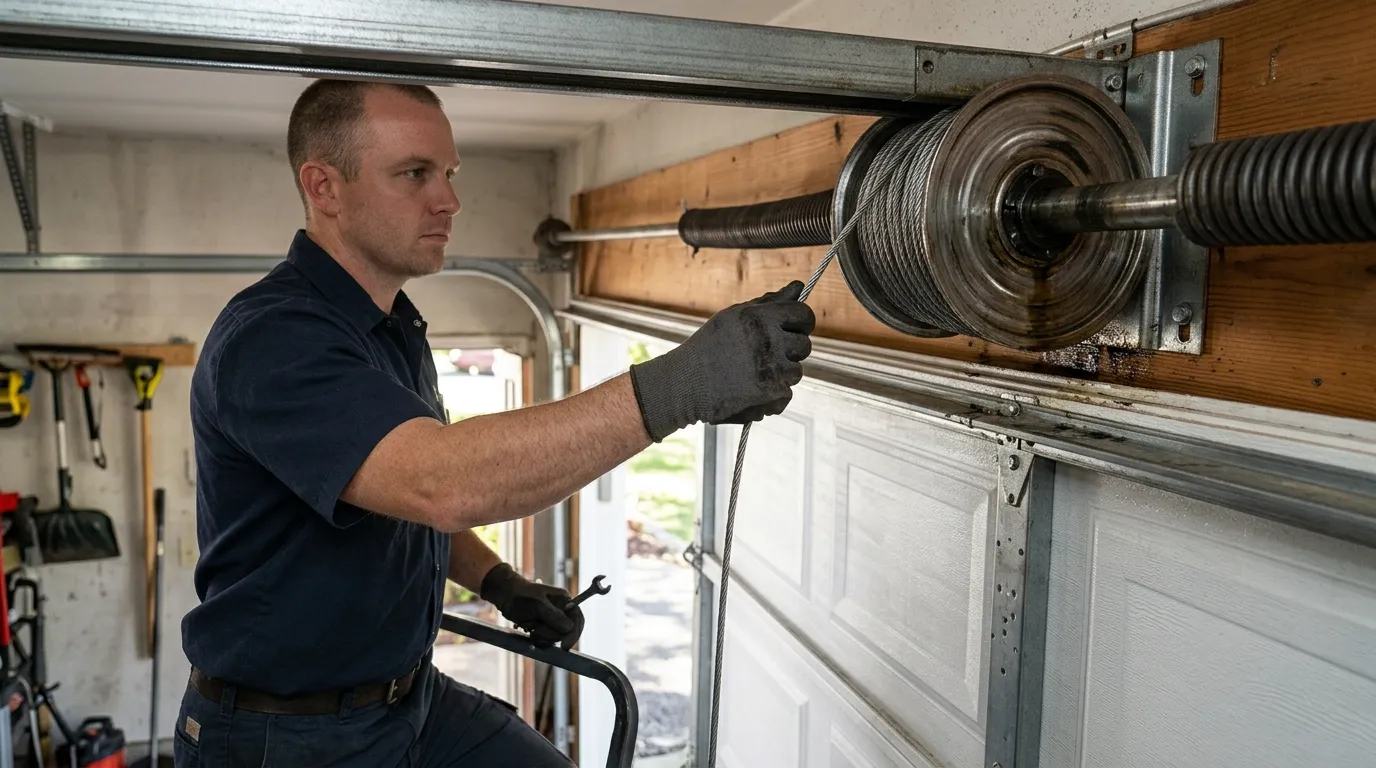
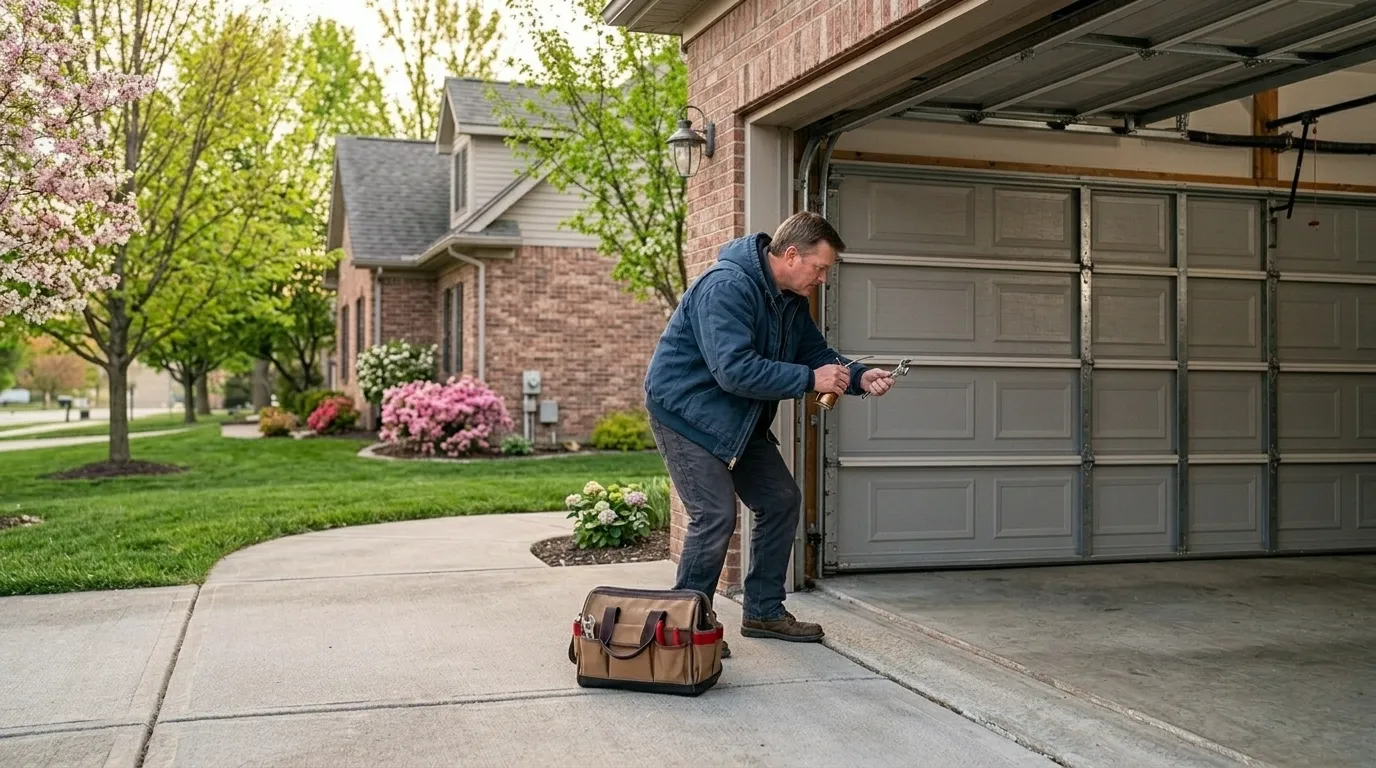
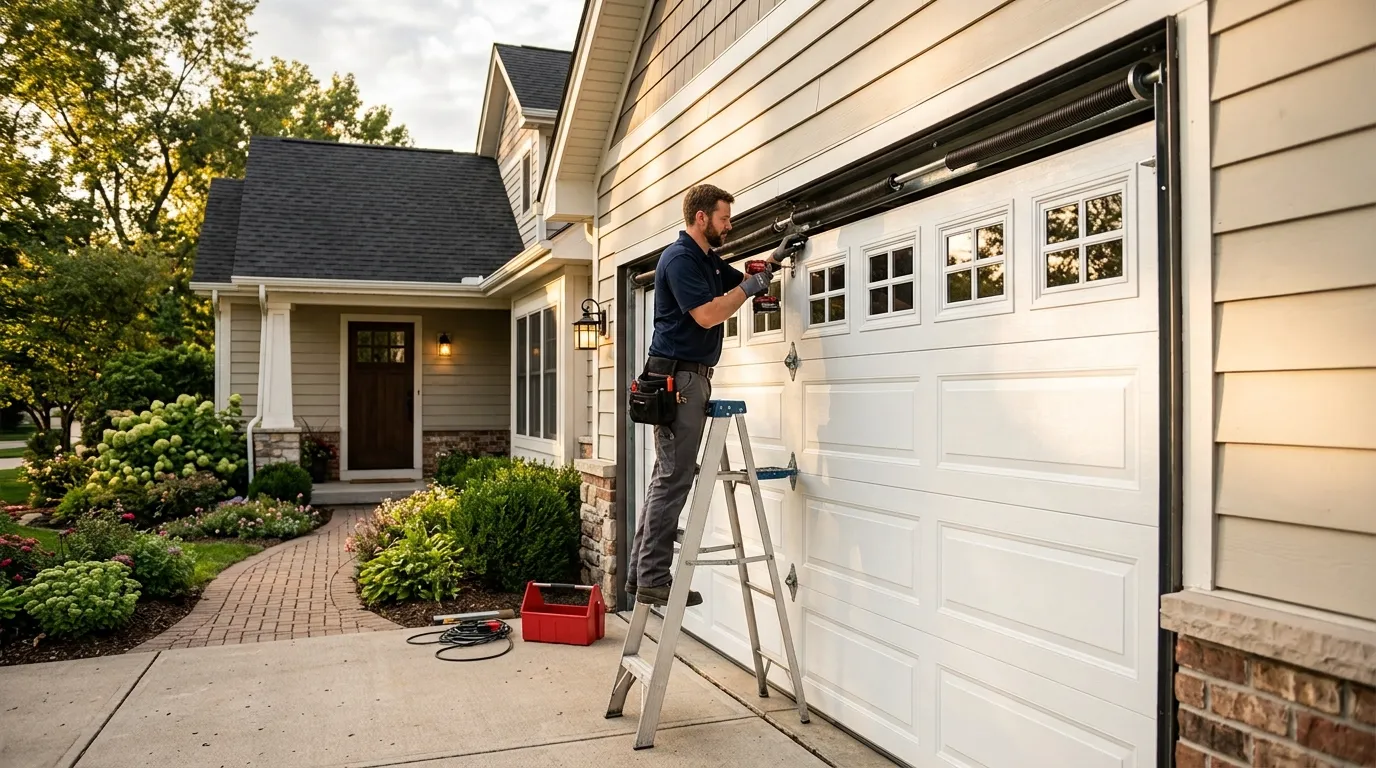
The cold band this area sits in adds its own wear. Winters here put real stress on steel torsion springs and on the cable drums that wear at the same rate as the spring cycles down. On a house built before double-wall steel doors were common, we're also checking whether the track was ever reinforced for anything heavier than what shipped with the house originally. We won't sell you a spring upgrade you don't need, but on older openings we do check it before closing out the job.