This Area's Housing
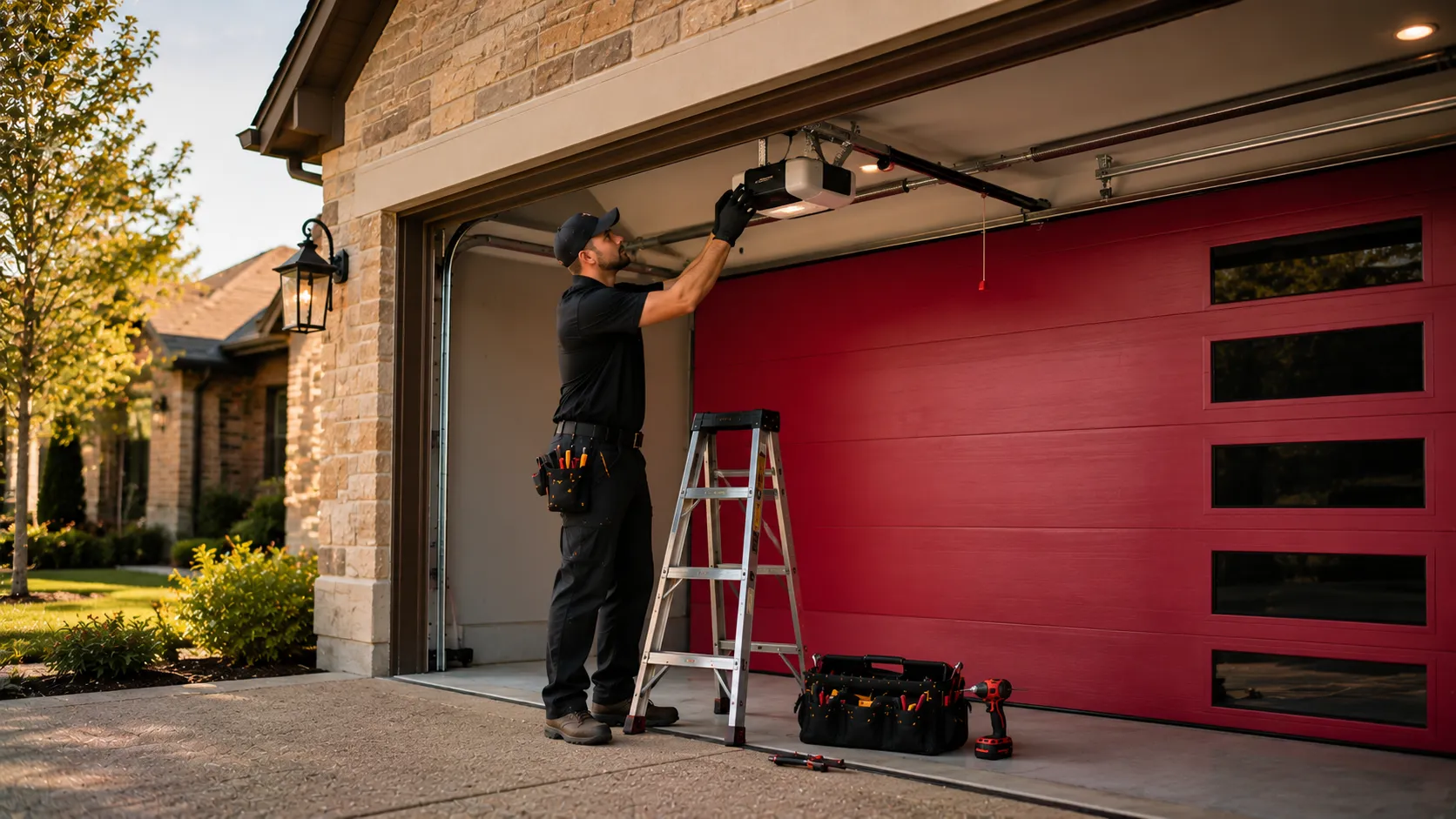
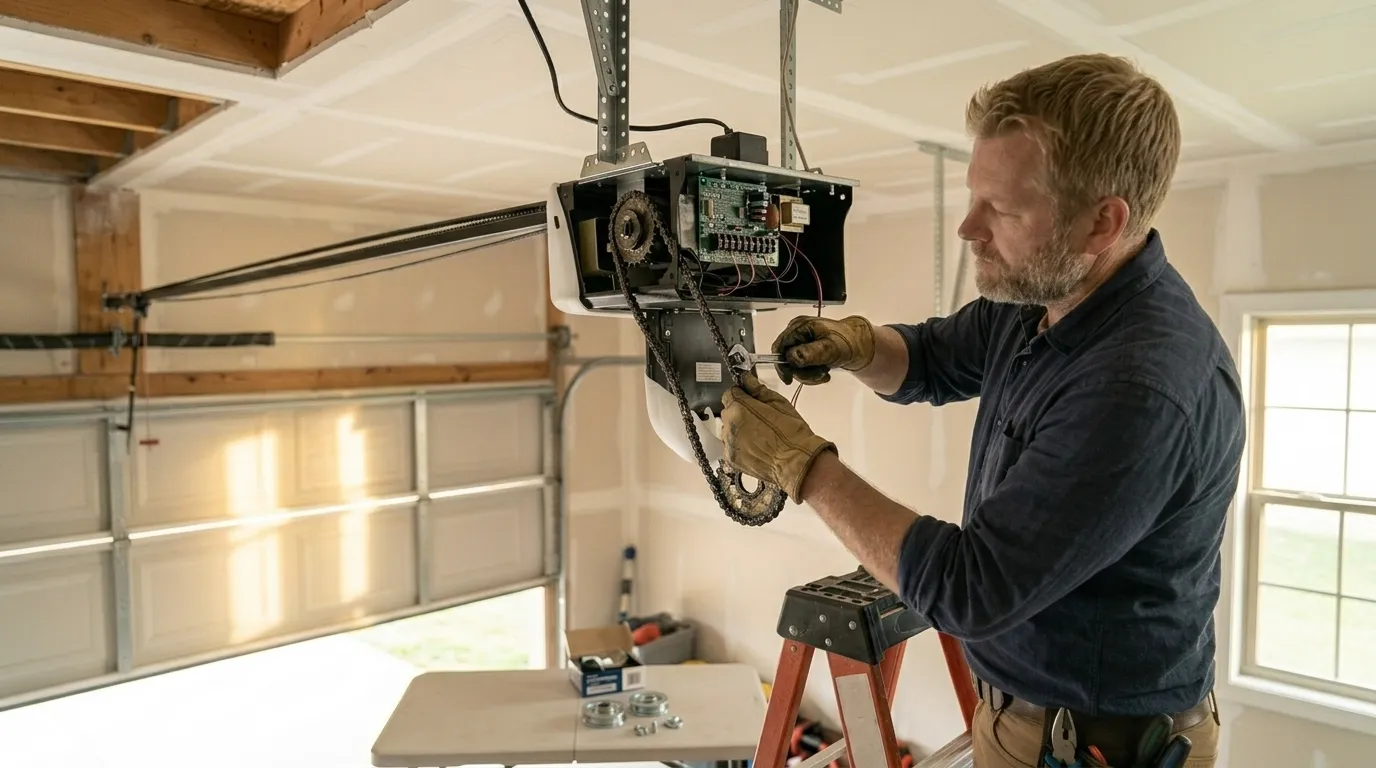
A median build year of 1986 puts most Mettawa garage doors squarely in the pre-insulated-code, pre-digital-opener generation. At that point steel doors were single-layer or lightly insulated, tracks were often the narrower residential gauge, and openers ran on older logic boards without today's rolling-code security or battery backup. Combine that with median household income here around $175,074, and what we see on service calls is a homeowner base that tends to ask for the door to be brought up to current standards rather than patched piece by piece - better weatherseal, a heavier-gauge insulated panel, an opener with battery backup for winter outages. It's a smaller area, so we're not managing dozens of housing sub-eras; the fixes we quote here cluster tightly around what a mid-80s door and opener actually need 35-plus years on.
How That Shows Up in the Door
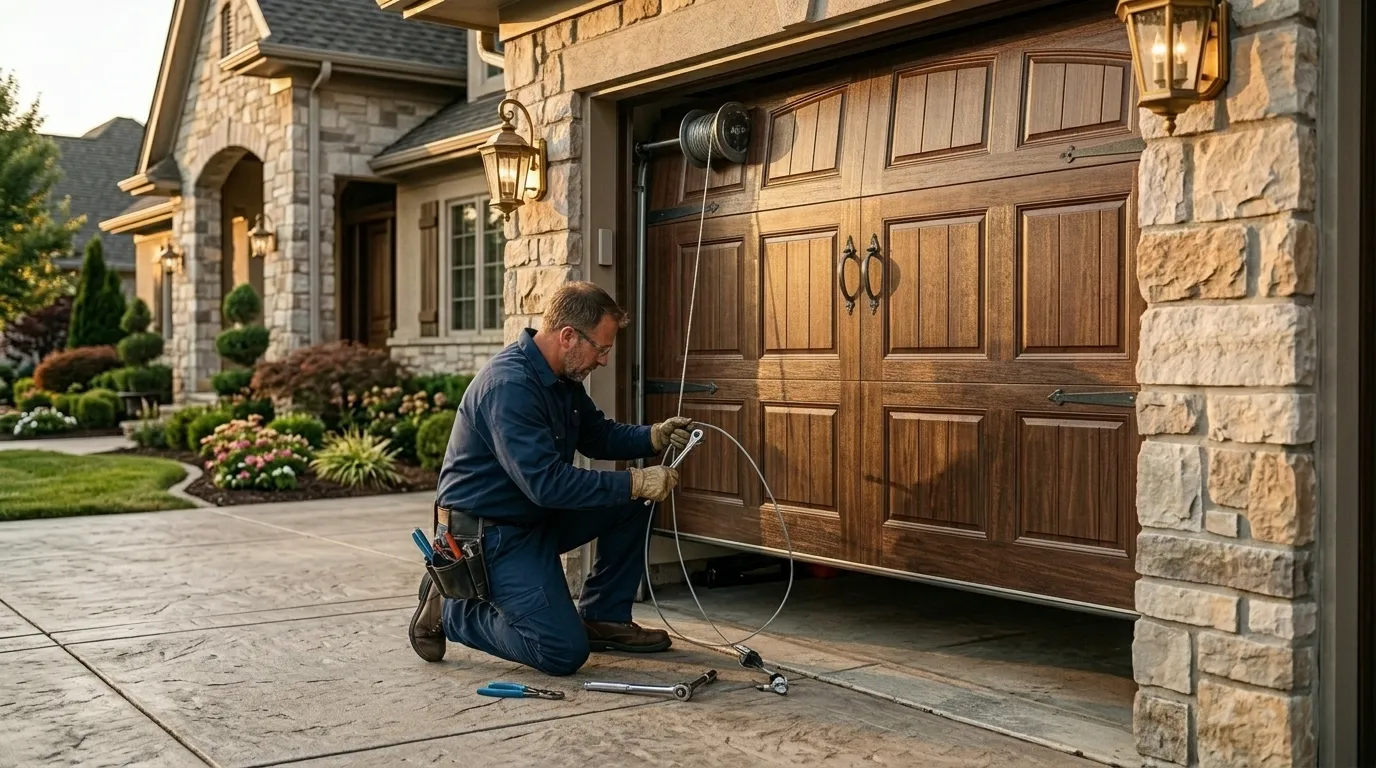
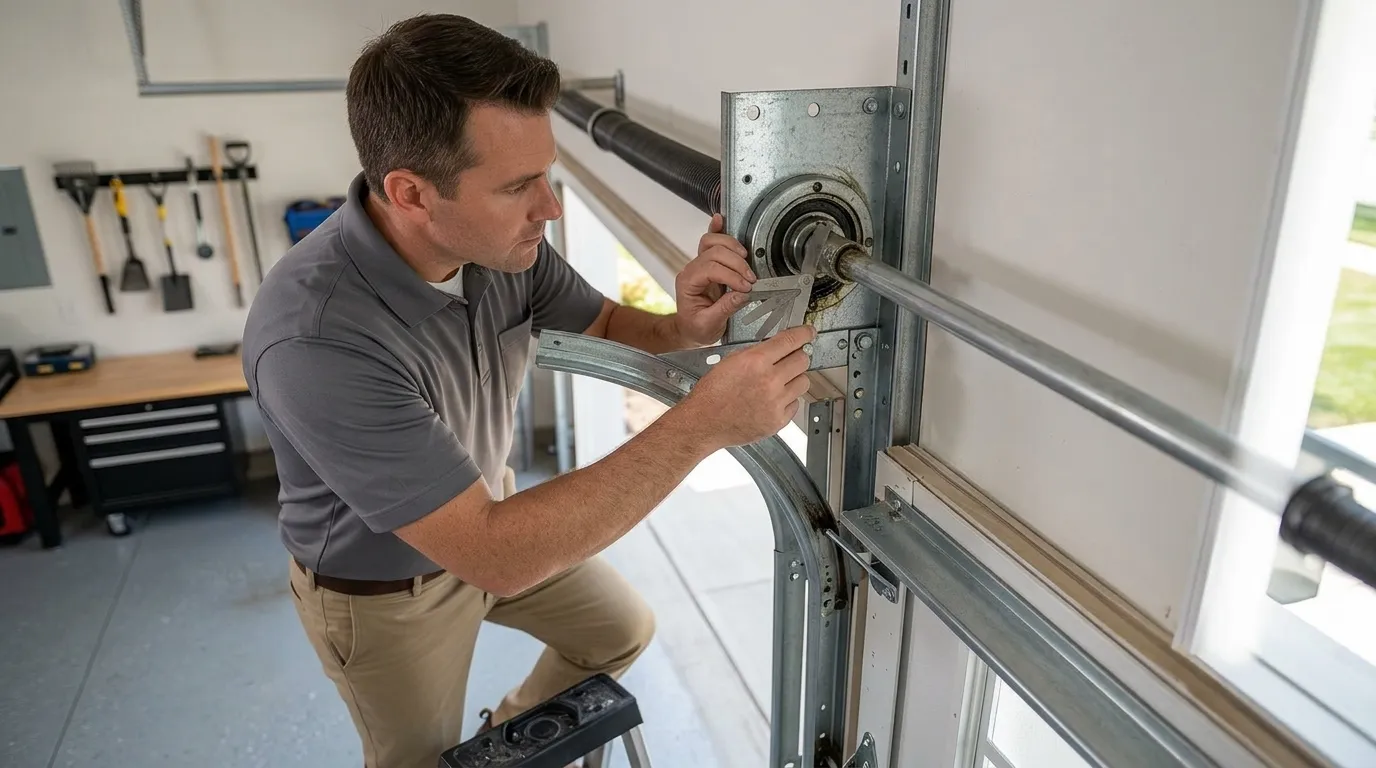
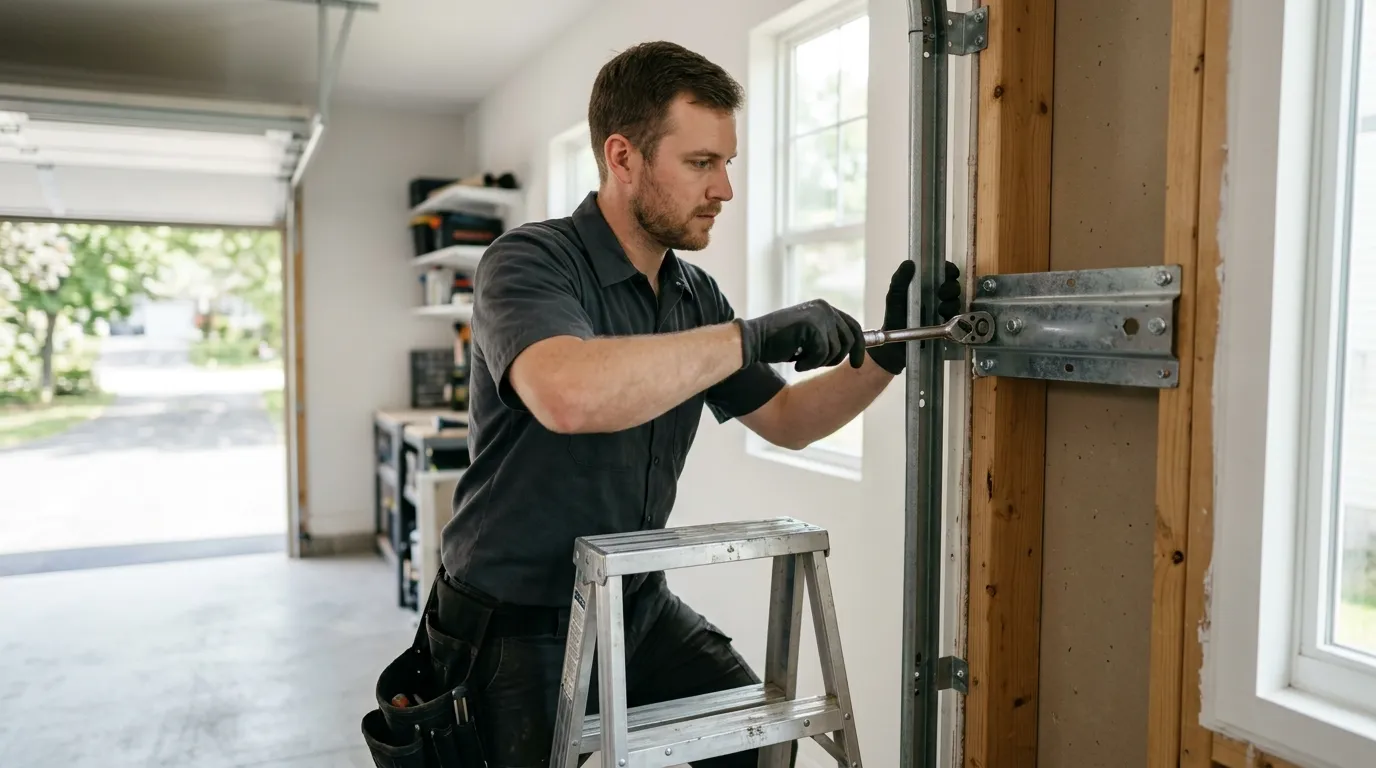
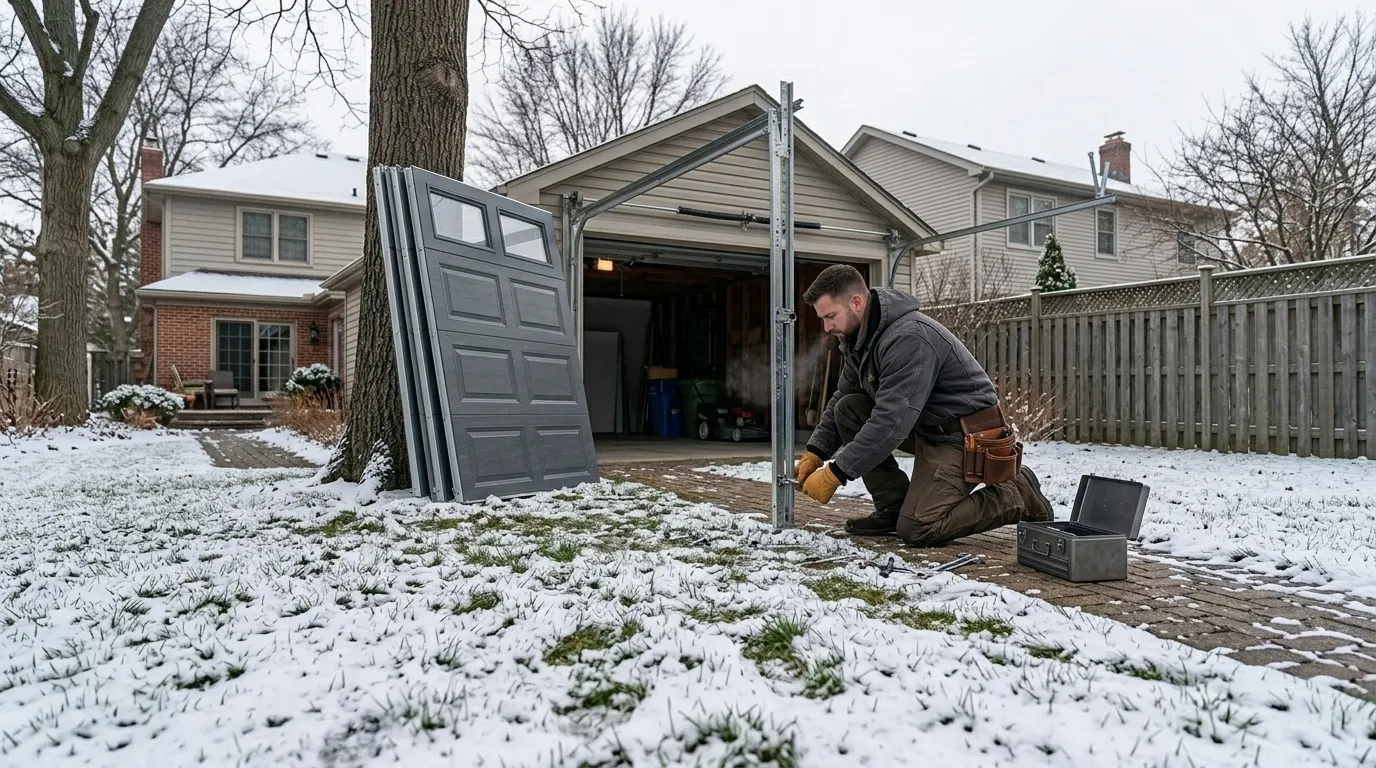
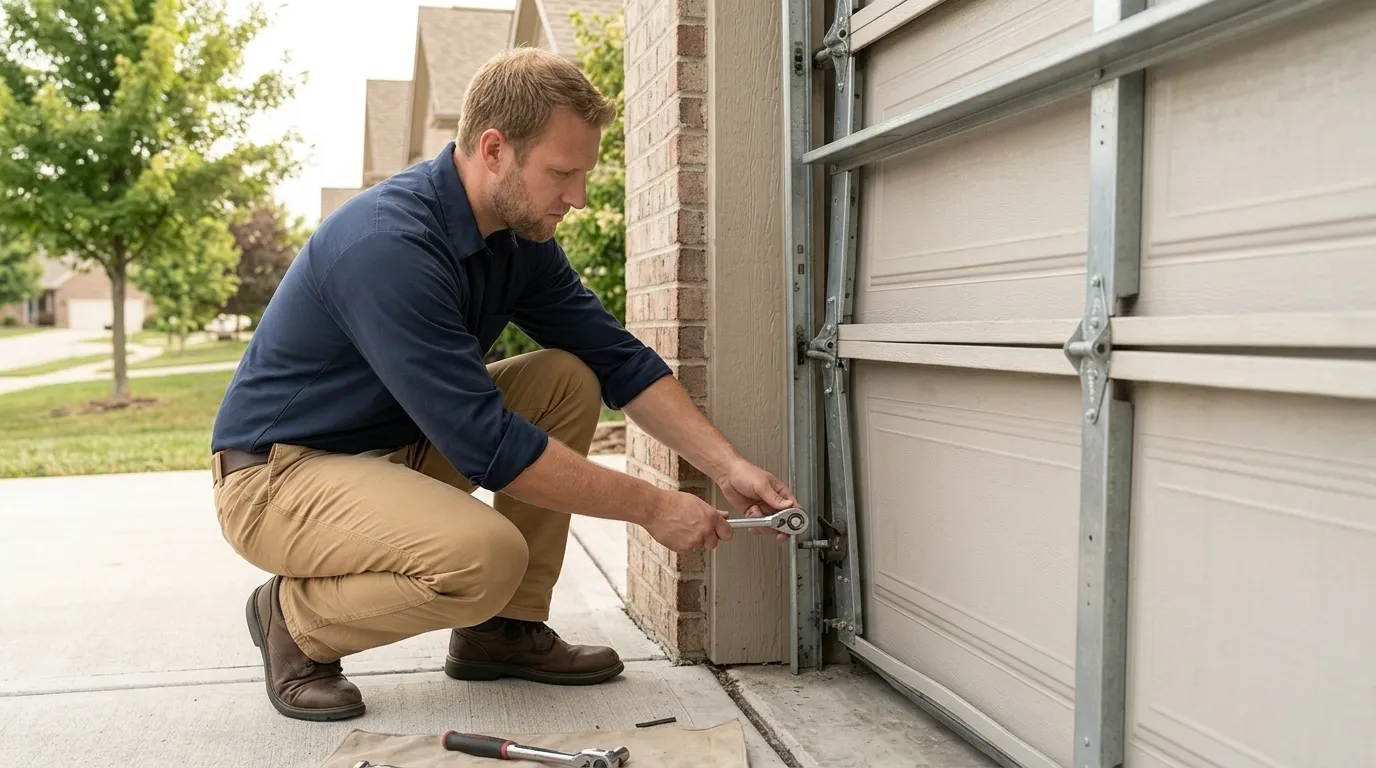
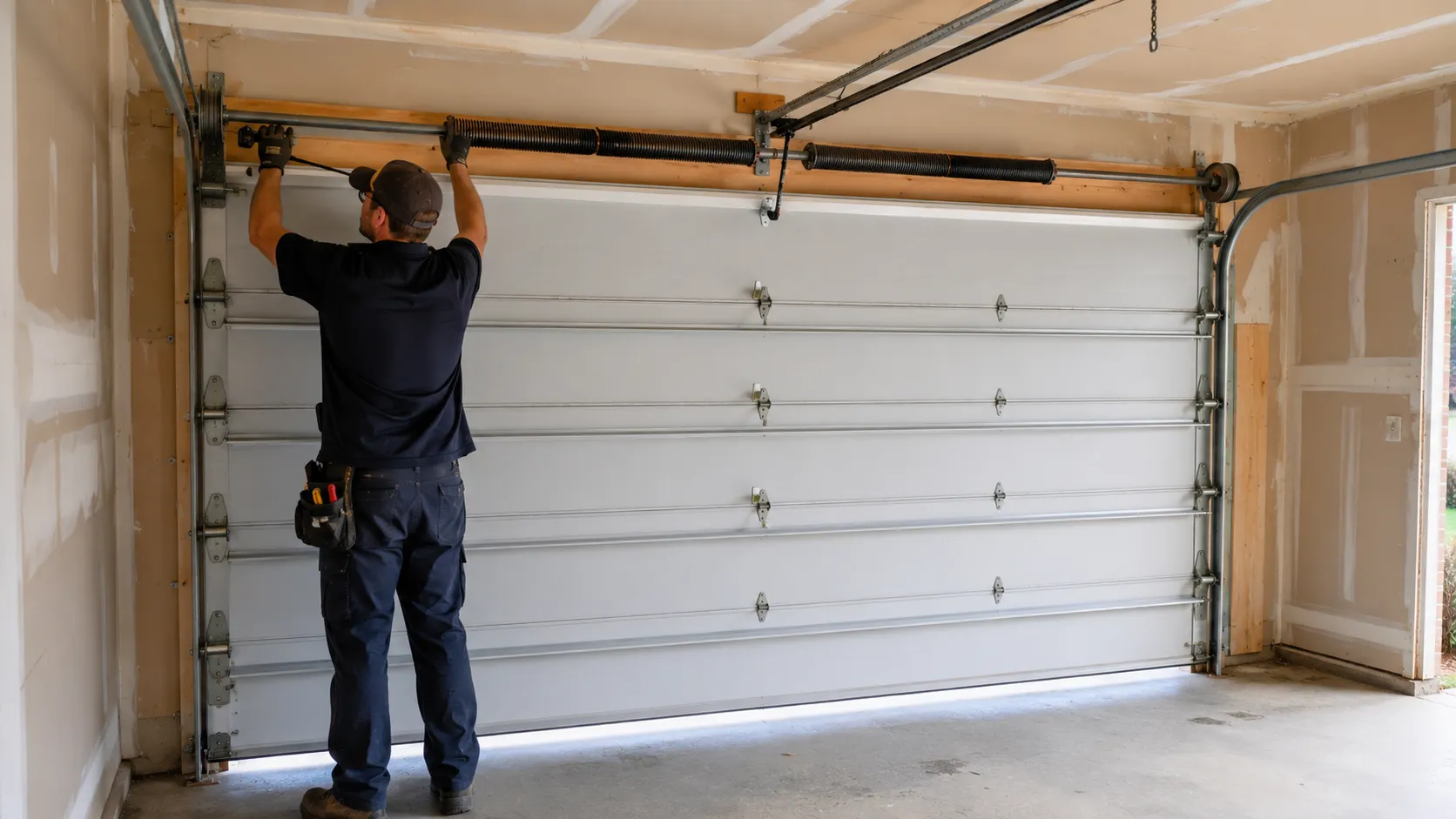
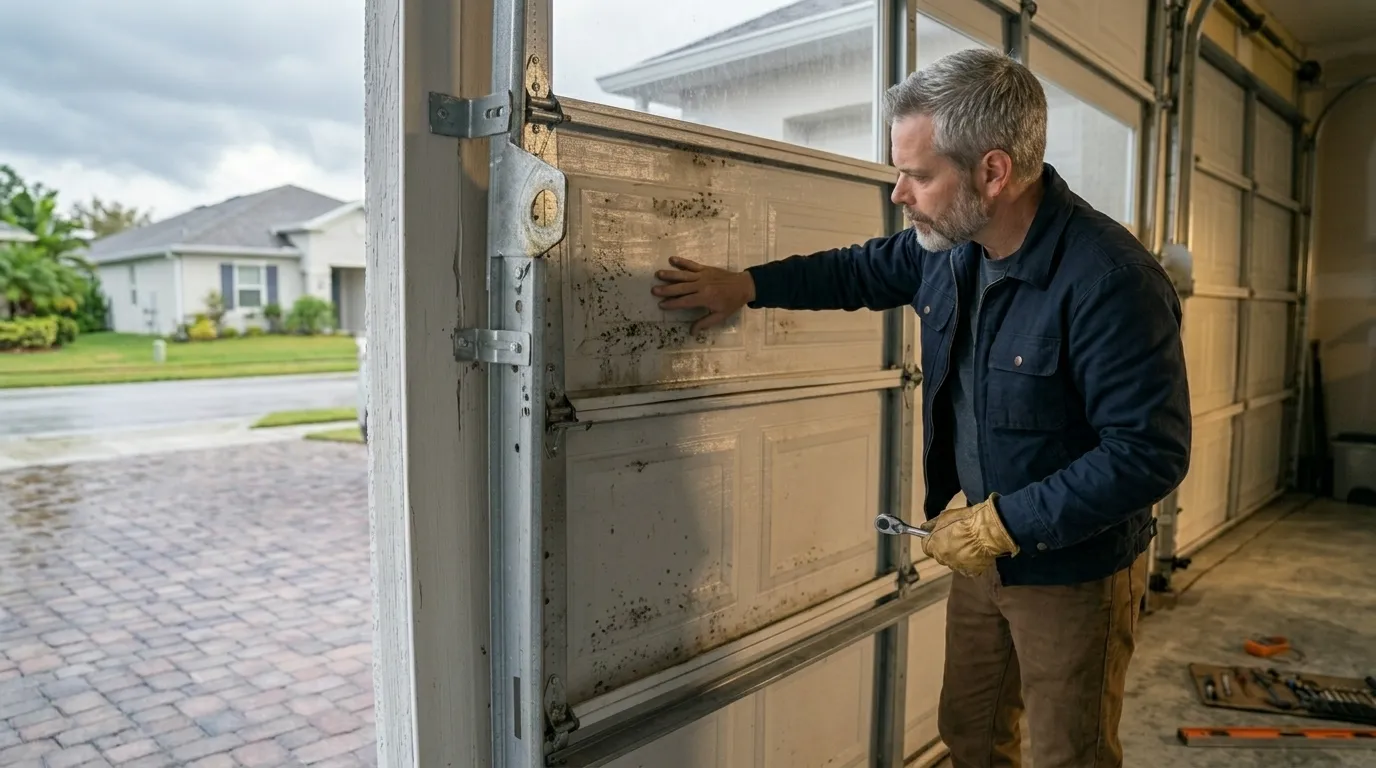
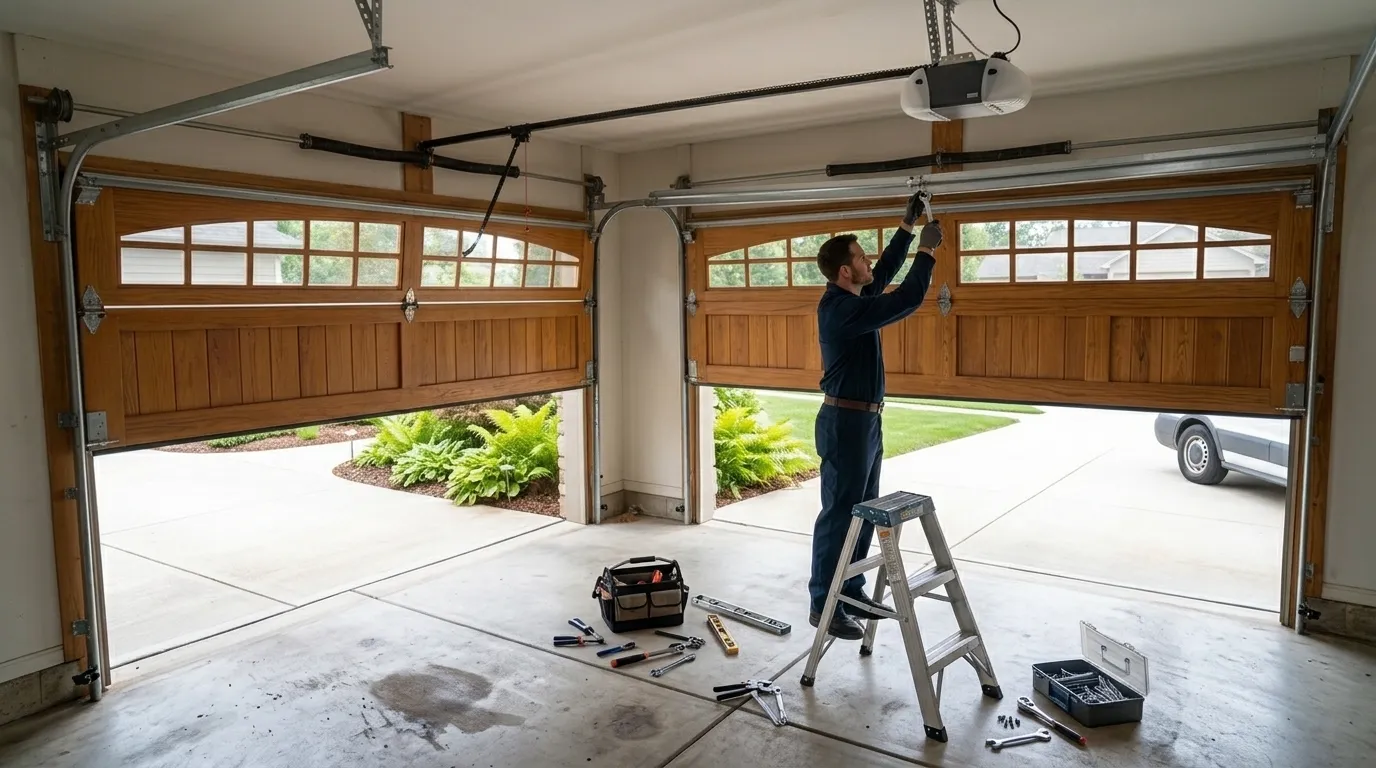
Cold-climate winters are hard on any garage door, but they're harder on hardware built before insulation and weatherseal design caught up to the region's temperature swings. On a mid-80s Mettawa door, that usually means a torsion spring that's lost tension and started binding on cold mornings, a bottom seal that's cracked and let frost creep along the slab, or rollers that have worn oval and start jumping the track once the grease inside them thickens up in the cold. We also see steel panels from that era rusting through at the bottom corners where snowmelt sits against uninsulated steel. None of this is unusual for a house of this age - it's what happens to a 35-plus-year-old door in a severe cold climate, and it's the reason a spring or seal job here is rarely a one-off; the rest of the hardware from the same install date is usually close behind it.