This Area's Housing
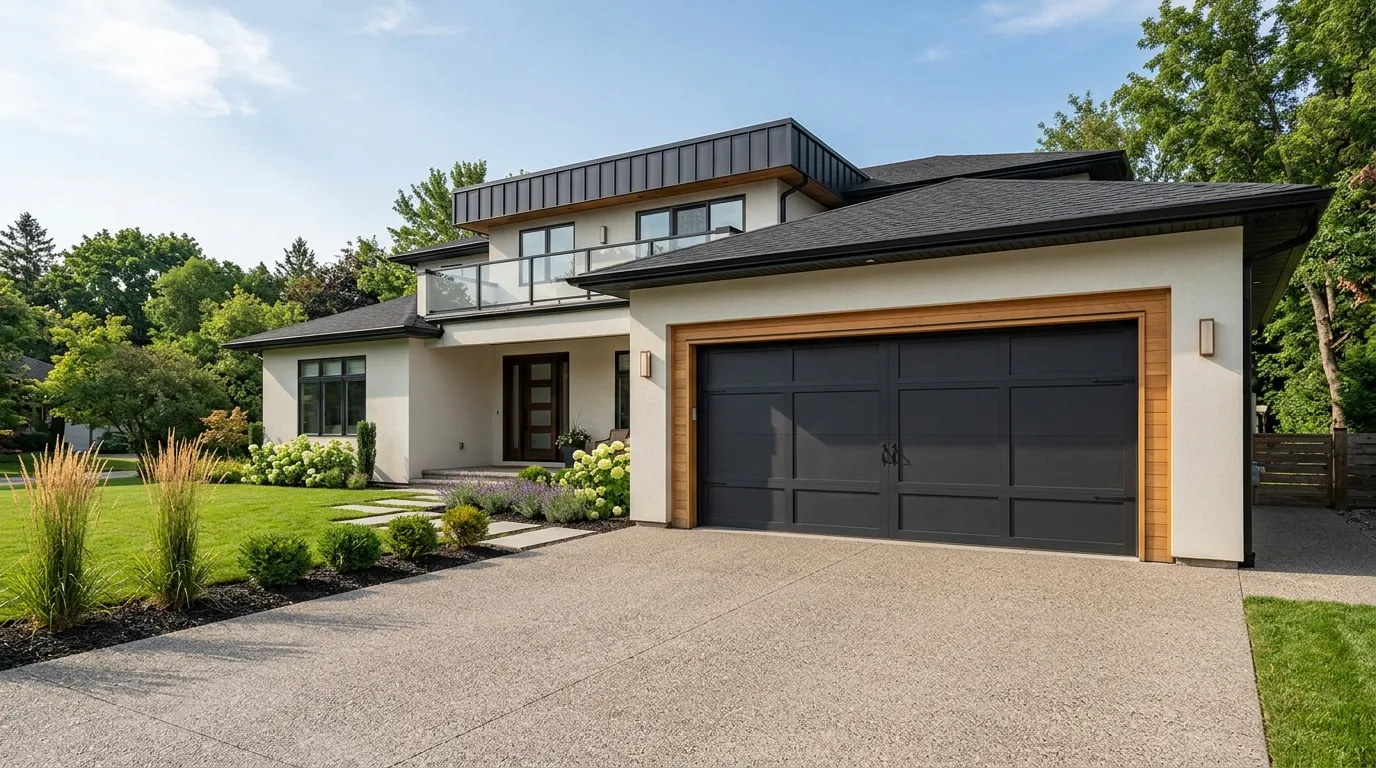
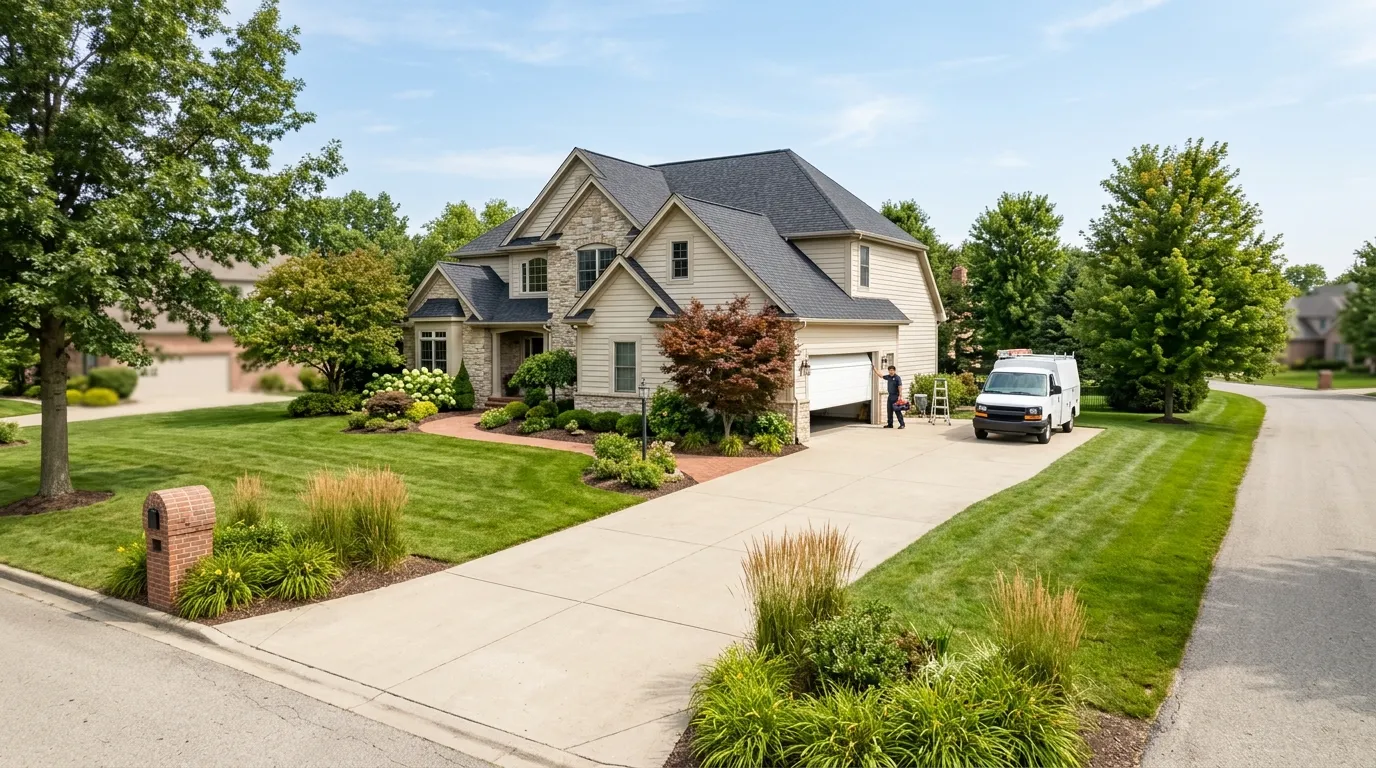
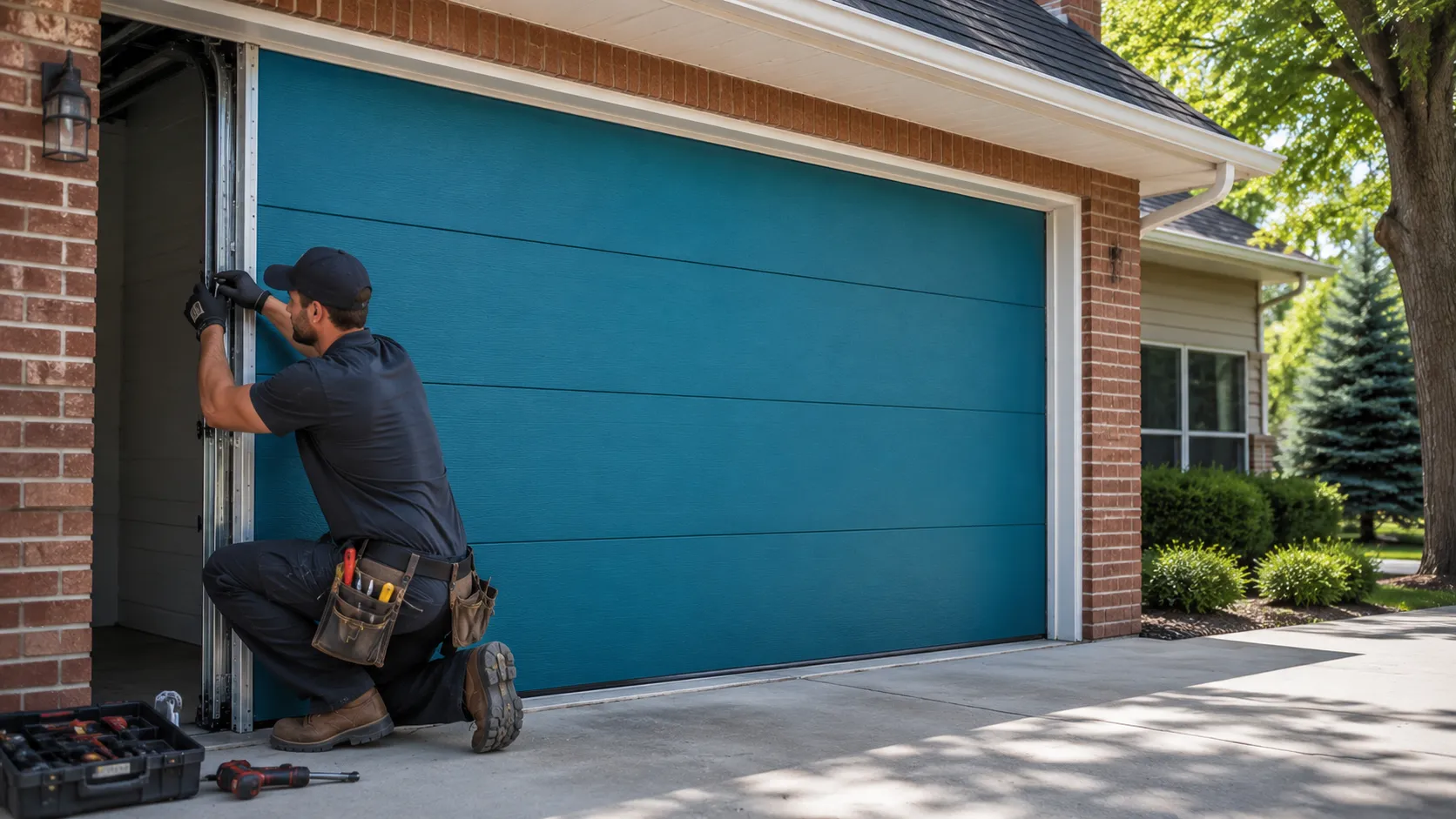
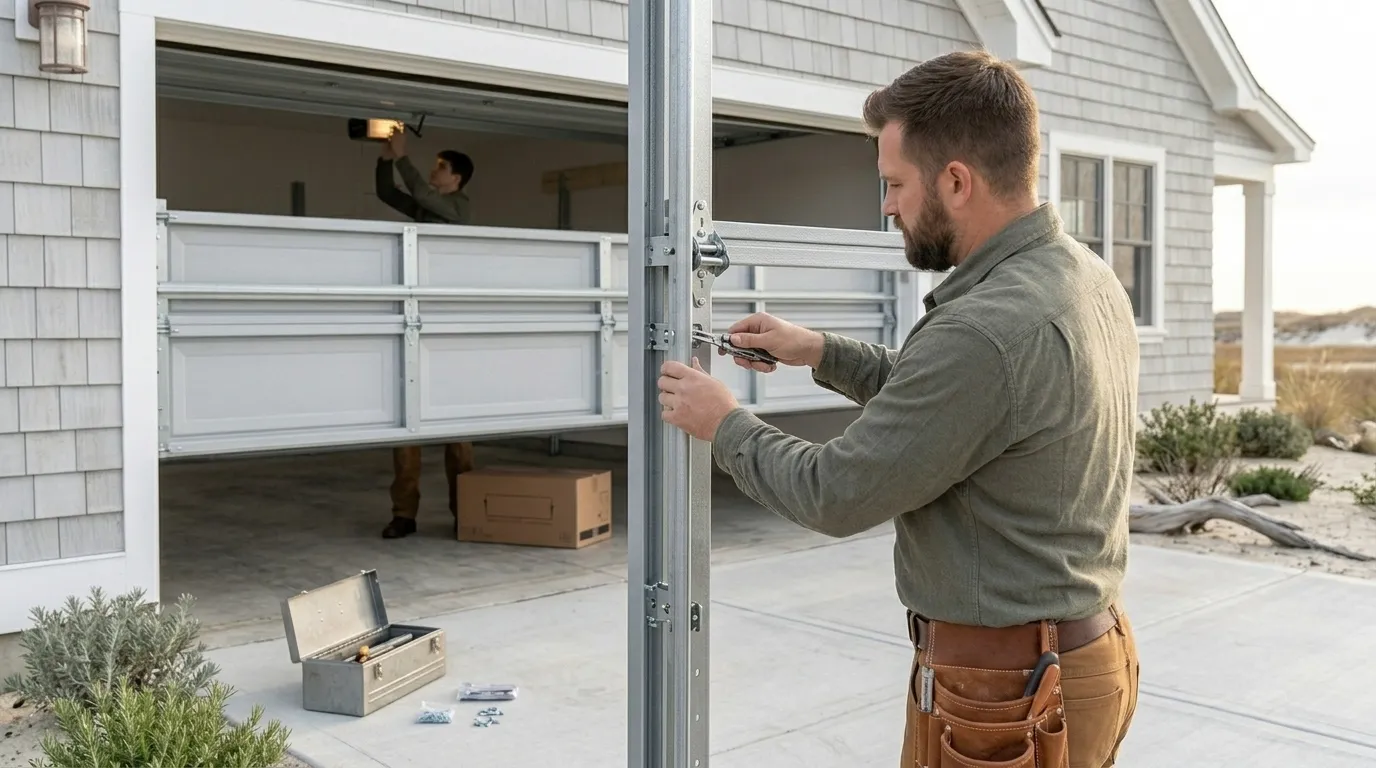
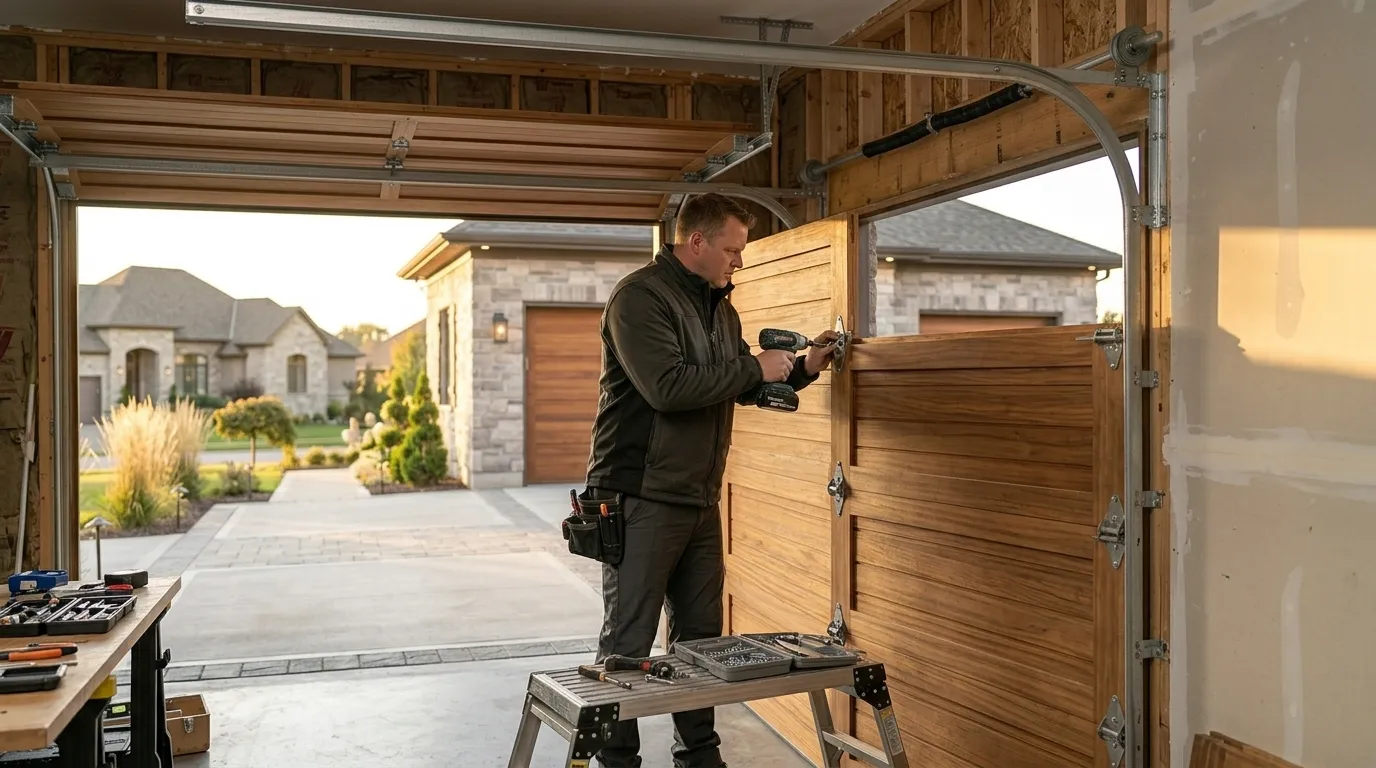
North Barrington's homes carry a median build year of 1982, a touch earlier than the wider service area's 1984 median, which itself spans houses from 1938 up to 2009. With about 1,099 households here and a median income of $216,250 - well above the broader service area's $121,583 - a lot of these garage doors were higher-end installs for their time: heavier insulated panels, wider double-door openings, and openers built for two-car loads rather than the single-bay units common in older, denser stock nearby. That combination matters. A door built to a higher spec in 1982 still ages the same way steel and springs age, but the parts and the weight underneath them are not interchangeable with a builder-grade door from the same decade in a different subdivision.
How That Shows Up in the Door
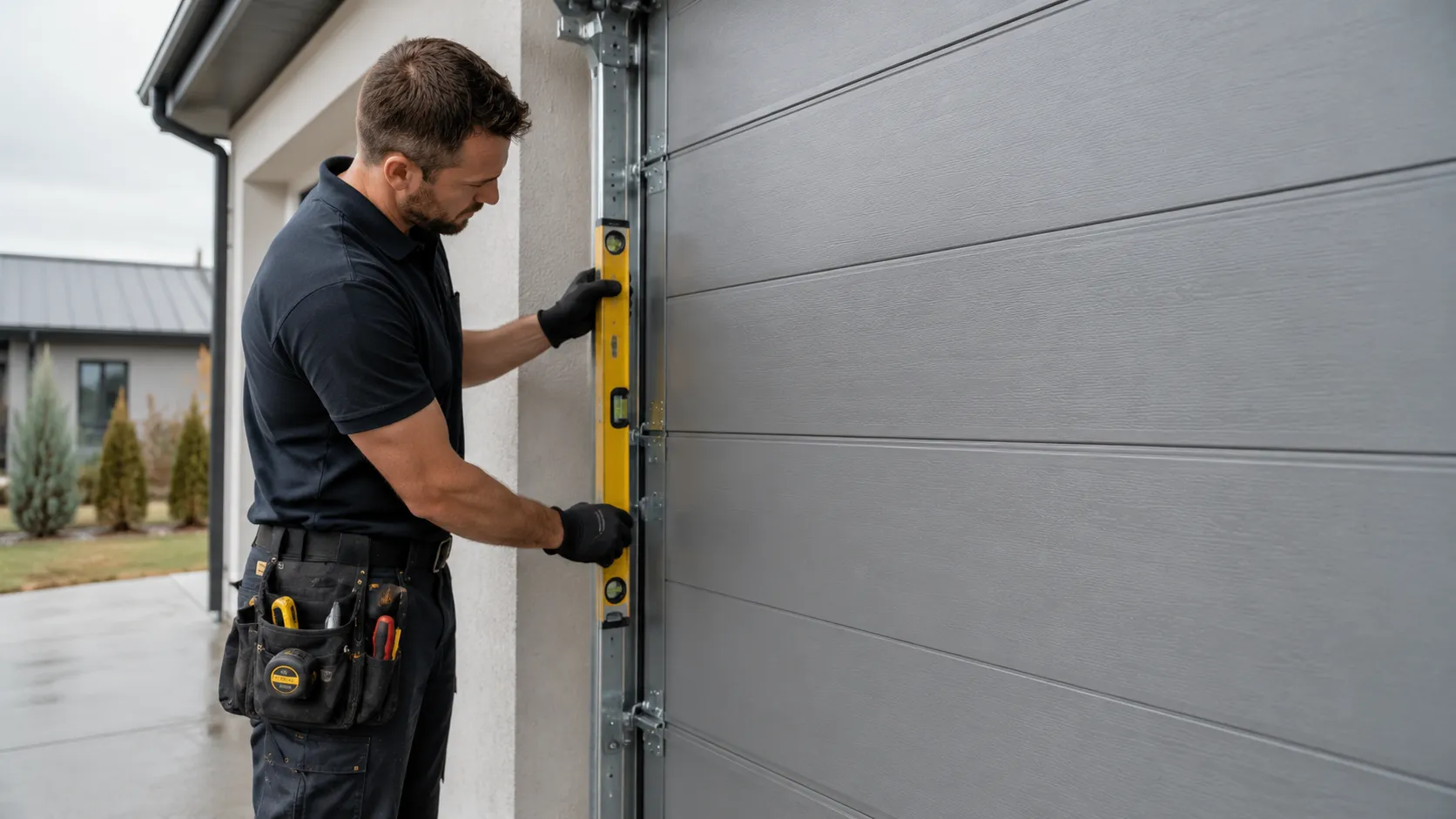
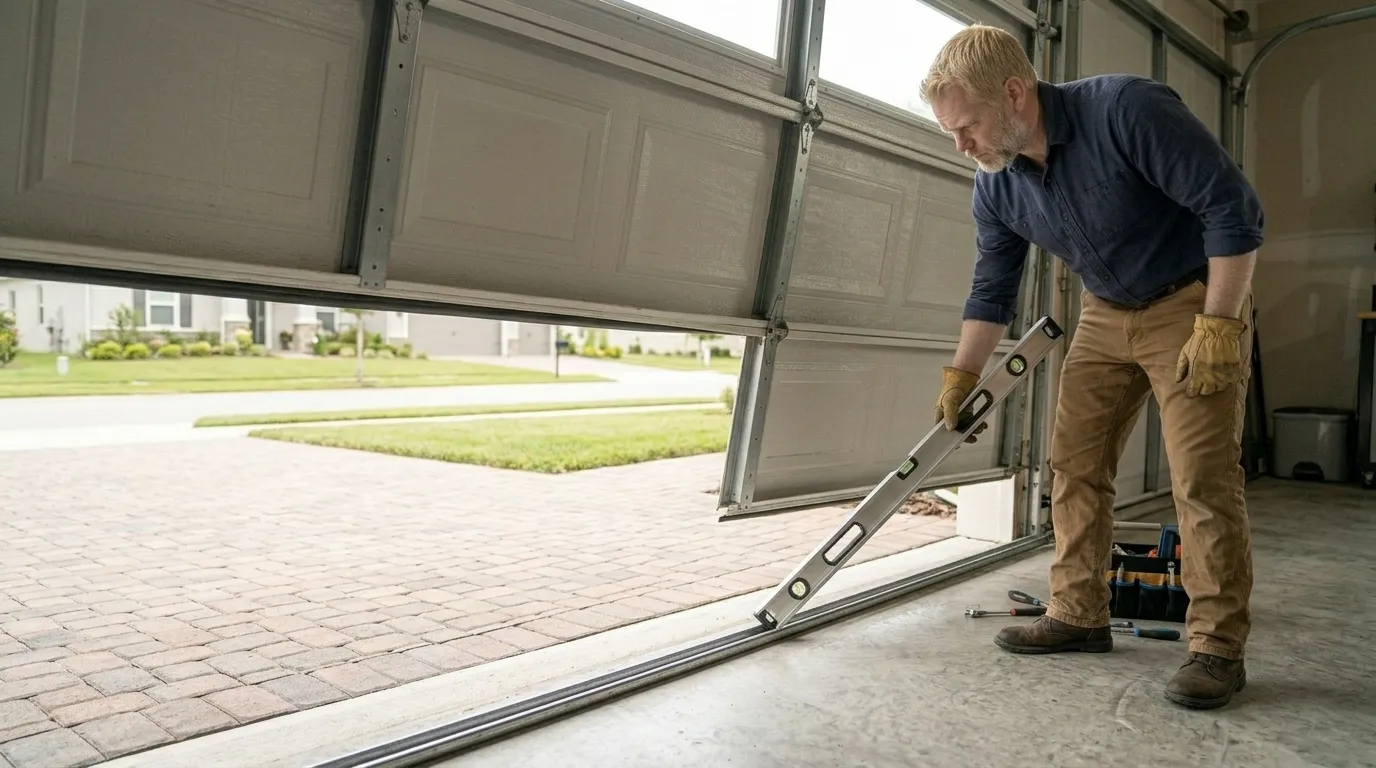
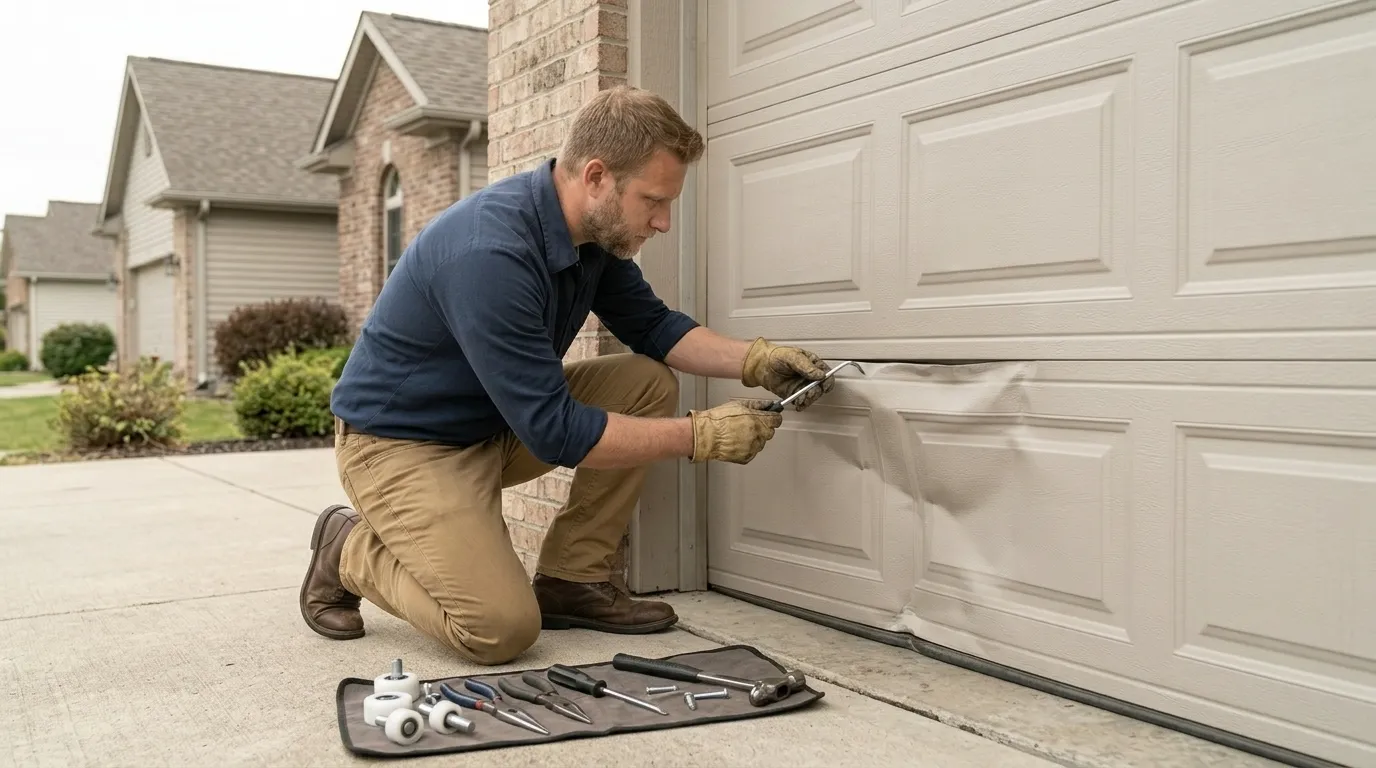
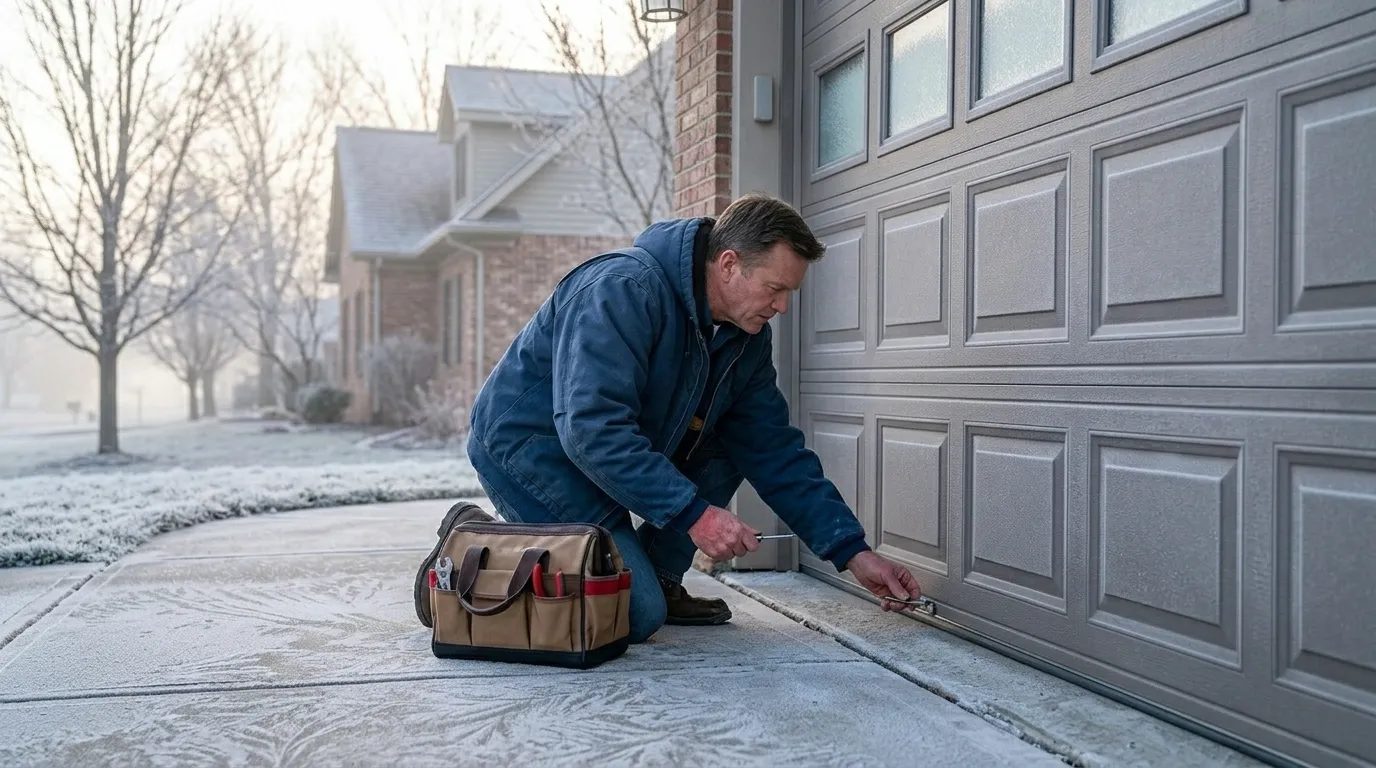
Because so much of North Barrington went up around the same few years, we get a run of similar failures rather than a grab bag. Torsion springs sized for wider, heavier double doors reach the end of their cycle life and let go all at once - usually with a bang, not a slow squeak. Openers from that era were built before today's rolling-code and battery-backup standards, so a full swap rather than a patch is often the honest answer once the circuit board starts acting up. On top of that, this is COLD-severe climate territory, and original steel doors from the early 1980s weren't always insulated to hold up against a hard winter the way current doors are. We open a lot of these doors in January and find the weatherstripping has given out long before the door itself did.