This Area's Housing
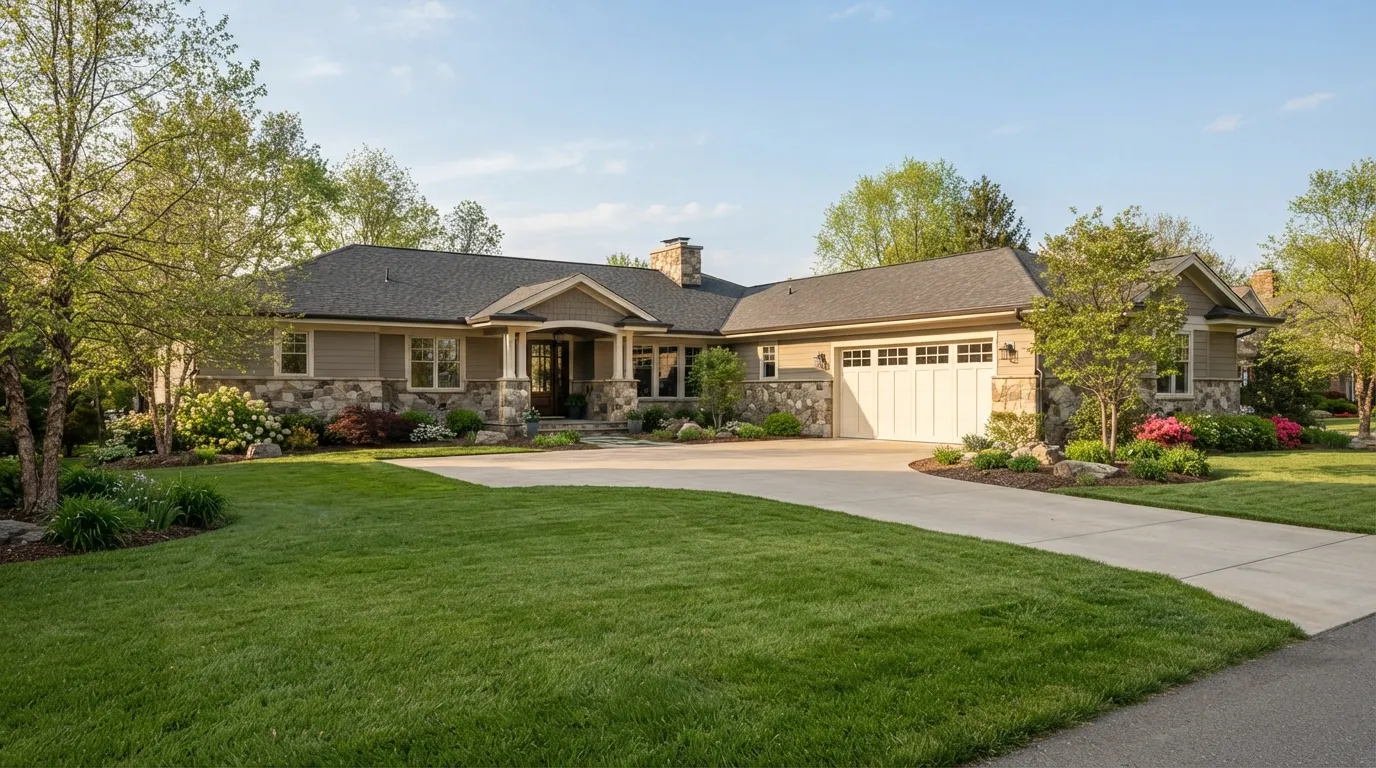
North Chicago carries roughly 7,300 households, with a median household income of $56,815 - noticeably below the $121,583 median across the full 213,471-household service area we cover out of Mundelein. That income difference shows up in how people approach a garage door problem: fewer full replacements on a whim, more targeted repairs, more requests for the cheaper fix first. We don't push a new door on a customer who needs a new spring. The building stock itself, with a median year built of 1972, sits earlier than the 1984 median across our 67-area territory, and earlier than most of the 1980s-90s housing that dominates elsewhere. That means more single-car and narrower double-car openings, more steel doors from an era before insulation was standard, and less foam-core construction than you'll find in newer stock nearby.
How That Shows Up in the Door
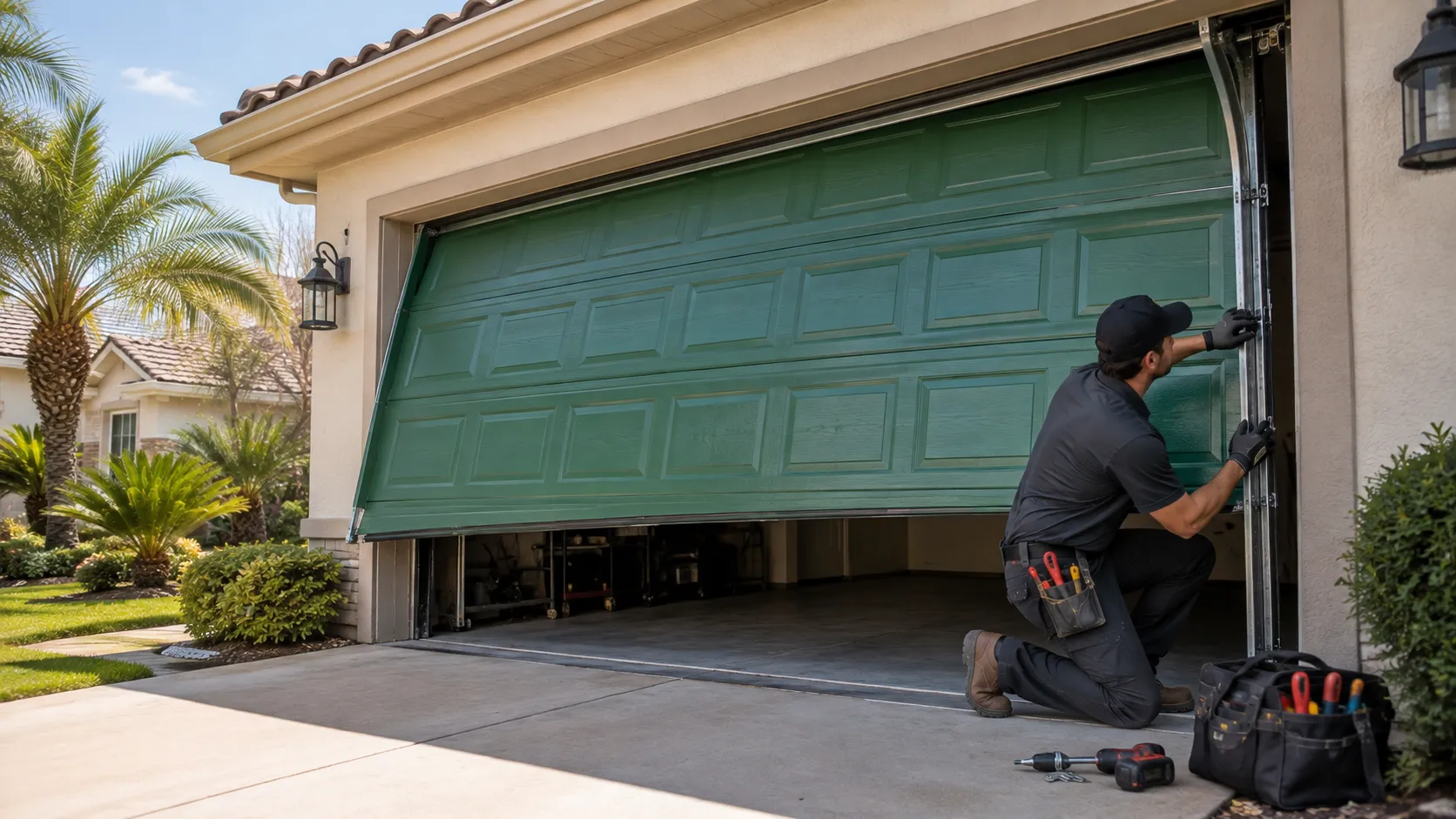
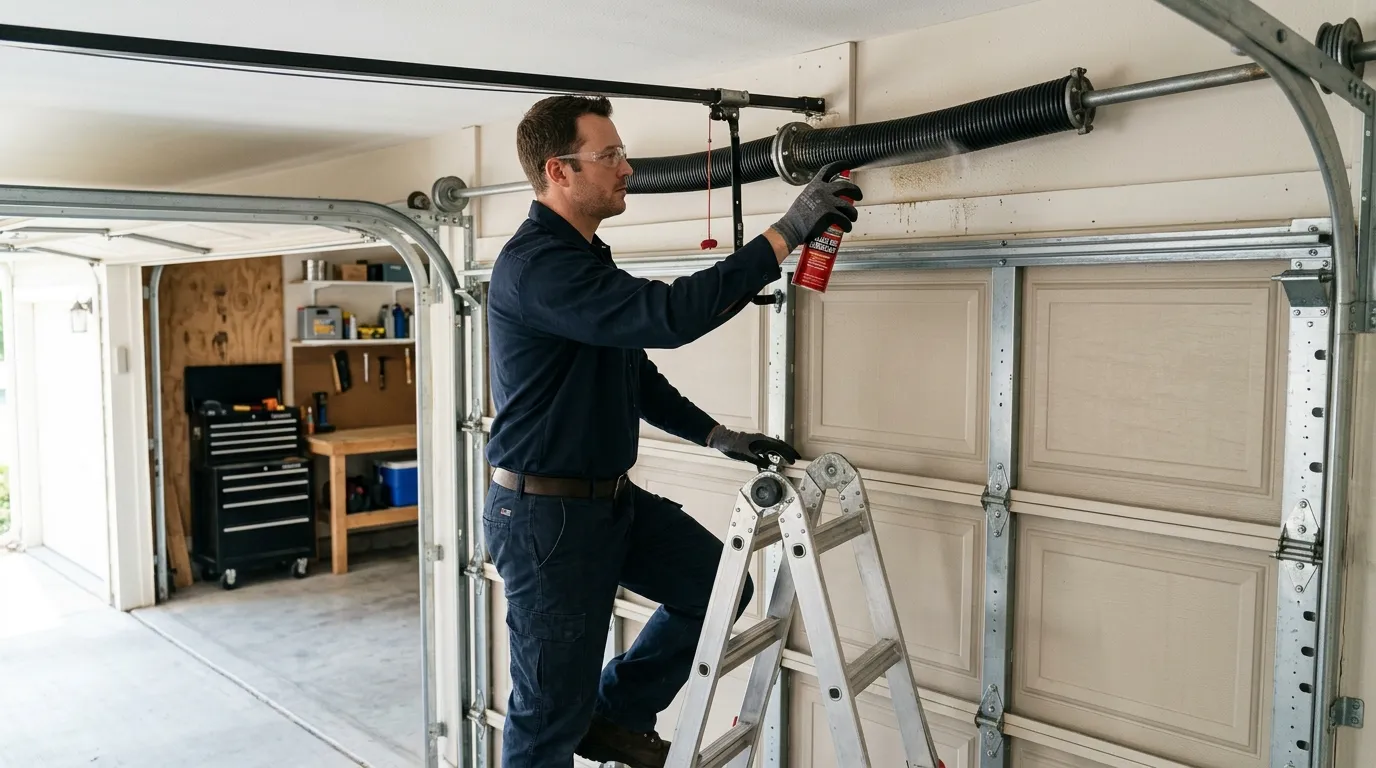
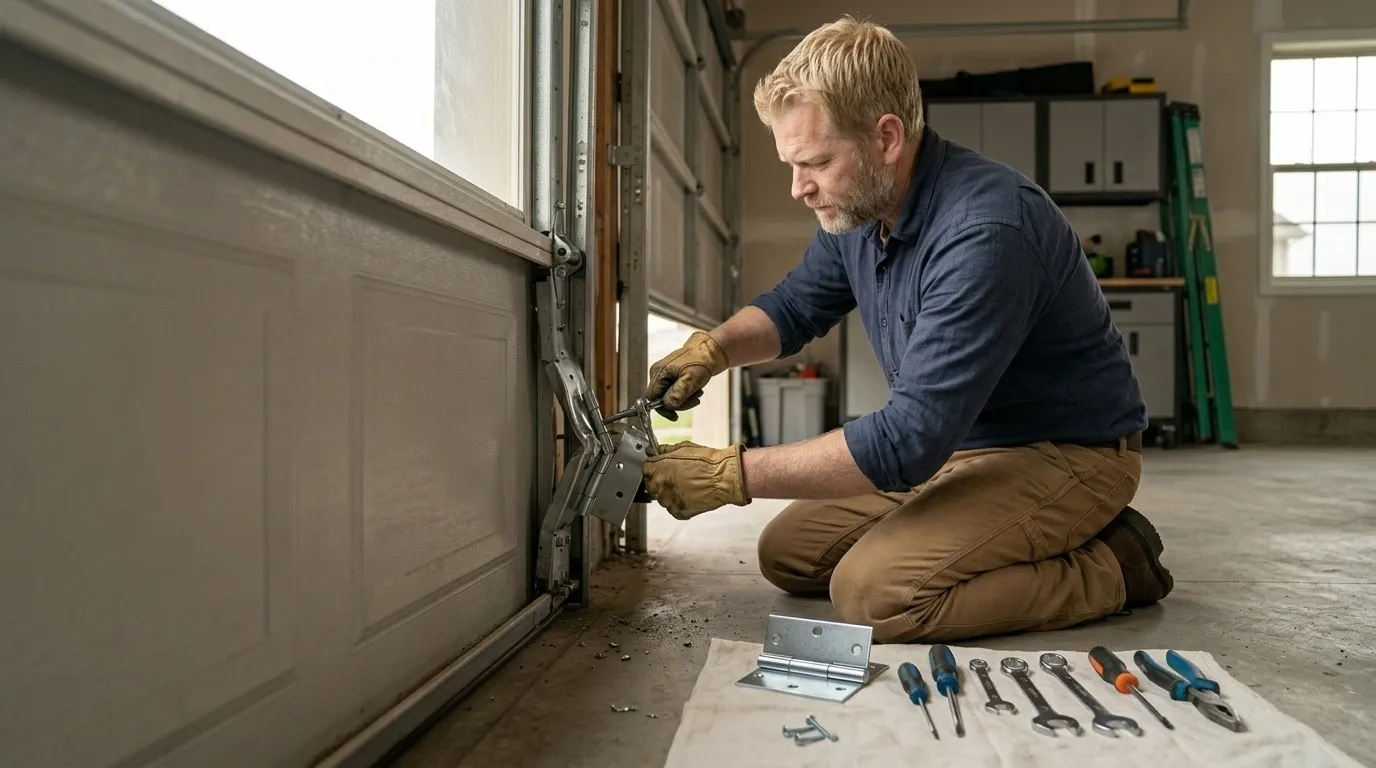
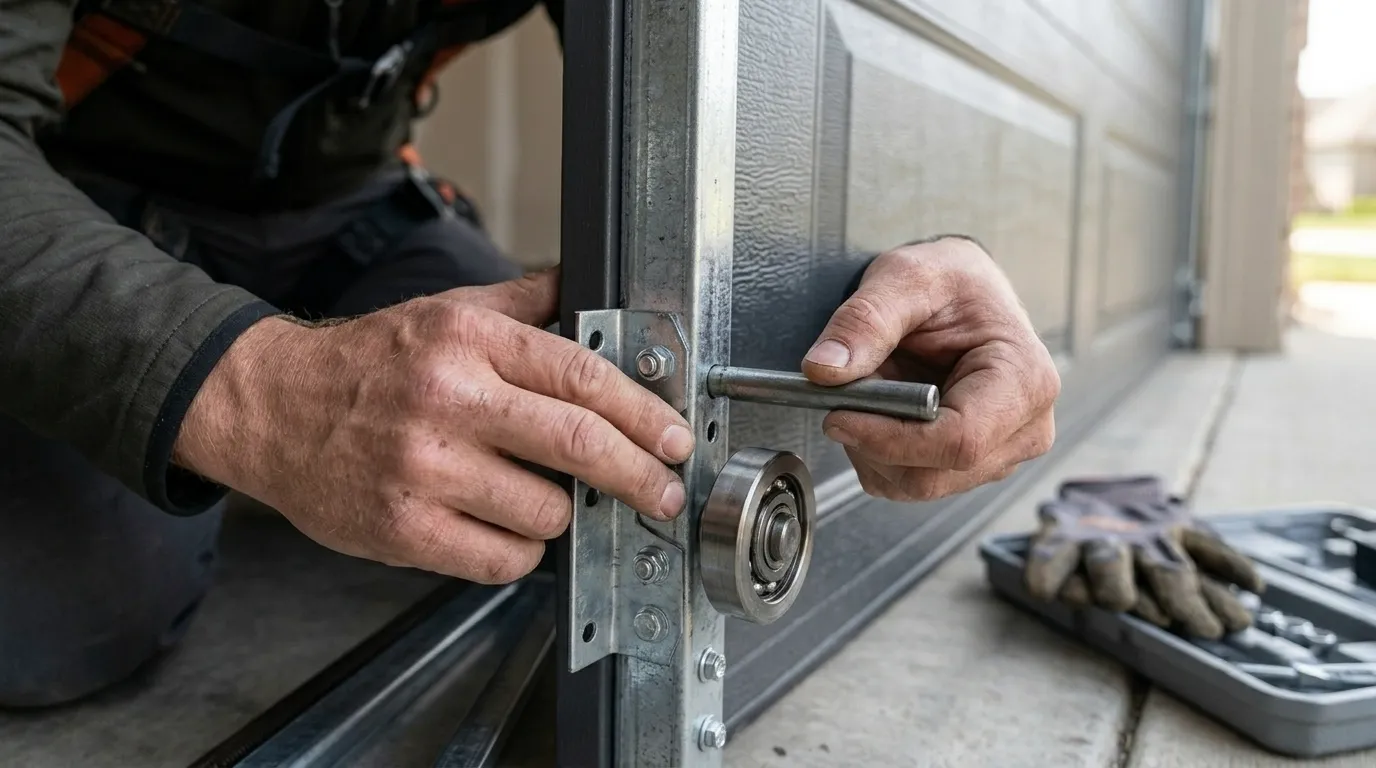
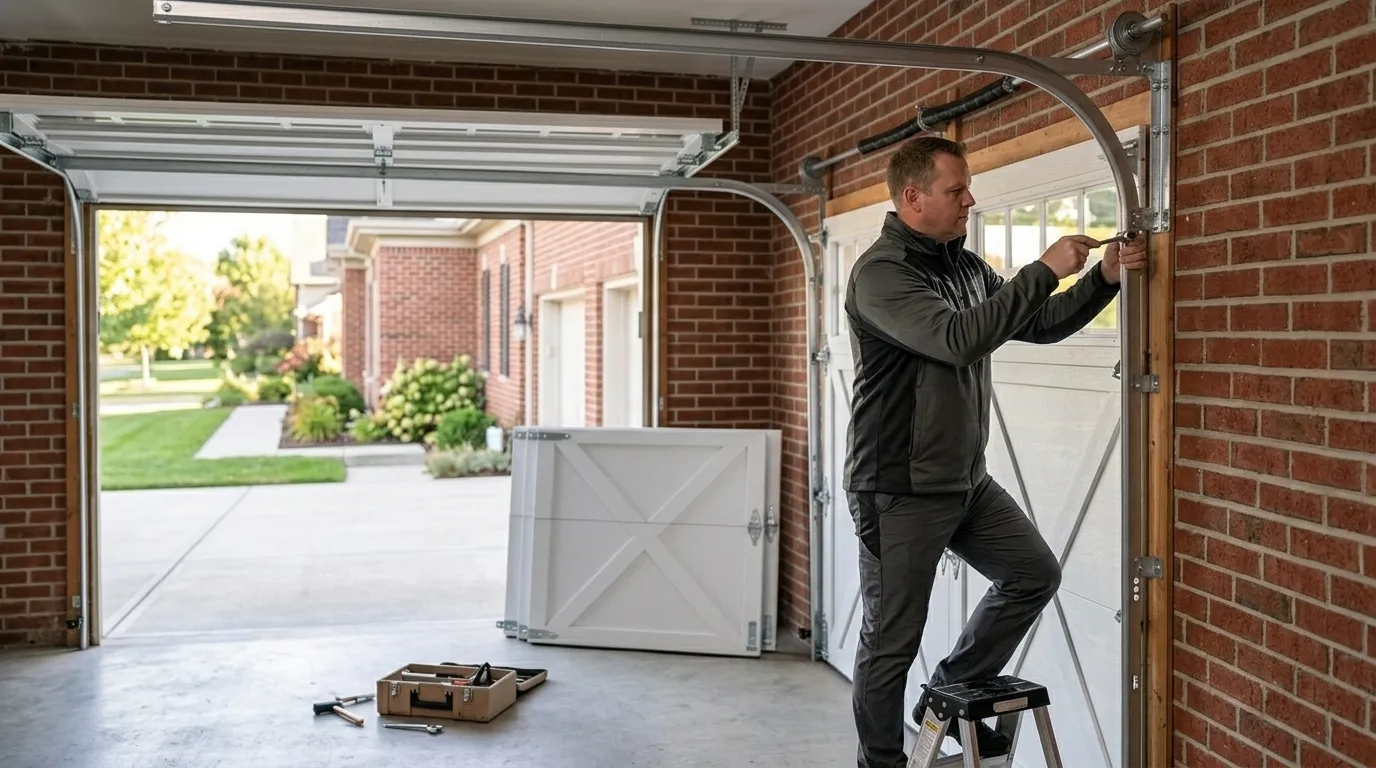
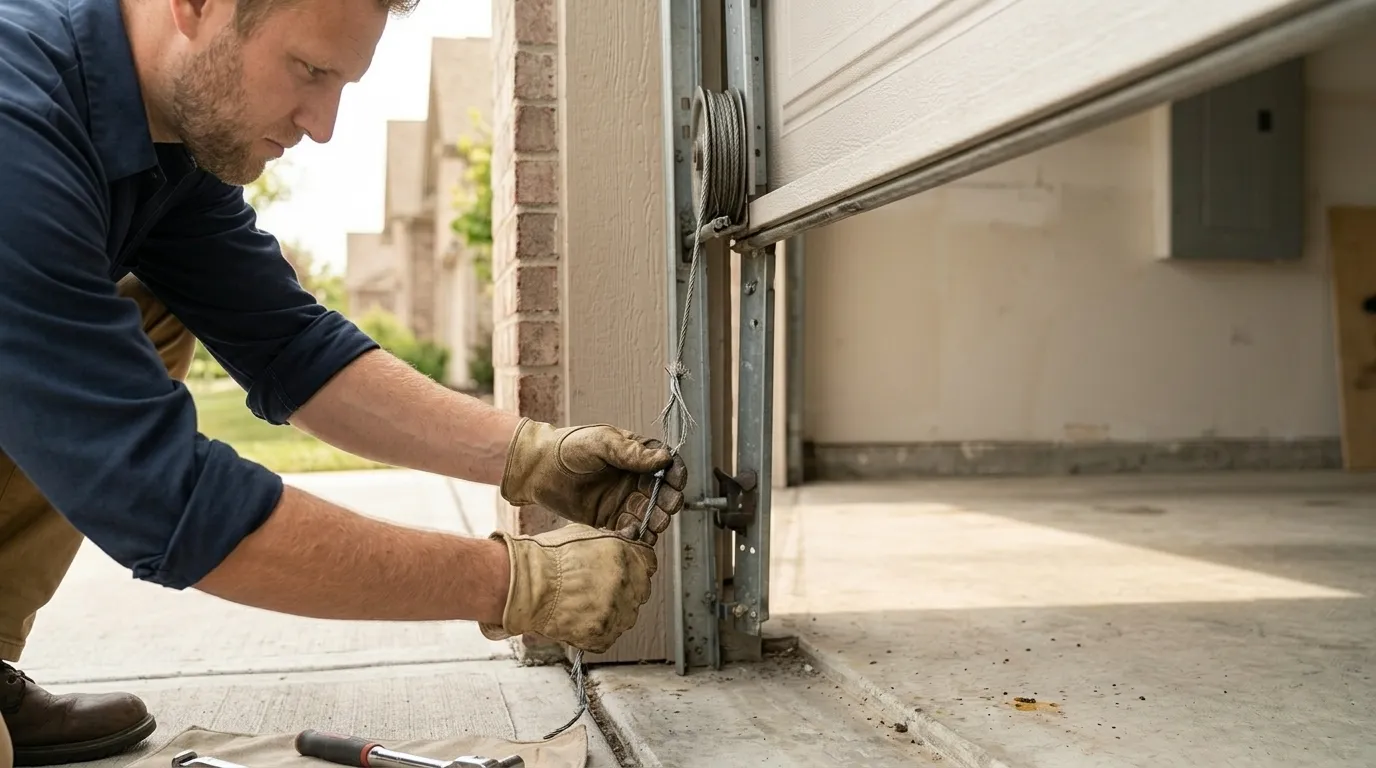
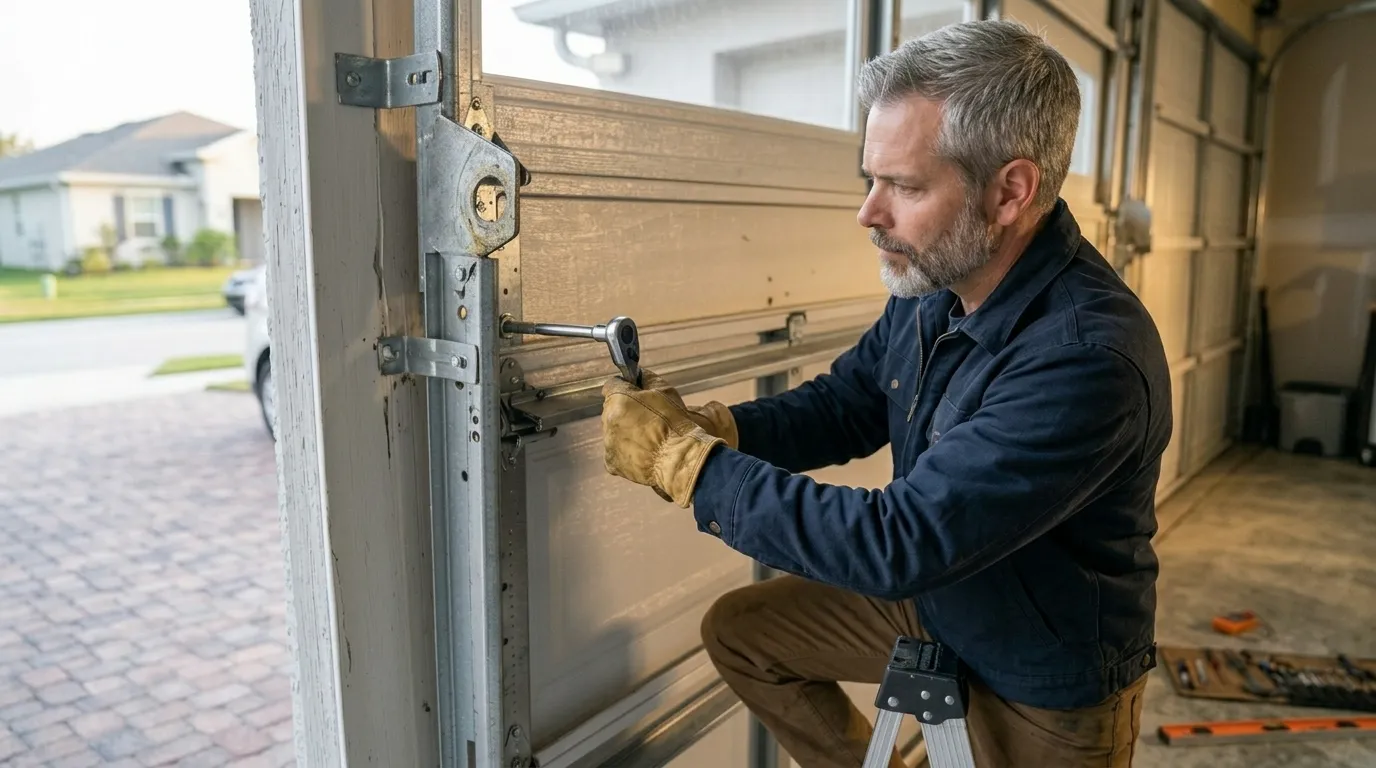
A door from the early 1970s wasn't built to the same weight or insulation spec as one from even ten years later, and our winters here are the severe-cold kind that punish a gap. Weatherstripping on these older doors is usually long gone or brittle, and the panels themselves can be thin steel that dents at a touch and doesn't hold a seal well against the jamb. Springs on original installs are frequently undersized for anyone who added insulation or a heavier replacement panel later, which means extra strain on the opener and premature spring failure. We also see older extension-spring setups without safety cables, which was standard practice decades back but isn't something we'll leave as-is once we're already out for a repair. None of this is a knock on the neighborhood - it's just what forty-plus-year-old steel and hardware do in a cold climate. The honest fix sometimes costs more upfront than a quick patch would, and we'll tell you when that's the case instead of letting a bad spring take out your opener down the road.