This Area's Housing
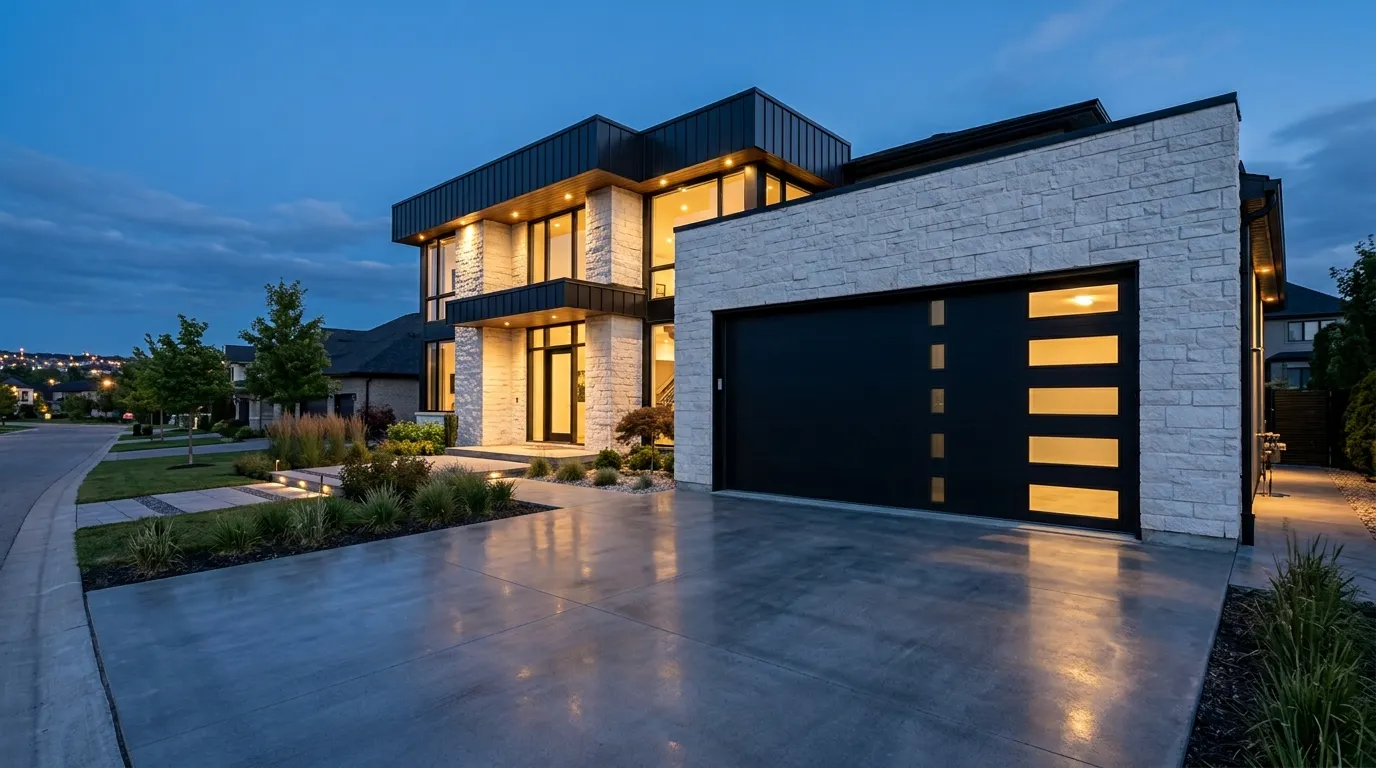
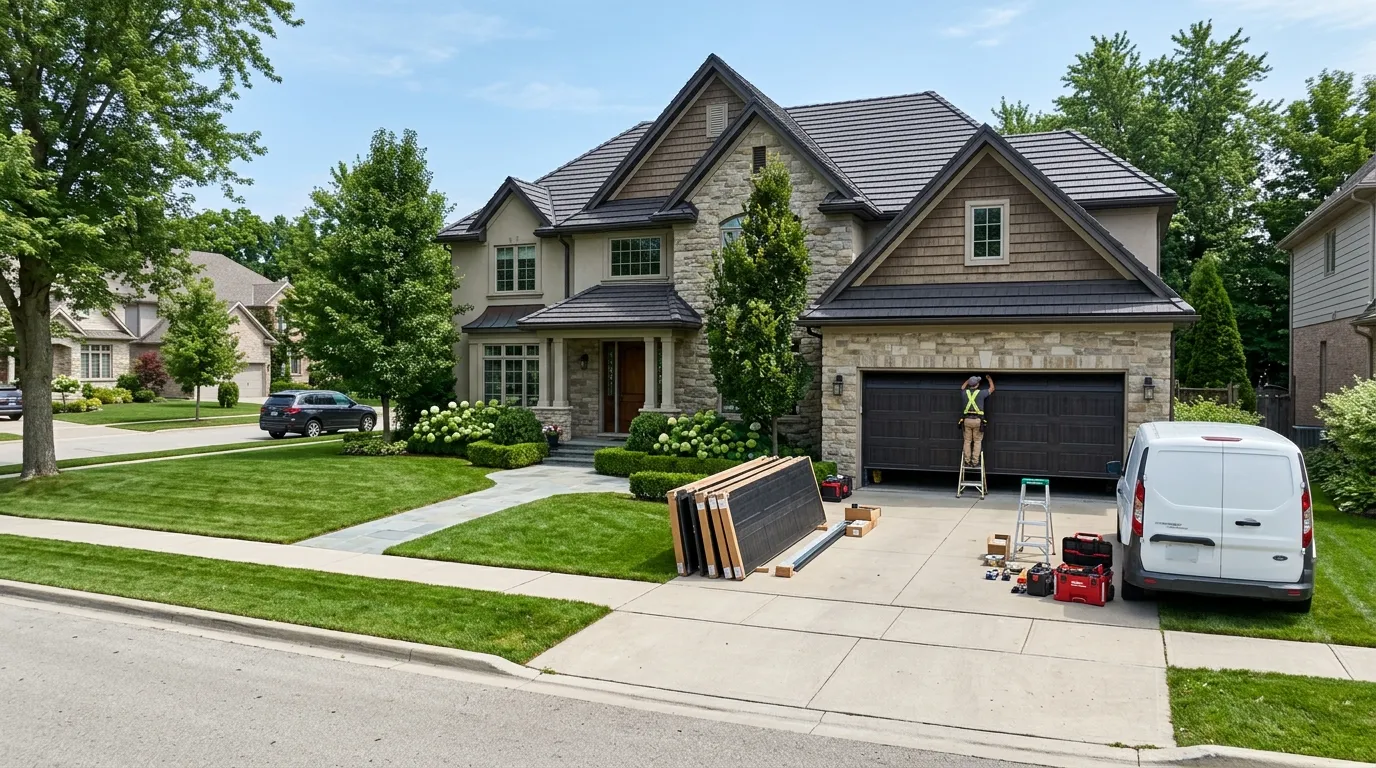
A 1968 median build year means most garage doors in Northfield are on their second or third opener and possibly their second door altogether, but the original framing and track mounts are often still the ones from when the house went up. That's different from newer sections of our coverage area built closer to 1984 or later, where original hardware is still common and still under a reasonable service life. Median household income here runs $180,492, well above the wider service area's $121,583, and it shows in the kind of doors we get called to work on - more insulated steel and composite panels, fewer bare single-layer doors. Homeowners here tend to replace before something fails completely rather than run a door into the ground, which changes the kind of calls we get. We see more upgrade requests and fewer full-emergency stuck-shut calls compared to older, lower-turnover blocks elsewhere in the territory.
How That Shows Up in the Door
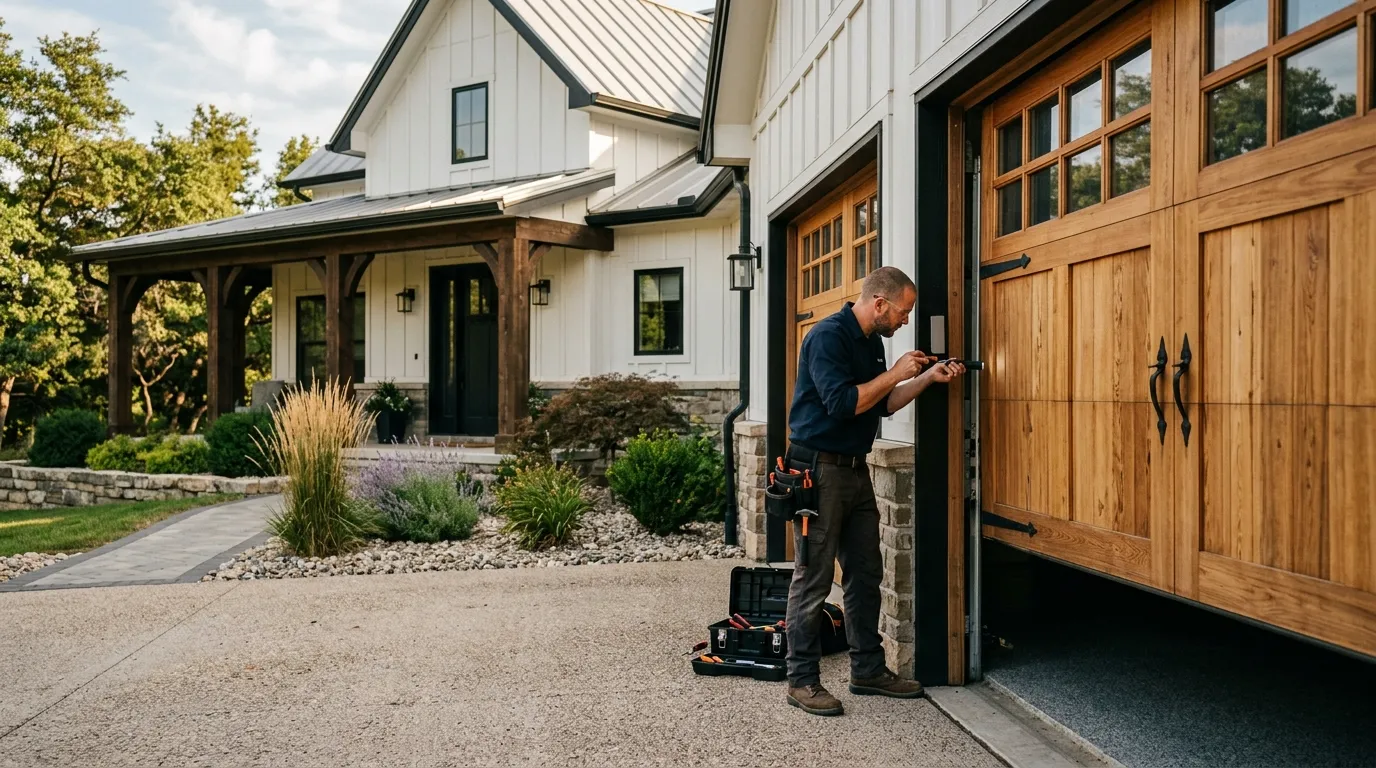
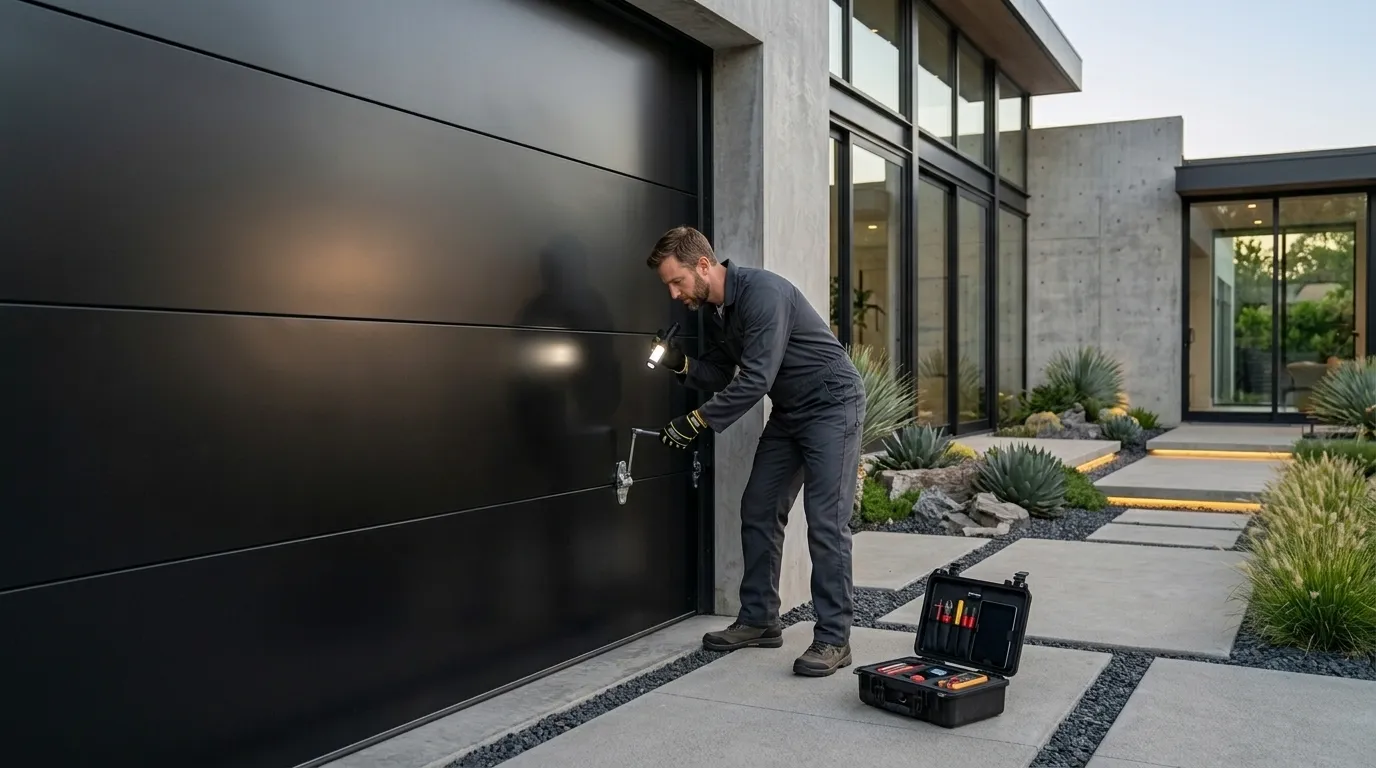
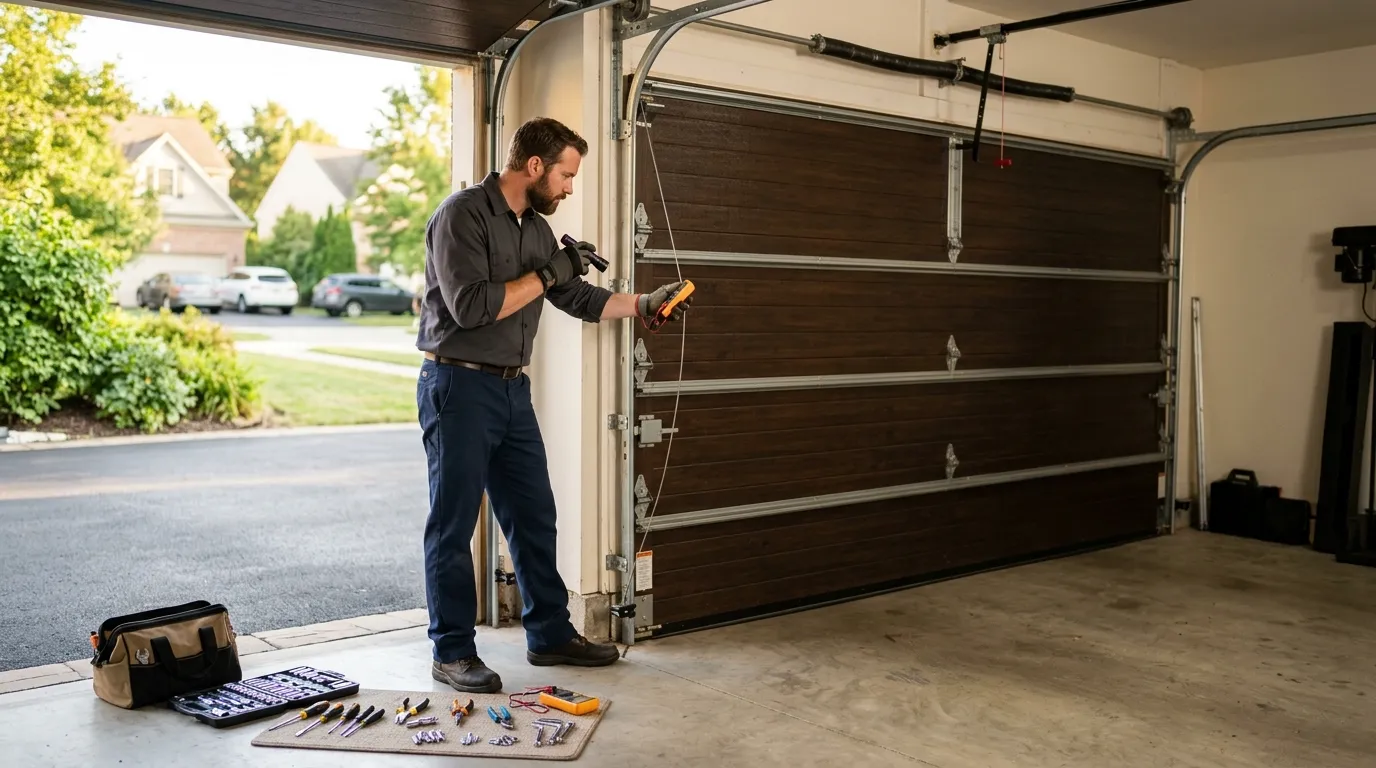
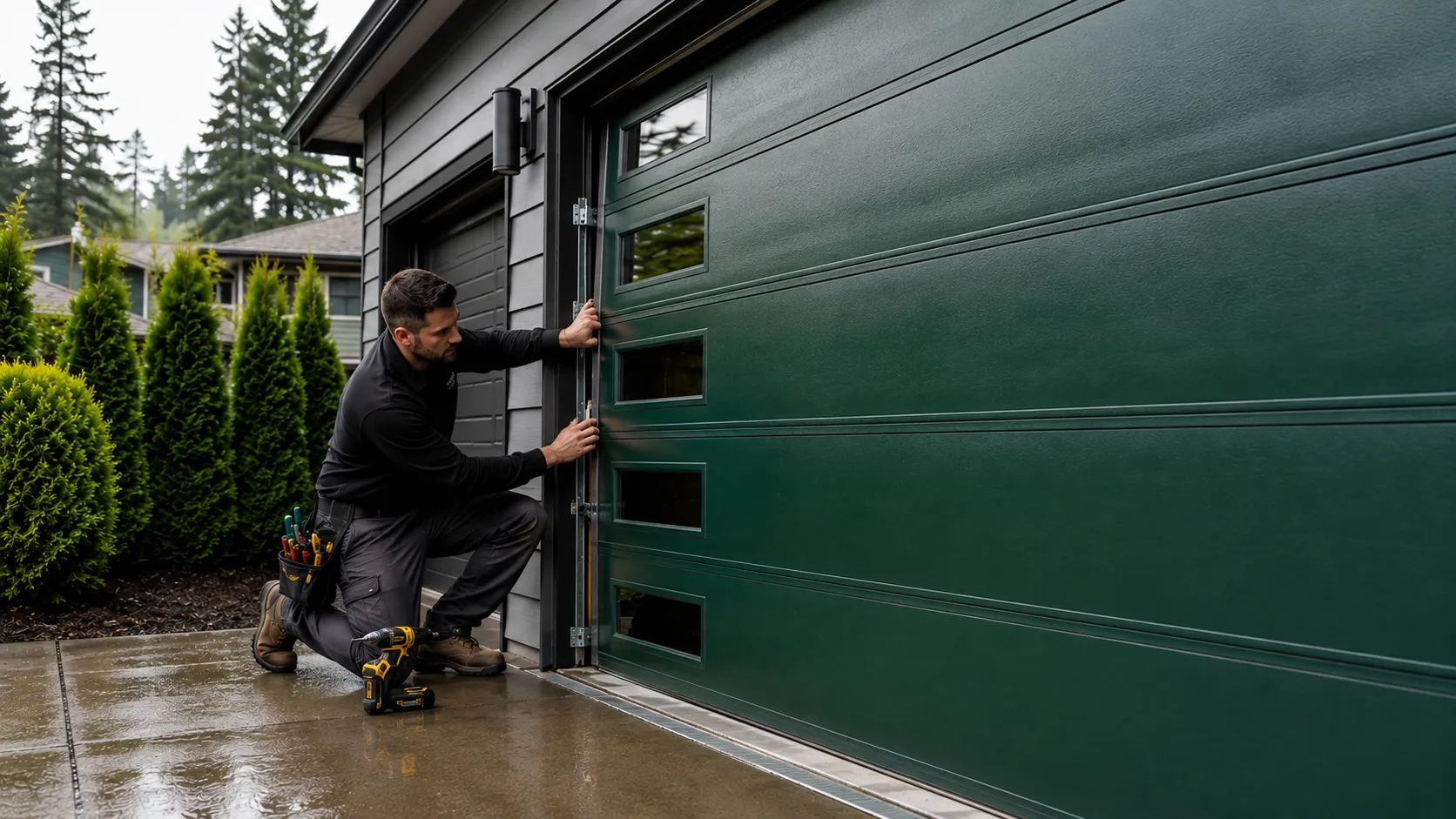
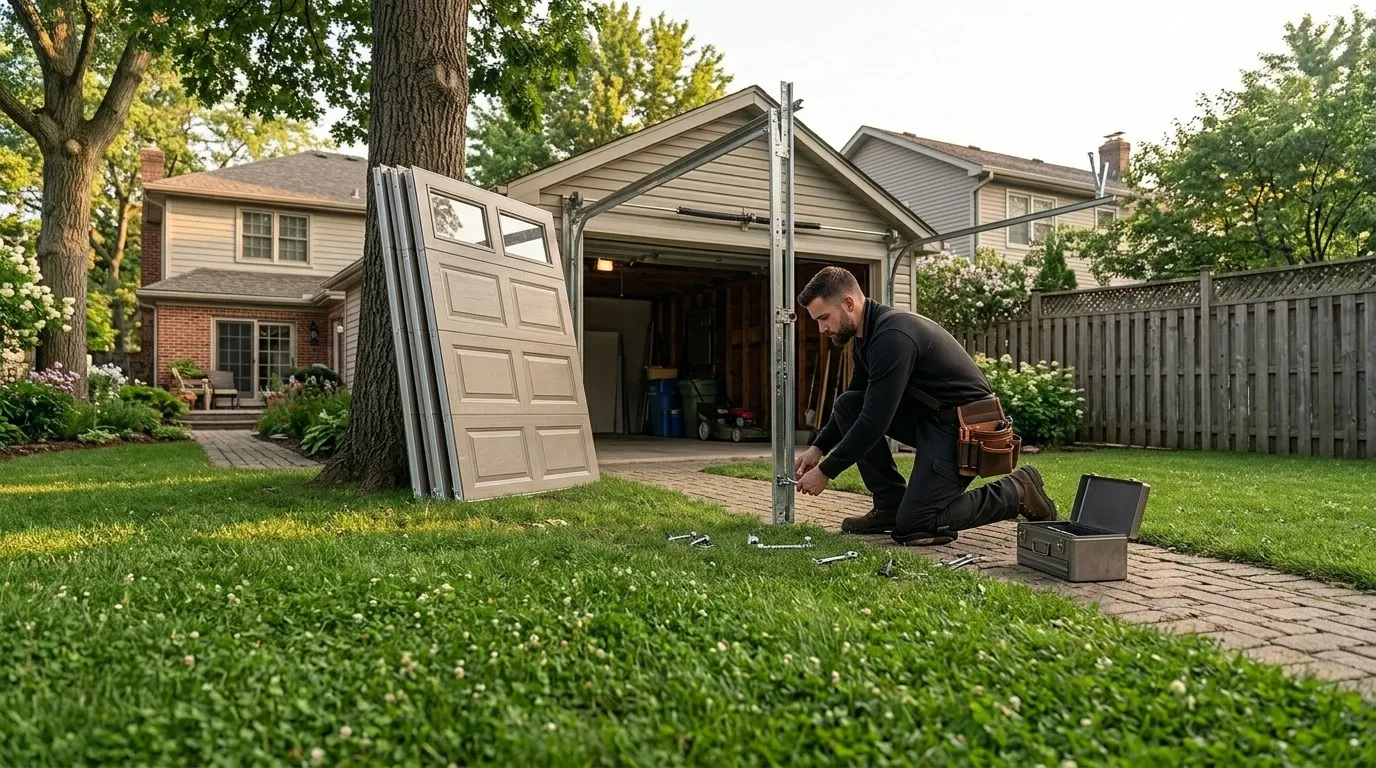
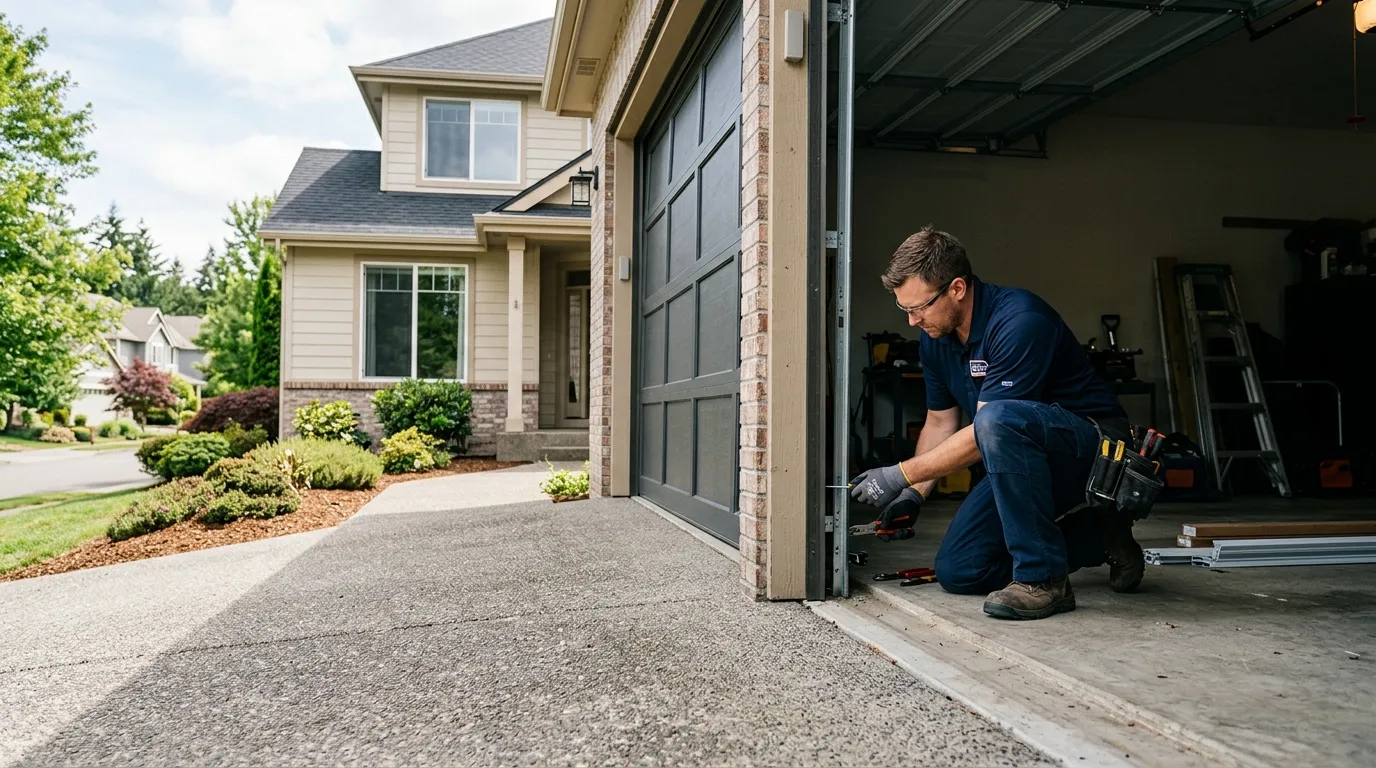
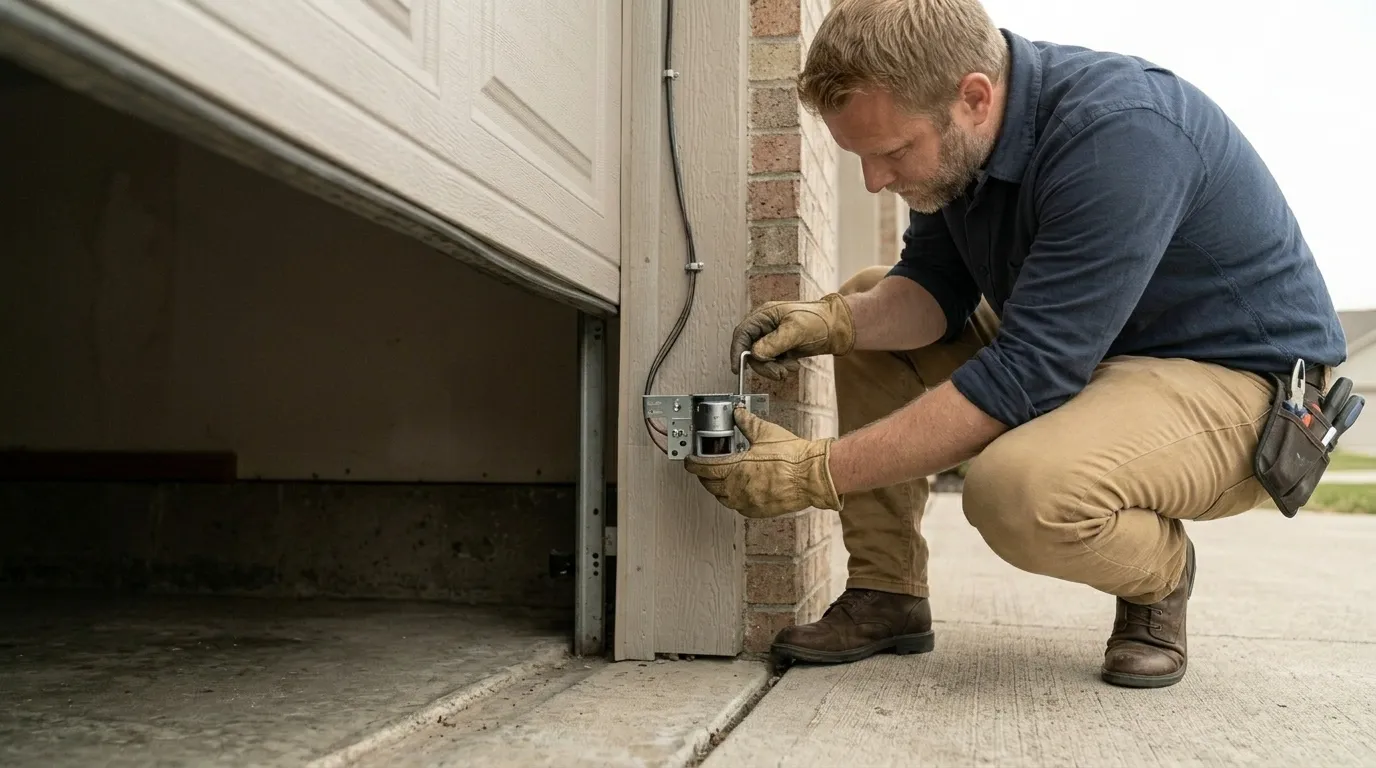
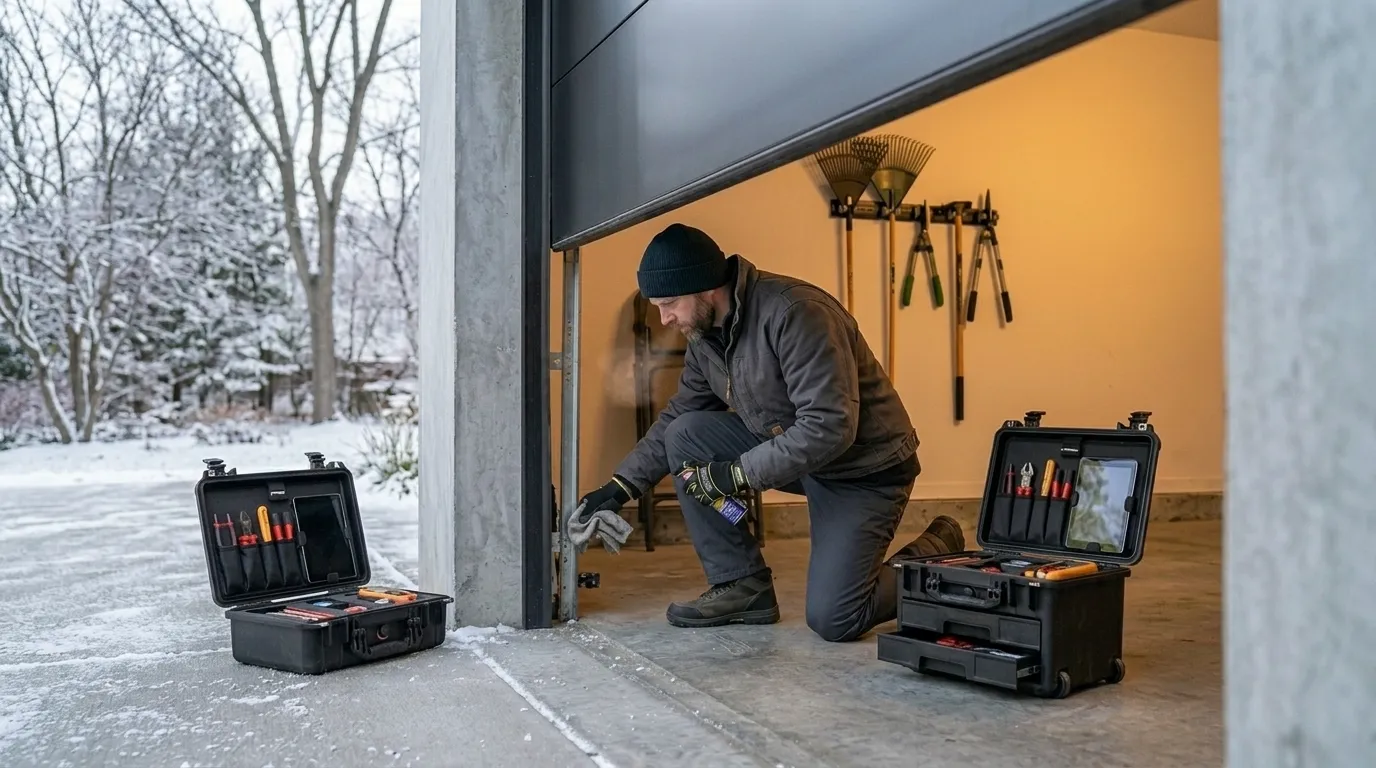
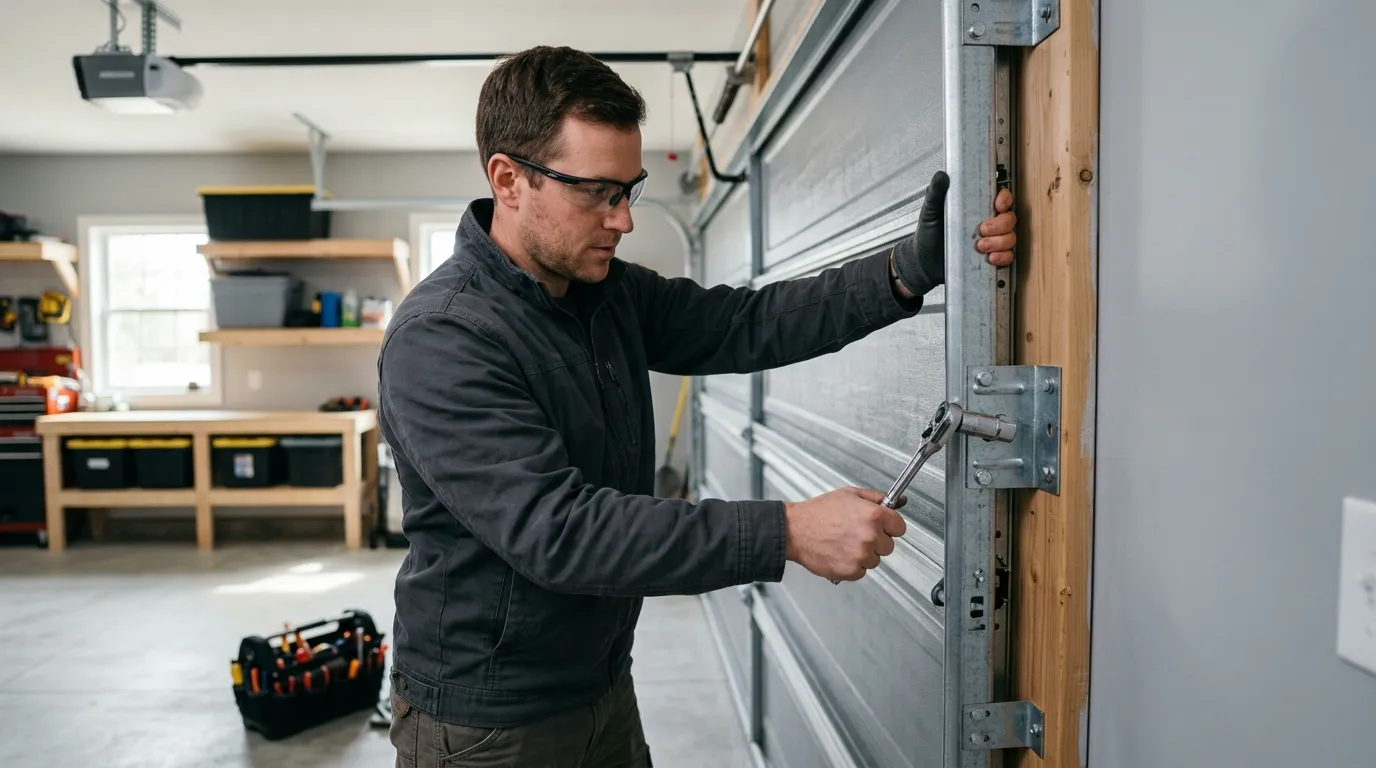
Torsion springs installed in the late 1960s were sized for the doors of that period - often heavier wood-core panels - and if a homeowner has since swapped in a lighter steel door without updating the spring, the door can feel off-balance, slam on the way down, or fight the opener on the way up. We also see galvanized track that's held up fine structurally but has enough surface rust after five decades that rollers bind intermittently, which owners often mistake for an opener problem. The climate band here is cold and severe, and older track hardware doesn't flex the same in a hard freeze as newer aluminum track does, so a door that runs fine in October can start catching in January. None of this is exotic. It's mostly the ordinary wear you'd expect from hardware that's been in continuous use since the Johnson administration, and most of it is a straightforward spring or roller swap rather than a full door replacement.