This Area's Housing
The median year built in Oakwood Hills is 1980, a few years ahead of the broader service area's 1984 median but still solidly inside the 1938-2009 range that spans the territory. That 1980 build date matters more than it sounds - doors from that era typically came with galvanized torsion springs rated for a shorter cycle life than what's installed today, and a lot of them are still the factory original. Median household income here runs $113,125, a bit below the wider area's $121,583 (F7 covers the parent area, not this one specifically), which tends to mean owners here are more likely to ask us to repair a spring or cable assembly rather than replace the whole door outright - a fair call in most cases, and one we'll usually recommend ourselves unless the track or panel is also shot.
How That Shows Up in the Door
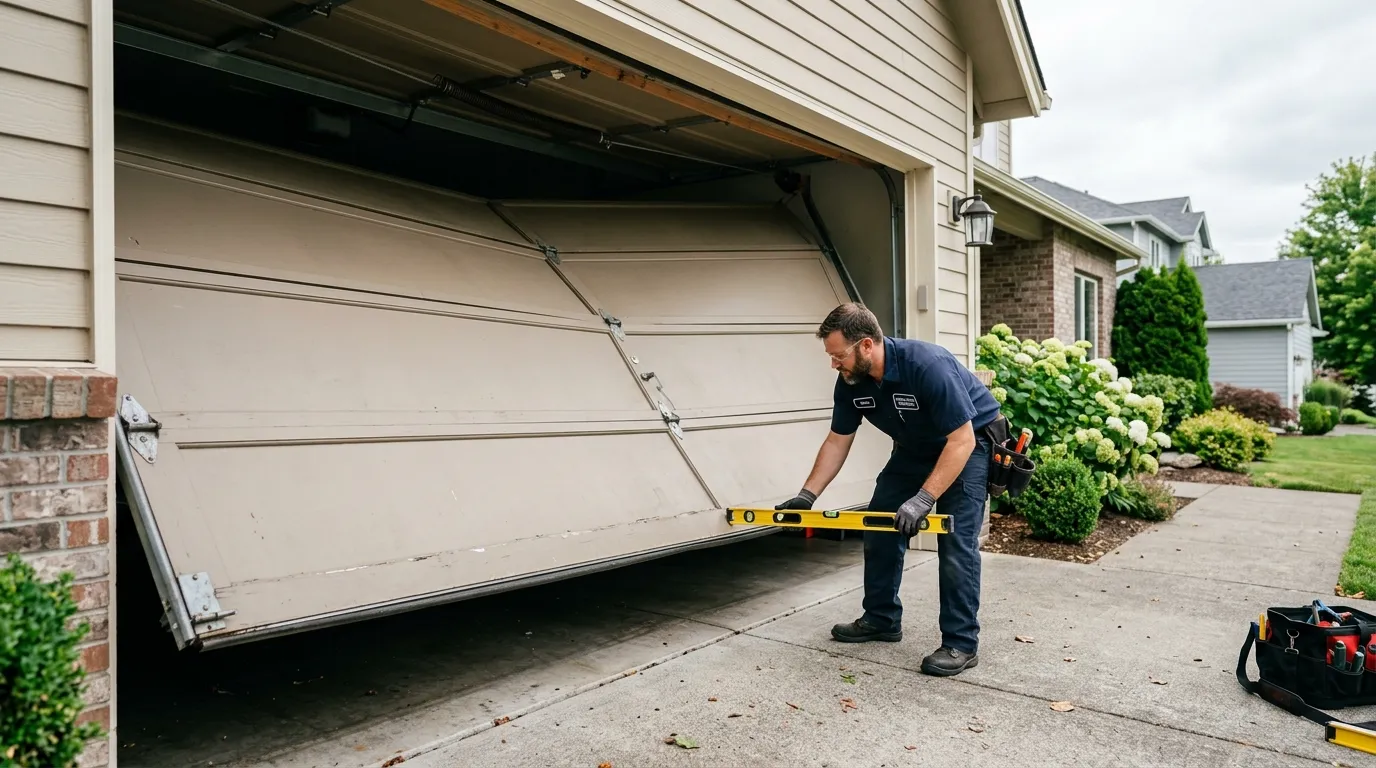
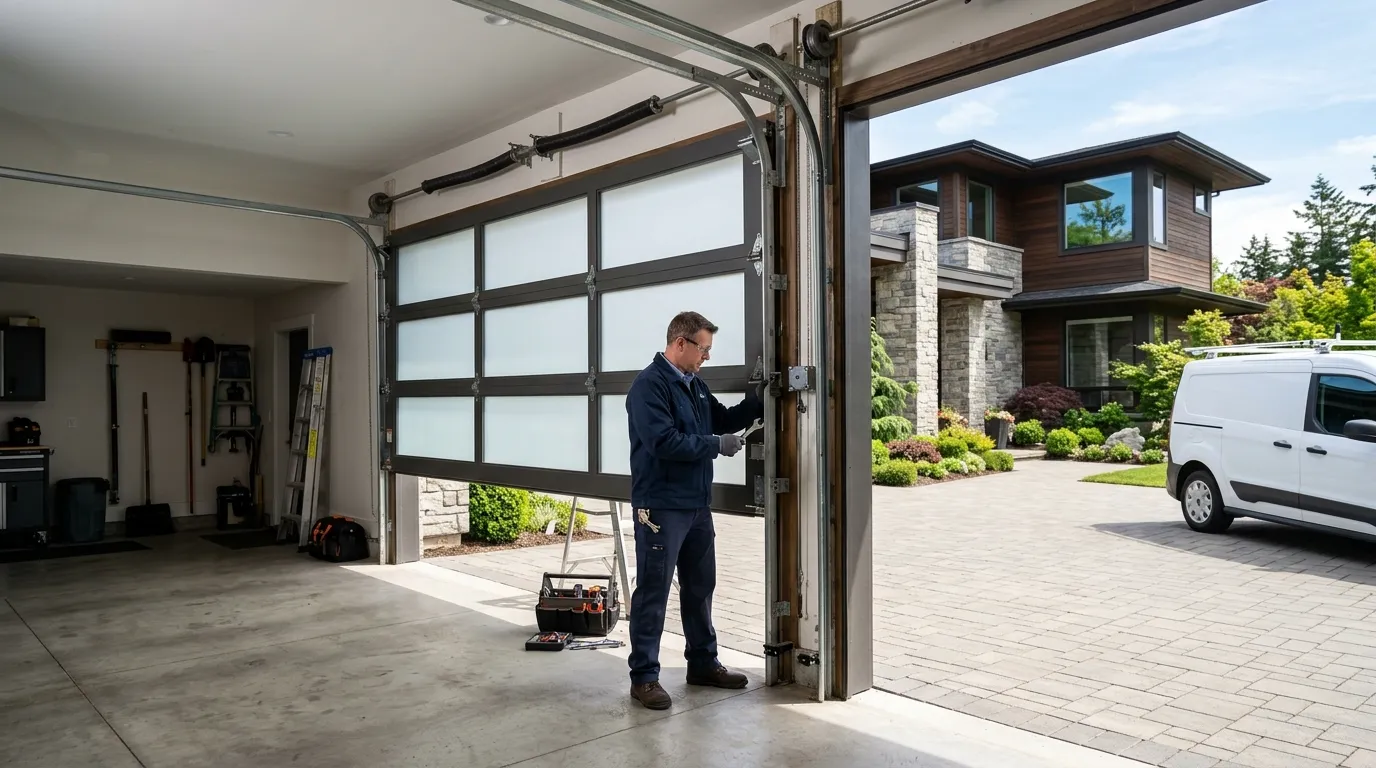
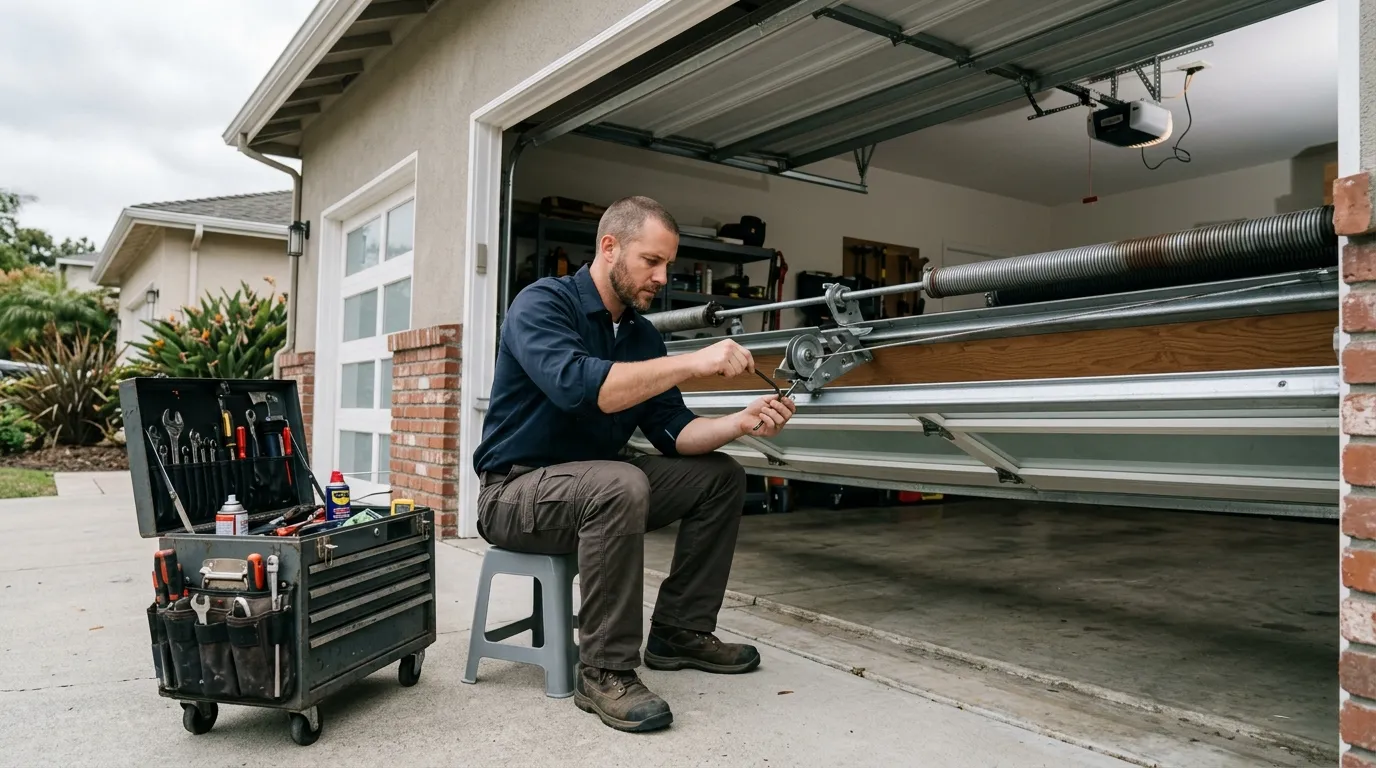
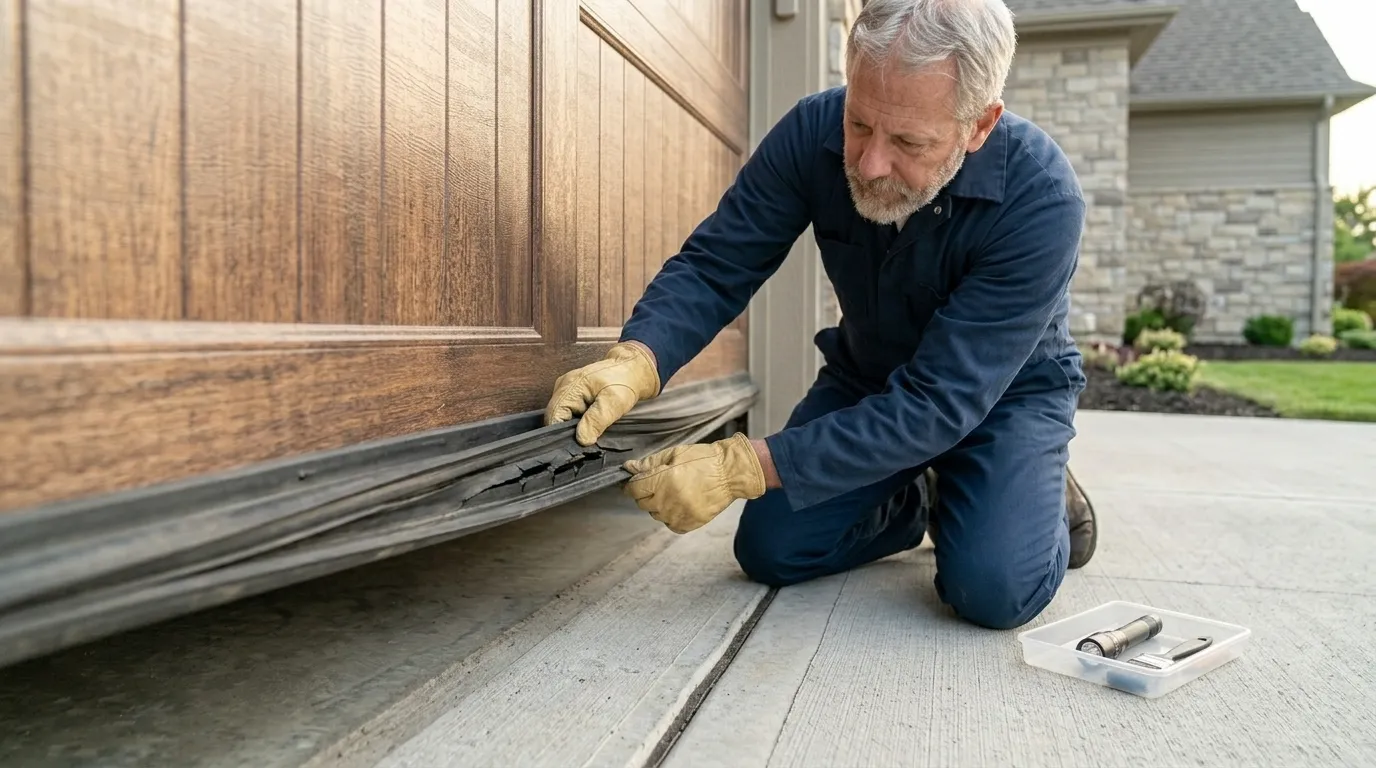
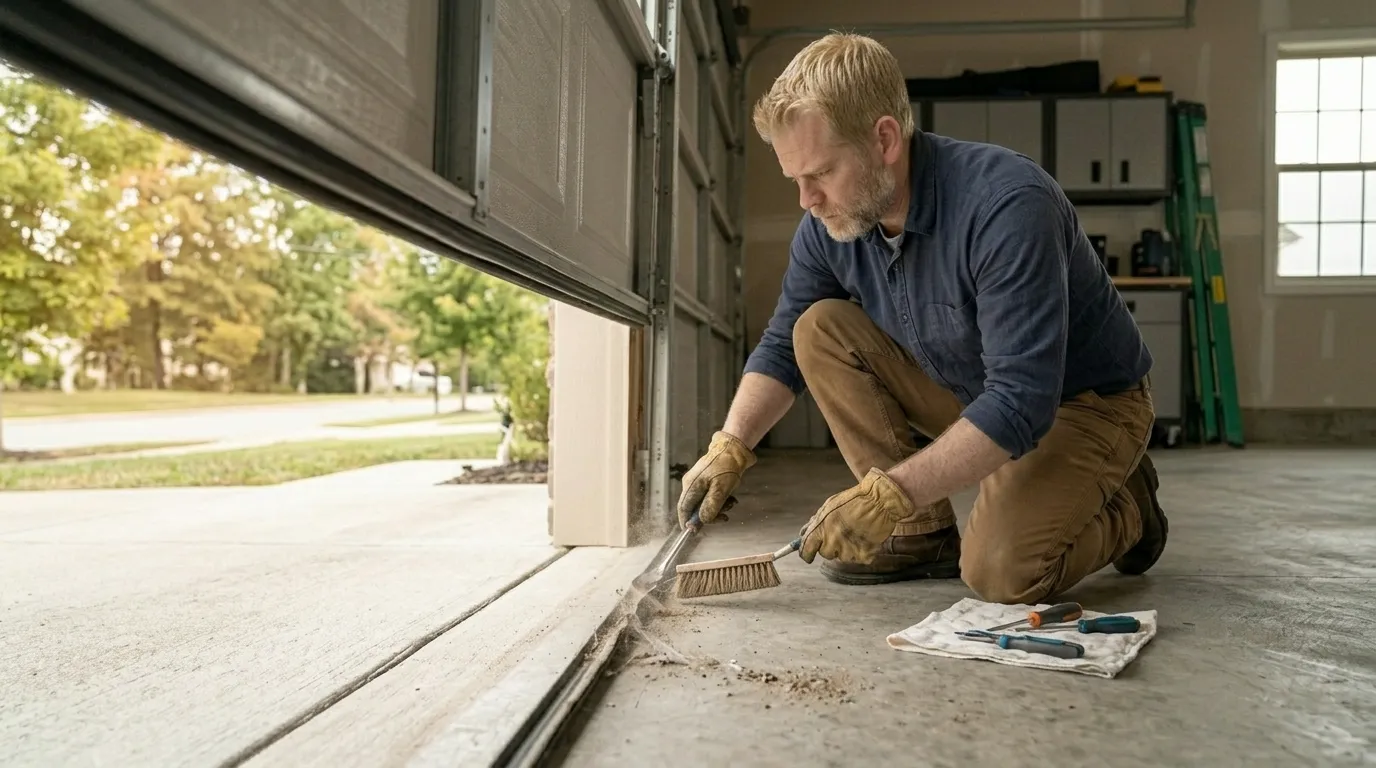
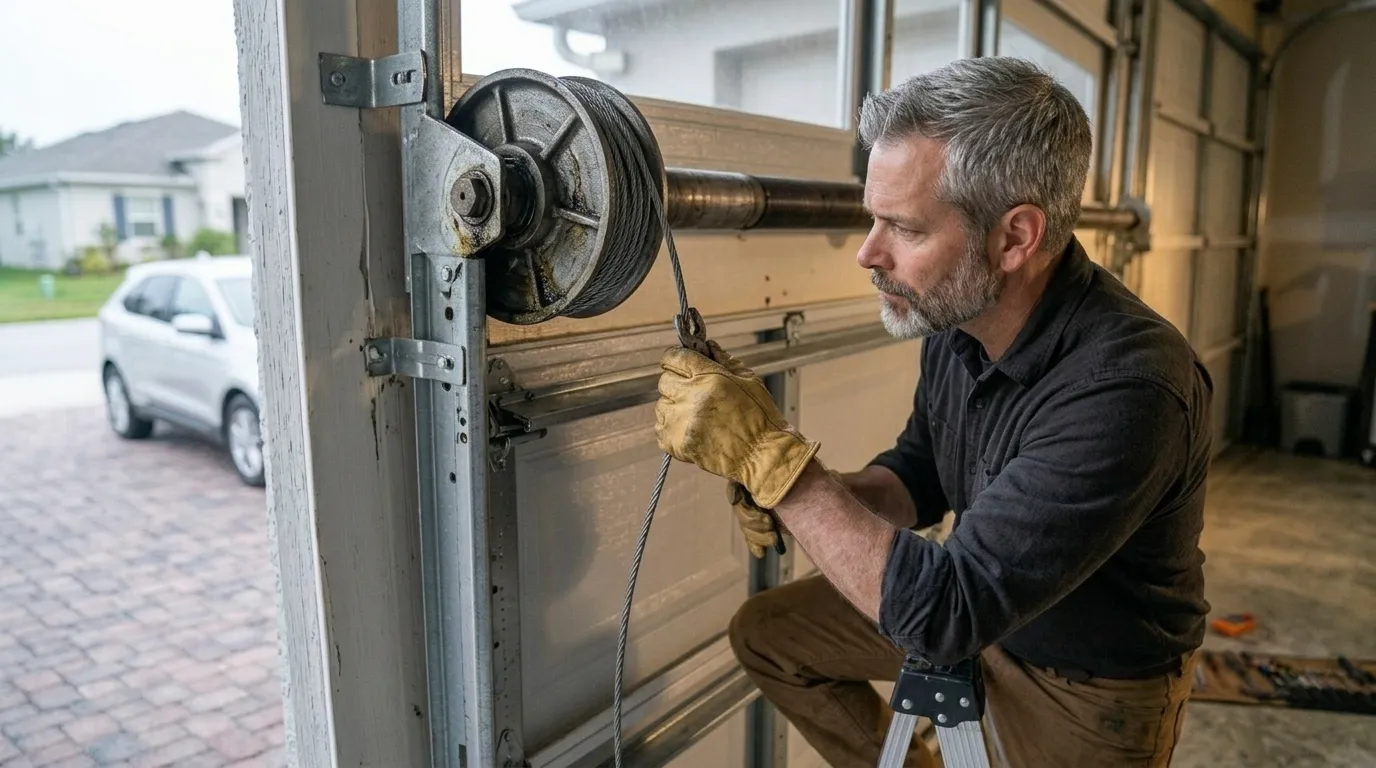
A door installed around 1980 was engineered for a service life that a lot of these units have already exceeded. What we find in Oakwood Hills specifically: torsion springs that have taken their last wind and snapped clean rather than fraying first, steel tracks that have loosened at the wall brackets from decades of temperature swing, and rollers - often still the original nylon or steel - that have flattened on one side and started chewing up the track edge. The service area sits in a cold, severe climate band, and that matters here because metal contracts hard in a deep freeze; an aging spring or a slightly bent track that's tolerable in July can bind or snap outright once temperatures drop. It's the combination of 1980-era hardware and a genuinely harsh winter that drives most of the emergency calls from this pocket of town.