This Area's Housing
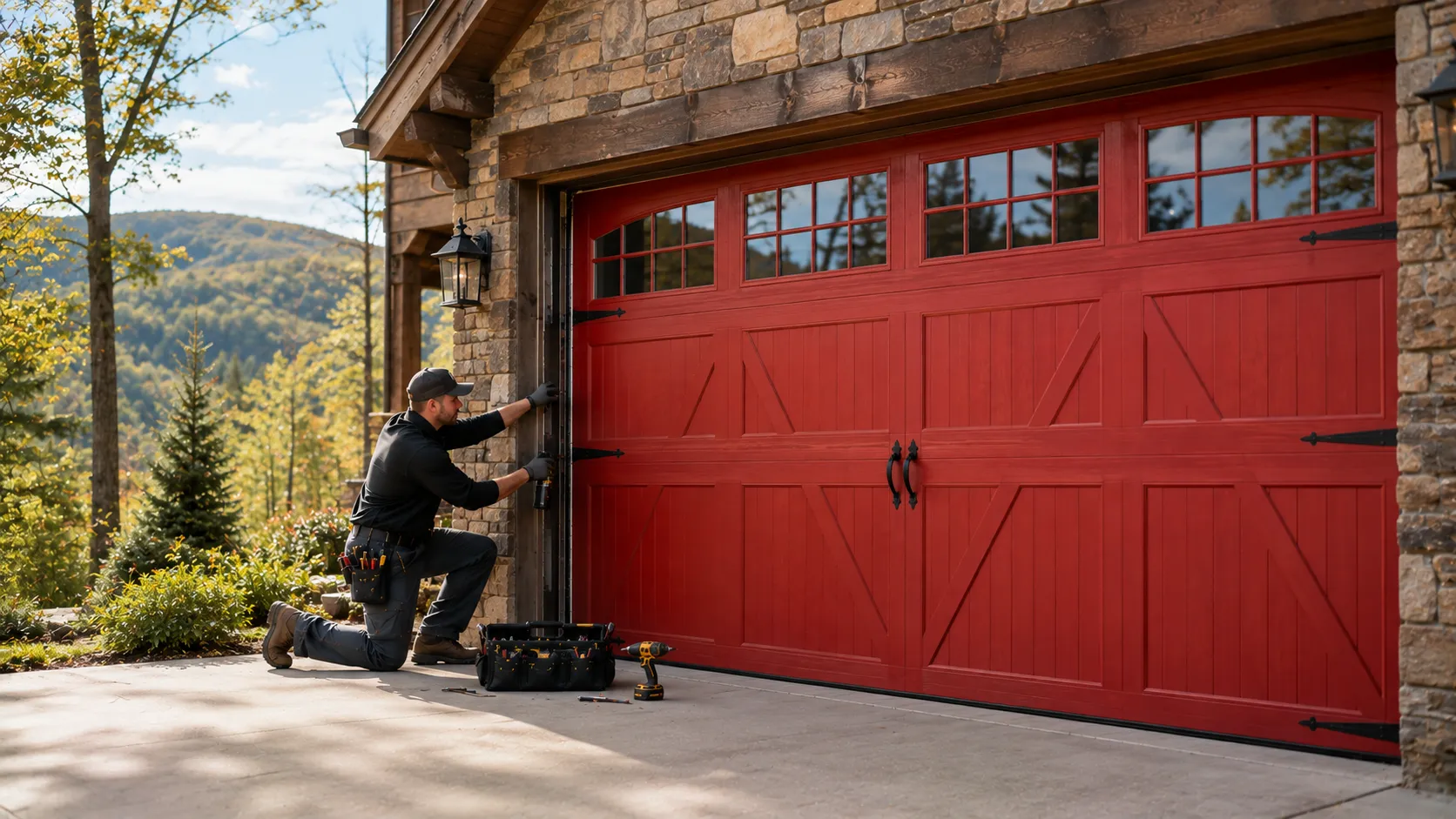
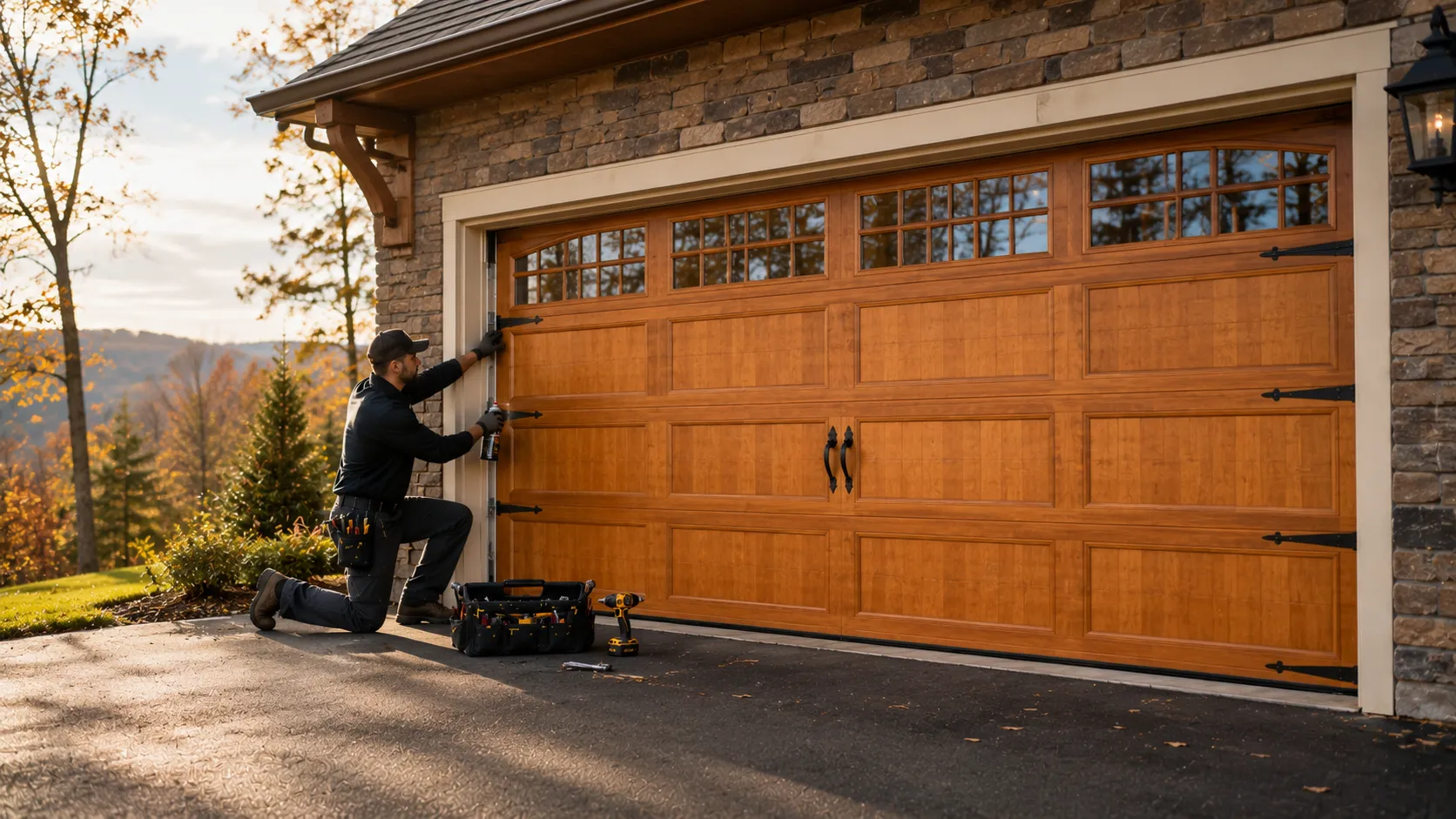
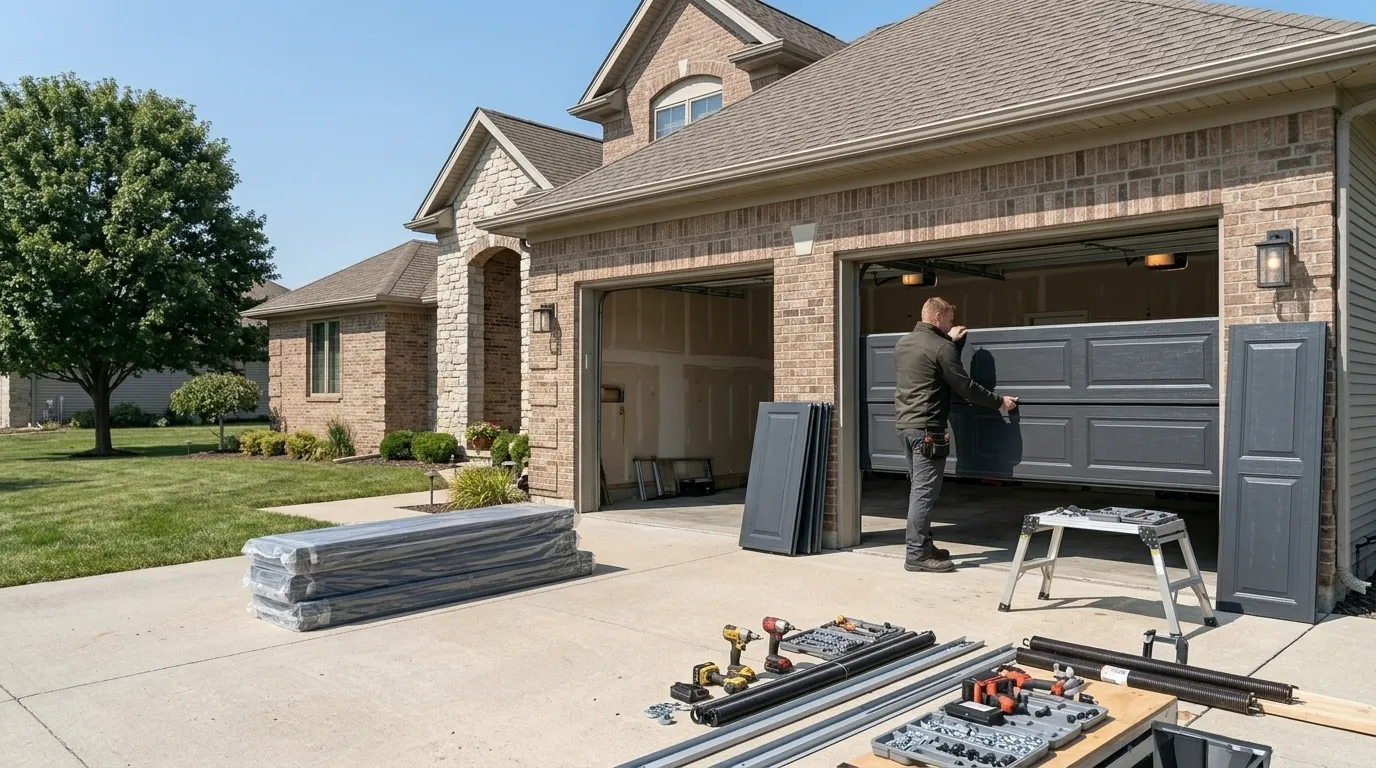
A house built in 1946 was framed for a different kind of garage than what gets built now. Openings run narrower, headroom above the door is often tighter, and the wood jambs have usually shifted some over seventy-plus years, which throws off door squareness in ways a newer, plumb 1980s frame doesn't. Median household income in Old Mill Creek runs $71,875, noticeably below the $121,583 median across the wider area we serve, and that tends to track with fewer full-door replacements and more owners who want a real repair rather than a swap-out. We don't push replacement on a door that still has good bones just because it's old. If the track's true, the spring's rated right, and the panel isn't rusted through, an older door is usually worth fixing.
How That Shows Up in the Door
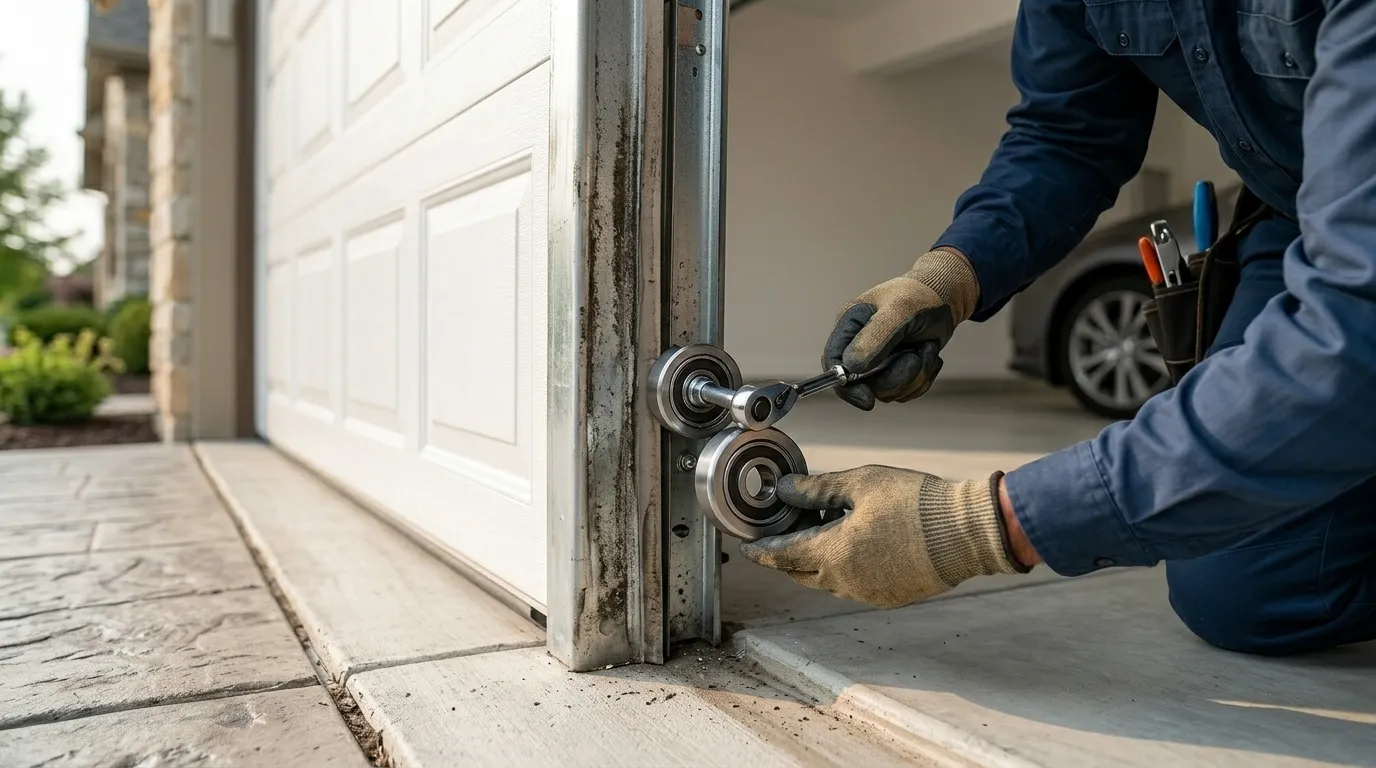
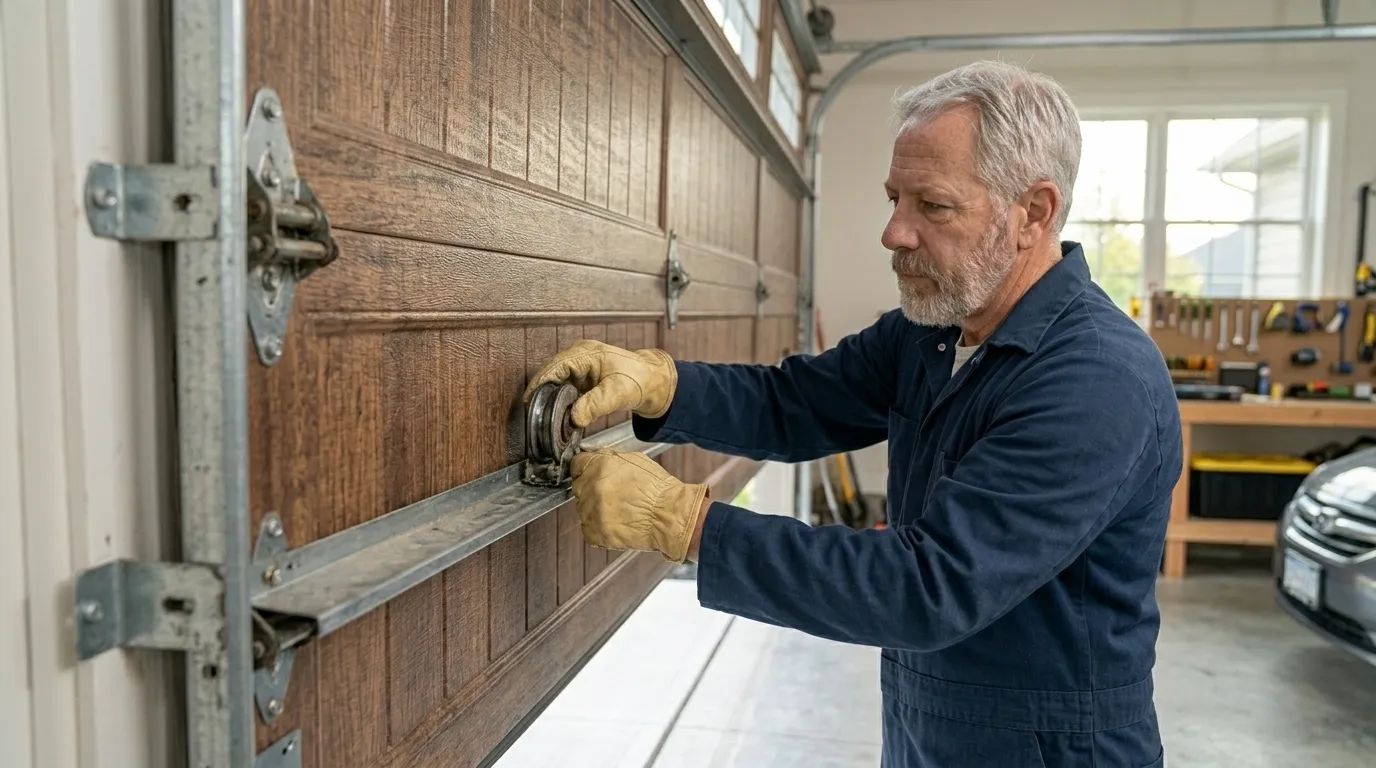
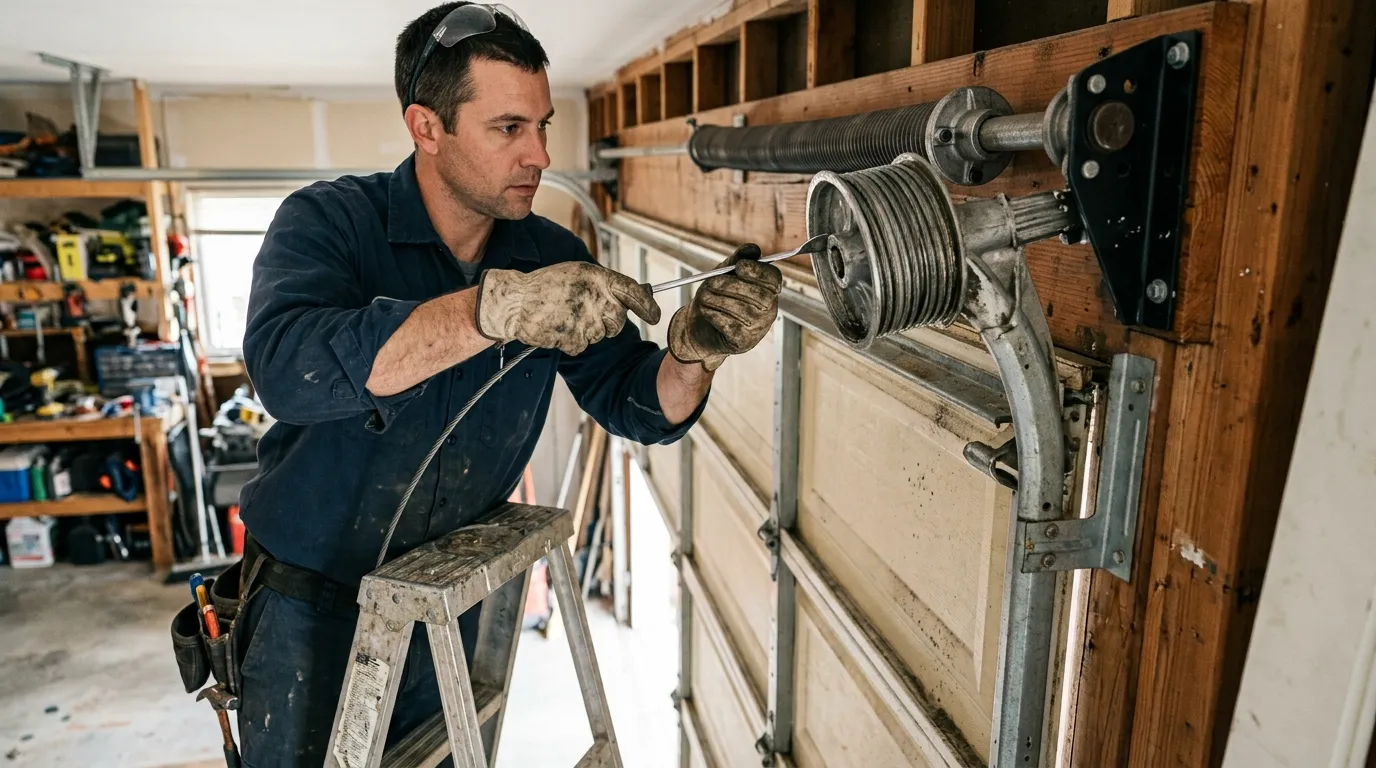
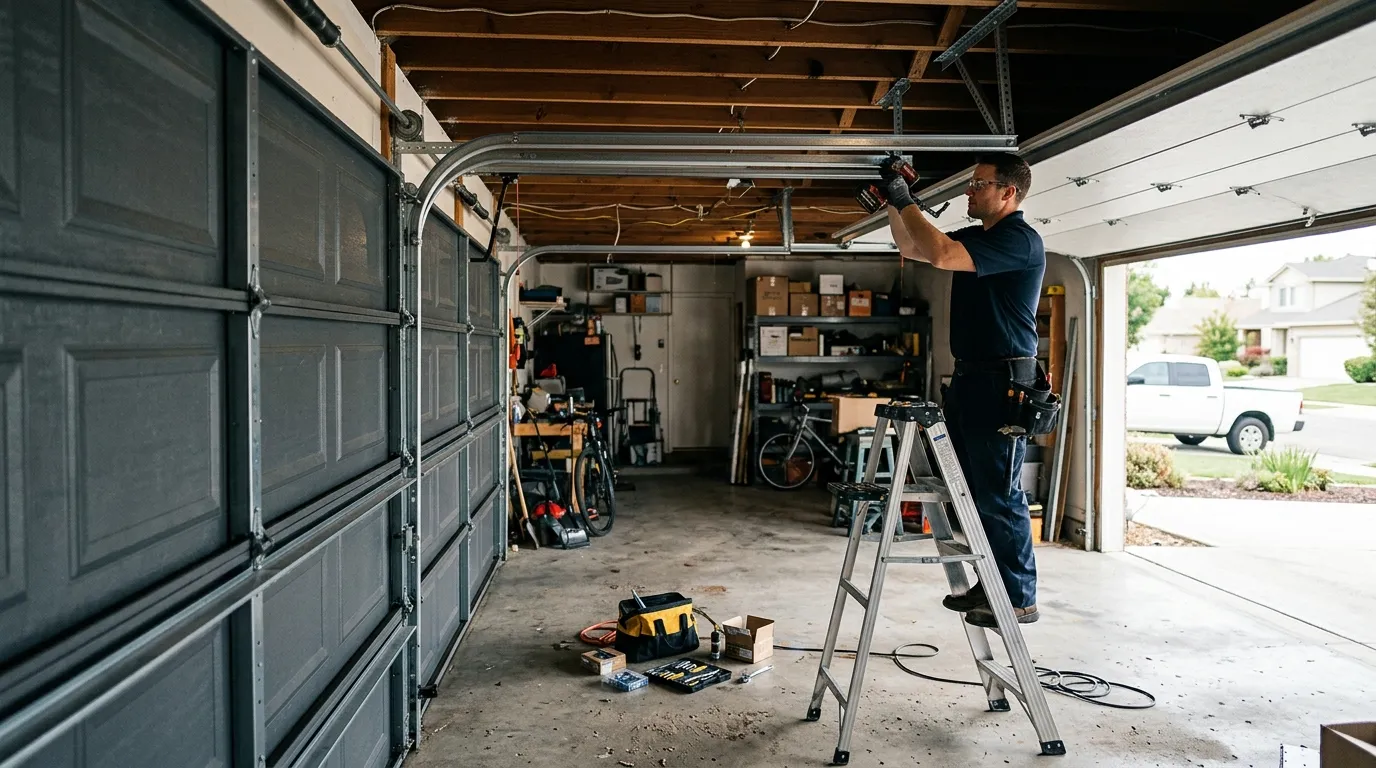
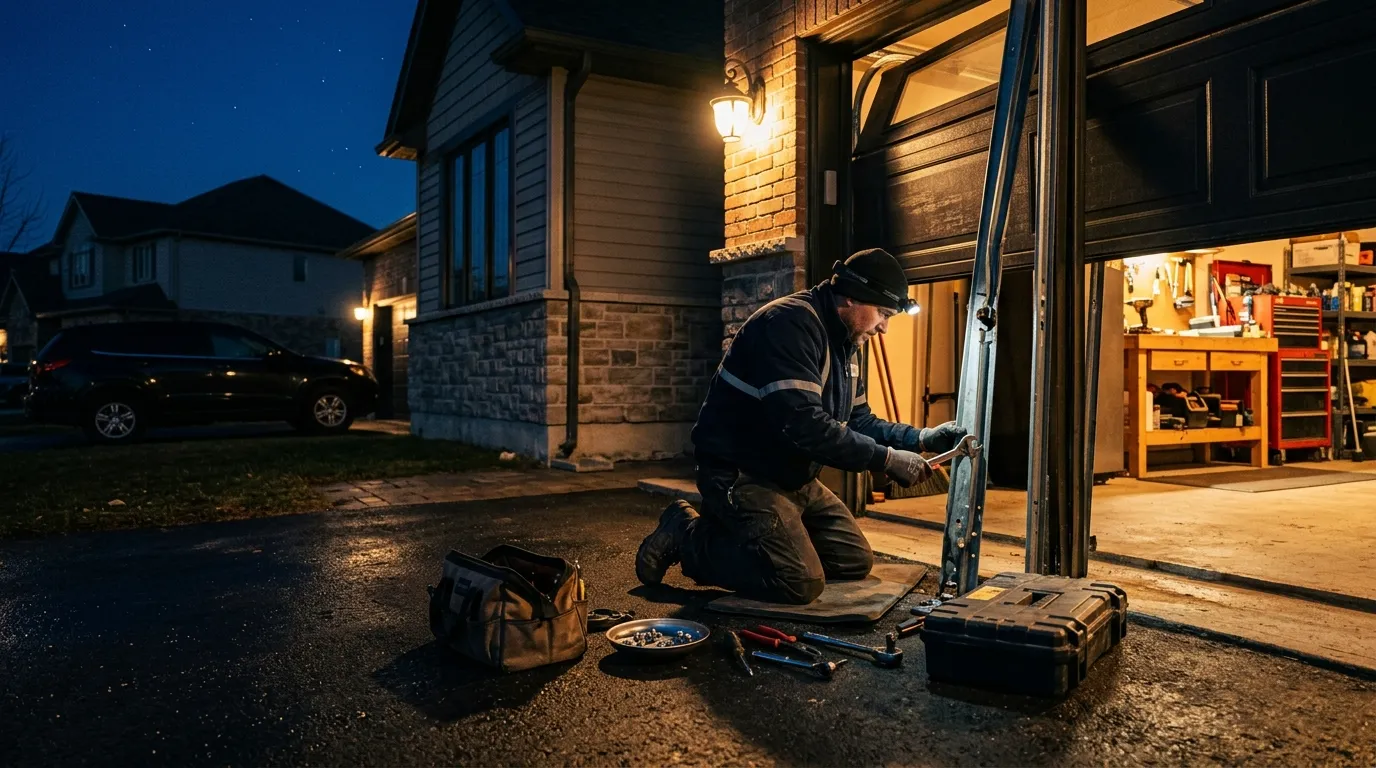
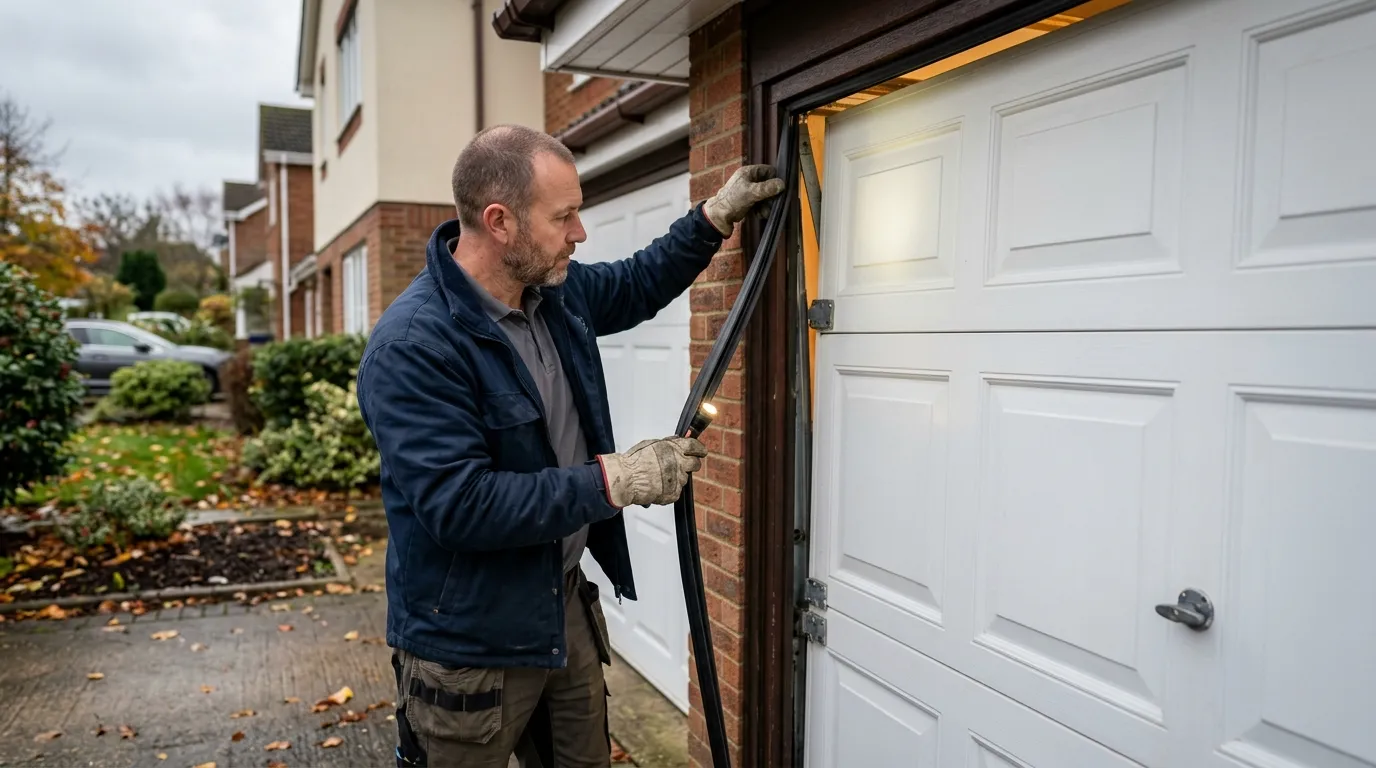
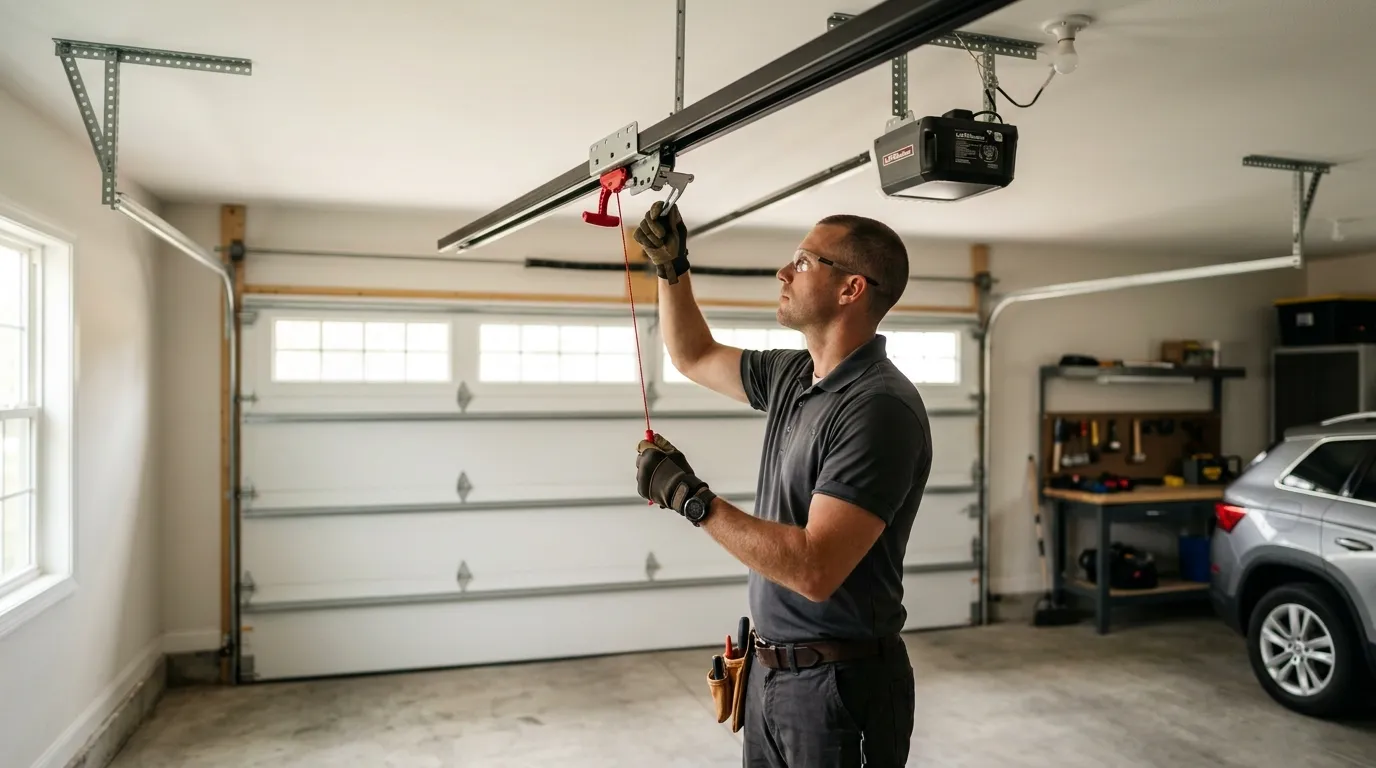
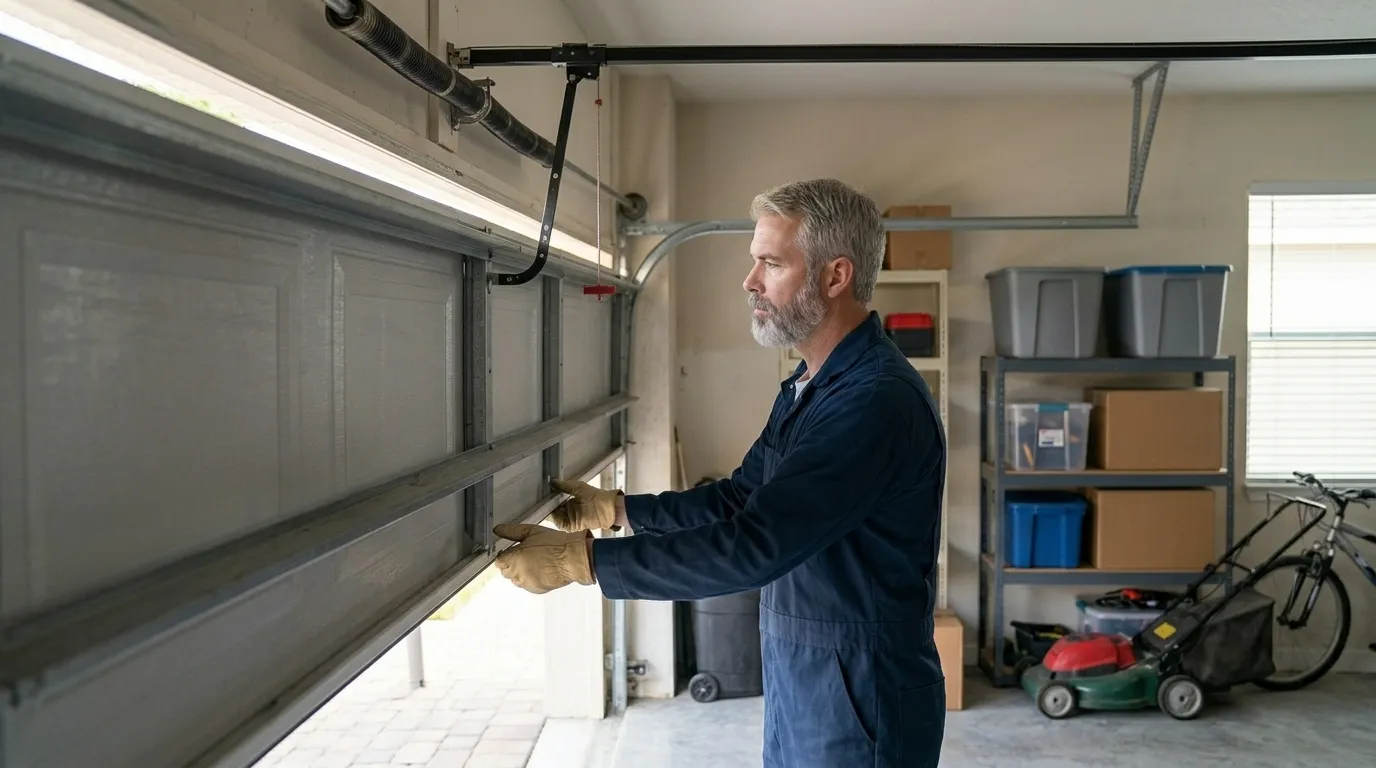
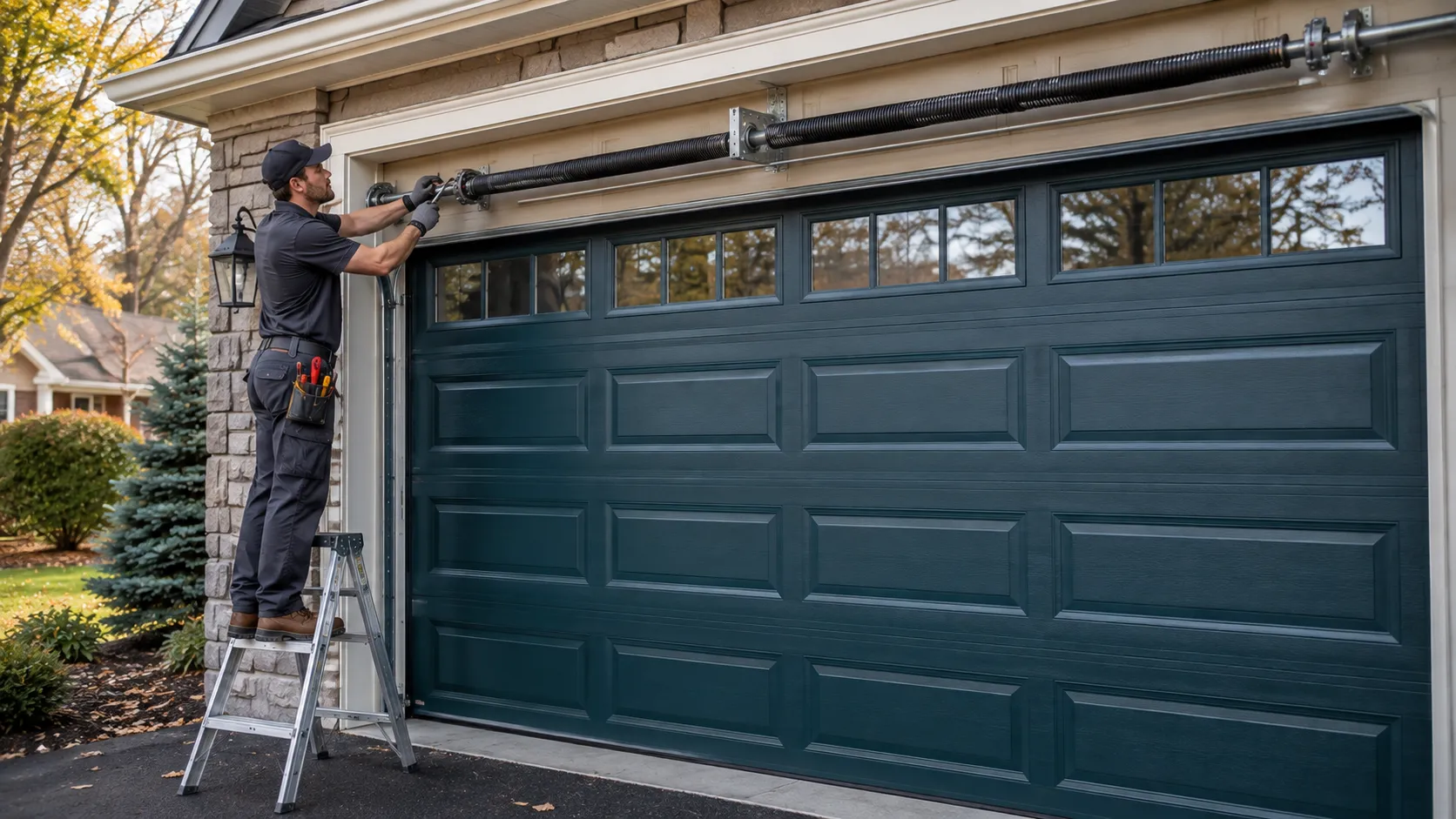
With a 1946 build year, we routinely find doors on hardware that predates the torsion-spring standard most newer houses use - extension springs mounted along the horizontal track, sometimes without a containment cable, which is a real safety gap on an older setup. We also see openers bolted onto framing that was never built to modern header-bracket specs, so a straight opener swap sometimes means adding blocking first. This area sits in a cold-climate zone with real winter severity, and on a door this old, the weatherstripping and bottom seal are usually original-style rubber that's hardened and cracked, letting wind straight through the threshold. That's a cheap fix on its own, but it's rarely the only thing going on once we're already out there.