This Area's Housing
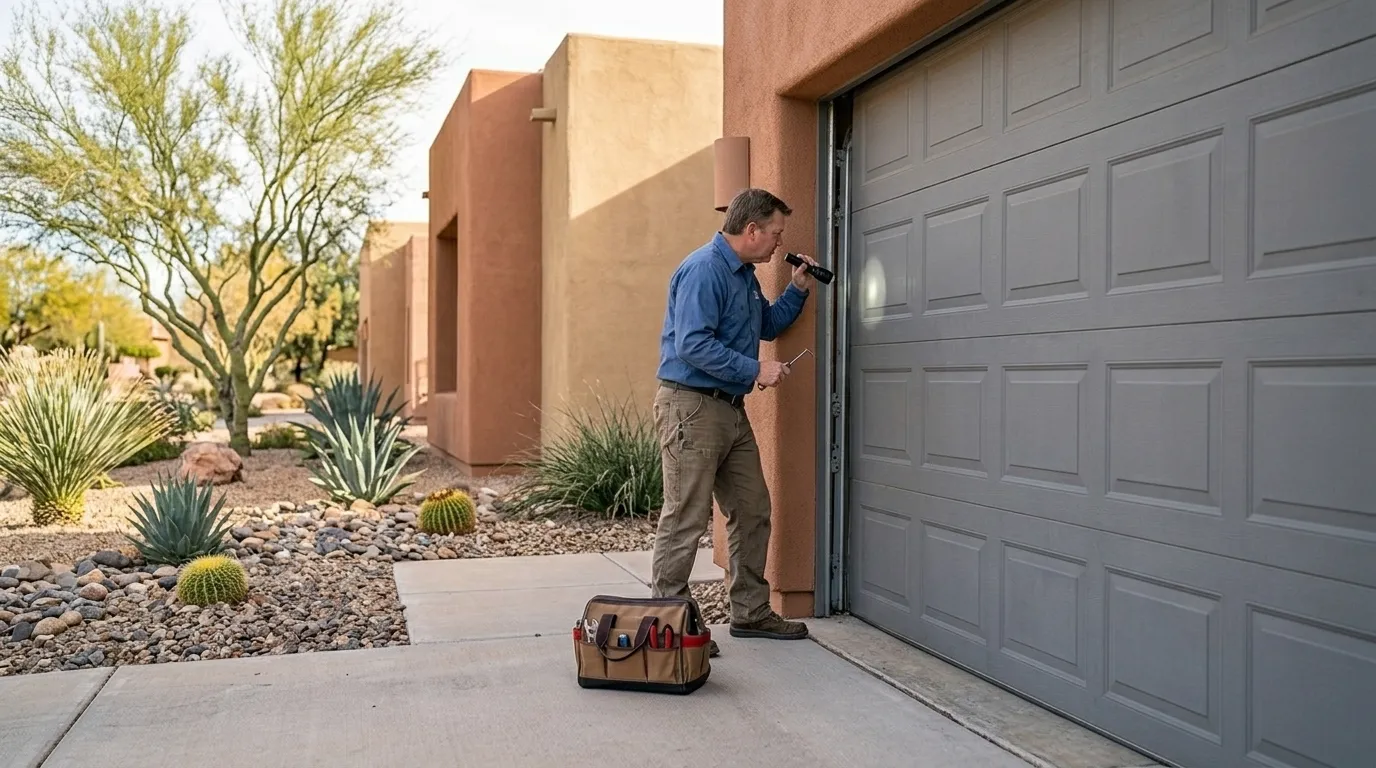
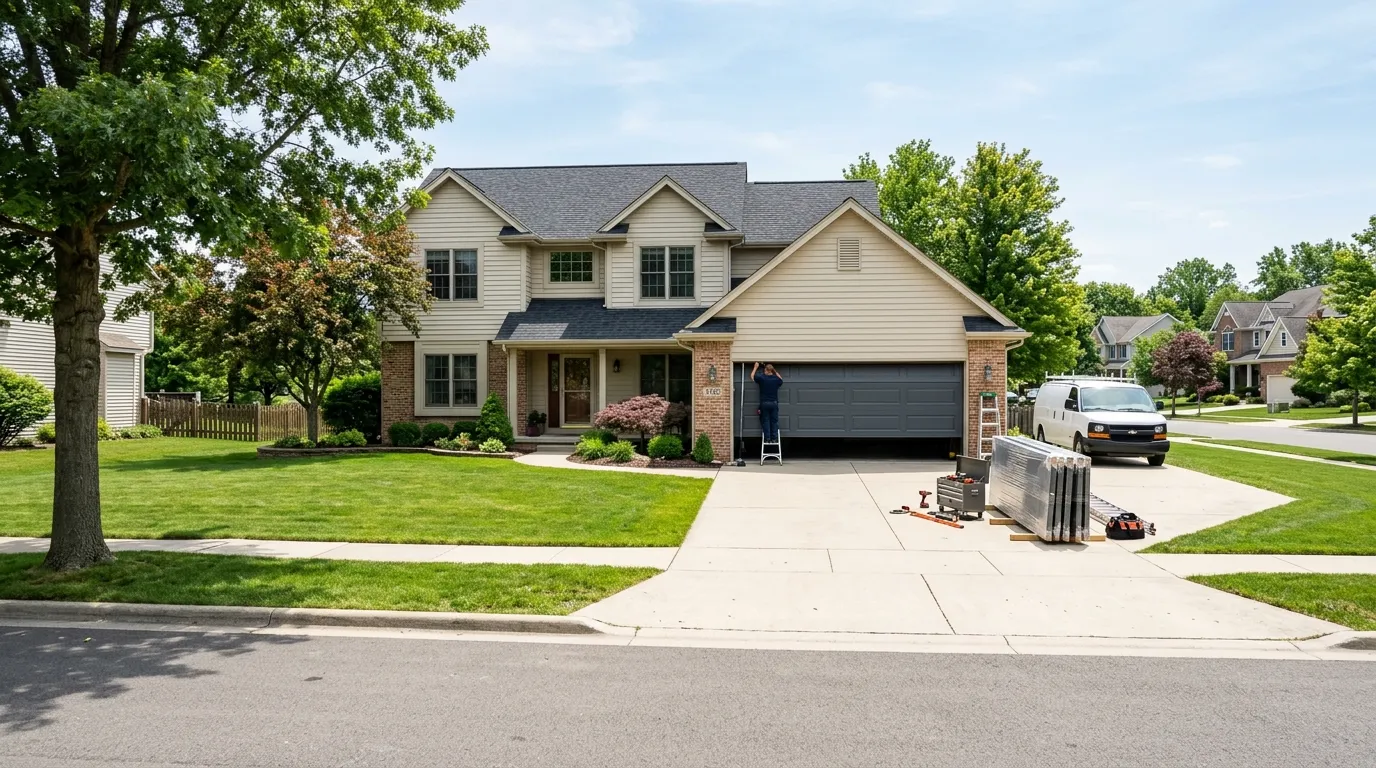
Park City has roughly 2,765 households, and the median household income here runs around $62,875, noticeably below the wider service area's $121,583. That gap matters for the advice we give: we're not going to push a full door replacement on a 1983 door when a spring and hardware swap gets another decade out of it. Across the broader area the housing stretches from 1938 to 2009, but Park City itself clusters tighter around that early-1980s build year, which means less variety in door width and track style than you'd find in a newer subdivision. Garages here were mostly built to the same handful of specs, so once we've seen a few doors on a street, we usually know what's behind the next one before we open it.
How That Shows Up in the Door
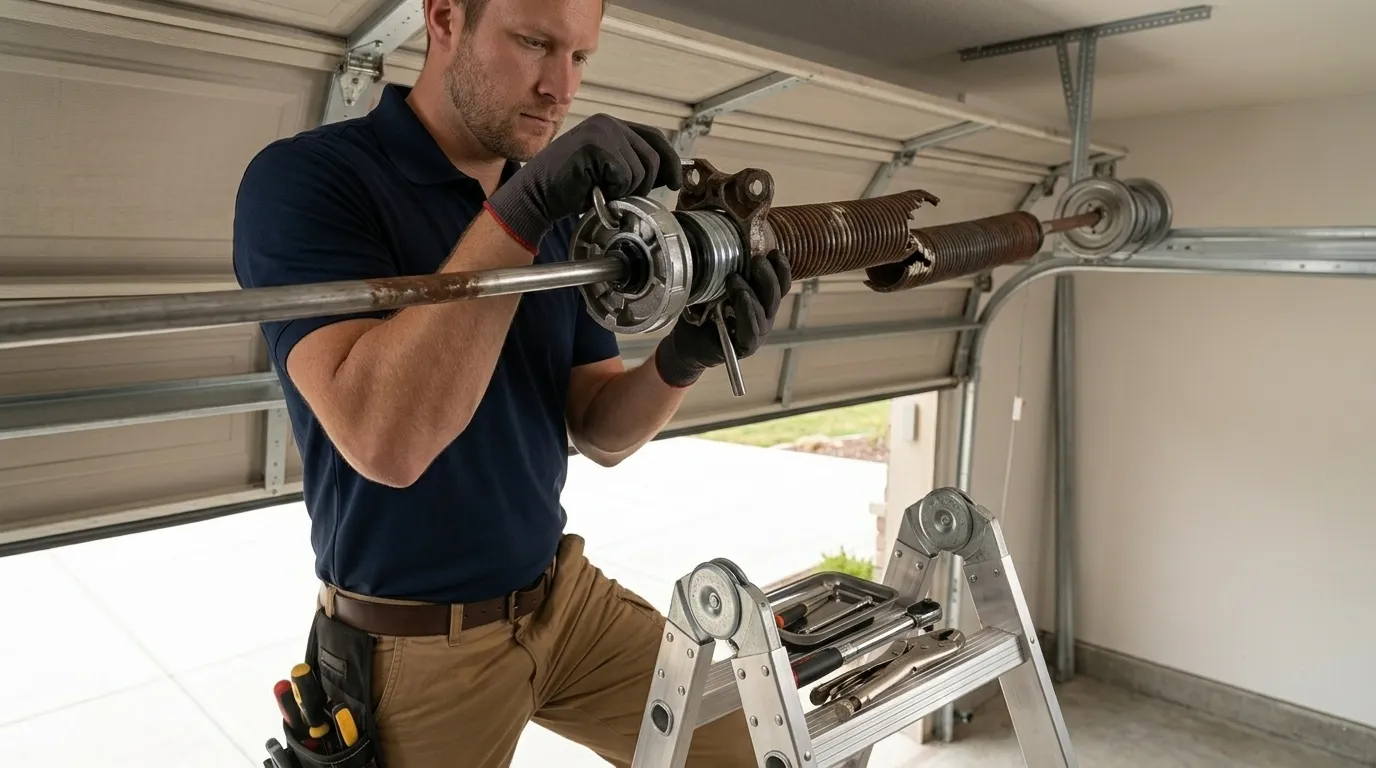
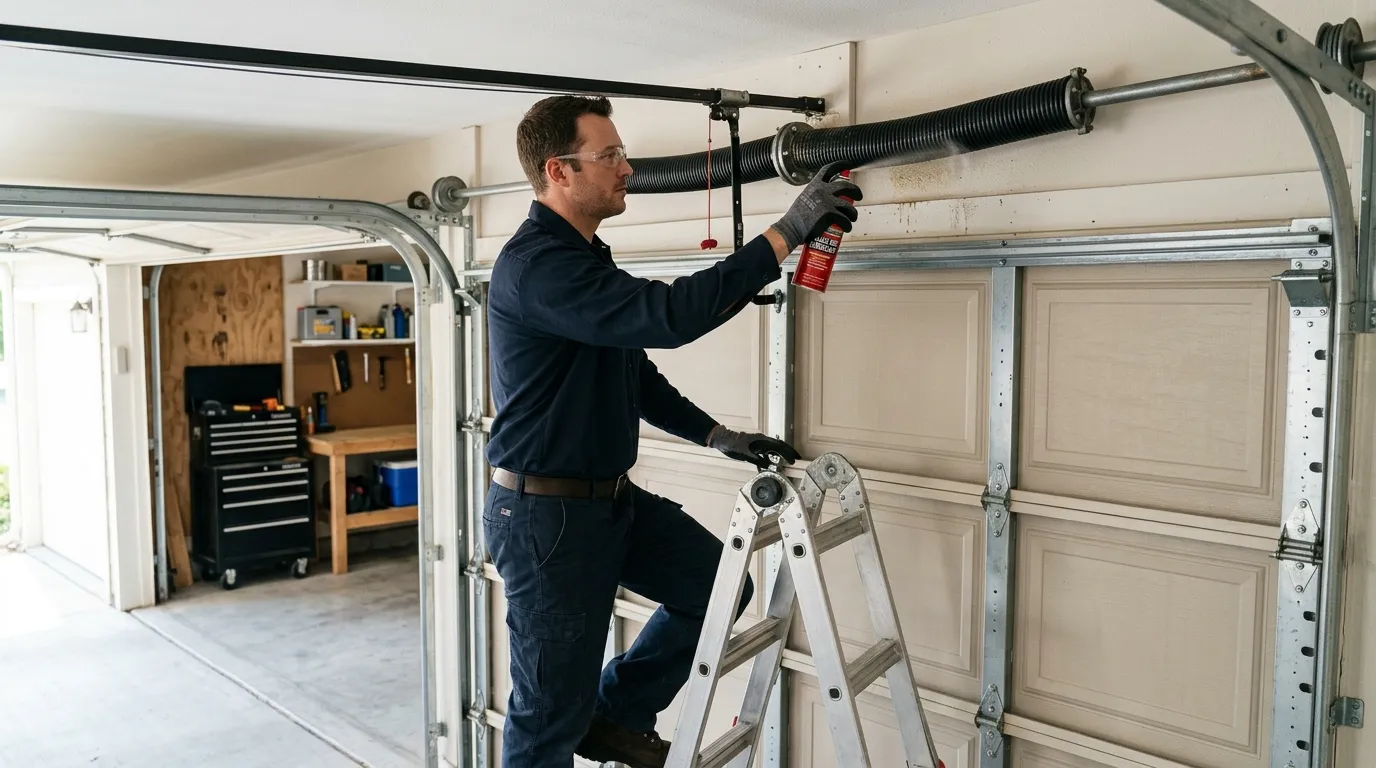
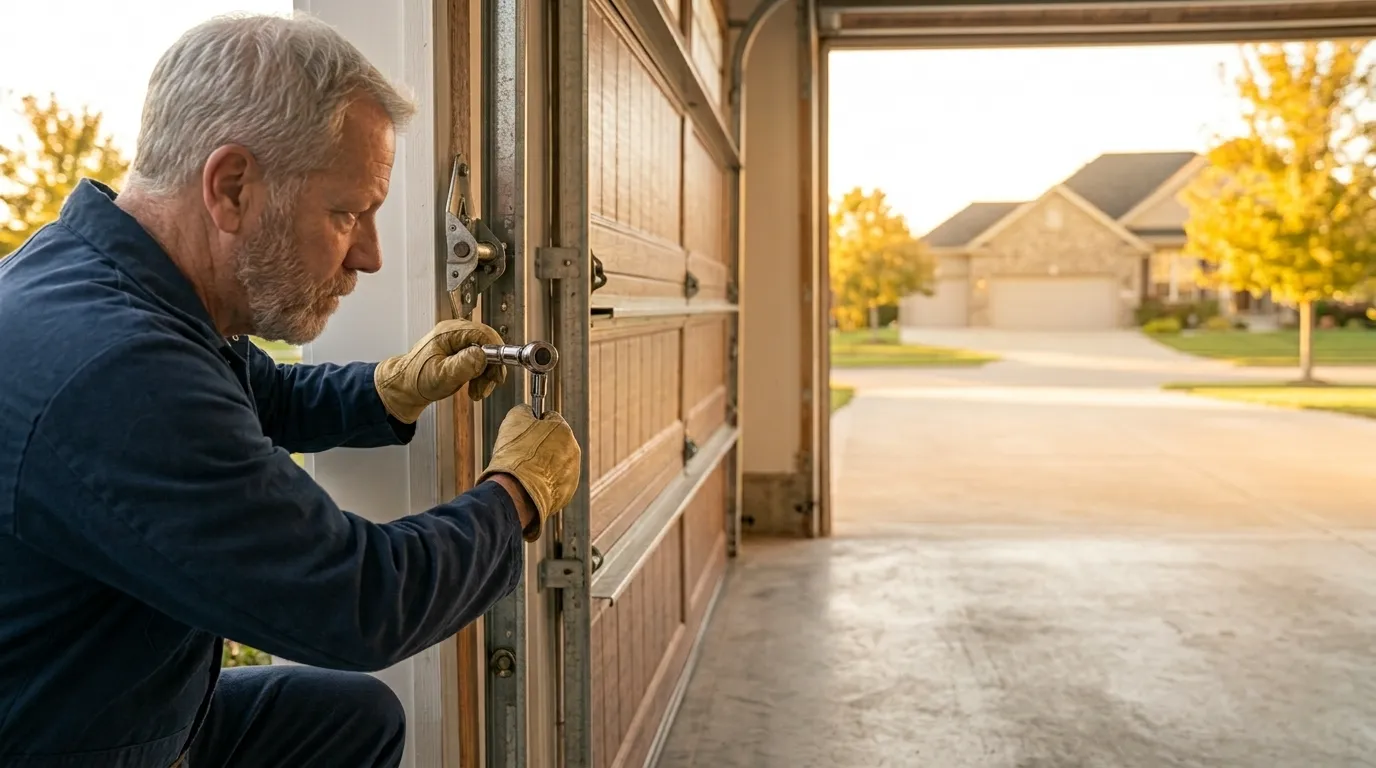
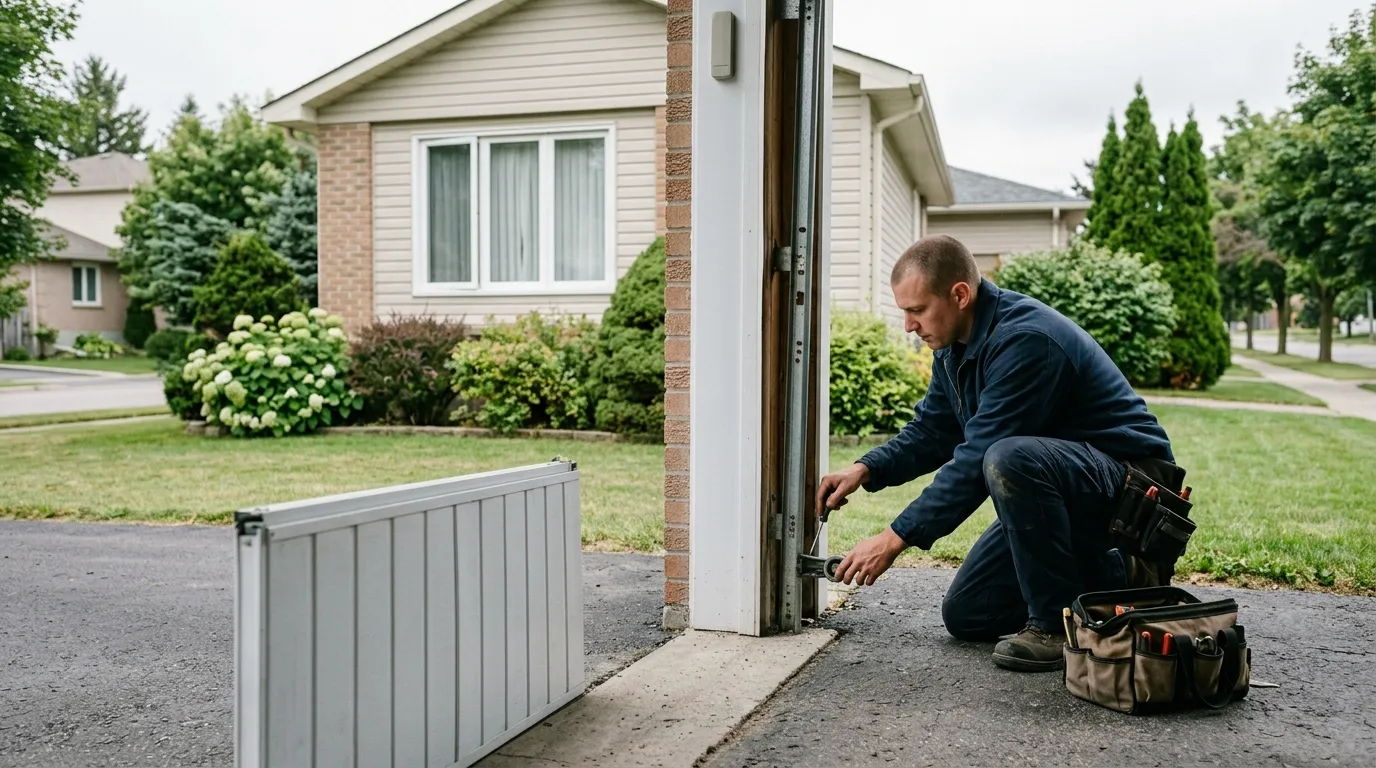
A door hung in the early 1980s was engineered for a lighter steel panel and a torsion spring sized for that weight - not for the heavier insulated doors homeowners sometimes bolt on later without upgrading the spring or the shaft. That mismatch is the most common failure we find in Park City: a spring rated for the original door working overtime on a heavier replacement panel, wearing out early and taking the opener's gears with it. We also see the original steel tracks bowed slightly from decades of temperature swings, since this whole area sits in a cold-climate band that puts real stress on garage door hardware every winter. Cold makes steel brittle and grease stiff, and a spring that's already near the end of its life is far more likely to snap on a sub-zero morning than in July. If your door came with the house in 1983, the spring inside it almost certainly isn't original - it's already been replaced at least once, and that replacement is usually the one that's failing now.