This Area's Housing
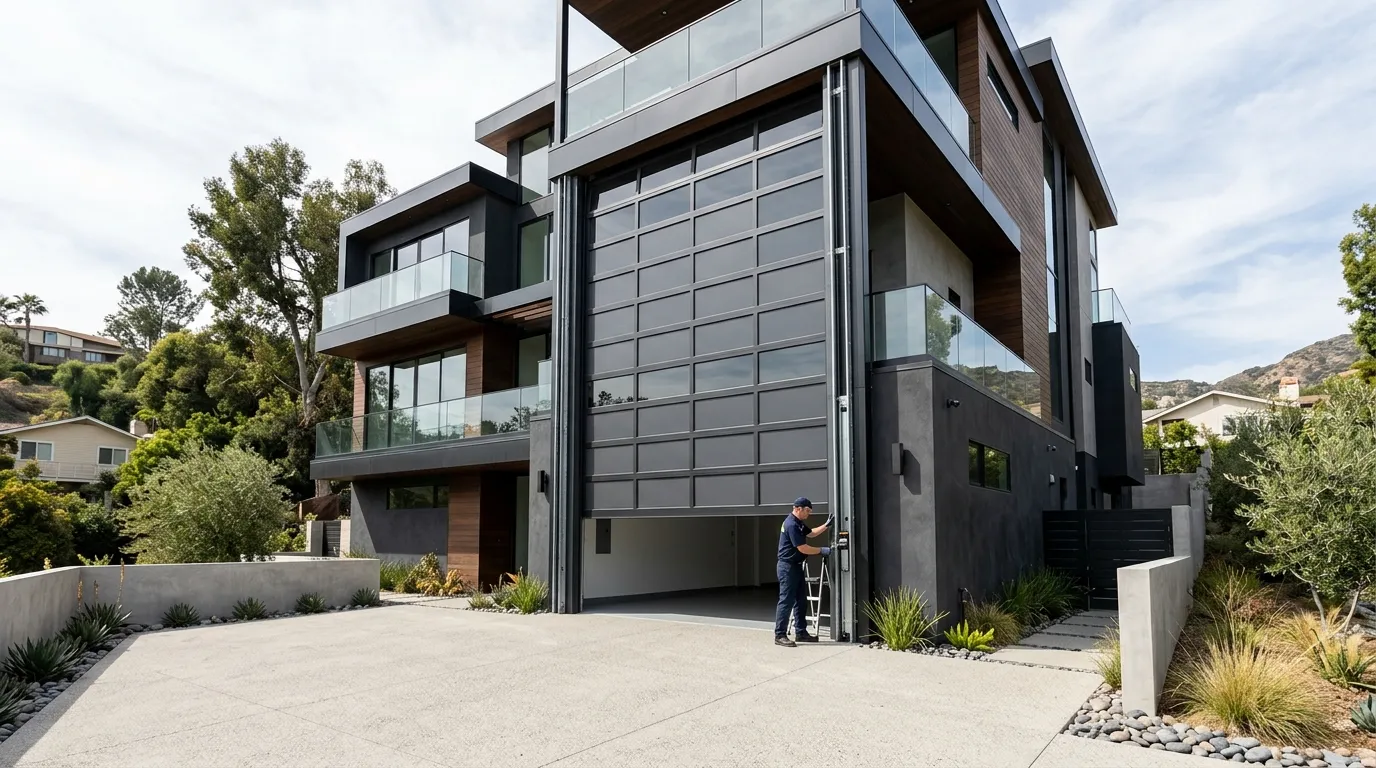
Across our whole coverage area the median home was built in 1984, with stock running from 1938 up through 2009. Port Barrington doesn't fit that pattern - its median year built is 2001, putting most houses here nearly two decades newer than the area average. That gap matters for garage doors because door specs, insulation standards, and opener safety requirements all shifted meaningfully between the 1980s and the early 2000s. A door installed in 2001 was built to different sensor and reversal standards than one installed in 1984, and it's usually a wider double-car door on a heavier torsion setup than what you'd find in an older ranch house. With only 542 households in this pocket, it's a small, fairly consistent stretch of housing rather than a mix of eras - which makes the failure patterns here more predictable than in older, mixed-vintage neighborhoods.
How That Shows Up in the Door
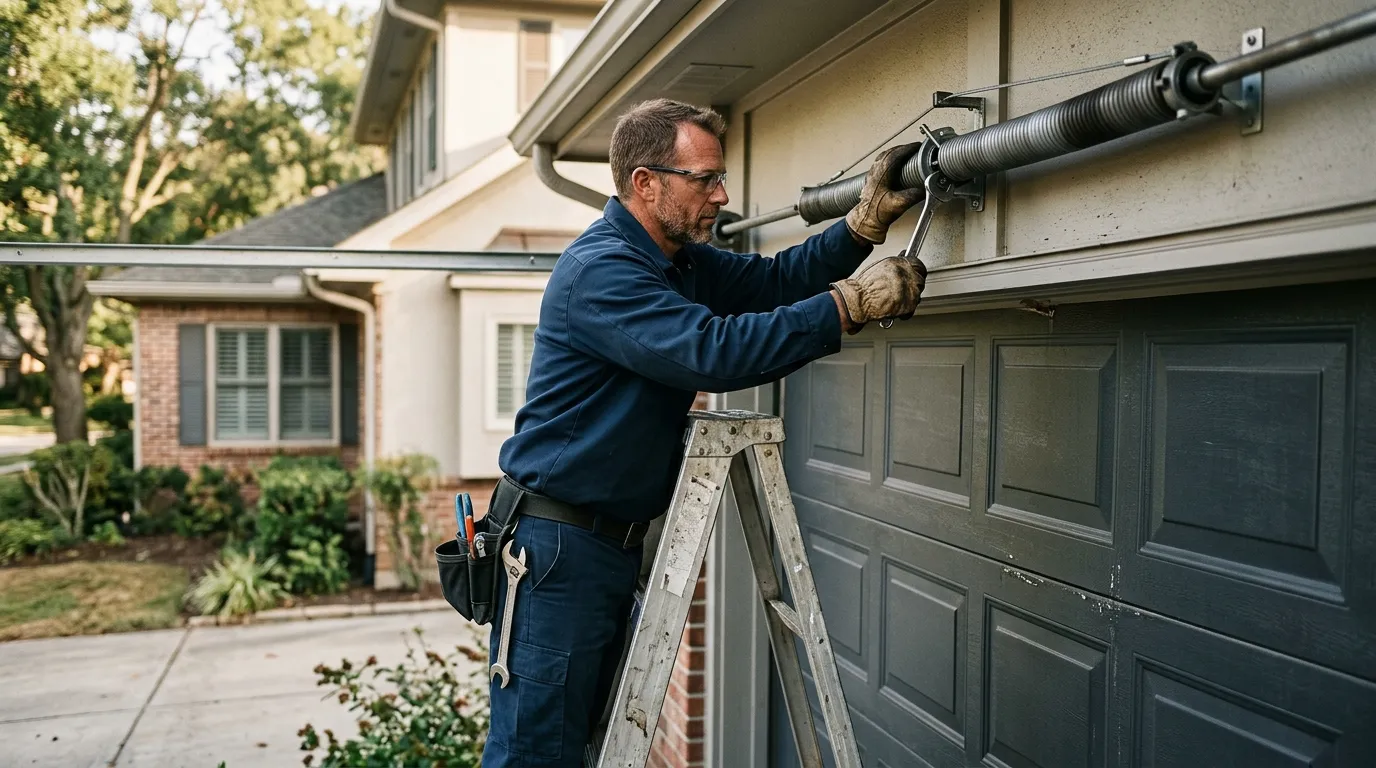
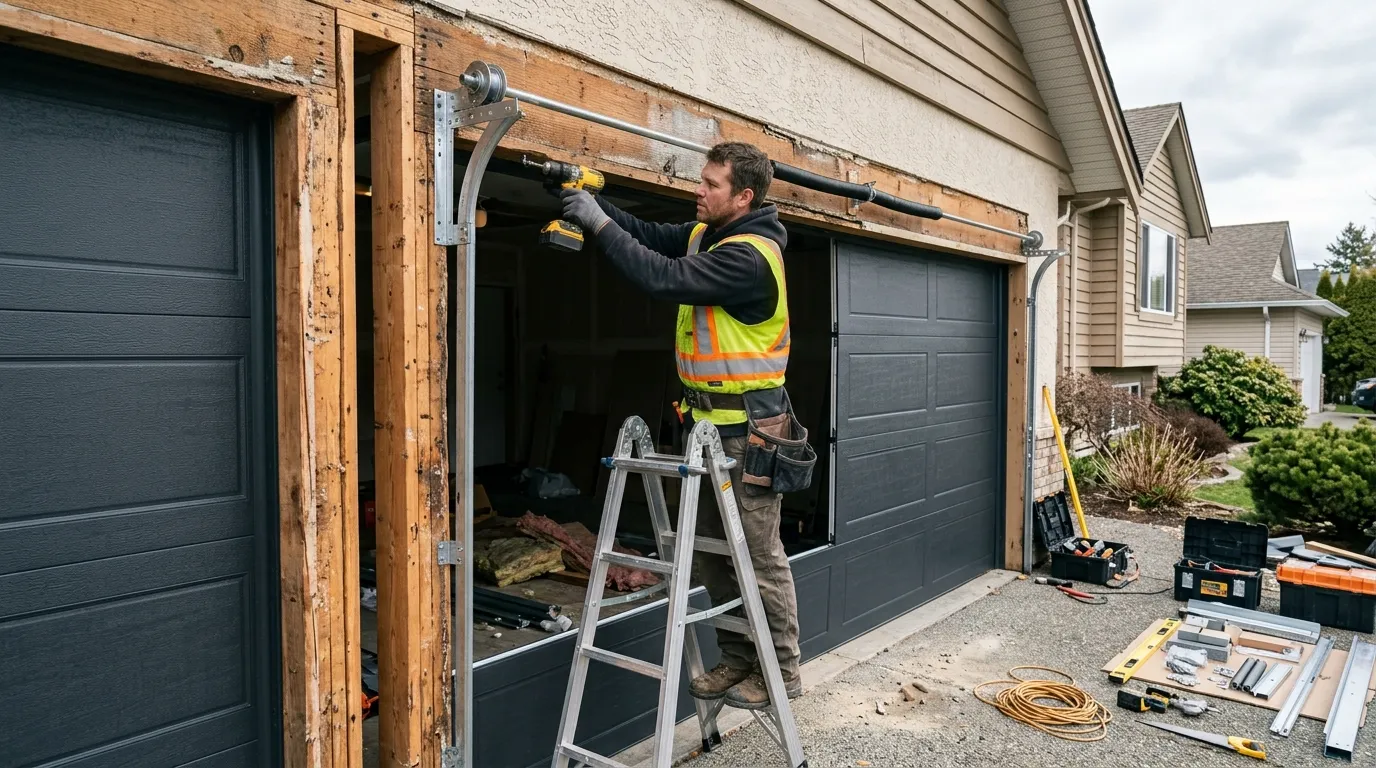
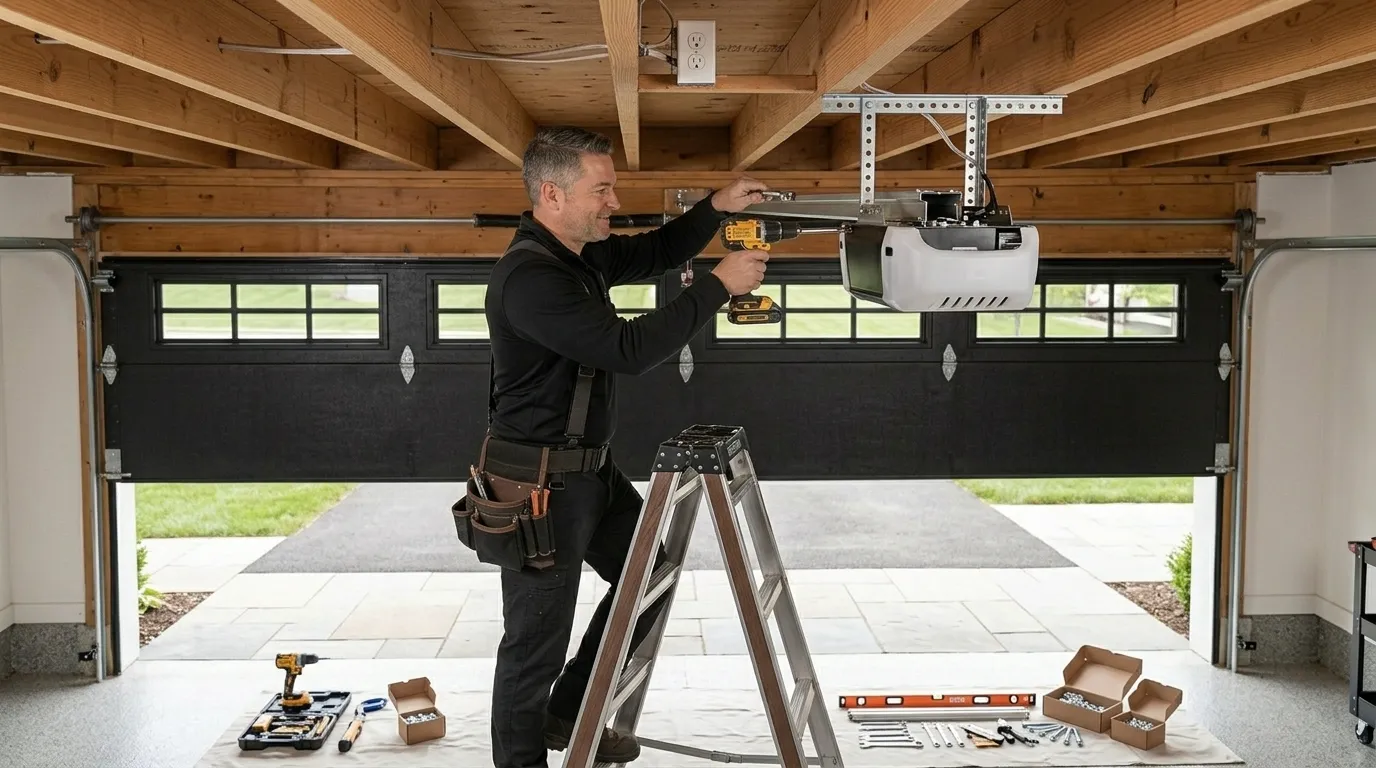
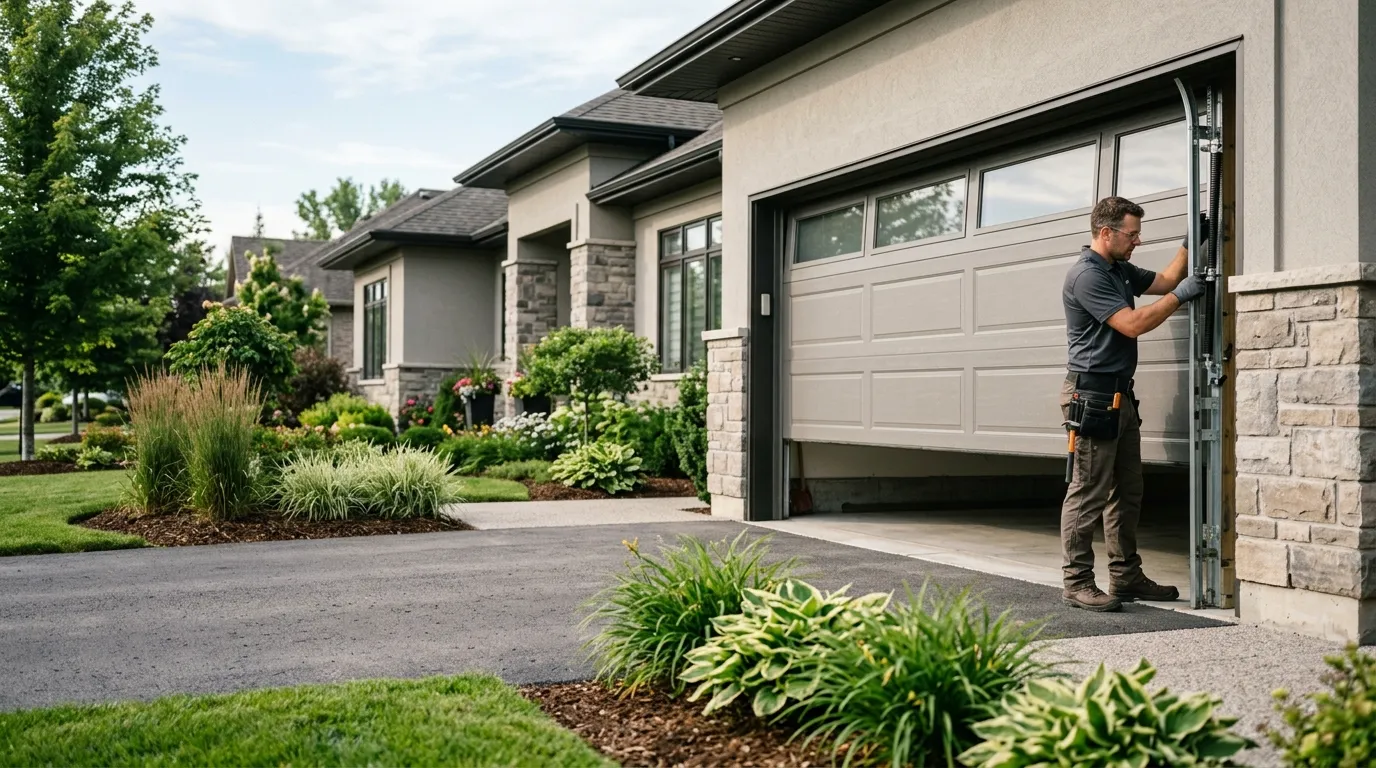
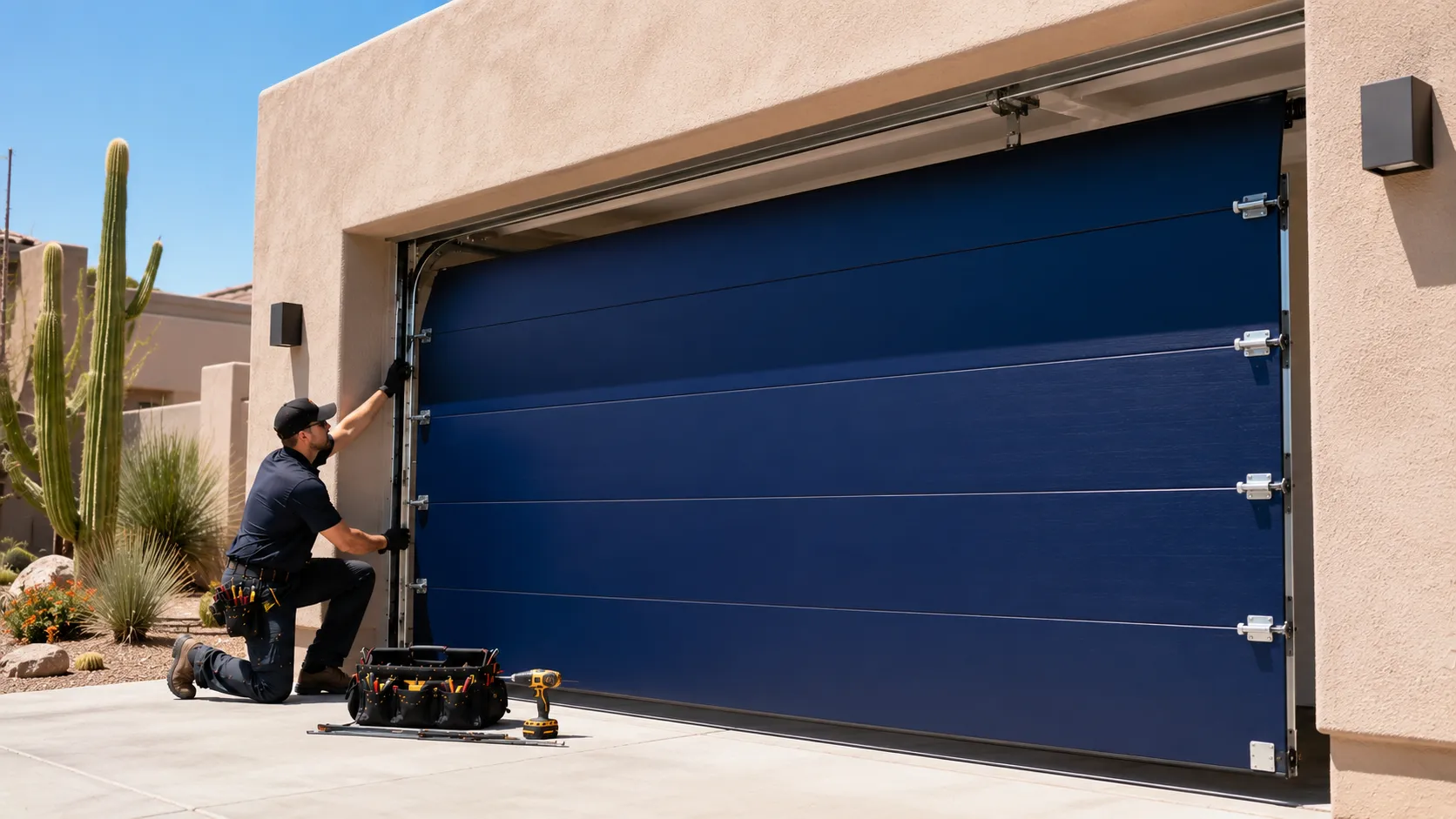
Because most of Port Barrington's housing dates to right around 2001, we're not dealing with the ancient extension-spring setups or the odd one-off hardware you find in pre-1960s stock. What we do see is springs that are aging out - a torsion spring rated for a certain number of cycles installed in 2001 is now well past the point where a lot of them start breaking, especially with the severe cold winters this region gets. Cold makes steel more brittle and lubricant thicker, and a spring near end-of-life is more likely to snap on a January morning than a mild fall afternoon. We also see openers from that build era losing their safety-reversal sensors to age, and insulated doors with foam cores starting to separate at the seams after two decades of freeze-thaw cycles. None of this is dramatic damage - it's normal wear catching up to a housing stock that's now old enough to need it.