This Area's Housing
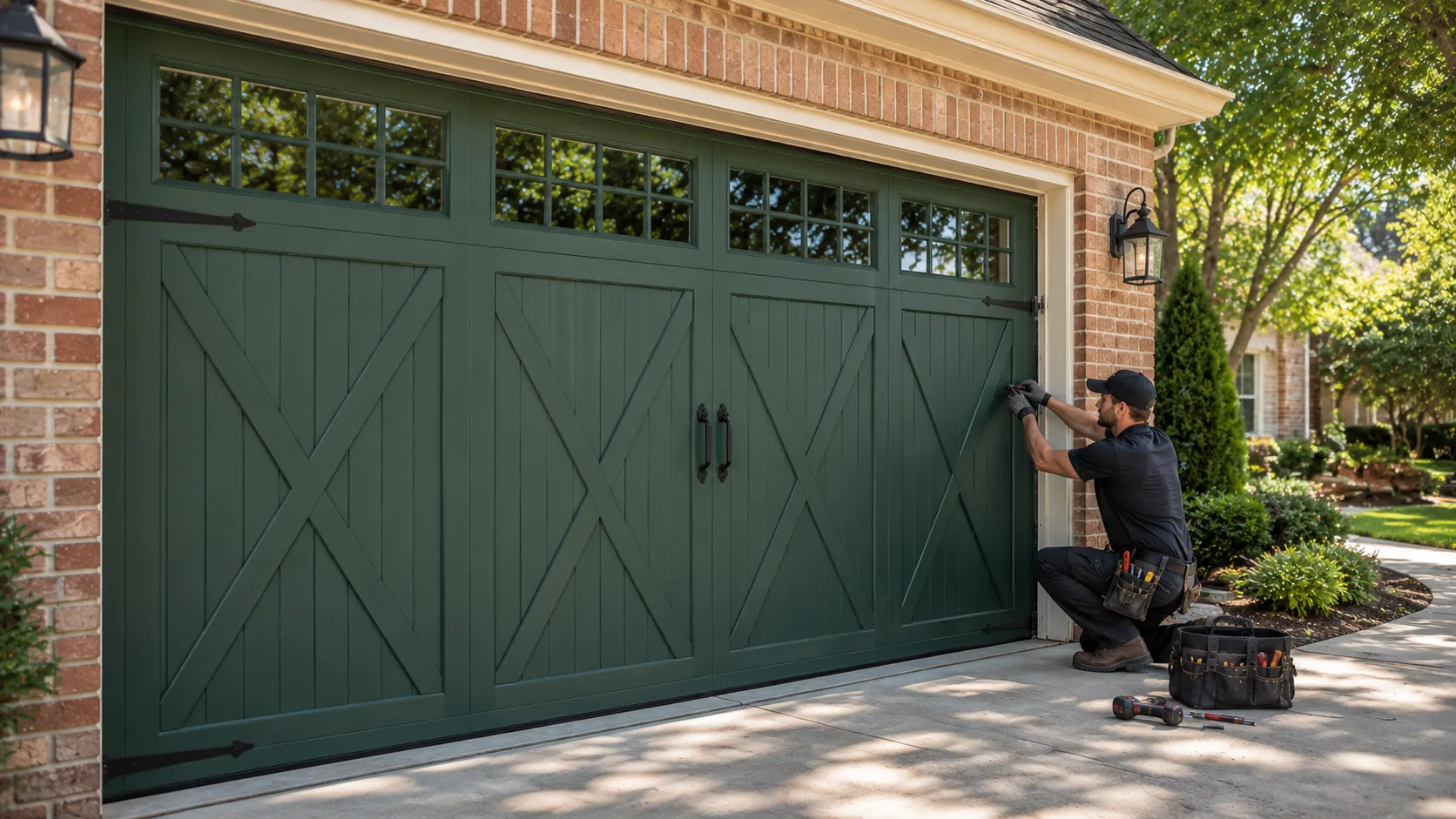
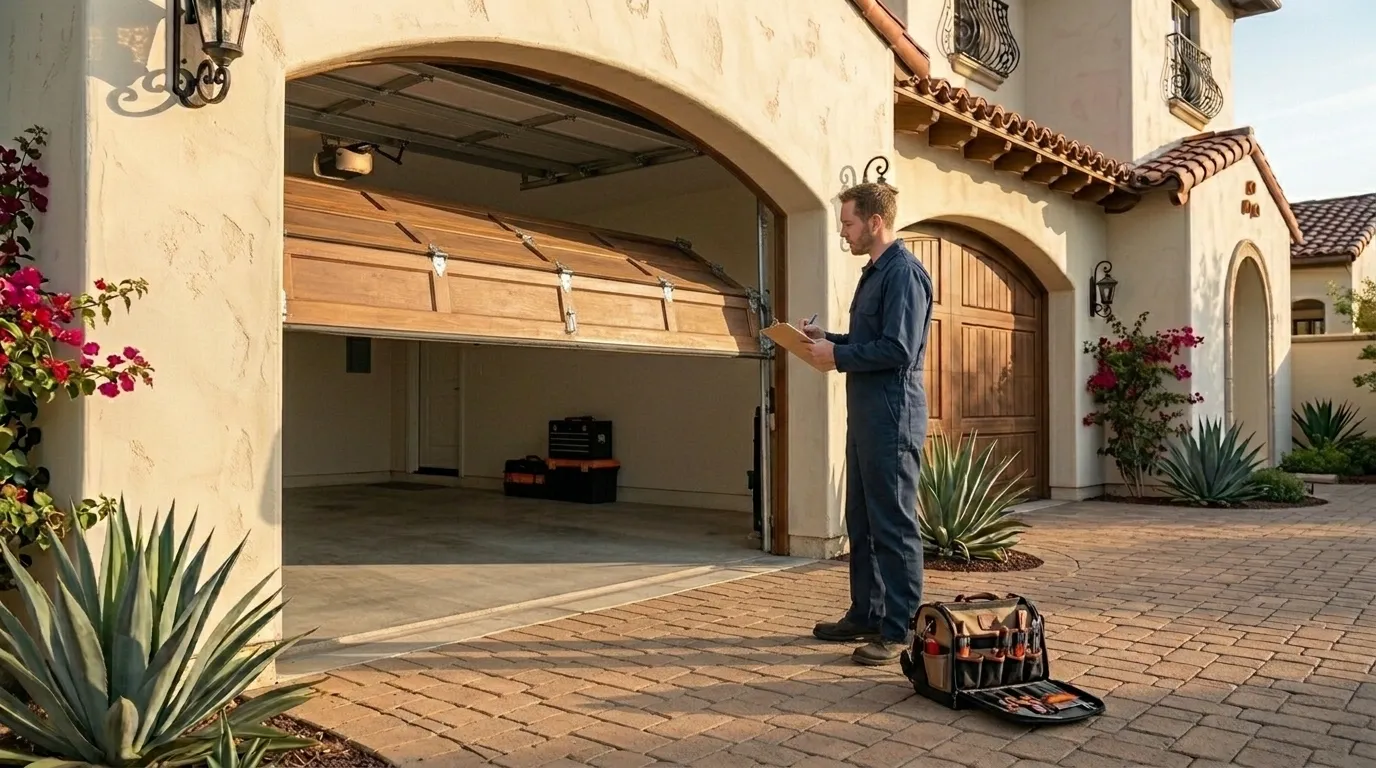
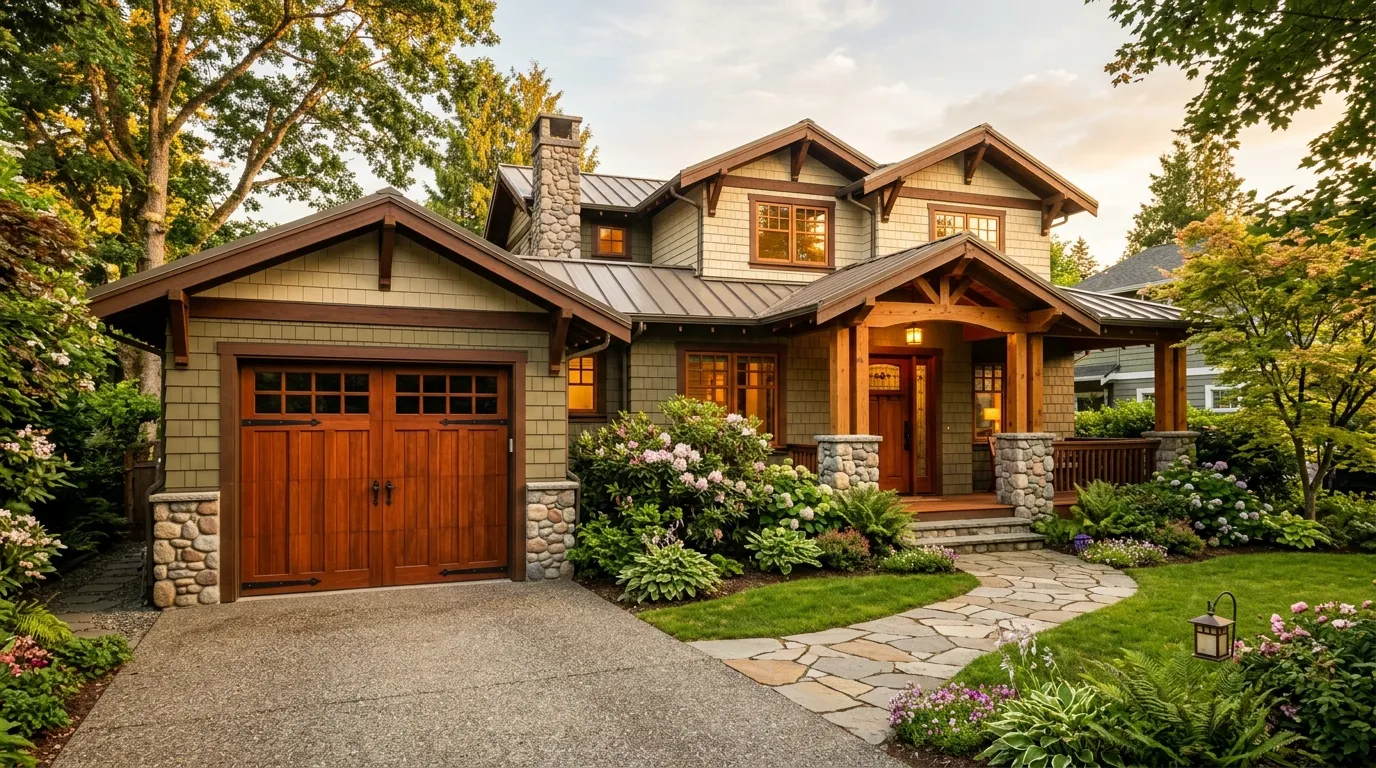
Prospect Heights homes were mostly built around 1976, which puts this pocket on the older side of the wider service area, where the typical house dates closer to 1984. That ten-year gap matters more than it sounds like. A door and opener installed in the mid-70s predates most of the safety and insulation standards that later doors were built around, so what's on these garages is often original steel construction with no reversing sensors unless a previous owner already swapped it out. With about 6,249 households in Prospect Heights and a median income of roughly $91,599, we see a mix of owners who've kept the original door running for decades and owners who've already done one full replacement. Both groups call us for different reasons - one wants a repair that respects a door still doing its job, the other wants us to catch a second failure before it becomes a third.
How That Shows Up in the Door
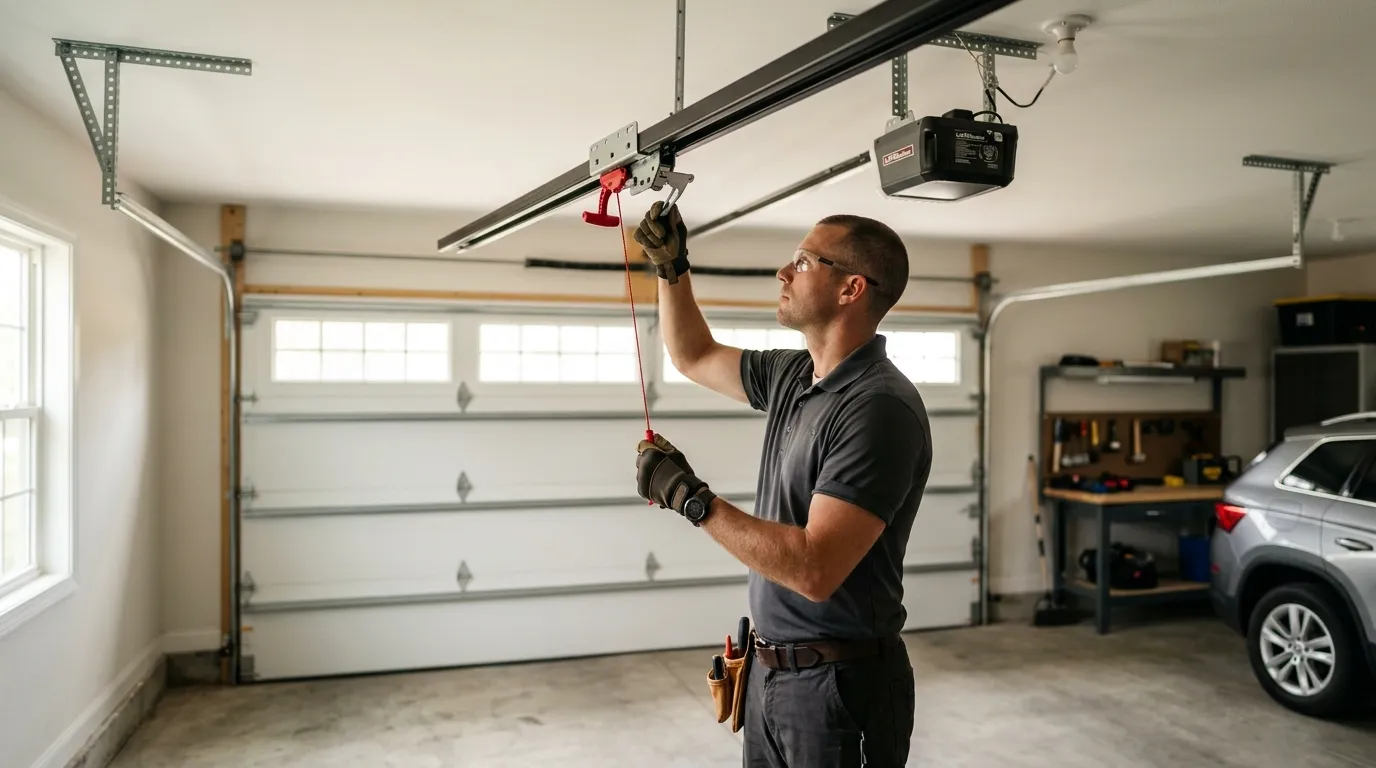
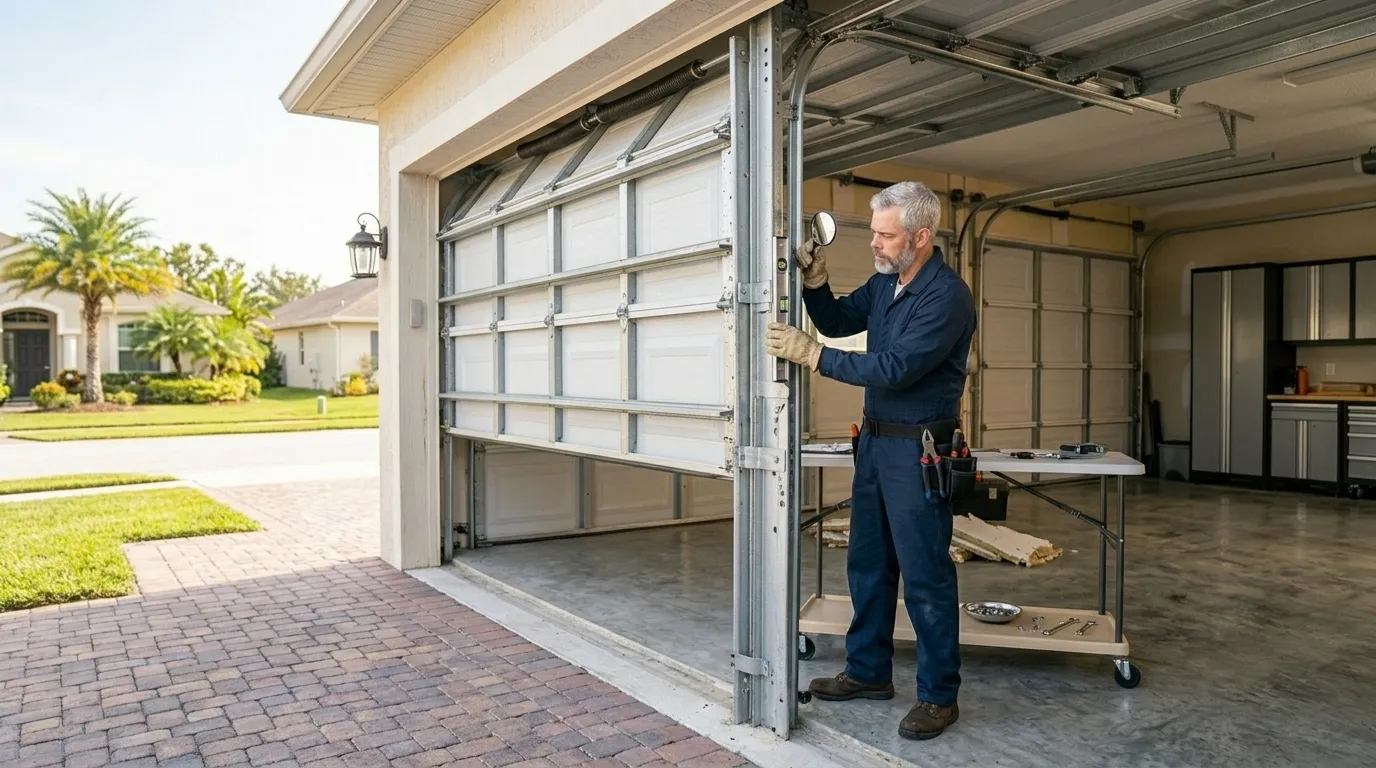
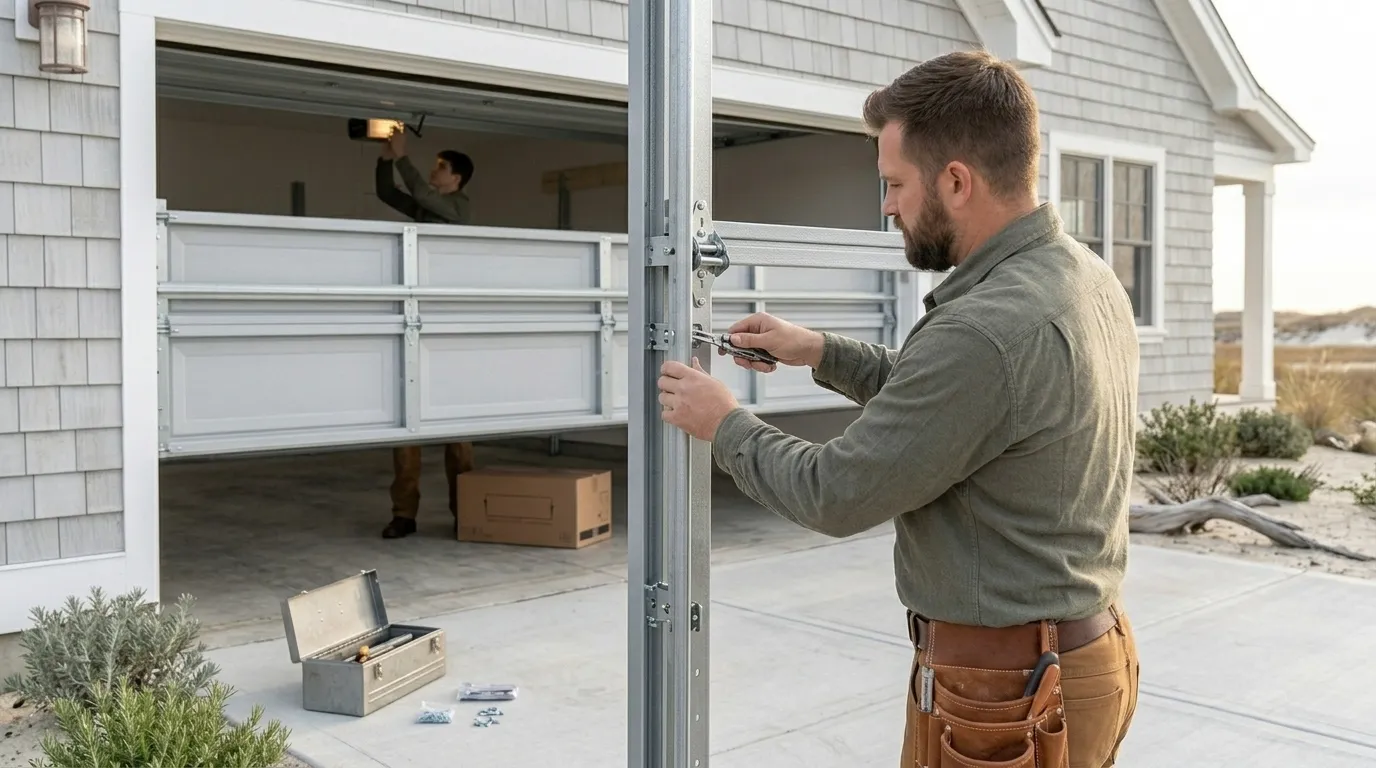
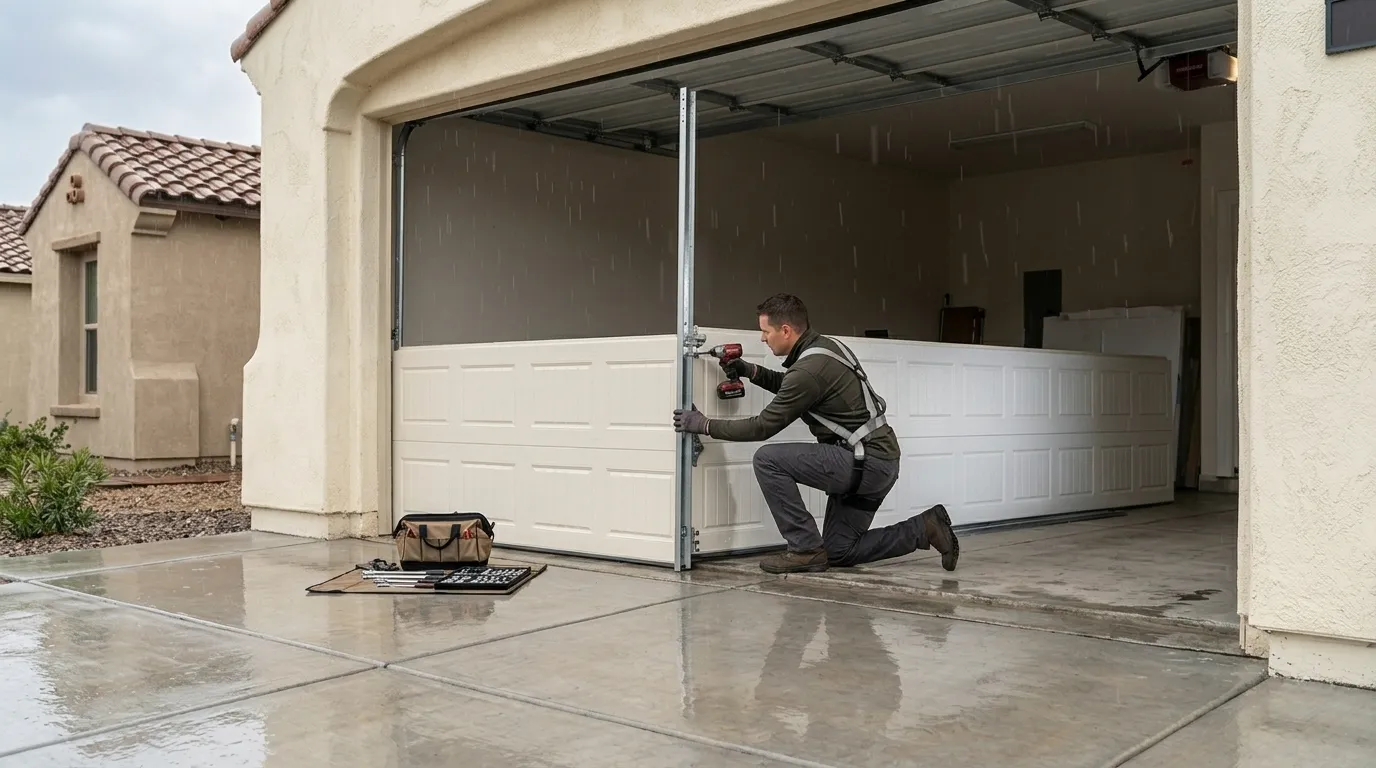
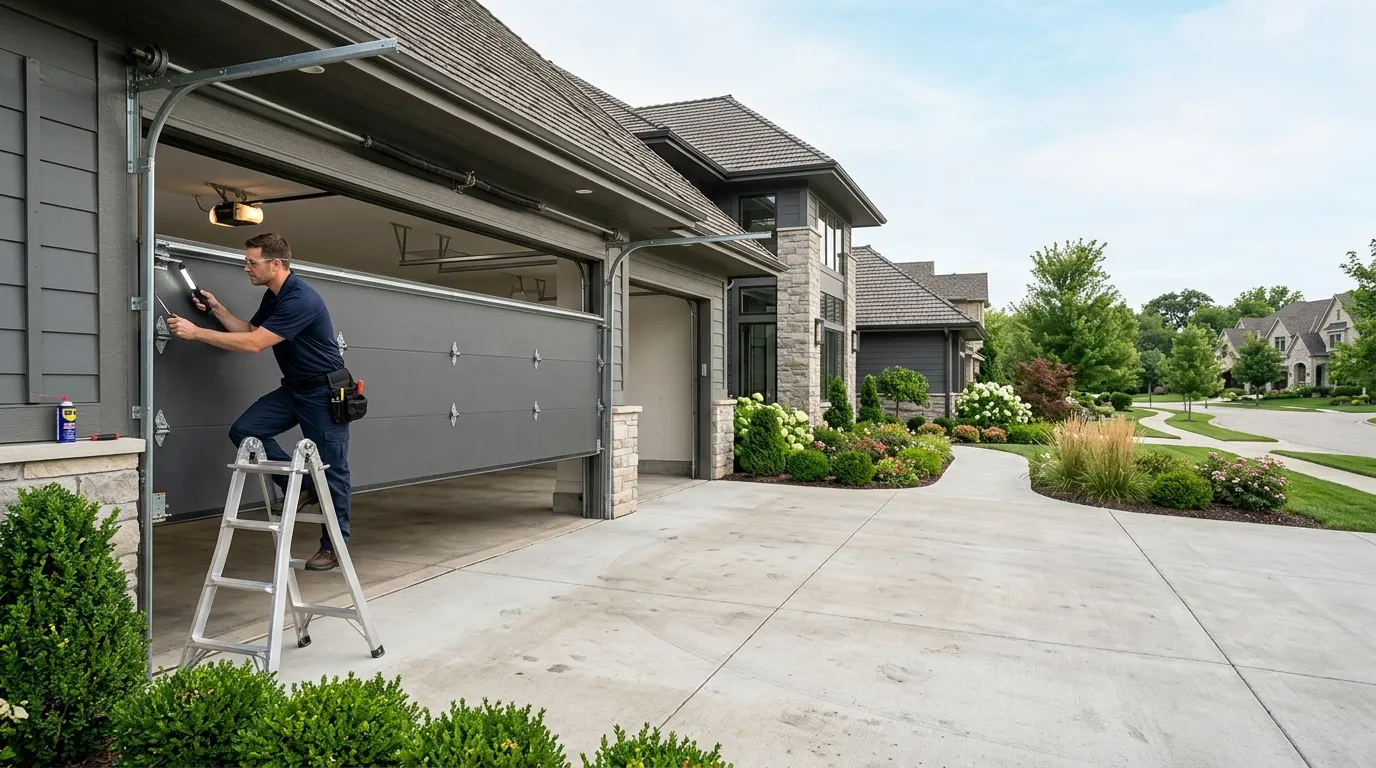
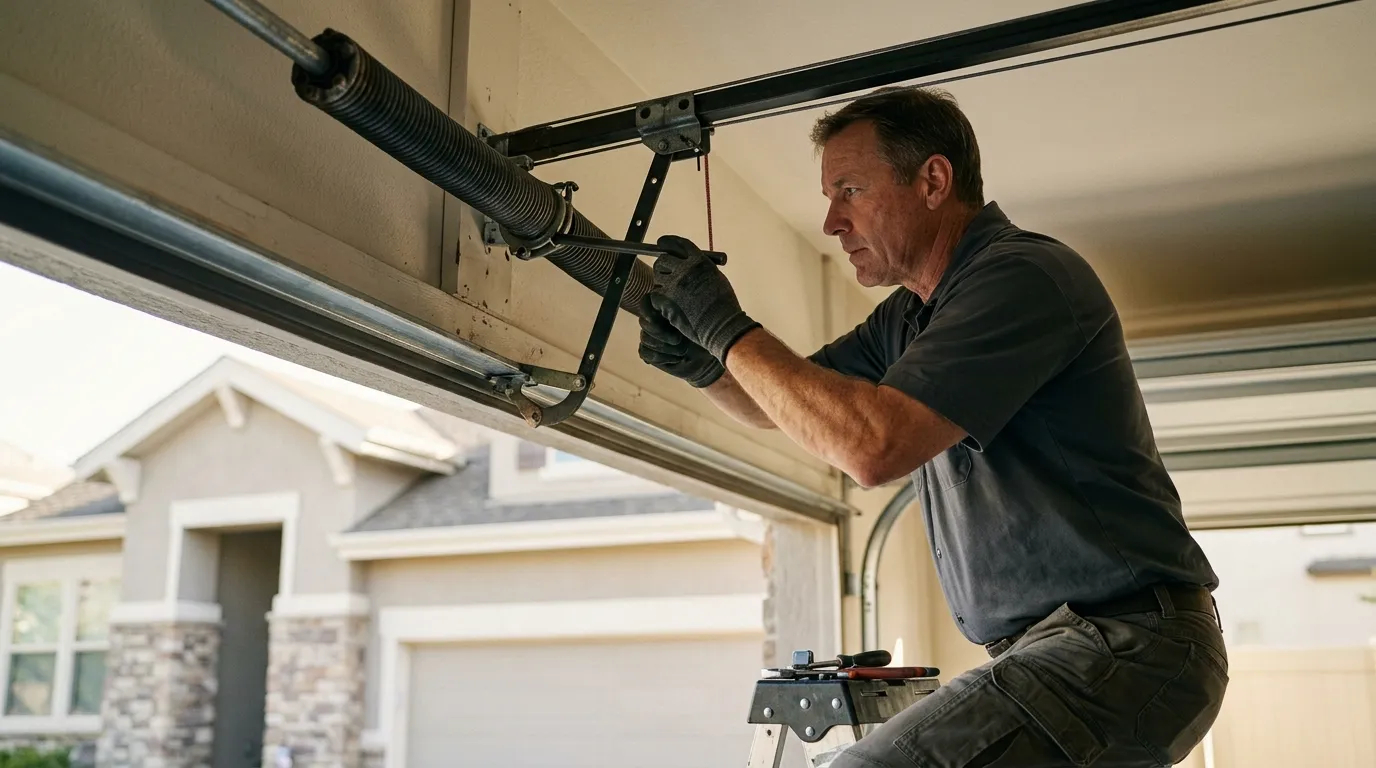
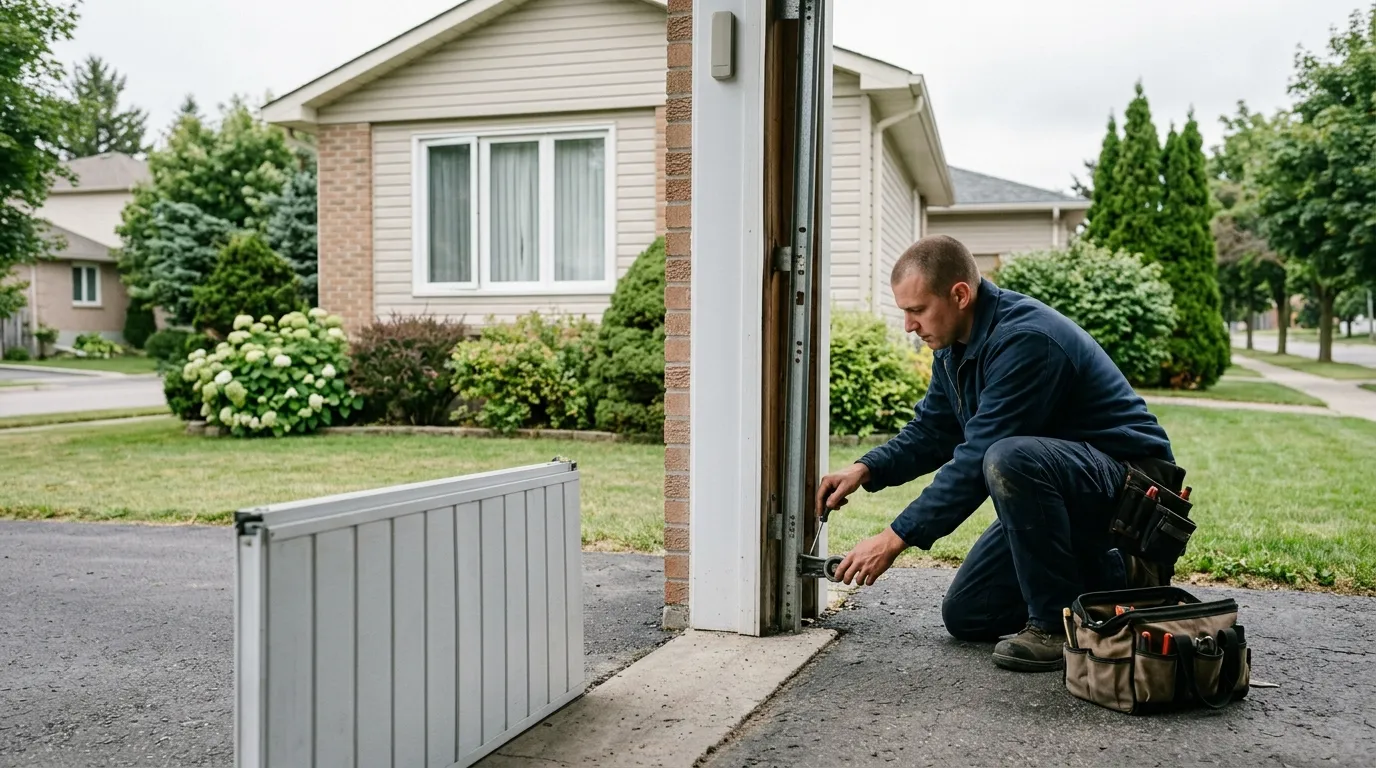
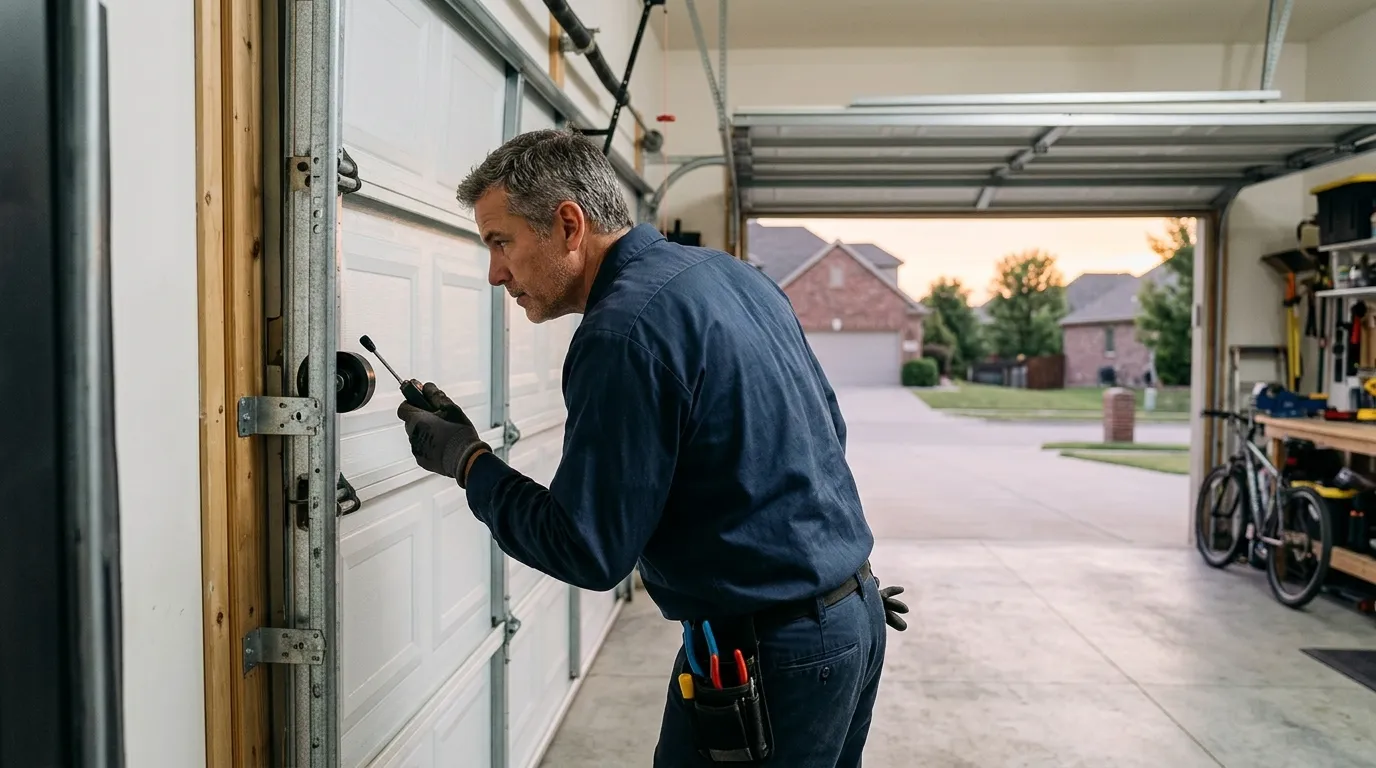
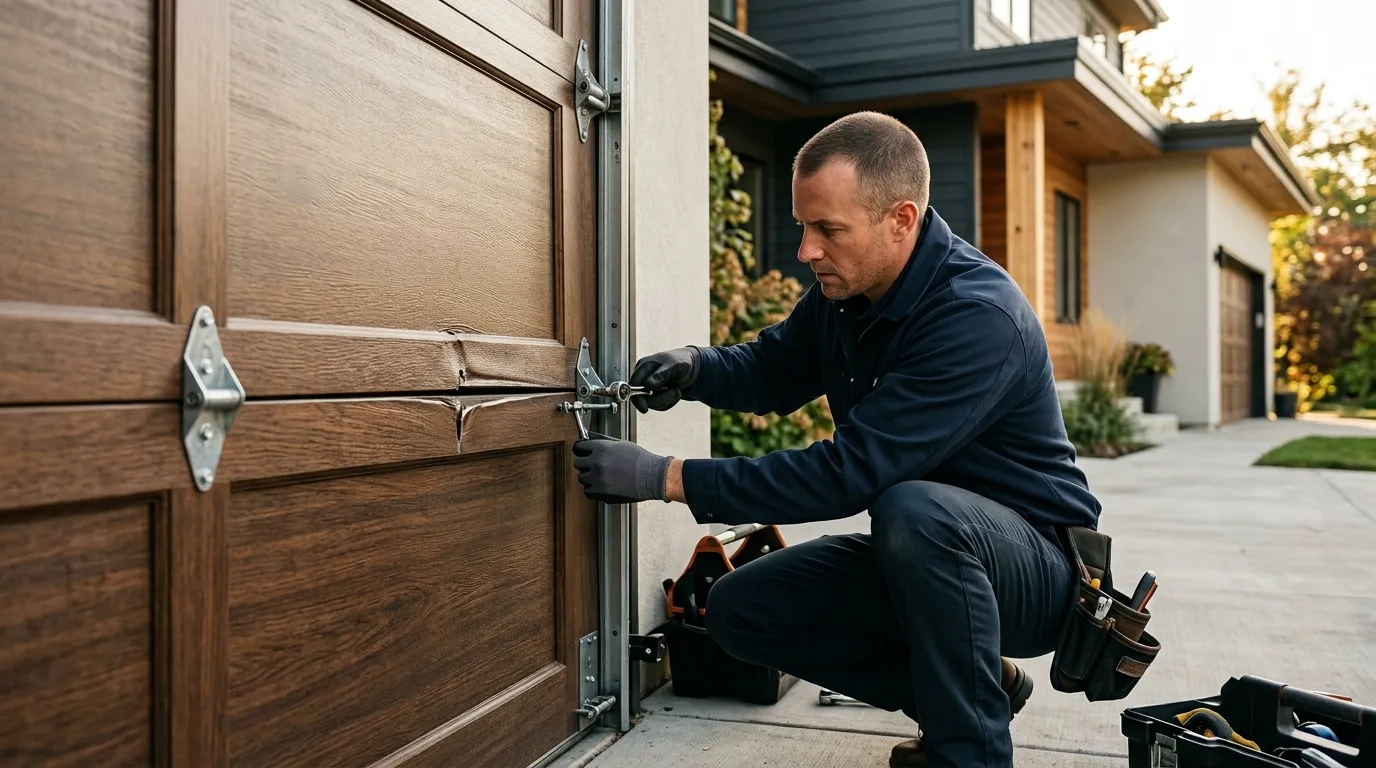
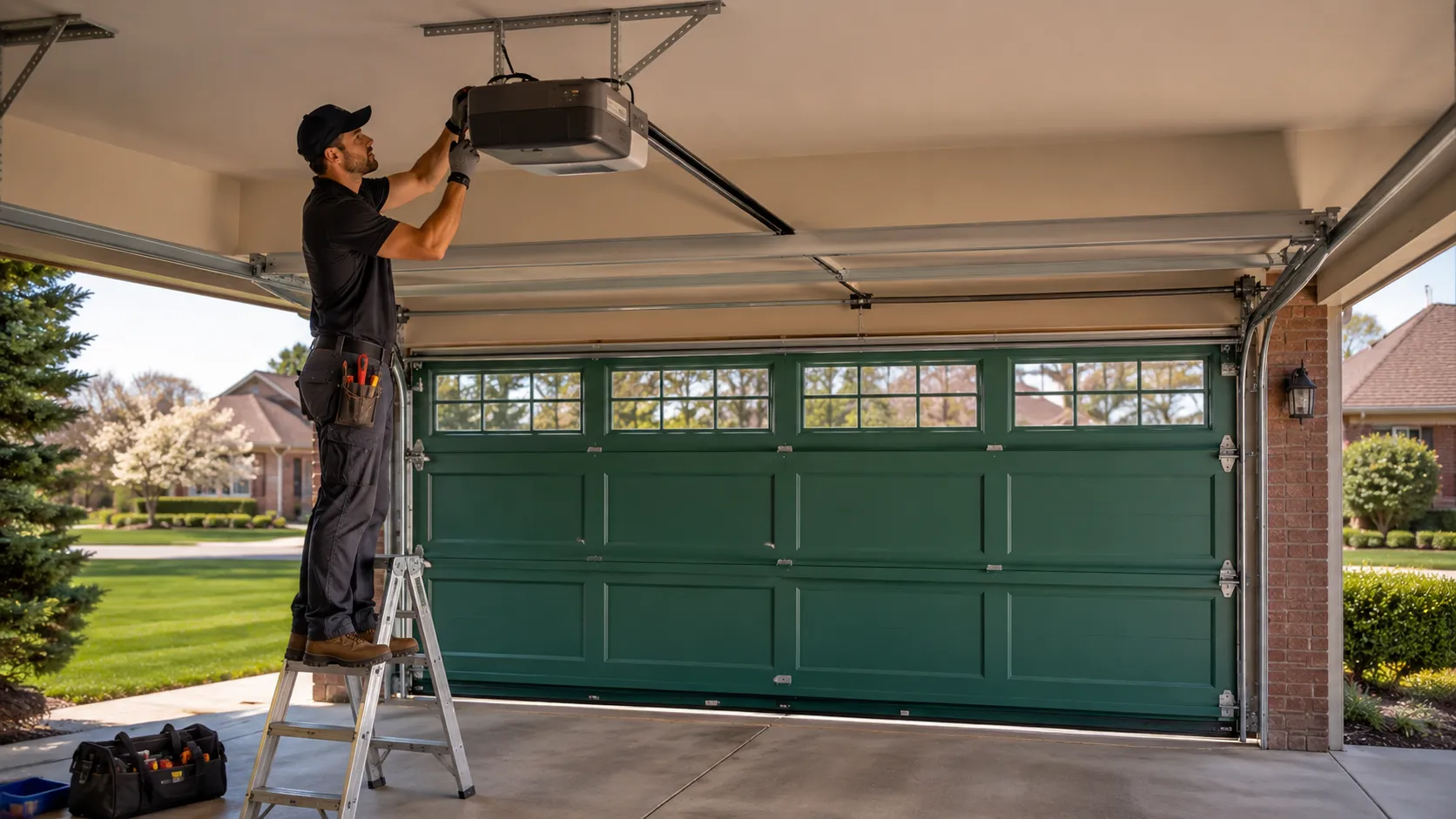
On a house from 1976, the failure pattern is pretty consistent. Torsion springs sized for the original steel door sag or snap outright after years of temperature swings - and this region sits in a cold climate zone, so that stress is real, not theoretical. Weatherstripping on doors this old is usually brittle and cracked at the corners, letting in drafts that the original design never accounted for. Cables fray at the drum where decades of use have worn a groove into the metal. We also find a good number of openers wired for chain drives that predate any kind of rolling-code security, which isn't dangerous but does mean the remote you lost five years ago probably still opens the door if someone finds it. None of this means the door needs to come out. Most of these issues are repairable on the original frame, and we'd rather replace a spring set and reset the travel limits than sell a homeowner a full door they don't need yet.