This Area's Housing
The median build year here is 1986, which sits close to the broader service area's 1938-2009 range and its 1984 median, but it's tighter and more consistent - this pocket doesn't have the mix of pre-war and brand-new construction you find elsewhere in our territory. What that means in practice: doors, tracks, and openers here were largely installed within a few years of each other, so when one house on a block needs a spring, the neighbors are usually not far behind on the same part failing. Income in the area runs well above the service-area median - $157,500 versus $121,583 across the wider coverage - which we mention only because it tends to line up with owners who replace a worn opener or upgrade insulation rather than patch a door repeatedly. That's a homeowner call, not ours to make for you, but we'll tell you honestly when a repair is the better move and when it isn't.
How That Shows Up in the Door
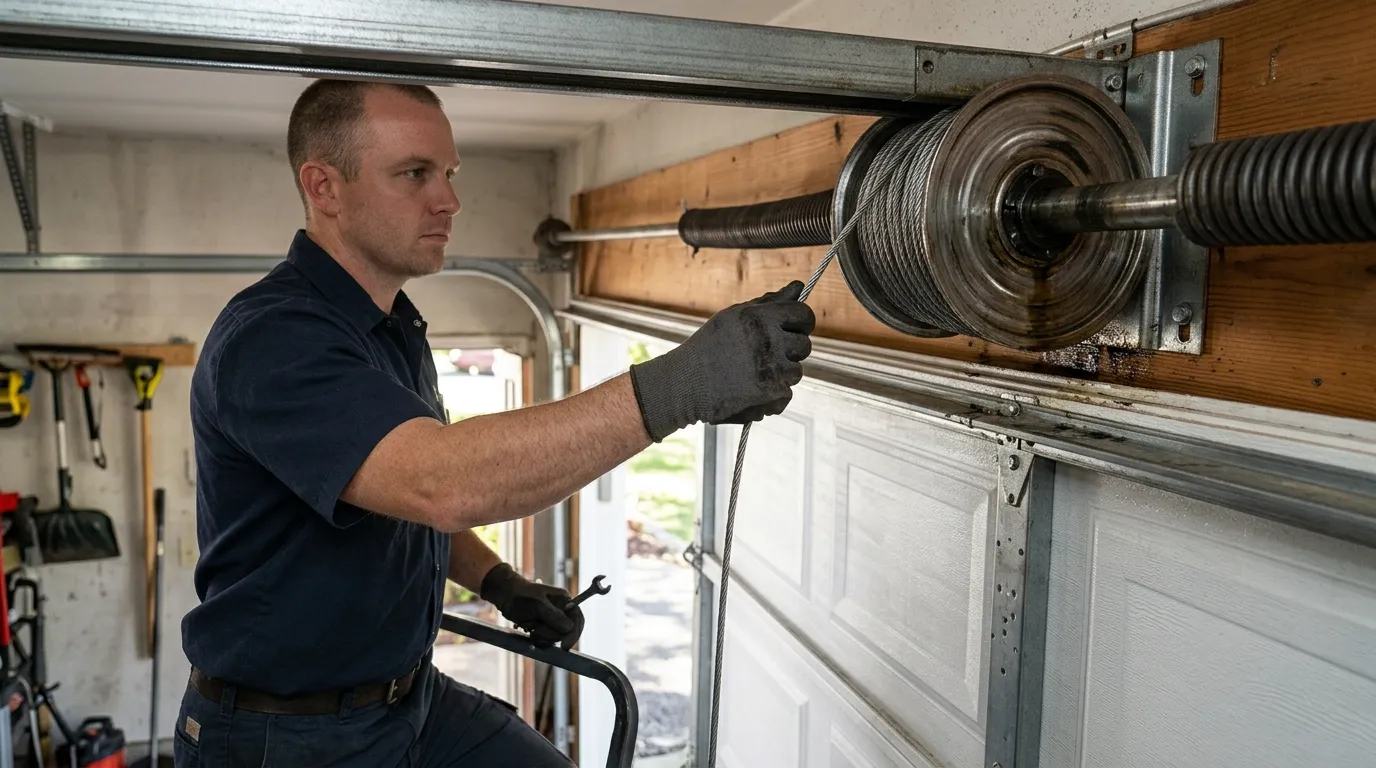
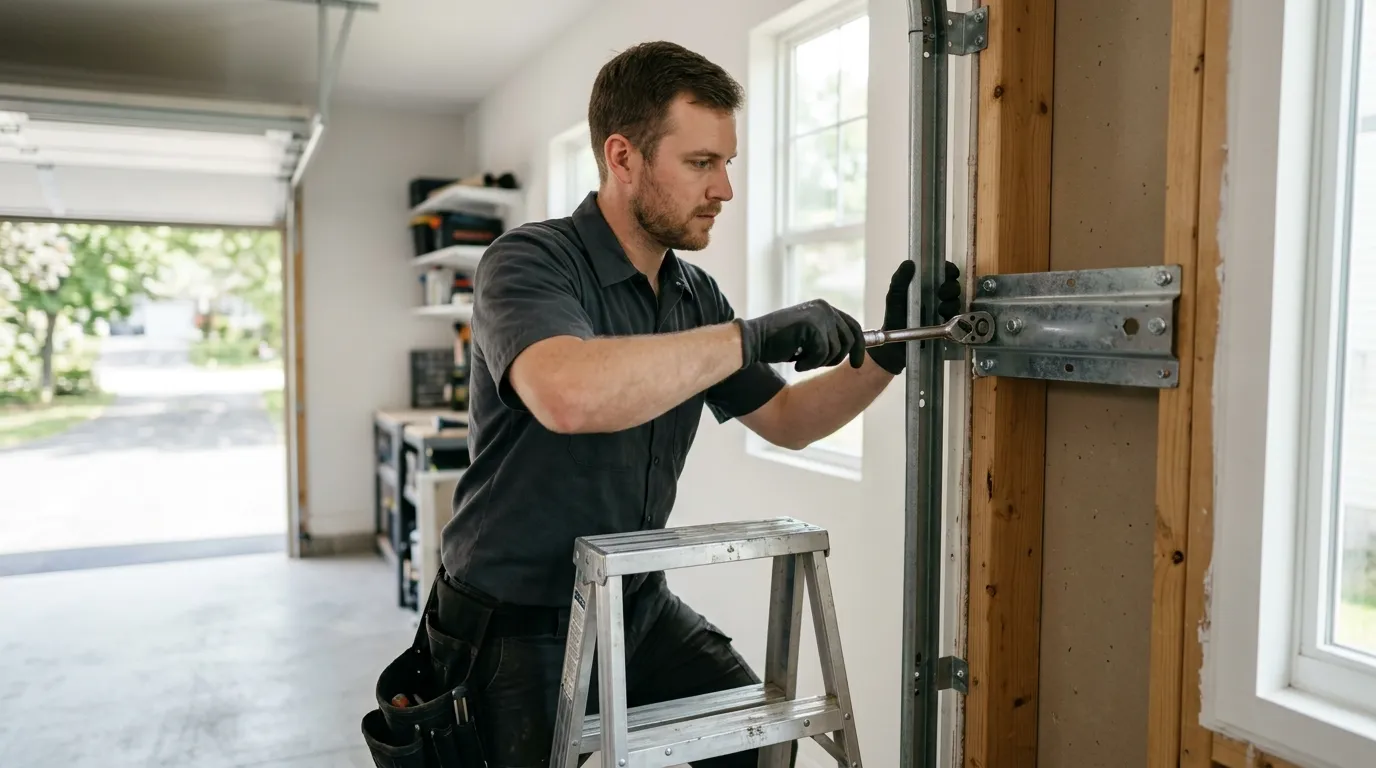
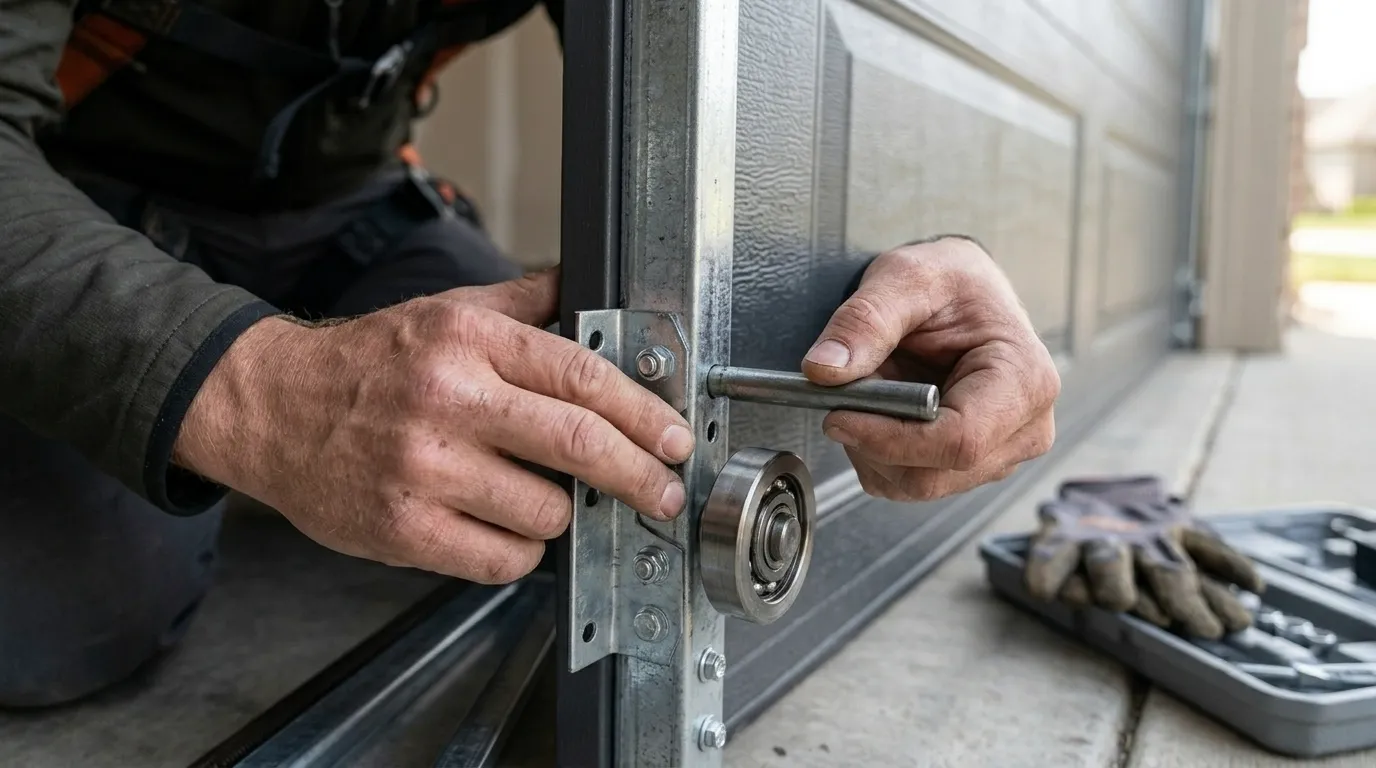
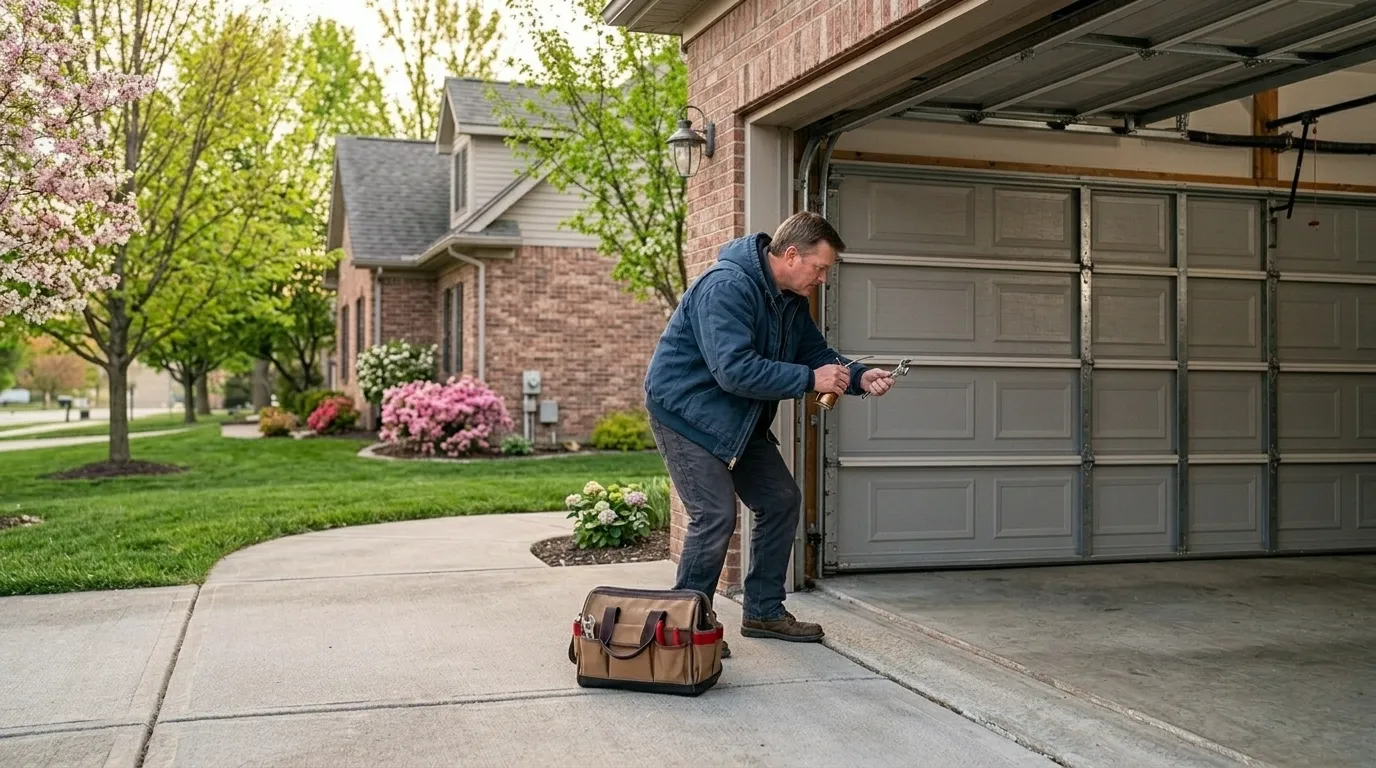
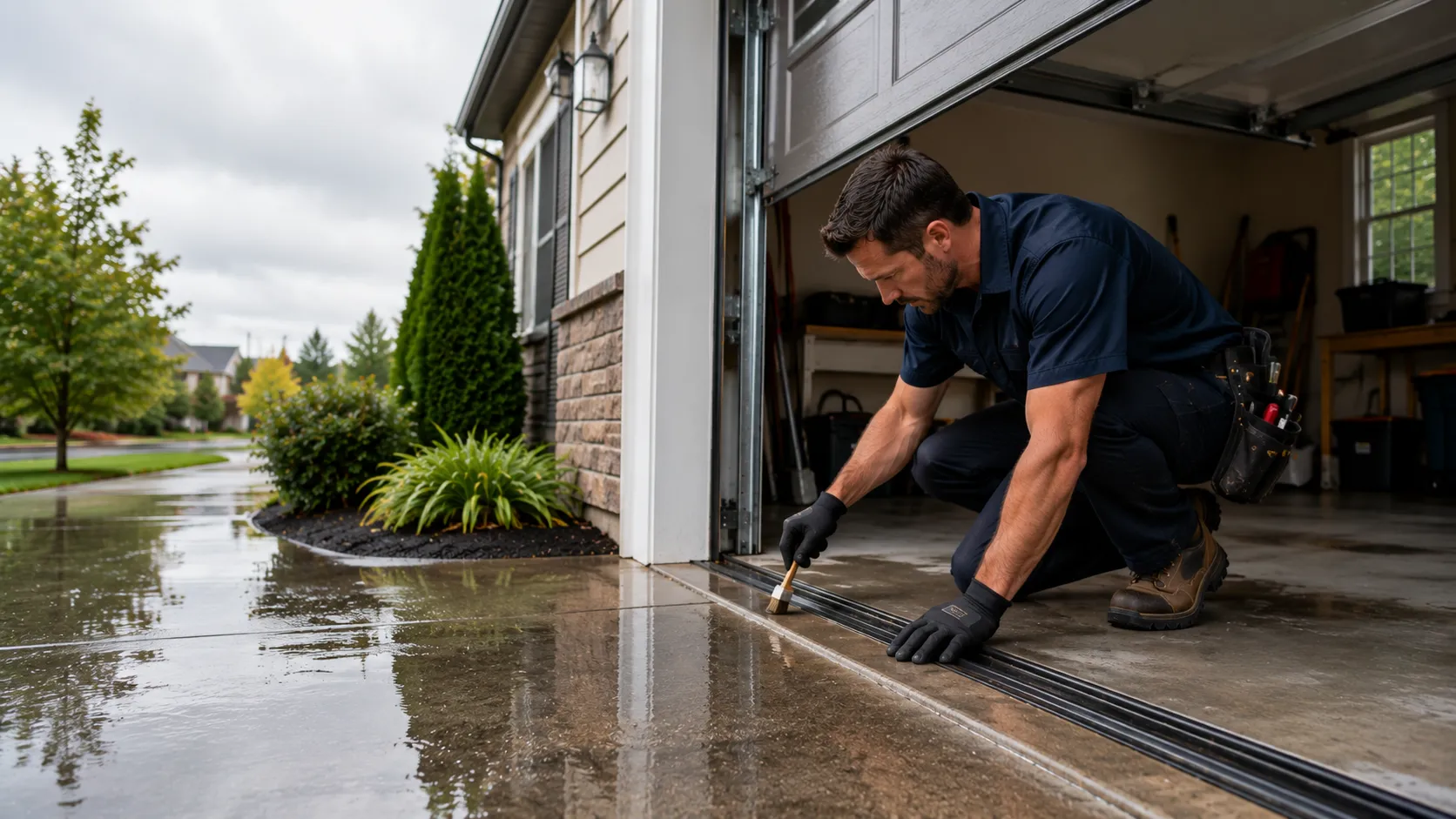
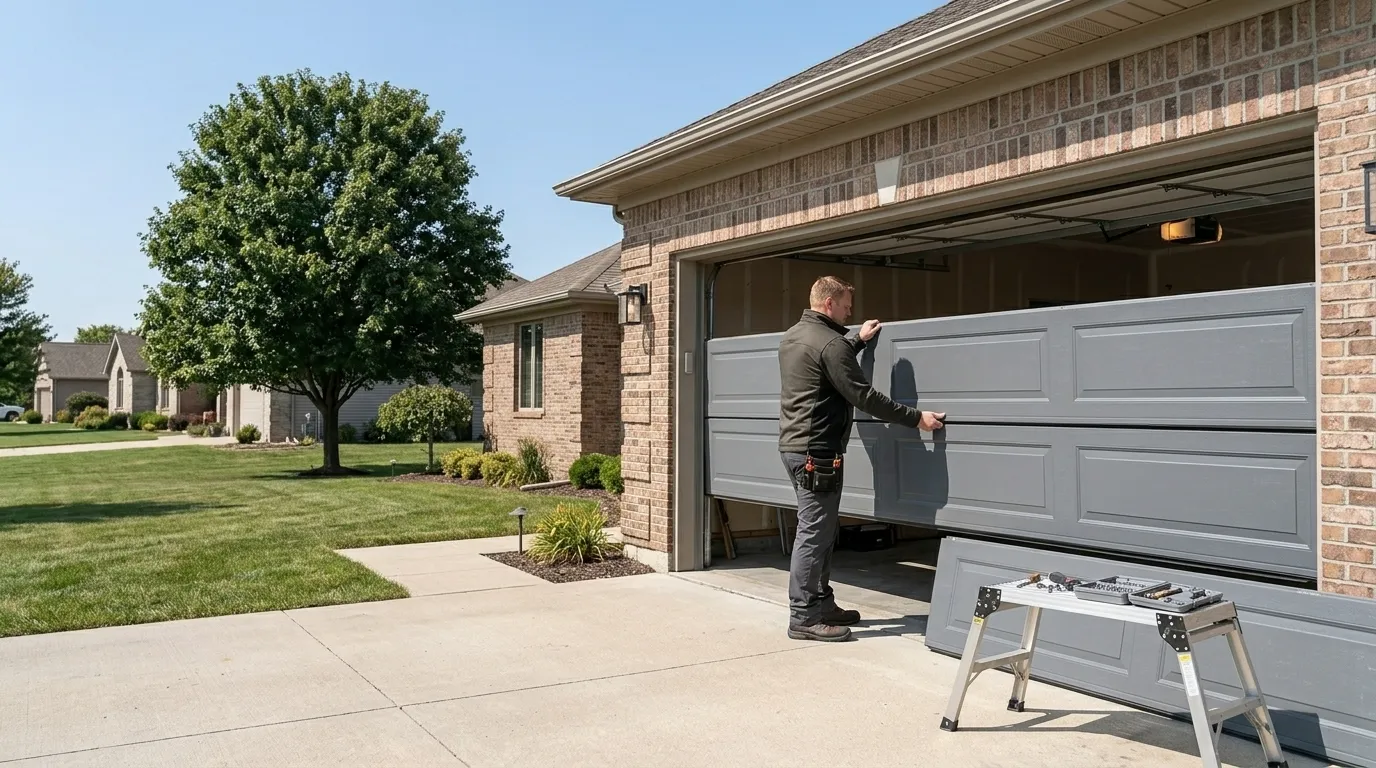
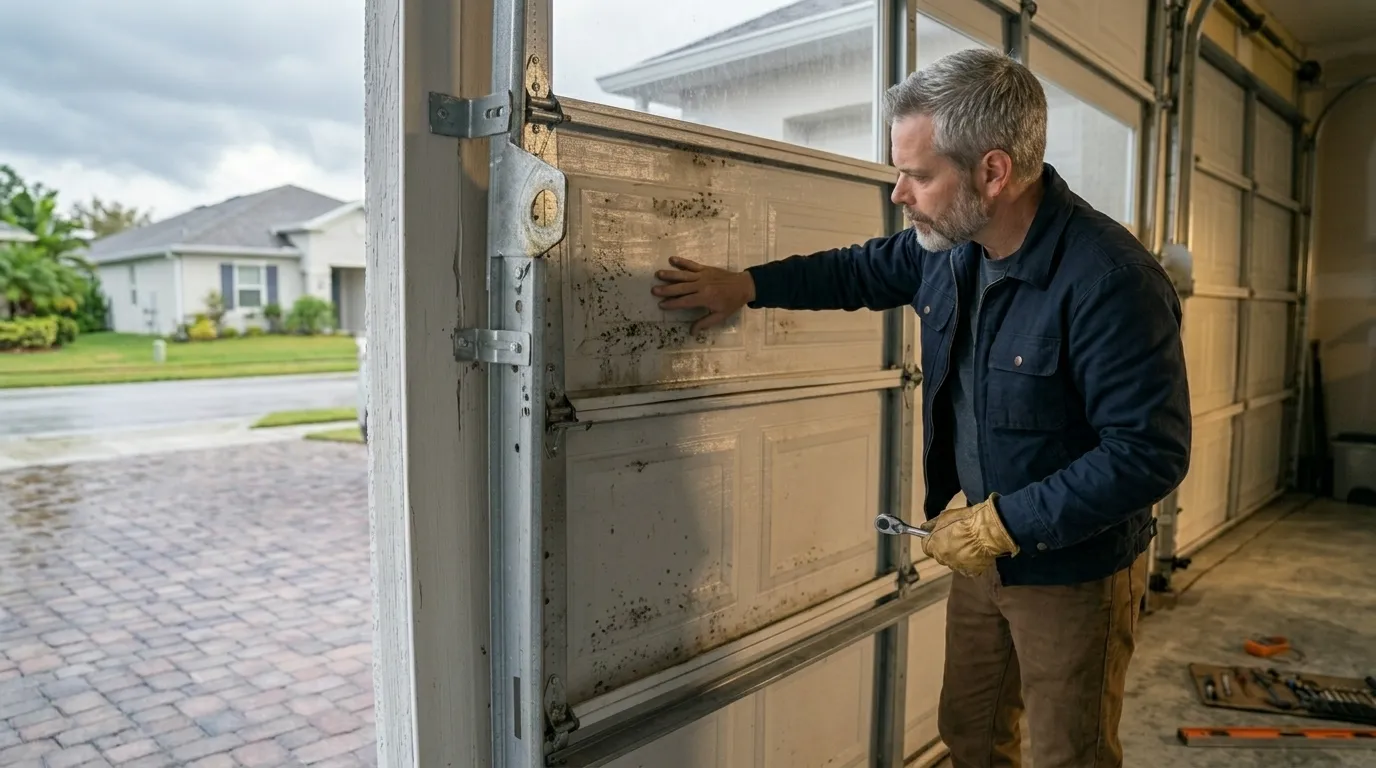
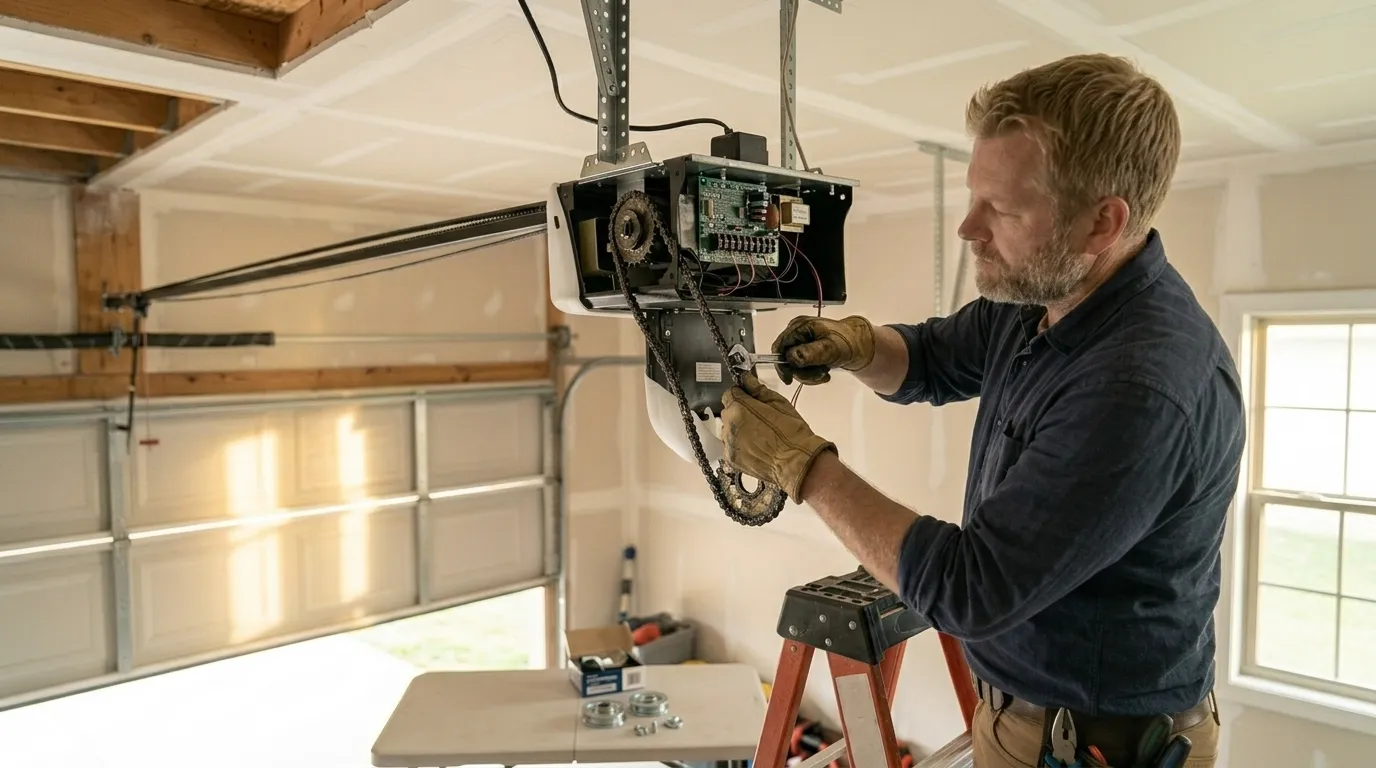
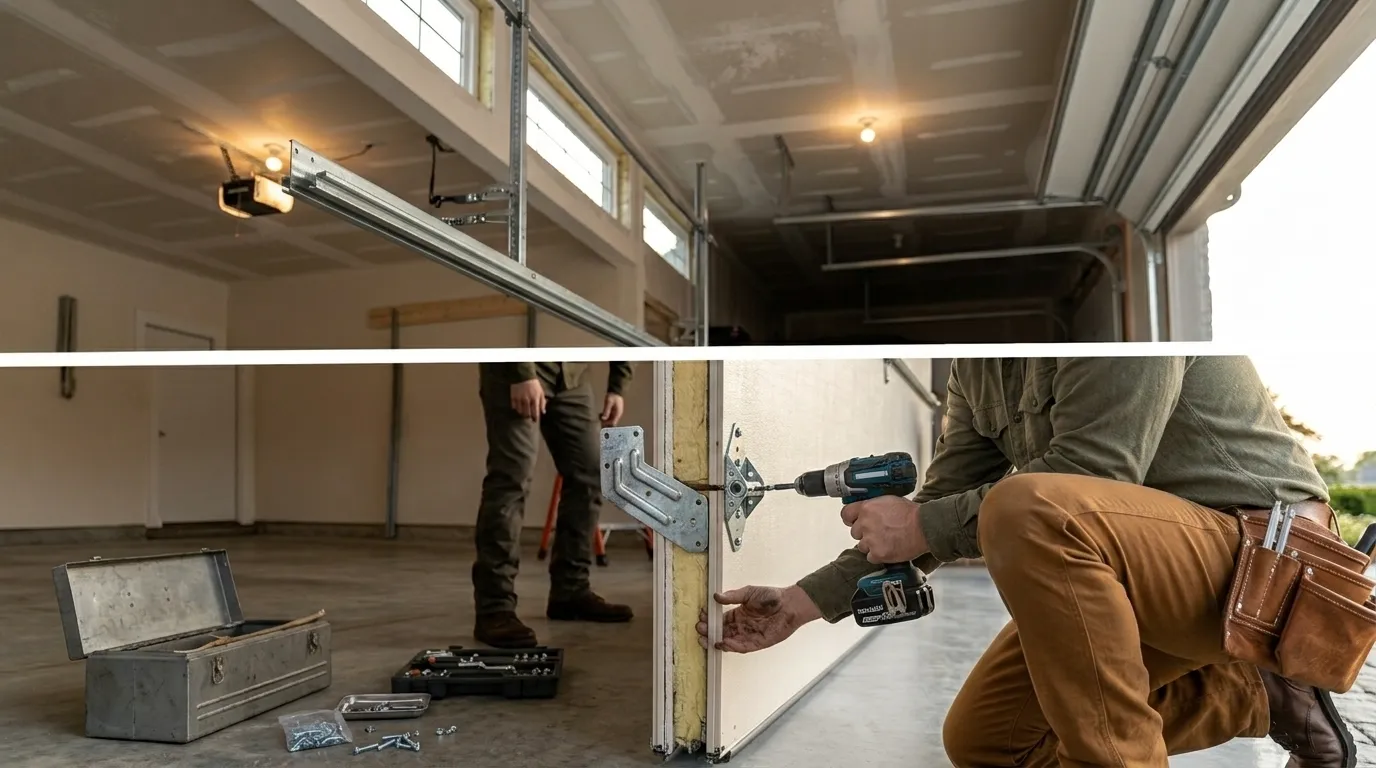
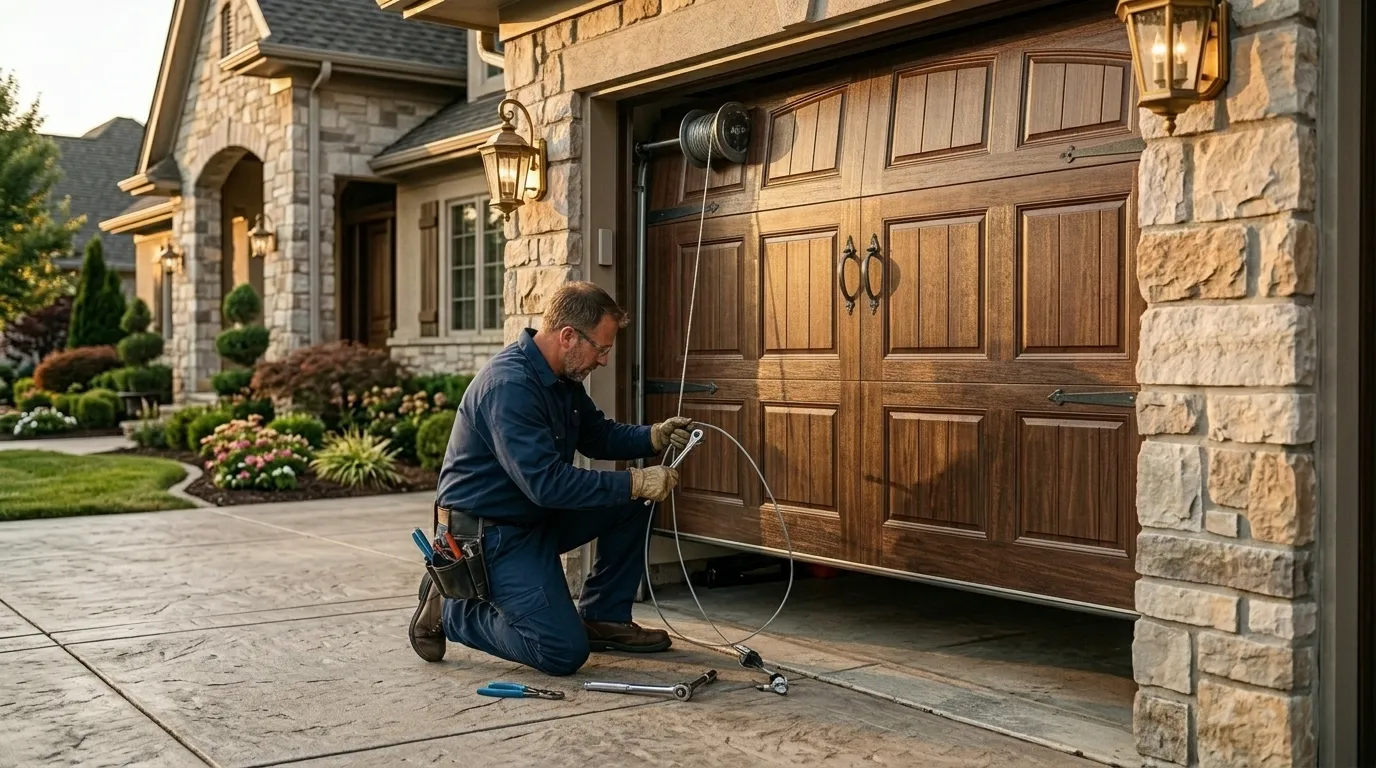
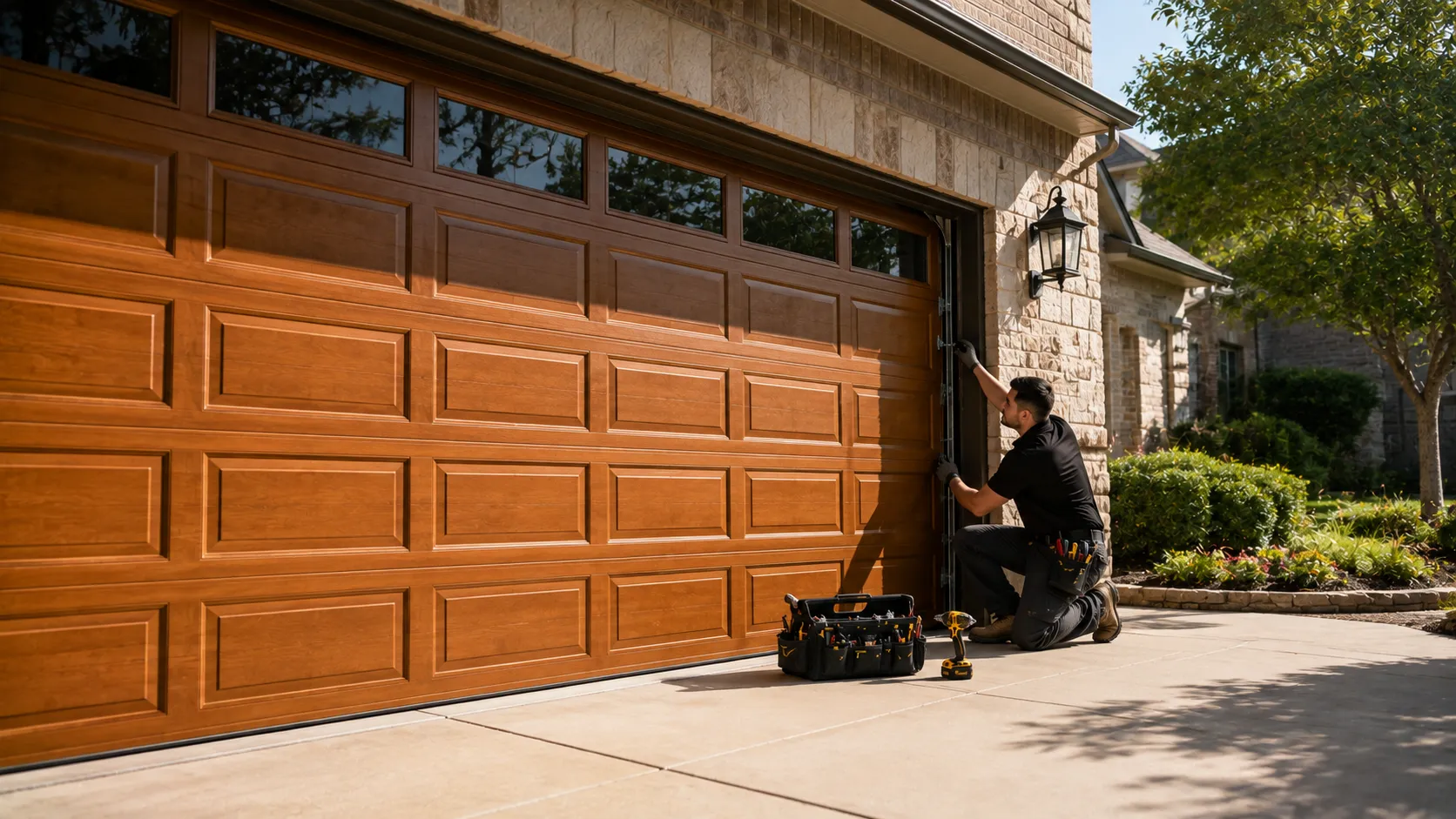
A door built around 1986 usually means galvanized torsion springs rated for a lighter door than what's actually hanging on them today, especially if a heavier insulated panel replaced the original at some point. In a cold-severe climate, steel contracts, lubricant thickens, and a spring that's already near the end of its wind-cycle life is more likely to snap on a below-freezing morning than in July. We also see original steel tracks that have gone slightly out of plumb after 35-plus years of seasonal freeze-thaw movement in the slab, which throws rollers off and causes the door to bind or shudder partway through the cycle. None of this is unique to any one house - it's what happens to hardware this age in this climate, and it's the first thing we check before assuming the opener is the problem.